Why Some Arizona Fruit Trees Give Smaller Harvests After A Thirsty Spring
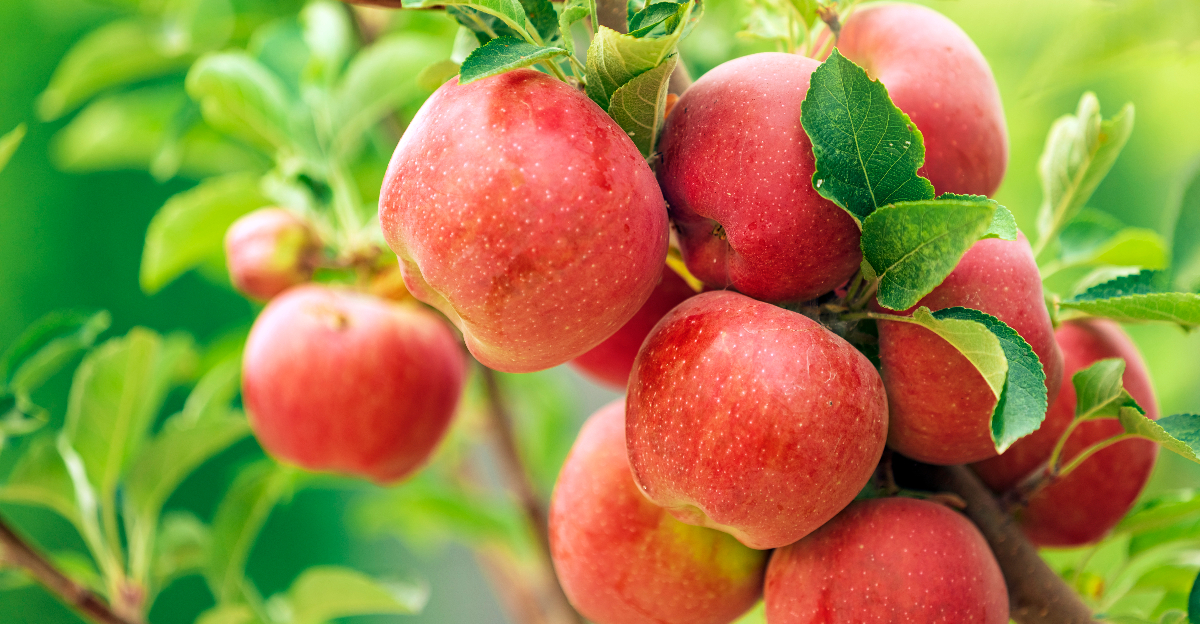
The tree bloomed beautifully. The fruit set looked promising. You watered, you waited, and then harvest came back smaller and fewer than the tree seemed capable of producing.
Nothing looked wrong. That is the part that makes it genuinely confusing.
Arizona fruit trees can look perfectly healthy all spring and still deliver a disappointing harvest for reasons that have nothing to do with disease, pests, or obvious neglect.
The problem usually starts and finishes during a specific few-week window, quietly, without any visible warning on the branches above.
Have you ever wondered why two trees in the same yard, treated almost identically, can produce completely different results in the same season?
Water timing is almost always part of that answer. Not just how much water the tree received, but when it arrived, how deep it went, and what was happening in the soil during the weeks that matter most.
Spring in Arizona is short. The sizing window for fruit is even shorter. What happens during that stretch determines everything.
1. Dry Soil Limits Fruit Sizing At The Worst Moment
Fruit cells need water to divide and expand. That is the basic biology behind fruit sizing, and it is also the reason spring soil moisture matters more than almost anything else an Arizona grower can control.
Spring in Arizona is warm and dry by default. Soil loses moisture fast, particularly in sandy or gravelly ground that drains quickly.
When trees hit a dry stretch right after petal fall, which is the exact stage when fruits are just beginning to form, the damage happens silently.
Small fruit size at harvest often traces directly back to a few dry weeks in March or April that went unaddressed.
Checking soil moisture six to eight inches deep with a probe or wooden dowel before each watering session removes the guesswork.
A dry result at that depth means the tree is already running behind. The surface may feel fine while the root zone is completely depleted.
Deep watering every seven to ten days during spring fruit development, adjusted for soil type and tree size, gives fruit cells the consistent moisture they need to expand fully. The goal is steady moisture through the entire root zone, not just the top layer.
Timing the intervention early is what separates a full harvest from a frustrating one.
Many Arizona growers check the canopy for stress signals. By the time those signals show, the fruit sizing window may already be compromised.
The fruit is not going to ask for water. The soil check has to happen first.
2. Shallow Watering Leaves Roots Chasing Moisture
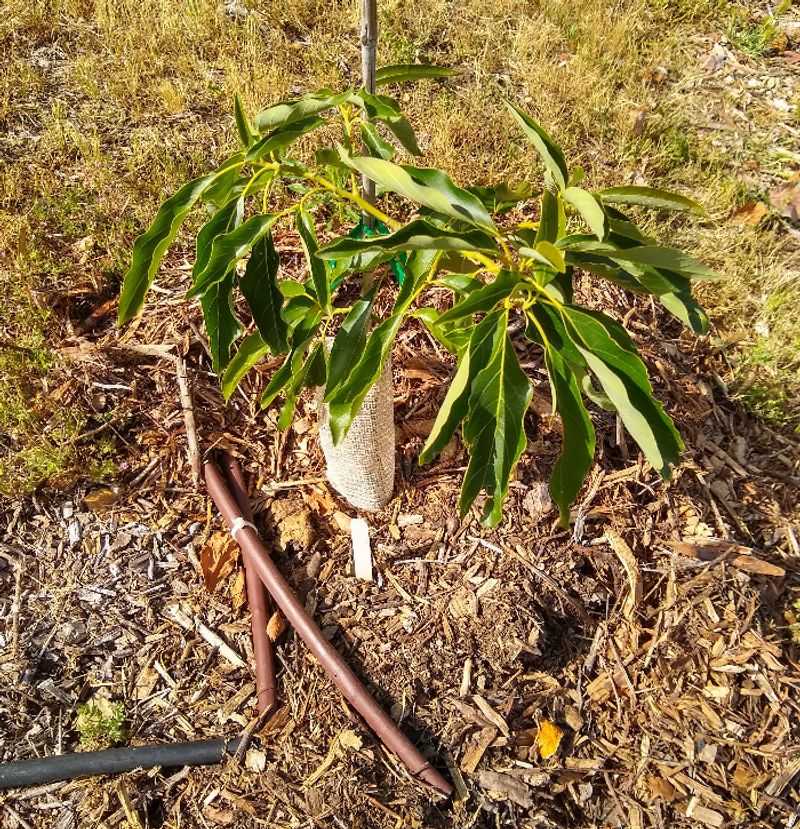
Roots follow moisture. That simple fact drives almost every fruit sizing problem that comes from irrigation management in Arizona.
When irrigation only wets the top two or three inches of soil, roots cluster near the surface. Surface soil in Arizona dries out fast once temperatures climb into the 90s in April and May. A tree with shallow roots has almost no buffer against heat, wind, or a missed watering cycle.
Your Arizona Garden Changes Every Week. Your Plan Should Too.
Gardening in Arizona changes quickly throughout the season. Every Friday you’ll receive a simple weekly plan showing exactly what to plant, prune, fertilize, harvest, and protect so you never miss the right timing.
That vulnerability travels upward through the plant. The moment stress registers at the root level, the tree responds by dropping fruit or halting the sizing process. The canopy may still look healthy while the fruit load quietly declines.
The fix requires patience more than anything technical. Watering slowly and deeply pushes moisture down to 18 to 24 inches, where healthy fruit tree root systems prefer to operate.
Drip emitters handle this well, but they need to run long enough to actually move water through the soil profile rather than just wetting the surface.
A probe check after watering confirms whether penetration reached the right depth. If it only reached six inches, the session was too short regardless of how long it ran.
Moving emitters outward as the tree matures also matters. Roots extend well beyond the visible drip line, and irrigation that stays fixed in one spot for years gradually becomes less effective.
Shallow roots produce shallow harvests. It is a fairly direct relationship.
3. Too Much Fruit On One Tree Shrinks The Harvest
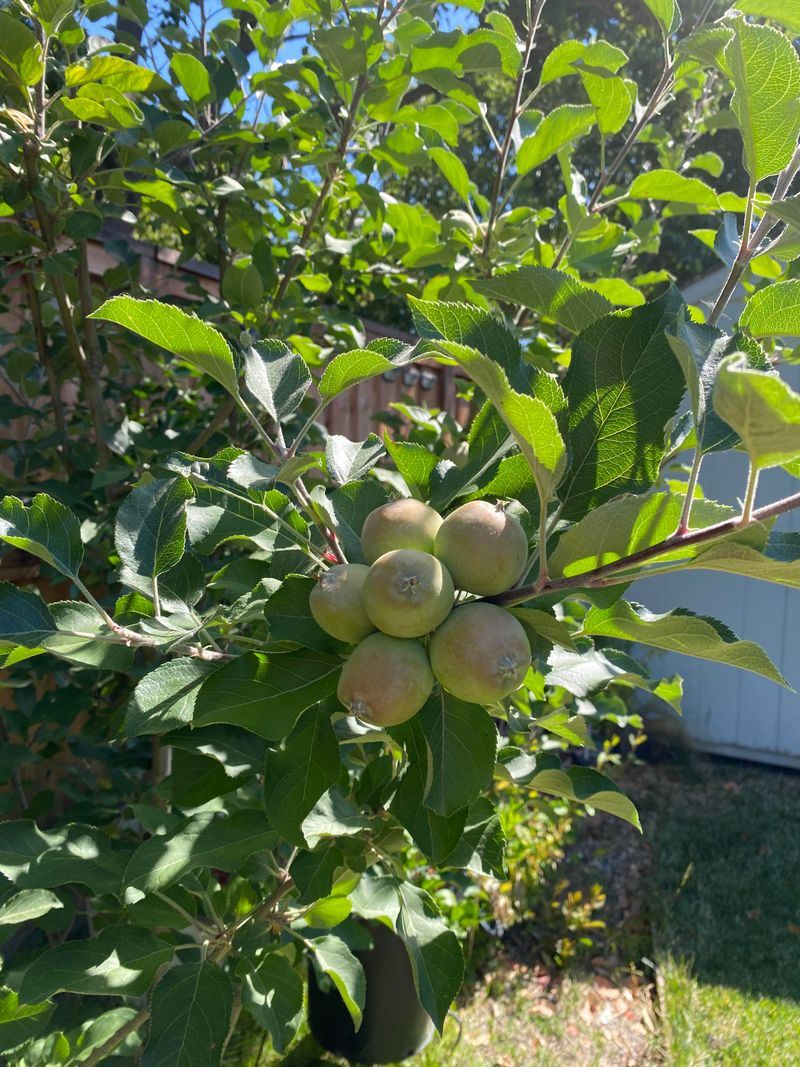
More fruit on the tree does not mean more fruit in the bowl. When dozens of young fruits compete for the same limited pool of water and nutrients, none of them receive enough to reach full potential.
The outcome is a large quantity of small, underwhelming fruit rather than a manageable quantity of large, flavorful ones.
Arizona fruit trees, particularly peaches, apples, and plums, tend to set more fruit than the tree can realistically support through a hot, dry spring.
The tree simply produces as many fruits as possible right after bloom without accounting for what the season will demand.
Left unmanaged, it either drops fruit unpredictably on its own or carries too many all the way to harvest at significantly reduced size.
Thinning is the practical solution, and the timing is specific. The window is within four to six weeks after bloom, when fruits are still small and the tree can redirect its energy into what remains.
Spacing fruits four to six inches apart along the branch gives each one a fair share of what the tree produces. Waiting past that window substantially reduces the benefit.
Removing healthy-looking young fruit feels counterintuitive the first time. The harvest that follows tends to change that perspective fairly quickly.
Fewer fruits, bigger fruits, better flavor, less branch stress. The tree essentially delivers more by carrying less.
How many growers skip this step and then spend September wondering what went wrong?
4. Spring Wind Pulls Moisture From Leaves And Fruit
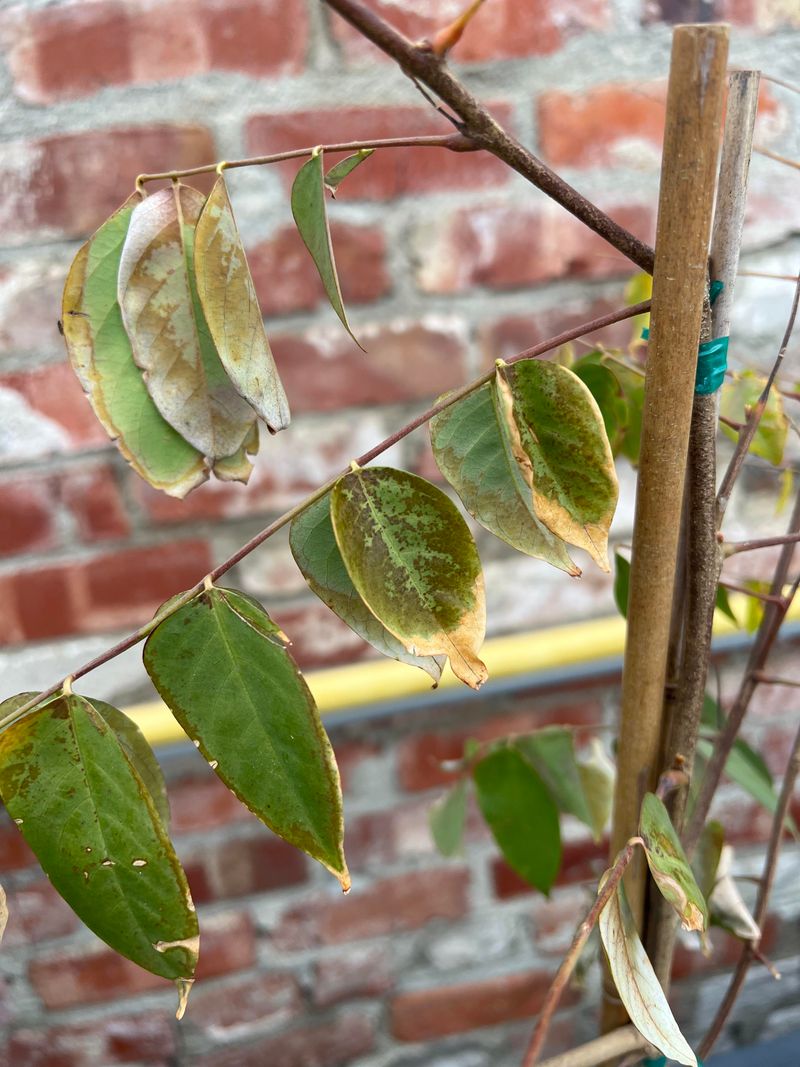
Arizona spring winds create a moisture problem that has nothing to do with soil condition. Dry, warm gusts pull water out of leaves and developing fruit at a rate the root system cannot always match, even when the soil is reasonably moist.
The process is called transpiration stress, and it is particularly damaging when wind persists for several days during the sizing window.
The soil profile may still feel damp while the tree is losing water through its canopy faster than roots can deliver it upward. Fruit in active development is especially vulnerable during these stretches.
Checking soil moisture after every significant wind event is a practical habit worth building into the routine. Even a watering two days earlier may not be sufficient after a sustained hot and windy period.
Evapotranspiration rates during Arizona spring winds can be significantly higher than on calm days, which means the irrigation schedule that worked last week may already be insufficient this week.
Windbreaks using block walls, fencing, or dense shrubs on the windward side of the orchard reduce wind speed meaningfully and cut moisture loss across the canopy.
For smaller home orchards, temporary shade cloth on the west and south sides during the windiest stretches offers real protection without major investment.
Adjusting irrigation after windy periods rather than holding to a fixed calendar keeps the tree in balance through the most demanding weeks of spring.
The wind does not check your watering schedule before it arrives. The irrigation adjustment has to come after.
5. Weak Mulch Coverage Lets The Root Zone Heat Fast
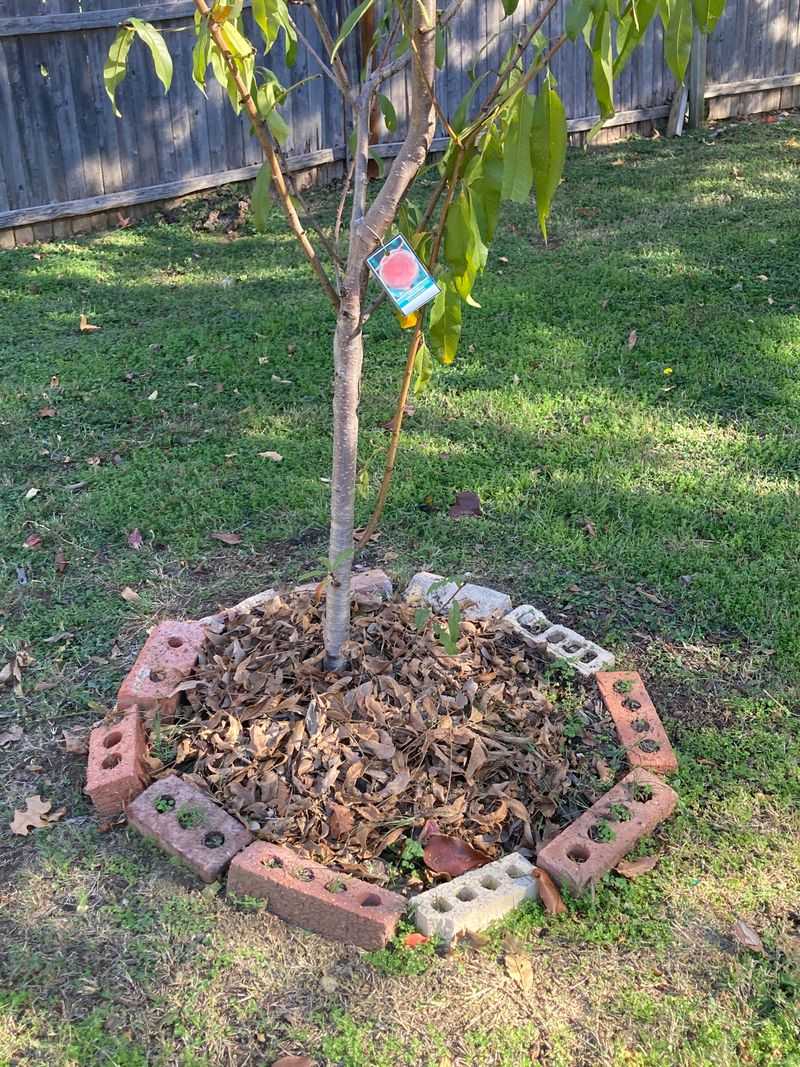
Bare soil under an Arizona fruit tree in spring heats up fast. By midday, surface temperatures without any coverage can reach levels that slow or stop root activity entirely.
Hot roots reduce water and nutrient uptake, and reduced uptake during the sizing window translates directly to smaller, less developed fruit at harvest.
A three to four inch layer of wood chips or straw keeps the soil meaningfully cooler, slows evaporation, and maintains the kind of steady moisture that supports consistent fruit development.
The coverage should extend outward in a wide ring to the drip line and beyond, since most of the active root zone is not located directly at the trunk.
A common application error is mounding mulch against the trunk itself. That traps moisture against the bark and creates conditions for rot and secondary pest activity. Keep the material a few inches back from the trunk but spread it generously across the full root zone.
Refreshing the mulch layer each spring before temperatures climb is a low-cost, low-effort step that pays back in cooler roots, slower soil drying, and more consistent sizing through the critical weeks.
Research consistently supports mulching as one of the most effective single actions available for reducing water stress in orchard trees grown in hot, dry conditions.
A bag of wood chips and an hour of spreading. Not exactly the most glamorous orchard management task.
The harvest does not care about glamour. It cares about root temperature.
6. Irregular Irrigation Pushes Trees Into Survival Mode
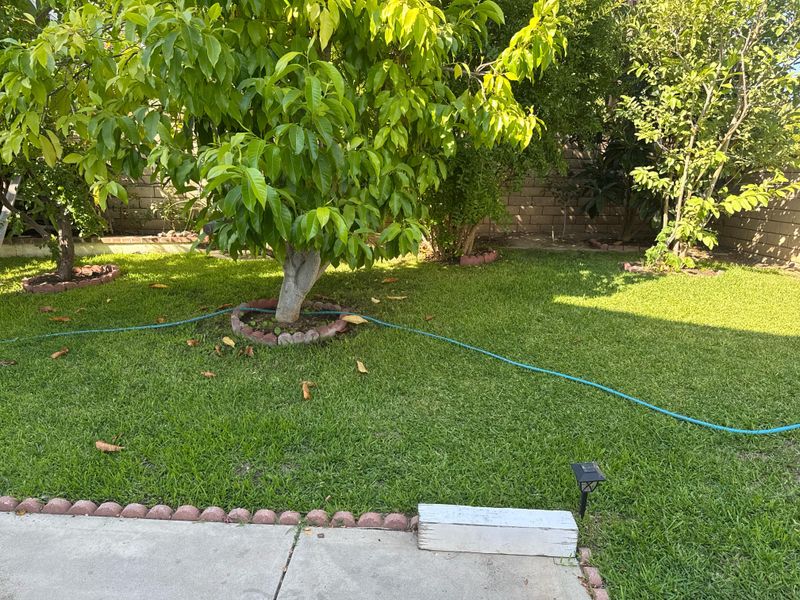
Fruit trees perform best with consistent moisture. When the watering schedule swings between dry periods and heavy soaking, the tree responds in ways that directly reduce harvest quality.
After several days without water, the tree redirects energy toward managing the deficit rather than sizing fruit. Then a large volume of water arrives suddenly, and the stress response shifts again.
In stone fruits and citrus, that rapid swing from dry to wet can cause fruit cracking or splitting as cells expand too quickly after a period of restriction. The tree spends resources addressing stress rather than developing fruit.
Consistent irrigation, matched to what the tree actually needs based on current weather conditions rather than a fixed calendar, produces substantially better results.
Arizona’s free AZMET weather network publishes weekly evapotranspiration data by region, which makes it straightforward to adjust watering duration and frequency based on real conditions rather than assumptions.
Checking drip emitters monthly is a practical step that many home growers overlook. A single clogged emitter can leave one section of the root zone dry for weeks without any visible sign at the canopy level.
Running the system and watching each emitter while it operates takes a few minutes and catches problems before they compound across the whole sizing window.
Matching irrigation to what the tree needs, not what feels convenient, keeps it out of survival mode and focused on the job it was planted for.
Consistent water. Consistent fruit size. The connection is not subtle.
7. Poor Soil Drainage Blocks Strong Root Growth
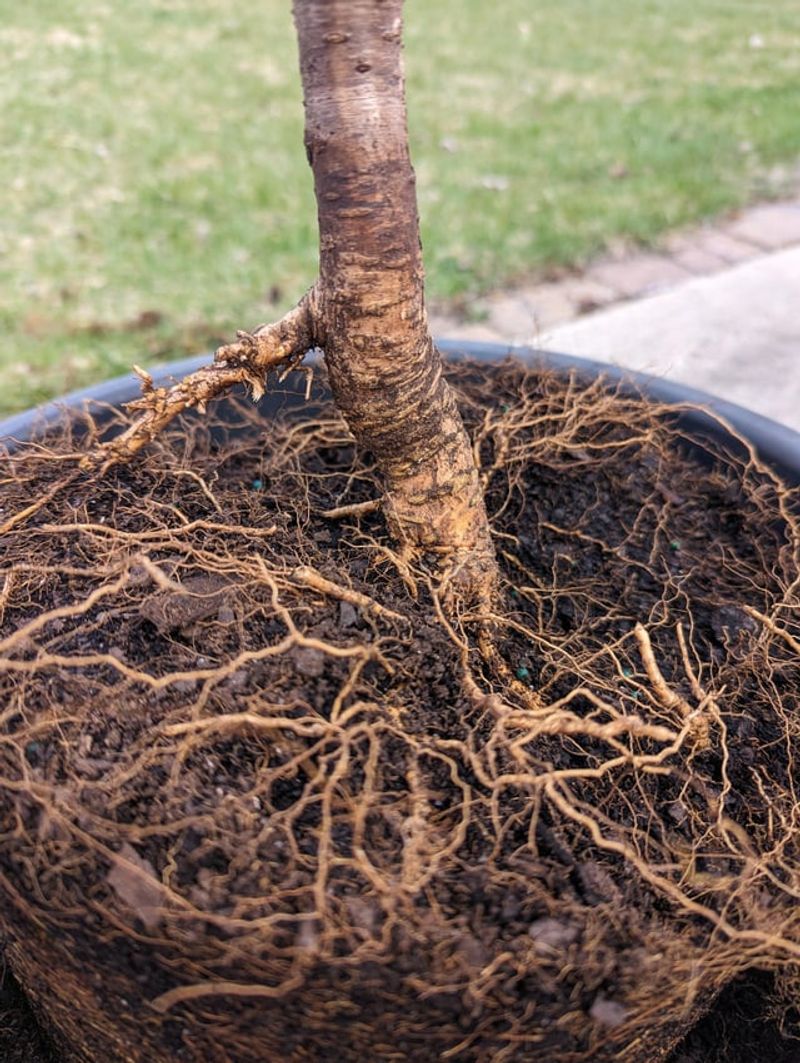
Soil problems in Arizona do not always announce themselves during a drought.
Caliche layers, those hard, pale bands of calcium carbonate found below the surface across much of the state, can restrict root growth just as effectively as physical barriers.
When roots cannot move downward, they stay shallow, and shallow roots cannot access the deeper moisture that supports trees through a dry spring.
Poor drainage creates a different problem with equally damaging results. When water sits in the root zone for extended periods, oxygen levels drop and root function declines.
A root system under those conditions cannot absorb water or nutrients efficiently, even when both are present in the surrounding soil. The tree arrives at spring fruit sizing already resource-limited.
Testing drainage before establishing any fruit tree saves significant future frustration. The method is simple. Dig a hole about twelve inches deep, fill it with water, and observe how quickly it empties.
Water still present after an hour indicates drainage that needs improvement before planting proceeds.
Breaking through caliche with a post-hole digger or backhoe before planting, then backfilling with amended soil, gives roots the vertical space they need.
For trees already established in problem sites, mounded planting areas or redirected drainage can reduce the impact.
Drainage is not the exciting part of orchard management. Neither is a spring full of undersized fruit.
Address the soil first and the harvest tends to follow.
8. Skipped Thinning Leaves Fruit Fighting For Resources
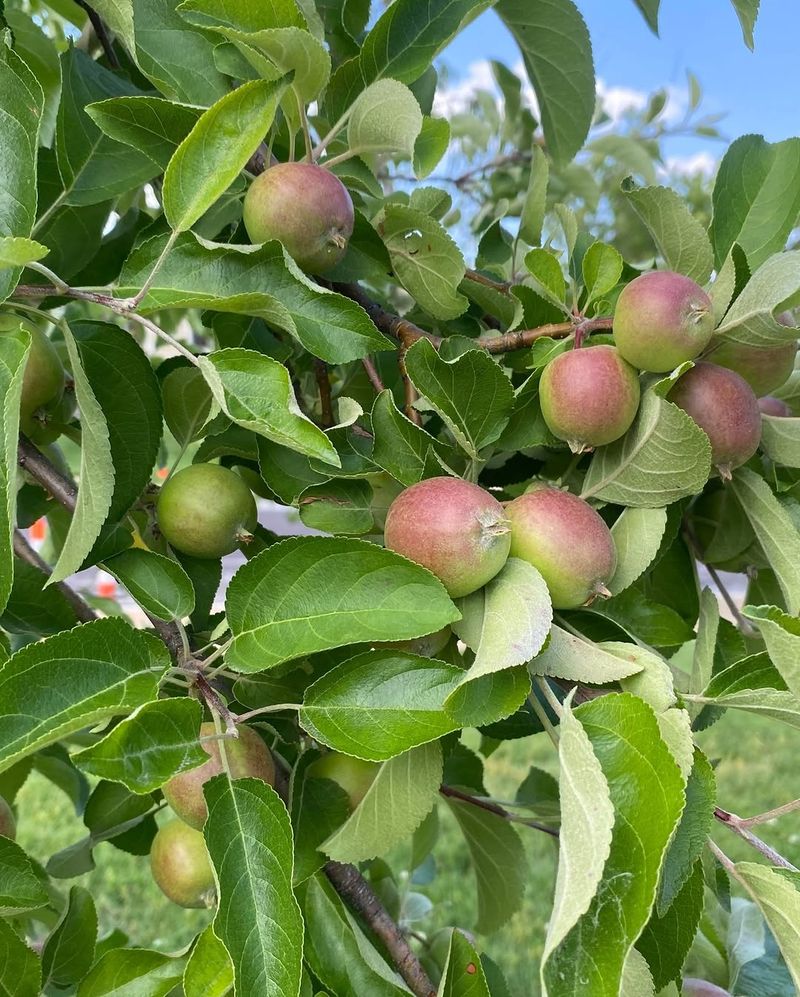
Leaving every fruit the tree sets feels like protecting the harvest. In practice, it tends to produce the opposite of what most growers want.
Overcrowded fruits compete for the same sugars, water, and minerals moving through the branch. In that competition, no individual fruit receives enough to develop fully.
The tree delivers volume at the expense of size, flavor, and color, which is a trade that rarely feels like a good deal at harvest.
Timing the thinning correctly matters as much as doing it at all. The most effective window falls within four to six weeks after bloom, when fruits are still small and the tree retains enough season ahead to size what remains.
Fruits thinned within that window have the full spring development period available to them. Fruits thinned later have already lost weeks of potential growth and show less improvement in response.
The target spacing is four to six inches between fruits along the branch. For peaches, reaching that spacing frequently means removing more than half of the initial fruit set.
Apples and pears respond with similar improvement in size and quality when thinned within the appropriate window.
In Arizona’s short and intense spring, every week of productive growing conditions has direct value. Letting fruit compete unnecessarily wastes those weeks one at a time.
Grab the bucket. Thin early. The fruits that remain will make a reasonably strong argument that the decision was correct.