Yard Habits Arizona Homeowners Have That Are Attracting Coyotes Into The Neighborhood
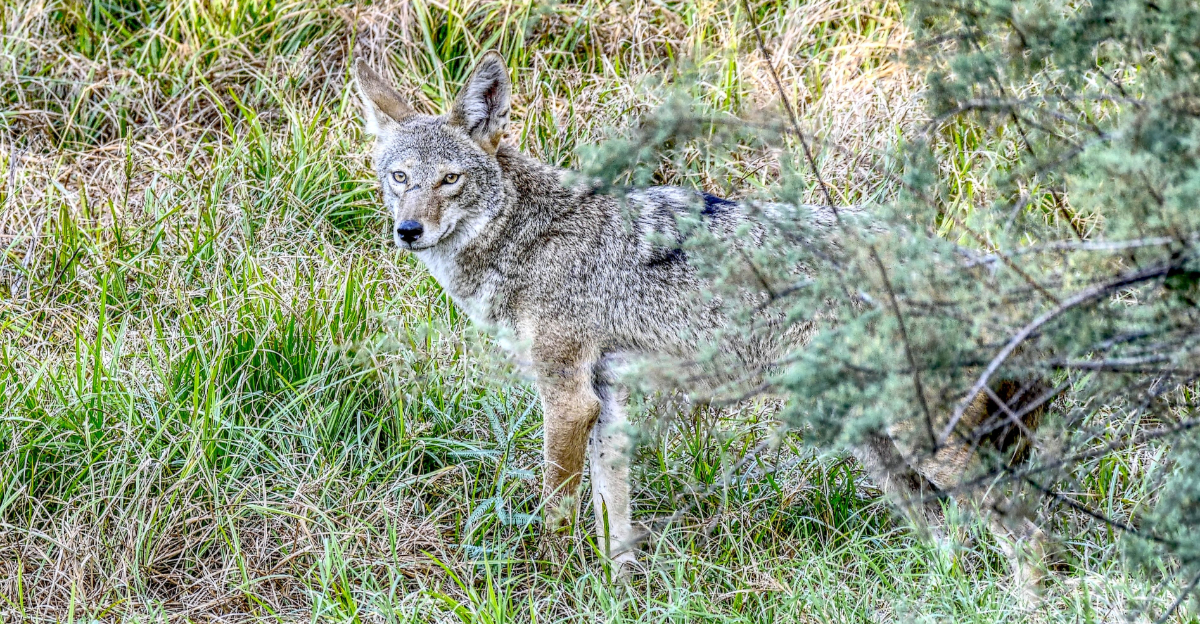
Seeing wildlife near home can be exciting the first few times it happens. After a while, though, the novelty starts to wear off when the animal keeps showing up in the same places.
A quick glimpse near the street turns into regular sightings around yards, sidewalks, and neighborhood entrances.
Before long, people start wondering why coyotes seem so comfortable spending time where families, pets, and children are active every day.
Coyotes are remarkably good at adapting to human environments. They pay attention to food sources, water, shelter, and easy opportunities that make life simpler.
The surprising part is that many of those opportunities come from ordinary habits that do not seem connected to wildlife at all. Small details around a property can make a neighborhood much more attractive than homeowners realize.
In Arizona, a handful of common yard habits may be encouraging coyotes to stick around longer and return more often than expected.
1. Feeding Pets Outdoors After Dark
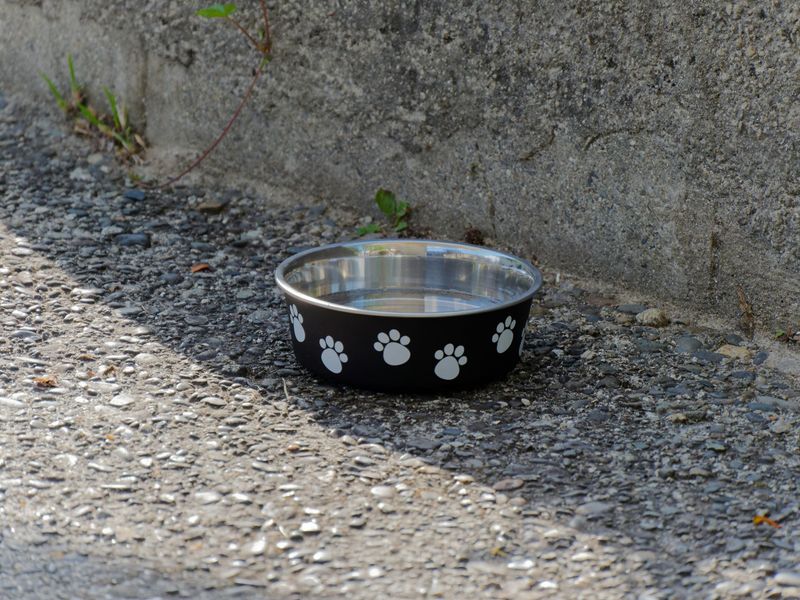
Leaving pet food outside after sunset is one of the fastest ways to draw coyotes close to your home. Coyotes are most active between dusk and dawn.
A bowl of kibble sitting on your back patio sends a clear signal that your yard is an easy dinner spot.
Coyotes have an incredible sense of smell. They can detect food from surprisingly long distances.
Once one finds a reliable food source, others follow quickly.
Feeding your dogs or cats outdoors during the day is fine, but always bring bowls inside before the sun goes down. Even small amounts of leftover food are enough to attract attention.
Rinse the bowls too, because the scent alone can linger.
Pet water bowls are another issue. Fresh water is scarce in the desert, especially during summer months.
A full water dish left outside overnight acts like a beacon for thirsty wildlife.
Some homeowners in the Phoenix and Tucson areas have reported coyotes walking directly onto covered patios looking for pet food. That level of boldness develops when animals become comfortable near human spaces.
Breaking the habit of outdoor nighttime feeding is one of the most effective steps you can take right away.
2. Skipping Fallen Fruit Cleanup Beneath Trees
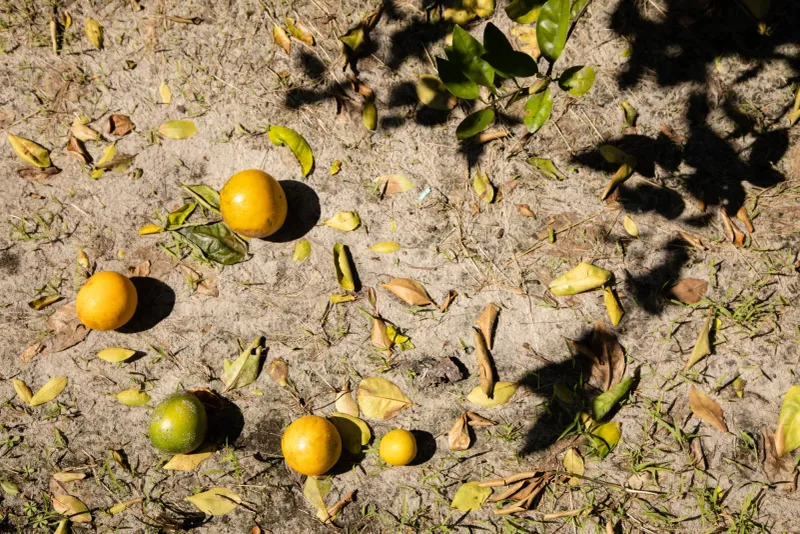
Rotting fruit on the ground smells sweet and strong. Coyotes notice that kind of scent fast.
Citrus trees, fig trees, and pomegranate bushes are extremely common in Arizona yards, and they drop fruit constantly during harvest season.
Most homeowners pick the fruit they want and forget about the rest. What stays on the ground slowly ferments and becomes even more attractive to wildlife.
Coyotes will eat fallen fruit directly, especially figs and soft citrus.
Beyond coyotes, fallen fruit draws rodents and birds. Those smaller animals then attract coyotes as prey.
So even if coyotes are not eating the fruit themselves, the activity around it still pulls them into your yard.
Check under your trees every few days during peak fruit season. Bag fallen fruit and seal it before placing it in your trash bin.
Leaving it in an open pile or tossing it over the fence only moves the problem a few feet away.
Your Arizona Garden Changes Every Week. Your Plan Should Too.
Gardening in Arizona changes quickly throughout the season. Every Friday you’ll receive a simple weekly plan showing exactly what to plant, prune, fertilize, harvest, and protect so you never miss the right timing.
Composting fruit is fine, but only in a sealed bin with a secure lid. Open compost piles with fruit scraps are a different problem entirely.
Keeping the ground beneath your trees clean and clear takes only a few minutes but removes a major attraction. Staying consistent with this habit through the fall and winter months makes your yard far less interesting to passing coyotes.
3. Refilling Bird Feeders Without Removing Spilled Seed
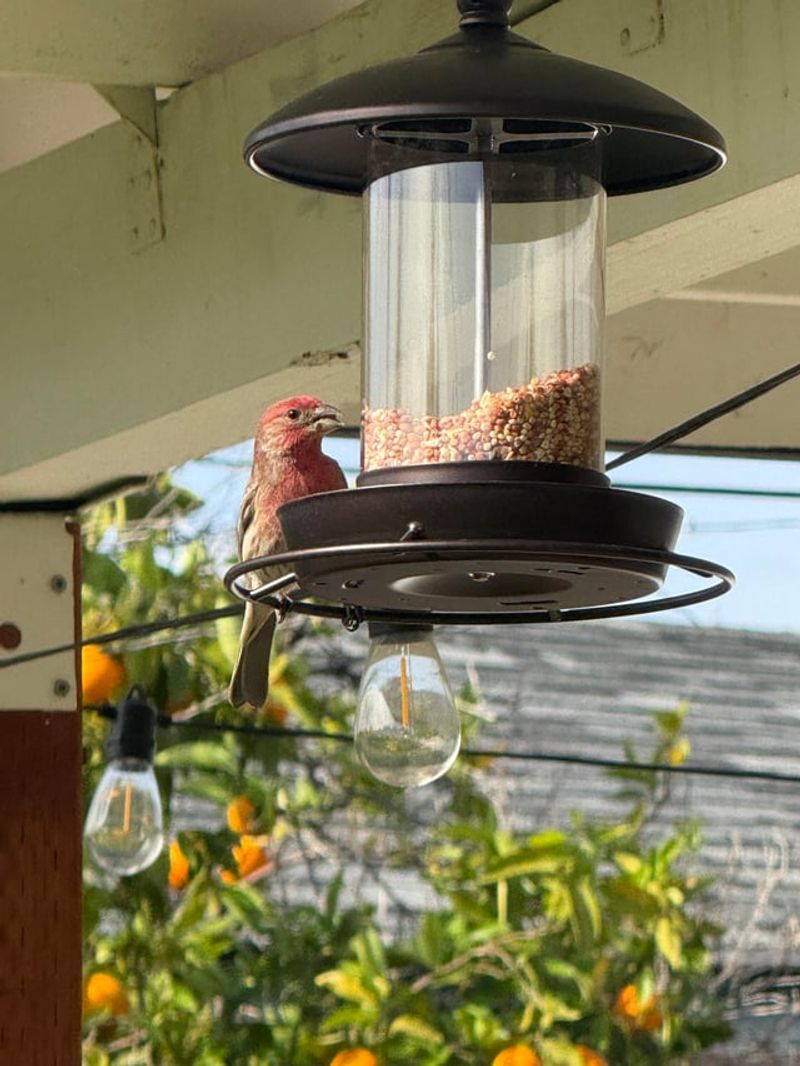
Bird feeders are a joy to have in the yard. Watching cardinals and finches visit throughout the day is genuinely relaxing.
But the seed that falls to the ground below the feeder quietly creates a serious problem.
Spilled seed attracts rodents. Mice and rats move in quickly when there is a consistent food supply at ground level.
Coyotes prey heavily on rodents, so a yard full of mice is a yard that coyotes will visit regularly.
Refilling the feeder without sweeping up the old spilled seed just layers more food onto an already active feeding zone. Rodents become bolder and breed faster when food is always available.
The coyote activity that follows is entirely predictable.
Use a tray attachment beneath your feeder to catch falling seed. Empty and clean that tray every couple of days.
If you notice rodent droppings near the base of your feeder pole, take a break from filling it for a week or two.
Switching to no-waste bird seed blends also helps. These mixes contain hulled seeds that birds actually eat cleanly without leaving shells and debris behind.
Positioning feeders away from dense shrubs reduces hiding spots for rodents too. Small adjustments to how you manage your bird feeder setup can significantly reduce the rodent population in your yard and, in turn, make your property far less appealing to coyotes on the hunt.
4. Storing Trash In Containers That Do Not Close Securely
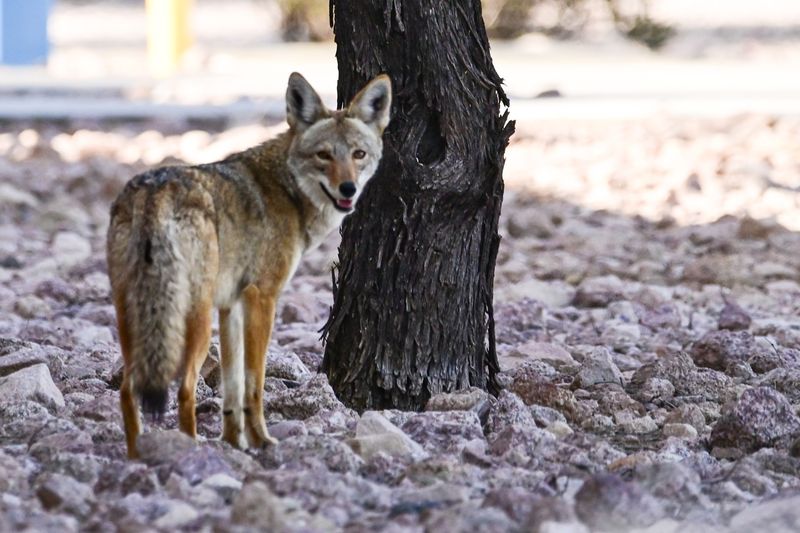
Garbage is one of the top reasons coyotes wander into residential areas. An unsecured trash can is basically an open buffet.
Food scraps, meat packaging, and leftovers all release strong odors that travel far on warm desert air.
Flimsy lids that pop off easily are a common issue. Coyotes are strong enough and clever enough to tip over standard bins.
Once they learn that your trash can be accessed, they come back repeatedly and bring others with them.
Standard city-issued bins often have latches that wear out over time. Check yours regularly.
If the lid no longer seals tightly, use a bungee cord across the top or replace the bin entirely. It is a small cost compared to ongoing wildlife problems.
Avoid putting trash cans out the night before pickup if possible. Setting them out in the morning of collection day gives coyotes far less time to investigate.
Rinse containers that held meat or strong-smelling food before tossing them.
Neighborhoods across the greater Phoenix metro area have seen increased coyote activity near trash collection zones. Coordinating with neighbors matters too.
Even if your bins are secure, an unsecured bin next door draws coyotes onto your shared street. Talking to neighbors about proper trash storage is not overstepping.
It is a practical step that protects everyone on the block, including pets and small children who play outside.
5. Running Water Features Throughout Hot Dry Weather
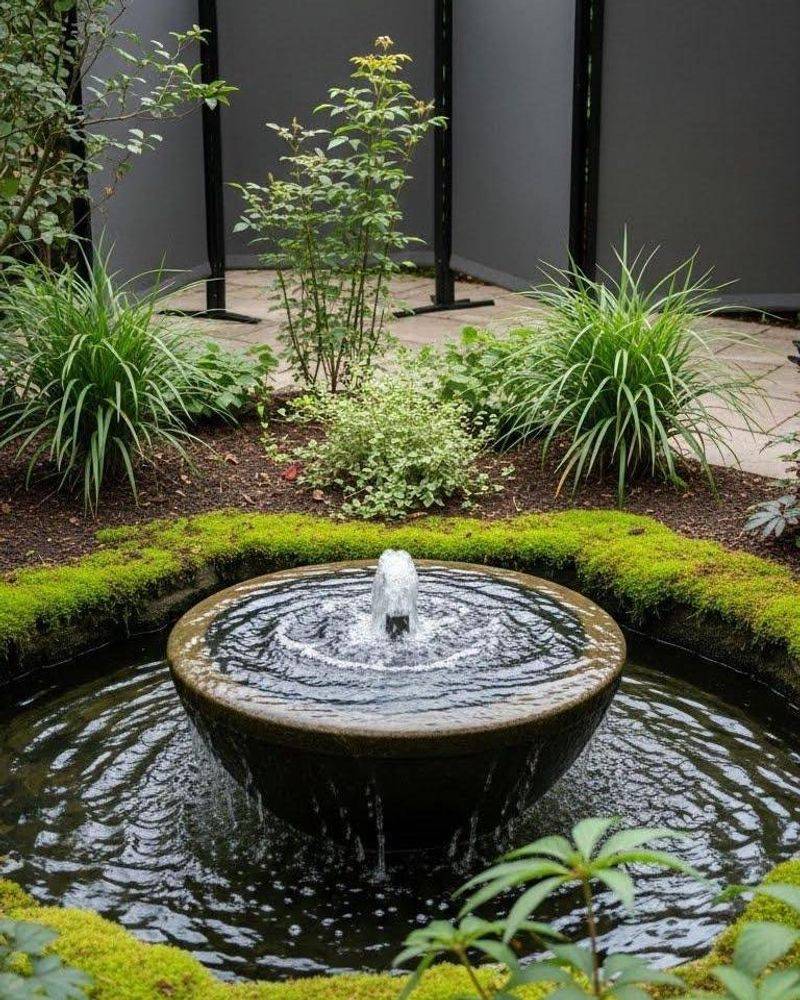
Water is gold in the desert. Any standing or running water in your yard becomes an immediate draw for thirsty wildlife during the brutal summer months.
Fountains, ponds, and birdbaths are all potential coyote watering holes.
Coyotes need water daily, just like any mammal. When natural water sources dry up, they scan neighborhoods for alternatives.
A decorative fountain running around the clock is exactly what they are looking for.
Shutting off water features at night is a smart habit. Coyotes are most active after dark, so removing that resource during peak activity hours reduces your yard’s appeal significantly.
Draining birdbaths before sunset takes only seconds.
Small backyard ponds present a bigger challenge. They are harder to drain nightly and often contain fish, which are an added attraction.
Installing motion-activated lighting or a simple motion-triggered sprinkler around pond edges can deter nighttime visitors without much effort.
Running water features during the day while you are home and awake is a reasonable compromise. You still get to enjoy them, but you remove the overnight access that makes your yard a regular stop on a coyote’s nightly patrol.
Smaller fountains can simply be unplugged after sunset. Larger water features may need a timer.
Either way, managing when water is available is one of the more underrated and effective strategies for reducing unwanted wildlife visits to your outdoor space.
6. Neglecting To Trim Back Dense Shrubs And Ground Cover
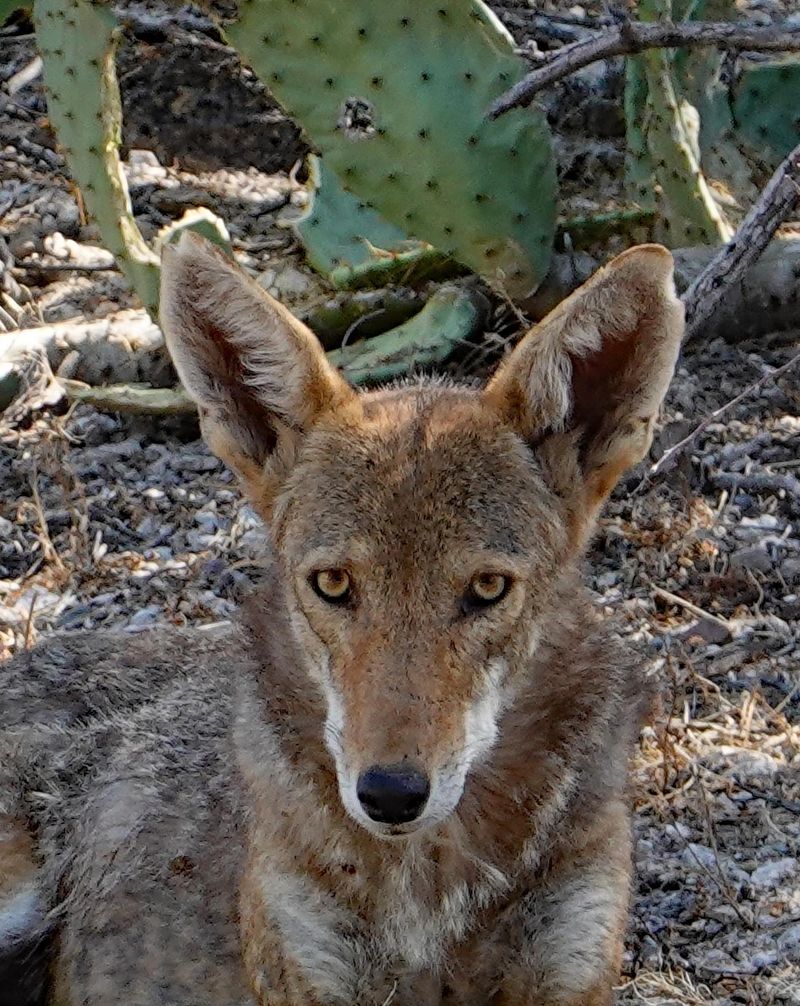
Overgrown shrubs are not just an eyesore. They are shelter.
Dense ground cover and thick bushes create exactly the kind of dark, protected hiding spots that coyotes prefer when resting near neighborhoods during daylight hours.
Coyotes do not always move through yards at night and leave. Sometimes they rest in shaded, concealed spots during the day and resume activity after sunset.
A yard full of untrimmed vegetation gives them plenty of options.
Beyond coyotes, thick overgrowth shelters the rodents and rabbits that coyotes actively hunt. Keeping vegetation trimmed removes those hiding spots and forces prey animals out into the open, where they are less likely to settle near your home.
Aim to trim shrubs so that the base is visible from ground level. Open sightlines beneath plants remove the cover that small animals need to feel safe.
Rake out fallen leaves and plant debris regularly, especially under large desert shrubs like lantana and bougainvillea.
Ground cover plants like trailing rosemary and low junipers look great in desert landscaping but can grow into dense mats over time. Check underneath them periodically for signs of burrowing or nesting activity.
Staying on top of trimming does not require hiring a crew. A few hours every month or two keeps things manageable.
A tidier yard sends a clear message to wildlife that your property is not a comfortable place to hang around.
7. Adding Food Scraps To Open Compost Piles
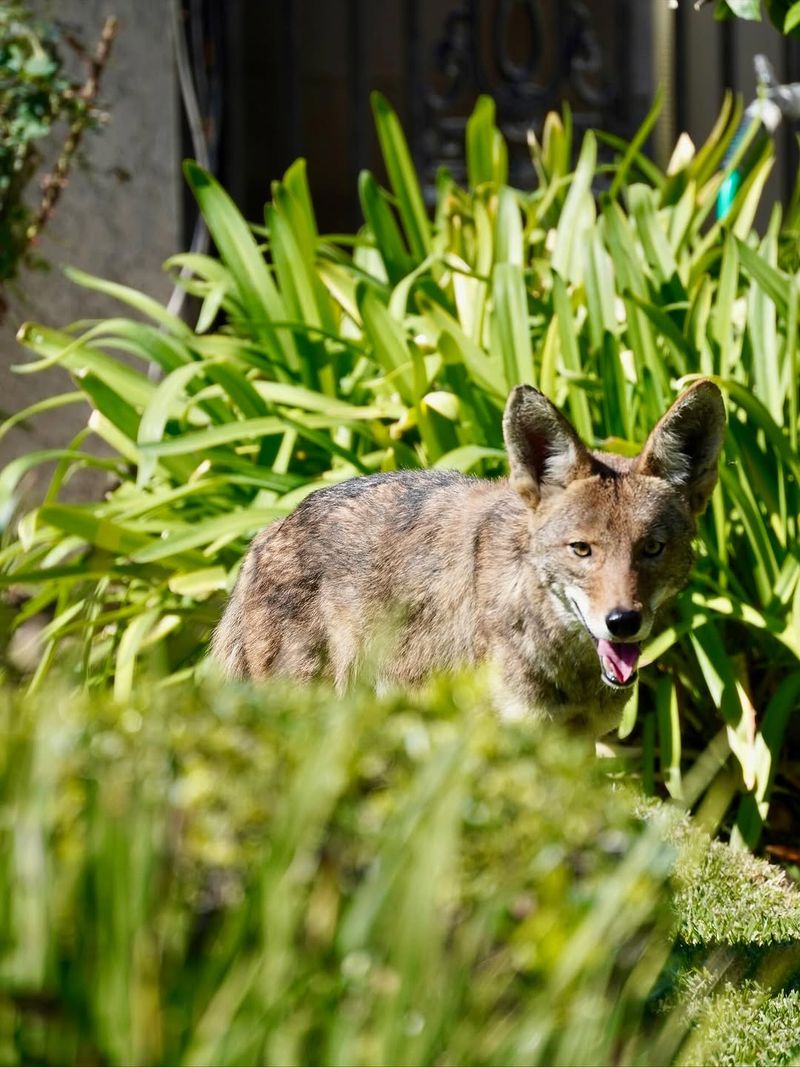
Composting is great for your garden. An open pile of food scraps, though, is essentially a free meal for any passing coyote.
Vegetable peels, eggshells, and fruit waste all release strong odors as they break down.
Meat scraps, dairy, and cooked food should never go into a compost pile regardless of the setup. But even plant-based scraps in an open bin attract rodents, which then attract coyotes.
The chain reaction is fast and predictable.
Switching to a sealed tumbling composter is one of the best upgrades a desert homeowner can make. These units lock securely, contain odors, and are far harder for wildlife to access.
They also speed up the composting process, which is a bonus.
If you prefer a traditional bin, make sure it has a solid base and a locking lid. Avoid piling scraps directly on the ground.
Even a wire cage without a lid is not enough to keep determined animals out.
Location matters too. Place your compost bin as far from your home’s main entry points as practical.
Avoid situating it near fences that wildlife could use to access the bin from a neighbor’s yard. Turning the pile regularly and burying fresh scraps under finished compost also reduces surface odors.
Good compost management takes a little extra effort, but it keeps your yard from becoming a regular food stop for coyotes patrolling your block after dark.