This Is The Tree Ohio Owls Actually Prefer For Roosting And How To Make Your Yard Attractive To Them
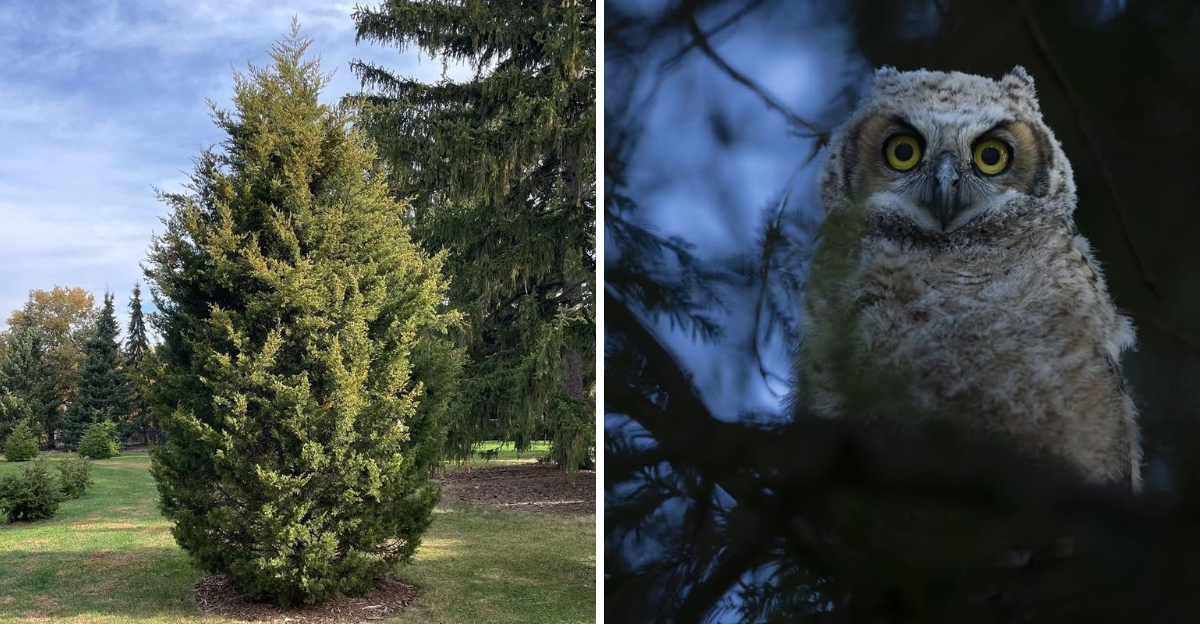
Owls are out there in Ohio backyards far more often than most people realize, and that is a genuinely exciting thing to think about.
These birds are quiet, patient, and very good at going unnoticed, which means a great horned owl could be roosting in your yard right now and you would never know it.
Rude, honestly, but also kind of amazing.
Ohio offers a surprisingly solid mix of habitat for several owl species, especially when mature trees, open lawns, and quieter garden edges come together on the same property.
When it comes to daytime roosting cover, Eastern Red Cedar keeps coming up as a standout choice, and for good reason.
Dense, evergreen, and native to Ohio, it is exactly the kind of tree owls are drawn to. The point is: with the right setup, including the right trees, your backyard could be doing a lot more for Ohio’s owls than you might expect.
1. Eastern Red Cedar Offers Dense Roosting Cover
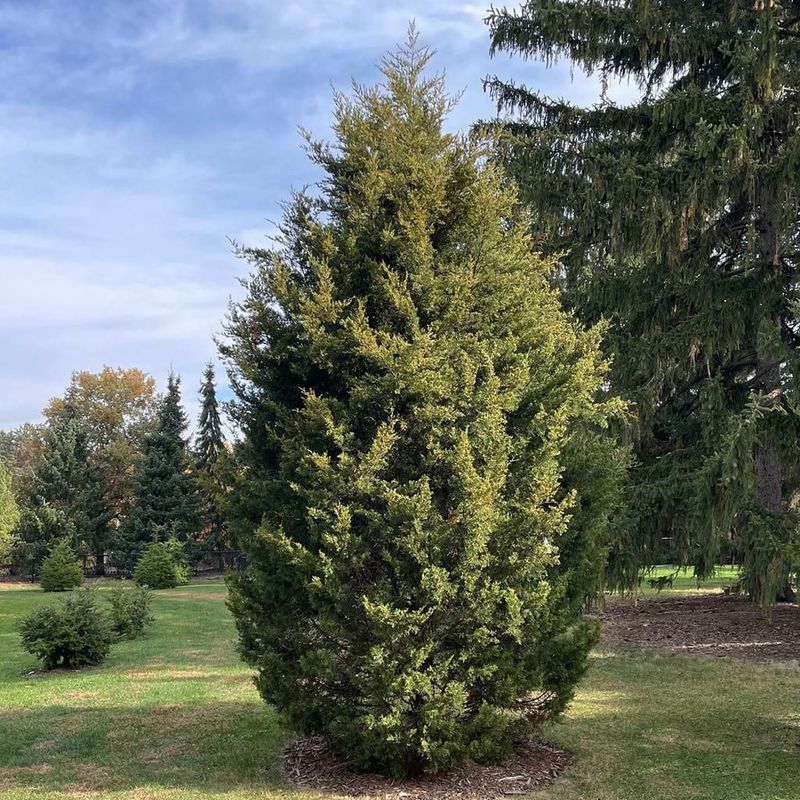
Few native trees in Ohio provide the kind of year-round shelter that a mature Eastern Red Cedar can offer a roosting owl.
The branches grow densely packed with scale-like foliage that stays green through winter, creating a thick screen that blocks wind, rain, and the eyes of curious neighbors or predators.
For owls trying to rest quietly through the day, that kind of cover matters a great deal.
Eastern Red Cedar is actually a juniper, not a true cedar, and it grows naturally across much of Ohio in old fields, fence rows, and woodland edges. Because it tolerates poor soils and dry conditions, it can establish itself in spots where other trees struggle.
A single mature specimen can grow wide enough to shelter a roosting owl comfortably on an interior branch where the foliage is thickest.
Homeowners who already have Eastern Red Cedar on their property should think twice before removing it. If you are planting new trees, placing one near an open lawn or field edge gives owls a sheltered spot to retreat to after a night of hunting.
It is a low-maintenance native option that supports far more wildlife than most people realize.
2. Mature Pines Can Also Provide Shelter
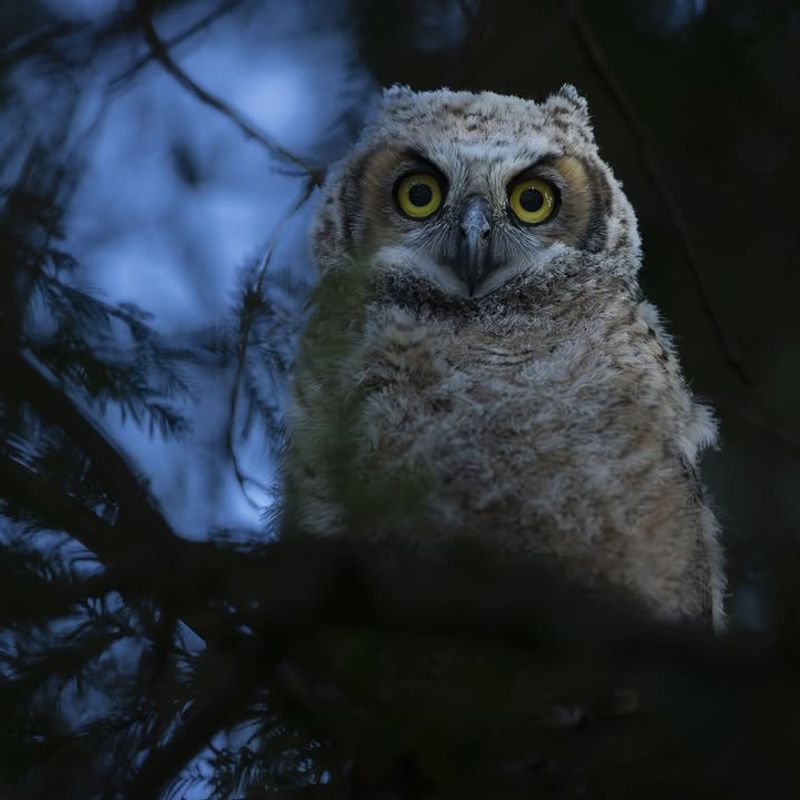
Walking past a row of old white pines on a quiet Ohio morning, you might notice how still and sheltered the air feels underneath those long drooping branches.
That same quality that makes pines feel peaceful to people can make them genuinely useful to owls looking for a safe place to spend daylight hours.
The layered needle foliage breaks up an owl’s outline and reduces visibility from above and below.
Eastern White Pine is one of the more common large pines planted in Ohio yards and windbreaks, and older specimens with wide canopies can offer solid roosting cover.
Scots Pine and Austrian Pine are also found on many properties and can serve a similar purpose, though their foliage density varies.
In general, the older and larger the pine, the more useful it tends to be for roosting birds.
Your Ohio Garden Changes Every Week. Your Plan Should Too.
Gardening in Ohio changes quickly throughout the season. Every Friday you’ll receive a simple weekly plan showing exactly what to plant, prune, fertilize, harvest, and protect so you never miss the right timing.
If you have mature pines already growing on your property, keeping them healthy is one of the simplest things you can do to support owl habitat. Avoid heavy pruning that removes lower branches, since that interior cover is often where owls prefer to tuck in.
Pines also attract small mammals and songbirds, which can draw owls into the area during hunting hours.
3. Large Shade Trees Support Backyard Owls
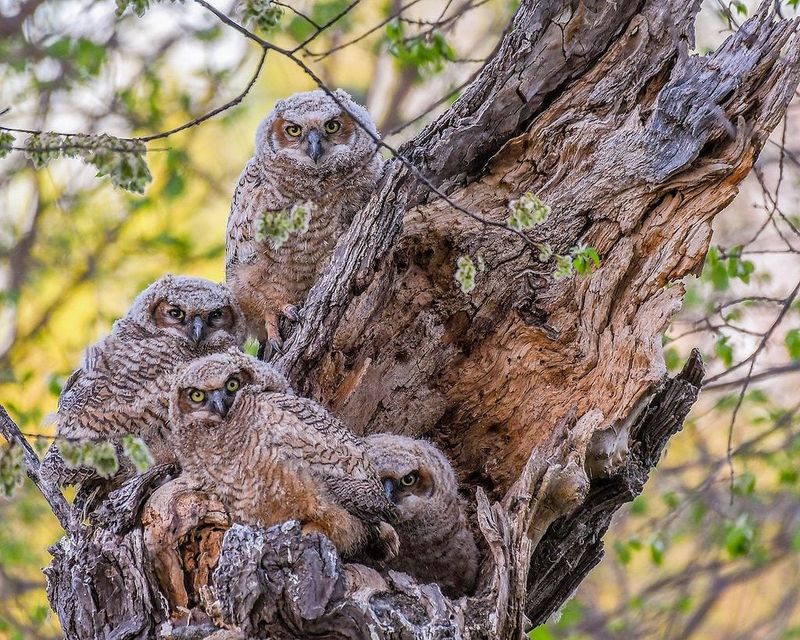
Big trees do something that younger, smaller trees simply cannot replicate, and that is create the kind of structure that larger owl species actually need.
A Great Horned Owl, for example, is a heavy bird with a wide wingspan, and it needs a sturdy horizontal branch with enough room to land, settle, and stay hidden through the day.
Mature oaks, maples, and sycamores found across Ohio residential landscapes can fit that role well.
Large shade trees also tend to develop rough, furrowed bark over time, which helps owls blend into the surface when they press close to a trunk.
Some owls roost right against the bark of a large tree rather than deep inside foliage, relying on their camouflage to stay hidden from crows and other birds that might harass them.
The bigger and more textured the tree, the more options a roosting owl has.
Homeowners with mature oaks or sycamores on their property are sitting on valuable wildlife habitat. Keeping those trees healthy through proper watering during drought and avoiding soil compaction around the root zone helps extend their lifespan.
A healthy large shade tree can support owls, songbirds, squirrels, and a wide range of insects all at once, making it one of the most valuable features any Ohio yard can have.
4. Tree Cavities Give Small Owls Nesting Options
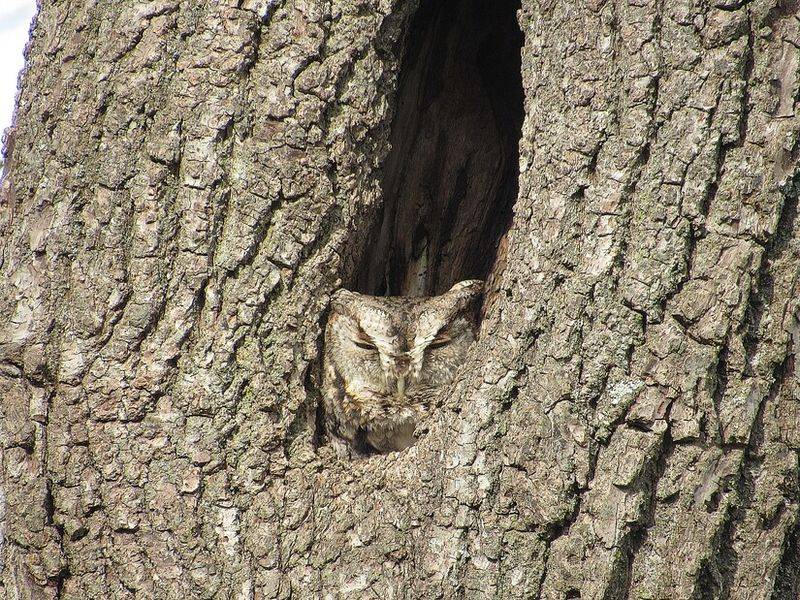
Not every owl roosts in open branches or dense foliage. Several of Ohio’s smaller owl species, including the Eastern Screech-Owl and the Northern Saw-whet Owl, rely heavily on enclosed spaces like natural tree cavities for both roosting and nesting.
A hollow in an old oak, a rotted section of a snag, or an opening left by a woodpecker can become the most important feature on your entire property for these birds.
Natural cavities form slowly over many years, usually after a branch breaks or a section of bark is damaged and decay sets in.
That process means older trees and standing hollow wood, sometimes called snags, are far more valuable to cavity-nesting wildlife than younger living trees with smooth, intact bark.
Removing every declining or structurally compromised tree from an Ohio yard can quietly eliminate nesting options that took decades to develop.
Leaving a safe snag standing where it will not pose a hazard to structures or people is one of the most wildlife-friendly decisions a homeowner can make. Even a partial snag with just a few feet of trunk remaining can harbor a cavity.
If large declining trees need to come down for safety reasons, cutting them to a shorter trunk height rather than removing them entirely can preserve some cavity habitat.
5. Screech-Owl Boxes Can Help In The Right Habitat
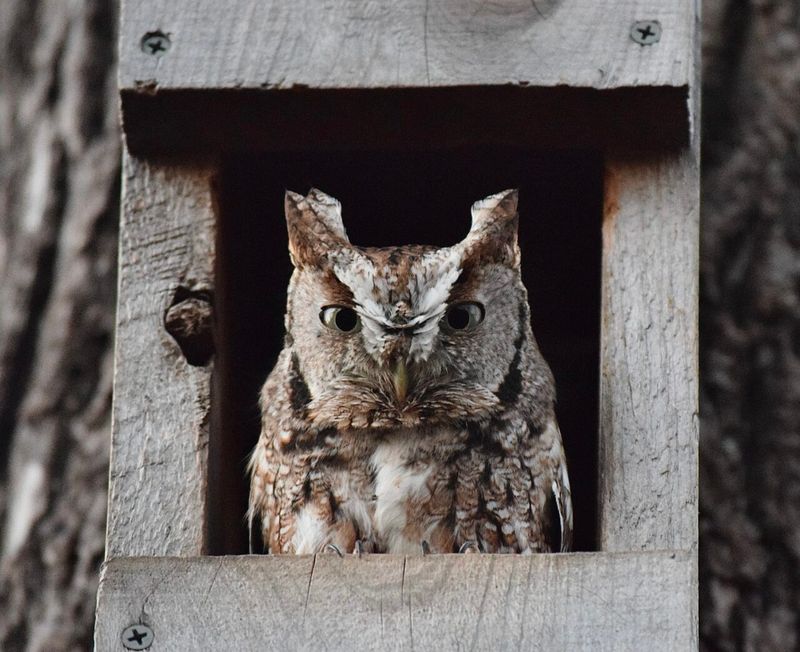
Putting up a nest box for Eastern Screech-Owls has become one of the more popular backyard wildlife projects in Ohio, and for good reason.
These small owls are surprisingly adaptable to suburban and rural landscapes, and they will use a well-placed box when natural cavities are not available nearby.
Getting the details right, though, makes a real difference between a box that sits empty and one that actually attracts a resident owl.
The entry hole diameter matters quite a bit. A three-inch opening is the standard recommendation for screech-owls, large enough for the bird but small enough to keep out larger species that might compete for the space.
The box should be mounted on a tree or post roughly ten to thirty feet off the ground, ideally facing away from prevailing winds and with a clear flight path to the entrance. Avoid placing boxes near bright outdoor lights or areas with heavy foot traffic.
Ohio screech-owls tend to be most active from late winter into spring when they begin claiming nesting territories, so having a box in place before February gives them time to investigate.
Adding a layer of wood shavings inside the box can make it more attractive.
Clean the box out each fall to remove old nesting material and reduce parasites for the following season.
6. Woodland Edges Make Yards More Useful
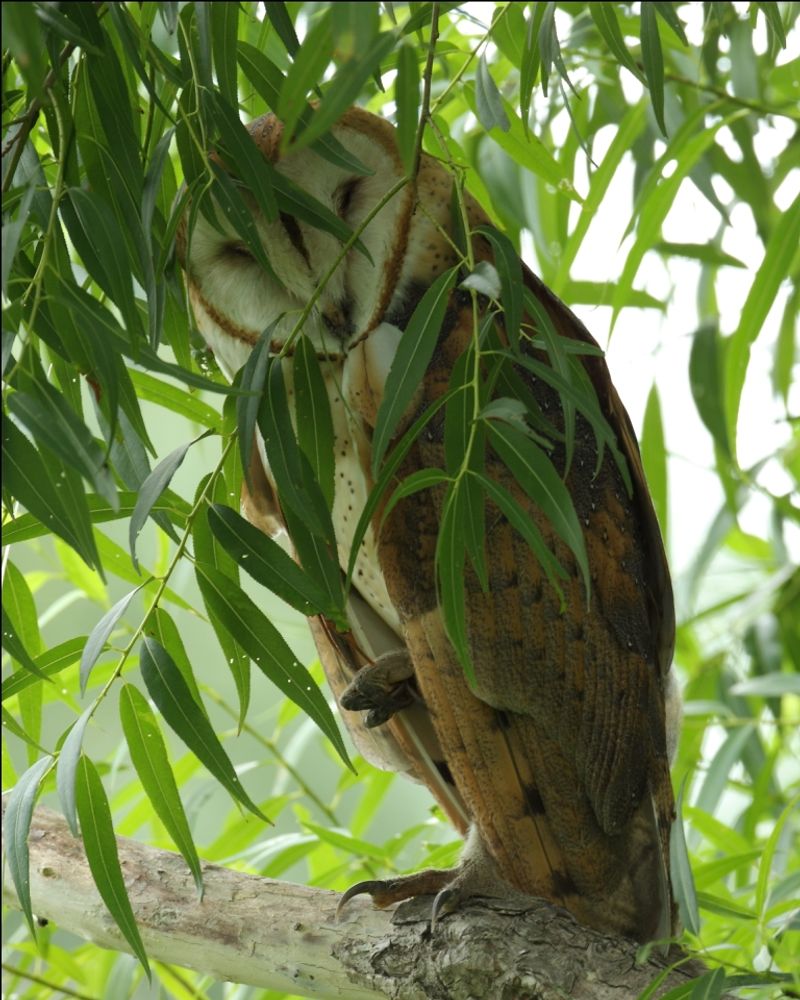
The boundary where trees meet open ground is one of the most productive wildlife habitats in Ohio, and owls use it regularly.
That transition zone, often called a woodland edge, gives owls a place to perch at the margin of cover while scanning an open area for prey.
Yards that back up to a wooded lot, a hedgerow, or a brushy fence line often see more owl activity than fully open or fully forested spaces.
Creating or maintaining a soft woodland edge in your Ohio yard does not require a large property. Even a row of native shrubs and small trees planted along a fence or property line can function as a mini-edge habitat.
Species like native viburnums, elderberry, or serviceberry add structure at a medium height that bridges the gap between open lawn and taller trees, giving owls intermediate perch points as they move through the yard.
The key is avoiding a sharp, abrupt line between mowed lawn and dense plantings. A gradual transition with varying plant heights tends to support a wider range of wildlife activity.
Allowing some leaf litter to accumulate along the edge also encourages small mammals and insects, which in turn can attract owls hunting after dark. A layered, naturalistic edge often works better for wildlife than a tidy, manicured border.
7. Open Spaces Give Owls Room To Hunt
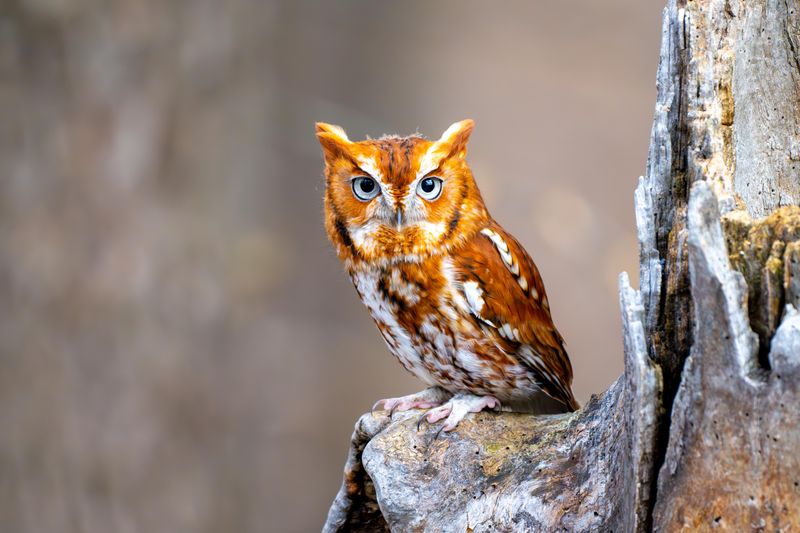
Dense trees and thick cover are only part of what makes a yard useful to owls. Equally important is having enough open ground nearby where owls can actually hunt.
Many Ohio owl species, including Great Horned Owls and Barn Owls, hunt by flying low over open areas and listening for the movement of mice, voles, and other small mammals below. Without some open ground, that hunting strategy simply does not work.
A large open lawn, a meadow section, an unmowed field edge, or even a wide gravel drive can serve as hunting ground when the right prey species are present.
Keeping some areas of your Ohio yard in shorter vegetation, rather than letting everything grow into dense thickets, gives hunting owls a clear view of the ground surface.
Short grass or low ground cover allows owls to spot and capture prey more efficiently than thick, tangled vegetation does.
Mowing schedules can also play a role. Cutting grass less frequently and allowing a small section of lawn to transition into a low meadow can increase vole and mouse activity, which in turn can attract more owl visits.
Balancing open hunting areas with nearby roosting cover gives owls everything they need within a relatively small space, making even a modest-sized backyard a potentially useful stop on their nightly route.
8. Dimmer Nights Make The Yard More Comfortable
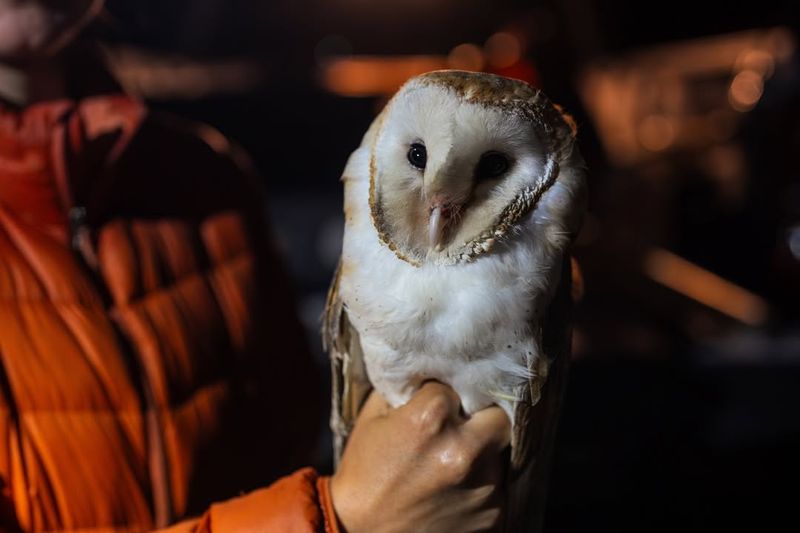
Outdoor lighting is one of those backyard features that most Ohio homeowners do not think about in terms of wildlife, but it can have a meaningful effect on whether owls feel comfortable using a space.
Owls are built for low-light conditions, and bright floodlights or motion-activated security lights that blast an entire yard in harsh white light can disrupt their hunting behavior and make a space feel less hospitable.
Warm-toned, downward-facing lights near the house or along pathways tend to cause less disruption than broad-spectrum lights aimed outward into the yard.
Keeping the outer areas of your property as dark as practical during nighttime hours gives owls the low-light environment they prefer when hunting.
Even small adjustments, like switching to amber-toned bulbs or adding shields to direct light downward, can reduce the impact on nocturnal wildlife.
Motion-activated lights near roosting trees can also startle owls that are resting nearby, which may cause them to abandon a roost site over time.
Positioning security lighting closer to entry points like doors and driveways rather than throughout the yard is a reasonable compromise between safety and wildlife-friendliness.
Darker outer yard areas are not just better for owls, they also tend to benefit a wide range of other nocturnal and crepuscular species that visit Ohio backyards.
9. Avoid Rodenticides Around Owl Habitat
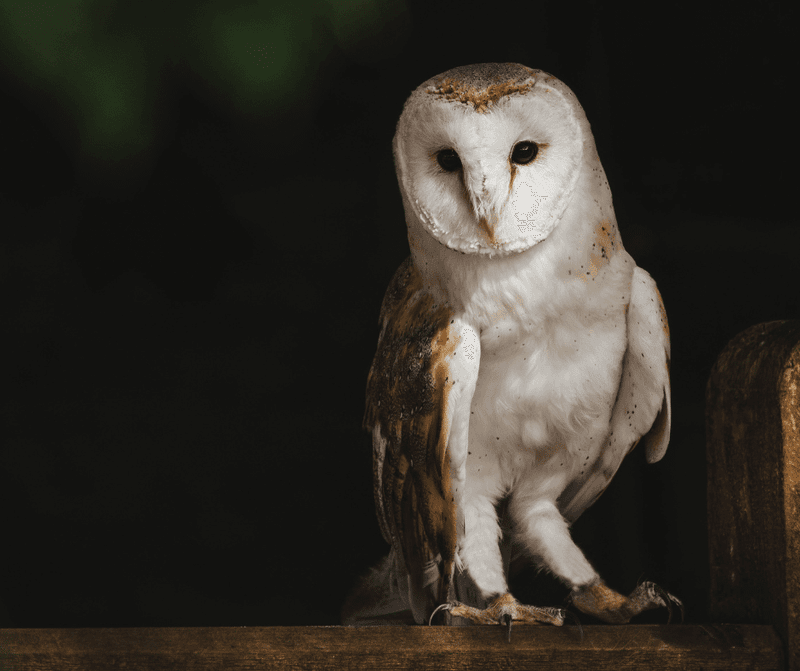
One of the most serious threats to owls in Ohio residential areas is secondary poisoning from rodenticides. When mice or voles consume rodent bait products and then become sluggish or disoriented, they are much easier for owls to catch.
An owl that eats several poisoned rodents over a short period can accumulate enough toxin in its system to cause serious harm, and this risk is well-documented in suburban and rural settings.
Snap traps placed inside enclosed bait stations are a safer alternative for managing rodent populations around homes and outbuildings.
They remove rodents from the environment without leaving a poisoned carcass that could be consumed by an owl, hawk, fox, or other predator.
Placing traps in areas that owls and other wildlife cannot reach, such as inside a garage wall or beneath a protected structure, adds another layer of safety.
Encouraging natural rodent control by supporting owl habitat is itself a long-term strategy for keeping mouse and vole populations in check.
An Ohio yard that supports a resident screech-owl or a regularly visiting Great Horned Owl may naturally experience lower rodent pressure over time.
Removing rodenticide products from the equation helps protect the very birds that many homeowners are trying to attract in the first place.
10. Quiet Corners Help Roosting Owls Feel Safer
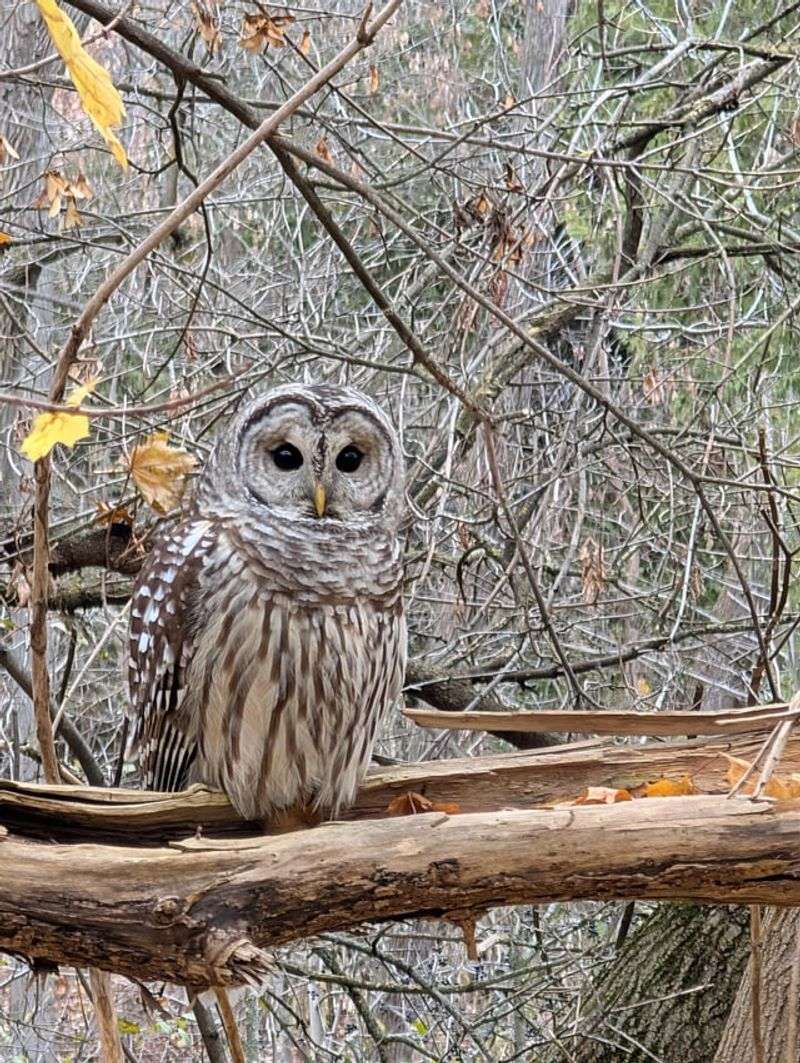
Owls roosting during daylight hours depend on being left alone. A bird that is repeatedly flushed from its roost by foot traffic, barking dogs, or lawn equipment may eventually stop using that spot altogether and move on to a quieter location.
Creating at least one undisturbed corner in your Ohio yard where human activity stays minimal can go a long way toward making the space genuinely useful for roosting birds.
That quiet corner does not need to be large. A back fence line with a mature cedar or dense shrub grouping, a side yard that sees little foot traffic, or a naturalized area beyond the main garden can all serve this purpose well.
The goal is simply to have a zone where an owl can rest without regular disturbance from midday through late afternoon when most roosting activity takes place.
Keeping pets away from known roosting areas during the day is also worth considering, particularly during late winter and spring when owls may be nesting nearby.
Reducing noise and activity near dense evergreens or snags that show signs of use can make a real difference.
Watching for owl pellets, whitewash droppings, or feathers near a tree base can help you identify active roost sites so you can give those spots a little extra space and quiet.