The Meaning Behind Seeing A Coyote Near Your Ohio Property
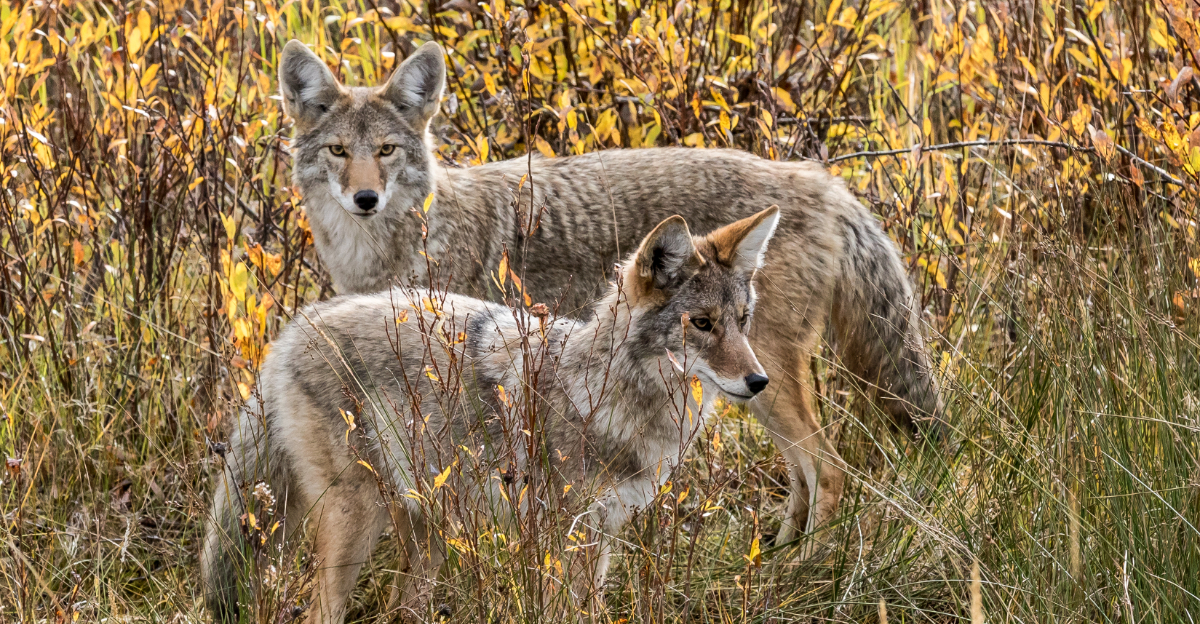
A coyote near your Ohio property stops you in a way that few wildlife encounters do. There is something in that gaze, direct and unhurried, that makes the moment feel different from spotting a deer or a fox.
Most people are not sure whether to be concerned, curious, or both. Coyotes in Ohio are not rare anymore.
They have expanded quietly across the state over decades and established themselves in suburban edges, rural corridors, and places most Ohioans never expected to see them.
A sighting near your property is saying something about the landscape you are living in.
The meaning pulls from several directions. Ecology, Indigenous tradition, and the kind of Midwestern folklore that builds up around animals that move through human spaces without asking permission.
What a coyote near your žproperty actually signals, both practically and symbolically, is a richer conversation than most people expect it to be.
1. A Coyote Nearby Means Your Property Connects To Wild Edges
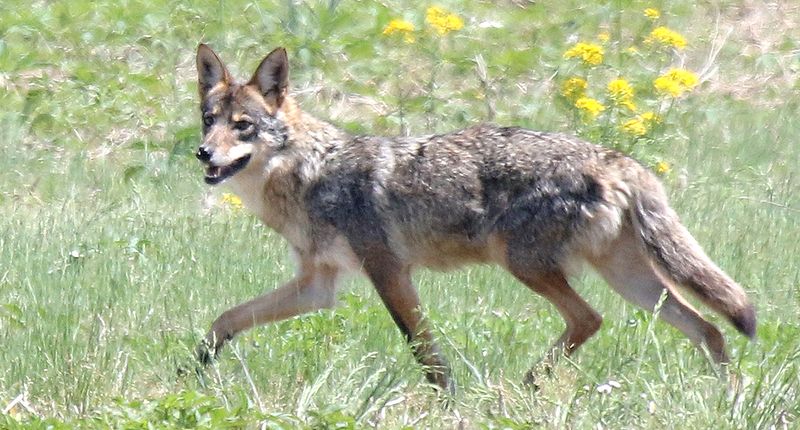
A quick shape slipping along the fence can make a familiar yard feel much closer to the woods than you expected. When a coyote shows up near a home, it often means the property sits close to wild habitat.
Wooded lots, creek corridors, brushy fence lines, overgrown field edges, and farm borders all serve as travel habitat for coyotes moving through the landscape.
Coyotes are wide-ranging animals. A single adult may cover several miles in one night while searching for food, water, or a resting spot.
Properties that back up to parks, green spaces, drainage ditches, or unmowed farm edges often sit right along these natural travel corridors.
This kind of habitat connection is very common across the state, from rural townships to suburban neighborhoods near metro parks. A coyote moving through does not mean it has claimed your yard as home territory.
Most of the time, the animal is simply passing through on a route that happens to cross your property edge. Observing where the coyote entered and exited can give you a clearer picture of which wild edges connect to your space.
2. Dawn And Dusk Sightings Are Often Part Of Normal Movement
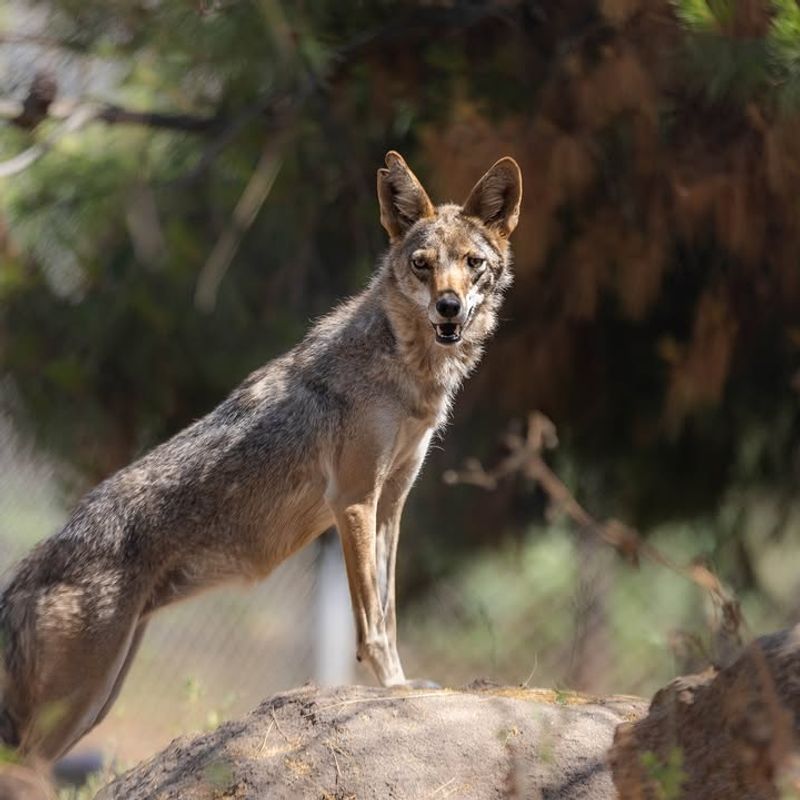
The sky was barely light when a neighbor spotted a coyote crossing the driveway and assumed something must be wrong. In reality, that timing is one of the most common windows for coyote activity.
Coyotes are naturally most active around dawn and dusk, a pattern called crepuscular behavior, though they may also move during other hours depending on season and conditions.
The Ohio Department of Natural Resources notes that coyotes in suburban areas sometimes shift their activity patterns to avoid heavy human traffic. Seeing one in early morning or late evening light is not automatically a cause for concern.
It usually reflects normal foraging and travel behavior.
A single sighting at dawn does not mean the animal is sick, lost, or aggressive. Behavior is a much better guide than the time of day.
A coyote that moves through calmly, avoids eye contact, and keeps its distance is acting normally. Watch for repeated bold approaches, lack of fear around people, or unusual movement patterns.
Your Ohio Garden Changes Every Week. Your Plan Should Too.
Gardening in Ohio changes quickly throughout the season. Every Friday you’ll receive a simple weekly plan showing exactly what to plant, prune, fertilize, harvest, and protect so you never miss the right timing.
Those signals are worth noting and reporting to local wildlife professionals rather than assuming every dawn sighting carries a warning.
3. Food Sources May Be Bringing Coyotes Too Close
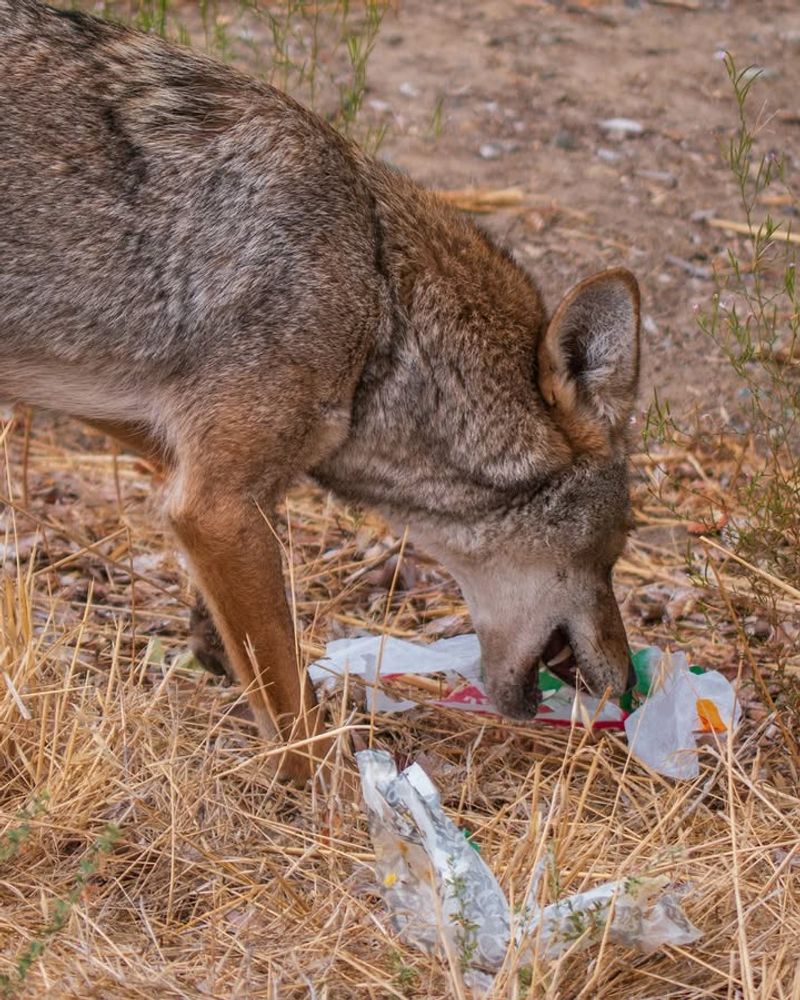
A bowl of pet food left on the back porch overnight is one of the easiest invitations a yard can send to a passing coyote. Food rewards are one of the strongest reasons coyotes move closer to homes than they otherwise would.
Unsecured garbage, fallen fruit, compost scraps, birdseed spilled under feeders, and outdoor pet food can all pull these animals in from nearby wild edges.
Coyotes are opportunistic feeders. They follow available food sources the same way any adaptable animal would.
Removing or securing those rewards is one of the most effective steps a homeowner can take to reduce close encounters without harming the animal or disrupting the local ecosystem.
Practical steps include using bungee cords or locking lids on trash cans, picking up fallen fruit regularly, storing compost in sealed bins, and bringing pet food bowls inside each evening.
Birdseed spill under feeders can attract small rodents, which in turn attract coyotes looking for an easy meal.
Cleaning up spilled seed reduces that chain of attractants. Removing food rewards does not guarantee a coyote will never pass through, but it does lower the chance of repeated close visits near doors and high-use outdoor spaces.
4. Brushy Edges Can Give Coyotes A Quiet Travel Route
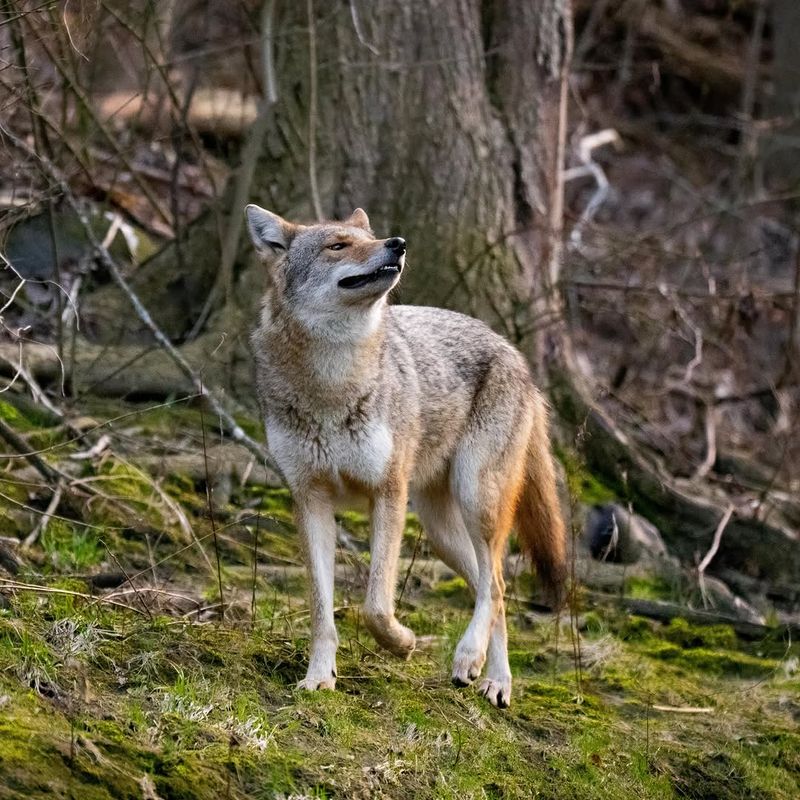
Tall weeds along the back fence, a thick strip of brush near the drainage ditch, and an unmowed strip running between two yards can quietly form a highway for coyotes moving through a neighborhood. Cover matters a great deal to these animals.
Dense vegetation along fence lines, creek banks, and wooded lot edges gives coyotes a sense of security as they travel from one open space to another.
This does not mean every brushy yard will have a coyote problem.
It simply means that untrimmed cover near high-use areas, like back doors, pet spaces, chicken coops, and children’s play areas, can bring a passing coyote uncomfortably close to daily family activity.
Trimming tall grass and brush near those key zones can reduce the amount of close cover available. Focus on areas within about twenty feet of doorways, pet runs, and play spaces rather than clearing the entire property.
Coyotes prefer routes where they feel hidden, so reducing dense cover near human activity can naturally shift their path further from the house.
Keeping a clear line of sight around the yard also makes it easier to spot any animal moving through before it gets too close to a vulnerable area.
5. A Coyote In Daylight Does Not Always Mean Danger
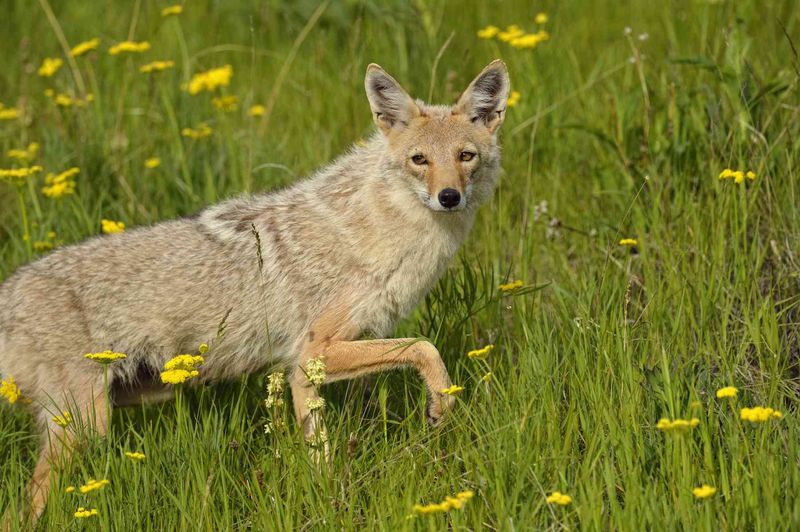
Seeing a coyote in broad daylight can feel alarming, especially when it happens close to the house. Many people assume a daytime sighting automatically signals that something is wrong with the animal.
That assumption is not always accurate. Coyotes may move during daylight hours for a range of normal reasons, including searching for food, scouting new territory, or traveling as young animals disperse from their birth areas in late fall and early winter.
Seasonal activity also plays a role. During late winter breeding season and early summer pup-rearing, coyotes may be more visible during daylight as they cover more ground.
A coyote seen once on a sunny afternoon is not automatically a threat. Behavior tells a far more important story than timing alone.
Watch for specific warning signs rather than reacting to the clock. A coyote that approaches people without hesitation, shows no wariness around activity, or behaves in an uncoordinated way deserves a closer look.
Those patterns are worth reporting to a local wildlife officer or county extension office. A coyote that simply trots through the yard, glances toward the house, and moves on is most likely doing exactly what healthy coyotes do every day across this state.
6. Small Pets Need Extra Care When Coyotes Are Active
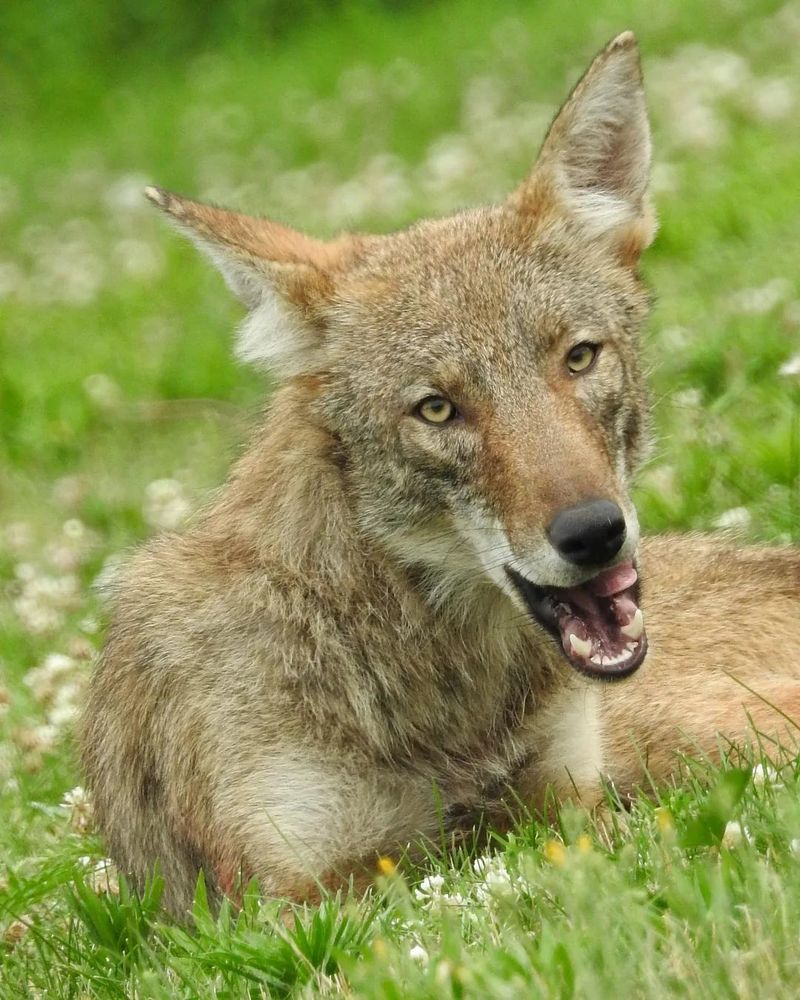
A small dog loose in the backyard at dusk is in a very different situation than one walked on a leash with an adult present. When coyotes are moving through a neighborhood, small pets need closer supervision and more secure spaces.
Small dogs, outdoor cats, backyard chickens, and rabbits kept in outdoor hutches are all more vulnerable when coyote activity increases near a property.
Practical safety habits make a real difference. Keep small dogs on a leash during dawn and dusk outings.
Stay outside with them rather than watching from a window. Use enclosed, covered runs for backyard chickens and small animals rather than open pens.
Bring pet food bowls inside each evening so they do not become overnight attractants near the back door.
Motion-activated lights near pet areas can also help discourage coyotes from approaching closely at night. Cats allowed to roam freely outdoors overnight face the highest level of risk, particularly in areas near wooded or brushy edges.
Keeping cats indoors after dark is one of the simplest protective steps available. None of these measures require fear or drastic changes.
They are practical, pet-safe routines that work well as long-term habits, not just short-term reactions to a single sighting.
7. Hazing Can Help Coyotes Keep Their Distance
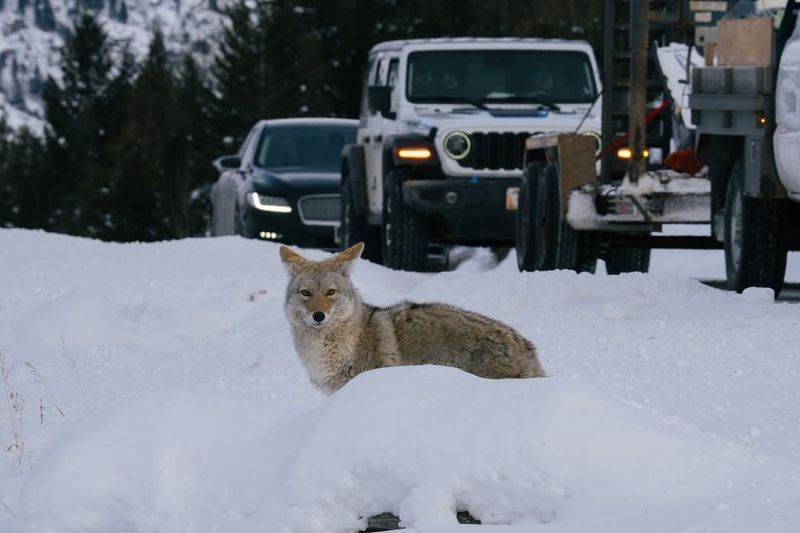
Standing tall, waving both arms, and making firm noise toward a nearby coyote might feel awkward, but it is one of the most recommended tools for keeping these animals appropriately wary of people.
This approach is called hazing, and wildlife professionals encourage it as a safe, non-harmful way to reinforce natural coyote caution around human spaces.
Official hazing guidance from wildlife agencies generally includes making yourself look large, clapping loudly, shouting in a firm voice, shaking a can of rocks, or using a whistle.
The goal is to make the coyote associate human presence with discomfort so it chooses to stay further away in the future.
Hazing works best when it is consistent and done by multiple people in the neighborhood over time.
There are clear limits to keep in mind. Never approach a coyote to haze it.
Never corner it, chase it into a confined space, or throw objects at it with force. Do not attempt hazing on a coyote that appears injured, disoriented, or unusually bold without first contacting a local wildlife officer.
Hazing is a tool for maintaining healthy distance, not a substitute for professional help when an animal behaves in ways that raise genuine safety concerns for the immediate area.
8. One Sighting Is A Reminder To Remove Easy Rewards
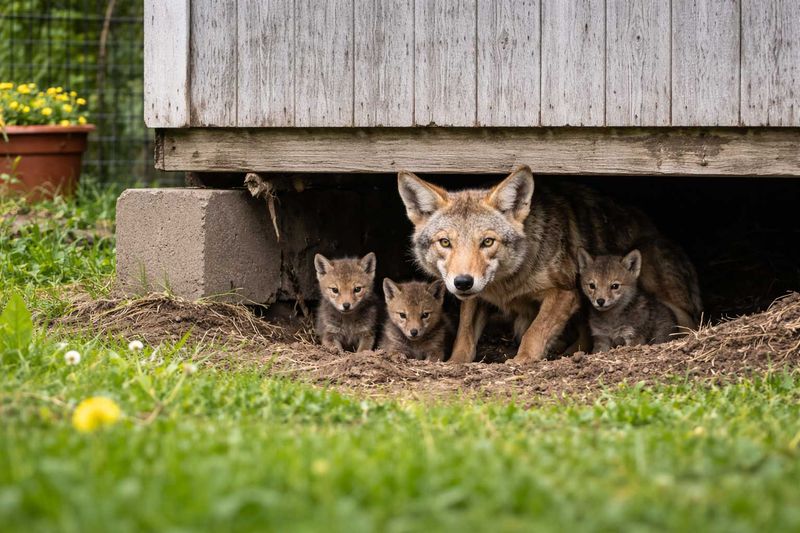
A single coyote sighting near the Ohio yard is not a reason to panic, but it is a useful nudge to take a calm walk around the property and look at it from a new angle. What food sources are visible?
Where is the cover thickest near the back door? Is the trash can secured?
Are pet bowls sitting outside overnight? Small details add up quickly when a wild animal is looking for an easy opportunity.
A calm property check after a sighting might include securing trash can lids with a bungee or locking clip, picking up any fallen apples or pears near the fence line, storing birdseed in a sealed container, and pulling pet food bowls inside before dark.
Trimming brush near pet spaces and doorways can also reduce the amount of close cover available to any passing animal.
These steps are not about living in fear of local wildlife. They are about making the yard less rewarding for any animal that might otherwise linger.
A coyote that finds nothing easy near a property is more likely to keep moving on its natural route.
Consistent, wildlife-aware habits protect pets, reduce close encounters, and help coyotes maintain the healthy wariness of people that benefits everyone in the neighborhood long term.