This Is What To Plant Along Texas Pool Edges Where Nothing Else Will Handle The Splash And Heat
Planting around a Texas pool sounds like it should be straightforward until you start factoring in everything those plants actually have to deal with.
Reflected heat off the water and surrounding hardscape, chlorinated splash that hits the soil and foliage regularly, full sun exposure for most of the day, and the expectation that everything looks good from late spring through fall create a set of conditions that eliminate most conventional choices quickly.
A lot of pool-edge plantings in Texas start strong and become a source of frustration by midsummer, dropping leaves, burning at the edges, or simply refusing to fill in the way the design intended.
The plants that genuinely work in this zone are ones that were selected with all of those factors in mind at once, not just heat tolerance or drought resistance in isolation.
Getting pool-edge planting right in Texas is about finding what thrives under the full combination of pressures, and the options that meet that standard are more interesting than most people expect.
1. Lantana
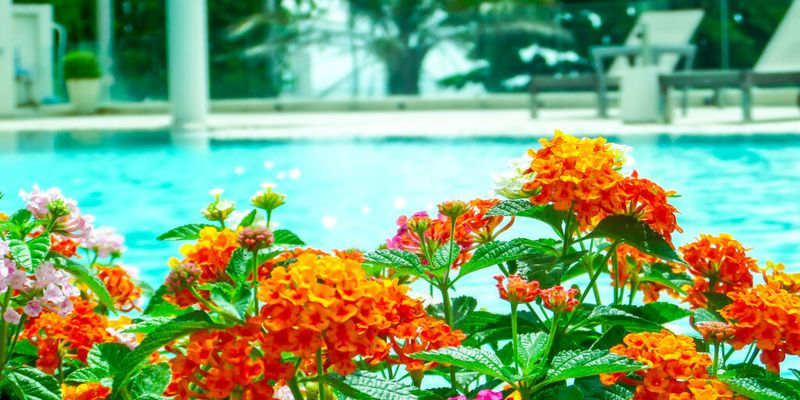
Few plants can match lantana when it comes to sheer toughness and color payoff in a Texas summer.
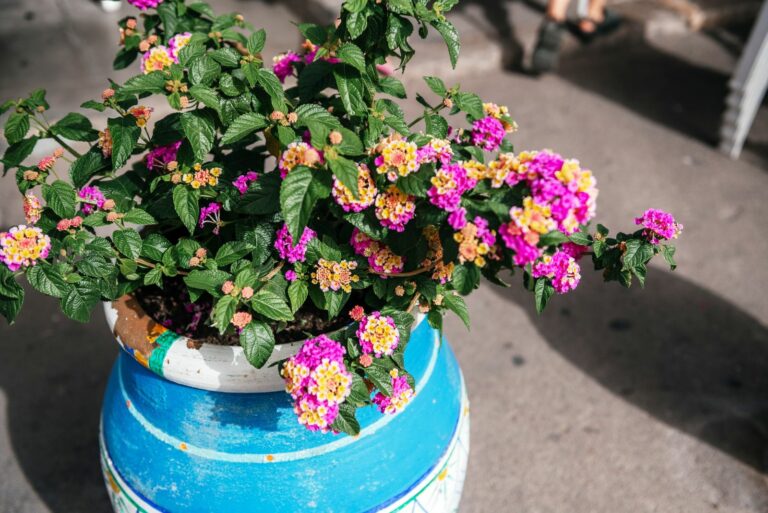
This plant blooms in bold clusters of orange, yellow, red, pink, and purple, and it just keeps going no matter how hot things get. Gardeners across Texas have relied on it for decades, and for good reason.
Lantana thrives in full sun and actually performs better when the heat cranks up. Established plants need very little water, which makes them perfect for pool edges where the soil can swing between splashed and bone dry.
The roots do not like to sit in soggy ground for long, so make sure there is decent drainage around your pool deck.
One of the best things about lantana is that it blooms from spring all the way through the first cool snap of fall. Butterflies and hummingbirds absolutely love it, so your pool area becomes a lively, colorful space.
You can grow it in the ground or in large containers, and both options work beautifully. Pruning it back lightly every few weeks encourages even more blooms. If it gets leggy, a harder cut will refresh the plant quickly.
Just keep in mind that lantana berries are toxic if eaten, so it is smart to plant it a little away from where young kids play.
Overall, lantana is one of the most reliable, low-maintenance, and visually rewarding plants you can choose for a Texas pool border. It earns its spot every single season without much fuss at all.
2. Oleander
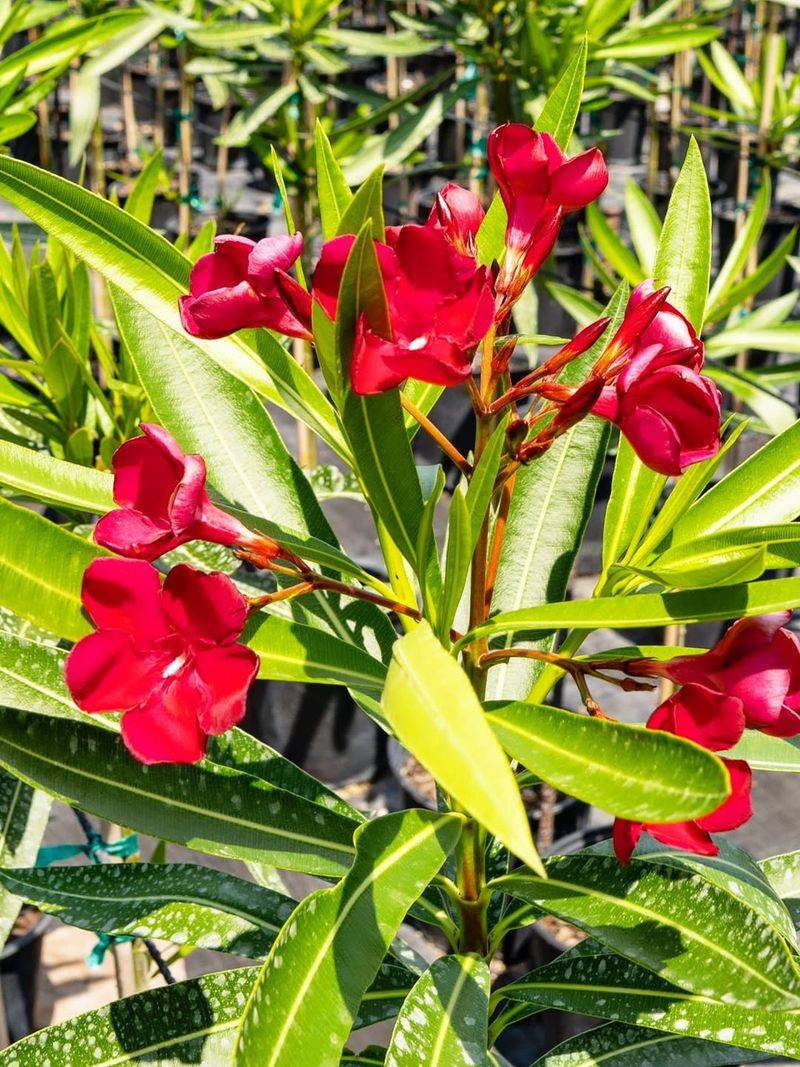
Oleander is the kind of plant that makes a real statement. It grows tall, blooms heavily in shades of pink, red, white, and yellow, and it does not flinch under the kind of summer heat that would flatten most flowering shrubs.
Along the Texas Gulf Coast, oleander has been a landscape staple for well over a century. Pool splash does not bother this tough shrub at all. It tolerates salt, heat, and reflected light from pool decks without missing a beat.
Your Texas Garden Changes Every Week. Your Plan Should Too.
Gardening in Texas changes quickly throughout the season. Every Friday you’ll receive a simple weekly plan showing exactly what to plant, prune, fertilize, harvest, and protect so you never miss the right timing.
Once established, oleander is incredibly drought tolerant and rarely needs extra watering beyond normal rainfall. That kind of independence is a huge bonus for busy homeowners.
Oleander grows fast, which means it can fill in a bare pool border in just one or two seasons. It works great as a privacy screen too, giving your pool area a lush, tropical feel. The blooms appear from late spring through fall and attract butterflies regularly.
Here is the part that deserves serious attention: every single part of the oleander plant is highly toxic if ingested by people or pets.
This is not a plant to grow casually if small children or animals regularly roam the yard. Plant it thoughtfully and keep it in areas that are clearly separated from play zones.
With the right placement, oleander is absolutely one of the boldest and most heat-hardy choices for a Texas pool landscape. Its stunning blooms and easy-care personality make it hard to overlook when planning your outdoor space around the water.
3. Bougainvillea
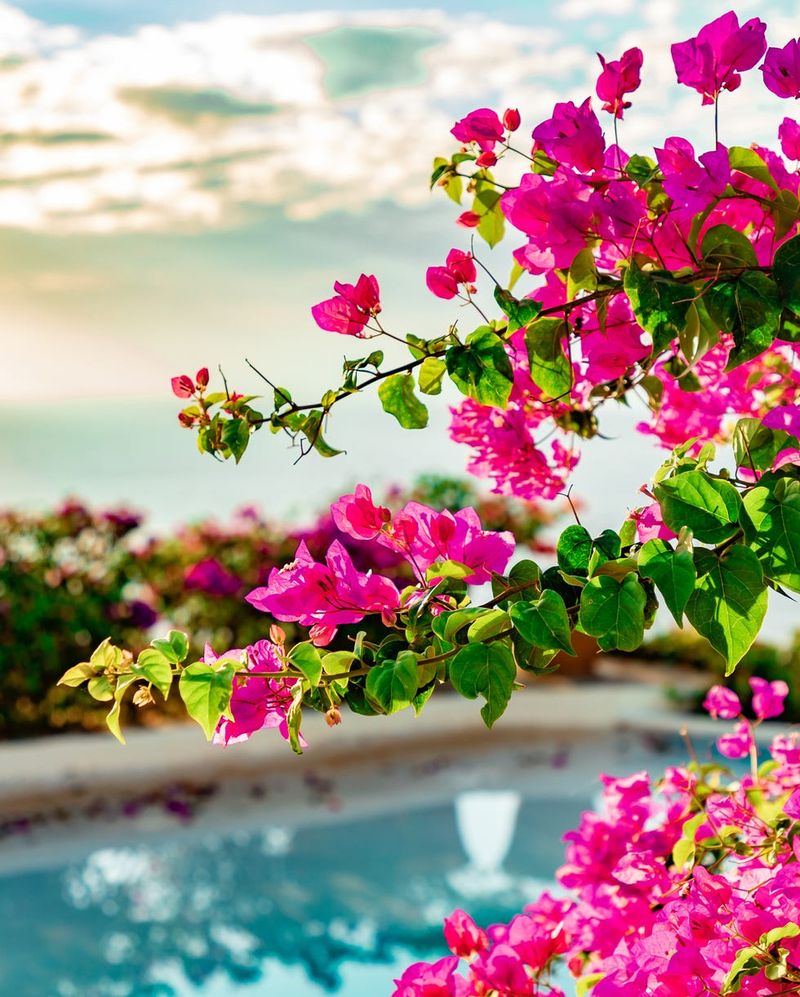
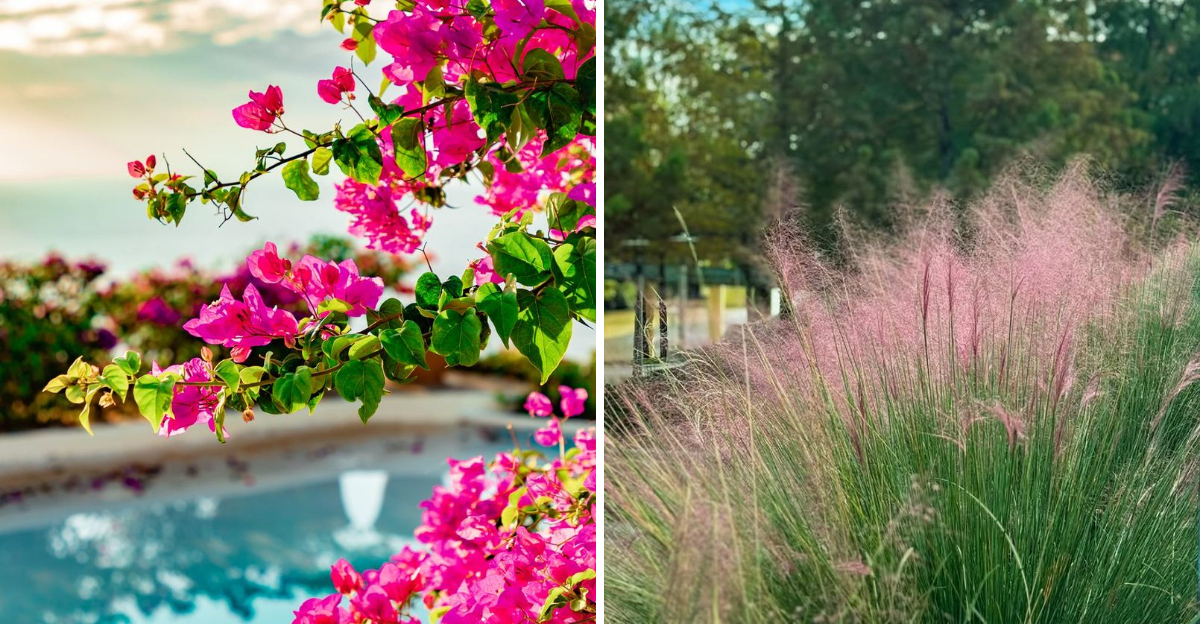
Walk past a Texas yard in July and the bougainvillea is usually the plant that stops you in your tracks. Those electric shades of magenta, coral, orange, and purple are almost impossible to ignore.
What most people do not realize is that all that wild color actually comes from modified leaves called bracts, not the tiny white flowers hiding inside them.
Bougainvillea is a heat champion that genuinely thrives in blazing conditions. It needs full sun to produce its best color, and the hotter and drier the summer gets, a little stress actually encourages more blooming.
For pool areas, it works best in containers or raised beds where excess water drains away quickly, because waterlogged roots are one of the few things that can set it back.
Growing it near a fence, trellis, or wall beside the pool creates a stunning backdrop. It adds a resort-style, tropical energy to any backyard space.
Containers can be moved around to create different looks throughout the season, which gives you a lot of flexibility in your design.
Bougainvillea does have thorns, so wear gloves when pruning. Regular trimming after a bloom cycle encourages fresh new growth and more color.
Fertilizing lightly every few weeks during the growing season keeps the bracts coming in strong.
For Texas homeowners who want maximum visual drama with minimal fussing, bougainvillea delivers in a way few other plants can match. It is bold, beautiful, and built for the kind of heat that the Lone Star State serves up all summer long.
4. Agave
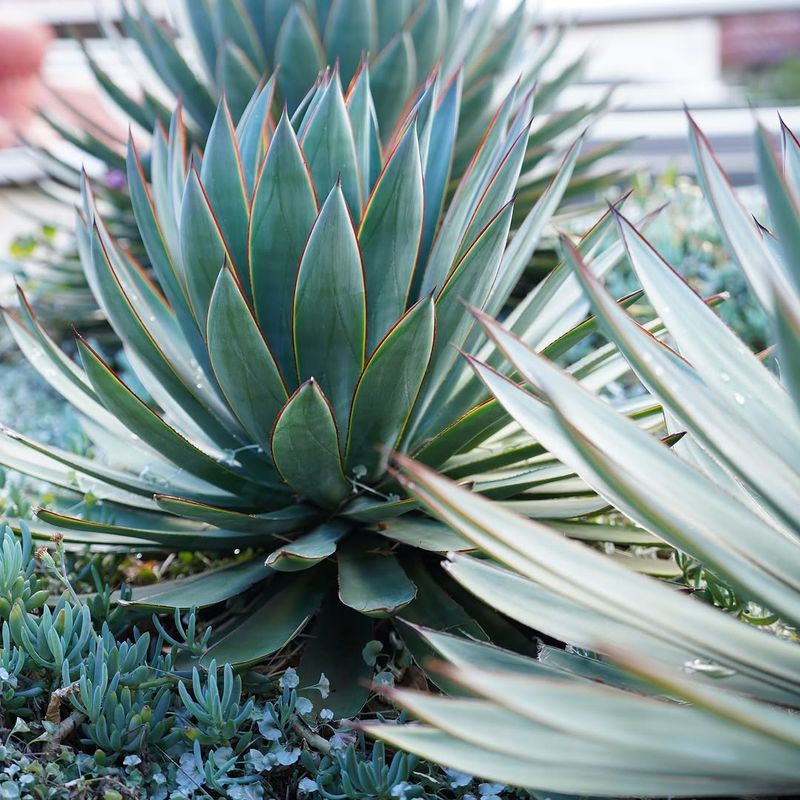
Agave is the plant that looks like it was designed by an architect. Its bold, symmetrical rosette of thick, pointed leaves creates a dramatic focal point that no amount of colorful flowers can quite replicate.
Around a pool, it adds a clean, modern, almost desert-resort quality that elevates the whole space instantly.
From a care standpoint, agave is about as low-maintenance as it gets. It stores water in its thick leaves, which means it can go weeks without rain and barely notice.
Heat and reflected light from pool decks do not stress it at all. In fact, agave prefers those tough conditions over cool, damp ones.
One thing to plan carefully is placement. Agave leaves end in sharp spines, so planting it right at the pool edge where people walk or run is not ideal.
Give it a spot slightly back from the main foot traffic zone, where it can be admired safely without anyone accidentally brushing against it.
There are dozens of agave varieties that work well in Texas, from small compact types to large show-stopping specimens. Agave americana, sometimes called century plant, is one of the most dramatic choices.
Smaller varieties like Agave parryi work well in containers near the pool. Pool splash landing on agave now and then is completely fine. Just make sure the soil or container drains freely so the roots are not sitting in water for extended periods.
With the right spot, agave brings years of effortless, architectural beauty to your pool landscape without asking for much in return.
5. Red Yucca
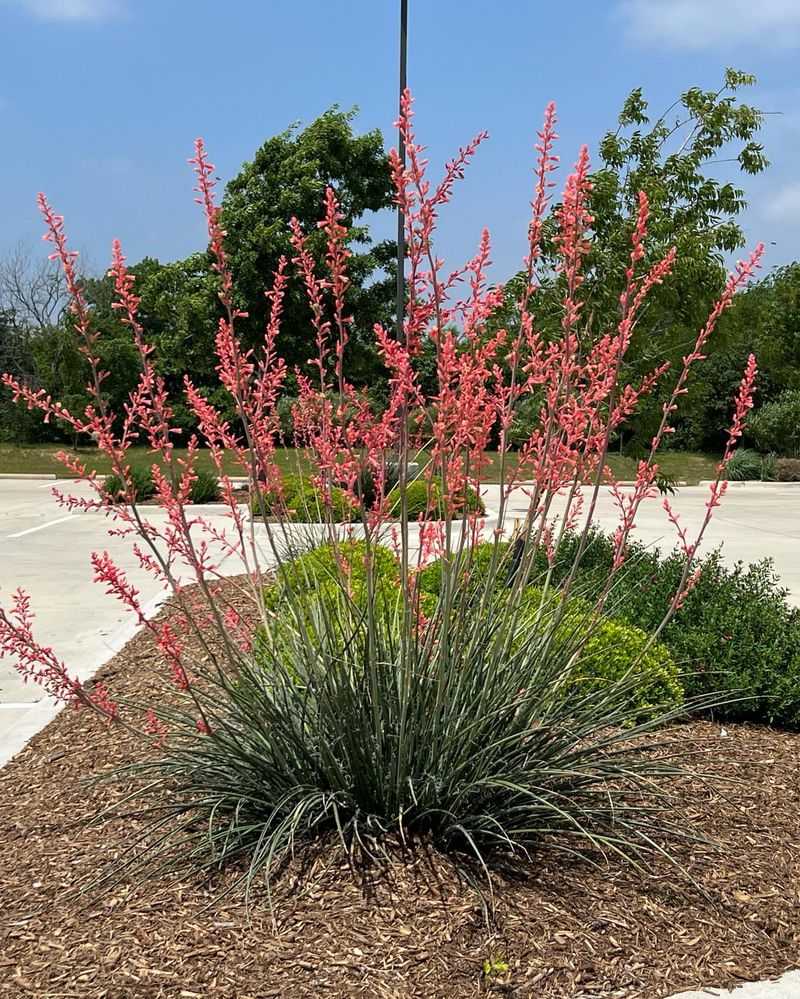
Red yucca might just be the most underrated pool plant in all of Texas. Despite its name, it is not actually a true yucca, but it earns just as much admiration.
Every summer, it sends up tall, graceful flower spikes covered in coral-pink to red tubular blooms that hummingbirds absolutely cannot resist. Watching those tiny birds hover around your pool edge is a pretty special bonus.
Hesperaloe parviflora is a native Texas plant, which means it is perfectly adapted to the heat, drought, and intense sun that the state dishes out all season long. It handles reflected heat from pool decks without any fuss.
Established plants need very little supplemental watering, making them ideal for low-maintenance pool landscaping.
The foliage itself is attractive too. Long, arching, dark green leaves with curling white fibers along the edges create a soft, graceful look even when the plant is not blooming.
It does not have the dangerous spines that true yuccas have, so it is a much safer choice near a pool where people are walking barefoot.
Red yucca blooms from late spring through late summer, giving you months of color. It looks stunning planted in groups of three or five along a pool border, or used as a single accent near steps or a gate.
It also pairs beautifully with ornamental grasses and salvias. For a Texas pool plant that combines wildlife appeal, drought toughness, and elegant beauty, red yucca is genuinely hard to beat.
Plant it once and it rewards you for years with very little effort required on your part.
6. Ornamental Grasses
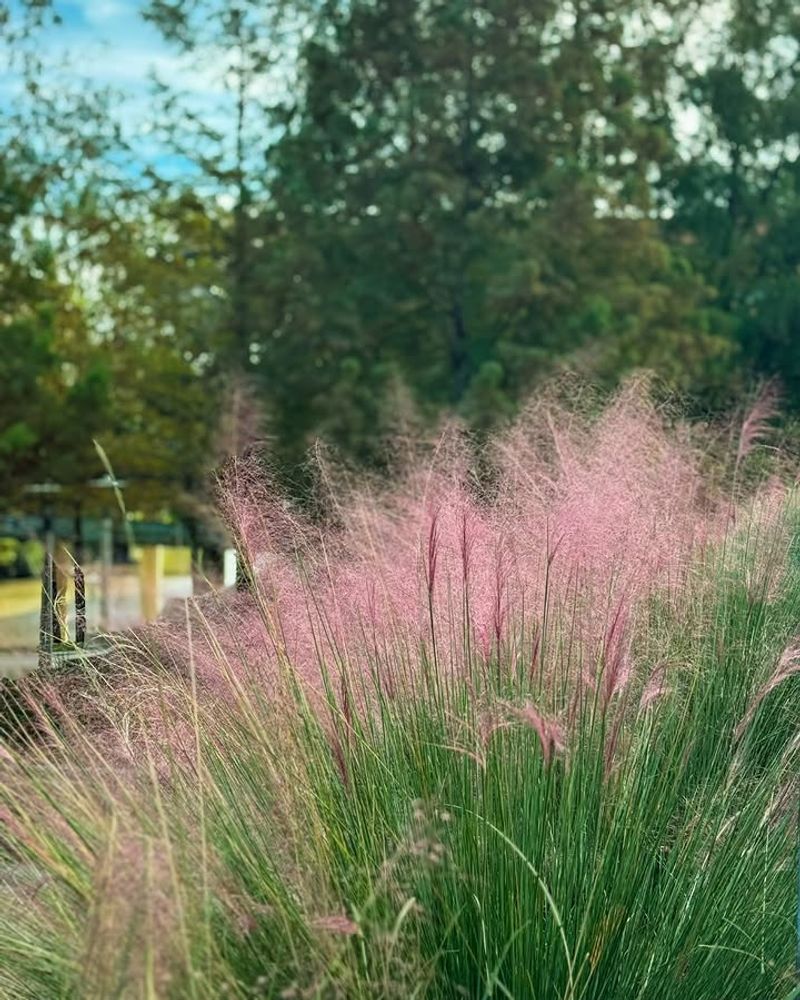
There is something almost magical about the way ornamental grasses move in a breeze. Near a pool, that gentle swaying creates a soft, natural contrast against the hard edges of concrete and tile.
Mexican feather grass and Gulf muhly are two of the best options for Texas pool landscapes, and both handle full sun, heat, and occasional splash without any complaints.
Mexican feather grass forms delicate, airy mounds with wispy seed heads that catch the light beautifully in the afternoon. It is extremely drought tolerant once established and practically thrives on neglect.
Gulf muhly, also called pink muhly grass, puts on one of the most spectacular shows of the year in fall when it erupts into a cloud of rosy-pink plumes.
These grasses soften the look of a pool border in a way that no shrub or flower can quite replicate. They add movement, texture, and a sense of relaxed, natural beauty.
Planting them in clusters between bolder plants like agave or red yucca creates a layered, professional-looking landscape design.
Maintenance is refreshingly simple. Cut them back hard once a year in late winter before new growth starts, and that is basically all they need.
They do not require fertilizer or much supplemental water once they settle in, which keeps your pool maintenance routine nice and light.
One quick note: Mexican feather grass can self-seed aggressively in some Texas regions, so check with local nurseries about the best ornamental grass choice for your specific area. The right grass will reward you with years of beautiful, effortless texture.
7. Drought-Tolerant Salvias And Agastache
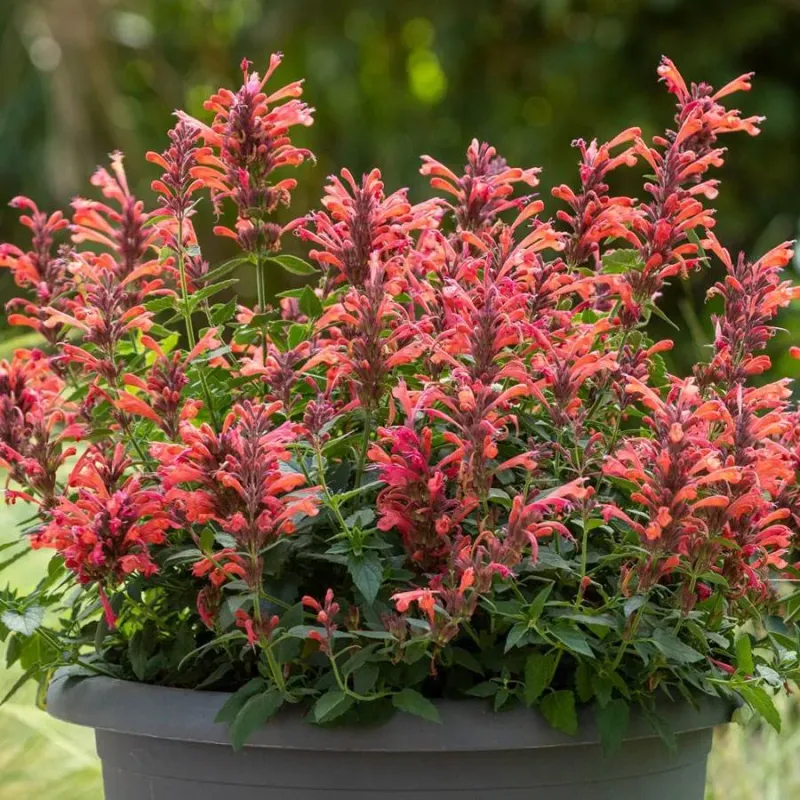
Salvias and agastache are the workhorses of the Texas perennial garden, and they are especially well-suited for pool borders where heat and occasional water stress are just part of daily life.
Agastache cana, sometimes called hummingbird mint or mosquito plant, is a standout performer.
It blooms in tall spikes of pink to purple flowers from midsummer through fall, and hummingbirds and butterflies treat it like a favorite restaurant.
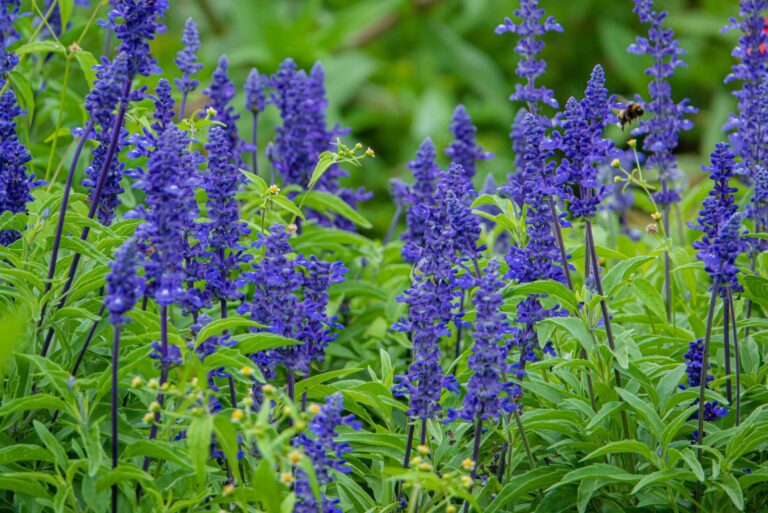
Heat-loving salvias like Salvia greggii and Salvia leucantha are equally impressive. Salvia greggii, known as autumn sage, blooms in red, pink, white, and coral and keeps going through the hottest months without slowing down.
Salvia leucantha, or Mexican bush sage, comes on strong in late summer with velvety purple and white spikes that look almost too beautiful to be real.
Both salvias and agastache prefer well-drained soil, which makes them excellent choices along pool edges where splash water drains away rather than pooling around the roots.
They need full sun to bloom their best, and the more sun they get, the more flowers they produce.
Cutting them back by about one-third in midsummer encourages a fresh flush of blooms for the fall season. They also attract an impressive range of pollinators, turning your pool area into a lively, buzzing garden scene that adds real energy to the space.
For homeowners who want color, wildlife appeal, and heat toughness all in one package, this combination of salvias and agastache delivers beautifully.
They are reliable, gorgeous, and genuinely built for Texas summers without requiring a lot of extra care or attention from you.