This Texas Caterpillar Gets Less Attention Than A Scorpion But Its Sting Is Just As Memorable
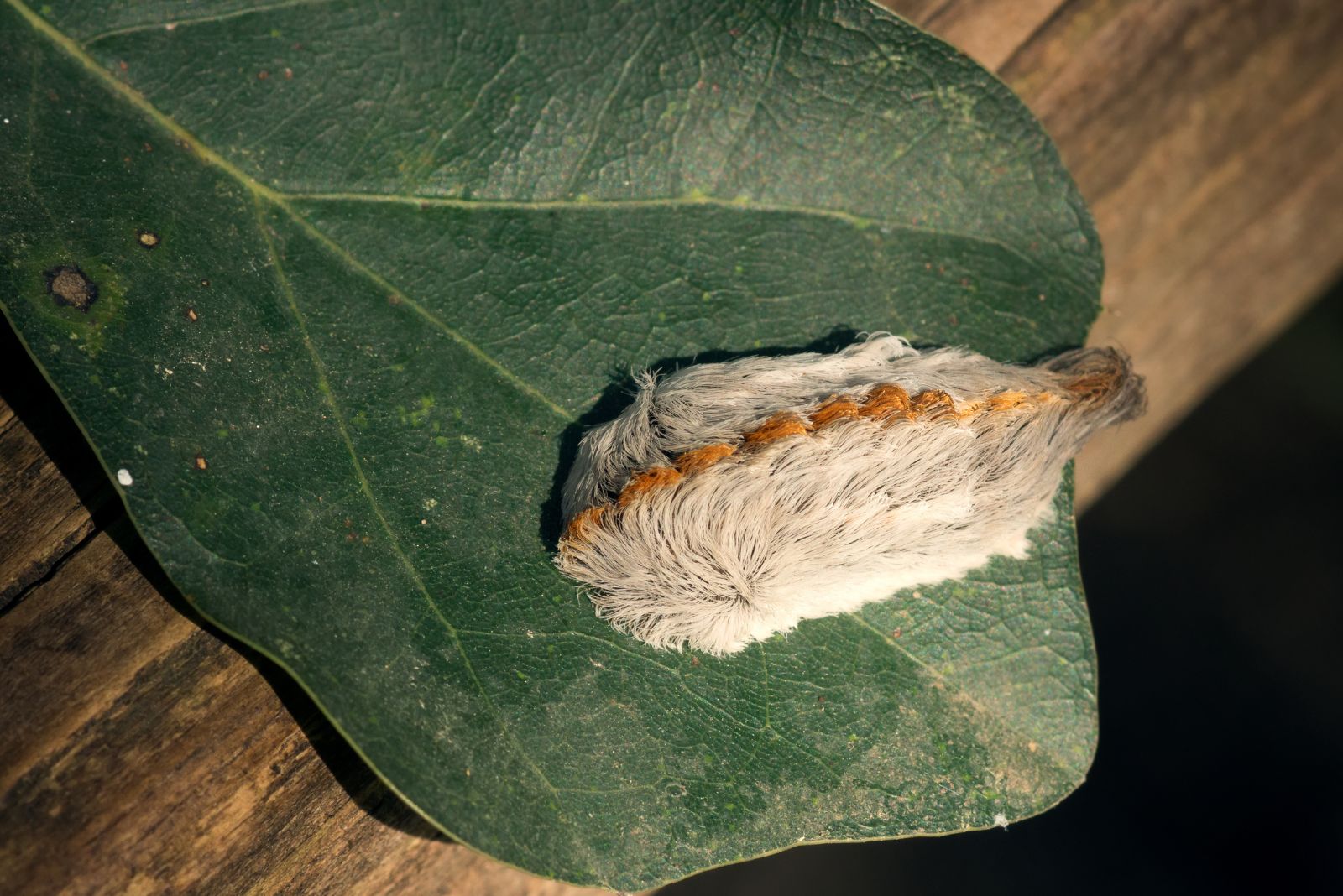
Most people in Texas know to watch out for scorpions, rattlesnakes, and fire ants. But there is one small, fuzzy creature that flies under the radar and packs a seriously painful punch.
The puss caterpillar looks like a tiny piece of soft, harmless fluff, but do not let its cute appearance fool you. Hidden beneath that silky coat are venomous spines that can cause pain so intense, many people compare it directly to a scorpion sting.
Found across Texas on trees, shrubs, and even backyard fences, this caterpillar is more common than most people realize, and knowing what it looks like and what to do if you encounter one could save you or your child from a very bad day.
Meet The Puss Caterpillar
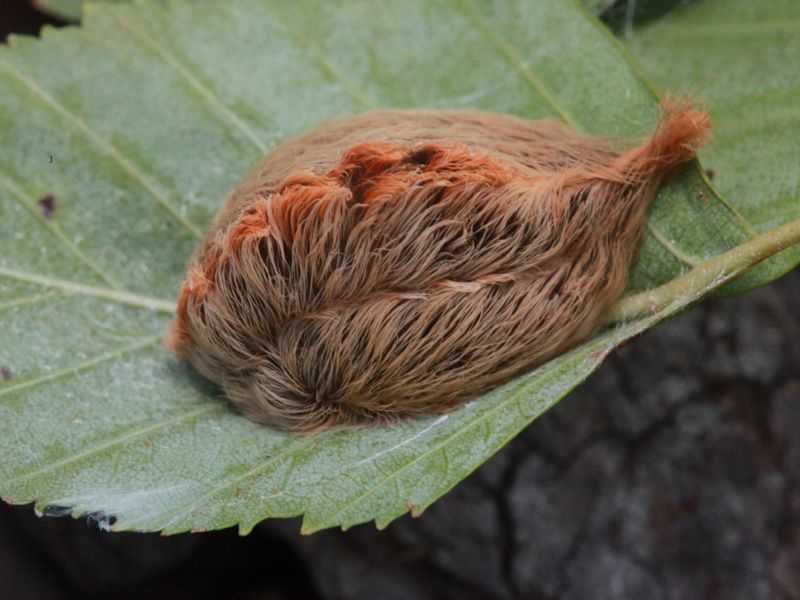
Forget everything you think you know about caterpillars being harmless. The puss caterpillar, known scientifically as Megalopyge opercularis, is one of the most venomous caterpillars found in the entire United States, and it calls Texas home.
At first glance, you might think it looks adorable. It resembles a tiny tuft of fur or even a small piece of a cat’s tail, which is exactly how it got its name.
What makes this creature so dangerous is the gap between how it looks and what it can actually do. People, especially curious kids, often reach out to touch it because it seems soft and inviting.
That is when things go very wrong. Beneath that fluffy exterior are sharp, hollow spines loaded with venom just waiting to make contact with skin.
The pain that follows is not mild. Victims often describe it as an immediate, burning sensation that spreads quickly.
Some say it feels like a hot coal pressed against the skin. Others have compared the intensity directly to a scorpion sting, which is saying a lot given how feared scorpions are in the Lone Star State.
The puss caterpillar is not rare or hiding in remote forests either. It shows up in backyards, parks, school grounds, and along roadsides.
Oak trees and elm trees are among its favorite spots. Because it blends in so well with bark and leaves, it is easy to miss until it is too late.
Awareness is the first and most powerful tool against an accidental encounter with this surprisingly fierce little insect.
Identification: Spotting The Fluff That Bites Back
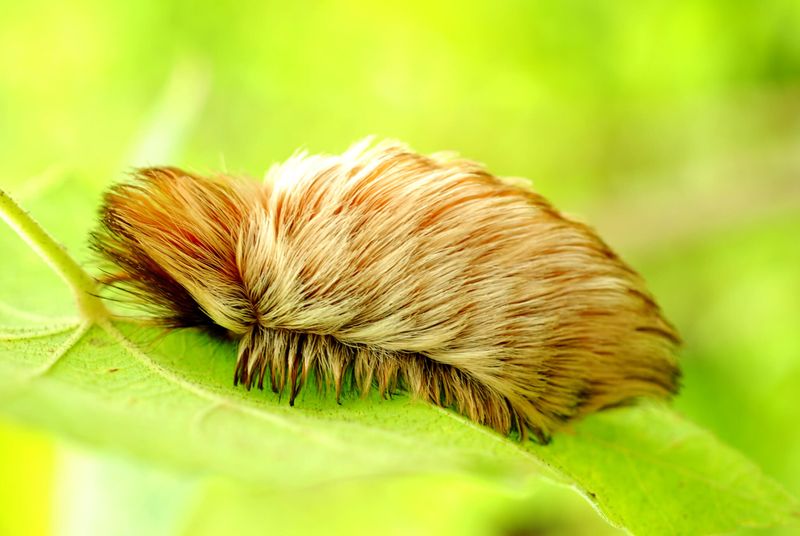
Knowing what a puss caterpillar looks like could save you from a world of hurt. The body is typically teardrop-shaped, wider at the front and narrowing toward the back.
It measures about one to one and a half inches long, which makes it small enough to miss if you are not paying attention. The color can range from golden yellow to grayish brown to almost reddish, depending on its age and the region where it lives.
The most striking feature is its coat. The hairs are long, dense, and silky, almost like a tiny Persian cat.
Some people even describe it as looking like a bad toupee. That thick, flowing coat is what makes it look harmless, but those hairs are actually covering the dangerous spines underneath.
Your Texas Garden Changes Every Week. Your Plan Should Too.
Gardening in Texas changes quickly throughout the season. Every Friday you’ll receive a simple weekly plan showing exactly what to plant, prune, fertilize, harvest, and protect so you never miss the right timing.
You cannot easily see the spines, which makes accidental contact even more likely. Compared to other caterpillars in Texas, the puss caterpillar stands out because of how uniform and full its hair coat appears.
Most other fuzzy caterpillars have patchy or uneven hair patterns. The woolly bear caterpillar, for example, has distinct bands of black and orange that are easy to recognize. The puss caterpillar, by contrast, looks almost perfectly groomed.
If you spot a small, evenly furry caterpillar on a tree trunk, leaf, or fence post, do not assume it is safe to touch. Even if you are wearing gardening gloves, the spines can sometimes poke through thin fabric.
When in doubt, leave it alone and admire it from a safe distance. A photo is always a safer souvenir than a sting.
Life Cycle And Habitat: Where It Lives And When It Shows Up
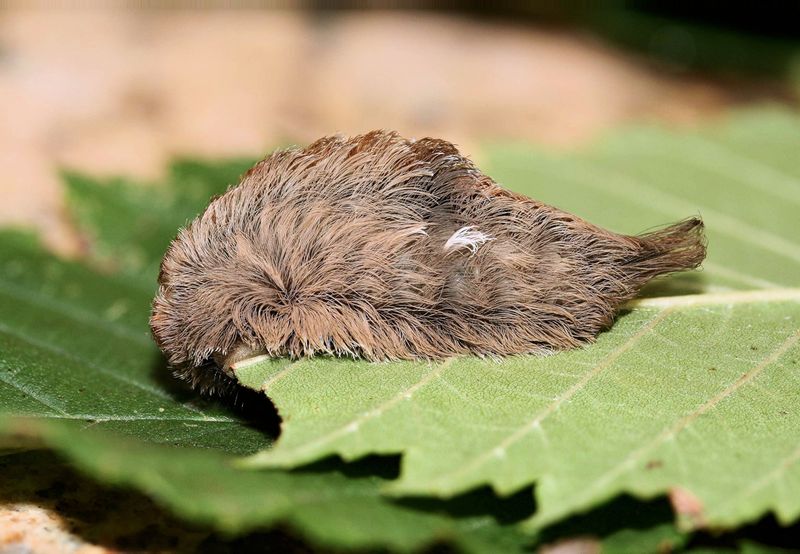
The puss caterpillar does not spend its entire life as a caterpillar. It is actually the larval stage of the southern flannel moth, a soft, white, and fairly unremarkable-looking moth that most people would never suspect of having such a fierce offspring.
The transformation from caterpillar to moth is a fascinating process, but it is the caterpillar stage that gets all the attention for the wrong reasons.
In Texas, puss caterpillars tend to appear most often in spring and again in early fall, with two generations typically emerging each year. Warm, humid weather seems to encourage their activity.
You are most likely to spot them from late summer through October, which lines up with when many Texans are spending more time outdoors enjoying cooler evenings.
As for where they hang out, oak trees are a top favorite. They also love elm trees, hackberry, and a wide variety of ornamental shrubs and garden plants.
Fences, walls, and even the undersides of leaves are common resting spots. Because they tend to perch on surfaces at arm or knee height, they are very easy to accidentally brush against.
School yards and residential neighborhoods in central and east Texas see the most reported encounters, though they are found throughout most of the state.
The caterpillars do not travel far or move quickly, so they are easy to overlook until someone walks right into one.
Checking trees and shrubs before letting kids or pets play nearby during peak season is a smart habit that can prevent a painful surprise from this unassuming little creature.
How The Sting Works: The Science Behind The Pain
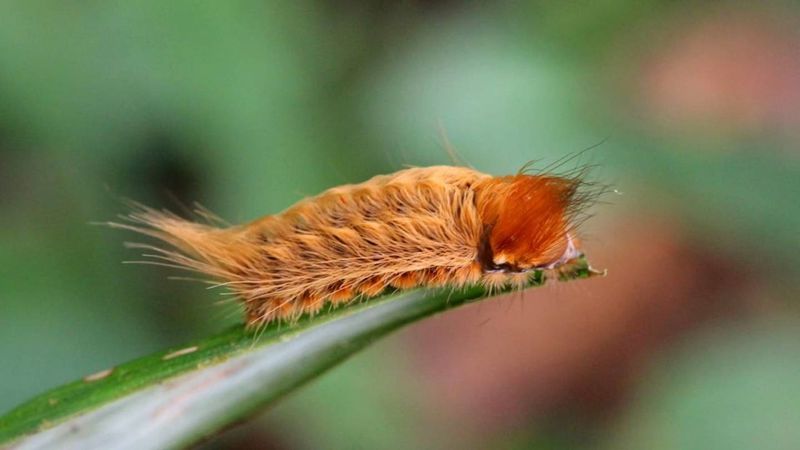
Here is where things get really interesting, and a little alarming. The puss caterpillar does not sting in the way a bee or wasp does.
There is no stinger that jabs into your skin. Instead, the venom is delivered through tiny, hollow spines hidden underneath all that fluffy hair.
When skin comes into contact with the caterpillar, the spines break off and embed themselves in the skin, releasing venom almost instantly.
The pain starts fast. Most people describe an immediate burning or throbbing sensation that can spread well beyond the contact point within minutes.
The area often turns red and swells up. A grid-like rash sometimes appears, matching the pattern of the spine clusters on the caterpillar’s body.
Some people develop blisters, and in more serious cases, symptoms like nausea, headache, and even difficulty breathing have been reported.
Comparing it to a scorpion sting is not an exaggeration. A common Texas bark scorpion sting causes sharp, burning pain that can last for hours.
People who have experienced both say the puss caterpillar sting is right in the same league, sometimes even worse depending on how many spines made contact. The venom affects the nervous system and causes localized inflammation that can linger for a full day or more.
Children and people with allergies or sensitive skin tend to have stronger reactions. The location of the sting also matters.
A sting on the wrist or neck can feel far more intense than one on a thicker part of the body. Understanding how the venom works helps explain why such a tiny creature can cause such a big, lasting reaction in otherwise healthy people.
Prevention And Safety Tips: Staying One Step Ahead
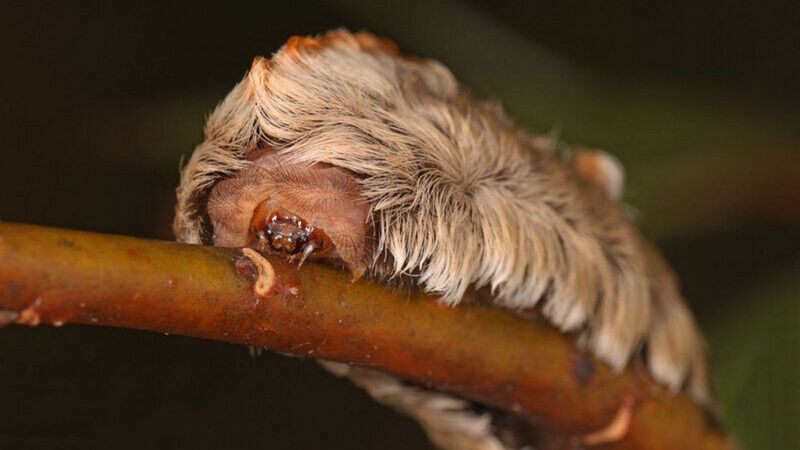
Prevention really is the best medicine when it comes to puss caterpillars. The number one rule is simple: never touch a fuzzy caterpillar you cannot identify with certainty.
Even if it looks soft and harmless, the risk is not worth taking. Teaching kids this rule early can prevent a lot of unnecessary pain and fear, especially during the fall months when these caterpillars are most active.
Gardening is one of the most common times people encounter puss caterpillars without realizing it. Wearing thick gloves and long sleeves while trimming oak or elm trees, pruning shrubs, or raking leaves gives you an extra layer of protection.
Even then, it is smart to shake out gloves and clothing before storing them, since caterpillars can cling to fabric without being noticed.
If you have young children or pets who spend time in the yard, do a quick visual check of low-hanging branches and shrubs before letting them roam freely.
Puss caterpillars often rest on the undersides of leaves or along the bark of tree trunks at a height that is easy for small hands and curious noses to reach. Checking these spots takes only a minute but can make a big difference.
Schools and parks in Texas sometimes post warnings during peak caterpillar season, and it is worth paying attention to those notices. If you notice several caterpillars in one area, consider contacting a local pest control professional for advice.
You can also reduce their numbers by gently removing them with a stick or tool, never bare hands, and relocating them to a less trafficked area of your yard or garden.
First Aid If Stung: What To Do Right Away
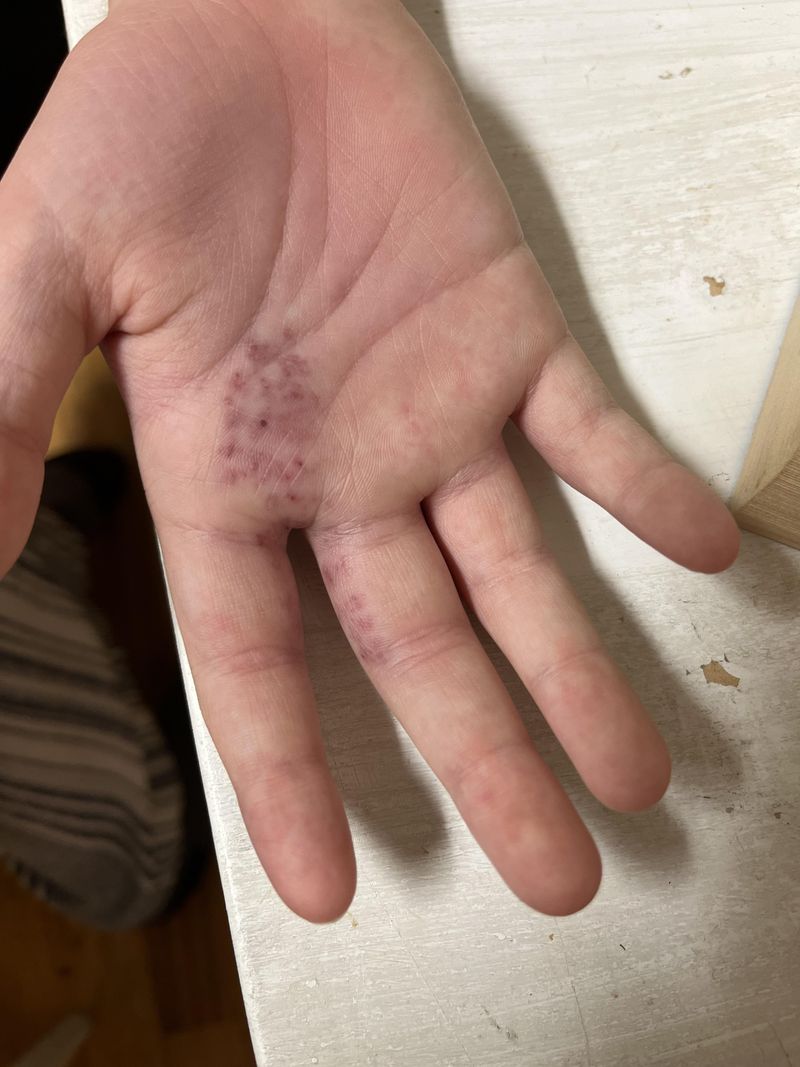
Getting stung by a puss caterpillar is painful, but staying calm and acting quickly can make a real difference in how fast you recover. The very first thing to do is remove the embedded spines from your skin.
Do not rub the area, as that will only push the spines in deeper. Instead, use a piece of tape, a credit card edge, or tweezers to carefully lift the spines out of the skin.
Pressing tape firmly over the sting area and peeling it back slowly is one of the most effective methods.
Once the spines are removed as best as possible, wash the area thoroughly with soap and water. This helps clean out any remaining venom and reduces the risk of infection.
After washing, applying an ice pack wrapped in a cloth to the affected area can help bring down swelling and numb the burning sensation. Keep the ice on for fifteen to twenty minutes at a time, and take breaks in between.
Over-the-counter antihistamines like Benadryl can help reduce itching and allergic reactions. Pain relievers such as ibuprofen or acetaminophen can take the edge off the burning and throbbing.
Some people also find that hydrocortisone cream applied to the rash helps with irritation and redness.
Most sting reactions clear up within a few hours to a day, but some people have stronger responses. If the pain spreads significantly, if there is swelling around the throat or face, or if the person stung has trouble breathing, seek medical attention right away.
Severe allergic reactions are uncommon but do happen, and a doctor can provide stronger treatment options when home remedies are not enough.