What To Buy At Ohio Native Plant Nurseries Before It Sells Out This Season
Ohio native plant nurseries are not like big box garden centers. Stock is limited, seasons are short, and the plants serious gardeners actually want tend to disappear fast.
Show up two weekends too late and you are walking out with whatever nobody else wanted. This season, a handful of native plants are flying off the benches faster than nurseries can keep up.
Some are perennial favorites that sell out the same time every year. Others have had a surge in popularity lately, and supply simply has not caught up with demand yet.
So what should you grab first? That depends on your yard, your goals, and honestly, how quickly you can get there.
But certain plants are worth prioritizing no matter what kind of Ohio garden you are building. This list will save you a wasted trip and maybe a little heartbreak.
1. The True Native Milkweeds Sell Out Fast
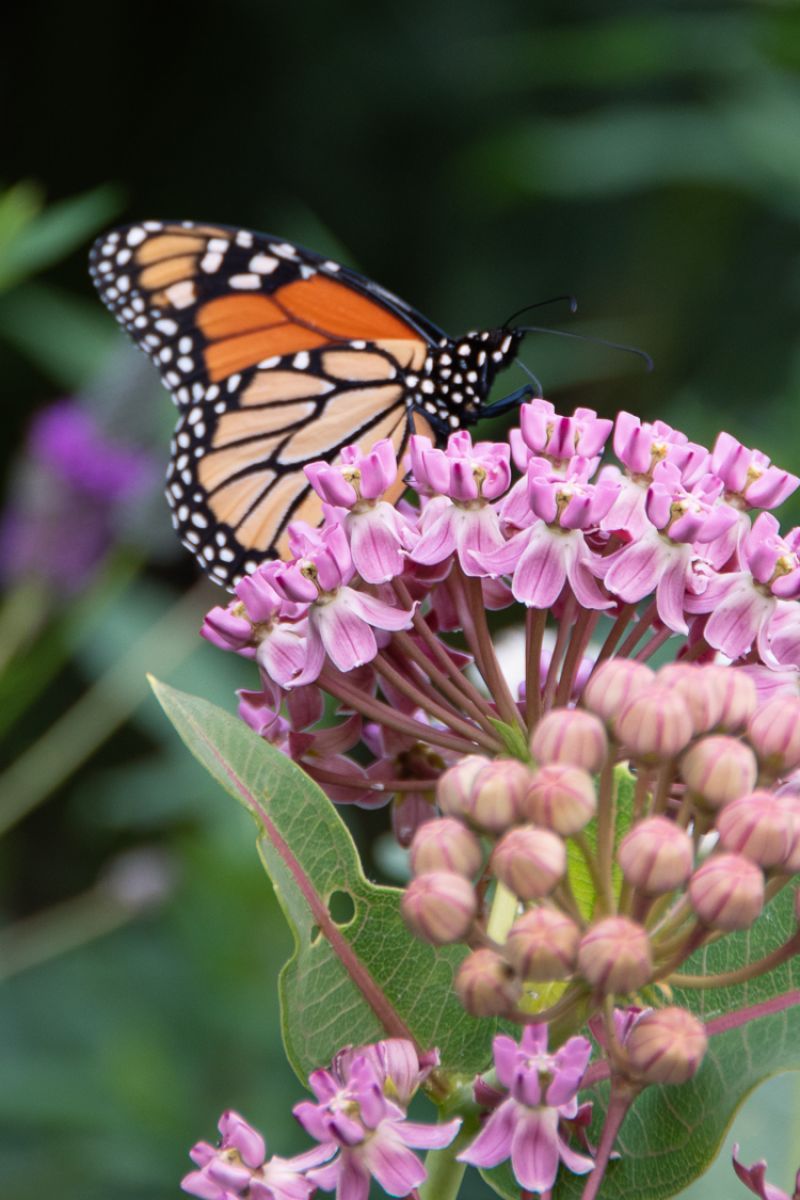
Every spring, shoppers arrive at native plant sales with one plant at the top of their list, and milkweed is almost always it. The demand for locally appropriate milkweed species has grown sharply as more gardeners focus on supporting monarch butterflies.
But not all milkweed is created equal, and label-reading matters here.
Common milkweed (Asclepias syriaca) is a tough, spreading species that works best in larger, informal spaces where it has room to move. Swamp milkweed (Asclepias incarnata) handles moist to wet soil and stays more manageable in a garden bed.
Butterfly weed (Asclepias tuberosa) thrives in sunny, well-drained spots. It tends to be one of the first to disappear from sale tables because of its bright orange flowers.
Tropical milkweed (Asclepias curassavica), which is not native to this region, is still sold at many general nurseries. For monarch-focused gardens, native milkweed species are the better choice.
Tropical milkweed does not go dormant naturally in our climate, and that can interfere with monarch migration cues over time.
When shopping, check the botanical name on the tag rather than relying on common names alone. Ask the nursery staff whether the plants are grown from local or regionally appropriate seed sources.
Buying early in the season gives you the best selection, since popular species like butterfly weed often go quickly at conservation plant sales and native nursery events.
2. Mountain Mint Is The Sleeper Hit On The Nursery Bench
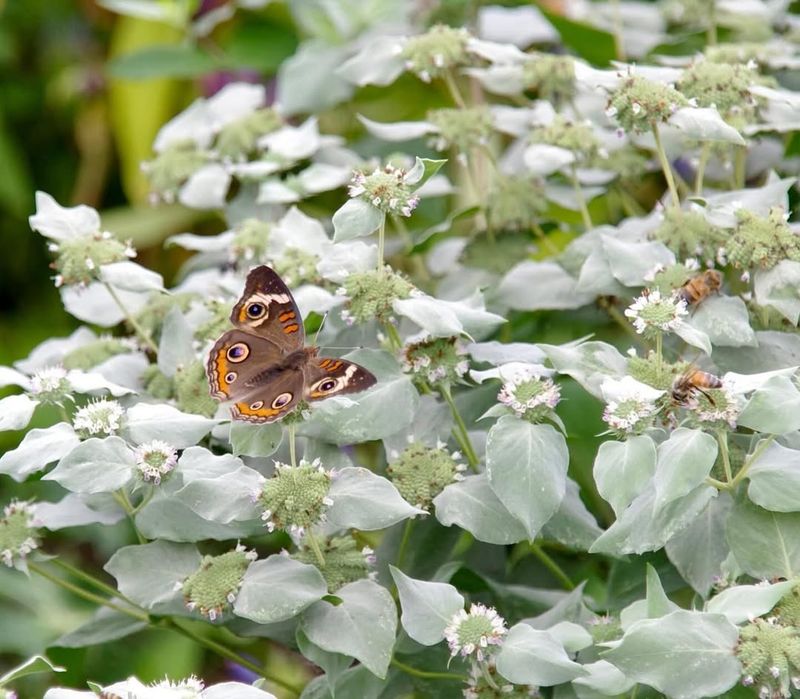
It does not look like much sitting in a small pot on the nursery bench. The leaves are modest, the plant is compact, and it rarely gets a second glance from shoppers walking past.
But put mountain mint in the ground and give it a full season, and you will quickly understand why experienced native gardeners grab it whenever they see it.
Mountain mint, particularly Pycnanthemum virginianum and related species, is one of the most reliable pollinator plants available for sunny to part-sun sites.
When it blooms in midsummer, the small white flower clusters attract bees, wasps, butterflies, and a wide range of beneficial insects.
On a warm afternoon, the plant practically hums with activity. Ohio State University Extension and pollinator researchers consistently highlight mountain mint as a top-performing native for supporting beneficial insects.
Your Ohio Garden Changes Every Week. Your Plan Should Too.
Gardening in Ohio changes quickly throughout the season. Every Friday you’ll receive a simple weekly plan showing exactly what to plant, prune, fertilize, harvest, and protect so you never miss the right timing.
One practical note: mountain mint can spread by rhizomes, so placement matters. It works beautifully in a pollinator bed, meadow-style planting, or a sunny border where you want ground coverage and movement is welcome.
It is not the best choice for a tightly controlled formal bed unless you are prepared to manage it.
The aromatic, minty fragrance is a bonus that many shoppers discover only after rubbing a leaf. Because awareness of this plant has grown steadily, it is worth buying early.
It often goes quickly once word spreads at a local plant sale.
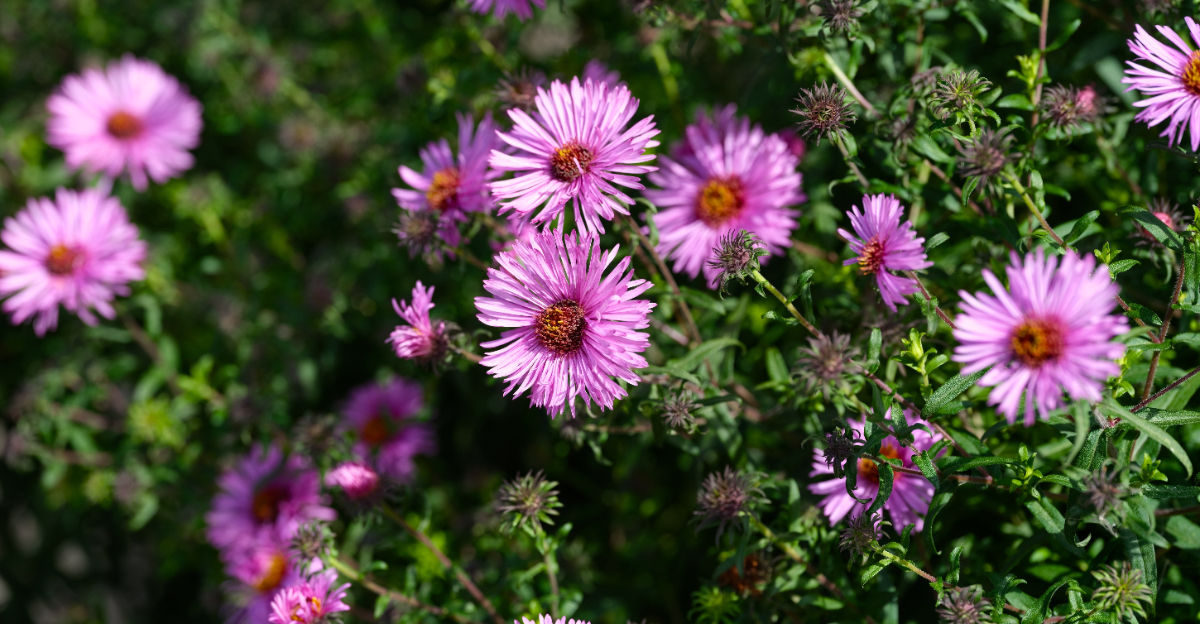
3. Native Asters Are Gone Before Fall Even Starts
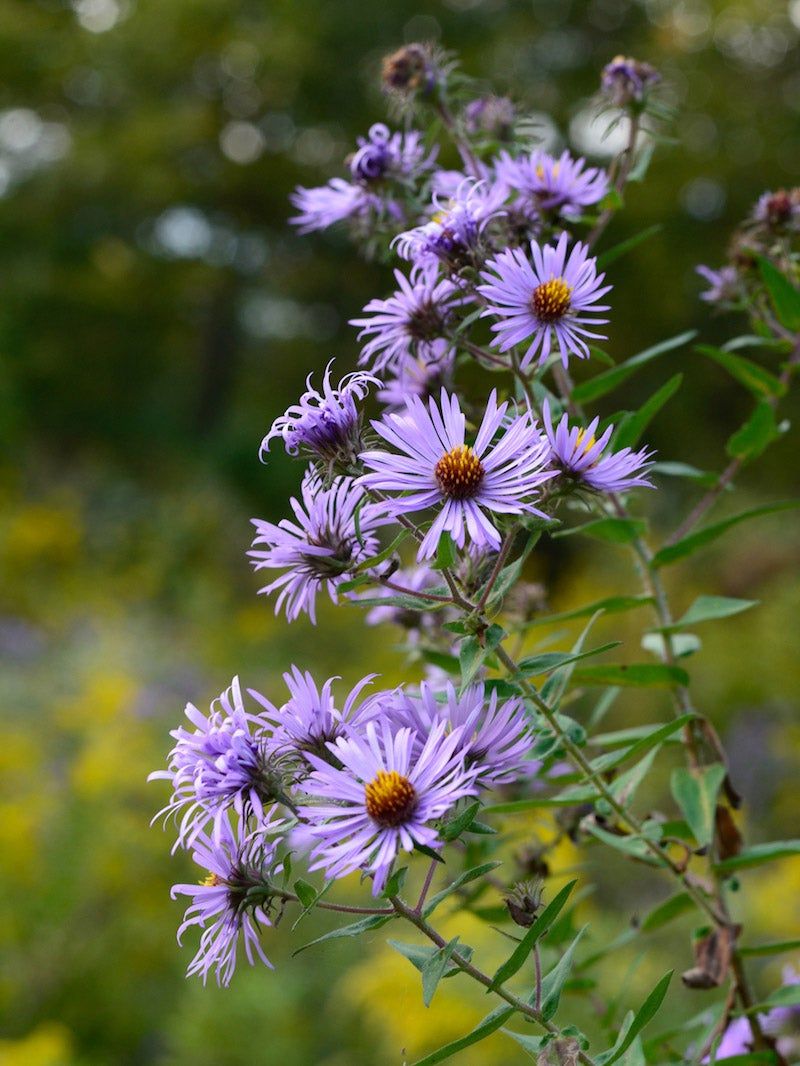
Here is a shopping mistake many gardeners make: waiting until September to look for native asters. By then, the best selections at local nurseries and plant sales are long gone.
Savvy shoppers pick up their asters in late spring or early summer, when inventory is still full and the plants have time to settle in before they bloom.
Native asters are among the most valuable late-season plants for pollinators. Species like New England aster (Symphyotrichum novae-angliae) and smooth blue aster (Symphyotrichum laeve) provide critical nectar and pollen sources.
They do that when most other flowers have finished. Migrating monarchs, native bees, and late-season butterflies rely heavily on these blooms from late summer into fall.
Before buying, it is worth asking about mature height and spreading habit. Some asters can reach four to six feet tall and spread by both seeds and rhizomes.
If space is limited, ask the nursery about more compact species or cultivars that stay tidy. Straight species tend to offer the most wildlife value, so ask whether the plant is a true native species or a cultivated variety.
Asters prefer full sun to part shade and adapt to a range of soil moisture levels depending on the species. Matching the plant to your actual site conditions gives you a much better outcome than simply picking by flower color.
Buying a few plants earlier in the season, before fall demand spikes, is a smart and simple way to plan ahead.
4. Goldenrod Gets Snapped Up Once Gardeners Know Better
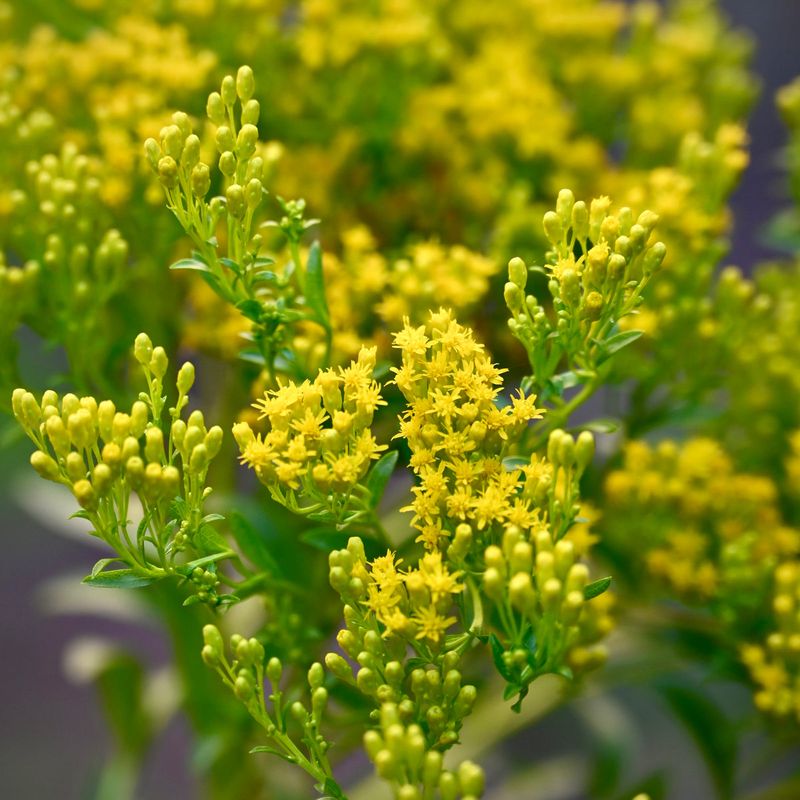
Goldenrod has spent decades with an unfair reputation, and a lot of gardeners have been avoiding it for the wrong reason. Ragweed is the plant most responsible for late-summer allergy misery.
Ragweed pdisperses its pollen on the wind, which is how it reaches your nose. Goldenrod, on the other hand, relies on insects to move its heavy pollen, so it rarely causes the same reaction.
The two plants bloom at the same time, which is where the confusion comes from.
Once gardeners learn this, goldenrod tends to move fast at plant sales. It is a powerhouse for late-season insects, offering both nectar and pollen when most other plants have stopped flowering.
Native bees, monarch butterflies, and hundreds of other insect species depend on it as a key food source heading into fall.
The practical challenge with goldenrod is choosing the right species. Some, like tall goldenrod (Solidago canadensis), spread aggressively and can take over a garden bed.
Others, like stiff goldenrod (Solidago rigida) or showy goldenrod (Solidago speciosa), are better behaved and well-suited for garden use. Ask your nursery which species they carry and how each one behaves in a garden setting.
Goldenrod grows best in full sun and tolerates a range of soil conditions, including dry and poor soils where other plants struggle.
Buying it earlier in the season gives you access to better-rooted plants and a wider choice of species before popular selections run low.
5. Blazing Star Brings The Drama Everyone Wants
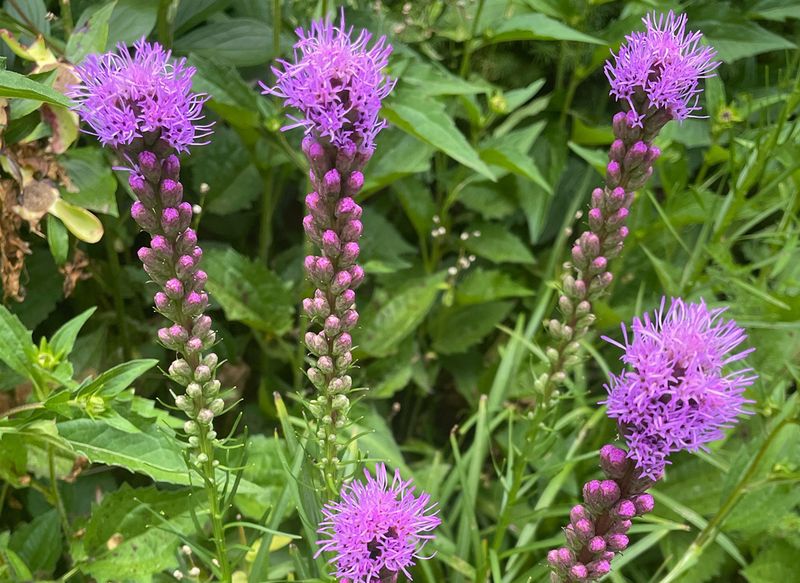
Walk past a table of blazing star in full bloom at a native plant sale and it is nearly impossible not to stop. The tall, vertical spikes of purple flowers are bold, eye-catching, and completely unlike most other native perennials.
That visual drama is one reason Liatris sells quickly, especially in larger pot sizes where plants are closer to blooming stage.
Blazing star, particularly Liatris spicata and Liatris pycnostachya, is native to this region and thrives in full sun with well-drained to average soil.
It is a strong performer in pollinator gardens, attracting monarch butterflies, swallowtails, native bees, and hummingbirds.
The flowers open from the top of the spike downward, which is unusual and adds to its visual appeal over a long bloom period.
For the strongest garden effect, buy blazing star in groups of three or more rather than as single plants. A single spike looks nice, but a mass planting creates the kind of bold color statement that makes a pollinator bed feel intentional and designed.
Spacing them about twelve to eighteen inches apart gives each plant room to develop fully.
One practical note: blazing star grows from a corm, and it does not like sitting in wet soil over winter. Make sure your planting site drains well.
If you want enough plants for a strong visual grouping, buying early is smart because popular sizes can be harder to find later in the season when demand peaks.
6. Wild Bergamot Becomes A Bee Magnet In Every Cart
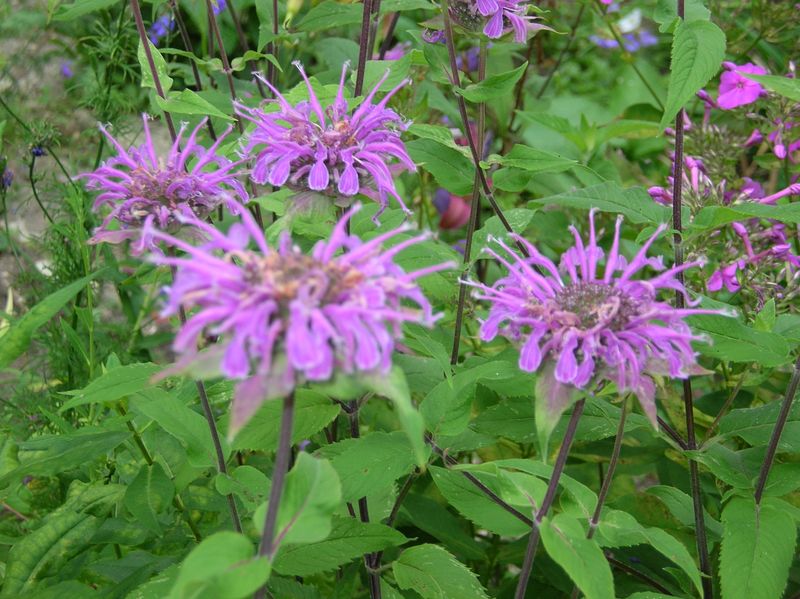
Few plants earn as much attention from bees as wild bergamot does when it hits peak bloom in midsummer.
The lavender flower heads of Monarda fistulosa are visited constantly by bumblebees, native sweat bees, leaf-cutter bees, and a long list of other pollinators.
If you stand near a blooming clump on a warm afternoon, the level of bee activity is genuinely impressive.
Wild bergamot is a close relative of bee balm (Monarda didyma), but it tends to be better adapted to drier, sunnier conditions. It works well in sunny to part-sun pollinator beds, informal borders, and meadow-style plantings where it can move around a bit.
The fragrant leaves have a pleasant oregano-like scent that adds to its appeal as a garden plant.
One thing to know before planting: wild bergamot can spread by both seed and rhizomes over time. In a relaxed, naturalistic setting this is a feature rather than a problem.
In a tidy, formal border it may require some management. Good air circulation around the plants helps reduce powdery mildew, which can affect the foliage late in the season without harming the plant significantly.
Wild bergamot is worth buying for its midseason color, its fragrance, and the sheer volume of pollinator activity it brings. It is a plant that earns its spot quickly.
At busy plant sales, carts tend to fill up with it early, so picking it up when you see it in good condition is a reasonable approach.
7. Native Sedges Disappear When Shade Gardeners Get Serious
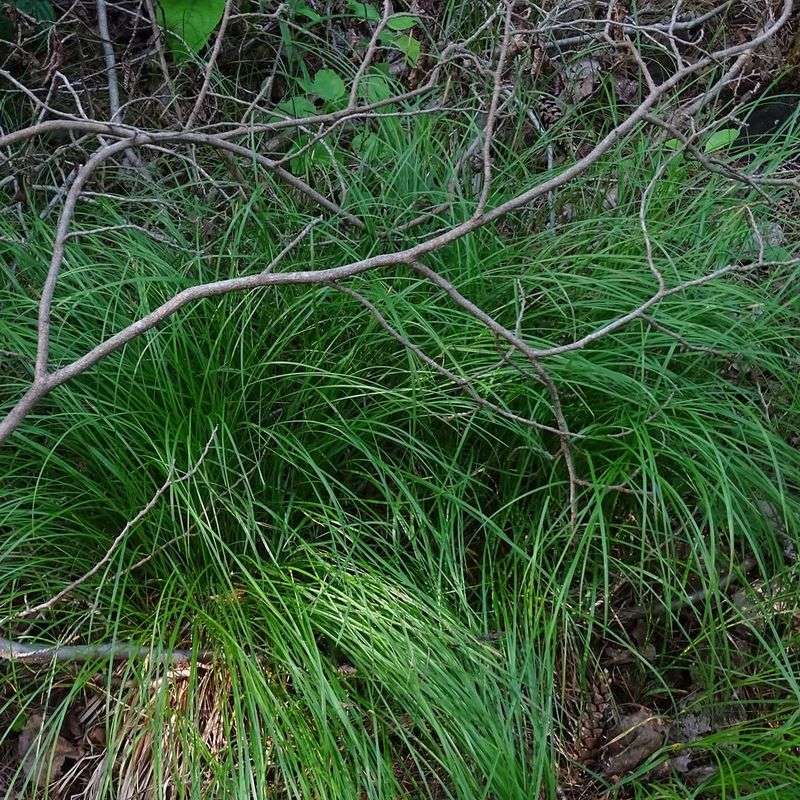
Shade gardeners face a challenge that sunny-garden growers rarely deal with. They need plants that actually thrive under dense tree canopy, in dry shade, or along woodland edges where most perennials give up.
Native sedges are one of the best answers to that problem, and once shade-focused gardeners discover them, they tend to buy several flats at once.
Pennsylvania sedge (Carex pensylvanica) is one of the most useful and widely recommended species for dry to average shade in this region.
It forms a low, fine-textured groundcover that works under trees, along paths, and in areas where a lawn alternative makes more sense than traditional turf.
It stays relatively low, tolerates dry soil once established, and requires very little maintenance compared to grass.
Other native Carex species offer similar value in different conditions. Plantain-leaved sedge (Carex plantaginea) handles deeper shade and richer soil.
Oak sedge (Carex pedunculata) is another option worth asking about at local nurseries. Availability varies by supplier, so calling ahead to check what is in stock can save a wasted trip.
Sedges are not flashy on a nursery bench. They look like modest clumps of grass, and they are easy to walk past if you do not know what you are looking at.
But buy them in multiples and plant them in a mass, and the effect is clean, natural, and genuinely useful. Because they move slowly at general nurseries but sell fast at native plant sales, grabbing them early is smart.
8. Spicebush Is The Shrub Smart Shoppers Grab Early
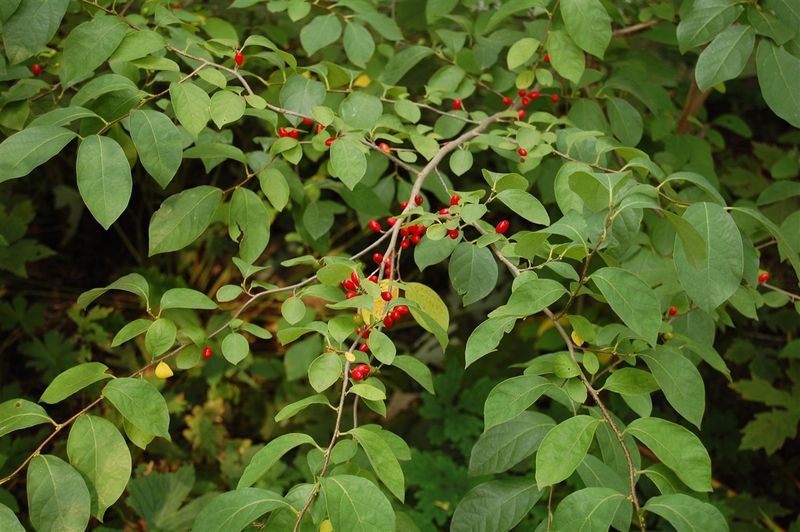
Shrubs move differently than perennials at native plant sales. Nurseries typically carry fewer of them, they take up more space, and they are harder to restock mid-season.
That is exactly why spicebush is worth looking for early, before the selection thins out and only the smallest or least healthy plants remain on the bench.
Spicebush (Lindera benzoin) is one of the most wildlife-friendly native shrubs available for part shade to shade conditions. It blooms very early in spring, producing small clusters of yellow flowers on bare branches before the leaves emerge.
Those early blooms are a valuable food source for early-season insects. Later in the season, female plants produce bright red berries that are eaten by thrushes, vireos, and other migrating birds.
Spicebush is also the primary host plant for the spicebush swallowtail butterfly, whose caterpillars feed on the leaves. If you want to support that species, planting spicebush is one of the most direct ways to do it.
The aromatic leaves smell faintly of allspice when crushed, which is a detail that surprises most people the first time they encounter it.
Before buying, check the mature size for your space, since spicebush can reach six to twelve feet tall and wide in good conditions. If berry production matters to you, ask the nursery whether you need both male and female plants.
Spicebush prefers moist, rich soil and does not do well in dry, exposed sites. Avoid digging plants from the wild and always buy from reputable growers or conservation sales.