5 Plants Oregon Gardeners Should Fertilize In June And 4 They Should Absolutely Skip
June can feel like a feeding month in the garden, but not every plant needs the same push. In Oregon, mild spring growth often gives way to warmer days, and that shift can change what plants can handle.
A little fertilizer may help heavy feeders keep growing strong. For others, extra feeding can lead to weak growth or fewer flowers later.
That is why timing matters so much. Before you grab the bag and sprinkle around every bed, it helps to know which plants are actually asking for support.
Some are still building energy for summer. Others are better left alone. Feed the right ones now, and you can help your garden move into the season with better balance.
1. Tomatoes Need A Light June Side-Dressing
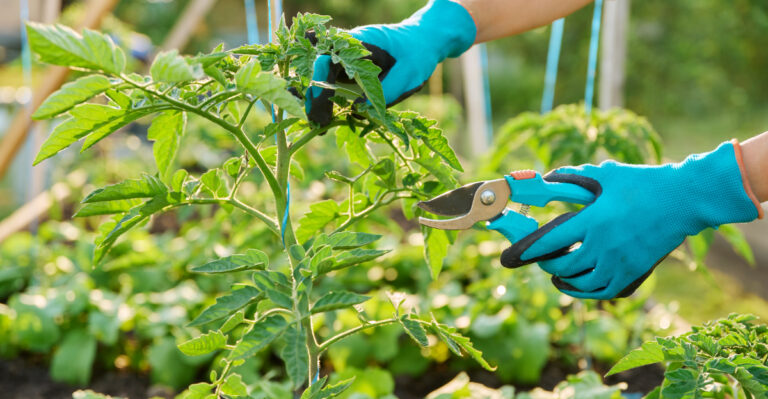
Few vegetables reward a little extra care quite like tomatoes do in early summer. By June, most tomato plants have settled into the soil and are starting to push out flowers.
That is the perfect moment to give them a light side-dressing of fertilizer.
A balanced fertilizer works well at this stage, but do not go overboard with nitrogen. Too much nitrogen in June will push lots of leafy green growth at the expense of fruit.
Look for a fertilizer with a slightly higher middle number, like a 5-10-10, which supports flowering and fruiting.
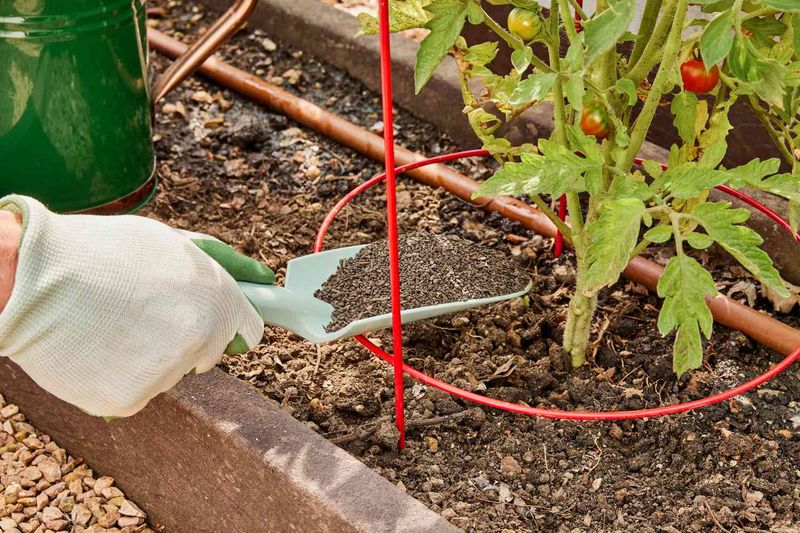
Side-dressing simply means sprinkling fertilizer around the base of the plant, a few inches away from the stem. Work it lightly into the soil and water it in well.
This slow and steady approach feeds the roots without shocking the plant.
In Oregon, June can still bring some rain in the early weeks, which helps carry nutrients down to the root zone naturally. If the weather turns dry, make sure you are watering consistently so the fertilizer can do its job.
Aim to side-dress once in early June and again around mid-July if your plants look like they need it.
Watch for dark green leaves, steady growth, and small fruit forming as signs that your feeding routine is working.
Tomatoes that get the right nutrition in June tend to produce bigger, tastier fruit all the way into fall.
2. Peppers Benefit Once Flowers And Fruit Start
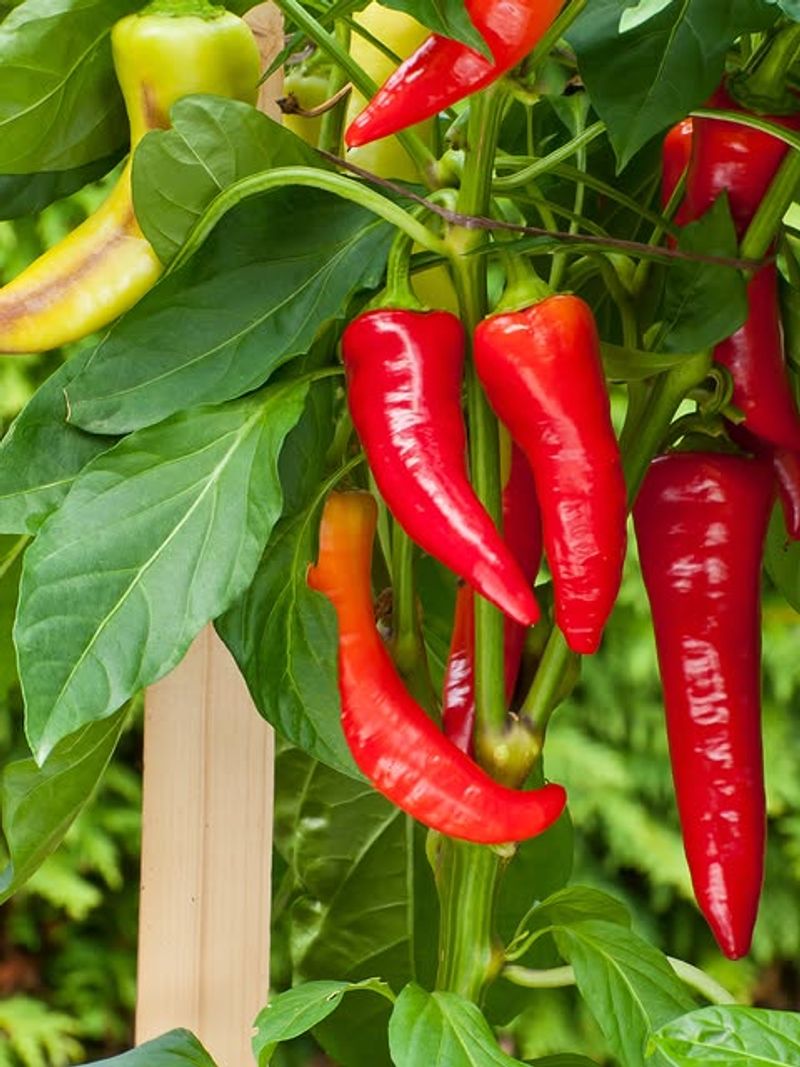
Peppers are a little more particular than tomatoes when it comes to feeding. Feed them too early, and you end up with big bushy plants that put all their energy into leaves.
The right time to fertilize is once you start seeing flowers and tiny fruit forming on the plant.
At that point, the plant is sending a clear signal that it is ready to produce. A low-nitrogen, phosphorus-rich fertilizer helps support strong fruit development at this stage.
Many Oregon gardeners reach for a tomato fertilizer for their peppers too, and it works well for both crops.
Liquid fertilizers are a popular choice because they get absorbed quickly through both the roots and the leaves.
Mix according to the label directions and apply every two to three weeks during the growing season.
Your Oregon Garden Changes Every Week. Your Plan Should Too.
Gardening in Oregon changes quickly throughout the season. Every Friday you’ll receive a simple weekly plan showing exactly what to plant, prune, fertilize, harvest, and protect so you never miss the right timing.
Avoid applying fertilizer during the hottest part of the day to prevent leaf stress.
Our state offers a nice mix of warm days and cool nights in June, which peppers actually love. That temperature swing helps set fruit more reliably than in hotter climates.
Taking advantage of that natural rhythm with the right fertilizer at the right time is a winning combination.
Keep a close eye on your plants throughout the month. Yellow leaves can mean nitrogen is too low.
Dark, curled leaves might mean you are overdoing it. Adjust as needed, and your pepper plants will reward you with a steady supply of colorful fruit all summer long.
3. Cucumbers Keep Producing With Steady Feeding
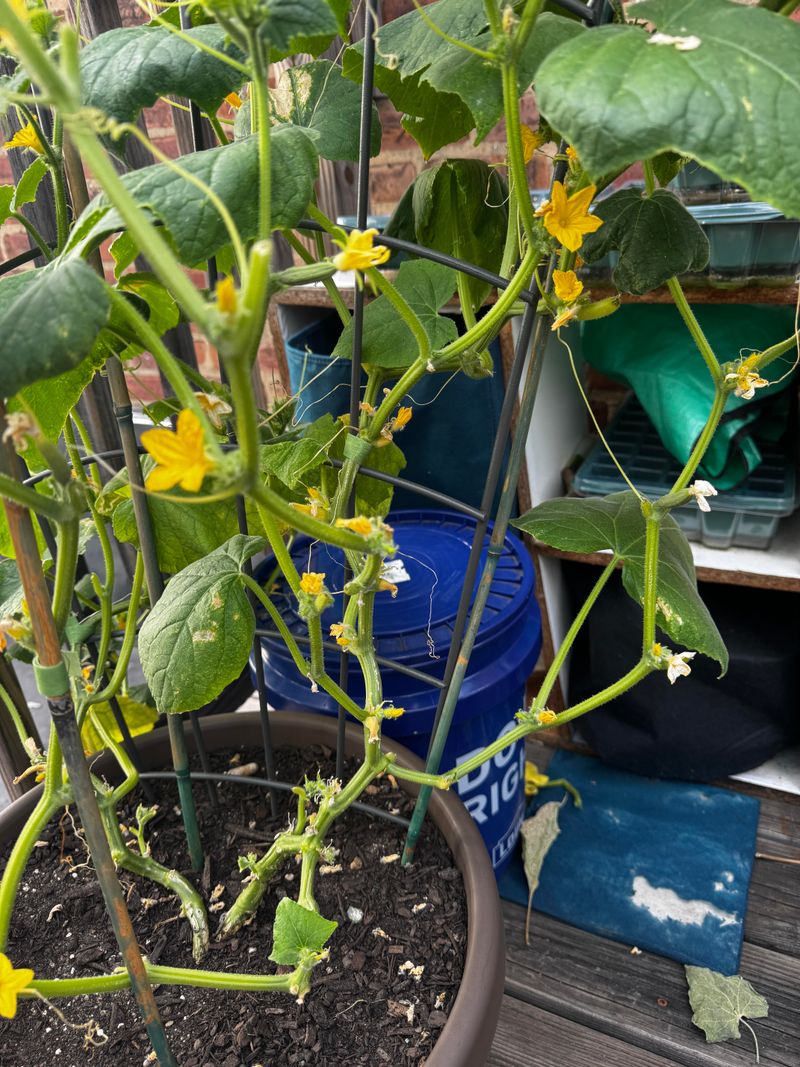
Cucumbers are fast growers, and they burn through nutrients quickly once they hit their stride.
June is prime time for cucumbers in most parts of our state, and keeping up with their feeding schedule makes a real difference in how many fruits you harvest.
Start with a balanced fertilizer when plants are young, then shift to a lower-nitrogen option once vines are climbing and flowers appear.
Too much nitrogen late in the season leads to lush vines with very few cucumbers. The goal is to keep the plant productive, not just big.
Consistent watering is just as important as fertilizing. Cucumbers are mostly water, after all, and uneven moisture leads to bitter fruit and poor yields.
Fertilize every two weeks and pair it with a deep, steady watering routine for the best results.
Mulching around the base of your cucumber plants helps hold moisture in the soil and keeps roots cool during warm spells. In the hotter, drier parts of our state, this step is especially helpful in June when temperatures start climbing.
Watch for signs of nutrient deficiency like pale yellow leaves or slow growth. These are signals that your feeding schedule may need a small adjustment.
Cucumbers that are well-fed and well-watered in June will keep pumping out fruit well into August.
A little attention now pays off with an impressive harvest that keeps your kitchen stocked all summer long.
4. Summer Squash Needs Fuel For Fast Growth
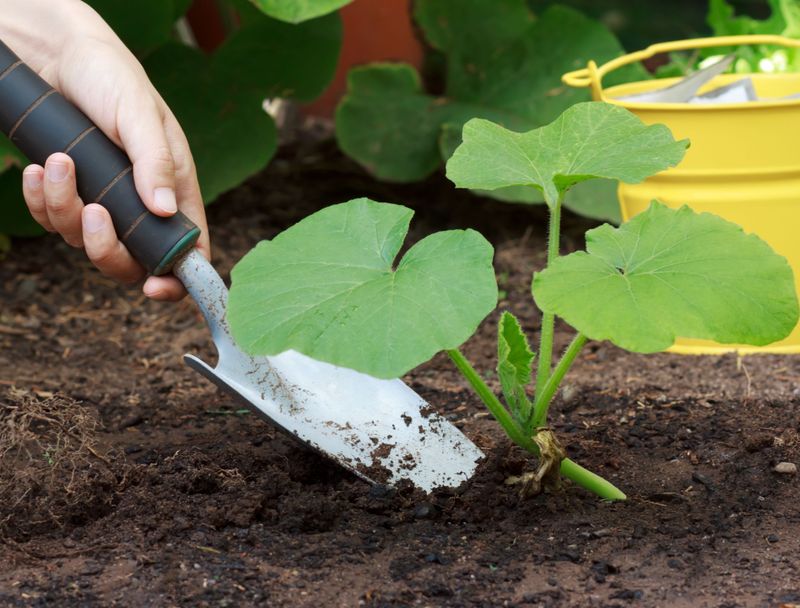
Anyone who has grown zucchini knows it can take over a garden bed in what feels like just a few days.
Summer squash is one of the fastest-growing vegetables you can plant, and that speed comes with a big appetite for nutrients. June is the month to keep up with that demand.
Apply a balanced fertilizer when plants are young and establishing. Once they start flowering, switch to a formula that is a bit lower in nitrogen and higher in phosphorus and potassium.
This helps channel the plant’s energy into fruit rather than giant leaves.
Side-dressing works well for squash, just like it does for tomatoes. Scatter granular fertilizer around the outer edge of the plant’s canopy, not right up against the stem.
Water it in well after applying to help the nutrients reach the roots faster.
Squash plants in our state can grow incredibly fast during June’s long days. It is not unusual to check on a plant in the morning and find a new fruit by afternoon.
Keeping nutrients available during this growth surge helps the plant sustain that pace without burning out.
Check the leaves regularly for signs of stress. Yellowing between the leaf veins can point to a magnesium deficiency, which is fairly common in squash.
A foliar spray with Epsom salt can help in those cases. Well-fed squash plants in June will reward you with more fruit than you might know what to do with by July.
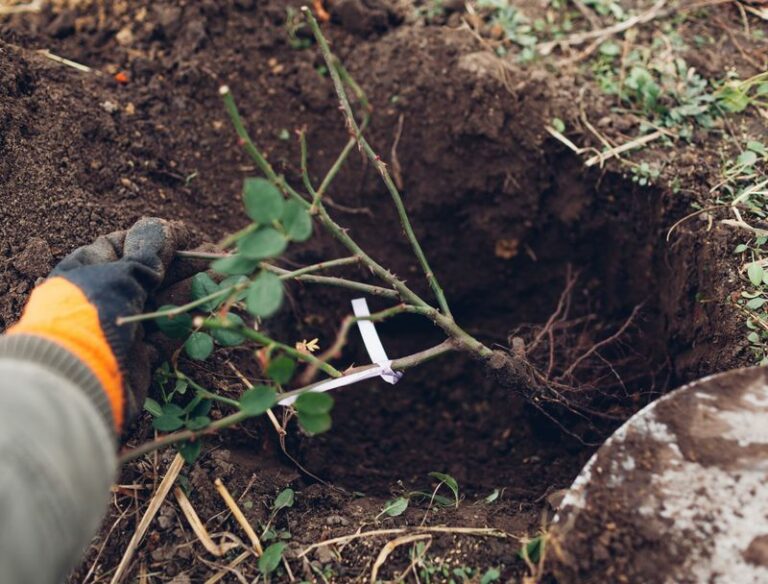
5. Roses Can Use A June Boost After Blooming
Roses work hard in late spring, putting out a stunning first flush of blooms that gardeners look forward to all year.
Once those flowers fade, the plant has used up a good chunk of its stored energy. June is the ideal time to give roses a little help to recharge.
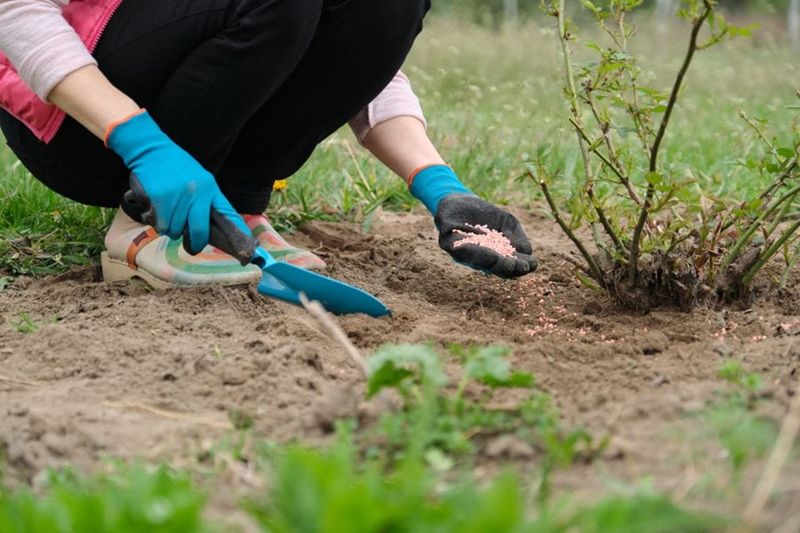
After deadheading spent blooms, apply a fertilizer made specifically for roses or one that is balanced with a slight lean toward phosphorus and potassium.
These nutrients support strong root development and help the plant set up for its next round of flowers.
Granular rose fertilizers are easy to use. Sprinkle the recommended amount around the drip line of the plant, which is roughly where the outer branches end.
Work it into the top inch of soil and water deeply afterward. Avoid getting fertilizer on the leaves or canes to prevent burning.
Oregon’s June weather is usually ideal for roses. The temperatures are warm but not extreme, and there is often still some moisture in the soil from earlier rains.
That combination helps fertilizer move through the soil efficiently without stressing the plant.
Repeat-blooming rose varieties especially benefit from a post-bloom feeding. It gives them the fuel they need to push out new growth and set buds for summer and fall blooms.
Keep up with regular feeding every four to six weeks through the growing season, and your roses will reward you with color well into autumn.
6. Heat-Stressed Shrubs Should Not Be Pushed
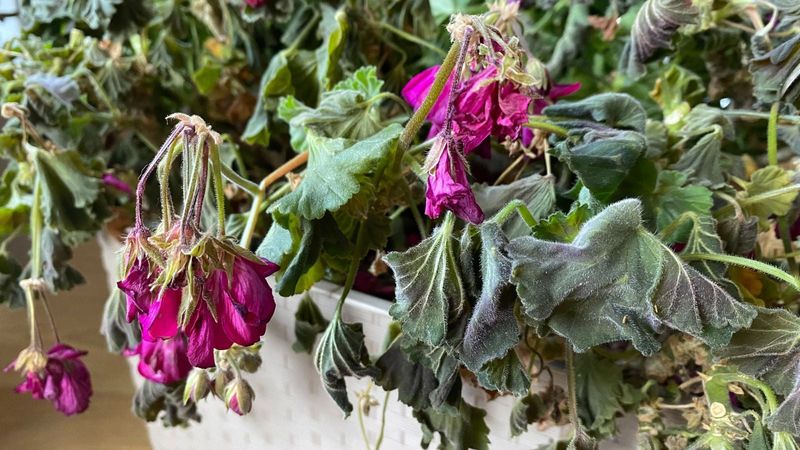
When a shrub is struggling in the heat, the last thing it needs is fertilizer. Many gardeners make the mistake of reaching for plant food when they notice their shrubs looking tired or droopy in June.
But adding fertilizer to a heat-stressed plant can actually make things worse.
Fertilizer encourages new growth, and new growth requires water and energy. A plant that is already stressed from heat and dry conditions does not have the reserves to support that kind of push.
The result is often burned roots, scorched leaves, and a plant that looks far worse than before.
Instead of fertilizing, focus on watering deeply and consistently. A slow, deep soak once or twice a week is far more helpful than a quick daily sprinkle.
Mulching around the base of the shrub helps retain soil moisture and keeps roots cooler on hot days.
In the warmer, drier parts of Oregon, June can arrive with surprisingly intense heat. Shrubs planted in full sun locations are especially vulnerable during these early hot spells.
Give them shade cloth if needed and hold off on any fertilizer until temperatures cool down.
Wait until the plant shows signs of recovery before resuming any feeding schedule. Perky new growth and firm, healthy leaves are good indicators that the plant is ready to handle nutrients again.
Patience and water are the best tools for getting stressed shrubs back on track during a warm June.
7. Established Trees Usually Do Not Need Summer Fertilizer
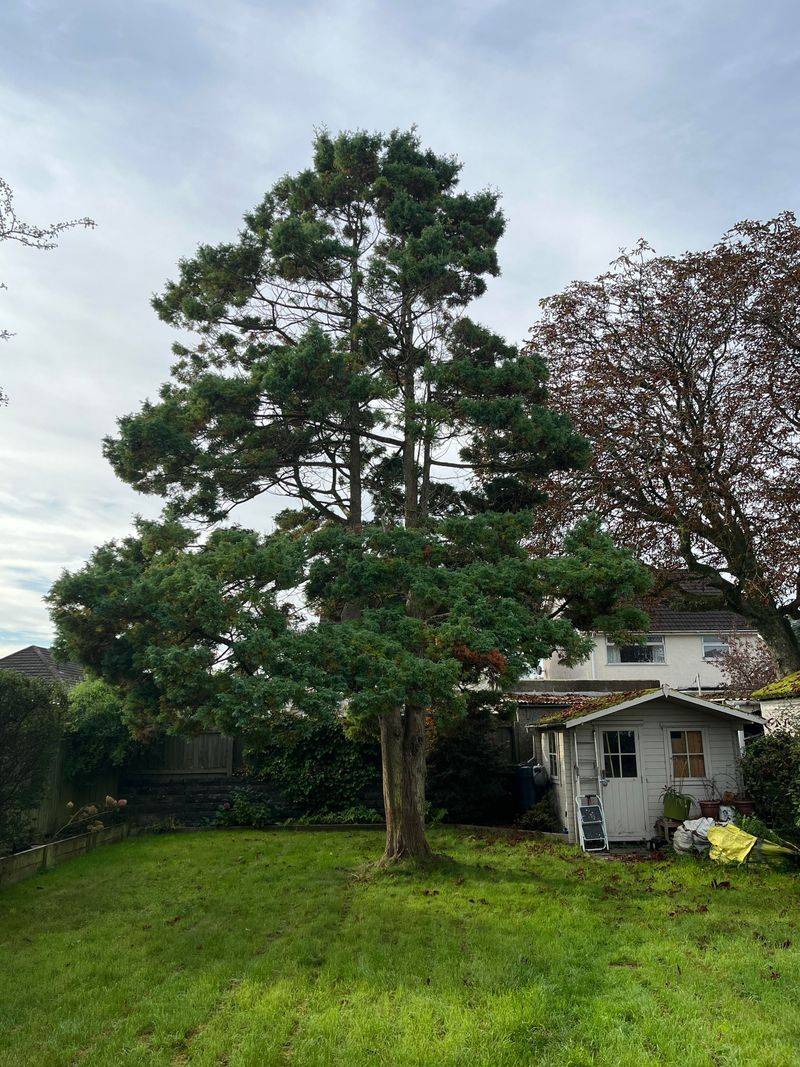
A big, healthy tree growing in your yard is basically a self-sufficient powerhouse. Established trees that have been in the ground for several years have root systems that spread far and wide, pulling up nutrients from a large area of soil on their own.
Adding fertilizer on top of that is usually unnecessary and can even cause problems.
Summer fertilizing can push trees into a burst of soft, fast growth right before the season starts to wind down.
That new growth does not have time to harden off before cooler weather arrives, leaving it vulnerable to damage. Mature trees are better left to their natural rhythm.
There are some exceptions. A tree that is showing signs of a specific nutrient deficiency, confirmed by a soil test, may benefit from a targeted application.
But blanket fertilizing of healthy, established trees in June is not a practice most horticulturists recommend.
If you want to support your trees during summer, focus on watering during dry spells and keeping a wide ring of mulch around the base.
Mulch improves soil health over time as it breaks down, feeding the tree slowly and naturally without the risks that come with chemical fertilizers.
In our state, where summer can bring weeks without rain, deep and infrequent watering is the single best thing you can do for a mature tree in June.
Skip the fertilizer bag and pick up the hose instead. Your trees will thank you for it.
8. Native Plants Struggle When Fertilized In Dry Heat
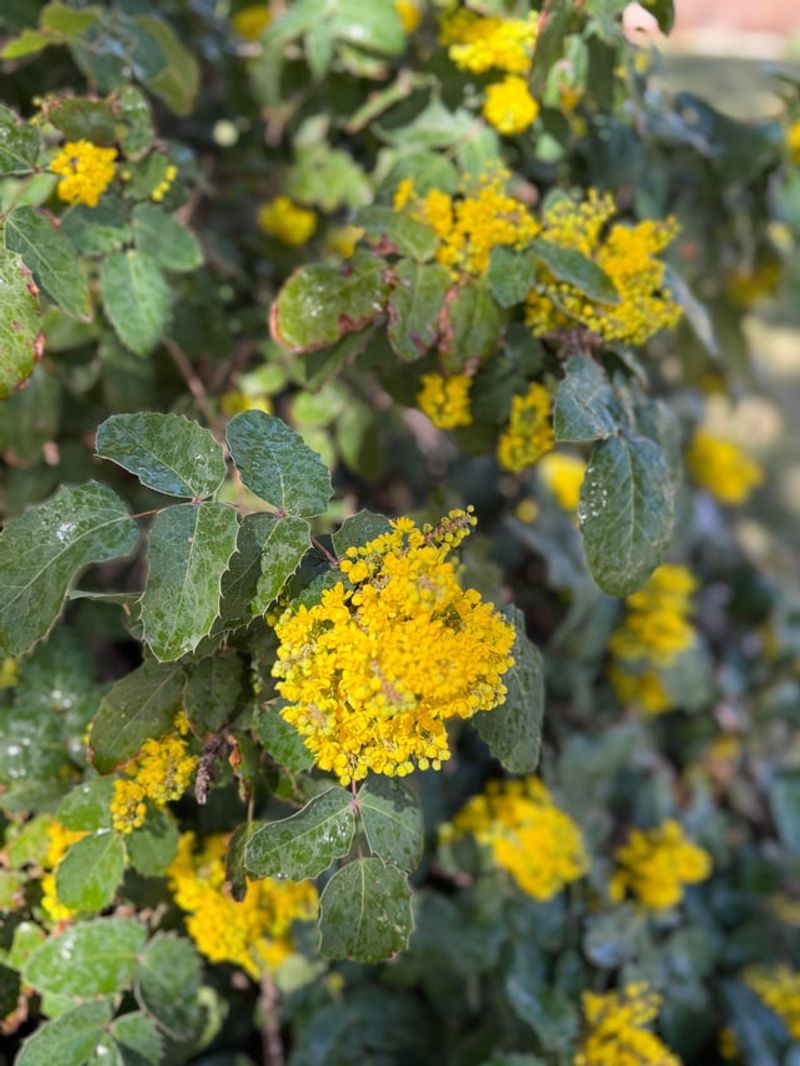
Native plants are remarkable survivors. They evolved alongside the natural conditions of this region, which means they are built to handle dry summers, rocky soils, and limited nutrients.
Fertilizing them in June, especially when the heat is building, can throw off that natural balance in a hurry.
Most native plants are adapted to lean soils. Giving them a rich dose of nitrogen during a dry spell pushes them into growth they are not prepared to sustain without extra water.
The result is often weak, floppy stems and leaves that are more attractive to pests than usual.
Plants like red flowering currant, Oregon grape, and native ferns are especially sensitive to over-fertilization. These species do best when left to their own devices in summer.
If you planted them in the right spot with the right soil, they really do not need much help from you at this time of year.
Our state has a wealth of beautiful native plants that thrive in home gardens. Part of what makes them so rewarding is how little maintenance they require once established.
Respecting that low-input nature is key to keeping them healthy long-term.
If you feel the urge to do something for your native plants in June, a light layer of organic mulch is the best option. It keeps roots cool, holds in moisture, and breaks down slowly to improve soil over time.
That gentle support is exactly what native plants need during the warmest months of the year.
9. Dormant Lawns Should Rest Until Cooler Weather
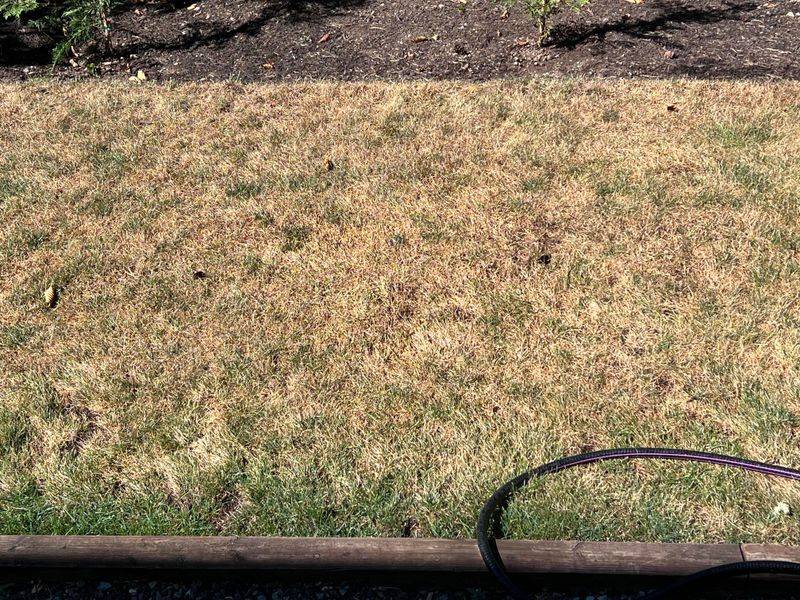
When the temperatures climb and rain stops falling, many lawns in our state go dormant. The grass turns tan and stops growing, which can look alarming if you are not expecting it.
But dormancy is a natural survival strategy, not a sign that something has gone terribly wrong.
Fertilizing a dormant lawn in June is one of the most common mistakes homeowners make. The grass is not actively growing, which means it cannot use the nutrients being applied.
Those unused nutrients can build up in the soil, cause runoff into nearby waterways, or create conditions that favor weeds over grass.
The best thing you can do for a dormant lawn is leave it alone. Avoid heavy foot traffic, skip the fertilizer, and reduce mowing.
If you want to water, a light irrigation once a week can help keep the crown of the grass plant alive without fully waking it up from dormancy.
In the cooler, wetter parts of our state, lawns may stay greener through June. But in the Willamette Valley and southern regions, brown lawns by mid-June are completely normal.
Understanding that rhythm helps you resist the urge to over-manage.
Plan to resume fertilizing in early fall, around September, when cooler temperatures and returning rains naturally wake the lawn back up.
That timing aligns perfectly with the grass’s growth cycle and produces far better results than any amount of summer feeding ever could. Patience is the best lawn care tool you have in June.