Why Jasmine Leaves Turn Yellow In June In California And How To Fix It
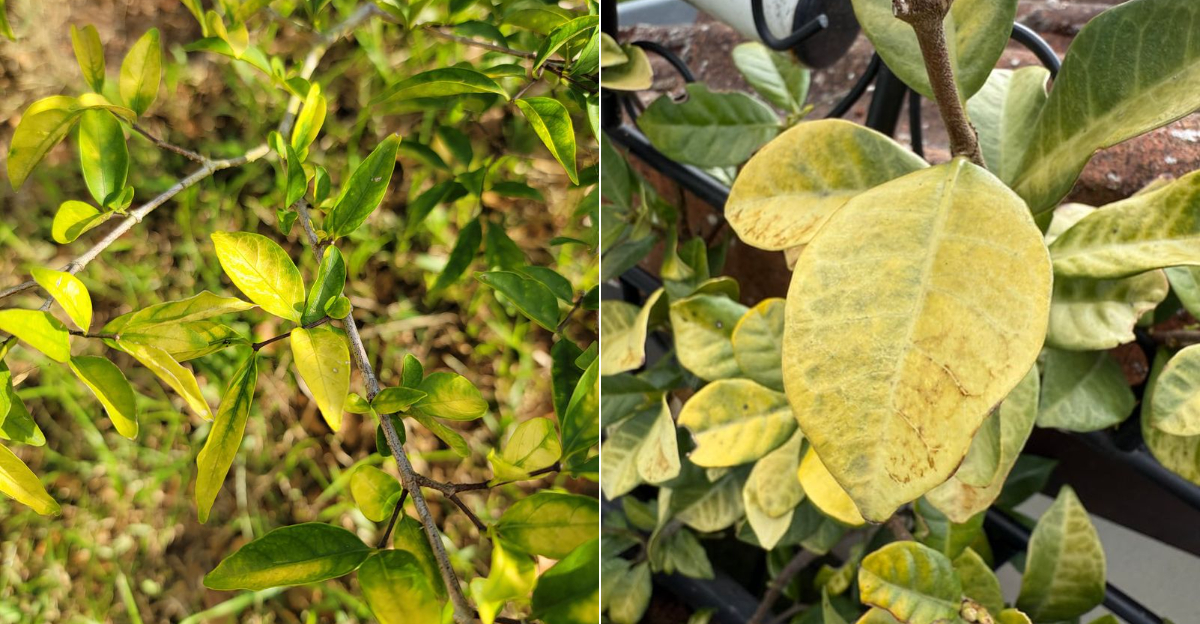
Jasmine can look fresh and glossy in spring, then start flashing yellow leaves as June settles in.
For California gardeners, that change can feel confusing because the plant may still be blooming or pushing new growth.
Yellowing leaves are usually a clue that something in the plant’s routine is off. Heat, watering habits, soil drainage, or feeding can all affect how jasmine looks once the season shifts.
The tricky part is that the same yellow leaf can point to more than one problem. That means guessing can make things worse.
A closer look at where the yellowing starts can tell you a lot. Check the plant before summer stress builds, and you can often help jasmine bounce back with a simple fix.
1. June Heat Exposes Watering Problems
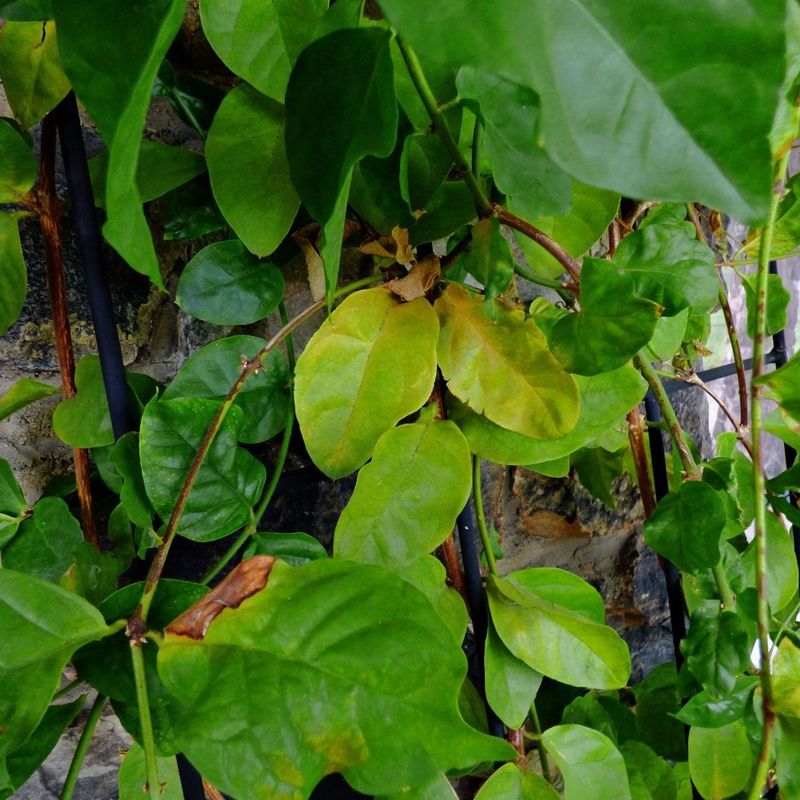
Hot weather has a way of making small watering mistakes much more obvious. In June, temperatures across California can climb fast, and jasmine plants that were getting by on irregular watering suddenly start to struggle.
Yellow leaves are often the first visible sign that something is off with your watering routine.
During cooler months, jasmine can handle a little inconsistency. But once the heat kicks in, the plant needs more reliable moisture to keep its leaves green.
If you water too little one week and too much the next, the roots get confused and stressed. That stress shows up as yellowing leaves pretty quickly.
The best fix is to create a steady watering schedule. Most jasmine plants in warm climates do well with deep watering two to three times per week during summer.
Deep watering means letting the water soak down several inches into the soil, not just wetting the surface. A drip system or soaker hose works really well for this.
It delivers water slowly and evenly right to the roots. Mulching around the base of the plant also helps hold moisture in the soil longer, which reduces how often you need to water.
Check the soil a few inches down before watering. If it still feels damp, wait another day. Consistency is the key to keeping jasmine leaves green all summer long.
2. Dry Roots Can Turn Jasmine Leaves Yellow
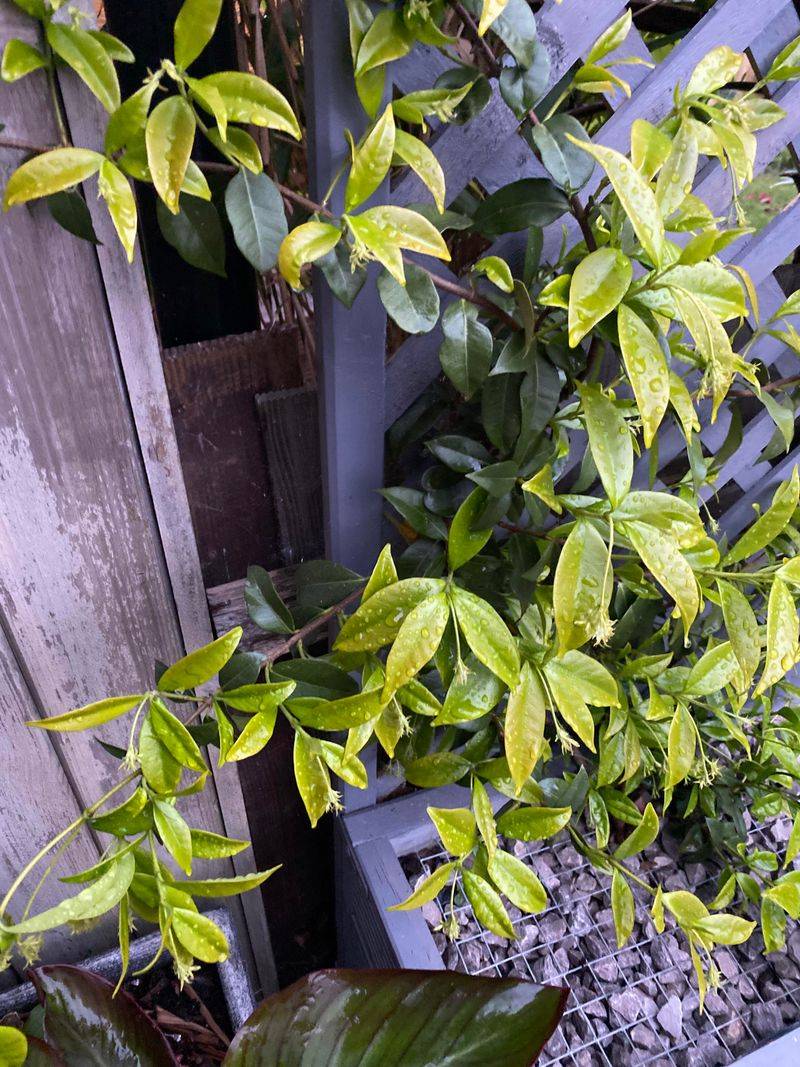
When the roots of a jasmine plant do not get enough water, the whole plant starts to suffer. Dry roots cannot pull up the nutrients and moisture the leaves need to stay healthy.
Once that supply line breaks down, the leaves start turning yellow from the bottom of the plant upward.
This is one of the most common issues gardeners see in June. The soil in our state warms up quickly, and surface moisture evaporates fast.
Even if you water regularly, the water may not be soaking deep enough to reach the roots where it matters most.
To check if dry roots are the problem, push your finger about two to three inches into the soil near the base of the plant. If it feels completely dry at that depth, your roots are likely struggling.
The fix is straightforward. Water more deeply and less frequently rather than giving the plant small sips every day.
Your California Garden Changes Every Week. Your Plan Should Too.
Gardening in California changes quickly throughout the season. Every Friday you’ll receive a simple weekly plan showing exactly what to plant, prune, fertilize, harvest, and protect so you never miss the right timing.
Short, shallow watering encourages roots to stay near the surface, which makes them even more vulnerable to heat and drought.
Adding a two to three inch layer of organic mulch around the base of the plant can help a lot.
Mulch slows evaporation and keeps the root zone cooler. Shredded bark or wood chips work great.
With better watering habits and some mulch, you should see new green growth within a few weeks.
3. Soggy Soil Can Yellow Leaves Too
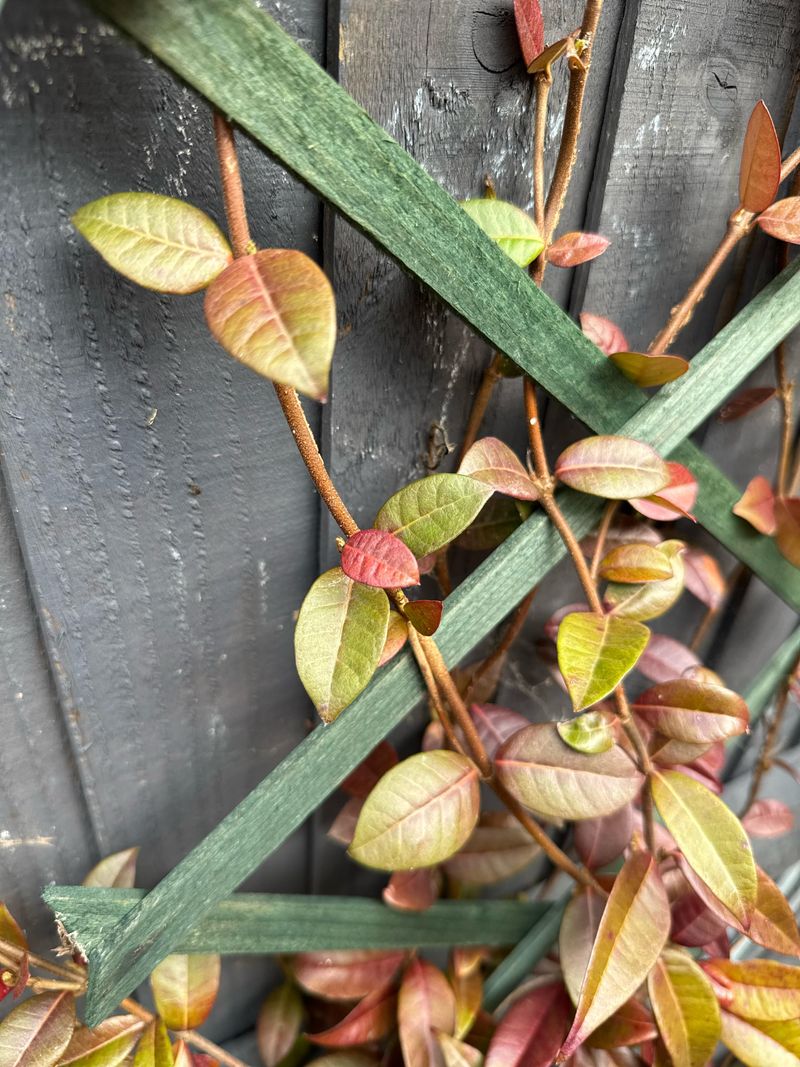
Not all yellow jasmine leaves come from too little water. Overwatering is just as damaging, and it is a surprisingly common mistake.
When the soil stays soggy for too long, the roots cannot breathe. Roots need both water and air to function properly, and waterlogged soil cuts off the air supply.
Root rot is the result of roots sitting in wet soil for extended periods. Once root rot sets in, the roots lose their ability to absorb water and nutrients even though plenty of both are right there in the soil.
The plant essentially starves, and the leaves turn yellow as a result.
Signs of overwatering include soil that feels wet or muddy days after watering, a faint sour smell near the base of the plant, and leaves that are yellow and soft rather than crispy.
If your jasmine is in a container, make sure the pot has drainage holes.
If it is in the ground, check whether water tends to pool in that spot after rain or irrigation. Improving drainage is the key fix here.
You can mix compost or coarse sand into the soil to help it drain better. For potted plants, empty the saucer under the pot after watering.
Let the soil dry out a bit between waterings. Jasmine likes moisture but not standing water, so finding that balance is essential for healthy, green leaves.
4. Hot Afternoon Sun Scorches Weak Growth
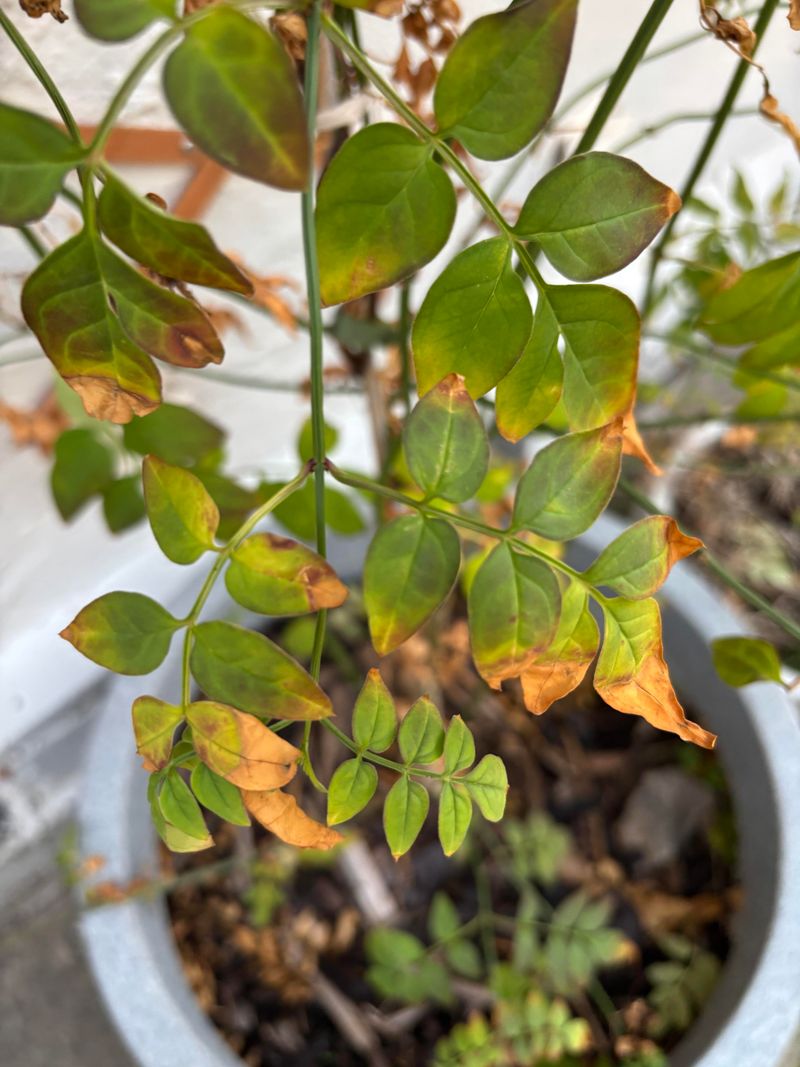
Full afternoon sun in June can be brutal, especially in inland areas of California. Jasmine generally loves sunlight, but there is a difference between a healthy amount of morning sun and the intense, scorching rays of a midsummer afternoon.
When the sun hits hard and the plant is already stressed, the leaves can yellow, brown at the edges, or look bleached out.
New growth is especially vulnerable. Fresh, young leaves have not had time to toughen up, and they can suffer quickly when exposed to intense heat.
You might notice that the newest leaves look pale or yellowish while older leaves stay greener. That pattern often points to sun stress rather than a watering or nutrient issue.
If your jasmine is getting blasted by afternoon sun, consider adding some shade during the hottest part of the day.
A shade cloth set up on the west side of the plant can make a big difference without blocking the gentler morning light.
Planting taller shrubs or installing a garden trellis nearby can also help filter the light. For potted jasmine, simply moving the container to a spot that gets morning sun but is shaded after noon can bring quick relief.
Make sure the plant is also well watered before the hottest part of the day. A hydrated plant handles heat much better than a thirsty one.
Small adjustments in placement can save your jasmine a lot of stress.
5. Spider Mites Thrive In Dusty Summer Weather
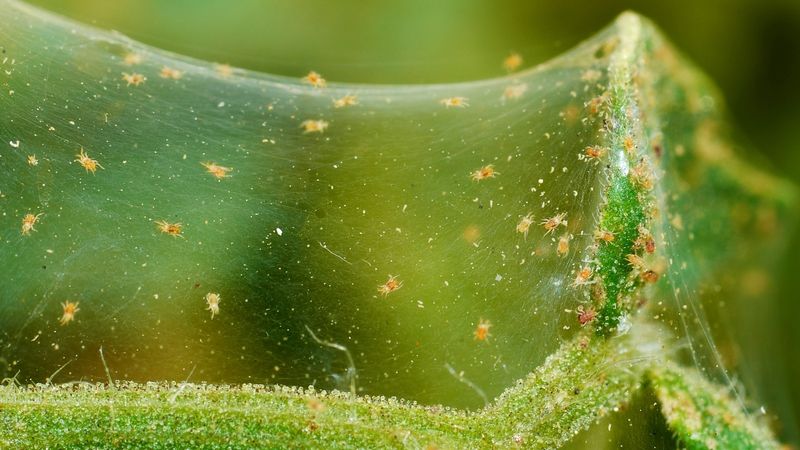
Tiny pests can cause big problems for jasmine in June. Spider mites are nearly invisible to the naked eye, but the damage they leave behind is hard to miss.
These small bugs feed on the undersides of leaves, sucking out the plant’s fluids. The result is a pattern of tiny yellow or white dots on the leaf surface, which can spread and merge until whole leaves turn pale and drop off.
Spider mites love hot, dry, dusty conditions, which makes June in many parts of this state the perfect time for them to show up. They spread fast and can move from plant to plant quickly if left unchecked.
One sign to watch for is fine, silky webbing on the undersides of leaves or between stems. If you see that webbing, act right away.
The simplest first step is to spray the plant down with a strong stream of water. This knocks mites off the leaves and disrupts their colonies.
Do this in the morning so the plant dries before evening. For a more targeted treatment, neem oil spray works really well.
Mix it according to the label and apply it to the undersides of leaves where mites hide. Insecticidal soap is another effective and gentle option.
Repeat treatments every five to seven days for two to three weeks to break the mite life cycle.
Keeping plants well watered also helps, since mites prefer stressed, dry plants over healthy, hydrated ones.
6. Scale Insects Can Drain Leaves Slowly
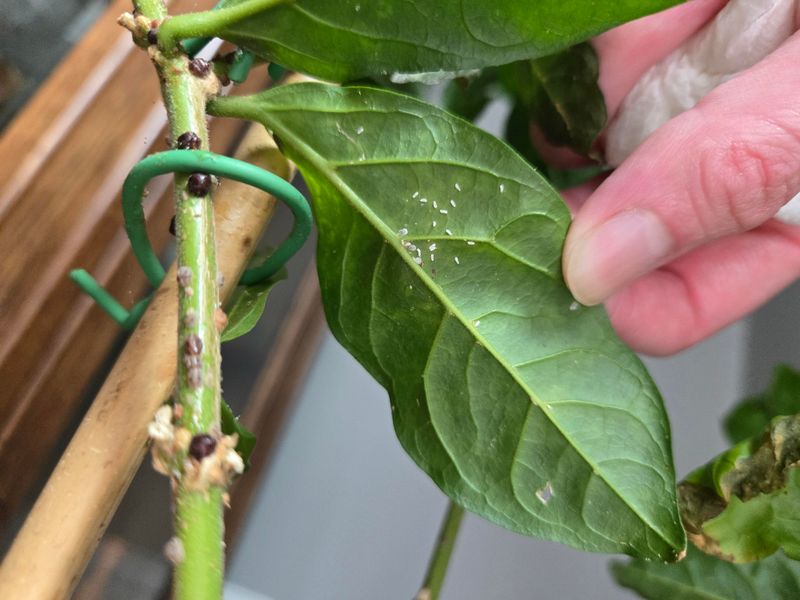
Scale insects are sneaky. They do not look like typical bugs at first glance.
Instead, they appear as small, brown, tan, or white bumps stuck to the stems and undersides of leaves. Many gardeners mistake them for part of the plant itself.
But underneath those waxy shells are insects that feed on plant sap around the clock.
As scale insects feed, they drain the plant’s energy slowly. Over time, the leaves above the infested areas start to turn yellow.
You might also notice a sticky, shiny residue on the leaves or stems. That sticky substance is called honeydew, and it is a waste product from the scale insects.
Honeydew can attract ants and also lead to a black, sooty mold that coats the leaves and blocks sunlight.
Getting rid of scale takes a little patience, but it is very doable. For light infestations, use a soft toothbrush or cotton swab dipped in rubbing alcohol to scrub the insects off the stems.
This works well on smaller plants. For larger plants or heavier infestations, horticultural oil spray is very effective.
It smothers the scale insects without harming the plant. Apply it on a cooler morning to avoid leaf burn.
Neem oil is another solid choice. Check the plant weekly after treatment, since scale eggs can hatch over several weeks.
Consistent treatment over a few weeks will clear the infestation and let your jasmine recover its healthy green color.
7. Pale New Leaves May Point To Chlorosis
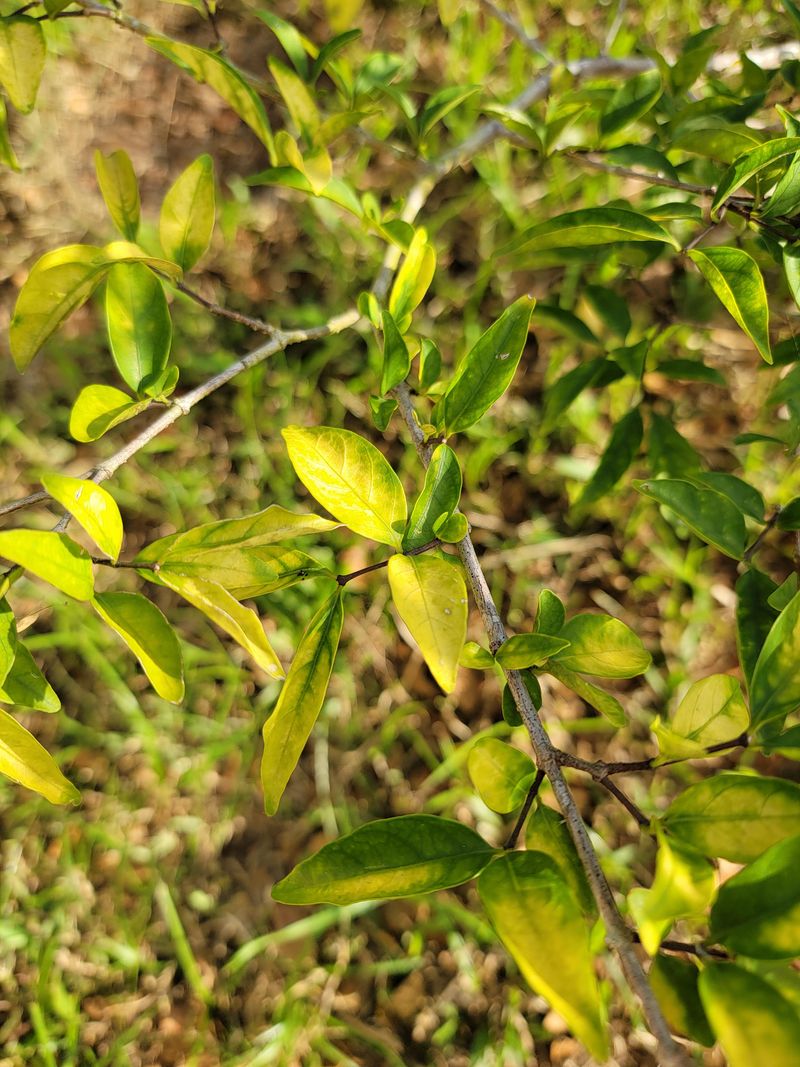
When the newest leaves on your jasmine look pale yellow or lime green while the veins stay dark green, that is a classic sign of chlorosis.
Chlorosis happens when the plant cannot absorb enough iron or other nutrients from the soil.
Without iron, the plant cannot produce chlorophyll, which is what gives leaves their rich green color.
In California, chlorosis is especially common in soils that are too alkaline. High soil pH locks up iron and other minerals, making them unavailable to the plant even if they are physically present in the soil.
This is why adding more fertilizer does not always fix the problem. If the pH is off, nutrients just sit in the soil unused.
Start by testing your soil pH with a simple kit from a garden center. Jasmine prefers slightly acidic to neutral soil, around 6.0 to 7.0 on the pH scale.
If your soil is too alkaline, you can lower the pH by adding sulfur or using an acidifying fertilizer.
For a faster fix, apply a chelated iron supplement directly to the soil or spray it on the leaves as a foliar feed.
Chelated iron is easier for plants to absorb, even in alkaline conditions. You should start to see improvement in the new growth within a few weeks.
Keeping up with regular feeding using a balanced fertilizer also helps prevent chlorosis from coming back next season.
8. Old Yellow Leaves Are Not Always A Crisis
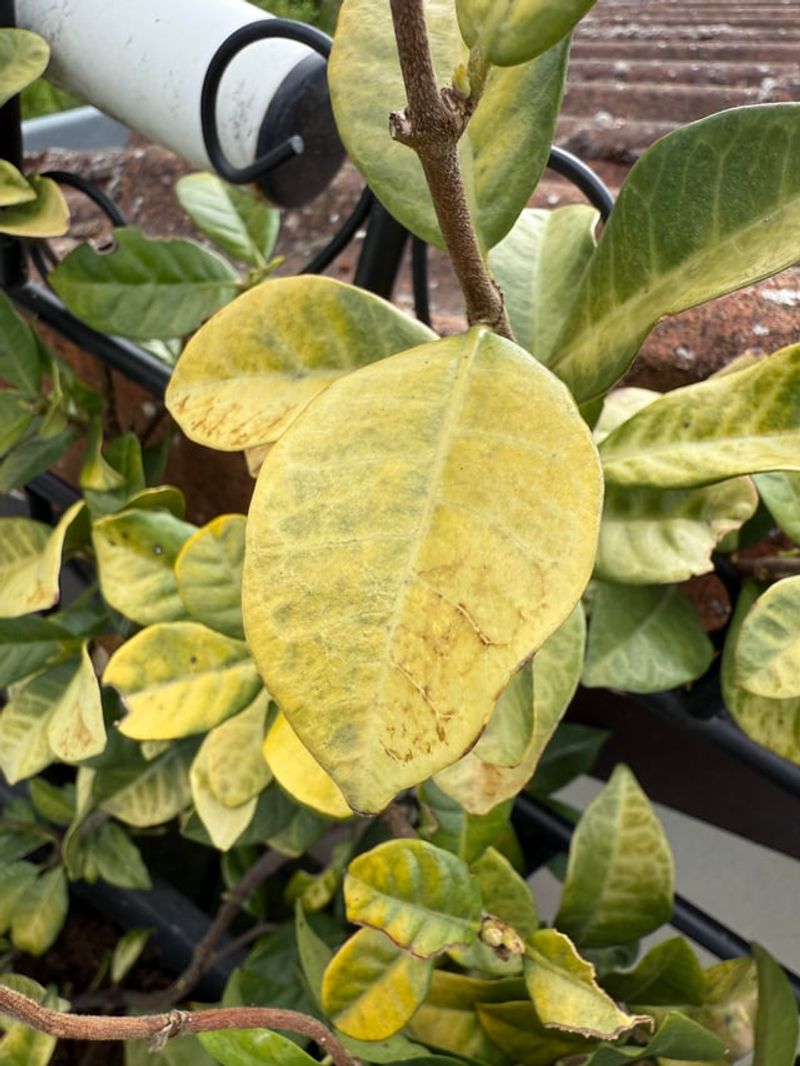
Before you panic about every yellow leaf on your jasmine, take a breath. Not all yellow leaves mean something is wrong.
Like most plants, jasmine naturally sheds its older leaves as part of its normal growth cycle. This is especially noticeable in June when the plant is putting energy into new growth and letting go of older foliage at the base.
Natural leaf drop tends to follow a predictable pattern. The yellowing usually starts on the oldest leaves, which are closest to the base of the plant or deep inside the canopy.
The rest of the plant looks healthy, and new green growth continues to appear at the tips. If that sounds like what you are seeing, there is likely nothing to worry about.
A good rule of thumb is to look at the overall picture. If only a few older leaves are yellowing while the rest of the plant is green and actively growing, that is normal.
But if yellowing is spreading across newer growth, affecting many leaves at once, or accompanied by other symptoms like spots or wilting, then it is worth investigating further.
Keep up with regular watering, fertilizing every four to six weeks during the growing season, and checking for pests. Healthy jasmine is resilient and will drop a few old leaves without any drama.
Knowing the difference between natural leaf drop and a real problem saves you time and keeps you from over-treating a plant that is actually doing just fine.