The Meaning Behind Seeing A Great Blue Heron Near Your Pennsylvania Garden
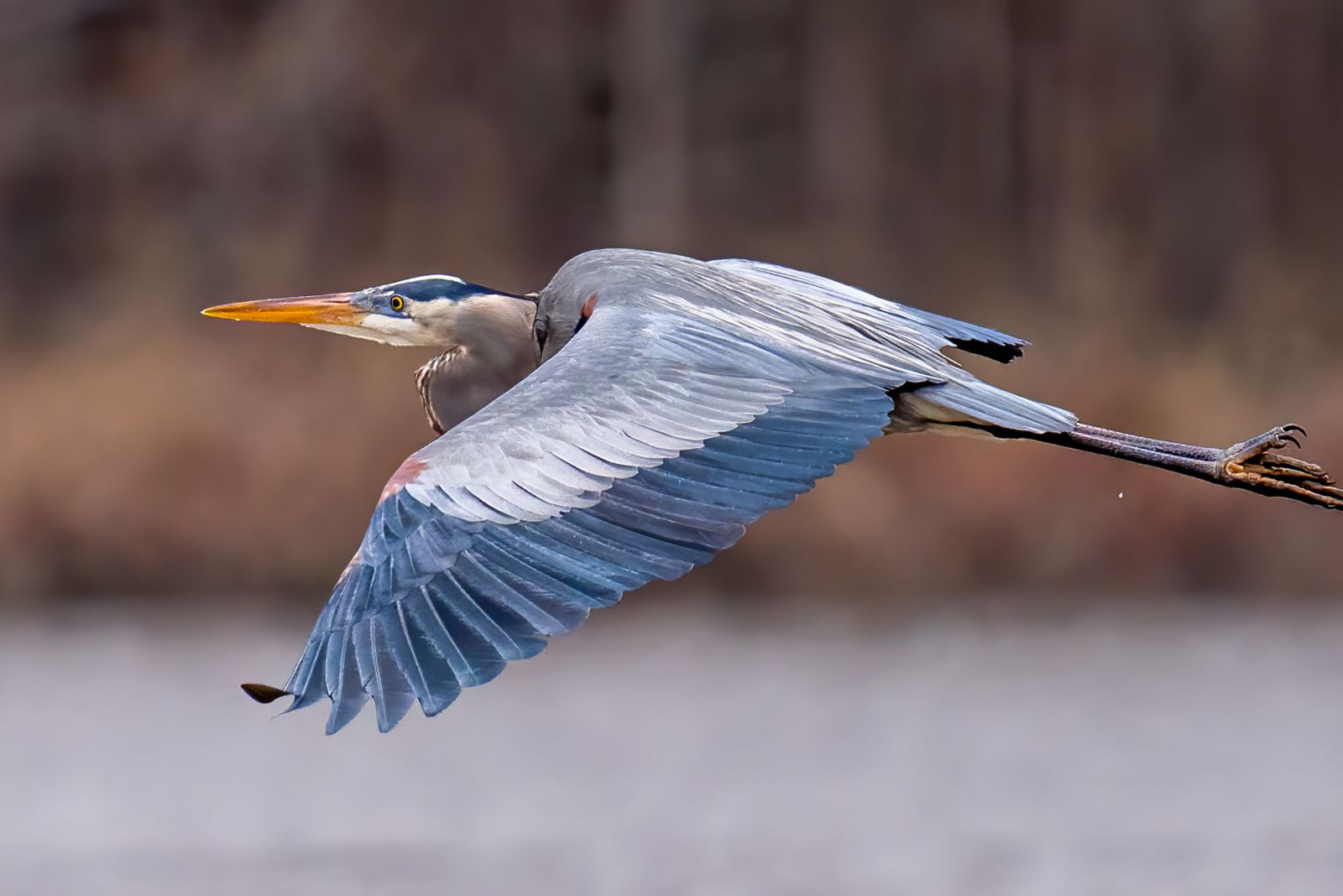
A great blue heron standing motionless near a Pennsylvania garden is one of those sightings that tends to stop people completely.
There is something striking about the stillness of this bird, the way it holds its position with total patience while everything else in the yard is in motion.
For most people the moment passes as an unexpected gift, but a heron appearing near your garden is saying something specific about your property and the conditions you have created there. These birds do not wander without purpose.
Their presence points directly to what your yard is offering in terms of water, habitat, and the kind of food sources that bring a bird this size in from a distance.
Whether you find its appearance exciting, concerning for your pond fish, or simply fascinating, understanding what a great blue heron visit actually means gives you a much richer picture of what is happening in your outdoor space.
1. Indicator Of A Healthy Ecosystem
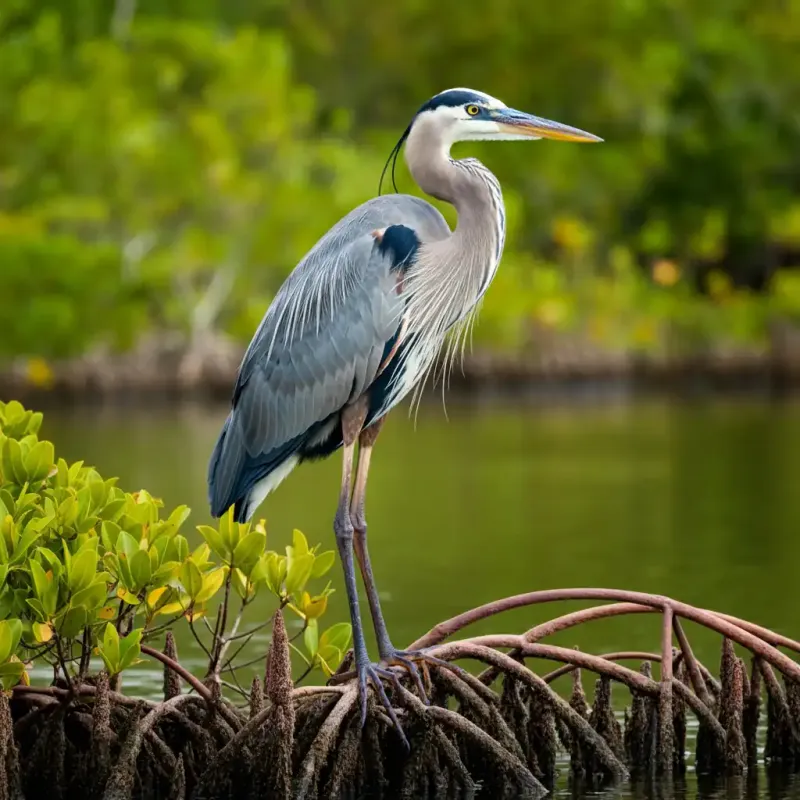
Not every backyard gets a visit from a Great Blue Heron, so when one shows up near your garden, that is actually a really good sign. These birds are picky about where they spend their time.
They need clean water, plenty of food, and a stable environment to feel comfortable enough to stop and hunt.
Great Blue Herons feed on fish, frogs, salamanders, and small mammals. For them to find enough food near your property, there has to be a solid food chain already in place.
That means healthy insects, clean water, and thriving plant life all working together in your local ecosystem.
Pennsylvania has a wide range of wetlands, creeks, and wooded areas that support wildlife at every level. When a heron visits, it often means your neighborhood is part of a larger, connected natural system.
Ponds, rain gardens, or even small streams nearby can all attract these birds if the conditions are right.
Think of the heron as a living report card for your local environment. Scientists actually use the presence of birds like herons as a way to measure ecosystem health. If they are showing up regularly, it usually means things are going well for local wildlife.
Encouraging a healthy yard by planting native plants, avoiding harsh pesticides, and keeping any water features clean can make your space even more inviting. You do not need a large property to contribute to a thriving local ecosystem.
Small efforts really do add up, and a visiting heron is one of the most rewarding signs that your work is paying off.
2. Pest Control Helper
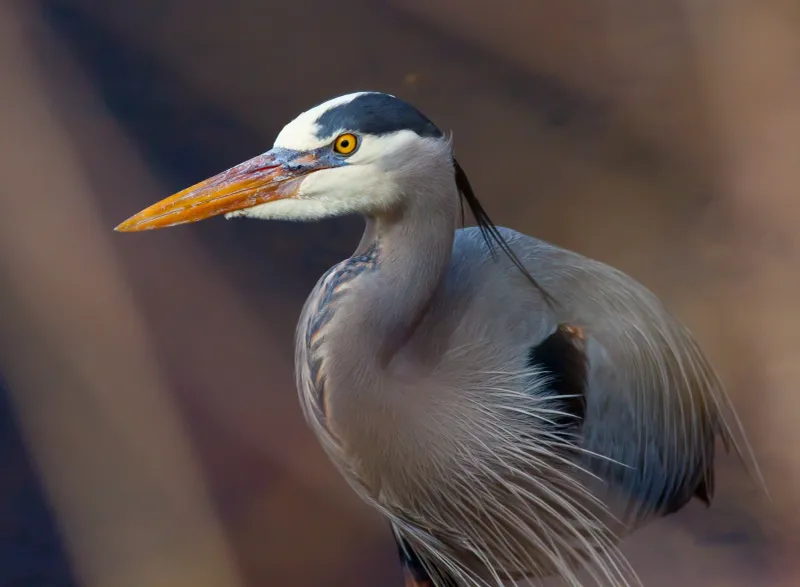
Imagine having a natural pest control system that shows up on its own, works quietly, and asks for nothing in return. That is basically what a Great Blue Heron offers when it visits your garden.
While most people think of herons as fish hunters, their diet is actually much more varied than that.
Herons are opportunistic feeders. They will snatch up frogs, small rodents, large insects, and even snakes when the chance presents itself.
Your Pennsylvania Garden Changes Every Week. Your Plan Should Too.
Gardening in Pennsylvania changes quickly throughout the season. Every Friday you’ll receive a simple weekly plan showing exactly what to plant, prune, fertilize, harvest, and protect so you never miss the right timing.
For gardeners dealing with mice, voles, or overgrown frog populations near water features, a visiting heron can help bring things back into balance naturally.
In Pennsylvania, gardens near ponds or wooded edges often attract small mammals that can nibble on roots and seedlings. A heron patrolling those areas can quietly reduce those populations without any traps or chemicals needed.
It is one of the more underrated benefits of welcoming wildlife into your outdoor space. Of course, herons can also snack on goldfish or koi if you have an ornamental pond. That is worth keeping in mind if you have fish you want to protect.
Adding a net or creating deeper sections in your pond can help keep your fish safe while still letting the heron visit the surrounding area. The key is finding a balance. Herons are not trying to cause problems.
They are simply following their instincts and looking for an easy meal. Appreciating them as part of your garden’s natural rhythm, rather than seeing them as a nuisance, makes for a much more enjoyable gardening experience overall.
3. Seasonal Migration Or Nesting Activity
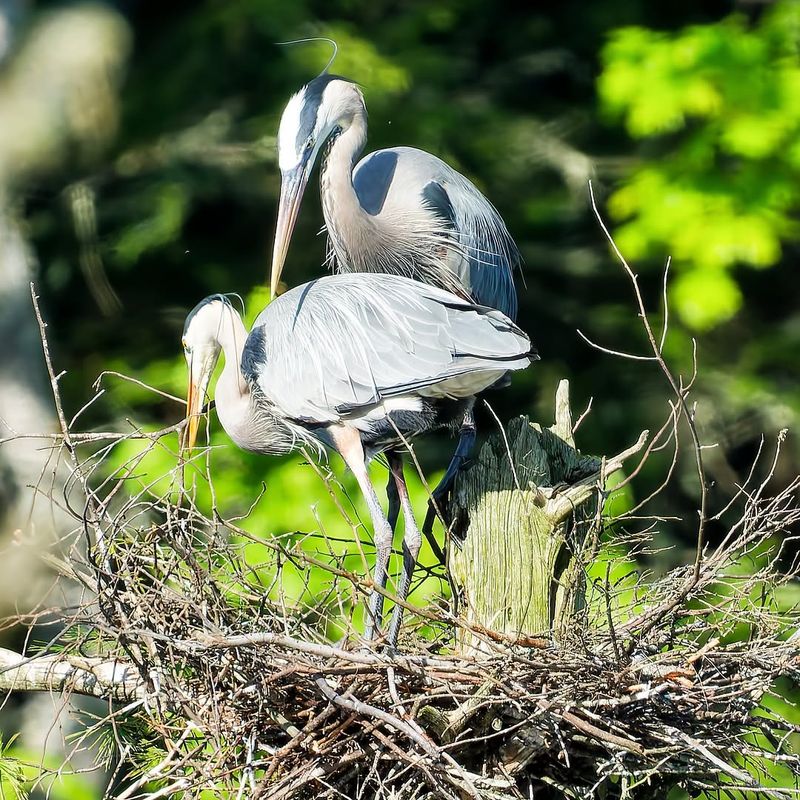
Spring and summer in Pennsylvania bring a lot of wildlife activity, and Great Blue Herons are no exception.
If you spot one near your garden during those warmer months, there is a good chance it is either passing through on a feeding route or actively scouting for a nesting site nearby.
Great Blue Herons nest in large colonies called rookeries, which are usually found in tall trees near water. Pennsylvania has several active rookeries spread across the state.
When herons are building nests or raising young, the adults spend a lot of time flying back and forth to feeding spots, which could include ponds, streams, or water features close to your yard.
Seeing a heron repeatedly in the same spot is a strong clue that your garden sits along one of its regular feeding routes. These birds are creatures of habit.
Once they find a reliable food source, they tend to return to it again and again throughout the season.
Did you know that Great Blue Herons can have a wingspan of up to six feet? Watching one glide silently overhead is an experience that is hard to forget.
Their slow, steady wingbeats make them look almost prehistoric in flight, and many people describe the sighting as surprisingly moving.
Paying attention to when and how often a heron visits your yard can tell you a lot about the season and local wildlife patterns. Keeping a simple nature journal with dates and observations is a fun way to track these visits and notice patterns over time.
It turns an everyday sighting into a meaningful connection with the natural world around you.
4. Symbol Of Patience And Observation
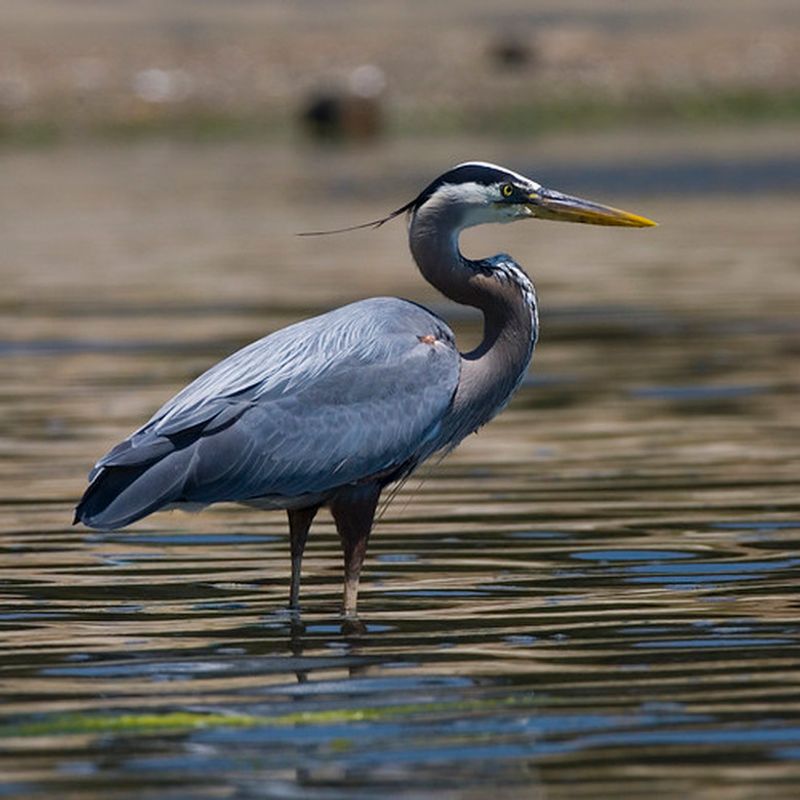
There is something almost meditative about watching a Great Blue Heron hunt. It stands absolutely still for minutes at a time, scanning the water with sharp, focused eyes.
Then, in a single lightning-fast movement, it strikes. The whole process is a masterclass in patience, and many people find it deeply inspiring to witness.
Across many cultures, the heron is seen as a powerful symbol of mindfulness and deliberate action.
Native American traditions, in particular, have long viewed the Great Blue Heron as a reminder to trust your own path, move at your own pace, and observe carefully before acting.
Seeing one near your home is sometimes interpreted as a personal message to slow down and pay closer attention to your surroundings.
In modern life, where everything seems to move fast and demand immediate responses, the heron offers a quiet counter-example. It does not rush.
It does not panic. It simply waits for the right moment and then acts with precision. That kind of calm confidence is something a lot of people deeply admire.
Whether or not you follow any spiritual tradition, there is real value in pausing to watch a heron do its thing. It pulls you out of your head and into the present moment in a way that very few things can.
Many gardeners describe heron sightings as some of their most peaceful outdoor memories.
Next time one appears near your garden, try sitting quietly and watching it for a few minutes. You might be surprised by how calming the experience feels.
Nature has a way of teaching lessons that no book or screen ever quite manages to capture the same way.
5. Water Quality Indicator
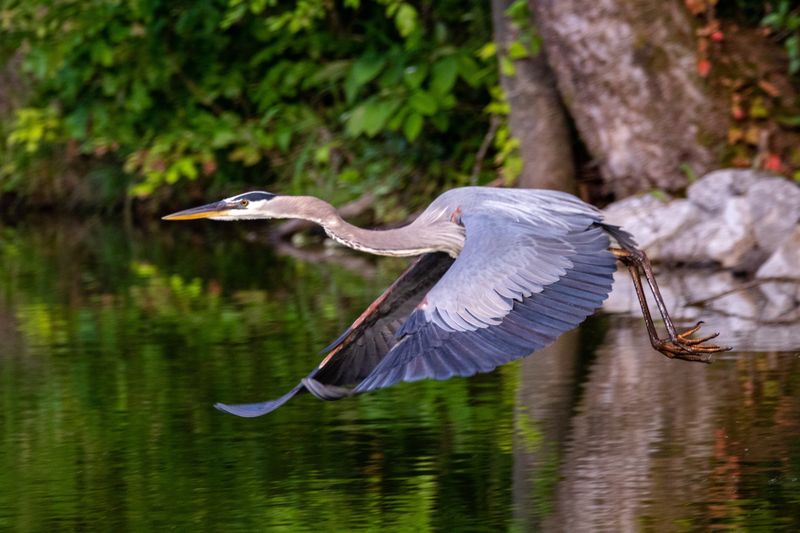
Clean water is something that herons absolutely depend on. They are visual hunters, which means they need clear, shallow water to spot their prey effectively.
Murky, polluted, or heavily overgrown water makes hunting nearly impossible for them. So when a Great Blue Heron shows up near your pond or stream, it is actually telling you something valuable about your water quality.
Pennsylvania has thousands of miles of streams and rivers, and water quality can vary widely depending on local land use and runoff.
A heron choosing to hunt in a water source near your garden is a strong signal that the water is relatively clean and supports aquatic life. Fish, frogs, and other prey need healthy water to survive, and herons follow the food.
If you have a backyard pond or rain garden, a heron visit can be genuinely encouraging. It suggests your water feature is doing more than just looking pretty.
It is actually functioning as a small but meaningful habitat that supports local wildlife from the bottom of the food chain all the way up.
Maintaining good water quality in your yard does not have to be complicated. Avoiding chemical fertilizers and pesticides near water, planting native plants along edges to filter runoff, and keeping debris out of ponds can all make a big difference.
These small steps help protect not just herons but the entire web of life that depends on clean water.
Watching a heron fish in your pond is a reward in itself. But knowing that its presence reflects the health of your water adds an extra layer of satisfaction to the whole experience. Your efforts to maintain a clean, natural space are clearly working.
6. Biodiversity Sign Of A Welcoming Habitat
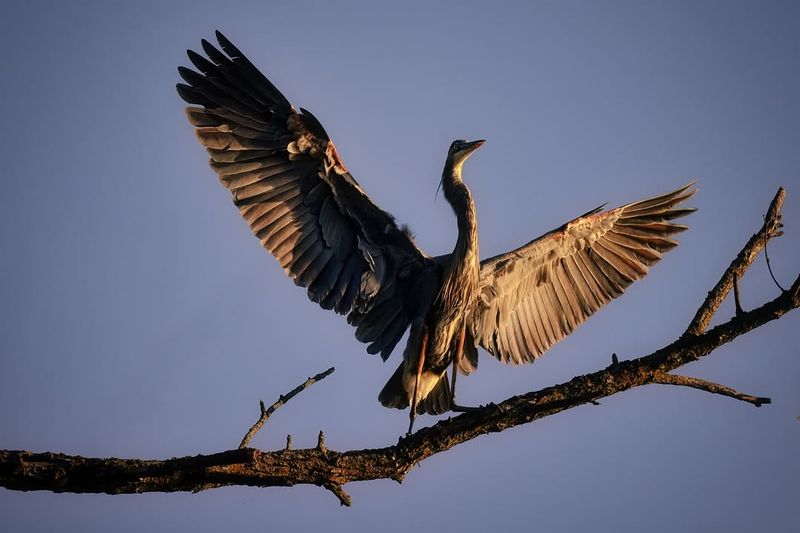
A Great Blue Heron does not just wander into any random yard. These birds are selective, and their appearance near your garden is a strong hint that your outdoor space is genuinely rich with life.
Where herons go, a whole community of other creatures usually follows, from turtles sunning on rocks to songbirds darting through shrubs and pollinators buzzing around native flowers.
Biodiversity simply means having a wide variety of living things sharing the same space. A garden that supports biodiversity is one where different plants, insects, birds, and animals all find what they need to thrive.
Pennsylvania’s varied landscape, with its mix of forests, wetlands, and open fields, creates the perfect backdrop for this kind of rich, layered wildlife activity.
When you see a heron near your yard, ask yourself what else is living there. Are there butterflies visiting your flowers?
Do frogs call from your pond on warm evenings? Are there bees working through your garden beds?
Each of these small signs points to a healthy, welcoming habitat that supports life at multiple levels.
Creating a wildlife-friendly yard does not require a lot of money or space. Planting native Pennsylvania species like Joe Pye weed, wild bergamot, or swamp milkweed can attract pollinators and birds.
Adding a simple water feature, even a small birdbath, can bring in a surprising variety of visitors over time.
A heron near your garden is more than a cool bird sighting. It is a reflection of the kind of outdoor space you have created or inherited.
Celebrating that and building on it is one of the most rewarding things a Pennsylvania gardener can do for the local environment.