These Are The Florida Compost Habits That Attract Rats Without You Realizing It
Composting feels like the responsible thing to do. You are reducing waste, feeding your soil, doing right by your garden.
Nobody starts a compost pile expecting to run a rat buffet on the side. But in Florida, certain composting habits do exactly that, and the rats show up long before you realize something has gone wrong.
Florida is already rat country. The climate keeps them active year round, food sources are everywhere, and a poorly managed compost pile is basically a five star hotel with a restaurant attached.
The line between good composting and a rodent problem comes down to a few specific habits most people never think twice about. The tricky part is that nothing about these habits feels obviously wrong.
They seem reasonable, even logical. That is what makes them so common and so costly.
1. Food Scraps On Top Turn Compost Into A Rat Buffet
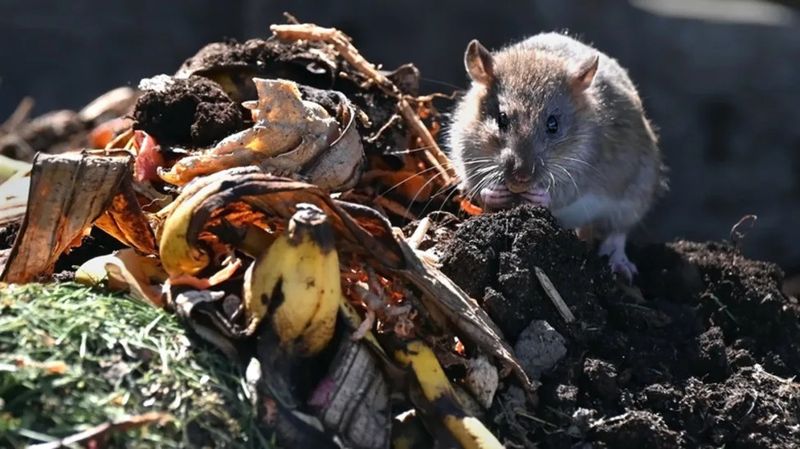
Picture a pile of banana peels, orange rinds, and leftover salad sitting right on top of your compost bin, fully exposed to the open air. That is basically a free meal posted with a flashing sign for every rat in the neighborhood.
Exposed food scraps are easy to smell, easy to reach, and easy to grab, especially in warm weather when odors travel fast.
Rats rely heavily on their sense of smell to find food. Fresh kitchen scraps sitting on top of a pile release strong odors that carry across a yard, a fence, and even a few houses down.
Warm, humid conditions, which are common across much of this state for most of the year, make those smells even more intense and far-reaching.
According to UF/IFAS Extension, burying fresh food scraps deep in the center of the pile is one of the most effective ways to reduce pest attraction.
Cover every new addition with a thick layer of dry browns, such as fallen leaves, shredded cardboard, dry grass clippings, or shredded paper.
Aim for at least a few inches of dry material on top after each addition.
This simple habit of burying and covering keeps odors contained, speeds up decomposition, and makes your compost far less appealing to curious rats. Make it a routine every single time you add scraps.
2. Meat And Dairy Send The Strongest Backyard Signal
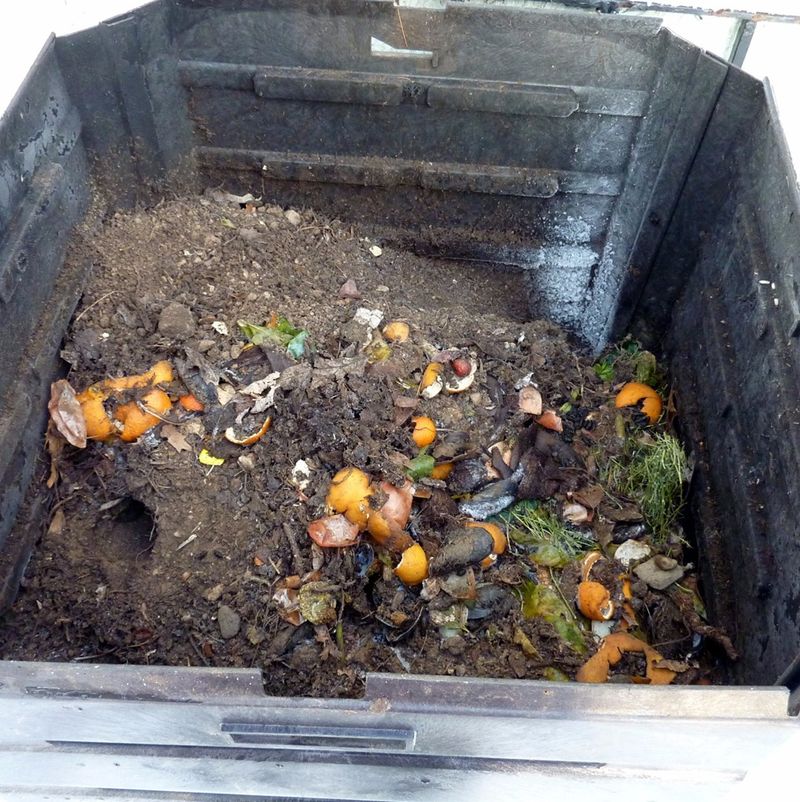
Of all the things that can go wrong with a Florida backyard compost pile, adding meat and dairy is one of the fastest ways to create a serious pest problem. Chicken bones, fish scraps, cheese rinds, and leftover milk products break down slowly and smell strongly.
They send a scent signal that rats can detect from a surprisingly long distance.
Animal-based proteins and fats produce odors that are much more intense than those from fruit or vegetable scraps. In warm, humid conditions common across this state, those odors can linger for days and spread far beyond the bin itself.
Rats are attracted to high-calorie, protein-rich food sources, and meat and dairy fit that profile perfectly.
UF/IFAS Extension and most reliable composting guides strongly advise keeping meat, fish, bones, and dairy products out of standard backyard compost systems.
Your Florida Garden Changes Every Week. Your Plan Should Too.
Gardening in Florida changes quickly throughout the season. Every Friday you’ll receive a simple weekly plan showing exactly what to plant, prune, fertilize, harvest, and protect so you never miss the right timing.
These materials are better handled through municipal food waste programs or other specialized disposal options when available in your area.
Sticking to plant-based scraps, such as fruit, vegetables, coffee grounds, and eggshells, keeps your pile smelling mild and breaking down cleanly. Eggshells are generally fine since they do not produce the strong odors associated with other animal products.
Keeping meat and dairy out is one of the clearest, most effective lines of defense against rats visiting your compost.
3. Greasy Leftovers Make The Pile Smell Like Dinner
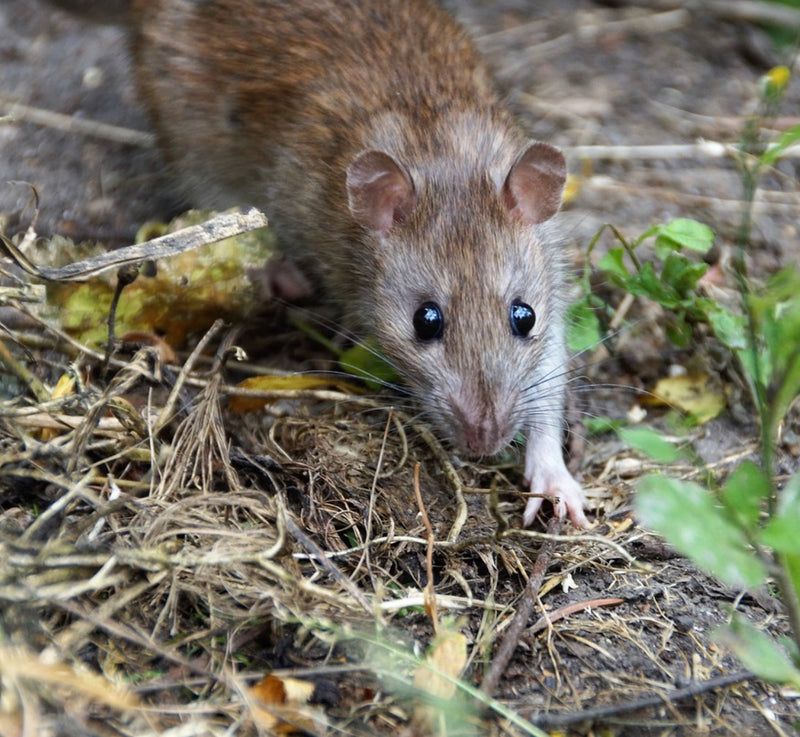
Last night’s stir-fry, a handful of oily chips, or a scoop of buttery mashed potatoes might seem harmless when tossed into the compost bin.
But greasy, cooked leftovers behave very differently from raw vegetable scraps, and they can cause real problems for both your pile and your pest situation.
Grease and cooking oils do not break down the same way plant material does. They can coat other organic matter in the pile, slow down microbial activity, create a slimy, smelly mess, and produce odors that linger far longer than you might expect.
In a warm climate with high humidity and frequent rain, that combination creates a genuinely attractive environment. Rats see it as an easy, calorie-dense meal.
Heavily seasoned food also brings added smells from spices, sauces, and marinades that can make a pile more noticeable from a distance.
UF/IFAS composting guidance recommends sticking to raw, plant-based kitchen scraps for the cleanest and most pest-resistant results.
Keeping greasy leftovers out of your home compost does not mean wasting them. Many areas offer food waste drop-off programs or green bin services that can handle cooked food safely.
At home, focus on fruit scraps, vegetable peels, coffee grounds, and similar clean materials that break down fast and stay relatively odor-free in a well-managed pile.
4. Open Bins Give Rats An Easy Way In
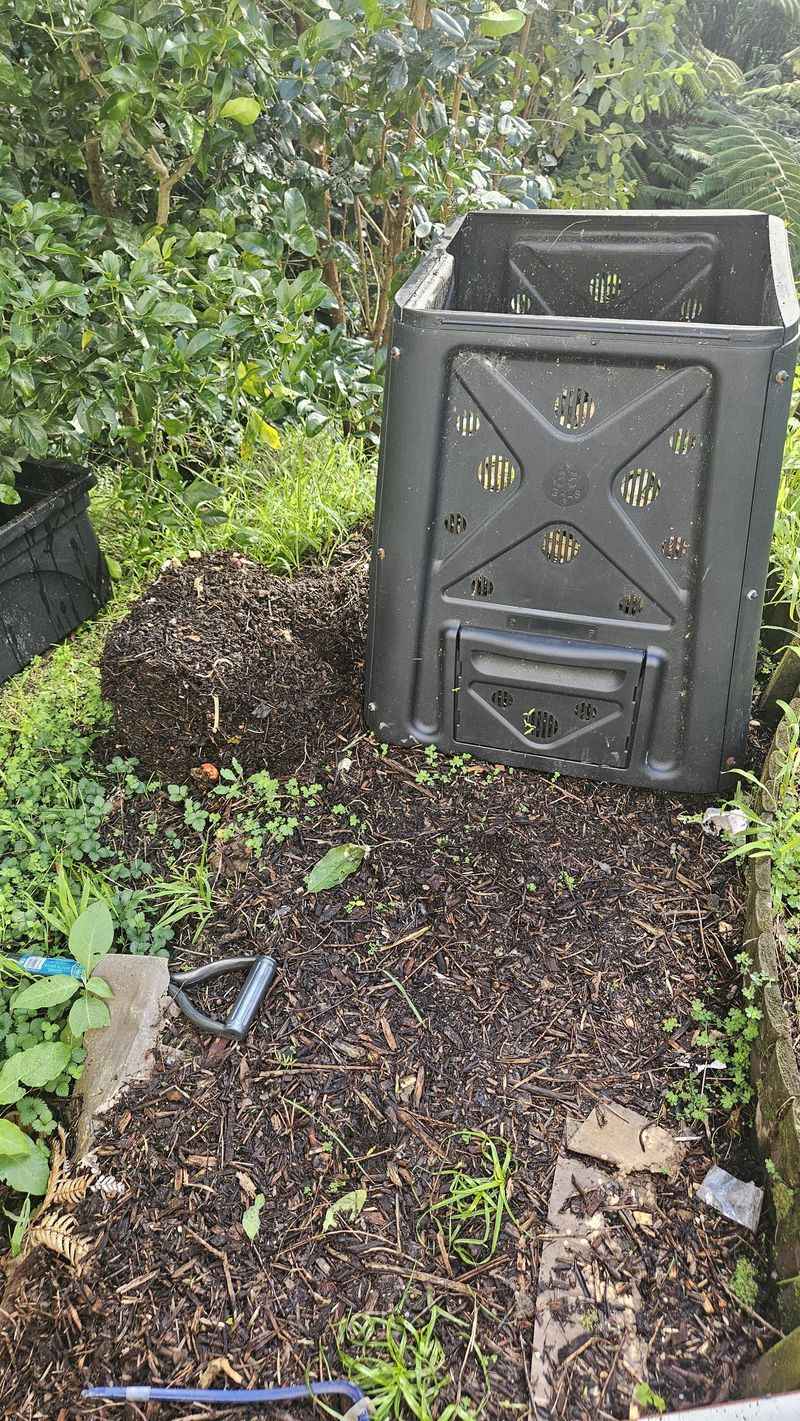
An open compost pile or a bin with loose sides, a broken lid, or no bottom protection is not just an organizational problem. For rats, it is a welcome doorway.
Rats are skilled at squeezing through surprisingly small gaps, and they are motivated by the promise of food, warmth, and shelter that a compost pile can offer.
Open piles and loosely built bins are common in yards across Florida, especially among newer composters who start with a simple heap and plan to upgrade later.
But in warm regions with year-round pest pressure, that open setup can become a problem faster than expected.
Rats do not need much encouragement to move in if food and cover are both available.
UF/IFAS Extension recommends using enclosed bins with secure, tight-fitting lids and solid or mesh-protected sides. Hardware cloth with a small mesh size, typically a quarter inch or less, can be used to line the bottom of a bin.
It can also create a protective base layer that stops rats from burrowing up from underneath.
Look for bins specifically marketed as rodent-resistant, or reinforce an existing bin with hardware cloth around the base and sides. Check the lid and edges regularly for damage, warping, or gaps that could develop over time.
A well-sealed bin keeps food odors contained and removes the easy physical access that makes compost so tempting to rats in the first place.
5. Too Few Browns Let Kitchen Odors Take Over
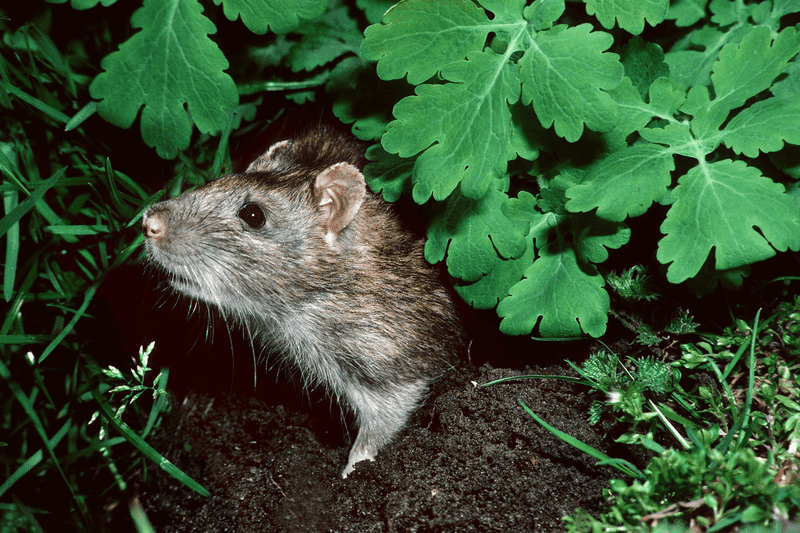
Walk past a compost pile that smells sour, rotten, or like old food, and you are probably smelling a pile that is too heavy on wet greens and too light on dry browns.
This imbalance is one of the most common composting mistakes, and in a warm, rainy climate, it can turn a helpful garden tool into a pest magnet surprisingly fast.
Kitchen scraps, fruit and vegetable peels, coffee grounds, and fresh plant trimmings are all considered greens. They are wet, nitrogen-rich, and full of the nutrients that make compost valuable.
But without enough dry carbon-rich material to balance them out, they break down slowly and release strong odors. They also create a soggy, smelly environment that rats find appealing.
Dry browns include fallen leaves, shredded cardboard, shredded paper, dry grass clippings, straw, and similar materials.
UF/IFAS Extension suggests aiming for a ratio that leans heavier on browns, with roughly two to three parts dry material for every one part fresh green scraps.
Getting this balance right keeps the pile smelling earthy rather than sour.
In this state, leaves are available year-round and make an excellent free brown material. Shredded newspaper or plain cardboard works well too.
Keeping a small pile of browns near the bin makes it easy to add a covering layer every time you drop in kitchen scraps. That helps control odors and discourages rats from investigating.
6. A Lazy Turning Habit Keeps Scraps Too Noticeable
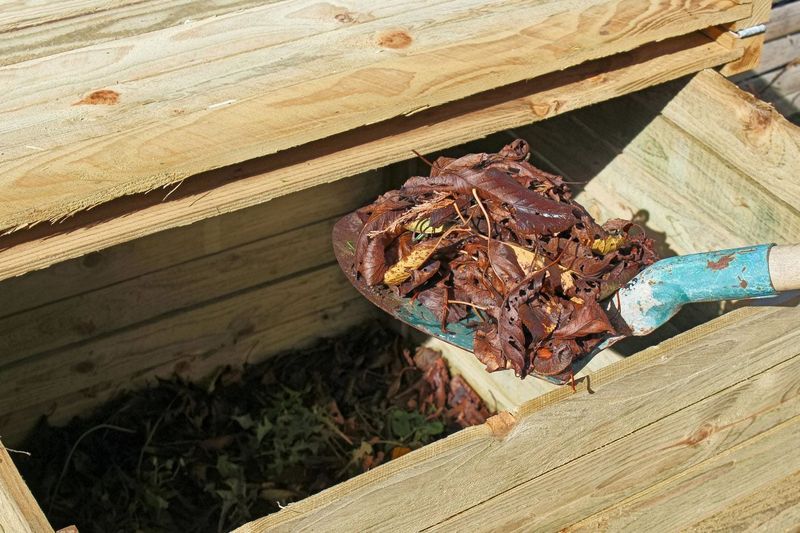
Composting is not entirely hands-off, even though it can feel that way once the bin is set up and loaded. Skipping the regular task of turning or mixing the pile quietly makes compost more attractive to rats.
That is especially true when fresh scraps are sitting in recognizable form long after they were added.
Turning the pile does several useful things at once. It blends fresh kitchen scraps into the interior where they are less exposed and improves airflow so the pile heats up and breaks down faster.
It also helps eliminate pockets of wet, smelly material that can develop near the surface. A pile that gets turned regularly is a pile where food scraps disappear quickly instead of sitting visible and fragrant for days.
In warm, humid conditions common across much of this state, decomposition can move quickly when conditions are right. But a neglected pile can develop uneven moisture, slow breakdown in some spots, and concentrated odor zones near the top.
That happens when new scraps keep getting added without mixing.
UF/IFAS Extension recommends turning a compost pile every one to two weeks for best results. After adding kitchen scraps, give the pile a quick turn or at least bury the new material and cover it with dry browns.
Even a few minutes of mixing after each addition can make a meaningful difference in how fast scraps break down and how little odor escapes.
7. Pet Waste Brings More Trouble Than Compost Value
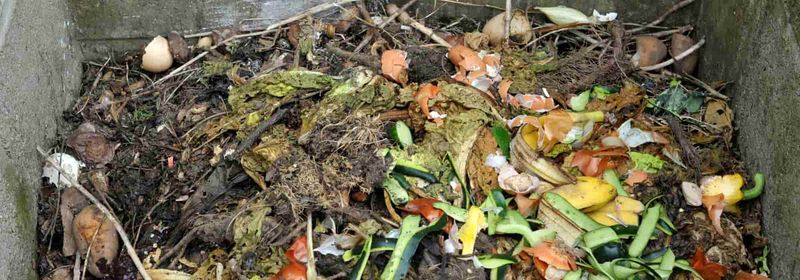
It might seem logical to add pet waste to a compost pile. After all, it is organic matter, and the goal is to recycle organic material back into the soil.
But dog and cat waste from meat-eating pets is a very different category from kitchen scraps or garden trimmings. Adding it to a standard backyard compost pile creates real problems.
Waste from meat-eating animals carries pathogens, parasites, and bacteria that standard backyard composting conditions may not fully neutralize. Beyond the health concerns, it also produces strong odors that can attract rats, flies, and other pests.
The smell profile of carnivore waste is particularly noticeable to rodents that are already searching for protein-rich food sources.
UF/IFAS and public health guidance consistently recommends keeping dog and cat waste out of compost that will be used in or near edible gardens.
Some municipalities offer separate pet waste composting programs or specific disposal guidance, and those options are worth checking in your area.
If you want to compost pet waste separately, there are dedicated pet waste digesters designed for that purpose and kept well away from food-producing garden beds.
For standard backyard compost, stick to plant-based materials and keep the pile focused on what it does best.
Removing pet waste from the equation simplifies your system, reduces odor, and makes the pile significantly less interesting to rats and other opportunistic pests.
8. A Hidden Pile Can Become A Quiet Rat Shelter
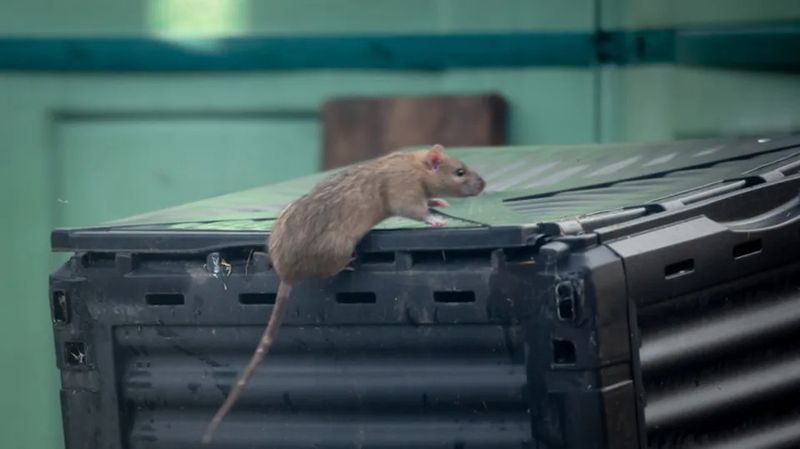
Tucking a compost bin into a forgotten corner of the yard might seem like a tidy solution for keeping it out of sight. But a hidden, overgrown, or cluttered compost area can quietly become exactly the kind of environment rats prefer.
You may not notice the problem until it is well established.
Rats favor locations that offer cover, low foot traffic, and proximity to food. A compost pile buried behind dense shrubs, stacked near old lumber, or surrounded by overgrown grass checks every box on that list.
The cover makes rats feel safe. The low disturbance means they are rarely interrupted.
And the food is right there waiting.
Warm, rainy seasons across this state encourage rapid plant growth that can quickly overtake an area around a bin, making the situation worse over time.
Dense vegetation near a compost area also makes it harder to spot signs of rat activity, such as burrows, droppings, or chewed material, before the situation grows.
UF/IFAS Extension recommends placing compost in a visible, accessible location that gets regular human attention. Keep the area around the bin trimmed, clear of clutter, and free of debris piles that could serve as additional shelter.
A well-maintained, open setting means problems are easier to catch early, and rats are less likely to feel comfortable settling in. Visibility is genuinely one of the simplest pest-prevention tools available to home gardeners.