How To Tell When A Hummingbird Has Claimed Your Oregon Garden For The Season
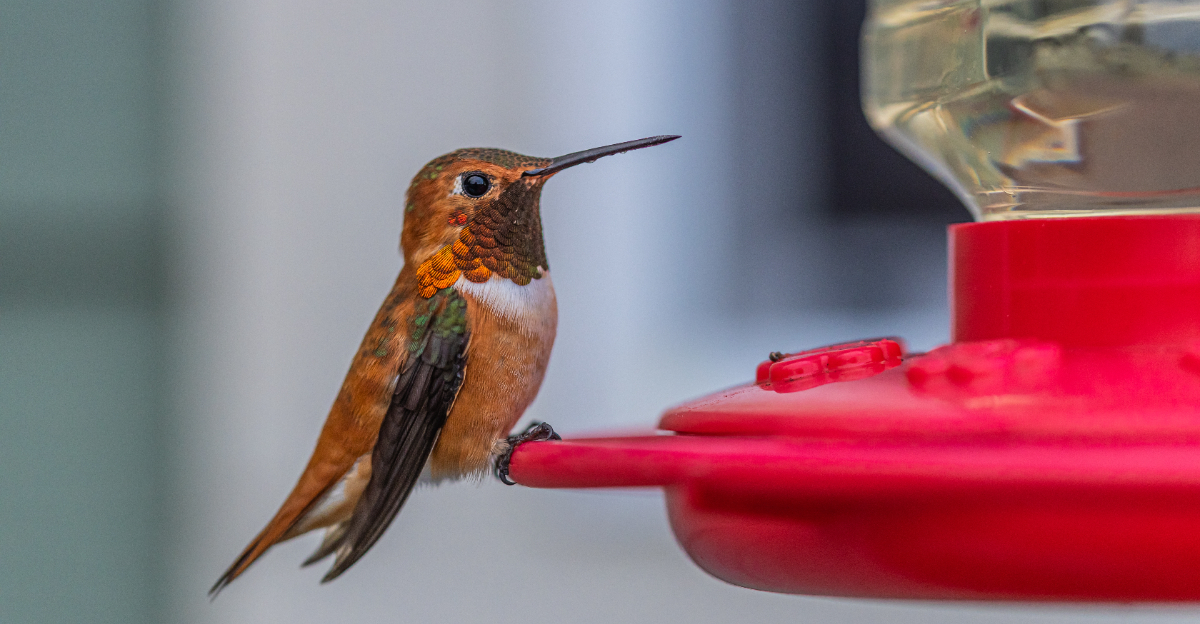
A hummingbird can turn a quiet Oregon garden into a tiny stage. One flash of color near a flower bed, and suddenly the whole space feels more alive.
But when a hummingbird keeps coming back, it may be doing more than visiting. It might be treating your yard like its own summer territory.
The signs can be easy to miss at first. A bird may return to the same perch again and again.
It may also guard a feeder with surprising nerve. Once you know what to watch for, the pattern becomes fun to spot.
These tiny birds have big habits, and their routines can tell you a lot. Your garden may already be part of one hummingbird’s daily route.
With the right clues, you can tell when that quick little visitor has decided to stick around for the season.
1. One Feeder Becomes A Guarded Zone
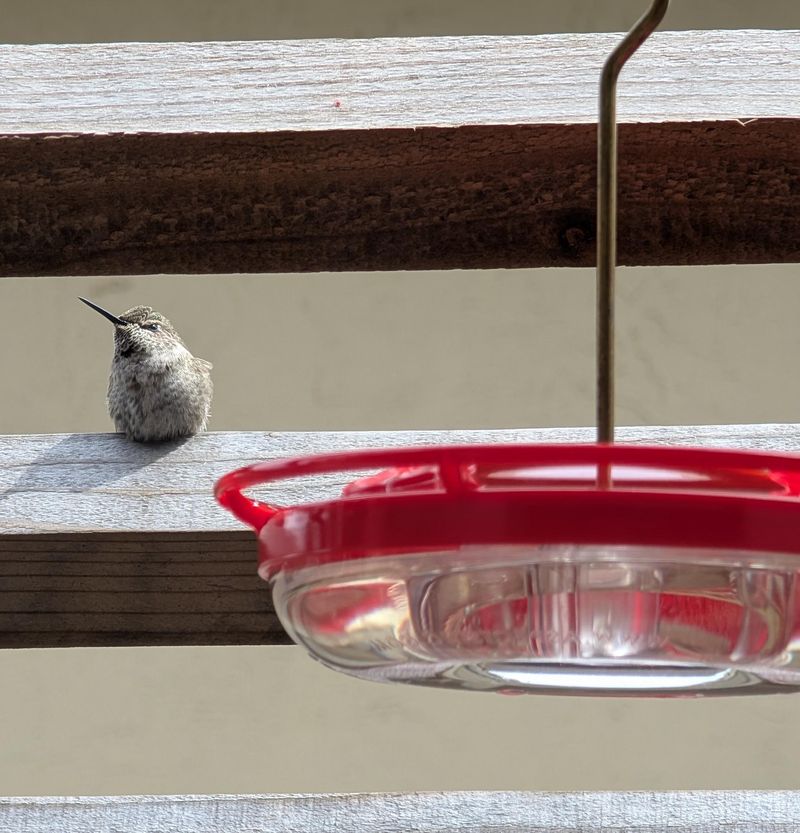
Most people put out a feeder hoping to attract hummingbirds, but there is a big difference between a bird that visits and one that owns the place. When a hummingbird claims your feeder, it stops being a shared resource.
That little bird decides the feeder is its food supply, and it will protect it like a prized possession.
You will notice the bird hovering near the feeder even when it is not drinking. It perches somewhere close, maybe on a nearby branch or wire, just watching.
If another bird comes close, the resident hummingbird shoots off like a tiny missile to chase it away. This is not just aggressive behavior. It is a survival strategy.
Hummingbirds burn through energy incredibly fast. Their hearts beat over a thousand times per minute during flight.
Protecting a reliable food source makes complete sense for a bird that needs to refuel constantly throughout the day.
You might notice the guarding bird return to the same watching spot again and again. That spot becomes its lookout post.
Over time, you can almost set a clock by when it shows up to check on things. Once a feeder becomes a guarded zone, you know a hummingbird has truly settled in.
Try adding a second feeder in a different part of the garden. This can ease tension and allow more birds to feed without constant chasing.
2. Flower Beds Turn Into Tiny Airspace Battles
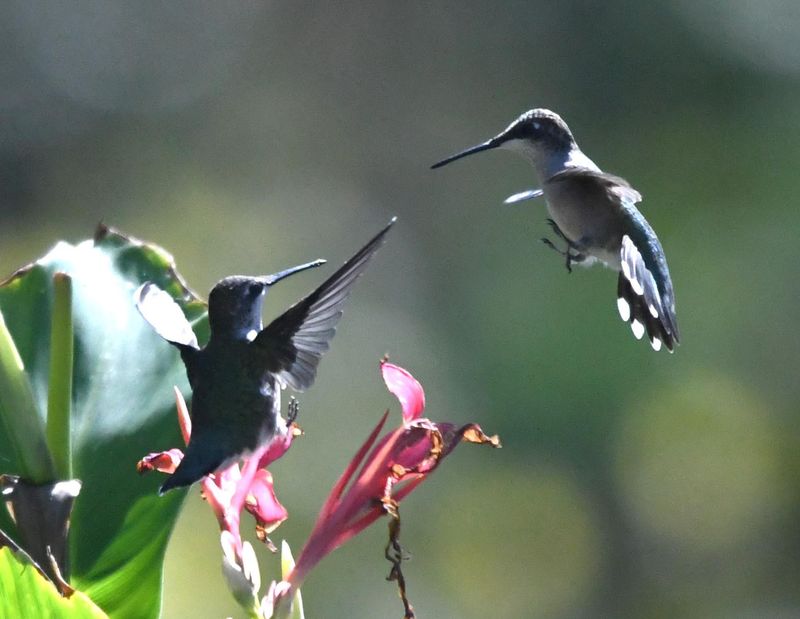
Watch your flower beds on a sunny morning and you might catch something that looks like a miniature air show.
Two hummingbirds zipping past each other at full speed, making sharp turns, and chirping loudly. It sounds almost comical, but these birds are completely serious.
When a hummingbird claims your garden, it does not just guard the feeder. It also claims the flowers.
Nectar-rich blooms like crocosmia, penstemon, and salvia become part of its territory. Any other hummingbird that tries to visit those flowers is going to get a very unwelcome greeting.
The resident bird will patrol the flower beds in quick passes, almost like a tiny security guard.
If it spots an intruder near its favorite blooms, it will chase that bird away with surprising speed and intensity. These chases can cover a large area of the garden in just seconds.
Your Oregon Garden Changes Every Week. Your Plan Should Too.
Gardening in Oregon changes quickly throughout the season. Every Friday you’ll receive a simple weekly plan showing exactly what to plant, prune, fertilize, harvest, and protect so you never miss the right timing.
What makes this fun to watch is how dramatically the birds move. They can fly forward, backward, and sideways with total control.
Seeing them battle over a patch of flowers feels almost unreal. But this behavior is a clear sign that one bird has taken ownership of the space.
Planting a variety of native flowers in clusters can actually help reduce these battles. More food sources spread across the garden means less pressure on any one spot, which makes things calmer for everyone watching from the porch.
3. Chattering Starts Near Nectar Plants
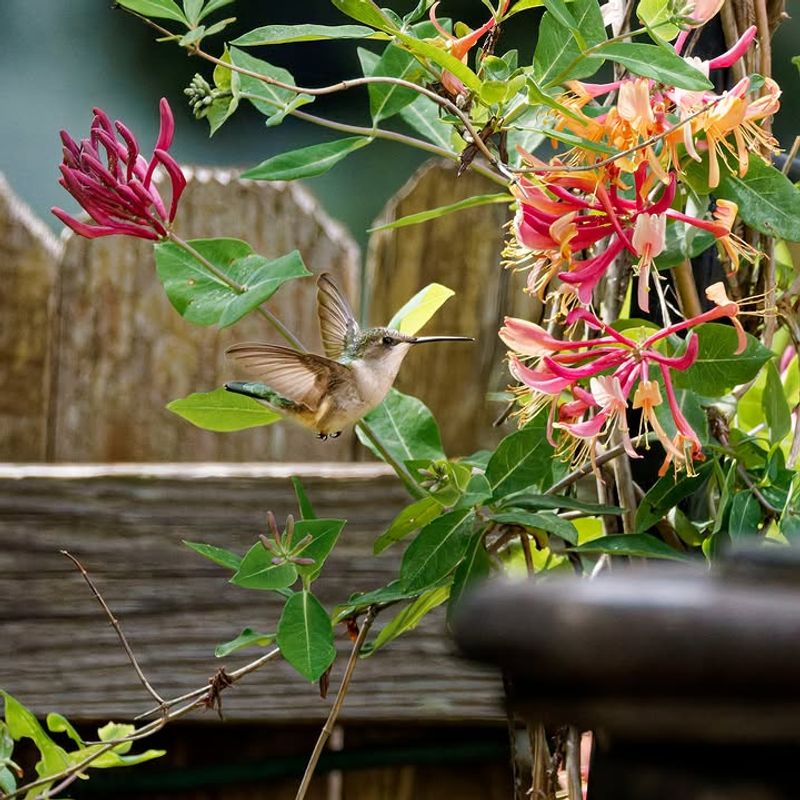
Hummingbirds are not silent creatures. People often expect them to be quiet, but a territorial bird has a lot to say.
Once one claims your garden, you will start hearing a sharp, rapid chattering sound near your nectar plants. It almost sounds like a tiny scolding machine.
That chattering is a warning. The bird is telling other hummingbirds, and sometimes even other species, to back off.
It uses sound as a first line of defense before it even has to fly over and physically chase anyone away. Think of it as a verbal boundary marker.
Anna’s hummingbirds, which stay in this state year-round, are especially vocal. The males even sing a surprisingly complex song during breeding season.
But the chattering you hear near nectar plants is different. It is sharper, faster, and more repetitive. Once you hear it a few times, you will recognize it immediately.
You might also notice the bird sitting very still on a branch while it chatters. It is watching and waiting, ready to launch into action if needed.
This combination of stillness and sound is a classic sign of a bird that feels confident in its claimed space.
If you start hearing this sound regularly near the same plants, take it as a strong signal. A hummingbird has decided those plants belong to it, and it is not shy about making that known to the whole neighborhood.
4. Other Hummingbirds Get Chased Off Fast
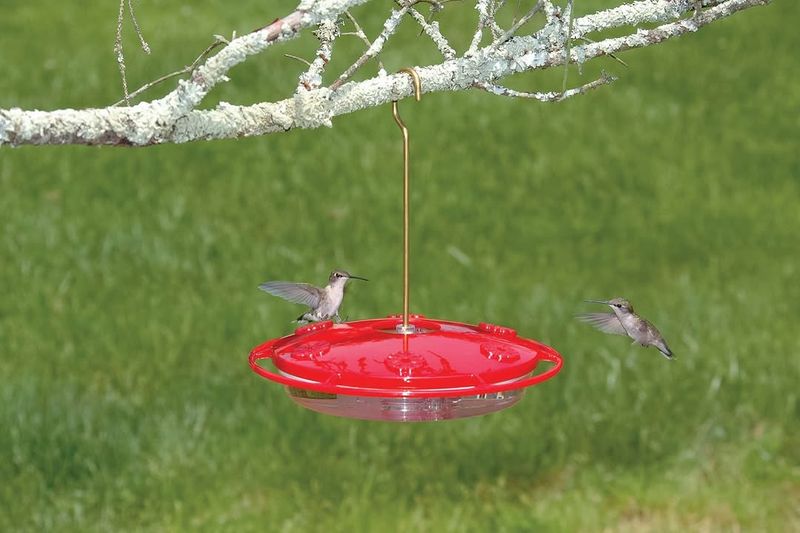
Few things in nature move as fast as a hummingbird on a mission. When a territorial bird spots a competitor, the chase begins almost instantly.
Blink and you might miss the whole thing. One second there are two birds near the feeder, and the next second there is only one.
This chasing behavior is one of the clearest signs that a hummingbird has claimed your garden. It is not occasional or random.
It happens consistently, and the resident bird always seems to win. Newcomers quickly learn that this garden is taken.
Rufous hummingbirds are especially bold about this. They are known across North America for being aggressive, even toward birds much larger than themselves.
If a Rufous has claimed your garden, it will chase off Anna’s hummingbirds, other Rufous birds, and even large bees that get too close to the feeder.
The chase usually ends when the intruder flies far enough away. The resident bird then circles back to its lookout perch, sometimes chattering a little more before settling down.
It is a very clear display of confidence and ownership. Watching this happen repeatedly over several days leaves no doubt. Your garden is not just a rest stop anymore.
It is home base for one very determined little bird. Once you see the chasing pattern, you know the territory has been officially claimed and defended with full commitment.
5. The Same Perches Stay Busy Every Day
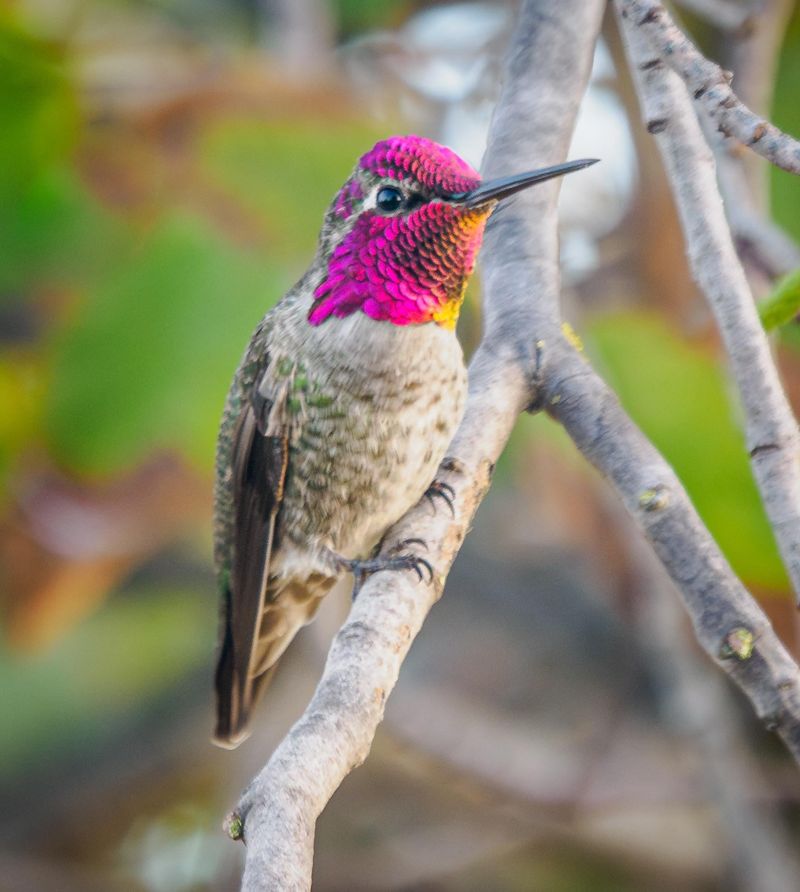
Here is something worth paying attention to: hummingbirds are creatures of habit. Once one claims your garden, it will return to the same perching spots day after day.
You might notice a tiny bird sitting on the same branch every morning, or always returning to the same wire after chasing an intruder.
These perches are not chosen randomly. The bird picks spots that offer a clear view of the feeder, the flowers, or the main entry points into the garden.
From that perch, it can see everything it needs to protect. It is like a watchtower built into your landscaping.
Over time, you might find yourself looking for the bird in those same spots automatically. That is how predictable it becomes.
Gardeners in this state often describe their resident hummingbird as being almost like a tiny neighborhood watch volunteer, always at the same post.
The perch also becomes a resting spot between feeding sessions. Hummingbirds actually spend a large portion of their day sitting still, which surprises many people.
They conserve energy between the intense bursts of flying and feeding that define their daily routine.
If you notice the same branch or wire being used as a regular landing spot, mark it in your mind. That is your hummingbird’s throne.
It will return there dozens of times each day, and spotting it there becomes one of the quiet joys of having a garden that a hummingbird has truly made its own.
6. Salvia And Fuchsia Become Hot Spots
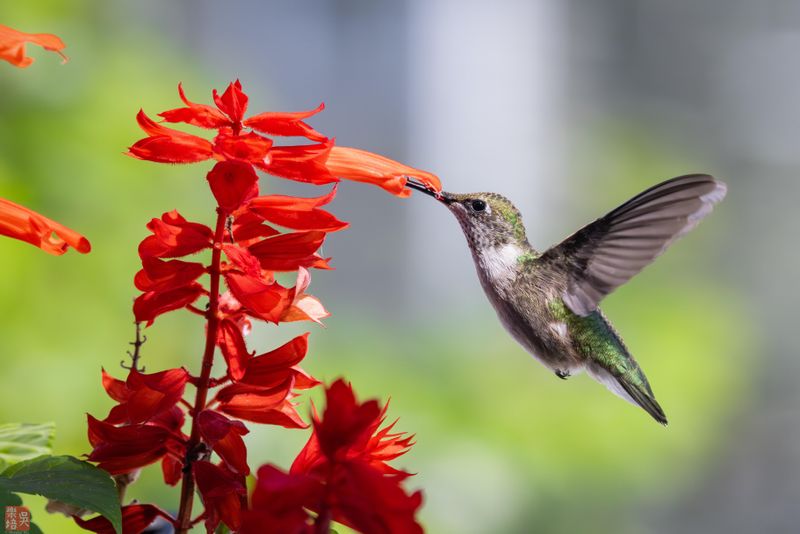
Not all flowers are equal in a hummingbird’s world. When a bird settles into your garden for the season, it quickly maps out which plants offer the best nectar.
Salvia and fuchsia tend to rise to the top of that list fast, and once they do, those plants get visited over and over throughout the day.
Salvia is especially popular. Its tubular red and purple flowers are practically designed for a hummingbird’s long bill and tongue.
The bird can hover in front of a salvia bloom, take a quick sip, and move to the next flower in seconds. A big patch of salvia can keep a hummingbird busy and well-fed for a good stretch of time.
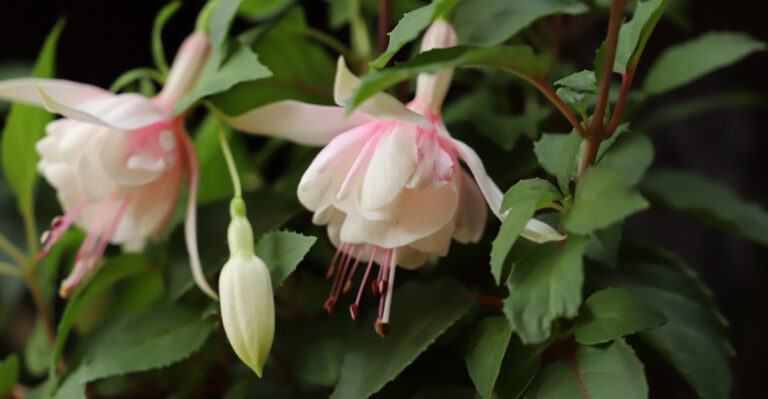
Fuchsia is another crowd-pleaser. The dangling, colorful blooms are easy to spot and rich in nectar.
Hanging baskets of fuchsia near a porch or deck are especially attractive to resident birds. You might find the hummingbird returning to those baskets every hour or so throughout the day.
When you notice one bird consistently visiting the same salvia or fuchsia plants while chasing others away, that is a strong sign of ownership. The bird has done its homework and knows exactly which plants are worth defending.
Planting more salvia and fuchsia in your garden is one of the best things you can do to keep a resident hummingbird happy and active all season long.
These plants are also relatively easy to grow in the mild climate of this region.
7. The Garden Gets Patrolled In Quick Loops
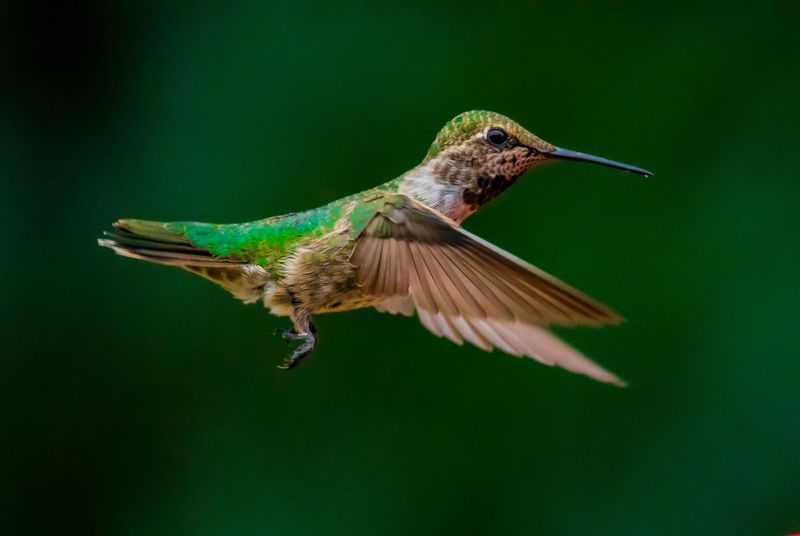
One of the most fascinating things to watch is a hummingbird doing its patrol rounds. Once a bird has claimed your garden, it does not just sit and wait for problems to come to it.
It actively flies around the whole space in quick, looping passes to check on everything.
These patrol flights happen throughout the day. The bird zips from one end of the garden to the other, dipping past the feeder, circling the flower beds, and then looping back around.
It looks almost playful, but there is real purpose behind every move. The bird is checking its territory and making sure no intruders have snuck in.
The patrol loops tend to follow a fairly consistent path. You might notice the bird always checks the feeder first, then swings past the salvia, then goes up to its perch.
That routine stays mostly the same day after day. It is like watching a tiny security guard do rounds.
These loops are also a great way to tell a resident bird apart from a passing visitor. A visitor will land, feed, and leave.
A resident bird keeps coming back and flying the same routes with confidence and familiarity. The body language is completely different.
If you sit quietly in your garden for about fifteen minutes, you will likely see the patrol happen at least once.
It is one of those small moments that makes having a hummingbird-friendly garden feel genuinely rewarding and worth every plant you put in the ground.
8. Morning And Evening Visits Become Predictable
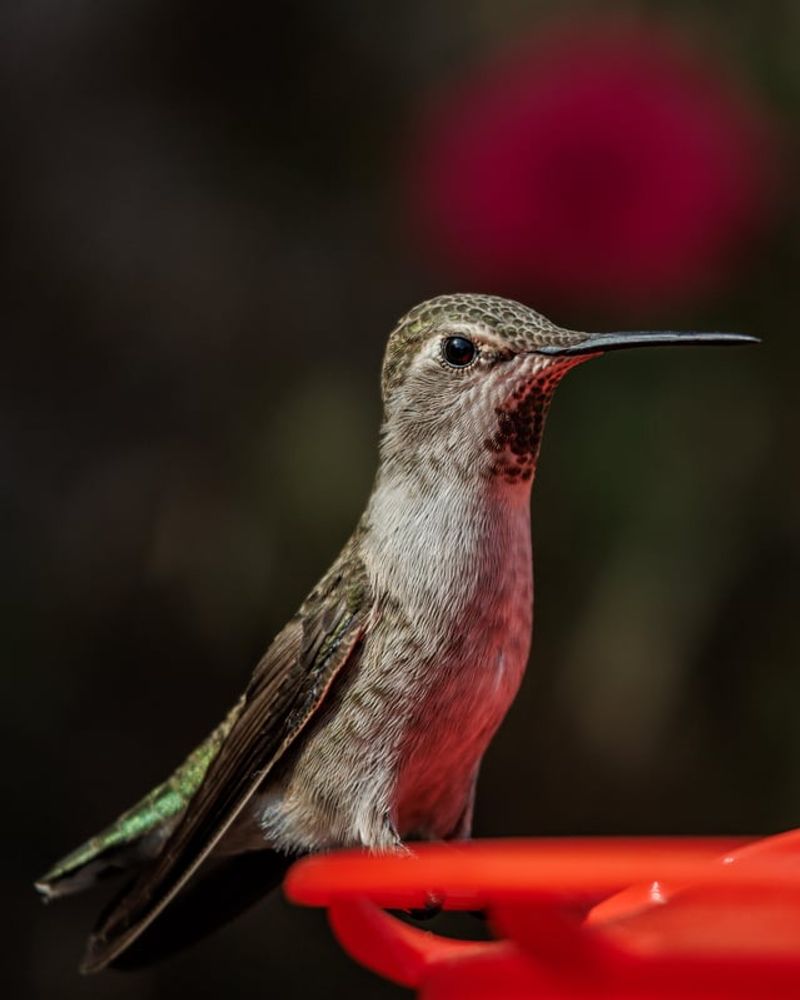
Timing is everything with a resident hummingbird. Once one has claimed your garden, you will notice that its visits are not random anymore.
Morning and evening become the peak activity times, and the bird shows up like clockwork. You can almost plan your coffee break around it.
In the morning, hummingbirds are hungry. They have just come out of a night of torpor, which is a sleep-like state where their body slows way down to save energy.
When they wake up, they need to eat fast. That first morning visit to your feeder or flowers is urgent and focused.
Evening visits have a different feel. The bird is fueling up before nightfall, making sure it has enough energy stored to get through another night.
These late-day visits tend to be longer and more relaxed than the quick morning stops. You might even see the bird linger near the feeder instead of darting away immediately.
Once you start noticing these patterns, it becomes hard not to look forward to them. Many gardeners in this state describe the morning hummingbird visit as one of the best parts of their day.
There is something special about watching a tiny bird rely on what you have planted and provided. Keep your feeder clean and full, especially during these peak times.
A resident bird that finds a reliable, clean food source morning and evening is much more likely to stay in your garden all season long without looking elsewhere.