What To Leave In Your Georgia Yard This June To Keep Fireflies Coming Back All Summer
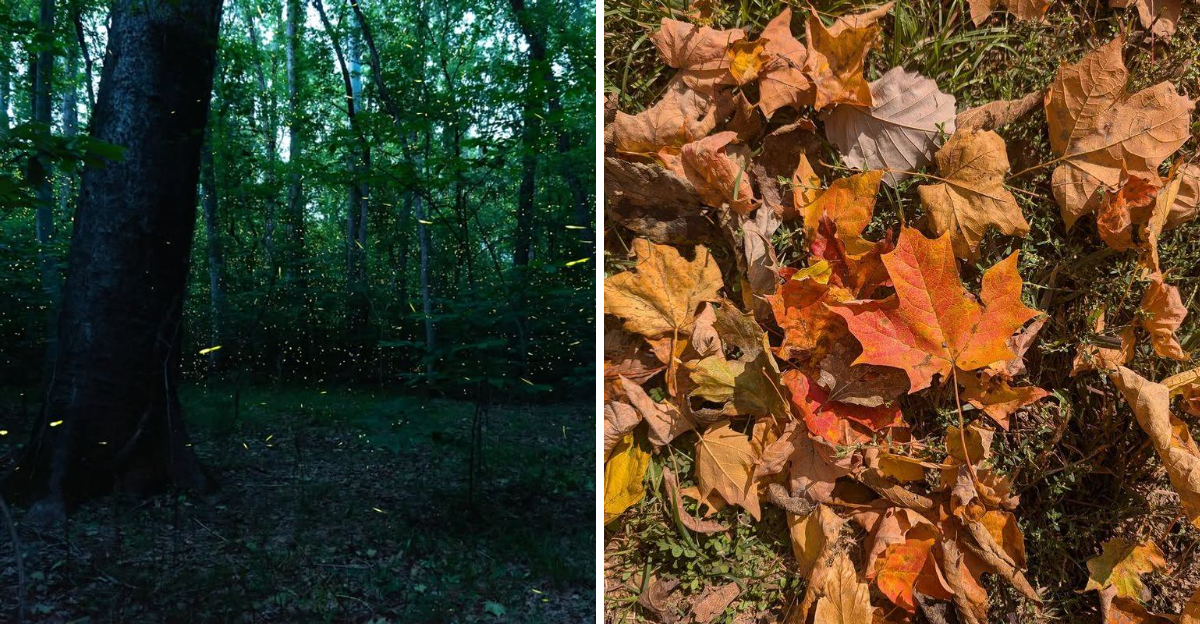
June tends to bring out the urge to tidy everything up. A few weeds get pulled, overgrown areas get trimmed back, and anything that looks messy suddenly feels like a project waiting to happen.
After a couple of hours outside, the yard looks cleaner, more organized, and ready for the rest of summer.
Most people would call that a success.
What often goes unnoticed is that some of the small details removed during a weekend cleanup were doing more than they appeared.
A yard can look better on Saturday and feel strangely quieter a few weeks later without anyone connecting the two events.
Fireflies are part of what gives summer evenings their character. Their appearance feels effortless, but it depends on more than luck.
June is one of those months when seemingly minor choices around a Georgia yard can influence what starts showing up after sunset for the rest of the season.
1. Fallen Logs Create Shelter Fireflies Depend On
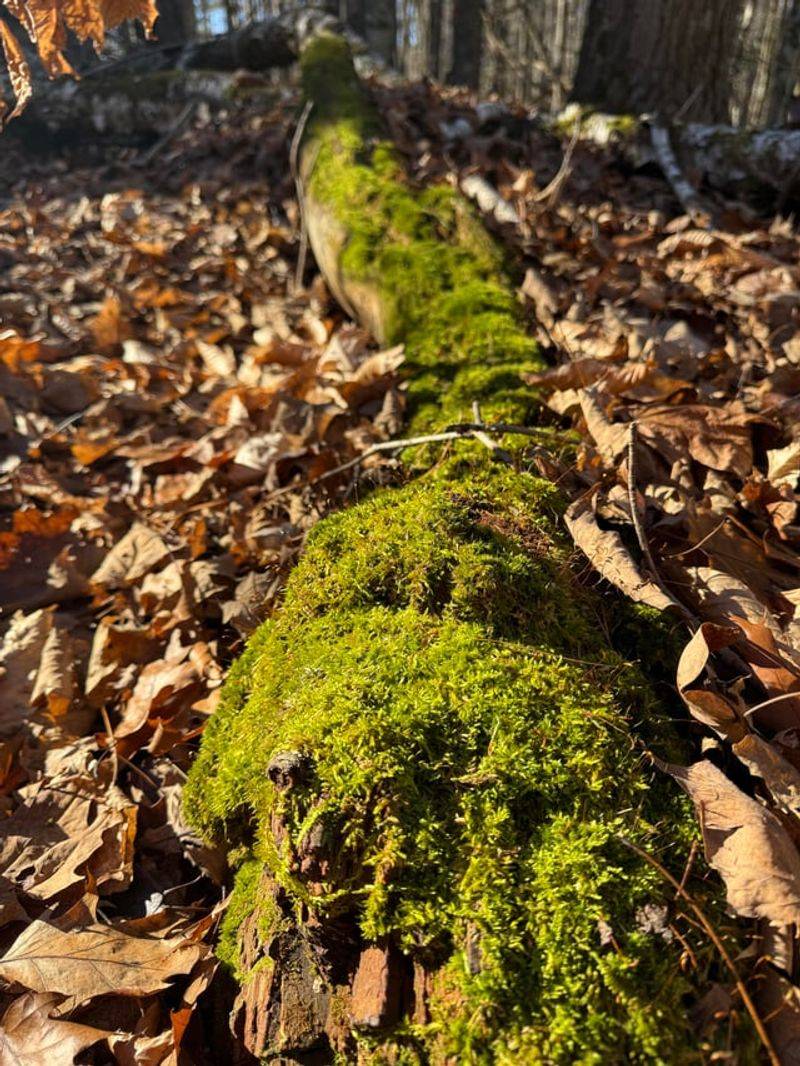
A rotting log sitting in your yard is not an eyesore. It’s a firefly nursery.
Firefly larvae spend most of their lives underground or tucked inside decaying wood. They need that damp, soft material to hunt, grow, and eventually pupate.
Fallen logs provide exactly that kind of protected space.
When a log breaks down slowly, it holds moisture really well. That moisture is critical during Georgia’s hot, dry stretches in late June and July.
Without it, larvae struggle to stay active.
Logs also attract the small snails, worms, and soft-bodied insects that firefly larvae eat. A single log can quietly support an entire generation of fireflies without you doing a thing.
Placement matters a little. Logs tucked under tree canopy or near shrubs stay moister longer than ones sitting in full sun.
If you have a shaded corner of your yard, that’s the best spot to let a log sit undisturbed.
Resist the urge to move or split logs during late spring and early summer. That’s when larvae are most active just beneath the surface.
You don’t need a perfectly manicured yard to have fireflies. Sometimes the messier corner is the most productive one.
Let at least one log stay right where it fell, and give it time to do its quiet work all season long.
2. Moss Helps Hold Moisture Through Summer
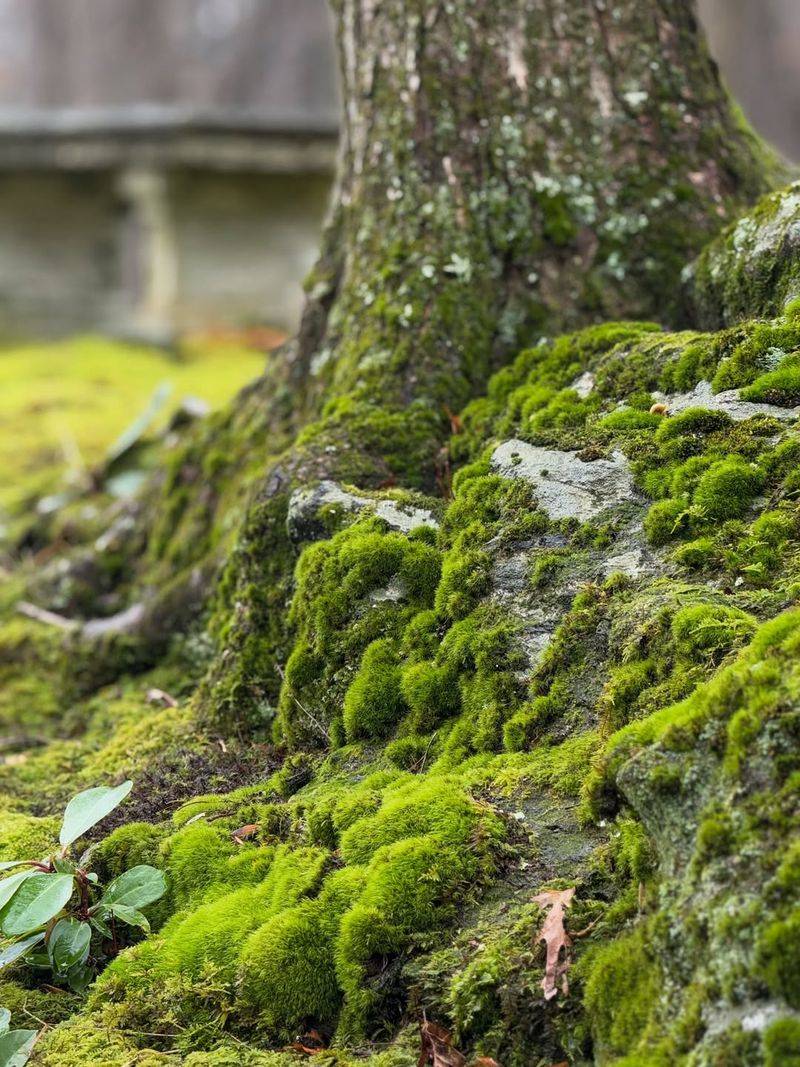
Moss doesn’t get nearly enough credit in a firefly yard.
Fireflies need moisture at ground level to survive and reproduce. Adult females lay eggs in damp soil, and larvae need consistent humidity to stay active.
Moss acts like a slow-release sponge, holding water close to the surface even after a few dry days.
Patches of moss under trees or along shaded borders are worth keeping. They signal that your yard has the right moisture profile for fireflies to use as breeding ground.
Pulling up moss or replacing it with mulch or bare soil removes that moisture buffer. During a dry June week, that difference can be significant for larvae trying to move through the top layer of soil.
Your Georgia Garden Changes Every Week. Your Plan Should Too.
Gardening in Georgia changes quickly throughout the season. Every Friday you’ll receive a simple weekly plan showing exactly what to plant, prune, fertilize, harvest, and protect so you never miss the right timing.
Moss also stays cool. Ground temperatures under moss patches can run several degrees lower than exposed dirt nearby.
Cooler, wetter soil is exactly what firefly eggs and young larvae need to develop properly.
You don’t need a moss garden. Even small, scattered patches count.
Let them grow where they naturally appear, especially near the base of trees or along the north-facing edges of garden beds.
Avoid using herbicides or fungicides near moss patches. Those products can affect soil chemistry and reduce the invertebrate life that firefly larvae depend on for food.
Keeping moss alive keeps the whole system working.
3. Native Ferns Provide Daytime Cover
Adult fireflies don’t flash all day. They rest, and where they rest matters more than most people realize.
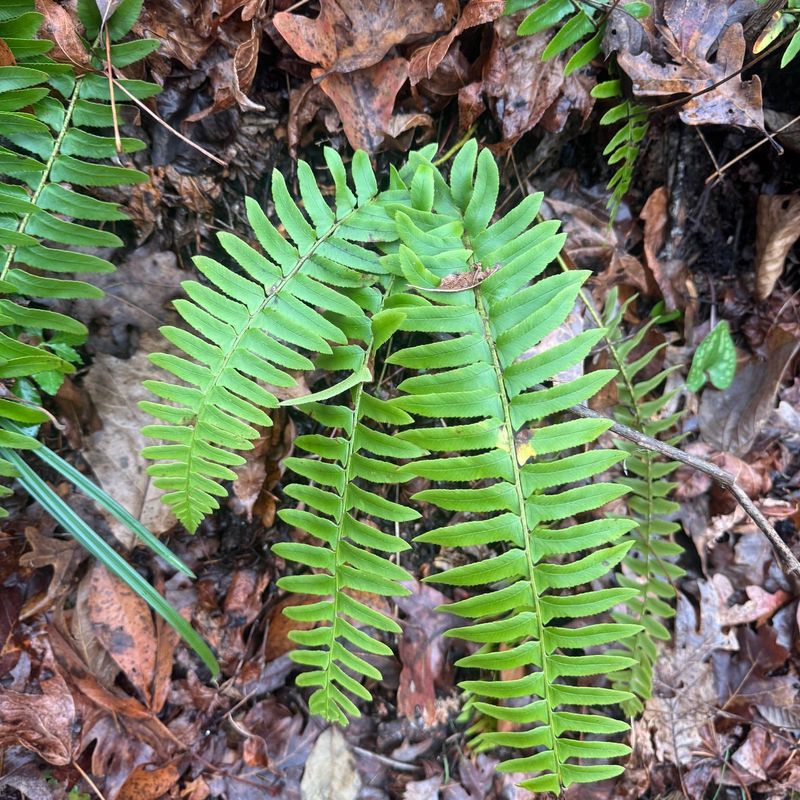
During daylight hours, fireflies hide in low vegetation close to the ground. Native ferns are ideal for this.
Their wide, layered fronds create shaded pockets that stay cool and humid even on hot afternoons.
Southern lady fern and cinnamon fern are two species that grow well in Georgia yards and provide exactly the right kind of cover. Both spread naturally in shaded spots with decent moisture, and they don’t need much attention once established.
Ferns also create structure at the ground level that grass simply can’t. Grass blades are too exposed and too uniform.
Fern fronds overlap and droop, creating small sheltered spaces that fireflies can tuck into safely.
Planting ferns near the edges of your yard, along fences, or under tree canopy gives fireflies a reliable resting zone. That consistency matters.
Fireflies return to the same general areas night after night, so stable daytime habitat keeps them anchored to your yard.
Avoid trimming ferns back aggressively in June. New fronds are just reaching full size, and cutting them down removes the cover adults are actively using right now.
Even a few clumps of native ferns tucked into a shaded corner can make your yard noticeably more attractive to fireflies throughout the summer months.
4. Shrub Borders Create Protected Habitat
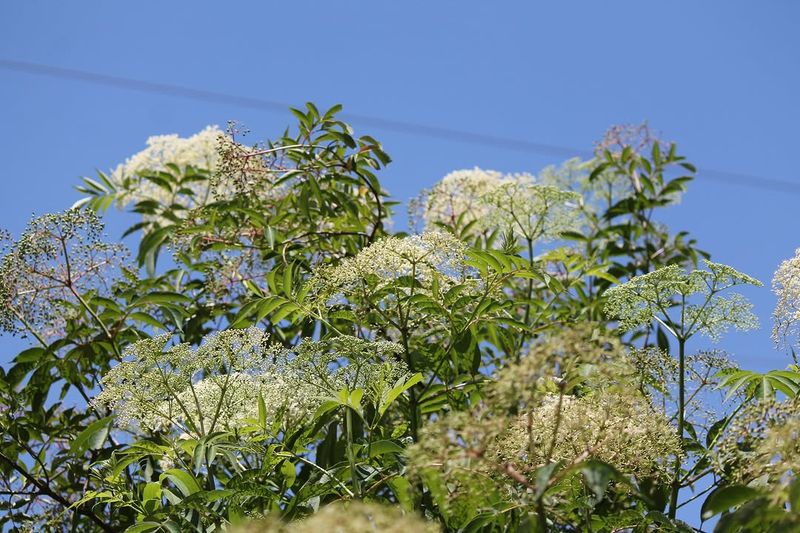
Shrubs along your yard’s edges do more than block wind or add privacy.
Fireflies are edge creatures. They prefer the transition zones between open lawn and dense vegetation.
A solid shrub border creates exactly that kind of layered habitat where fireflies feel comfortable gathering, flashing, and mating.
Native shrubs like beautyberry, buttonbush, and Virginia sweetspire are especially good choices. They grow densely, support insects that firefly larvae feed on, and stay leafy through the entire summer season.
The base of shrub borders tends to stay shaded and slightly moist. Leaf litter collects there naturally.
That combination of shade, moisture, and organic debris is prime firefly territory.
Keep the area under your shrubs relatively undisturbed. Avoid blowing out leaves or raking the base clean every week.
That accumulated debris is part of what makes the habitat functional for larvae moving through the soil.
Shrub borders also reduce light intrusion from streets and neighboring yards. Excess artificial light disrupts firefly flash patterns and can interfere with mating.
Dense shrubs help block that light and keep your yard darker where it counts.
You don’t need a perfectly shaped hedge. A relaxed, slightly overgrown shrub line along a fence or property edge will serve fireflies far better than a tightly pruned row.
Let it grow a little wild and watch what shows up after dark.
5. Woodland Edges Support Firefly Activity
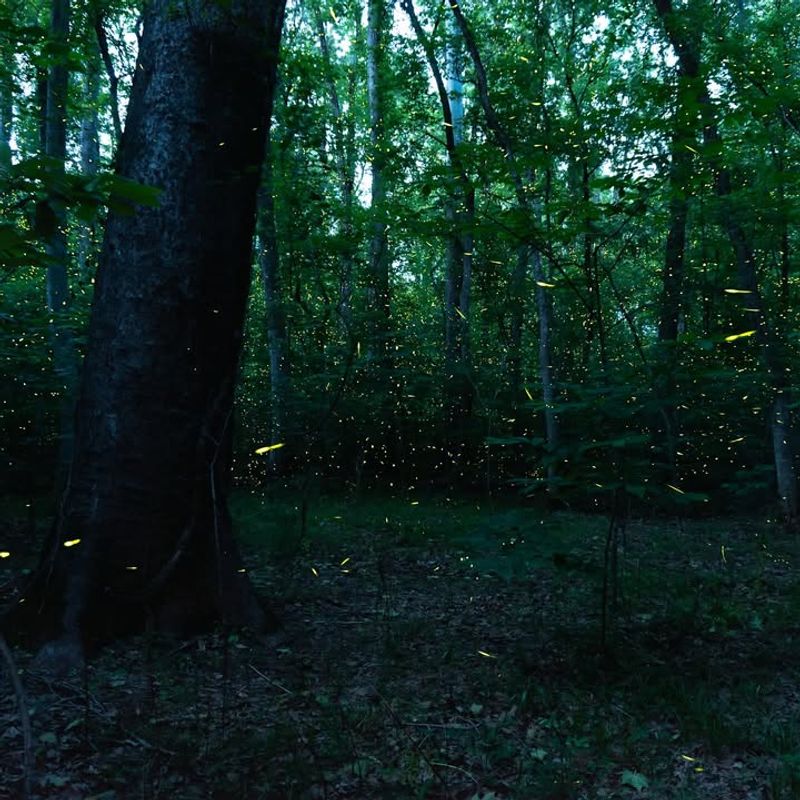
Where your lawn meets a treeline is one of the most valuable spots in your entire yard for fireflies.
Woodland edges combine open space for flashing with dense cover for resting and laying eggs. That contrast is exactly what fireflies look for when choosing where to spend the summer.
The more defined and consistent that edge is, the more reliably fireflies will return to it.
Tall trees create canopy that holds humidity lower to the ground. The understory beneath them stays cooler, and the soil stays moister longer after rain.
Both conditions support firefly larvae, which need that consistent environment to develop through spring and into summer.
Avoid mowing right up to the treeline. Leaving a strip of unmowed grass or low native plants along that edge creates a buffer zone that fireflies actively use.
Even a few feet of unmowed border makes a real difference.
Leaf litter that accumulates naturally along woodland edges should stay put. Raking it away removes the organic layer where larvae travel and hunt near the soil surface.
If your yard backs up to woods or a natural area, you already have one of the best firefly habitats possible. The key is not disrupting it.
Limit foot traffic, keep lights pointed away from that edge at night, and let the natural debris build up undisturbed.
6. Pine Straw Helps Keep Soil Cooler
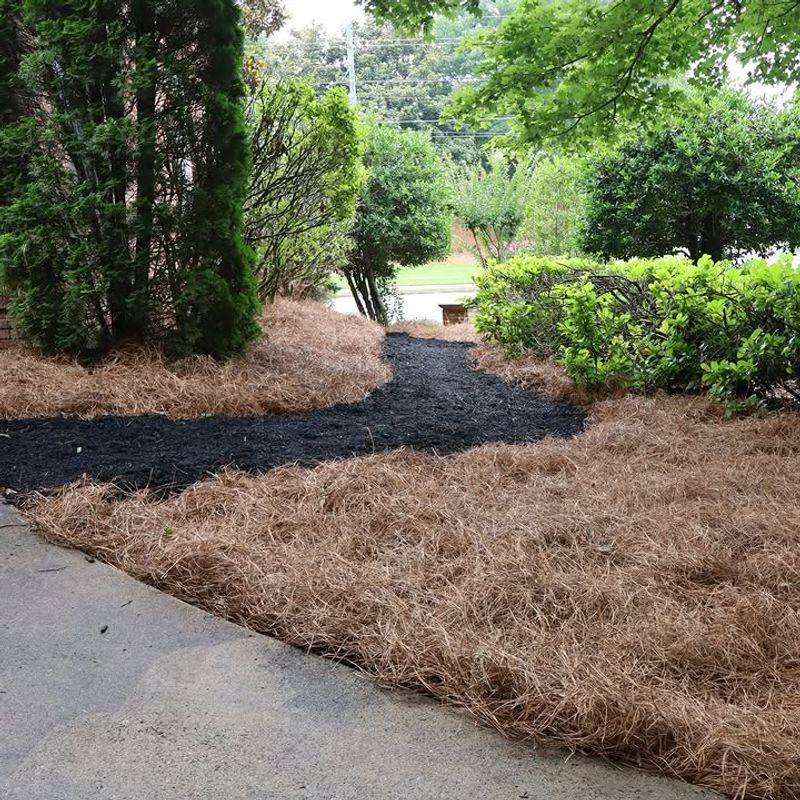
Pine straw is everywhere in Georgia yards, and it turns out fireflies are pretty fond of it.
A thick layer of pine straw mulch insulates soil from summer heat. Ground temperatures under pine straw can stay several degrees cooler than bare soil sitting in the sun.
For firefly larvae moving through the top few inches of earth, that temperature difference is significant.
Pine straw also breaks down slowly. As it decomposes, it adds organic matter to the soil and supports the small invertebrates that larvae feed on.
It’s not a sterile mulch. It’s a living layer that does real work over time.
Naturally fallen pine straw under trees is worth leaving in place. Raking it all away and replacing it with dyed wood mulch removes that insulating layer and can reduce soil moisture more than most people expect.
In garden beds near your firefly-friendly zones, use pine straw instead of synthetic ground covers. It lets water pass through easily, keeps roots cool, and maintains the kind of loose, breathable soil structure that larvae need to move around in.
Avoid piling pine straw too thick in any single spot. A two to three inch layer is effective without smothering the soil underneath completely.
Pine straw is cheap, widely available, and already familiar to most Southern gardeners.
7. Plant Debris Creates Safe Hiding Spots
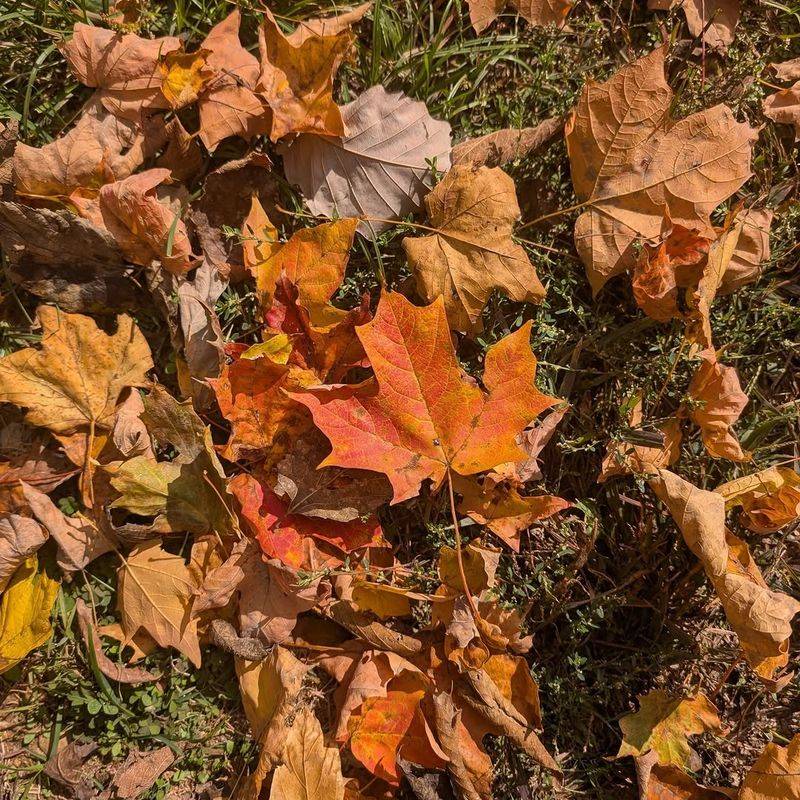
Cleaning up every fallen leaf and twig might feel like good yard care. For fireflies, it’s the opposite of helpful.
Plant debris on the ground creates the layered, complex environment that firefly larvae need to survive. Fallen leaves, broken stems, seed pods, and small twigs all contribute to a loose organic layer that holds moisture and harbors small prey insects.
Firefly larvae are active hunters. They move through soft soil and debris looking for worms, snails, and other soft-bodied creatures.
A bare, raked-clean garden bed offers almost nothing for them to work with.
Leave leaf litter under trees and along garden borders through the summer. June is not the time for a deep cleanup.
Larvae that hatched in spring are actively developing right now, and disturbing that debris layer disrupts their habitat at a critical stage.
Fallen flower stems and old perennial stalks also count. Don’t cut everything to the ground and haul it off.
Let some of it sit and break down naturally where it fell.
Piles of plant debris near shaded areas are especially valuable. They stay moist longer and attract more invertebrate life than debris sitting in open sun.