Native Michigan Plants To Use Along Wooded Edges As Part Of A Tick-Smart Yard Design
The wooded edge of a Michigan yard is not just a landscape feature. For ticks, it is prime real estate.
Shaded, leafy, and right at the boundary where people, kids, and pets transition between the open lawn and the tree line, these edges are some of the highest-contact tick zones in any Michigan yard.
Smarter planting choices alone will not solve the problem, but combined with regular leaf litter cleanup, trimmed low brush, and a wood chip or gravel barrier between the lawn and the woods, a well-planted edge becomes a much less inviting place for ticks to wait.
The goal is not a sterile yard. It is a cleaner, more open transition that works in your favor rather than theirs.
1. Pennsylvania Sedge Keeps Shady Edges Low
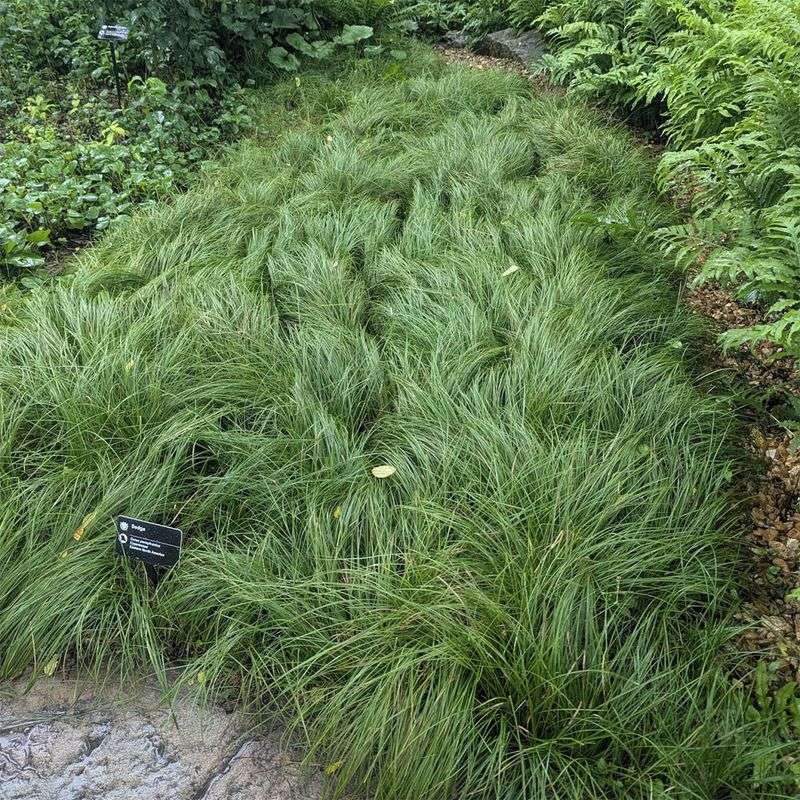
Shaded edges under Michigan’s oak and maple canopies can be some of the trickiest spots to manage in a tick-smart yard design.
Tall, dense, brushy growth tends to creep in fast once the sun is blocked, and before long you have the kind of thick, low cover that makes it harder to keep the edge clean and open.
Pennsylvania sedge is a low-growing native that stays under a foot tall and forms a soft, fine-textured mat that hugs the ground without building up the kind of dense brushy layer ticks tend to move through.
In Michigan, this sedge is well suited to shaded and partly shaded spots with decent moisture, making it a natural fit under trees along a wooded border.
It does not form aggressive clumps that crowd out everything around it, and it stays low enough that you can see and access the ground beneath it without difficulty.
That openness matters when you are trying to keep a yard edge manageable and easy to inspect.
Pairing Pennsylvania sedge with regular leaf-litter removal in fall and spring is important because leaf buildup around any low planting can create the kind of humid, shaded microhabitat that ticks prefer.
A wood chip or gravel barrier between the sedge planting and your main lawn area adds another useful layer to a tick-smart edge plan.
This sedge also provides modest wildlife value for small ground-foraging birds and insects.
2. Little Bluestem Adds Structure Without Heavy Brush
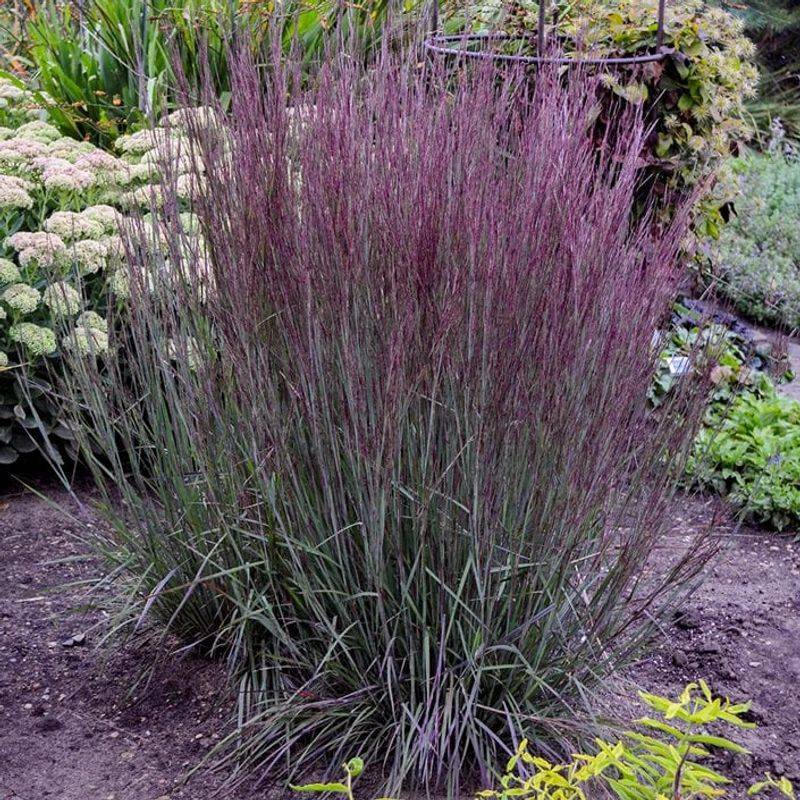
Walking along a Michigan yard’s sunny edge in late summer, you have probably noticed how some grasses stay open and upright while others flop over and create a tangled mat of stems and leaves near the ground.
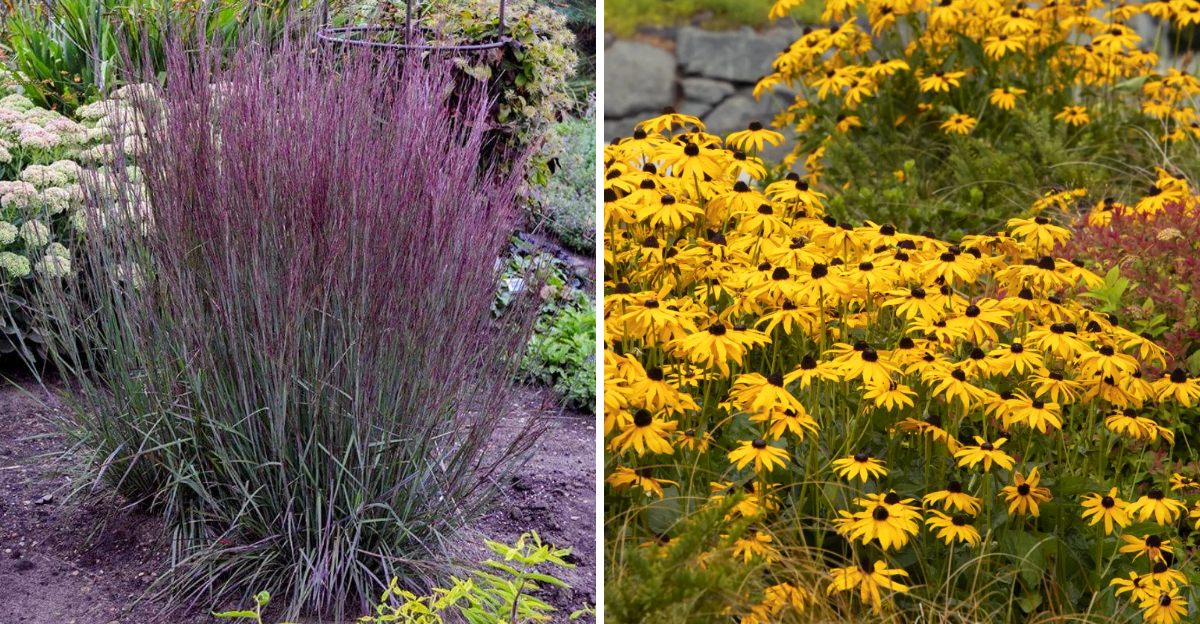
Little bluestem is one of the better-behaved native grasses for a tick-smart edge because it grows in distinct, upright clumps that do not sprawl into dense, low-lying cover.
This native grass typically reaches two to four feet tall and works well along sunny to partly sunny transition zones between a maintained lawn and a wooded or shrubby border.
Its upright, clumping habit means air moves through it freely, which helps the base of the planting stay drier and more open than a sprawling grass would.
Ticks tend to prefer areas that are shaded, humid, and densely covered near ground level, so an open, airy planting like little bluestem fits more naturally into a lower-contact edge design.
Your Michigan Garden Changes Every Week. Your Plan Should Too.
Gardening in Michigan changes quickly throughout the season. Every Friday you’ll receive a simple weekly plan showing exactly what to plant, prune, fertilize, harvest, and protect so you never miss the right timing.
Little bluestem is not a tick repellent, and it should still be paired with leaf-litter cleanup and a gravel or wood chip barrier to get the most out of a tick-smart yard plan.
In Michigan, it offers excellent fall color with reddish-bronze stems and fluffy seed heads that attract birds through winter.
Spacing clumps a foot or more apart keeps the base of each plant visible and easier to maintain throughout the growing season.
3. Prairie Dropseed Softens Sunny Transition Zones
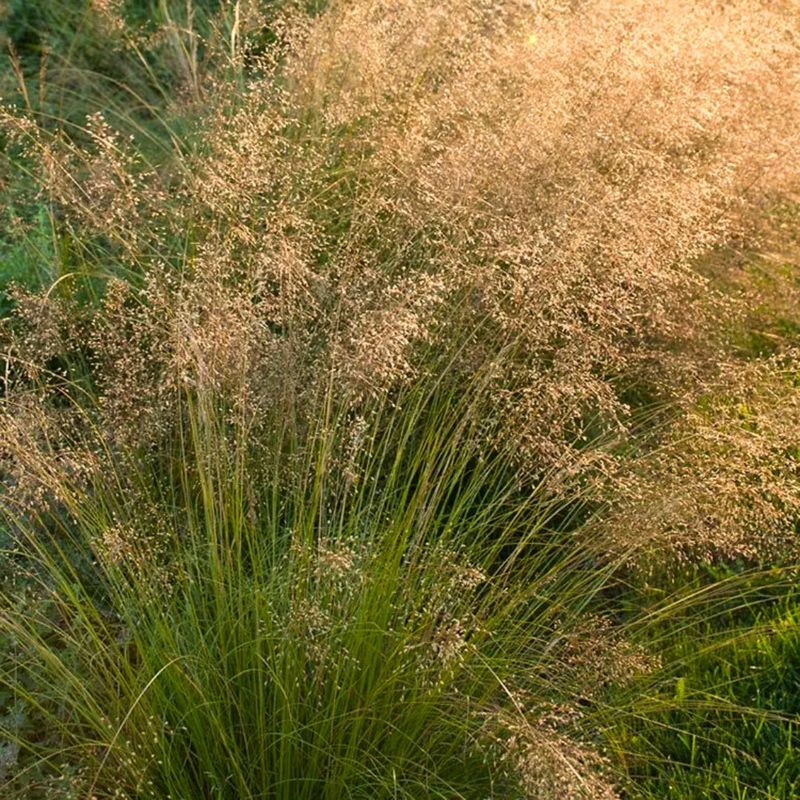
Few native grasses in Michigan have the kind of refined, almost delicate texture that prairie dropseed brings to a sunny yard edge.
Its fine, arching blades form a low, fountain-shaped mound that softens the hard line between a maintained lawn and a wooded or brushy border without growing tall enough to create the kind of dense, shaded cover that makes an edge harder to manage.
Prairie dropseed generally stays under two feet tall, which keeps it well within sight and easy to work around when you are doing seasonal edge cleanup.
In Michigan, it performs best in sunny to partly sunny spots with well-drained soil, making it a good candidate for dry, open transition zones along a yard’s edge where heavier plants tend to struggle.
Its low, mounding form does not build up the kind of thick leaf litter at the base that some taller grasses do, which helps reduce one of the conditions that can make an edge less tick-smart over time.
Fragrant late-summer seed heads are a bonus with prairie dropseed, and they attract small seed-eating birds as fall approaches.
Like any planting along a wooded edge, it works best when combined with regular leaf-litter removal, trimmed brush nearby, and a physical barrier like gravel or wood chips between the planting and your lawn.
Giving each plant enough space to be appreciated as an individual mound also keeps the edge looking intentional rather than overgrown.
4. Butterfly Weed Brightens Dry Open Edges
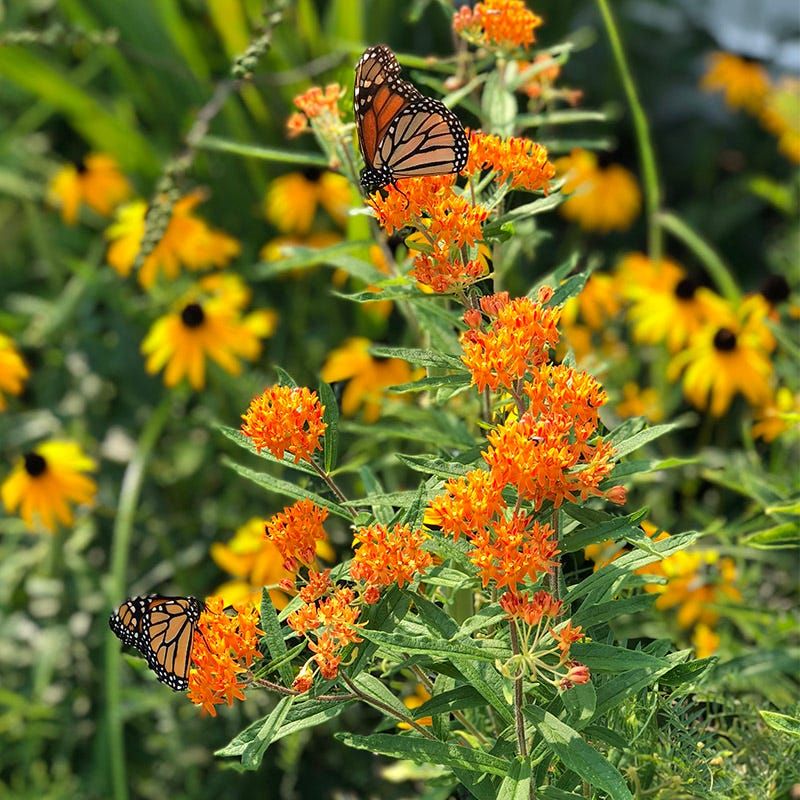
Bright orange flower clusters rising above a dry, sunny edge in midsummer are one of Michigan’s most cheerful native plant sights, and butterfly weed earns that attention without asking for much in return.
This native milkweed relative thrives in dry, well-drained soils where many plants struggle, which makes it a natural fit for the kind of hot, open, sunny edges that often border Michigan yards along fence lines, gravel paths, or south-facing tree lines.
Because butterfly weed prefers dry, open conditions and does not develop the kind of lush, dense, low-growing foliage that ticks tend to move through, it fits reasonably well into a tick-smart edge design when the site is kept open around it.
Removing leaf litter in fall and keeping the surrounding area clear of brushy debris helps maintain the kind of dry, open microhabitat that makes this edge less hospitable to ticks over time.
Butterfly weed is also a valuable host plant for monarch butterflies and other pollinators, which makes it a strong choice for gardeners who want to support wildlife while keeping the yard edge manageable.
It grows slowly at first because it puts energy into developing a deep taproot, so patience is worthwhile in the first season or two.
Once established, it is quite resilient and rarely needs supplemental watering in a typical summer. Spacing plants openly and avoiding heavy mulch at the base keeps the planting looking clean.
5. Wild Bergamot Brings Flowers To Managed Borders
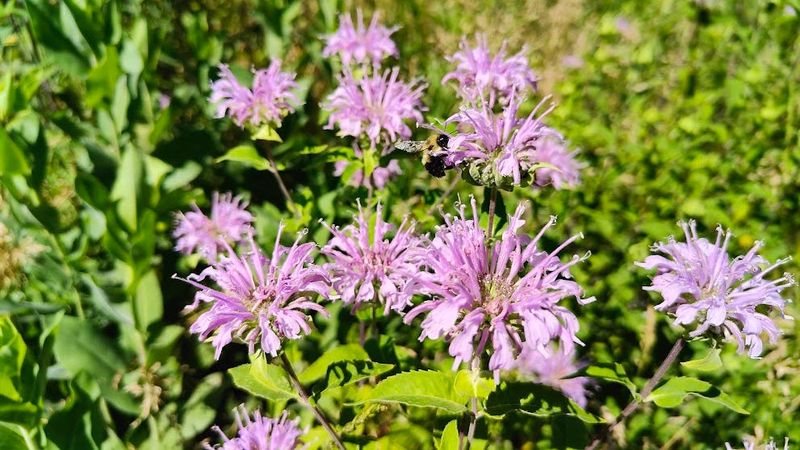
Lavender-pink flower heads nodding in a warm Michigan breeze along a managed yard border have a way of making an edge feel intentional rather than neglected.
Wild bergamot is a native prairie and open-woodland plant that brings real floral interest to sunny and partly sunny edges without developing the kind of sprawling, low, dense cover that makes a border harder to keep clean.
In Michigan, wild bergamot grows best in sunny to partly sunny spots with average to dry, well-drained soil.
It typically reaches two to four feet tall with upright stems that stay open at the base, which makes it easier to see the ground around it and keep leaf litter cleared away.
That visibility matters in a tick-smart yard plan because dense, low, shaded ground cover near a wooded edge is one of the conditions you want to minimize in high-use areas near paths, patios, and pet routes.
Wild bergamot spreads gradually by rhizome, so giving it defined edges and checking its spread each spring helps keep the planting tidy and prevents it from creeping into areas you want to keep more open.
It is a strong pollinator plant that supports native bees, butterflies, and hummingbirds through summer.
Cutting stems back after flowering and removing old plant material in fall helps keep the base of the planting open and reduces the buildup of dense debris that ticks can shelter in along a Michigan yard edge.
6. Black-Eyed Susan Adds Color Without Dense Cover
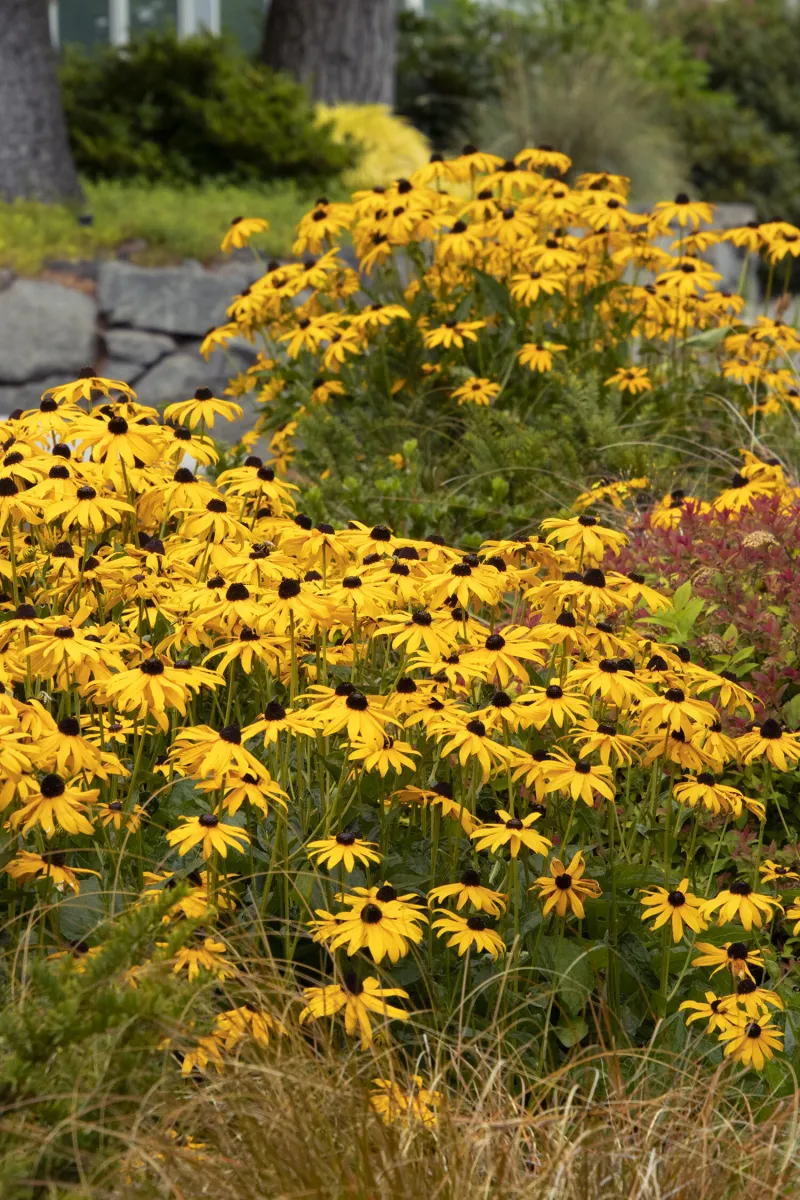
Golden-yellow flowers with deep brown centers are about as classic a Michigan summer sight as a firefly after dark, and black-eyed Susan earns its place in a tick-smart yard edge plan by delivering that color without building up heavy, dense foliage near the ground.
Its upright, open growth habit keeps the base of the planting visible and accessible, which is exactly what you want when managing a yard edge near a wooded border, path, or patio.
Black-eyed Susan grows well in sunny to partly sunny spots with average to dry, well-drained soils. It typically reaches one to three feet tall depending on the site, and its stems are upright enough that air circulates freely through the planting.
That open, airy structure is more compatible with a tick-smart design than low, sprawling plants that trap moisture and leaf debris close to the ground.
One thing to keep in mind is that black-eyed Susan self-seeds freely, so the planting can spread over time if seed heads are left in place through winter.
Managing the spread each spring helps keep the edge intentional and prevents a patchy, uneven look along the border.
Removing old plant material and leaf litter in fall is still an important step regardless of what you plant along a Michigan wooded edge.
Paired with a gravel or wood chip barrier and regular edge maintenance, black-eyed Susan gives you reliable color with a manageable footprint through the growing season.
7. Wild Strawberry Fills Sunny Edge Gaps
Ground-level gaps along a Michigan yard’s sunny edge can be tricky to manage. Leave them bare and weeds move in fast.
Fill them with the wrong plant and you end up with something too dense, too sprawling, or too difficult to keep clean near a wooded border.
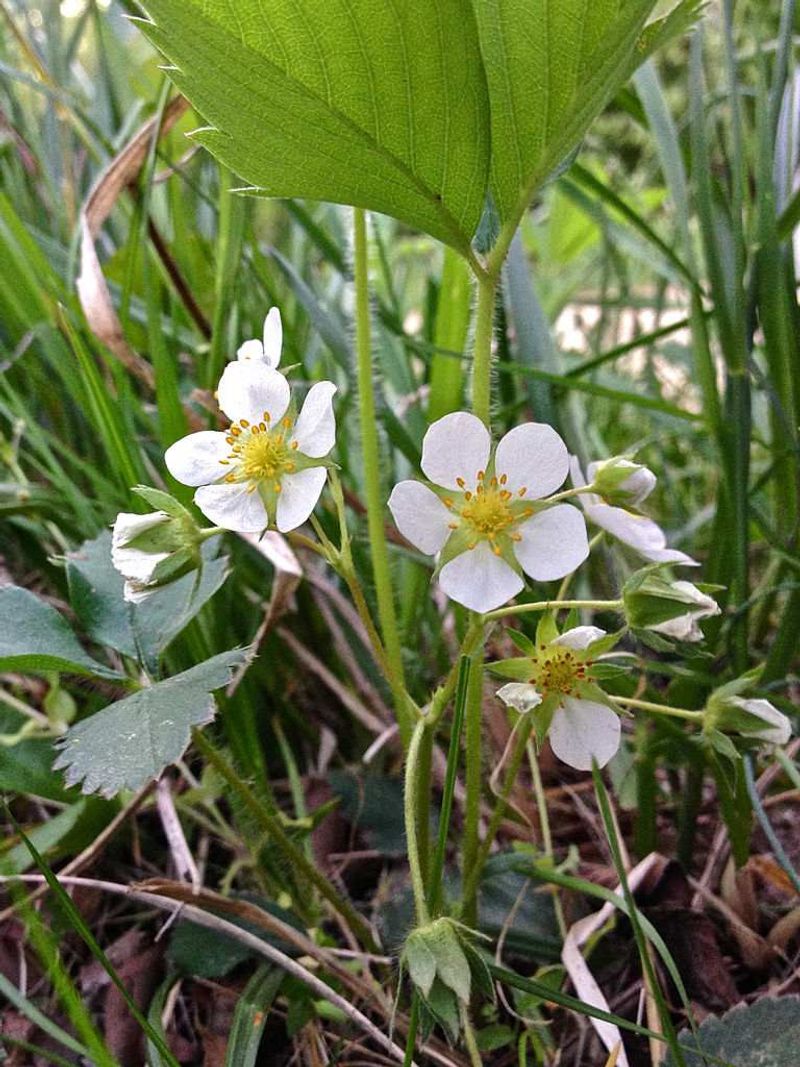
Wild strawberry offers a low, open ground-layer option that fills edge gaps without building up into the kind of thick, tangled mat that creates a more tick-friendly microhabitat.
This native plant stays low to the ground, typically just a few inches tall, and spreads by runners rather than seed.
Its small white spring flowers and tiny red summer fruits are a bonus for wildlife and a pleasant surprise for anyone walking the edge of a Michigan yard in early summer.
Because it stays so close to the ground and does not develop dense, layered foliage, it is easier to keep clean than many other low-growing options.
Wild strawberry works best in sunny to partly sunny spots with well-drained to average Michigan soil. It tolerates some dryness once established, which makes it a reasonable fit for open, south-facing edges that get full afternoon sun.
Removing leaf litter that settles into the planting in fall is still important because even a low planting can trap debris that creates humidity near the soil surface.
Keeping the surrounding edge trimmed and clear reinforces the kind of open, managed yard border that fits into a practical tick-smart design.
8. Bearberry Covers Dry Sandy Edges Low To The Ground
Sandy, dry edges along Michigan’s wooded borders can be some of the hardest spots to keep planted and looking intentional.
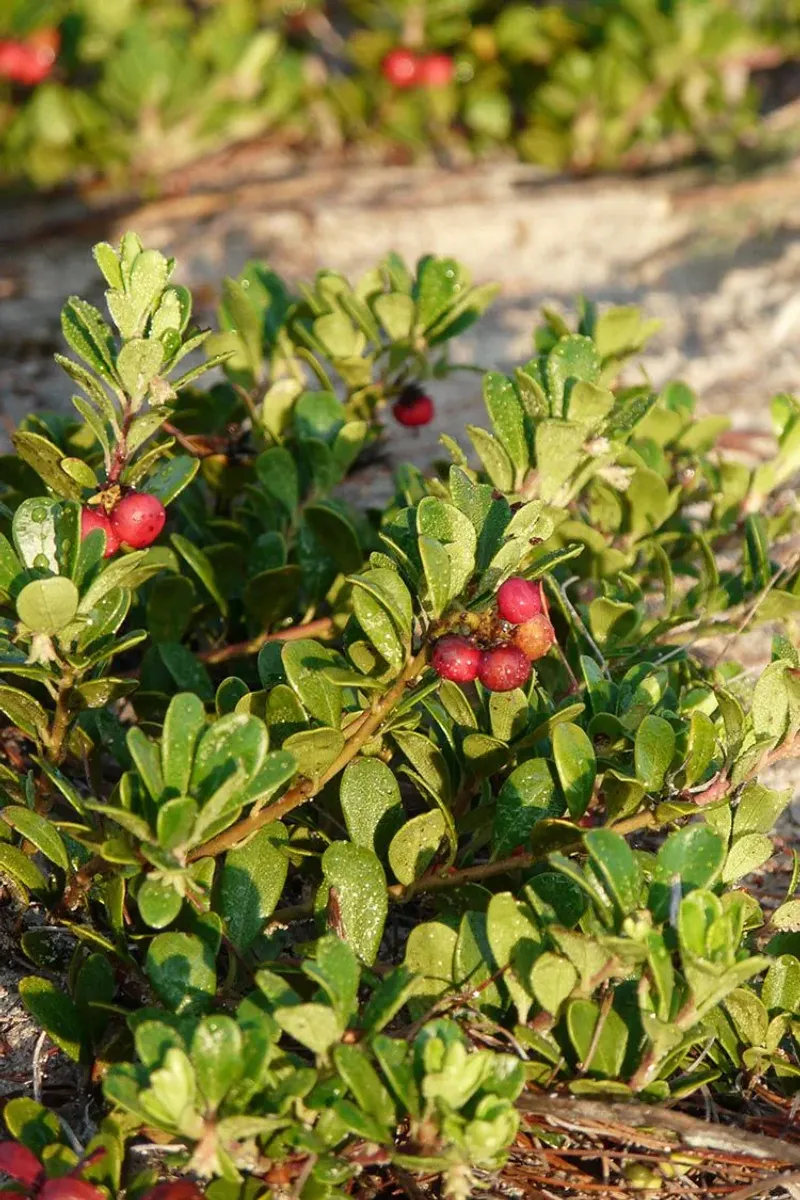
Bearberry is a low, trailing native shrub that handles tough, dry, sandy conditions with ease.
It forms a dense mat of small, glossy leaves that stays close to the ground and covers soil without growing tall enough to create the brushy, shaded layer that makes an edge more difficult to manage.
In Michigan, bearberry is especially well suited to dry, acidic, sandy soils under or near pine and oak woodlands.
It typically stays under six inches tall, which keeps it well below the kind of height where low-hanging branches, tall grass, and dense shrubs start to create the humid, shaded conditions near ground level that ticks tend to prefer.
Its low mat habit also makes it easy to see and access the area around it during seasonal cleanup.
Bearberry is not a tick repellent, and leaf litter that blows into the mat from surrounding trees should still be raked out in fall and early spring as part of a complete tick-smart yard plan.
Small white or pink spring flowers and red fall berries add seasonal interest and provide food for birds and other wildlife.
Once established in the right site, bearberry rarely needs supplemental care, making it a low-maintenance choice for dry sandy Michigan yard edges where other ground covers tend to struggle or fade out by midsummer.