Give Georgia Coneflowers Some Attention In June And They Will Reward You All Summer Long
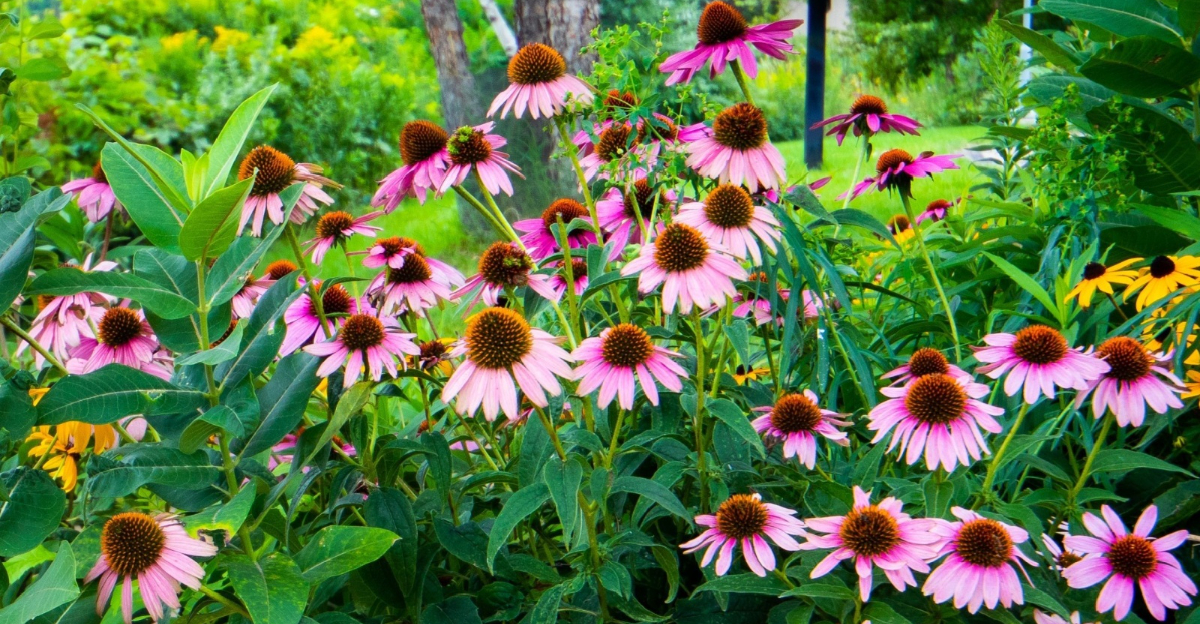
Coneflowers in a Georgia summer garden are a genuinely satisfying sight, bold blooms, busy pollinators, and that easygoing toughness that makes them a favorite for good reason. They don’t ask for a lot, which is part of the appeal.
But June is actually the perfect moment to spend a little quality time with these plants before the real heat arrives and makes everything more complicated.
Removing spent blooms, checking soil moisture, adding a fresh layer of mulch, and improving airflow around the base are all small tasks that can add up to a noticeably longer and fuller bloom season.
Georgia summers have a way of testing even the toughest perennials, so a little proactive care right now can go a long way toward keeping coneflowers looking their best well into the hottest months.
1. Deadheading Keeps New Blooms Coming
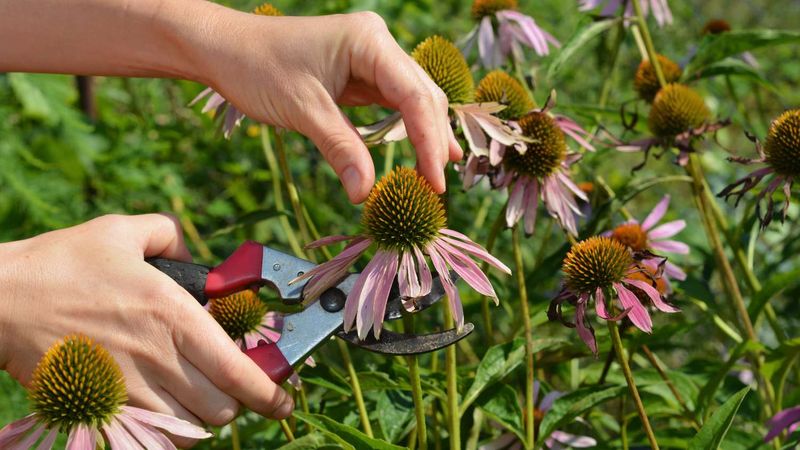
Fading blooms on a coneflower plant are easy to overlook when the garden is full of color, but those spent flowers can quietly slow down new bud production.
Deadheading, which simply means removing flowers once they start to fade, encourages the plant to put energy toward forming new blooms rather than setting seed.
For Georgia gardeners working through warm June mornings, this one habit can make a noticeable difference in how long a coneflower bed stays colorful.
To deadhead correctly, trace the fading flower stem down to the nearest set of healthy leaves or a side shoot and snip cleanly just above it. Sharp, clean pruners or garden scissors work well and reduce the chance of damaging the stem.
Try to deadhead every week or so during peak bloom season, since flowers can fade quickly in Georgia’s summer heat.
Not every plant will respond the same way. Coneflowers in well-drained, sunny spots with healthy soil tend to rebloom more reliably after deadheading than those growing in crowded or partially shaded areas.
Younger, established plants often respond better than very old clumps that may need dividing. Even when results vary, regular deadheading keeps the bed looking tidy and gives pollinators a steady supply of fresh flowers to visit throughout the summer.
2. Full Sun Helps Coneflowers Bloom Strong
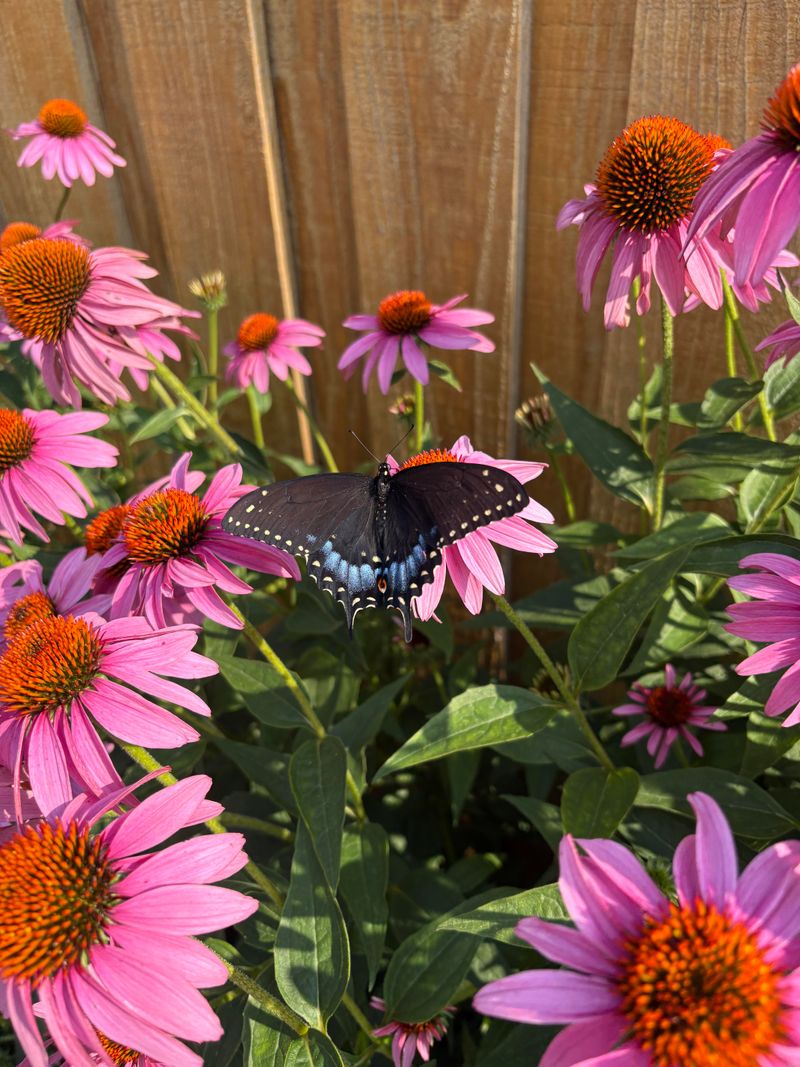
Walk through most successful Georgia pollinator gardens and you will notice one thing they share: coneflowers planted where sunlight reaches them for most of the day.
These plants are built for open, sunny spots, and June is when that sun exposure really starts to show its value.
Beds that receive at least six hours of direct sun tend to produce sturdier stems, more abundant blooms, and plants that hold up better against summer stress.
When coneflowers grow in too much shade, they often stretch toward available light, producing weaker stems that flop over and fewer flowers overall.
In Georgia’s humid climate, shaded plants also tend to have less airflow around them, which can make them more prone to fungal issues like powdery mildew.
If your coneflowers look leggy or are blooming sparsely, reduced sun exposure may be part of the reason.
Your Georgia Garden Changes Every Week. Your Plan Should Too.
Gardening in Georgia changes quickly throughout the season. Every Friday you’ll receive a simple weekly plan showing exactly what to plant, prune, fertilize, harvest, and protect so you never miss the right timing.
June is a good time to take note of how much sun your coneflower bed actually receives throughout the day. Trees and shrubs that have leafed out fully may now be casting more shade than they did in spring.
If shade has become a problem, consider whether transplanting in fall to a sunnier location might improve performance next season.
Coneflowers planted in well-drained soil with reliable sun access are far more likely to reward you with steady color from summer into early fall.
3. Deep Watering Supports Summer Roots
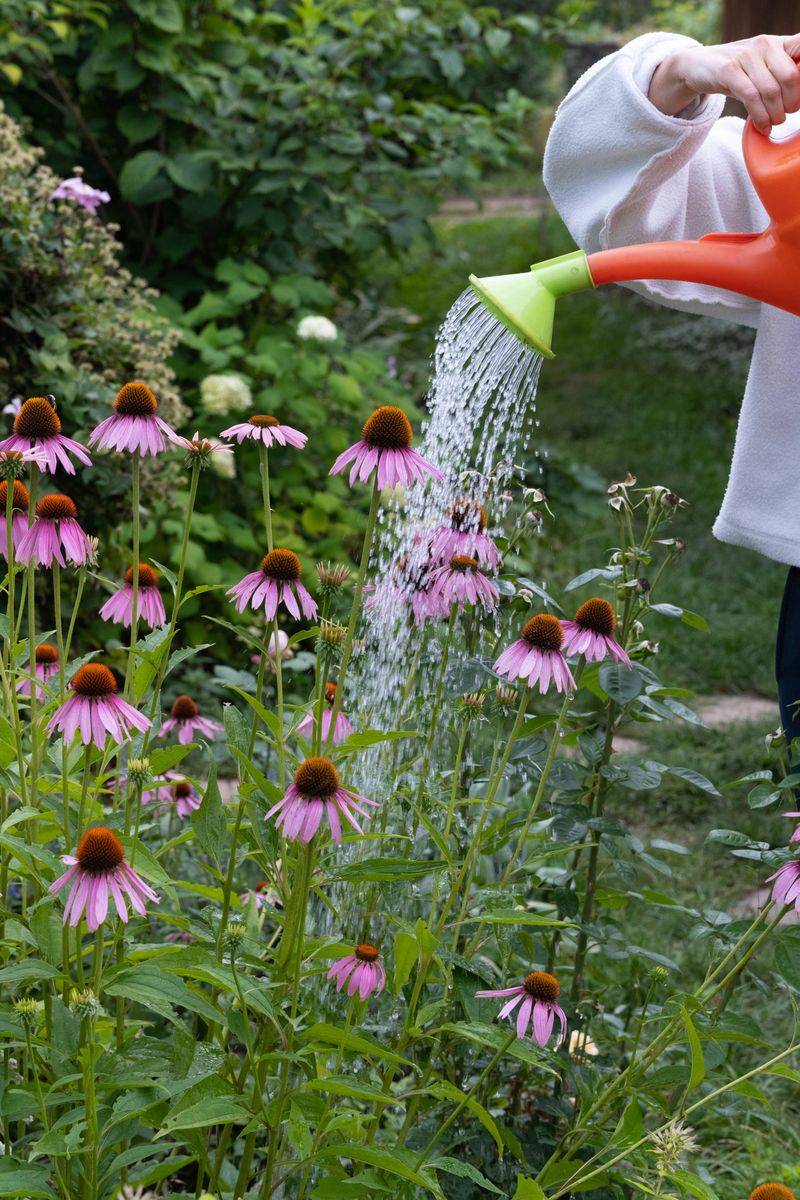
Hot afternoons in Georgia can pull moisture out of garden soil faster than most gardeners expect, especially in raised beds or areas with sandy soil.
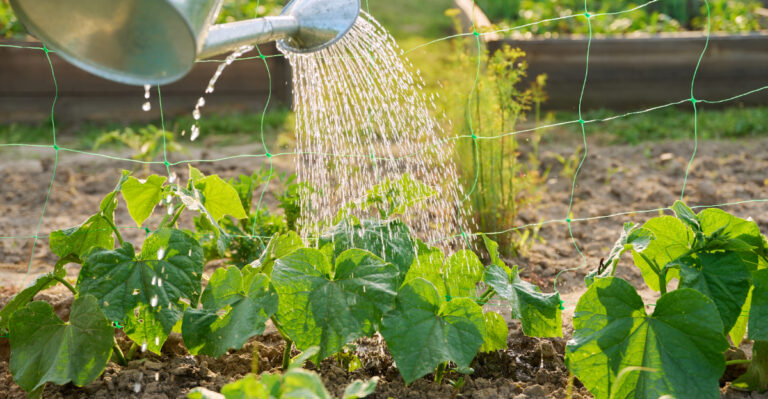
Coneflowers are reasonably drought-tolerant once established, but they still benefit from deep, thorough watering during dry spells in June before the roots have fully adjusted to summer conditions.
Shallow, frequent watering can lead to surface-level root development, leaving plants more vulnerable when heat intensifies.
Watering deeply and less often encourages roots to grow downward in search of moisture, which helps plants handle dry stretches more successfully.
A good practice is to water slowly at the base of the plant, allowing moisture to soak several inches into the soil rather than running off the surface.
Early morning watering works well in Georgia because it gives foliage time to dry before the humid evening air settles in.
Newly planted coneflowers need more consistent watering than established ones, so June is an especially important month for plants that went in the ground this spring. Established clumps may only need supplemental water during extended dry periods.
Checking the soil a few inches below the surface before watering helps avoid overwatering, which can be just as problematic as drought in Georgia’s warm, humid conditions.
Soggy soil can lead to root issues that weaken plants over time, so good drainage remains important no matter how hot the season gets.
4. Mulch Helps Soil Hold Moisture
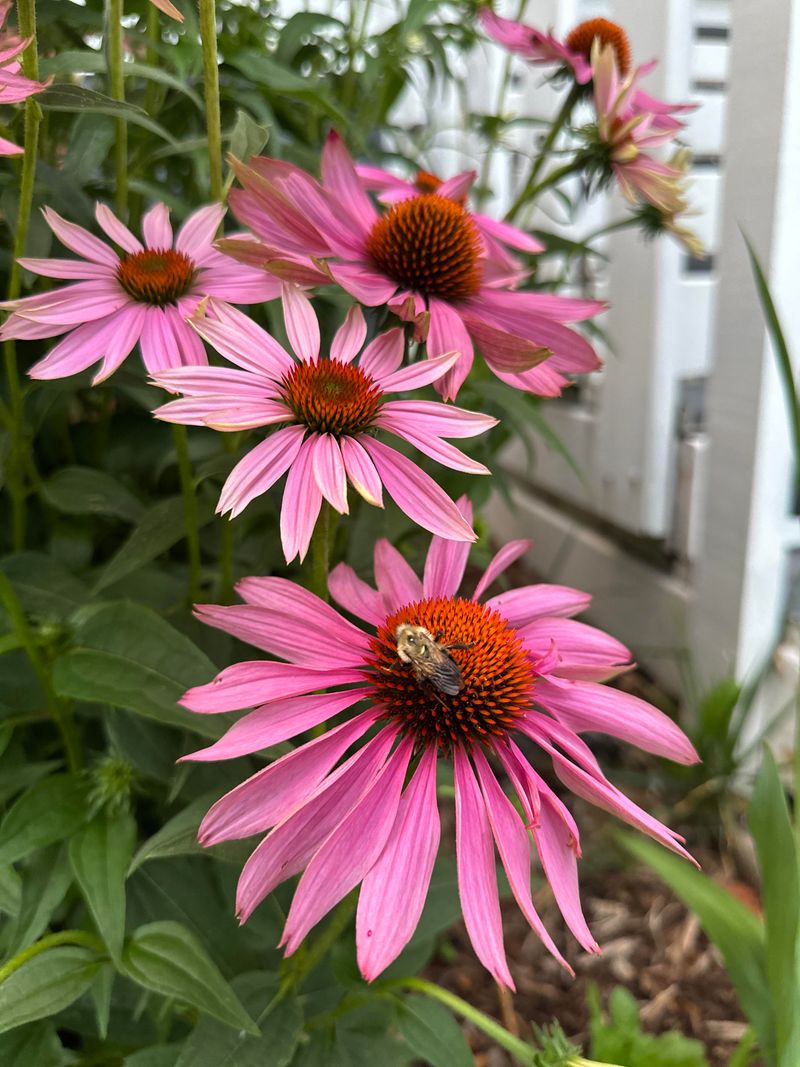
One of the most practical things a Georgia gardener can do for coneflowers in June is add a layer of mulch around the base of the plants.
As temperatures rise and the soil begins to dry out more quickly between rain events, mulch acts as a buffer that slows moisture loss and keeps root zones more comfortable.
A two-to-three-inch layer of organic mulch such as shredded bark, pine straw, or wood chips works well for most home landscapes.
Beyond moisture retention, mulch also helps moderate soil temperature. Georgia summers can push soil surface temperatures quite high on sunny days, and cooler soil tends to support healthier root activity.
Mulch also reduces weed competition, which is useful because weeds growing close to coneflowers compete for water and nutrients that the plants need during their peak bloom period.
When applying mulch, keep it a few inches away from the base of each plant to allow for airflow and prevent moisture from sitting directly against the stems.
Piling mulch up against stems can create conditions that invite rot or fungal problems, which are more common in Georgia’s humid summer climate.
Refreshing or topping off mulch in June, before the hottest stretch of summer arrives, gives coneflowers a better foundation for staying healthy and blooming consistently through the season. It is a small task with a meaningful payoff for the overall look and health of the bed.
5. Good Airflow Keeps Plants Looking Fresh
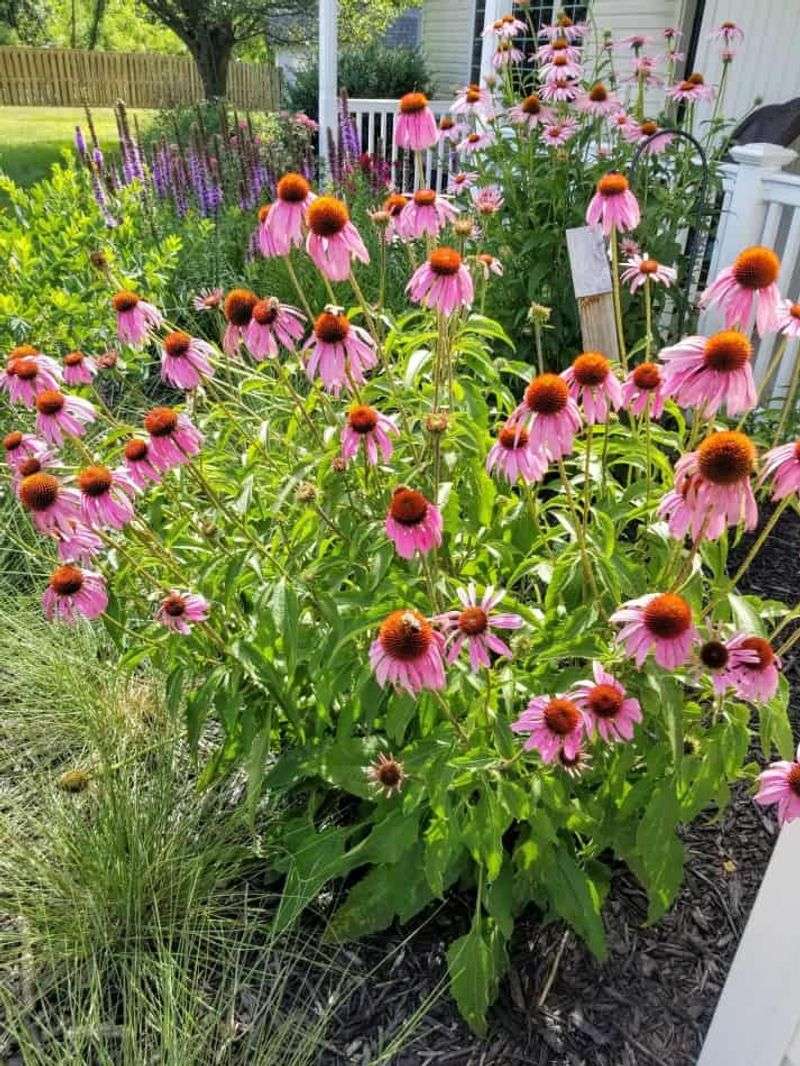
Humid mornings are a familiar part of Georgia summers, and that moisture in the air can linger around garden plants long enough to encourage fungal issues if airflow is poor.
Coneflowers growing in crowded conditions, pressed up against fences, walls, or dense plantings, are more likely to develop problems like powdery mildew on their foliage.
June is a good time to assess spacing and make adjustments where plants have grown into each other.
If your coneflowers are touching neighboring plants or growing very close together, gently thinning out some stems or relocating crowded plants in fall can help.
While it may not be ideal to move plants mid-summer, trimming back nearby overgrown perennials or shrubs that are pressing into the coneflower bed can open up airflow without disturbing roots.
Even small improvements in air circulation can make a visible difference in foliage health.
Proper spacing at planting time is the best long-term solution. Most coneflower varieties do well with about eighteen to twenty-four inches of space between plants, though this varies by cultivar.
In Georgia gardens where summer humidity is a consistent challenge, erring on the side of more space rather than less tends to support healthier, better-looking plants.
Well-spaced coneflowers also show off their blooms more effectively, making them a stronger visual element in mixed borders, pollinator beds, and cottage-style plantings throughout the summer season.
6. Spent Flowers Can Slow New Buds
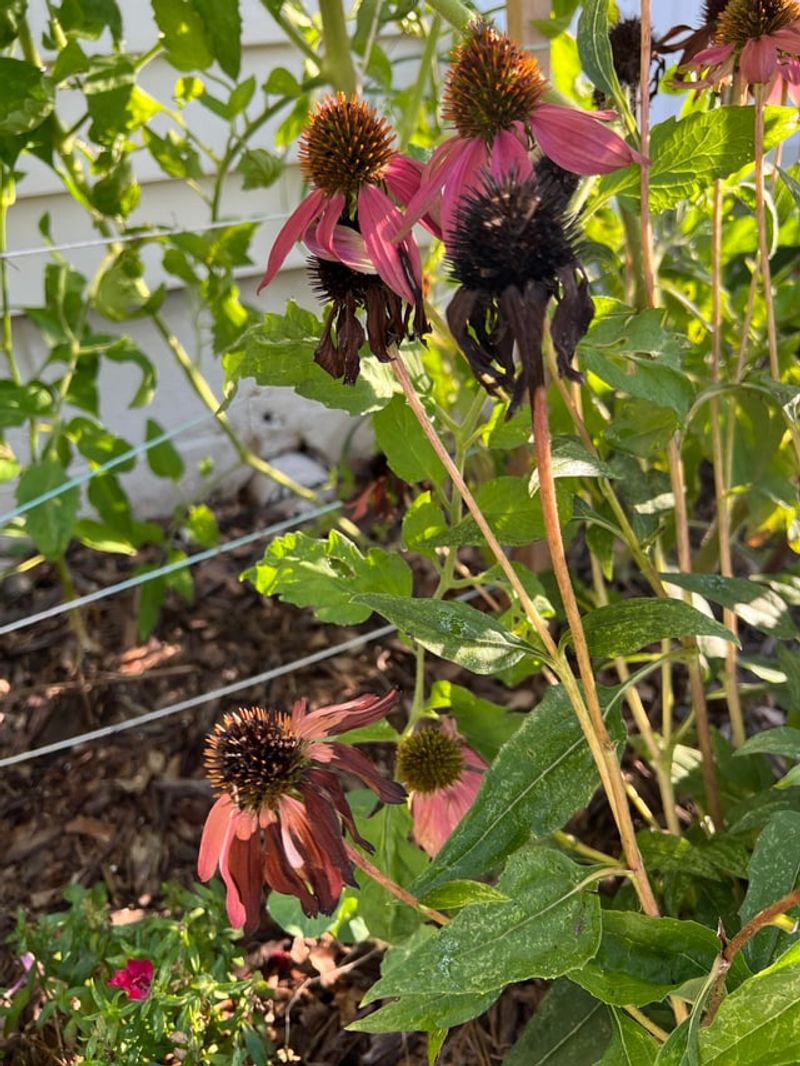
Most gardeners notice it eventually: a coneflower bed that was bursting with color in early June starts to look tired by midsummer if the spent blooms are left in place.
When a plant successfully produces a seedhead, it naturally begins to redirect energy away from flowering.
This is a normal part of the plant’s reproductive cycle, but it can work against your goal of keeping the bed colorful and attractive through summer.
Leaving too many spent flowers on the plant at once signals that the reproductive job is done, and new bud development often slows as a result.
Staying on top of deadheading through June and into July helps interrupt this cycle and encourages the plant to keep producing new flowers.
Even removing just the most faded blooms on a regular basis can extend the overall bloom period noticeably.
That said, the degree to which deadheading extends blooming varies from plant to plant and depends on factors like the specific cultivar, soil fertility, sun exposure, and overall plant health.
Some newer hybrid coneflower varieties have been bred to rebloom more readily than older straight species types.
In Georgia gardens, summer heat can stress even tough perennials, and keeping up with spent flower removal while maintaining good watering and mulching habits gives coneflowers solid overall support.
That combination can go a long way toward a longer, more productive bloom season that carries color well into the warmer months ahead.
7. Seedheads Feed Birds Later In The Season
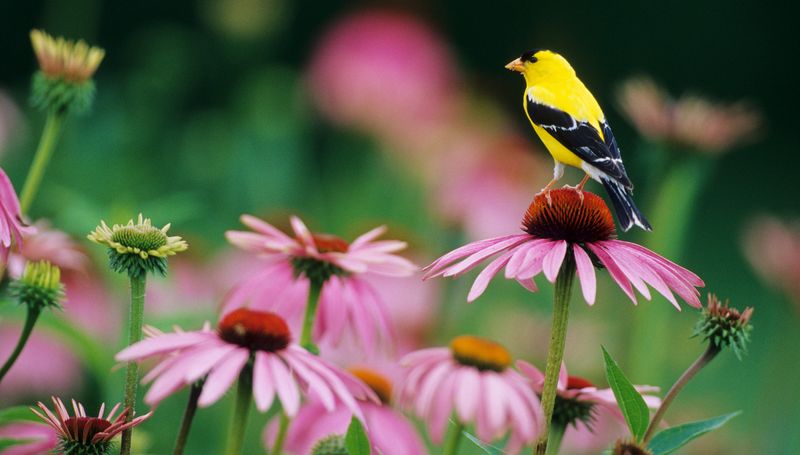
Not every spent coneflower bloom needs to come off. As summer winds down and early fall approaches, leaving some seedheads in place becomes one of the most rewarding choices a Georgia gardener can make.
Goldfinches, in particular, are well known for visiting coneflower seedheads to feed on the small seeds packed inside. Watching these bright birds work through a bed of dried coneflowers is one of the quieter pleasures of a Georgia autumn garden.
Seedheads also add visual interest to the garden during a time of year when fresh blooms are winding down.
The dark, spiky centers stand out against dried foliage and remaining perennial textures, giving the bed a naturalistic, layered look that many gardeners find appealing.
Mixed perennial borders and cottage-style plantings especially benefit from this kind of late-season structure.
The practical approach is to deadhead regularly through the active bloom period to encourage continued flowering, then ease off as summer transitions into fall and allow some seedheads to mature naturally.
This gives you the benefit of a longer bloom season earlier and a bird-friendly habitat later.
In Georgia gardens where native wildlife support is a priority, coneflower seedheads play a small but meaningful role in providing food at a time when natural seed sources are becoming more limited.
Leaving even a portion of the seedheads standing can make a difference for local bird populations through the cooler months ahead.
8. Light Care Keeps Coneflowers Garden-Ready
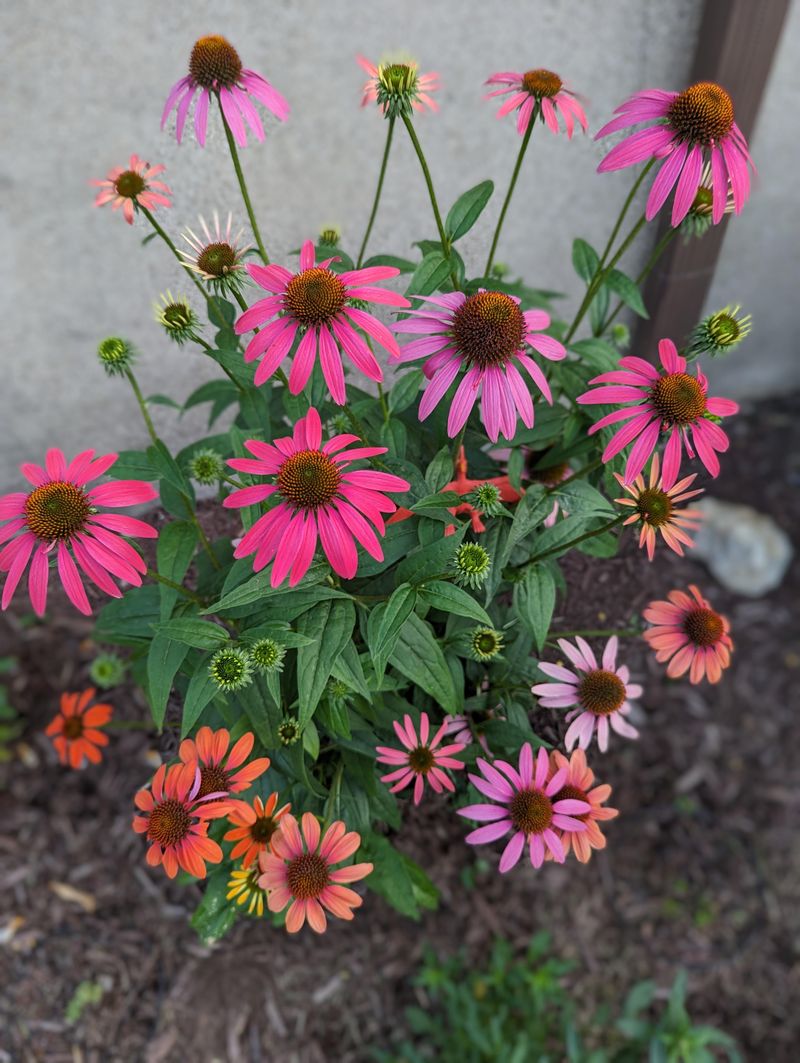
Some plants demand a lot of attention to stay looking their best, but coneflowers have a reputation for being relatively low-maintenance once they are well established in the right spot.
In a Georgia garden with good sun, decent drainage, and reasonable soil, a few consistent care habits in June can carry the plants through most of summer without a great deal of extra effort.
The key is doing the right things at the right time rather than doing everything at once.
Deadheading, checking soil moisture, refreshing mulch, and keeping an eye on airflow are the main tasks that make a real difference.
None of them require much time individually, but staying consistent with them through June and into July tends to produce better results than sporadic bursts of attention.
Think of it as a light, regular rhythm rather than a single major gardening session.
Coneflowers are not fragile plants, and they do not need constant fussing. But they do respond well to attentive, timely care, especially during the transition from spring into Georgia’s hotter summer conditions.
Gardeners who check in on their coneflower beds regularly through June, removing faded flowers, keeping roots watered during dry stretches, and watching for any signs of overcrowding or disease, tend to see the best results.
That consistent attention is what keeps a bed vibrant, healthy, and full of pollinator activity well into the season.