8 Florida Palm Trees That Stay Small And Are Less Likely To Damage Your Driveway
The wrong palm tree in the wrong spot can be one of the most expensive landscaping mistakes a Florida homeowner can make.
Not because the tree looks bad. It might look great for the first few years. The problem shows up later, when the roots find the concrete or when the trunk outgrows the space.
Florida nurseries sell thousands of palm trees every year to people who never asked how tall it gets or what the roots do near pavement.
Have you checked that information before your last palm purchase?
The good news is that the right choices are out there, and several of them deliver the full Florida tropical look in a genuinely compact package.
Some stay under five feet. Some grow so slowly they stay manageable for decades. A few work in spots where most plants would struggle entirely.
Eight specific options are worth knowing about before anything goes in the ground near your driveway.
1. Dwarf Palmetto Keeps Tropical Style Low
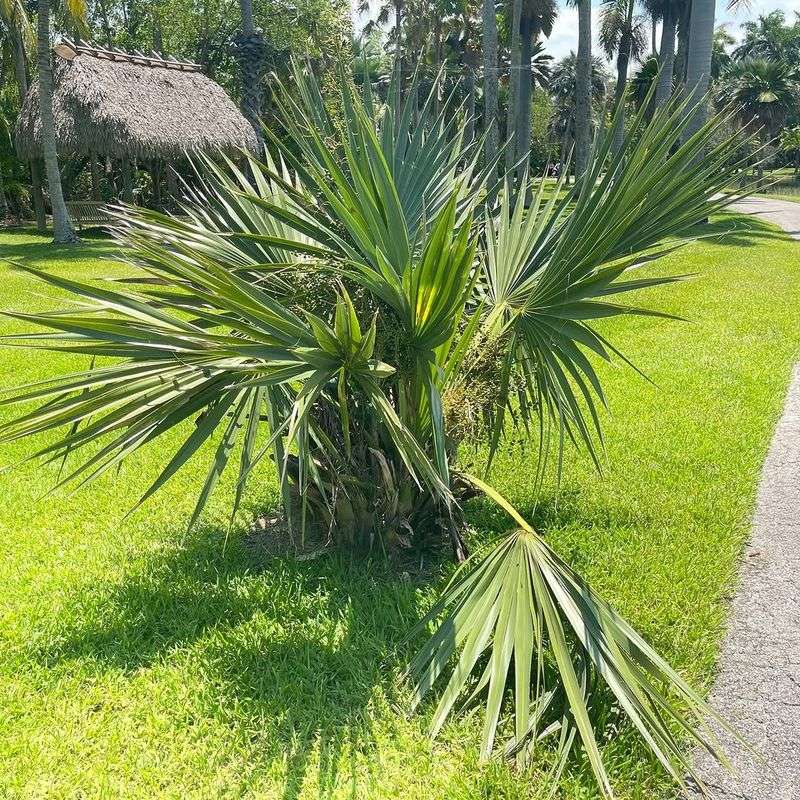
Fan leaves the size of dinner plates, a trunk that barely clears the ground, and no apparent interest in cracking your concrete.
That combination is what makes Dwarf Palmetto one of the most practical choices for compact Florida landscapes.
This native palm typically reaches two to four feet tall at maturity. That height makes it genuinely manageable in foundation beds, along fences, and in tight corners near driveways without the pavement below ever becoming a concern.
The root system is not aggressive. It works well beside concrete edges, brick pavers, and sidewalk borders without the tension that comes with larger species planted too close to hardscape.
The wide, arching fan leaves deliver a bold tropical look without demanding vertical space to do it. That is a combination Florida landscape design consistently struggles to find in a single plant.
Partial shade to full sun both work well, which gives real flexibility when dealing with shaded entry areas.
Water consistently through the first growing season while roots establish, then reduce frequency significantly. Once settled, this palm handles dry stretches without visible stress.
Grouping three or five together in a curved bed creates a layered, resort-style effect that reads as intentional rather than improvised.
Dwarf Palmetto is a native plant that behaves beautifully near hardscape, tolerates both sun and shade, and stays low. The only mystery is why more Florida driveways do not have one.
2. Needle Palm Handles Tight Spots With Slow Growth
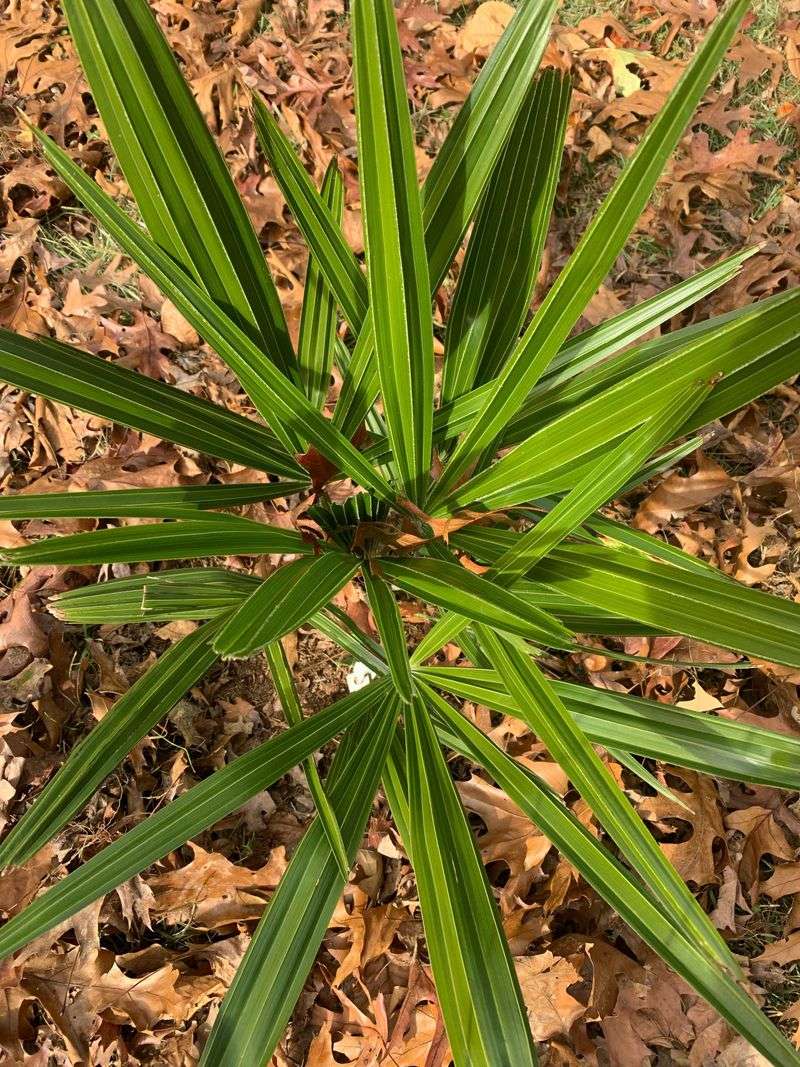
Slow and steady does not just win the race. Sometimes it saves your driveway too.
The Needle Palm is among the most cold-hardy palms available, capable of handling temperatures well below freezing.
That tolerance makes it a reliable option across all of Florida, including northern regions where many palms struggle or fail entirely during cold snaps.
It typically reaches five to ten feet over many years, with a clumping habit that stays dense and low rather than launching upward quickly.
That gradual pace is exactly what makes it appropriate near driveways and property edges where a fast-growing plant would quickly become a problem.
Your Florida Garden Changes Every Week. Your Plan Should Too.
Gardening in Florida changes quickly throughout the season. Every Friday you’ll receive a simple weekly plan showing exactly what to plant, prune, fertilize, harvest, and protect so you never miss the right timing.
The clumping growth pattern means it functions as a natural screen or accent rather than a single dominant trunk pushing outward.
Roots are not known for aggressive spread, making placement near hardscape considerably less risky than with larger species.
One thing worth noting clearly: the needle-sharp spines at the base of each frond are genuinely formidable. Keep this plant away from foot traffic paths, children’s areas, and anywhere people might brush against it without realizing what they are walking into.
Full sun to partial shade suits it well across most Florida soil types. Mulch around the base to retain moisture and keep the root zone cool through summer.
Once established, this palm is largely self-sufficient and asks very little in return.
Slow growth, low spread, cold hardy. The Needle Palm is basically the most low-drama palm Florida has to offer.
3. Lady Palm Brings Dense Green Screening Without Towering
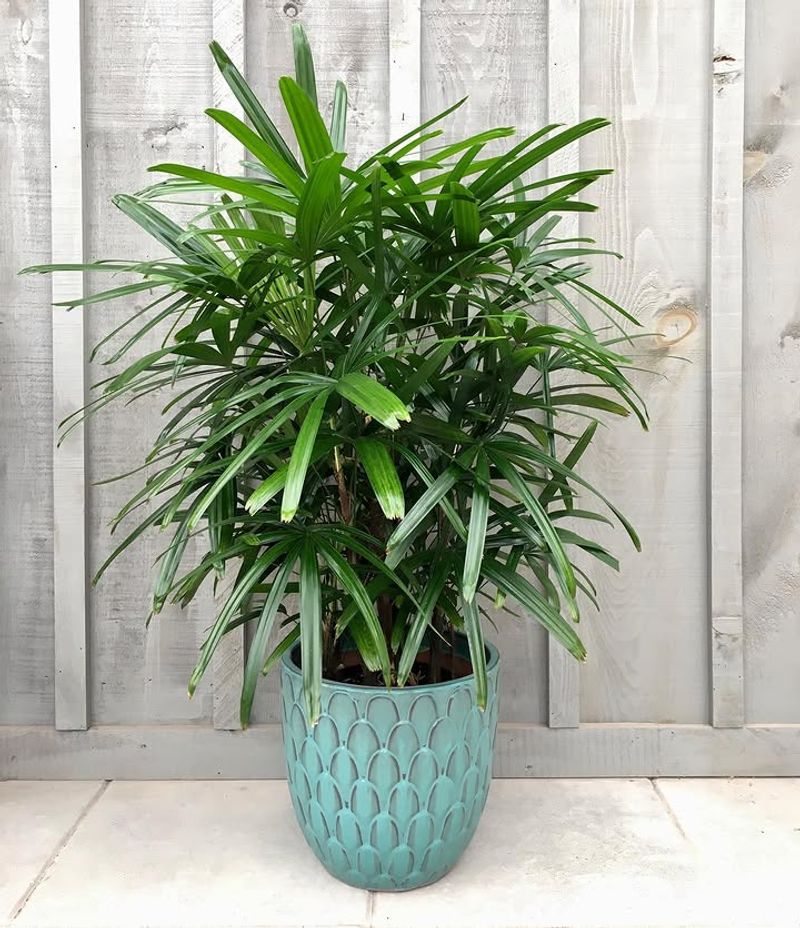
A wall of deep green, glossy fronds standing six to twelve feet tall without aggressive roots threatening nearby concrete. That is what the Lady Palm reliably delivers for Florida landscapes.
This multi-stemmed palm thrives in shade and partial sun, which makes it one of the more versatile screening options available in a state where many plants demand full sun or underperform in shadier conditions.
The clustering stem habit is what makes it practical near driveways and walkways. Instead of one large trunk pushing outward, it produces many slender canes that grow upright and stay within a contained footprint.
The result is density and privacy without lateral spread. Place it along a fence line, beside a garage wall, or in a shaded entry corner for a lush buffer that reads as polished rather than overgrown.
Well-drained soil with consistent moisture keeps it performing well, particularly through Florida’s dry winter months.
Feed with a palm-specific slow-release fertilizer that includes magnesium and manganese to maintain vibrant frond color.
Avoid overhead irrigation that sits on the foliage for extended periods since prolonged moisture can invite fungal problems.
Prune only brown or fully yellowed fronds. The density of this plant is its primary visual strength, and over-trimming removes exactly what makes it effective.
Lady Palm does its best work in the spots most palms would rather avoid. Shade, tight spaces, entries without great light. That is where this plant earns its place.
4. Pygmy Date Palm Adds Small Scale Resort Energy
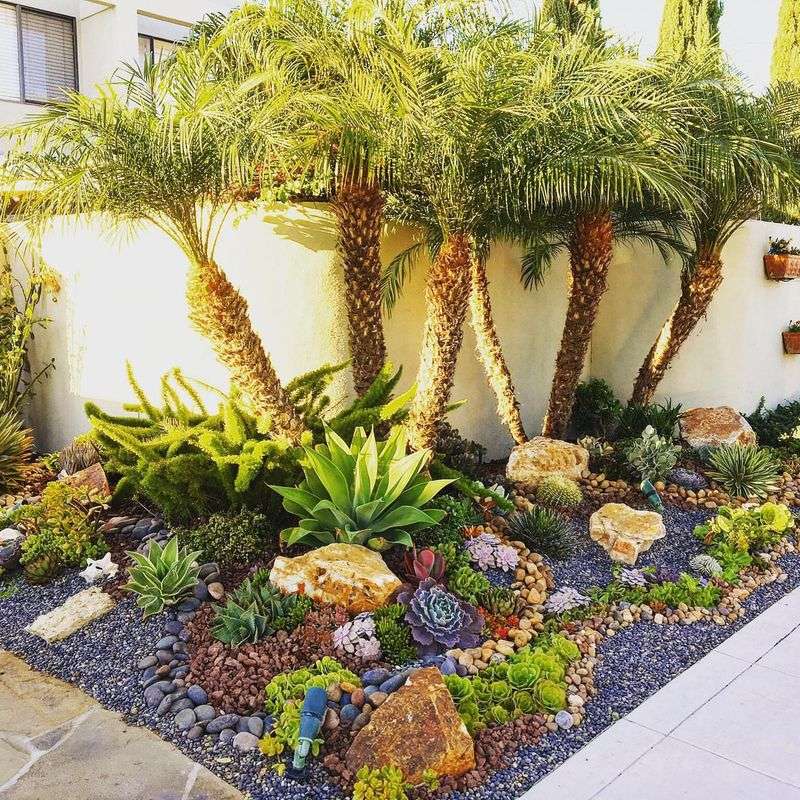
There is something genuinely glamorous about a Pygmy Date Palm. The slender trunk, the arching feathery fronds, and the resort-hotel energy it brings to an otherwise ordinary front yard are hard to replicate with other plants at this scale.
Phoenix roebelenii typically reaches six to twelve feet at full maturity. That puts it firmly in the manageable category for residential driveways and entries where a larger palm would quickly overwhelm the space.
The root system is not particularly destructive to nearby hardscape when given reasonable room to grow.
Planting at least four to six feet from concrete edges allows comfortable root development without putting pressure on pavement over time.
The narrow trunk and contained canopy work well in spots where larger species would become a recurring problem within a few seasons.
Pairing two or three together creates a layered effect that reads as professionally designed without requiring professional design fees.
Full sun and well-drained soil suit this palm well. It handles moderate drought once established but performs noticeably better with consistent irrigation through dry periods.
Watch for potassium deficiency, which shows up as yellowing on older fronds first. A palm-specific fertilizer with potassium and micronutrients applied three times per year keeps the fronds looking sharp.
One practical note: the frond stems carry spines near the base. Gloves are worthwhile during any trimming work.
The Pygmy Date Palm delivers resort landscaping in a scale that actually fits a residential lot. That is a genuinely useful combination.
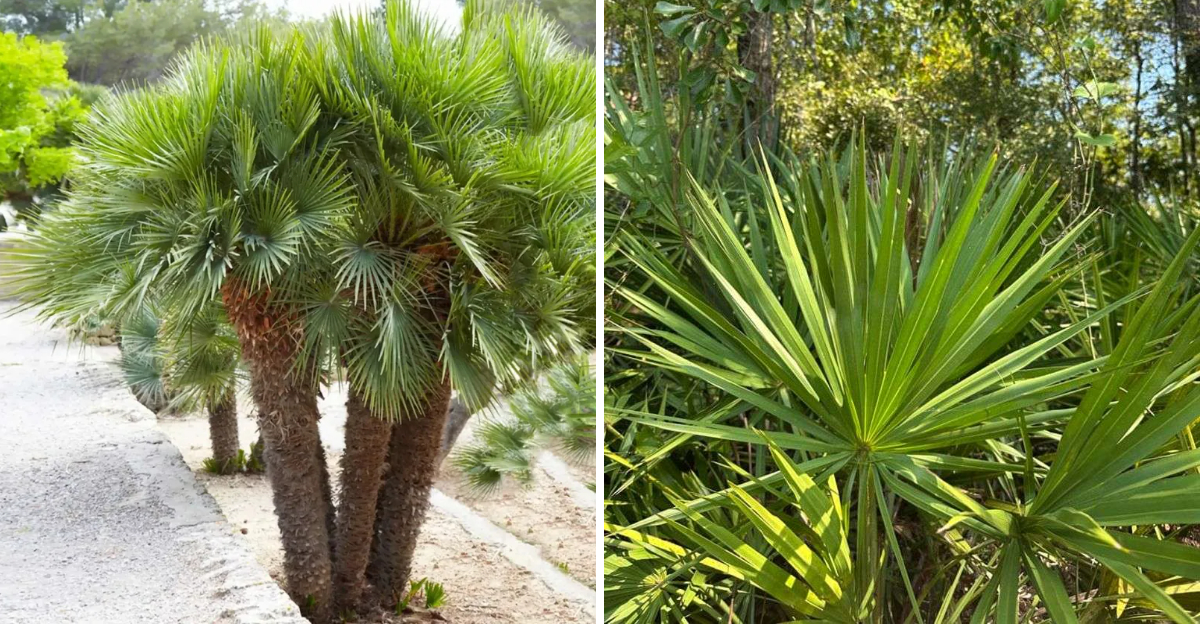
5. European Fan Palm Stays Compact With Bold Texture
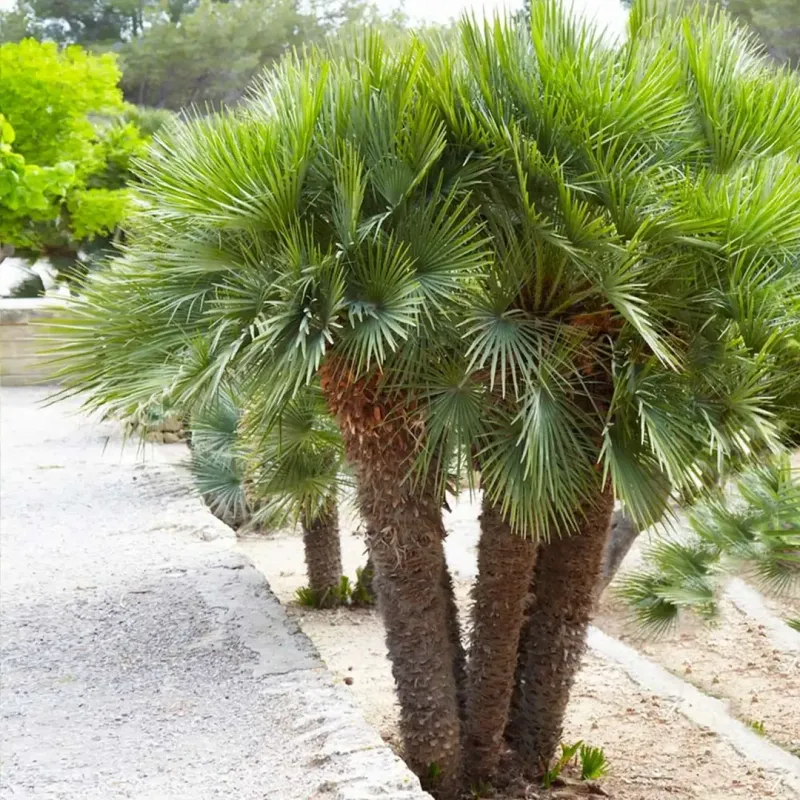
Bold, silvery-green fronds fanning outward from a clumping base. The European Fan Palm delivers maximum visual texture in a surprisingly contained package.
Chamaerops humilis is among the more drought-tolerant palms available for Florida landscapes and adapts well to the sandy, well-drained soils found across much of the state.
It typically grows between six and fifteen feet tall with a width that stays manageable because of its multi-stemmed, clumping structure.
That clumping habit is the central reason this palm works well near driveways and hardscape. Multiple stems stay relatively compact rather than sending down one deep, wide-spreading root system.
The pressure on concrete and pavers that larger single-trunk species can exert over time is considerably reduced with a plant that distributes its growth across several stems.
Place it as a bold accent at the end of a driveway, beside a mailbox, or along a low retaining wall where the architectural silhouette can contribute meaningfully to the overall design.
Full sun is where this palm performs best, though it tolerates light shade during the establishment period. Once the root system settles in after the first year, it handles dry periods with solid resilience.
Fertilize in spring and summer with a slow-release palm formula. Remove spent fronds close to the base. The spiny leaf stems make gloves non-negotiable during any maintenance work.
The European Fan Palm looks like it requires a dedicated maintenance team. It genuinely does not.
6. Paurotis Palm Stays Multi-Stemmed And Manageable
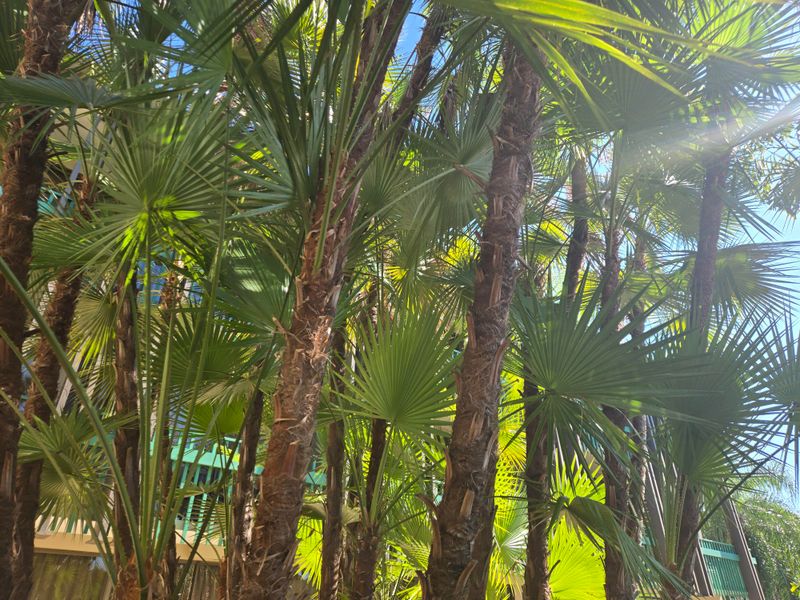
Paurotis Palm is one of Florida’s most underused native palms, and it deserves considerably more attention than it gets at the average nursery.
Acoelorrhaphe wrightii grows in a tight, multi-stemmed clump rather than sending up a single dominant trunk.
That growth habit keeps the overall footprint contained while still producing a visually striking silhouette that reads as genuinely tropical from the street.
It typically reaches fifteen to twenty feet over many years, but the clumping form distributes that height across multiple slender stems rather than one large trunk pushing outward.
This palm is native to South Florida and adapted to the state’s wet and dry cycles. It handles both soggy conditions and moderate drought once established, which makes it practical for fence lines and low-lying driveway edges where water collects after rain.
Full sun produces the best growth and most attractive form. Established plants need minimal supplemental irrigation. Fertilize with a palm-specific formula twice a year to maintain healthy frond color.
One soil note worth knowing: Paurotis Palm can struggle in high-pH or calcareous developed soils, so a soil check before planting helps avoid long-term performance issues.
The fan-shaped fronds and orange-to-red fruit clusters add seasonal interest that most ornamental palms cannot offer.
Paurotis Palm looks like it belongs in a botanical garden. It is actually one of the most practical native choices available for a Florida driveway planting.
7. Saw Palmetto Offers Native Toughness In A Low Profile
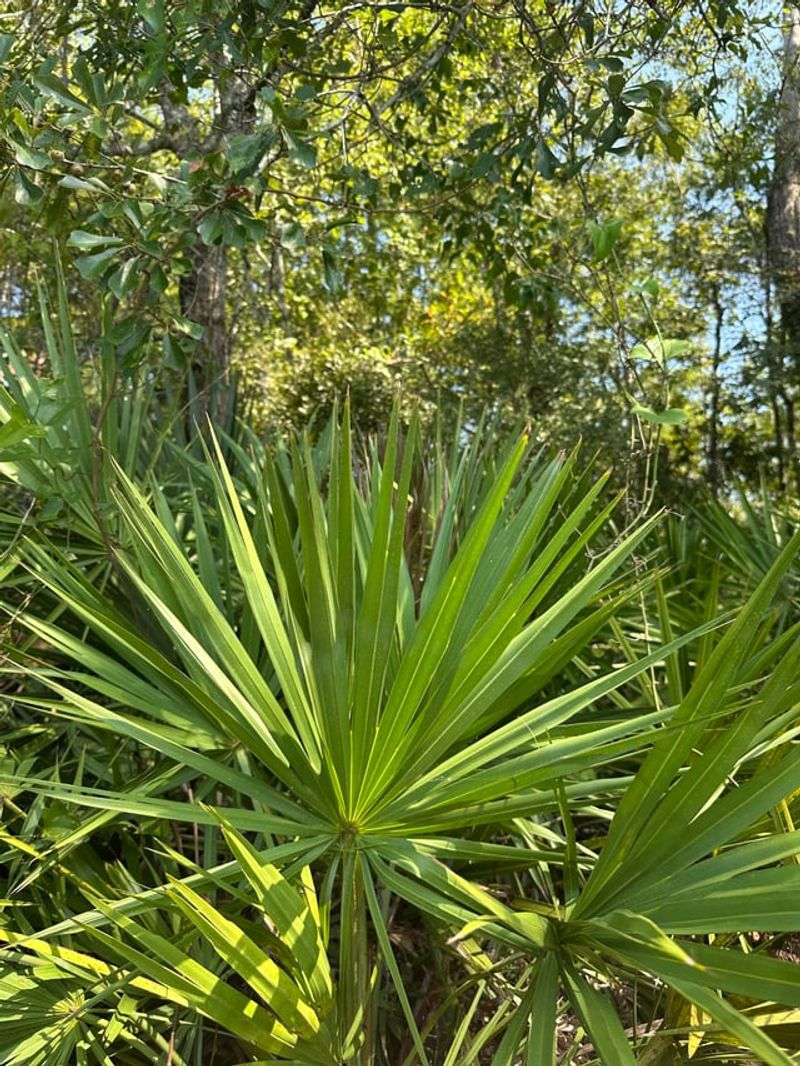
Saw Palmetto does not look like a typical landscape plant, and that is exactly what makes it work so well in the right setting.
Serenoa repens is one of the most recognizable native palms in Florida, found naturally across the state from the Panhandle to the Keys.
The fan-shaped fronds, silvery-green coloring, and low, spreading form give it a distinctive look that no imported ornamental replicates.
Most landscape specimens stay between four and seven feet tall with a wider spreading habit. That low profile suits driveway edges, entry plantings, and foundation beds where a taller plant would block sightlines or crowd the space within a few seasons.
The root system is notably non-aggressive toward hardscape, which is one of the practical reasons it works well near concrete and pavers.
Once established, it is among the most drought-tolerant plants available for Florida landscapes and requires essentially no supplemental irrigation.
Full sun produces the densest, most attractive growth. Partial shade works but tends to produce a looser, more open form. Saw Palmetto adapts to sandy, nutrient-poor soils without fertilizer once settled in.
One care note: the leaf stems carry small teeth along the edges, which gives the plant its common name. Gloves are worth using during any trimming or planting work near the base.
Saw Palmetto has been growing in Florida landscapes for thousands of years without any help. It does not need much from you either.
8. Bottle Palm Works Where Frost Risk Stays Low
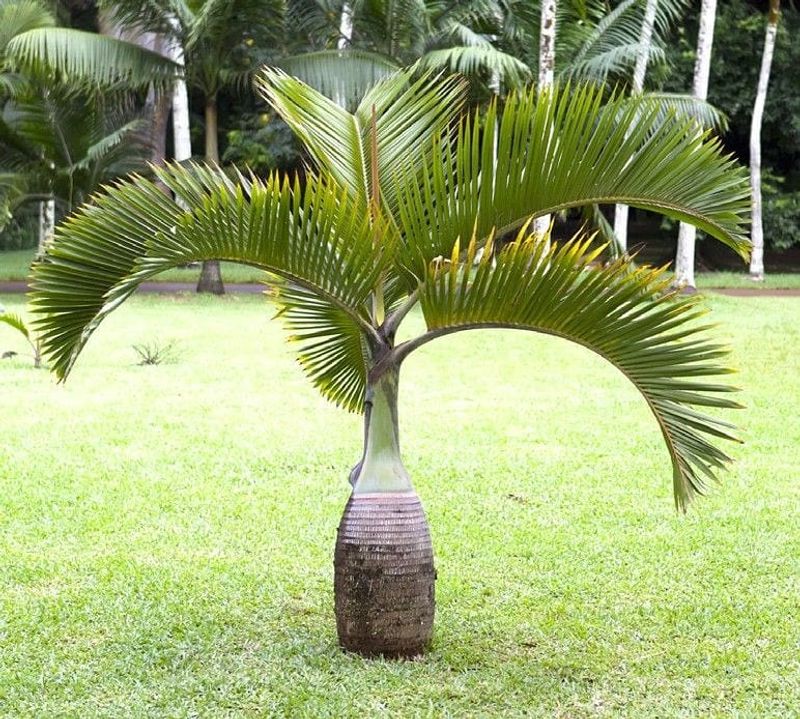
That swollen base. The arching feathery fronds. The overall impression that this plant was designed specifically for a Caribbean resort courtyard and somehow ended up available at Florida nurseries.
The Bottle Palm is one of the more visually dramatic small palms available, and its compact scale makes it considerably more practical than the appearance suggests.
Hyophorbe lagenicaulis typically reaches ten to twelve feet at maturity, placing it firmly in the genuinely small-stature category for warm-climate yards.
One important limitation: this is strictly a South Florida plant. Cold tolerance is very low, and planting north of Miami-Dade, Broward, or Collier County areas carries significant frost risk that can damage or stress the plant.
In the right climate zone, it thrives in full sun with well-drained soil and becomes a focal point near driveways, entries, and pool areas.
The root system is not aggressive, and the contained mature size means it sits comfortably near hardscape without threatening pavement as the years pass.
Space it at least five feet from concrete to allow comfortable root development. Water regularly during the first year, then reduce frequency as the plant establishes.
Fertilize with a quality palm fertilizer three times per year to support healthy frond production and prevent nutrient deficiencies common in Florida soils.
The Bottle Palm grows slowly. Patience is genuinely part of the arrangement with this one.
Once established in the right location, though, it becomes the plant that stops people on the sidewalk mid-stride to ask what it is. That kind of reaction is worth waiting for.