The Meaning Behind Seeing An Owl Near Your Texas Home At Night
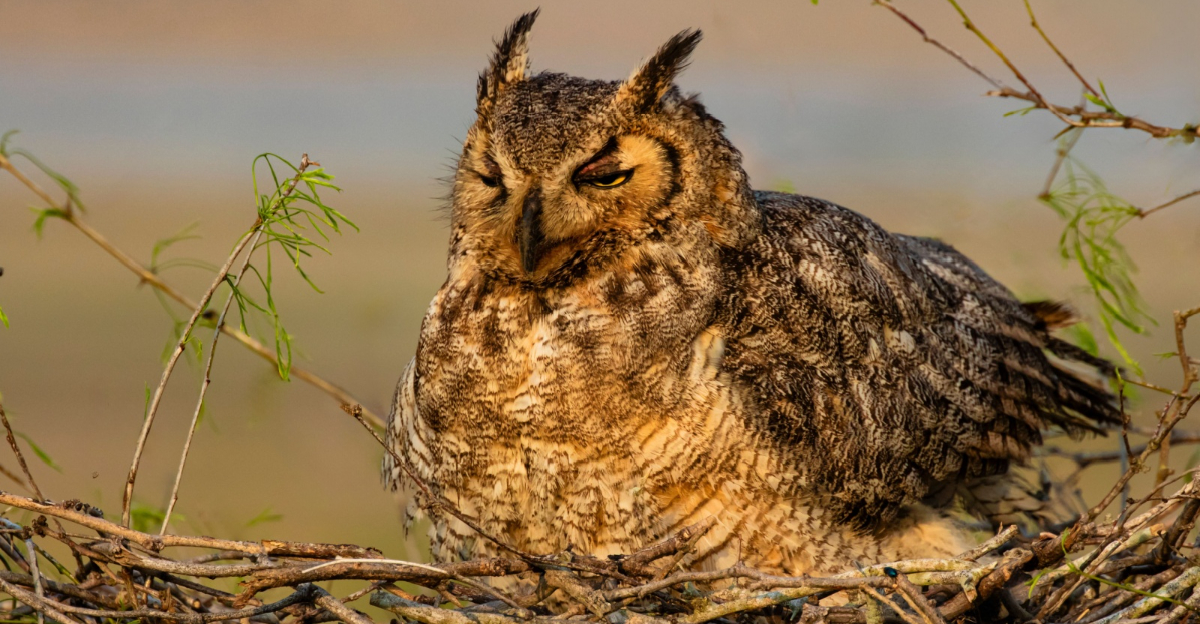
There you are, enjoying a quiet Texas evening outside, and then you notice it. A large, completely silent shape sitting in the tree across the yard like it has been there all along and you just weren’t paying attention.
Maybe you heard that soft, low call drifting through the dark first. Maybe something swept past the porch light and you did a full double take.
Owls have that effect on people, and honestly, it makes a lot of sense. These birds carry centuries of symbolism, mystery, and meaning across cultures all over the world, so spotting one near your home naturally gets you thinking.
Here’s the thing though: that owl perched in your Texas yard almost certainly has a very straightforward reason for being there. Your property just happens to offer exactly what a hungry, practical bird of the night is looking for.
1. Wisdom Or Mystery May Be The Personal Meaning
Quiet Texas nights have a way of making ordinary moments feel a little more significant, and spotting an owl perched near your home is one of those moments that tends to stick with you.
Many people feel an immediate sense of wonder or curiosity, and it is natural to search for meaning in such an unexpected encounter.
Across many cultures and traditions, owls have been linked to wisdom, mystery, protection, and even personal reflection.
Some people see an owl appearance as a nudge to slow down and pay attention to something in their life. Others connect it to ancestors, spiritual awareness, or a reminder to trust their instincts.
These are personal and cultural interpretations, and they carry real emotional weight for those who hold them.
From a wildlife perspective, the owl near your Texas fence post or rooftop is most likely focused on hunting or finding a good resting spot rather than delivering a message. That does not make your personal meaning any less real or valuable.
Both views can coexist comfortably. The owl gets to be a skilled nocturnal predator, and you get to take away whatever reflection or inspiration the sighting brings to your evening.
2. Your Yard May Have Rodents Or Other Prey Nearby
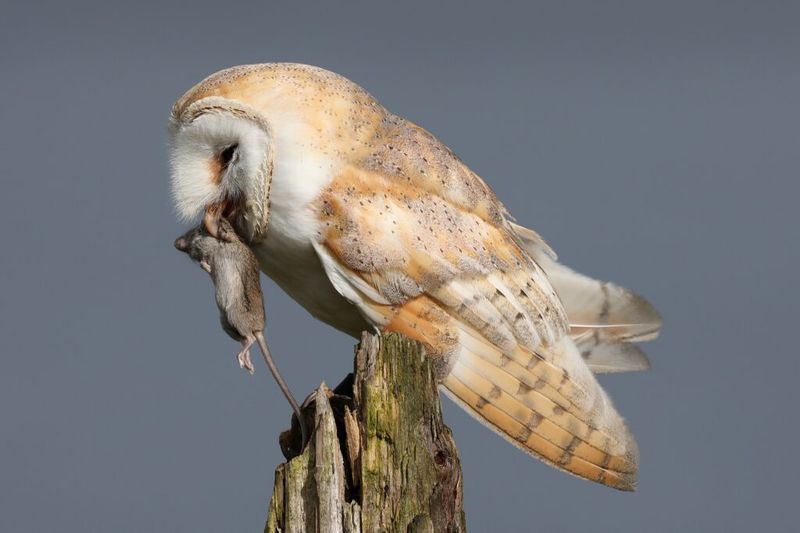
One of the most straightforward reasons an owl might visit your Texas yard after dark is the presence of food. Owls are skilled nocturnal hunters, and they rely heavily on small mammals like mice, rats, voles, and shrews as their primary food source.
If your yard, garden shed, compost area, or nearby brush pile is attracting rodents, it may also be quietly attracting owls.
Texas yards, especially those near open fields, rural edges, or wooded greenbelts, often support healthy rodent populations without homeowners even realizing it.
Bird feeders that drop seeds, pet food left outdoors, and dense ground cover can all create conditions that bring small mammals into your yard at night.
An owl hunting along your fence line or swooping low across the lawn is doing exactly what it is built to do.
Rather than seeing this as a problem, many homeowners appreciate the natural pest management that owls provide. Watching a barn owl or great horned owl work a yard on a warm night is genuinely impressive.
Your Texas Garden Changes Every Week. Your Plan Should Too.
Gardening in Texas changes quickly throughout the season. Every Friday you’ll receive a simple weekly plan showing exactly what to plant, prune, fertilize, harvest, and protect so you never miss the right timing.
Keeping your yard reasonably tidy and securing outdoor food sources can help manage rodent activity, though a visiting owl is a sign that local wildlife is functioning naturally and well.
3. Trees May Be Providing A Good Night Perch
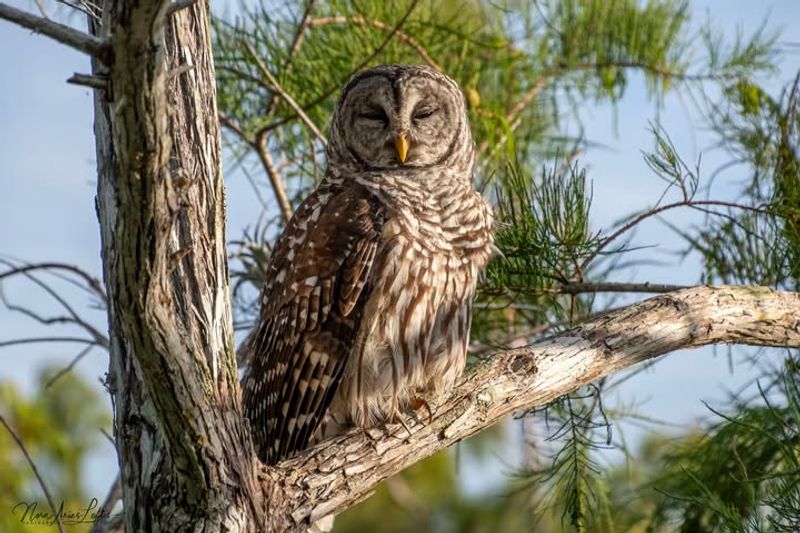
Mature trees are some of the most valuable assets a Texas yard can offer to local wildlife, and owls take full advantage of them.
A tall oak, pecan, cedar elm, or pine with sturdy horizontal branches gives an owl exactly what it needs: an elevated vantage point, good cover from wind, and a clear line of sight over the surrounding area.
From that perch, an owl can scan the ground below for movement with remarkable accuracy.
Texas neighborhoods that have preserved large canopy trees, especially those near parks, creeks, or open spaces, tend to see more owl activity than areas with younger or sparser tree cover.
If you have noticed an owl returning to the same branch or rooftop night after night, the spot likely offers reliable hunting conditions combined with a comfortable resting position.
Owls do not build nests in the traditional sense, but they do favor certain perch spots consistently over time. Observing which tree or structure your local owl prefers can tell you a lot about what the bird finds useful in your yard.
Leaving mature trees standing and avoiding unnecessary trimming during nesting seasons can help keep these perches available for owls and other beneficial wildlife visiting your property.
4. Nearby Parks Or Wooded Areas May Be Part Of Its Territory
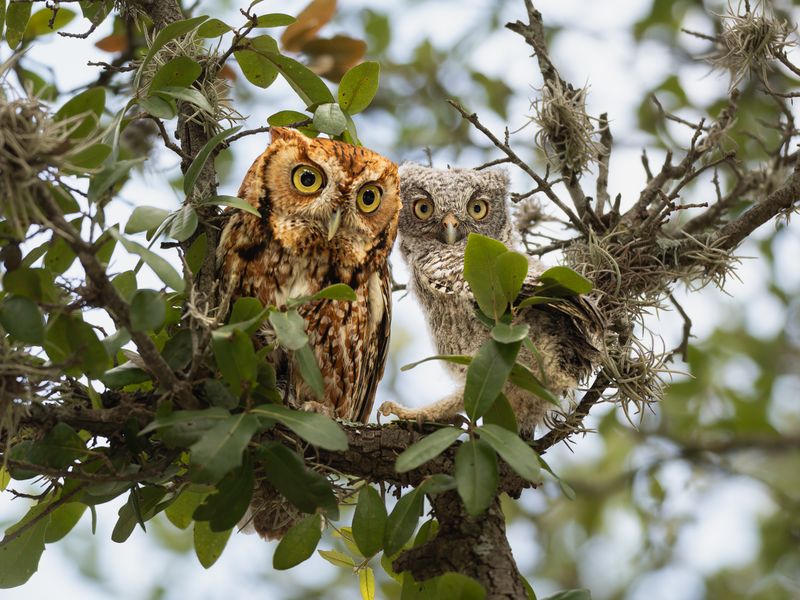
Many Texas cities and towns are built around or near greenbelts, creek corridors, nature preserves, and wooded parks, and these areas serve as core habitat for a wide range of wildlife including owls.
When an owl appears near your home, it may simply be moving through a territory that extends from those natural areas into the surrounding neighborhoods.
Owls can maintain large home ranges, and a single bird may regularly cover several miles of terrain in one night.
Great horned owls, barred owls, and eastern screech-owls are among the species most commonly encountered in suburban settings. Each of these birds is well adapted to landscapes that blend trees, open spaces, and human structures.
A greenbelt behind your neighborhood or a wooded drainage corridor running nearby can anchor an owl’s territory, with your yard sitting comfortably within its regular patrol route.
Understanding this helps put the sighting in perspective. The owl is not necessarily drawn to your yard specifically, but your yard may fall within a broader landscape it uses regularly for hunting and travel.
Keeping outdoor lighting minimal where possible and avoiding the use of rodenticides can help protect any owls that move through your property as part of their natural nightly range across the Texas landscape.
5. A Soft Call May Signal A Nearby Owl
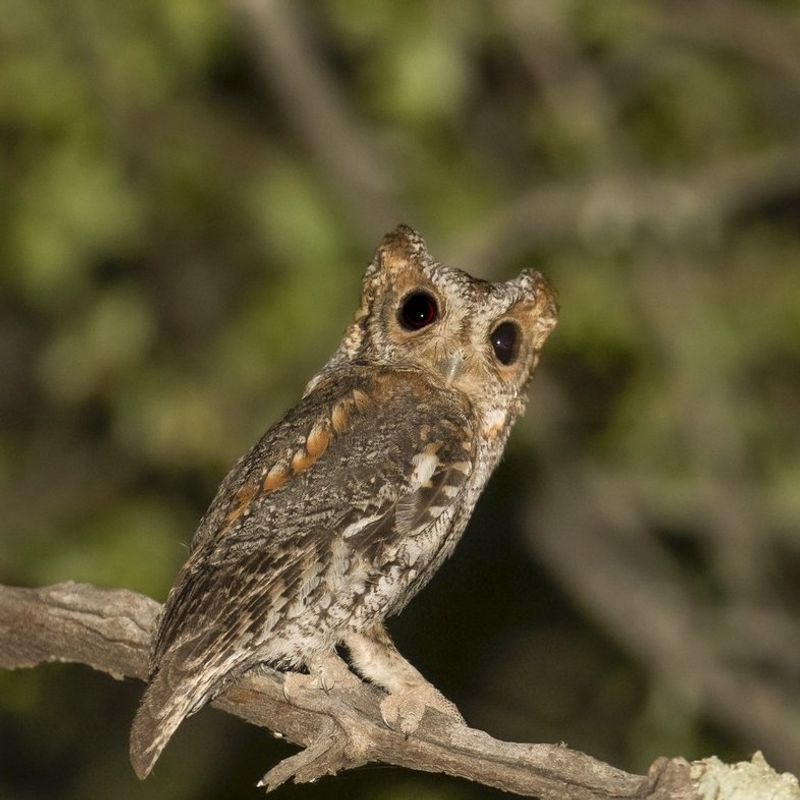
Before you ever see an owl near your home, you may hear it first. Owl calls vary widely by species, and learning to recognize even a few of them can completely change how you experience your backyard at night.
The deep, rhythmic hooting of a great horned owl carries surprisingly far on calm evenings.
The barred owl produces a loud, distinctive call that sounds remarkably like the phrase who cooks for you, and it can echo clearly through wooded neighborhoods and creek corridors.
Eastern screech-owls, which are small and remarkably well camouflaged, produce a haunting descending whinny or a long, quavering trill that blends into the night sounds of Texas yards in a way that can be easy to miss if you are not listening closely.
Barn owls communicate with raspy, hissing shrieks rather than traditional hoots, which can catch people off guard the first time they hear one near the house.
If you hear an unfamiliar nighttime sound coming from your trees, fence line, or rooftop, it may be worth stepping outside quietly to listen again. Apps and online resources from birding organizations can help you match the sound to a species.
Knowing which owl is calling nearby adds a rewarding layer of connection to the natural world right outside your door.
6. Nesting Or Roosting Habitat May Be Close
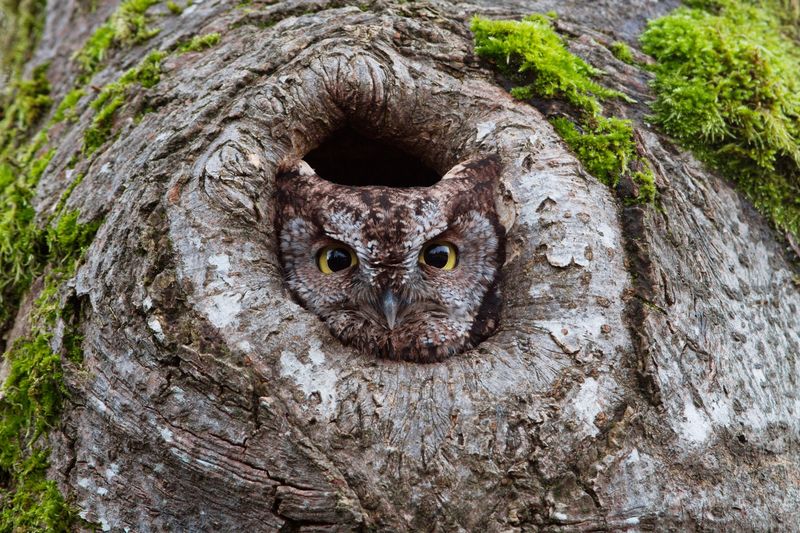
Spotting an owl near your home with some regularity, especially in late winter or early spring, may suggest that nesting or roosting habitat is somewhere very close.
Great horned owls begin nesting earlier than almost any other bird in Texas, sometimes as early as January or February, often using old hawk or crow nests in tall trees rather than building their own.
Eastern screech-owls commonly use tree cavities, and they will also accept nest boxes placed at the right height and in suitable habitat.
Roosting is slightly different from nesting. A roosting owl is simply resting and sheltering during daylight hours or between hunting sessions.
Dense evergreen trees, thick vine tangles, and tree hollows all serve as common daytime roost sites in Texas yards and neighborhoods.
If you notice an owl in the same spot on multiple days, it may be using that location as a regular roost rather than an active nest.
Respecting these spaces is important. Approaching too closely, making loud sounds, or disturbing vegetation around a known roost or nest can cause unnecessary stress to the bird.
Watching from a comfortable distance with binoculars gives you a far better experience and keeps the owl comfortable in the habitat it has chosen near your home.
7. Open Areas May Be Attracting Barn Owls
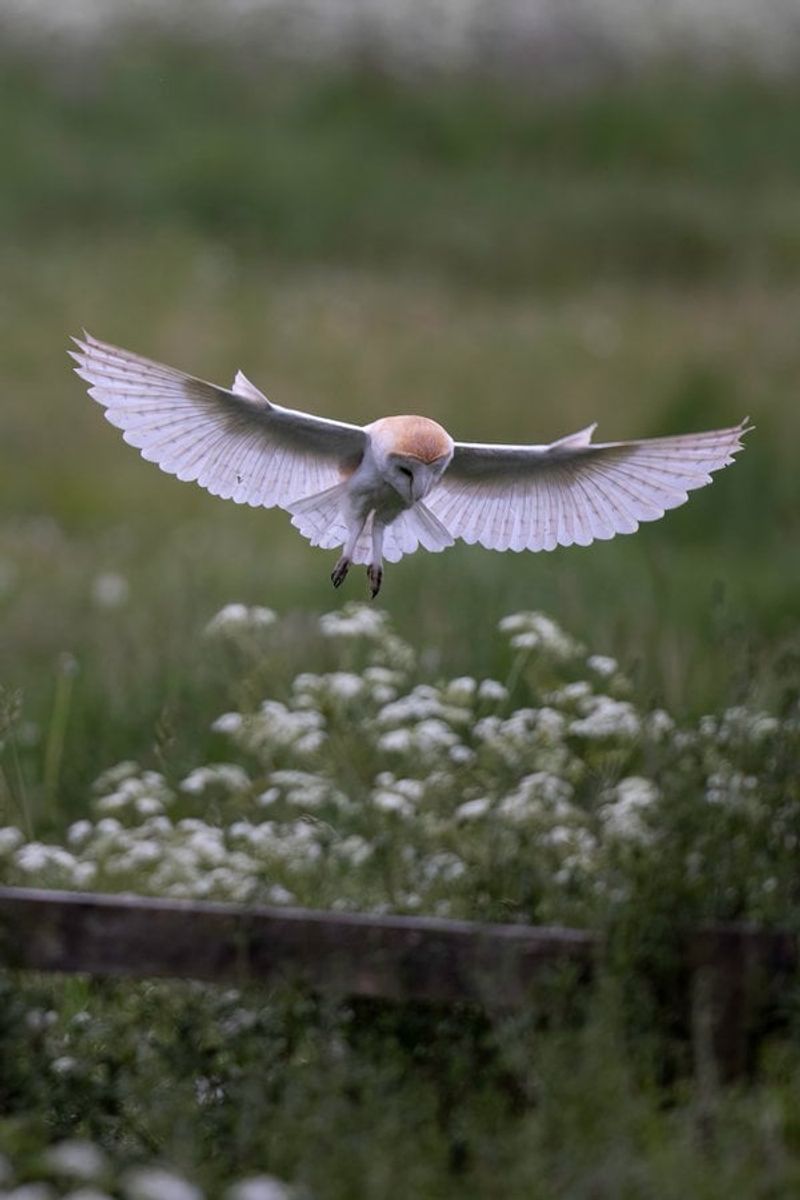
If your property sits near open pastures, agricultural fields, meadows, or large grassy areas, a barn owl sighting becomes especially plausible.
Barn owls are highly specialized hunters that thrive in open terrain where they can fly low and use their extraordinary hearing to detect small mammals moving through grass and ground cover.
Their heart-shaped facial disc acts like a satellite dish, funneling sound toward their ears with incredible precision.
Rural and semi-rural areas of Texas provide some of the best barn owl habitat in the country. Properties near ranches, farms, or open scrubland often host barn owls that hunt the edges of fields and yards throughout the night.
These birds are largely silent in flight, so you may spot one gliding past a fence line or barn structure before you even register that something moved.
Barn owls do not hoot. Their raspy, drawn-out shriek is often what alerts people to their presence near a home or outbuilding.
If you have an older barn, shed, or hay storage structure on your property, it may already be sheltering a barn owl without your knowledge.
Providing a purpose-built barn owl nest box in an appropriate open habitat location is one way Texas landowners can actively support these beneficial birds in rural settings.
8. It May Be A Common Texas Wildlife Moment
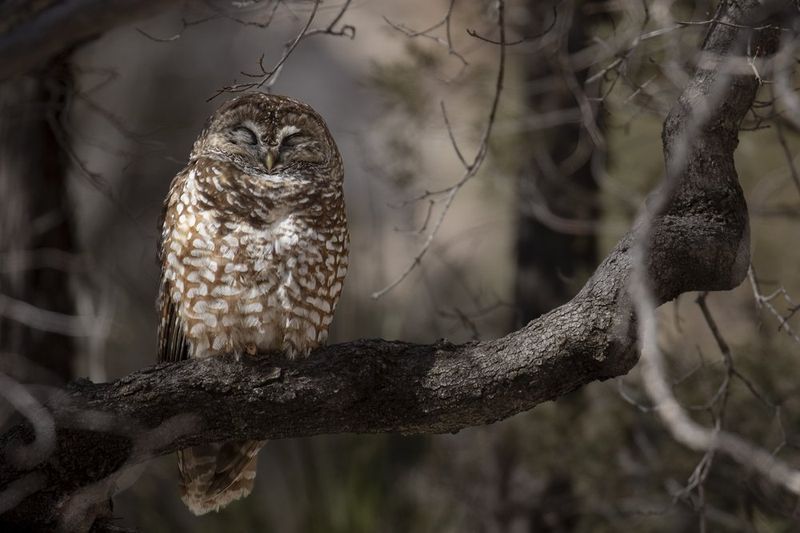
As startling as it can feel in the moment, seeing an owl near your home at night is actually a fairly common experience across much of the state.
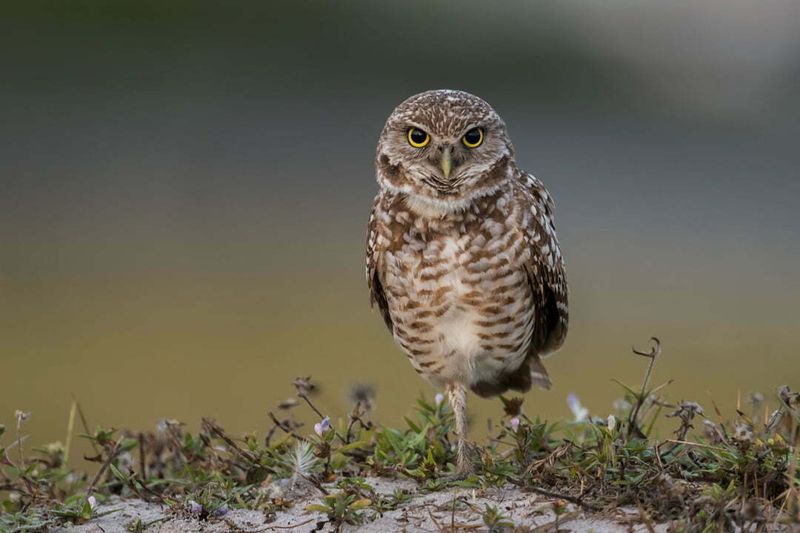
Texas supports a remarkable diversity of owl species, including the great horned owl, barred owl, eastern screech-owl, barn owl, burrowing owl, short-eared owl, and several others that appear during migration or winter months.
With so many owl species present across such a wide range of Texas habitats, nighttime encounters happen regularly for residents in rural, suburban, and even urban settings.
The fact that you noticed the owl at all says something positive about the health of your local environment. Owls need suitable hunting grounds, adequate prey populations, and appropriate roosting or nesting habitat to survive and thrive.
When those conditions exist near a home, owls show up. Their presence is generally a sign that the surrounding landscape is functioning well ecologically.
Sharing the sighting with neighbors, submitting an observation to a community science platform, or simply pausing to appreciate the moment all add value to the experience.
Texas has a strong tradition of backyard wildlife appreciation, and owl sightings fit naturally into that culture.
Treating the encounter with curiosity and respect is the most rewarding response you can have.
9. Outdoor Choices Can Help Owls Stay Safer
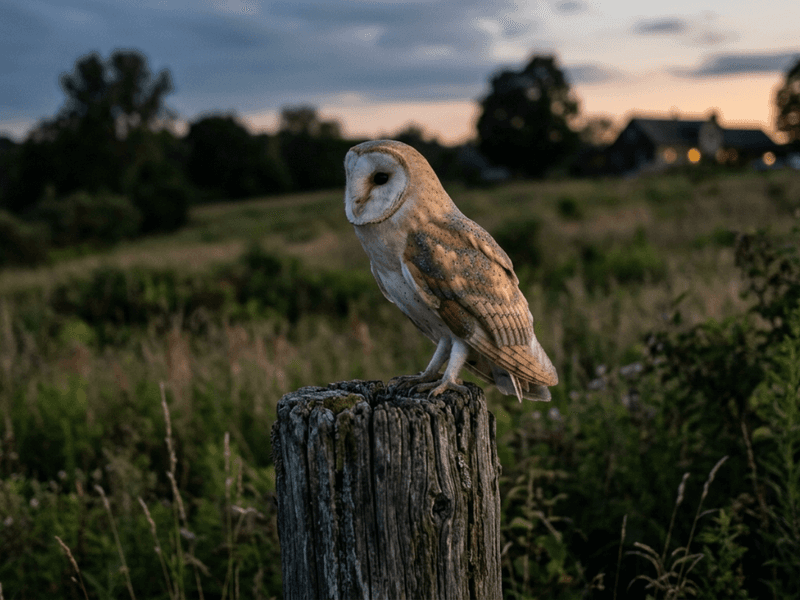
Living near owls in Texas comes with a small but meaningful responsibility. Several everyday outdoor habits can either support or unintentionally harm the owls that move through your yard.
One of the most impactful choices involves rodenticide use. When rodents ingest rodenticide bait and are then captured by an owl, the toxin can accumulate in the owl’s system and cause serious harm.
Choosing snap traps or other mechanical rodent control methods instead is a safer option for any owls or hawks hunting in your area.
Outdoor cats present another consideration. Cats that roam freely at night can disturb nesting owls, stress birds that are resting on low perches, and occasionally come into conflict with smaller owl species.
Keeping cats indoors at night benefits both the cats and the local wildlife they might otherwise disturb.
Reducing unnecessary outdoor lighting near trees and natural areas can also help. Owls are adapted to low-light hunting conditions, and very bright artificial lighting near their preferred perch or hunting zones may discourage their activity in your yard.
Choosing motion-activated lights for security purposes rather than leaving broad floodlights on all night is a small adjustment with a real positive impact for owls and other Texas backyard wildlife.