Native North Carolina Perennials That Suppress Weeds Better Than Landscape Fabric In Full Sun Borders
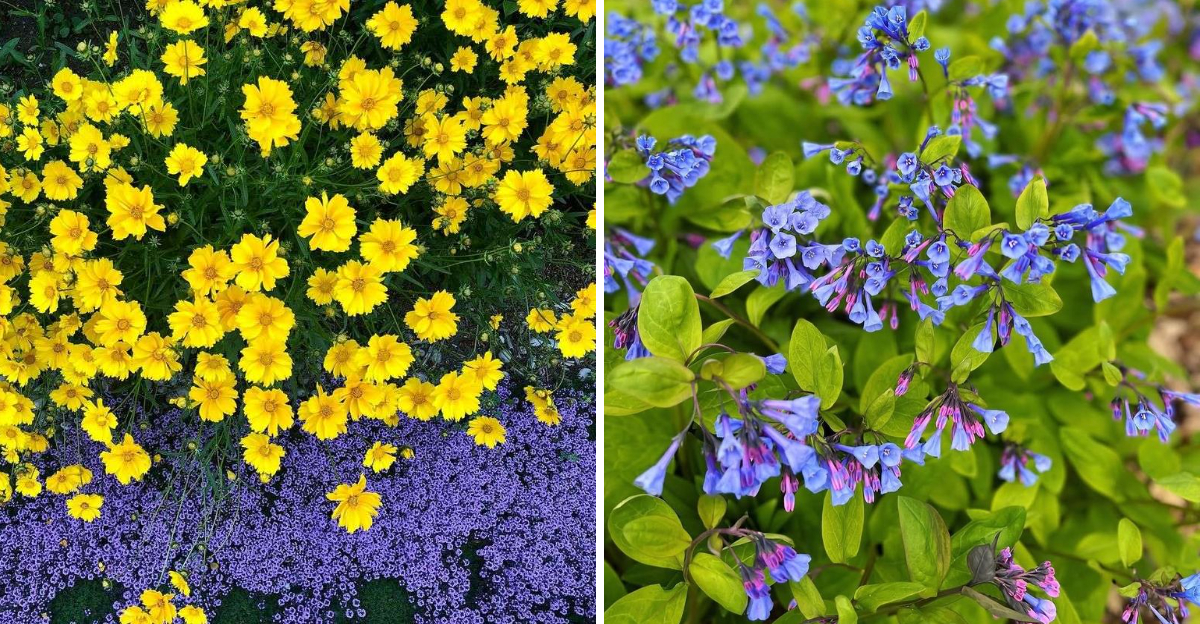
Landscape fabric seems like a practical solution when you are staring down a weedy full sun border with no time to spare. The reality is that it breaks down, shifts, and ends up causing more frustration than it solves within just a few seasons.
What actually works better in North Carolina gardens is a handful of tough native perennials that spread deliberately, cover bare soil thoroughly, and crowd out weeds through sheer density and vigor.
These plants are already adapted to the heat and humidity that full sun borders experience from late spring through August, so they do not need coddling to perform well.
Replacing fabric with the right natives is one of those garden decisions that gets better and easier with every year that passes.
1. Green-And-Gold
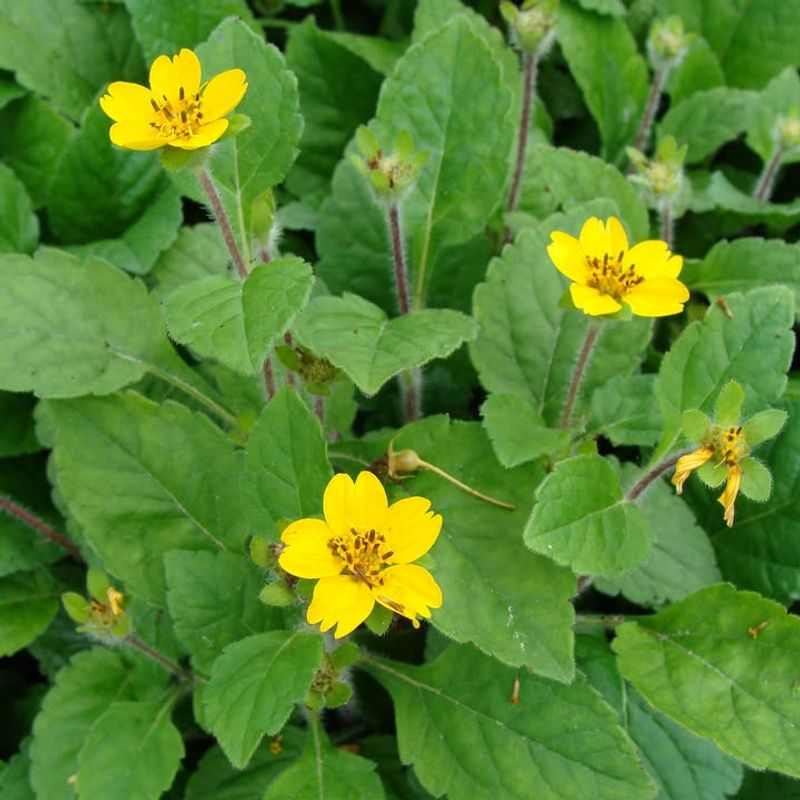
Few plants pack as much punch in a small package as Green-and-Gold. Native to the Piedmont and mountain regions of North Carolina, this cheerful little groundcover hugs the soil so tightly that weeds barely stand a chance.
It grows only four to eight inches tall, but spreads steadily outward to form a thick, carpet-like mat that blocks sunlight from reaching weed seeds below.
Plant Green-and-Gold about twelve inches apart in well-drained, moderately fertile soil. Once established, it needs very little water and almost zero fertilizer.
The bright yellow, star-shaped flowers bloom from spring through early summer, and in mild Carolina winters, the foliage often stays semi-evergreen, providing year-round weed coverage.
What makes this plant especially useful in full sun borders is its ability to spread without becoming invasive. It fills gaps naturally and politely stays where you put it.
Pair it along border edges where weeds tend to sneak in first. Trim back any straggly stems in late summer to keep the mat dense and tidy.
Pollinators love the cheerful blooms, so you get weed suppression and a lively garden ecosystem all in one low-effort plant. Honestly, once you try it, you may never reach for landscape fabric again.
2. Black-Eyed Susan
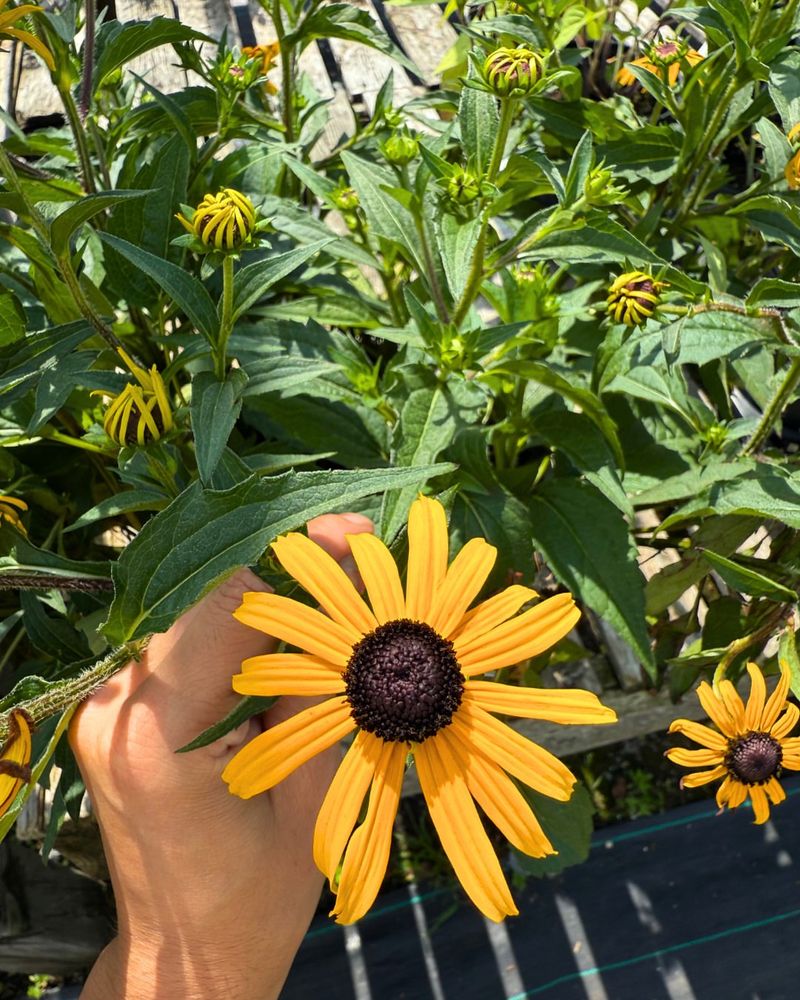
Walk past a healthy patch of Black-Eyed Susan in July and you will immediately understand why this plant earns its spot in any serious garden. The golden-yellow blooms are stunning, but the real magic happens below the flowers.
Rudbeckia fulgida forms thick, leafy clumps that grow outward each season, steadily crowding weeds out of the border without any help from you.
Plant these beauties about eighteen inches apart in full sun with average, well-drained soil. They tolerate clay and sandy Carolina soils surprisingly well.
Consistent moisture during the first growing season helps them establish quickly, but mature plants handle dry spells with ease. Once a colony gets going, the dense foliage shades the soil so thoroughly that weed seeds struggle to germinate.
Blooms last from mid-summer well into fall, giving your border weeks of bold color. After flowering, leave the seed heads standing through winter since birds absolutely love them.
Divide clumps every three to four years in early spring to keep plants vigorous and your weed-suppressing mat tight.
Black-Eyed Susan also pairs beautifully with coneflowers and ornamental grasses, creating layered plantings where weeds simply cannot find an opening. It is a workhorse plant that looks anything but ordinary.
Your North Carolina Garden Changes Every Week. Your Plan Should Too.
Gardening in North Carolina changes quickly throughout the season. Every Friday you’ll receive a simple weekly plan showing exactly what to plant, prune, fertilize, harvest, and protect so you never miss the right timing.
3. Eastern Coneflower
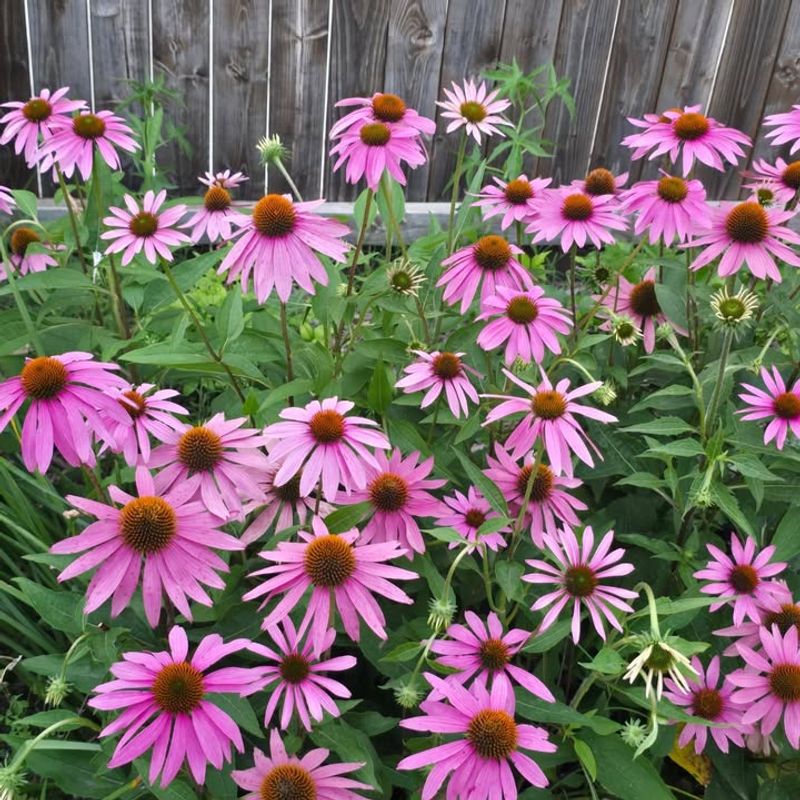
Gardeners across North Carolina have grown Eastern Coneflower for generations, and there is a very good reason it never goes out of style.
Beyond its iconic purple-pink blooms, Echinacea purpurea produces a surprisingly dense base of broad, rough-textured leaves that shade the surrounding soil season after season.
That shade is exactly what keeps weed seeds from sprouting. Space plants about eighteen to twenty-four inches apart in full sun.
Coneflowers thrive in average, well-drained soil and are remarkably drought-tolerant once established, which makes them a natural fit for sunny North Carolina borders that bake through July and August.
Avoid heavy clay unless you amend it with compost, since good drainage keeps root rot at bay and plants vigorous.
The blooms attract bees, butterflies, and goldfinches, turning your border into a buzzing wildlife corridor all summer long.
As plants mature and self-seed, they slowly fill gaps in the border, creating an ever-denser planting that squeezes weeds out naturally over time.
Deadhead some flowers to tidy things up, but leave a few seed heads for the birds. Divide established clumps every four to five years in early spring to refresh growth.
Combine Eastern Coneflower with Black-Eyed Susan for a classic Carolina pairing that looks gorgeous and handles weed suppression like a team.
4. Butterfly Weed
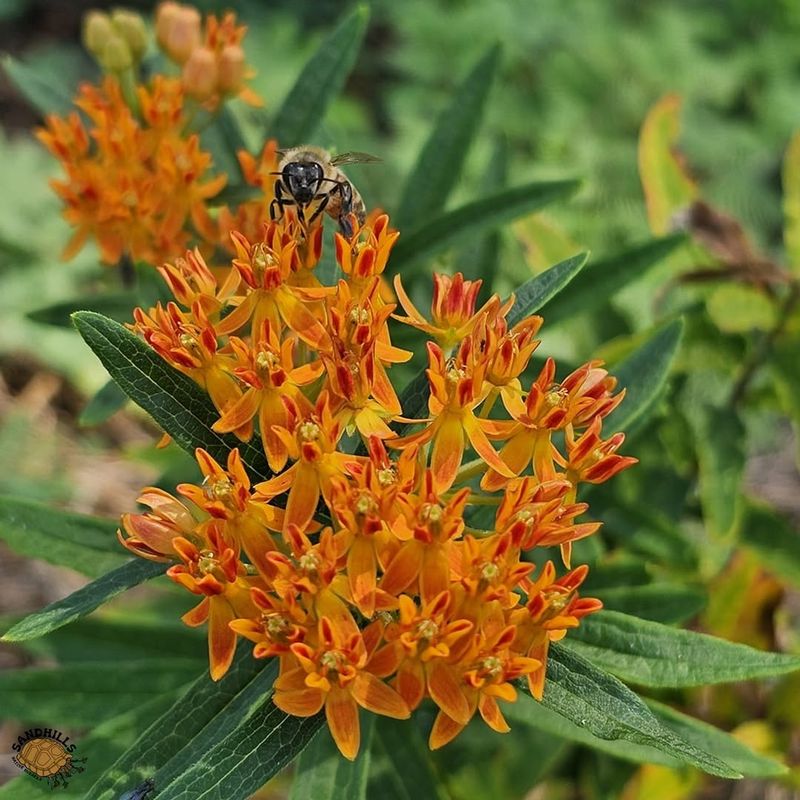
Bright orange flower clusters, monarch butterflies landing on every stem, and soil so dry other plants would struggle to survive. That is the world where Butterfly Weed thrives, and it does so brilliantly.
Asclepias tuberosa is one of the most drought-tolerant native perennials in North Carolina, making it a standout choice for hot, full sun borders where weeds often run rampant.
Plant Butterfly Weed about eighteen inches apart in sandy or well-drained soil. It actually prefers lean, dry conditions over rich, moist soil, so skip the heavy fertilizing.
The spreading clumps grow wider each year, and their dense foliage shades the ground effectively, leaving little room for opportunistic weeds to take hold. Once established, this plant rarely needs watering, even during summer droughts.
Pollinators are drawn to the vivid orange blooms from June through August, and Butterfly Weed serves as a critical host plant for monarch butterfly caterpillars. That ecological value alone makes it worth every inch of garden space.
Pair it with native grasses or coreopsis to create a layered border that looks intentional and stays relatively weed-free.
One important heads-up: Butterfly Weed is slow to emerge in spring, so mark its location to avoid accidentally disturbing the roots while it wakes up. Patience pays off beautifully with this one.
5. Blue Mistflower
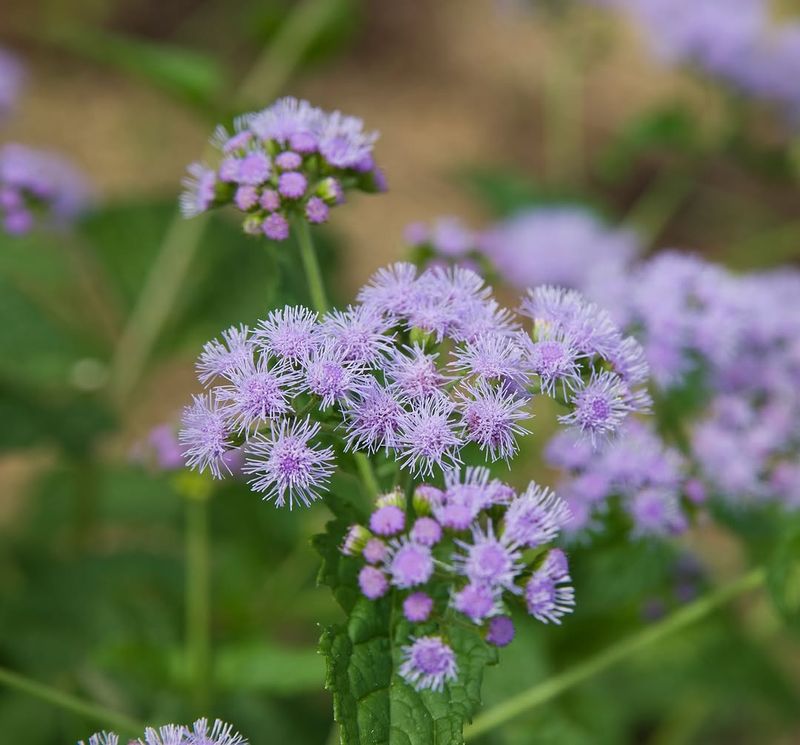
If you want a plant that spreads with genuine enthusiasm and smothers weeds in the process, Blue Mistflower belongs in your border.
Conoclinium coelestinum produces a colony of soft, lavender-blue blooms in late summer and fall, right when most other flowers are fading.
That late-season color alone makes it a garden favorite, but its aggressive spreading habit is what earns it a permanent spot on this list.
Plant Blue Mistflower in full sun to partial shade with average, moist soil. It spreads by underground rhizomes, which means it fills in quickly and creates a dense, weed-blocking carpet within a season or two.
Space initial plants about eighteen inches apart and watch them get to work. Because it spreads so readily, plan to contain it with edging or plant it in spots where spreading is welcome.
Butterflies, especially skippers and swallowtails, flock to the fluffy blooms from August through October, making the border feel alive at the end of the growing season.
Cut plants back hard in early spring before new growth emerges to keep the colony tidy and vigorous. If it starts moving beyond its intended area, simply dig and divide the outer edges.
Far from a burden, this annual maintenance is actually a great opportunity to share divisions with fellow gardeners who want the same weed-free results in their own sunny borders.
6. Coreopsis
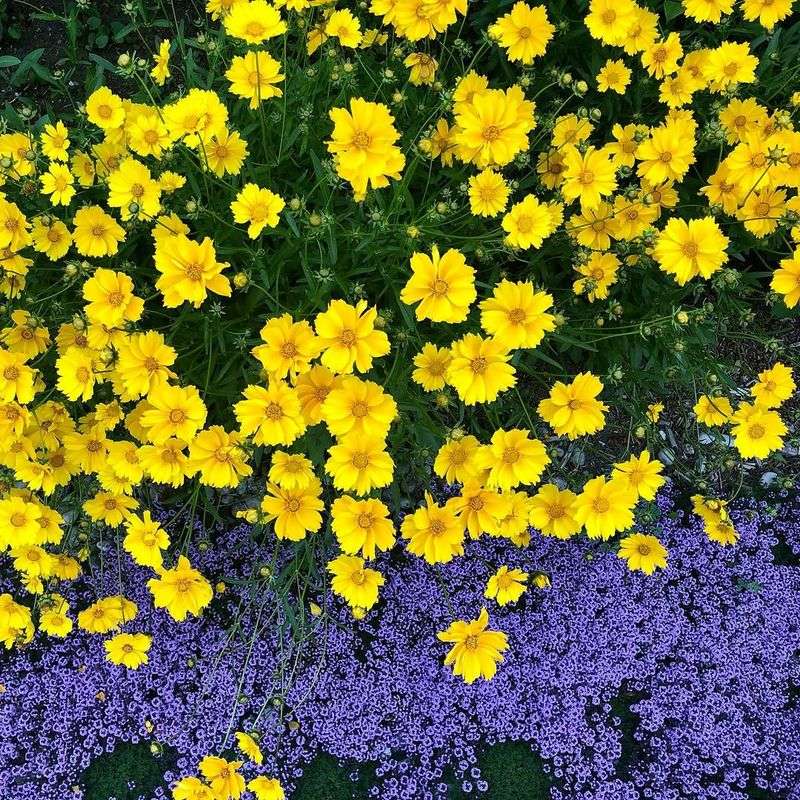
Sunny, cheerful, and almost impossible to neglect, Coreopsis lanceolata is the kind of plant that makes gardening feel easy.
Known commonly as lanceleaf coreopsis, this North Carolina native produces a non-stop show of bright yellow daisy-like flowers from late spring through midsummer, and the dense basal foliage it forms at ground level is a quiet but powerful weed suppressor.
Plant coreopsis about twelve to fifteen inches apart in full sun with well-drained, sandy or loamy soil. It struggles in heavy clay or consistently wet spots, so raised beds or slopes with good drainage suit it perfectly.
Once established, it is genuinely drought-tolerant and needs little to no supplemental watering in a typical Carolina summer. The secret to keeping coreopsis both beautiful and weed-resistant is deadheading.
Removing spent flowers throughout the season encourages fresh blooms and keeps plants bushy and full, which in turn keeps the soil shaded and inhospitable to weeds.
In late summer, allow some flowers to go to seed for natural self-sowing, which slowly thickens your planting over the years. Pollinators including bees and small butterflies visit the flowers regularly.
Pair coreopsis with Butterfly Weed or Black-Eyed Susan for a bold, yellow-and-orange border combination that thrives in full sun and handles weed pressure beautifully all season long.
7. Spiderwort
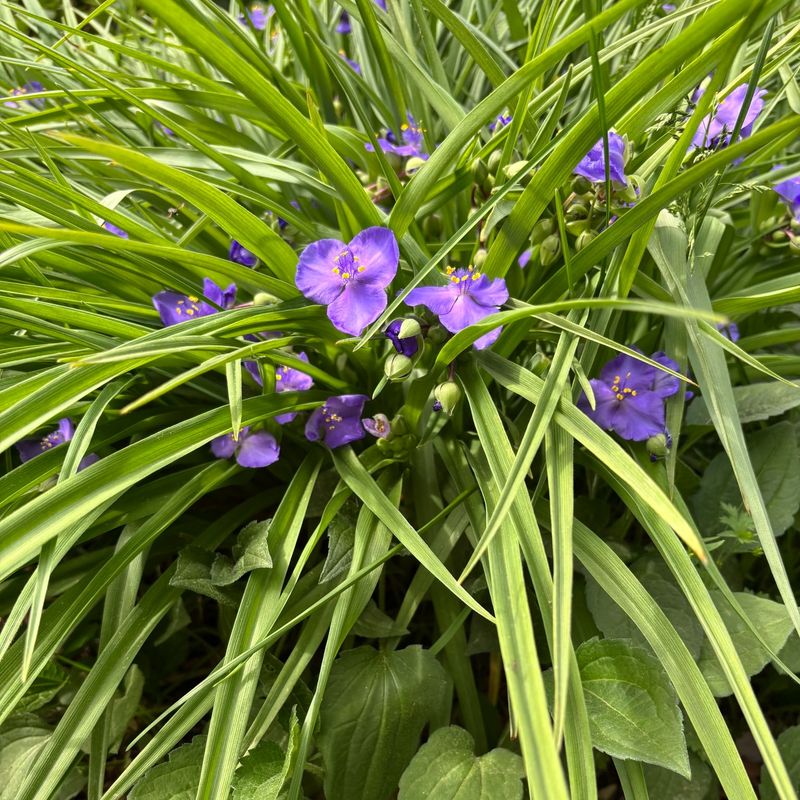
There is something wonderfully old-fashioned about Spiderwort. Tradescantia virginiana has grown in Carolina cottage gardens for centuries, and its long, grass-like leaves and vivid purple blooms are instantly recognizable.
What surprises many gardeners is just how effectively this plant suppresses weeds. The dense, arching foliage forms a thick carpet that covers the soil from spring through fall.
Grow Spiderwort in full sun to partial shade with average, moderately moist soil. It tolerates clay soils better than many native perennials, which makes it a flexible choice for various border conditions across North Carolina.
Space plants about eighteen inches apart. They spread into generous clumps over time, gradually closing gaps where weeds would otherwise take advantage.
Blooms appear in late spring through early summer, with three-petaled flowers in shades of purple, blue, and pink depending on the variety. After the main flowering period, cut the entire plant back by about half.
This may sound dramatic, but it encourages a fresh flush of foliage and sometimes a second round of blooms in early fall. That fresh growth continues suppressing weeds right through the rest of the season.
Spiderwort pairs well with ferns, coneflowers, and ornamental grasses for a layered border that looks full and intentional. Slugs occasionally visit, but otherwise this plant is refreshingly low maintenance.
8. Virginia Bluebell
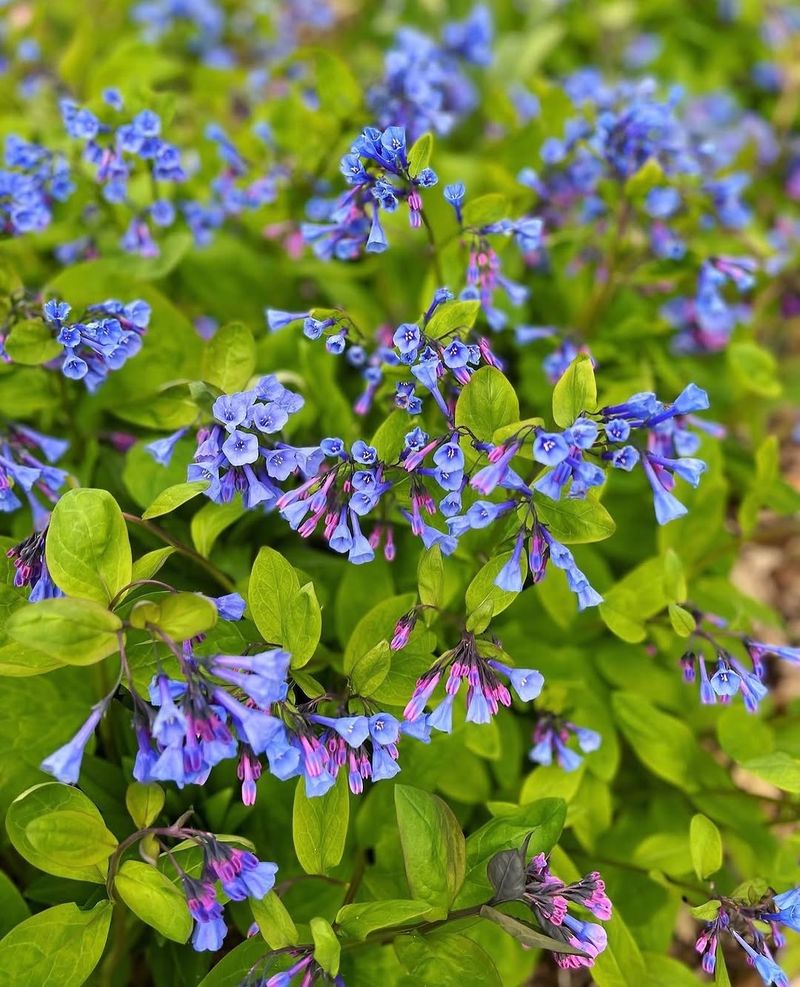
Spring in a North Carolina garden feels incomplete without the soft blue bells of Mertensia virginica nodding in the breeze.
Virginia Bluebell is traditionally thought of as a shade plant, but sun-tolerant varieties perform remarkably well in borders that receive morning sun and some afternoon relief.
Their real superpower, though, is what they do for weed suppression in the early season.
Plant Virginia Bluebell bulbs or bare-root plants in fall, spacing them about twelve inches apart in moist, well-drained, slightly acidic soil.
When spring arrives, the broad, blue-green foliage emerges quickly and covers the soil densely before most weeds have even woken up for the season.
That early coverage gives your border a head start on weed control when it matters most.
By late spring, the foliage begins to fade and go dormant, which is perfectly natural. Plan ahead by pairing Virginia Bluebell with later-emerging summer natives like coneflowers or wild bergamot that fill in as the bluebells step back.
This relay-style planting ensures the soil stays covered from early spring through fall without any gaps for weeds to exploit. Mark planting locations clearly so you do not accidentally disturb dormant roots when installing summer plants.
The blue blooms are also a magnet for early-season bumblebees and hummingbirds, making this a genuinely rewarding plant on multiple levels.
9. Wild Bergamot
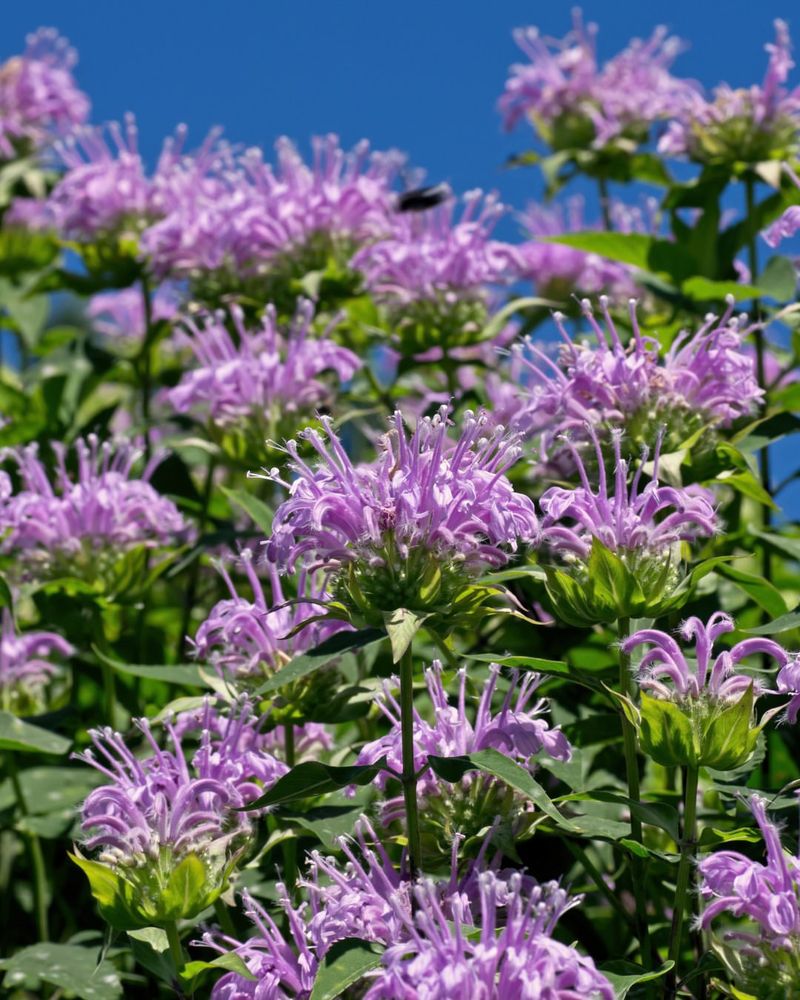
Rub a leaf of Wild Bergamot between your fingers and you will instantly understand where this plant gets its charm. The aromatic, oregano-scented foliage of Monarda fistulosa is more than just pleasant.
It actually plays a role in discouraging browsing insects and certain weed-spreading pests from settling into your border. Combined with its naturally dense, upright growth habit, this native perennial is a weed-suppressing powerhouse.
Plant Wild Bergamot in full sun with average, well-drained soil. It tolerates dry conditions once established and actually performs better in lean soil than in rich, heavily amended beds.
Space plants about twenty-four inches apart, since mature clumps spread outward and can reach two to three feet wide, creating solid coverage across the border floor.
Good air circulation between plants helps prevent powdery mildew, which can be an issue in humid Carolina summers.
The lavender-pink blooms appear from June through August and attract an impressive parade of bees, butterflies, and hummingbirds.
After flowering, cut plants back by about one-third to encourage fresh basal growth that continues covering the soil through fall.
Divide clumps every three years in early spring to keep the planting vigorous and tightly knit.
Wild Bergamot pairs wonderfully with Black-Eyed Susan and Eastern Coneflower for a classic, pollinator-friendly border that handles weed pressure beautifully throughout the entire growing season.
10. Golden Ragwort
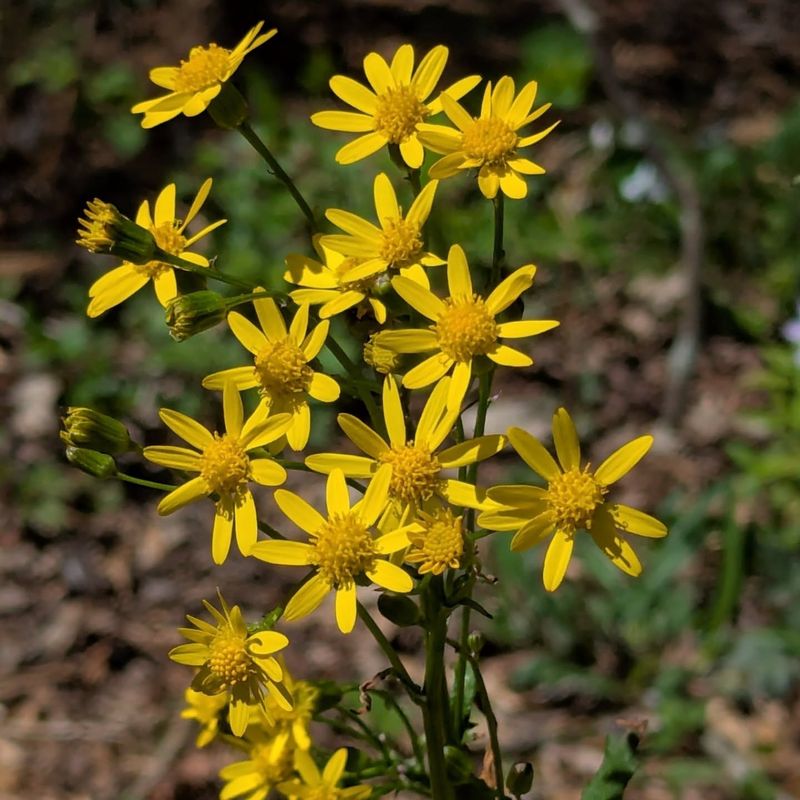
Golden Ragwort might not be the most famous plant on this list, but seasoned North Carolina gardeners know its secret: few native perennials spread as reliably or suppress weeds as thoroughly.
Packera aurea produces cheerful yellow flowers in early spring, but its real contribution to the border is the thick, evergreen mat of heart-shaped basal leaves that persists almost year-round, shading the soil and blocking weed growth continuously.
Plant Golden Ragwort about twelve inches apart in full sun to partial shade with moist, well-drained soil.
It adapts well to clay-heavy soils common across much of the North Carolina Piedmont, which gives it an edge over many other native groundcovers.
Once established, it spreads steadily by runners, filling in the border floor with a dense, low-growing carpet that makes landscape fabric completely unnecessary.
The bright yellow blooms in March and April are among the earliest native flowers to appear, giving pollinators a valuable early-season food source when little else is blooming.
After flowering, the foliage continues to grow and spread vigorously through summer. Trim back any tired or yellowing leaves in midsummer to encourage fresh growth.
Pair Golden Ragwort with Virginia Bluebell for a stunning early-spring combination, then let summer natives take over the upper layer while ragwort keeps the ground covered and weed-free below.
It is a quiet, reliable workhorse that earns its place every single season.