9 Desert Plants To Prune In June In Arizona Before Heat Takes Over
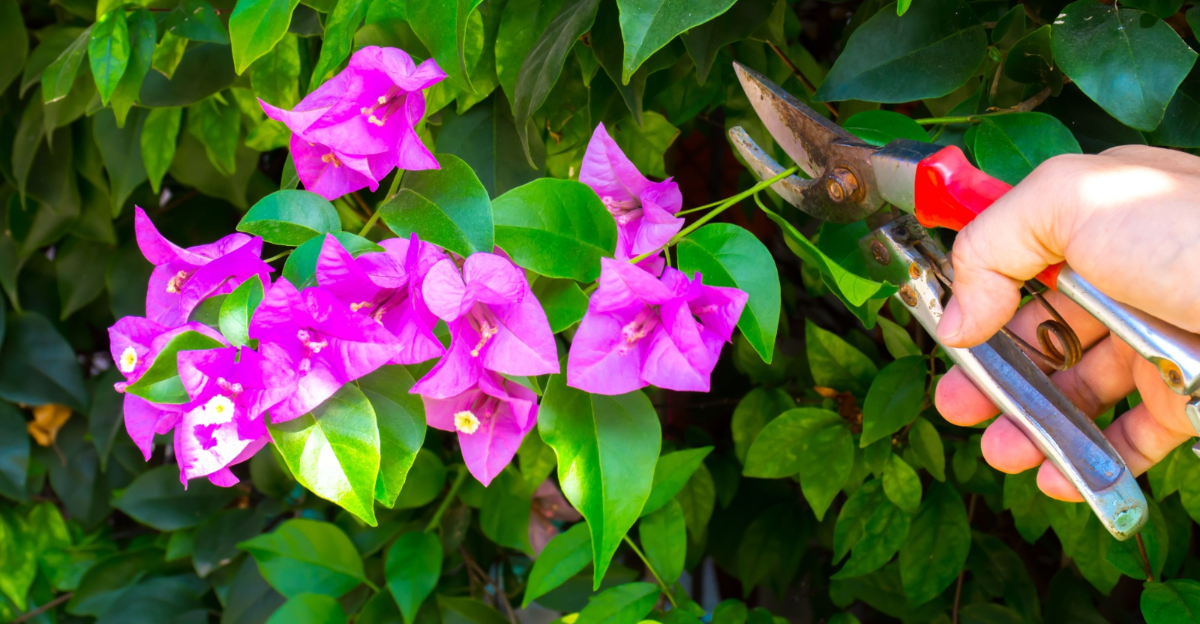
June in Arizona is not exactly the month that makes you want to spend extra time outside with tools in your hands. It’s hot, it’s dry, and the sun is doing absolutely the most.
But if your desert landscape is starting to look a little rough around the edges after spring bloom season, completely ignoring it until fall isn’t always the answer either.
Here’s the thing though, June pruning in Arizona is a very specific kind of task.
We’re not talking about major reshaping or aggressive cutbacks. Think of it more like a light editorial pass.
A few spent flower stems here, a wayward shoot there, maybe some gentle shaping to keep things looking intentional.
Done right, a careful June touch-up can keep your yard looking great without adding unnecessary stress to plants that are already working hard in the heat.
1. Desert Bird Of Paradise Benefits From Light Size Control
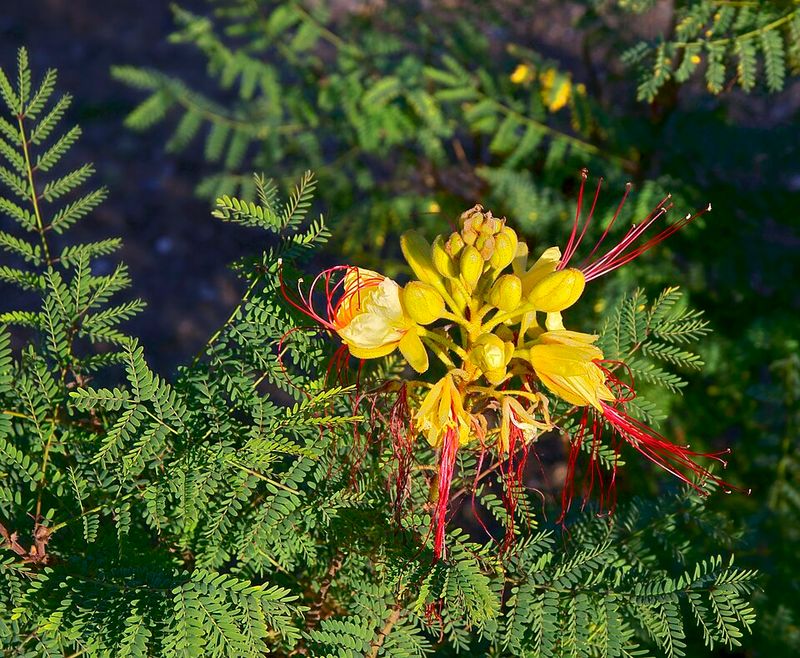
Walking past a Desert Bird of Paradise in full bloom is one of the small joys of living in Arizona. By early June, many of these shrubs have already pushed out a flush of bright yellow flowers and are starting to look a little unruly around the edges.
A bit of size control at this point can help keep the plant looking tidy without putting it under unnecessary stress.
Light pruning in June usually means trimming back a few of the longer, reaching stems that are disrupting the shape of the shrub. Removing spent flower clusters is also a reasonable task at this time.
Try to avoid cutting deeply into the woody base of the plant, since exposing older interior wood during intense Arizona heat can slow the plant down significantly.
Focus on the outer growth rather than the inner structure. Removing roughly one-third of the newest growth is generally a reasonable limit during early summer.
Keep cuts clean using sharp bypass pruners, and try to work during the cooler morning hours to reduce stress on both the plant and yourself. Desert Bird of Paradise is resilient, but it responds best when pruning is thoughtful and selective rather than aggressive.
2. Mexican Bird Of Paradise Can Be Shaped Gently
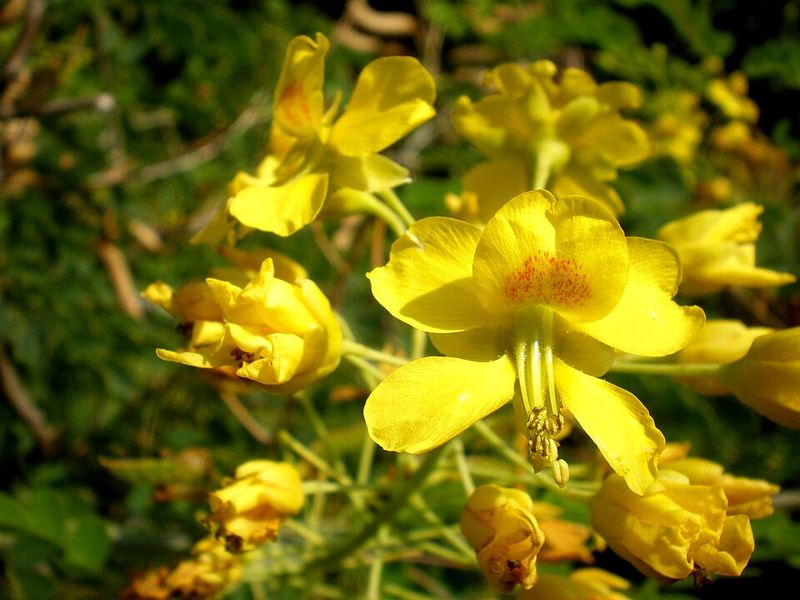
Few shrubs put on a show quite like the Mexican Bird of Paradise when it hits its stride in late spring and early June. The clusters of golden-yellow flowers practically glow against the Arizona sky.
Once the heaviest part of the bloom cycle starts to wind down, a gentle shaping session can help the plant maintain a manageable size and a cleaner silhouette.
The goal in June is not to dramatically reduce the plant but to guide its form.
Trimming back a few of the longer outer branches and snipping off spent flower heads encourages a tidier appearance without forcing the plant to push out a lot of new growth during the hottest part of the Arizona summer.
New growth that emerges during extreme heat can be vulnerable to sun damage.
Your Arizona Garden Changes Every Week. Your Plan Should Too.
Gardening in Arizona changes quickly throughout the season. Every Friday you’ll receive a simple weekly plan showing exactly what to plant, prune, fertilize, harvest, and protect so you never miss the right timing.
Wear gloves and long sleeves when working around this plant, since the stems can be thorny. Work from the outside in, taking only what is clearly overgrown or finished blooming.
Mexican Bird of Paradise is well-suited to Arizona landscapes because of its heat and drought tolerance, but that toughness should not be mistaken as an invitation for heavy cutting in June. Light and selective is the approach that works best here.
3. Red Bird Of Paradise Needs Only Careful Touch-Ups
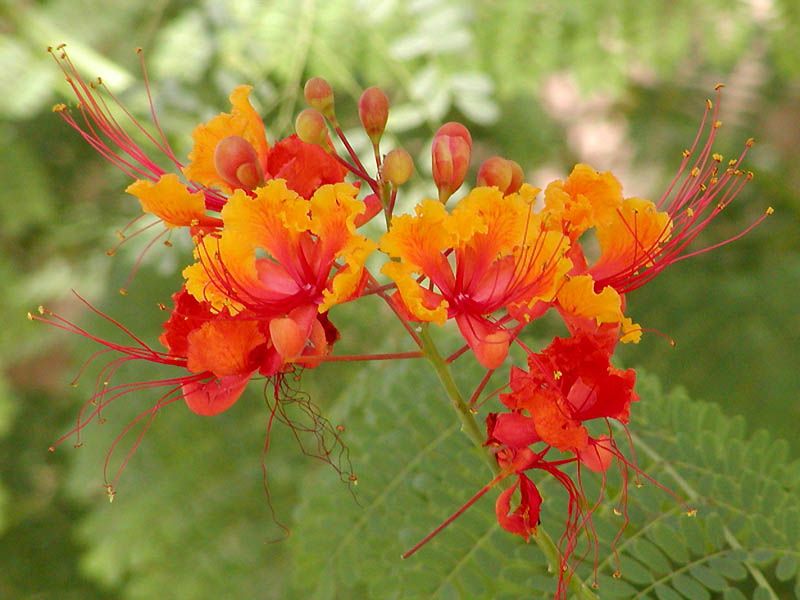
Vibrant and tough, Red Bird of Paradise earns its place in Arizona landscapes by producing striking red and orange flower clusters that attract hummingbirds and pollinators throughout the warmer months.
By June, the plant is often mid-bloom or transitioning between flushes, which means any pruning needs to be handled with care to avoid cutting off developing flower buds.
Touch-ups in June should be limited to removing stems that have clearly finished blooming, cutting back any shoots that are growing awkwardly out of the plant’s natural form, and tidying up any dry, brittle, or damaged wood.
Avoid shearing the entire plant into a rounded shape, since this removes potential blooms and can leave the interior exposed to harsh Arizona sun.
Red Bird of Paradise tends to grow fairly quickly during the warm season, so a small amount of selective trimming can go a long way.
If the plant is getting too wide for a bed or is crowding a walkway, focus on the specific branches causing the problem rather than cutting back the whole shrub.
Pruning in the early morning before temperatures climb is a practical habit that reduces stress for the plant and makes the work more comfortable for the gardener as well.
4. Pink Fairy Duster Responds To Post-Bloom Trimming
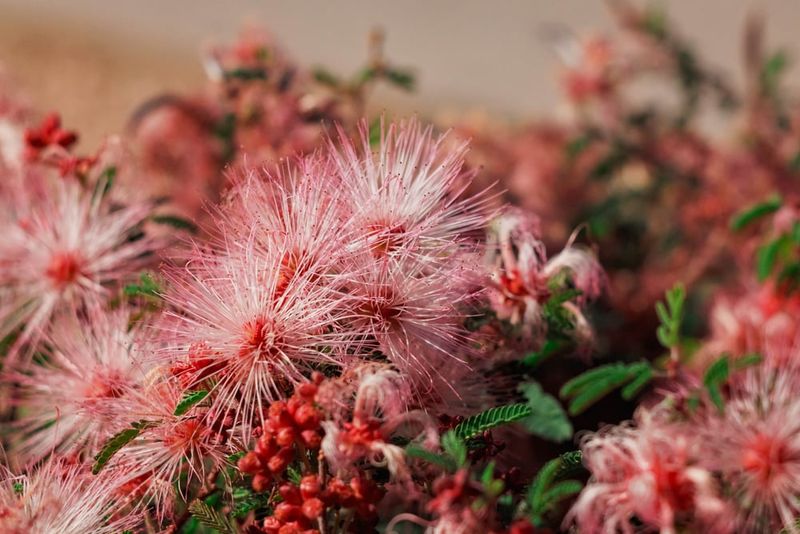
After putting on a cheerful display of soft pink, feathery blooms in spring, Pink Fairy Duster can look a little ragged by the time June rolls around.
The spent flower heads dry out and linger on the plant, and some of the stems may have stretched beyond the shrub’s natural rounded shape.
Post-bloom trimming at this point is a reasonable way to freshen the plant without causing harm.
Removing the dried flower clusters and lightly trimming back any stems that have grown noticeably longer than the rest is usually all this plant needs in June.
Pink Fairy Duster is a low-water native that thrives in Arizona’s desert conditions, and it generally does not require heavy pruning to stay healthy.
The less you cut, the less new growth the plant has to push out during the hottest stretch of the year.
Keep the overall shape loose and natural rather than trying to force the plant into a tight mound. Pink Fairy Duster looks best when it retains a slightly informal appearance.
Sharp, clean pruning cuts help reduce the chance of stem damage in the dry heat. A quick tidy-up in early June, done before temperatures regularly hit triple digits, is usually enough to carry the plant through the rest of summer looking presentable.
5. Little Leaf Cordia Handles Light Shaping
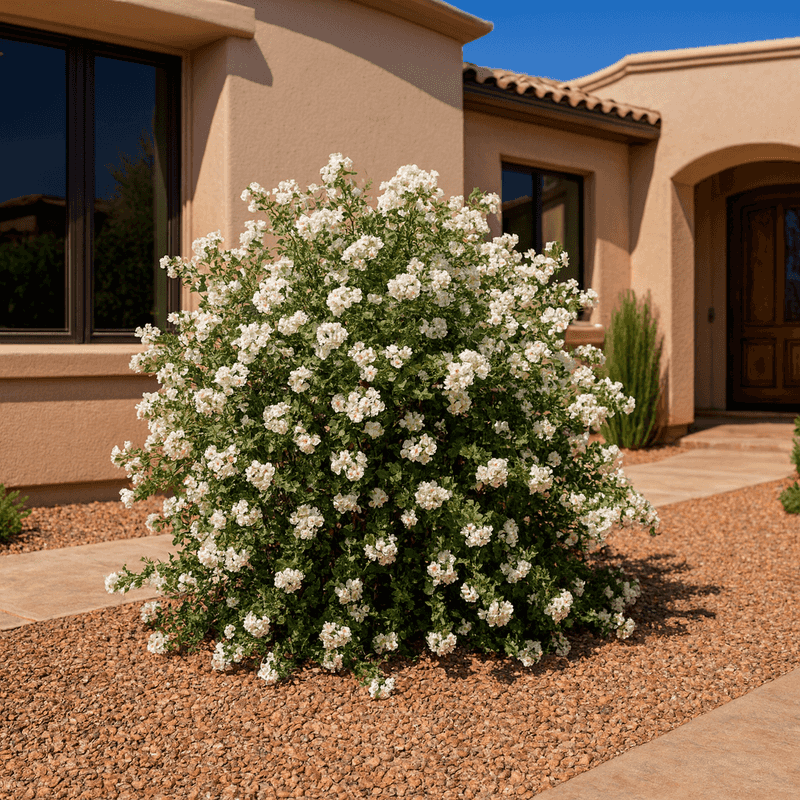
One of the more underappreciated shrubs in Arizona landscapes, Little Leaf Cordia offers fine-textured foliage and small white flowers that appear repeatedly through the warm season.
By June, the plant may have put on enough new growth to look a little loose or uneven, especially along driveway edges or patio plantings where a tidy appearance matters.
Light shaping at this time of year helps define the plant’s outline without pushing it into a stressful regrowth cycle. Trim back any stems that have grown noticeably beyond the rest of the shrub, and remove any branches that are crossing or rubbing against each other.
Little Leaf Cordia responds reasonably well to selective trimming, but like most desert-adapted plants in Arizona, it does not benefit from heavy cutting during the heat of summer.
Try to maintain the plant’s naturally rounded form rather than shearing it into a formal shape. Shearing removes a lot of foliage at once, which can expose inner stems to intense Arizona sun and reduce the plant’s ability to shade itself.
A few careful cuts with bypass pruners, focused on the outer silhouette, are usually enough to keep Little Leaf Cordia looking neat and proportional through the rest of the season without adding unnecessary stress.
6. Bougainvillea Needs Selective Shoot Cleanup
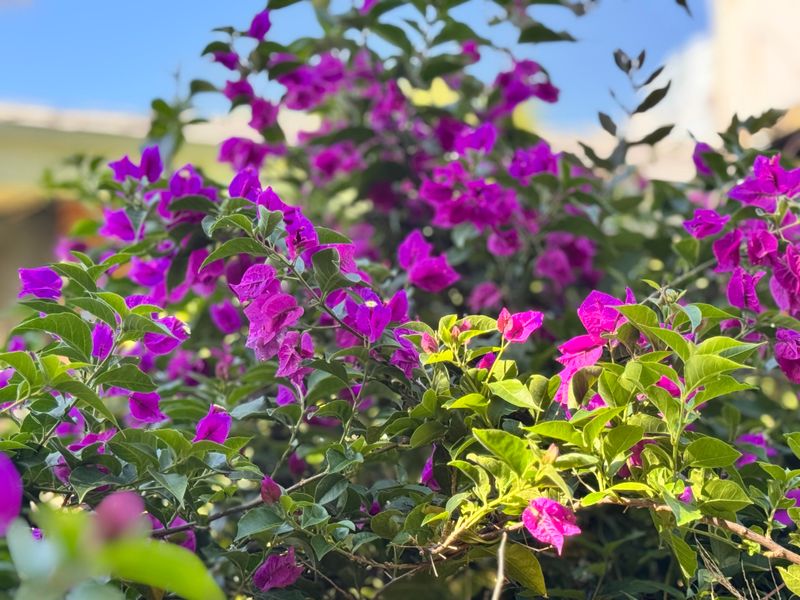
Bougainvillea is one of those plants that can go from gorgeous to overwhelming in what feels like a matter of weeks during the Arizona spring.
By early June, long shoots may be reaching into walkways, over walls, or across neighboring plants, and a round of selective cleanup can help bring things back under control before the real heat sets in.
The key with Bougainvillea in June is to be selective rather than aggressive. Removing the longest, most problematic shoots and cutting back any stems that have finished blooming is usually the right approach.
Avoid shearing the entire plant or removing large sections of established wood, since this can cause a significant stress response during a period when temperatures are already pushing the plant hard.
Bougainvillea has thorns, so thick gloves and long sleeves are genuinely helpful when doing this work. Make cuts just above a leaf node or lateral branch to encourage a cleaner regrowth pattern.
Some homeowners make the mistake of cutting Bougainvillea back severely in summer hoping for a rebloom, but this often results in stressed, slow-recovering plants.
A lighter touch in June, focused on cleanup and basic containment, is a more practical approach for keeping this dramatic plant manageable in residential Arizona landscapes.
7. Lantana Can Be Tidied Without Heavy Cutting
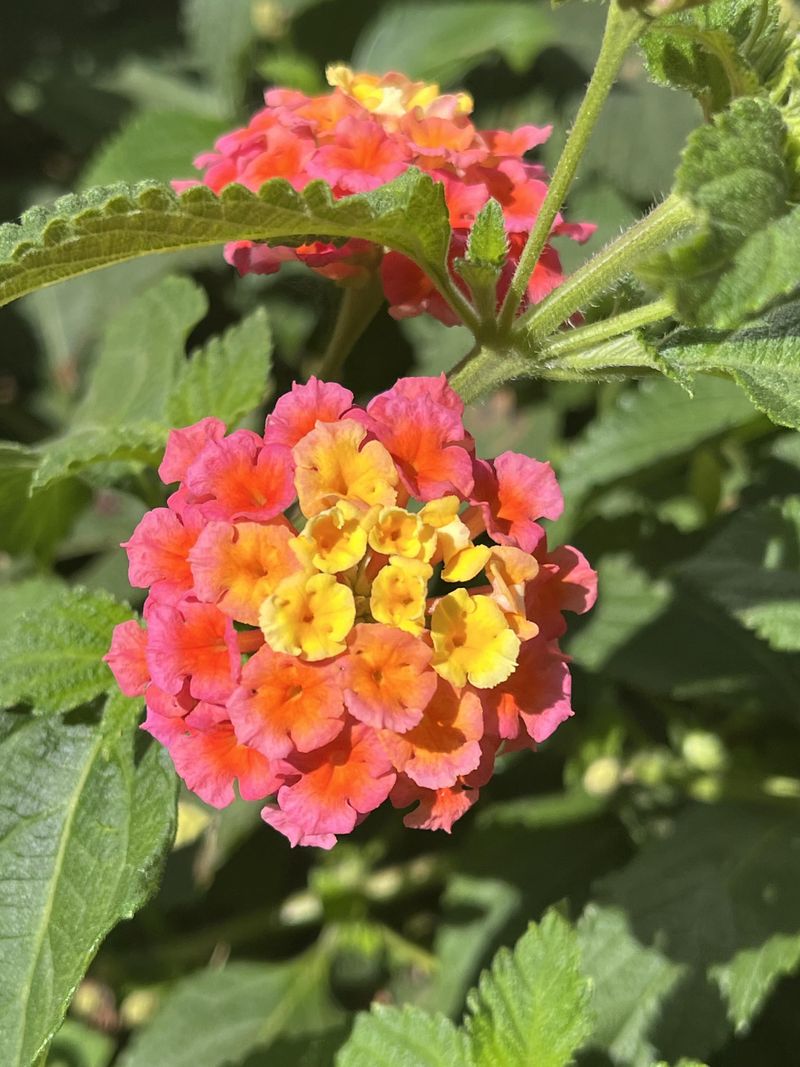
Lantana earns devoted fans across Arizona because it blooms heavily, handles heat well, and comes in a range of warm colors that brighten up a desert garden.
By June, plants may have a layer of spent flower heads and some stems that have grown loosely beyond the main body of the shrub.
A light tidy-up at this point can encourage continued blooming and a neater overall look.
Removing spent flower clusters and trimming back any noticeably long or unruly stems is the appropriate level of pruning for Lantana in June.
Heavy cutting is not recommended during this time, since the plant is actively growing and blooming, and removing too much foliage at once can expose stems and soil to direct Arizona sun.
Lantana generally responds better to frequent, light attention than to occasional hard pruning.
If the plant has developed a few woody, unproductive stems near the base, those can be selectively removed to improve airflow and encourage fresh growth from the center. Keep the overall shape relaxed and natural.
Lantana tends to look best when it has a slightly mounding, informal habit rather than being forced into a clipped formal shape. Working in the early morning before the June heat builds makes this task quicker and more comfortable for everyone involved.
8. Oleander Responds Better To Thinning Than Shearing
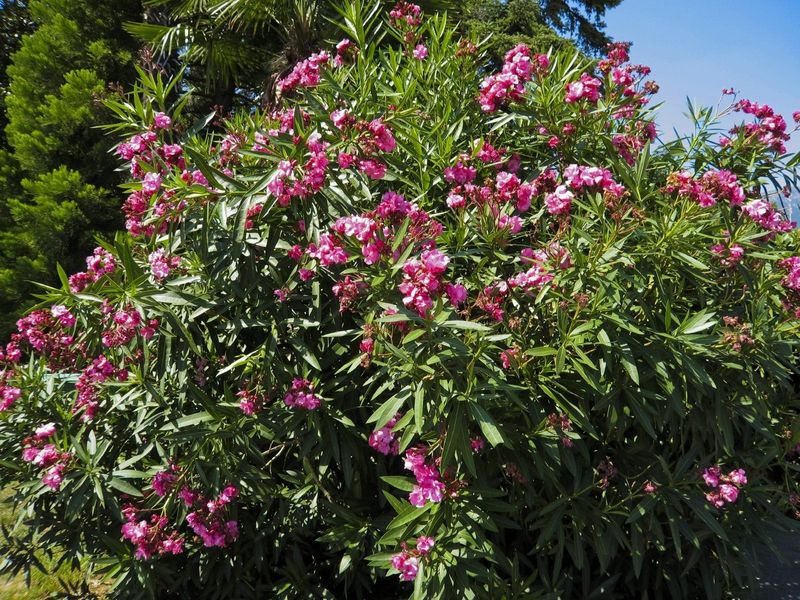
Oleander is a staple of Arizona landscapes precisely because it handles heat, drought, and neglect with remarkable resilience. By June, established plants may have put on dense new growth that crowds the interior of the shrub and reduces airflow.
Thinning, rather than shearing, is the most appropriate approach for managing Oleander at this time of year.
Selective thinning means removing specific stems from within the plant to open up the structure rather than cutting across the entire outer surface.
This approach improves airflow, reduces the density that can sometimes harbor pests, and maintains the plant’s natural form.
Shearing Oleander into a tight hedge shape removes a large amount of foliage quickly, which can stress the plant during Arizona’s early summer heat and leave the interior exposed to intense sun.
When thinning, focus on stems that are crossing, crowded, or growing back toward the center of the plant. Remove them at the point where they branch off from a larger stem.
Oleander sap can cause skin and eye irritation, so wearing gloves and washing hands thoroughly after working with this plant is a reasonable precaution.
A thoughtful thinning session in early June can keep Oleander looking full and healthy without the setbacks that come from cutting too much at once during the hottest months of the Arizona year.
9. Salvia Benefits From Spent Flower Stem Removal
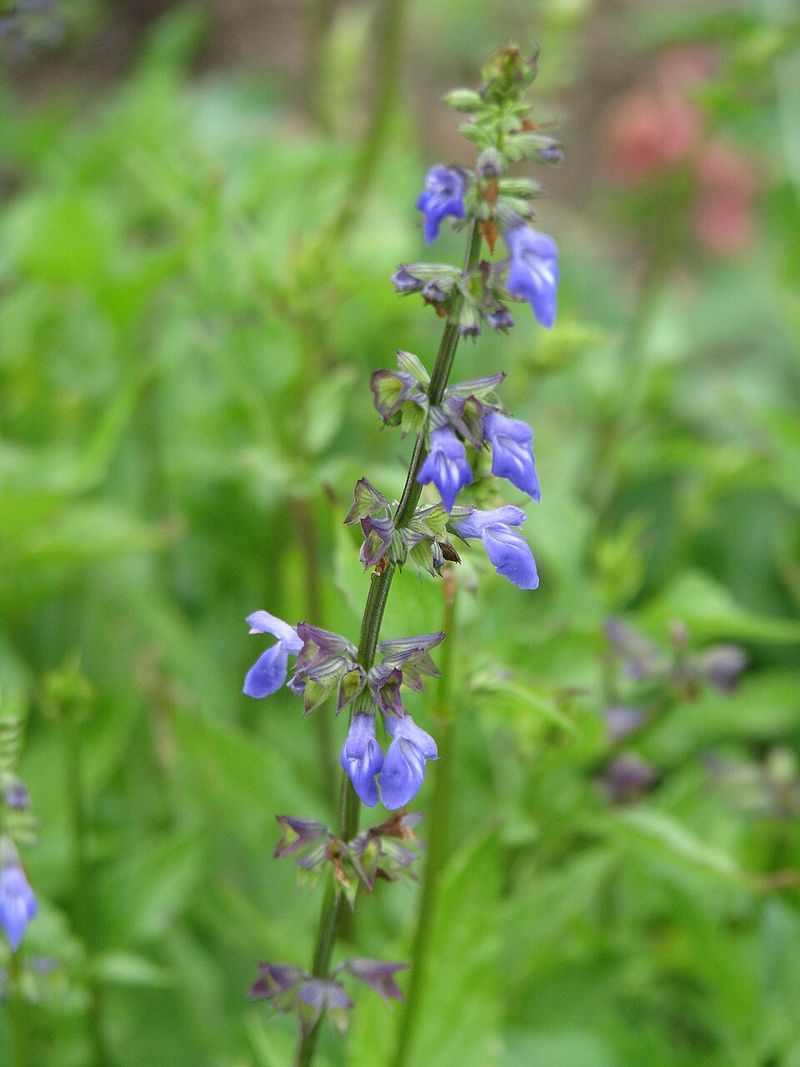
Many Salvia varieties grown in Arizona landscapes finish a significant bloom cycle by late spring and carry a collection of dried, spent flower spikes into early June.
Removing those spent stems is one of the most straightforward and rewarding pruning tasks of the early summer season.
It freshens the plant’s appearance and can encourage another round of blooming as conditions allow.
Cutting spent flower stems back to the nearest set of healthy leaves or to a lateral branch is the typical approach.
Avoid cutting back into the woody base of the plant during June, since this kind of hard pruning can be stressful when Arizona temperatures are climbing rapidly.
The goal is to remove what is clearly finished and leave the healthy, leafy growth intact to continue supporting the plant through summer.
Some Salvia varieties are more cold-sensitive than heat-sensitive, so they handle June conditions reasonably well as long as they are not overwatered or heavily pruned.
Keeping the cuts light and targeted is the consistent theme for any desert-adapted plant in an Arizona garden during this time of year.
A quick pass through the plant with clean, sharp pruners to remove spent stems and a few stray shoots is usually all the attention Salvia needs before the full force of summer heat arrives.