Why Plants Near West-Facing Walls Struggle Most In Arizona Summer
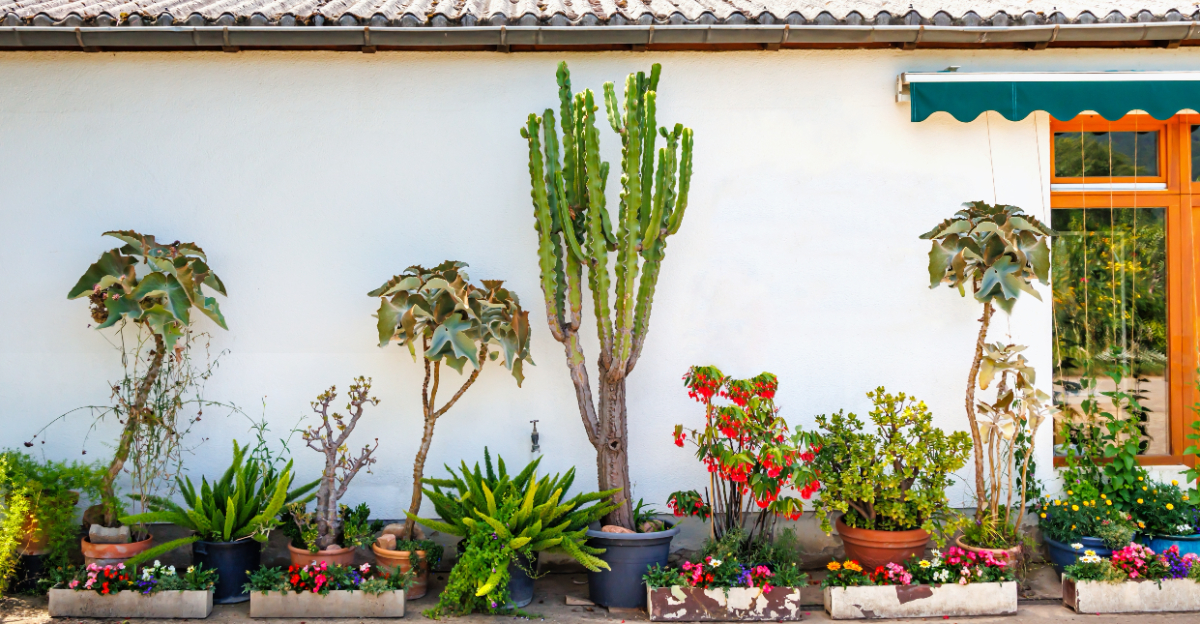
Some plants never seem to catch a break, no matter how carefully you water them. If they are growing beside a west-facing wall, the location could be the real problem.
Arizona summer sun turns those walls into powerful heat sources during the afternoon. That extra warmth stays nearby long after direct sunlight begins fading each evening.
Before replacing another struggling plant, take a closer look at where it is growing. A small change in placement can make a much bigger difference than extra water alone.
Knowing why these spots become so challenging helps you avoid repeated frustration and protect your landscape from unnecessary stress.
Once you understand what is happening, you can make smarter choices that help plants stay healthier through the hottest part of the season.
1. West-Facing Walls Reflect Intense Afternoon Heat
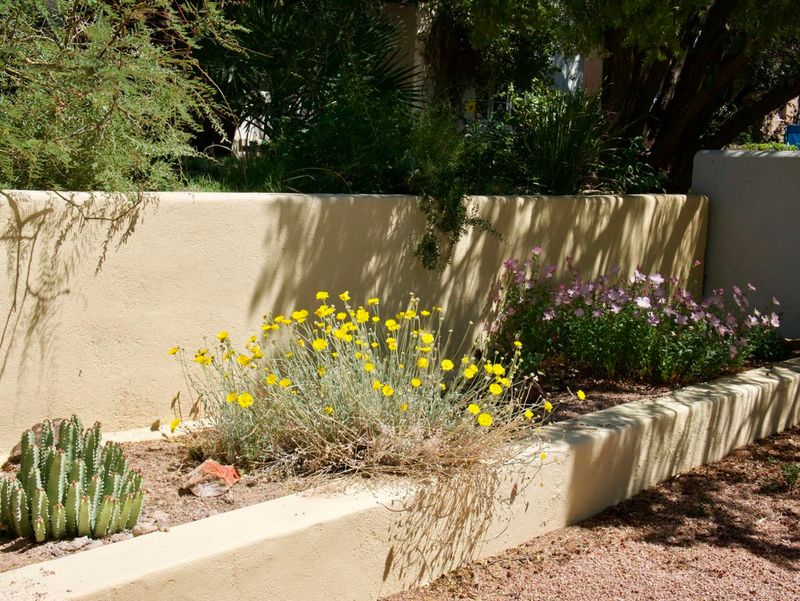
Radiant heat from a west-facing wall can feel like standing next to an open oven. When the afternoon sun hits that surface directly, temperatures near the wall can run significantly higher than the surrounding air.
Plants sitting in that zone absorb heat from two directions at once: from above and from the wall beside them.
Stucco and block walls are especially efficient at reflecting solar radiation back onto nearby foliage. Leaf surfaces can reach temperatures that interfere with normal photosynthesis, causing visible stress even in plants that are otherwise well-watered.
Scorched leaf edges and bleached coloring are common signs of this kind of heat exposure.
West-facing exposures get direct sun from roughly early afternoon until sunset. That timing is brutal because air temperatures are already at their peak during those hours.
Adding reflected wall heat on top of peak air temperatures creates a compounding effect that most plants struggle to handle.
Spacing plants a few feet away from the wall can reduce direct heat exposure noticeably. Even a small gap allows air to circulate and prevents the plant from sitting in the hottest zone.
2. Heat Stored In Masonry Lasts Well Into The Evening
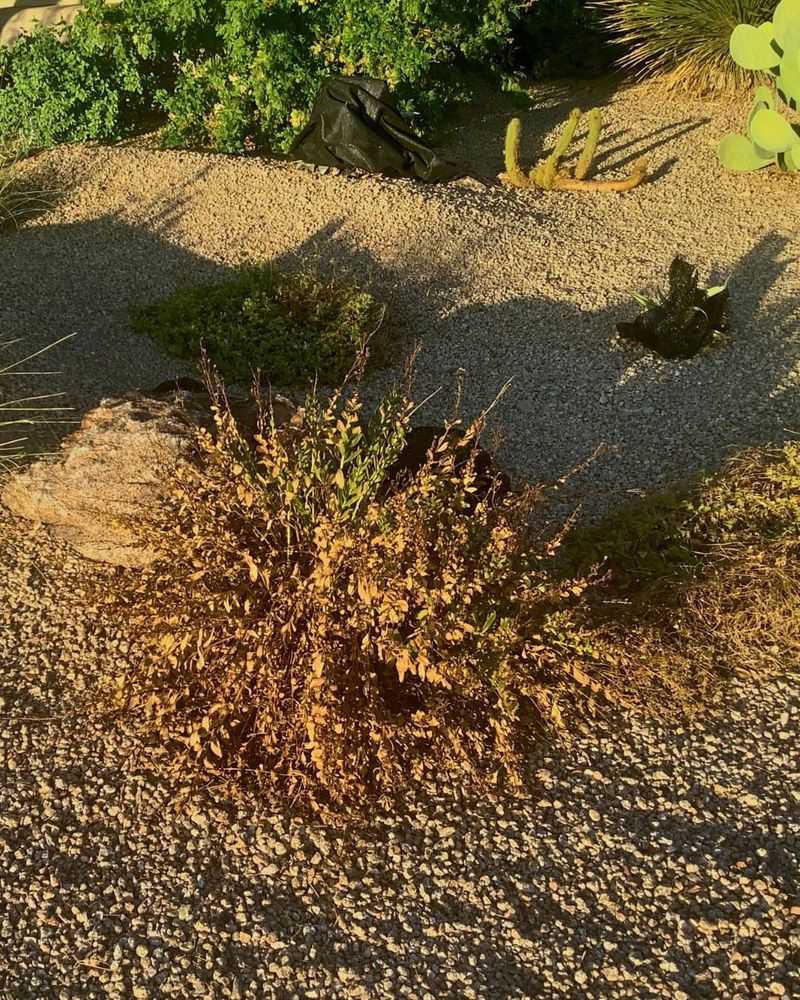
Most people assume plants get relief once the sun goes down. Near a masonry wall, that relief comes much later than expected.
Concrete, block, and brick absorb enormous amounts of heat throughout the day and slowly release it for hours after sunset.
Soil temperature near these walls can stay elevated well past midnight during peak summer months. Root systems that need cooler nighttime temperatures to recover from daytime stress simply do not get that break.
Over time, that cycle of continuous heat takes a toll on even tough plants.
Masonry materials have high thermal mass, meaning they store and release energy slowly. A block wall baking in the afternoon sun can still feel warm to the touch at 10 p.m.
Plants pressed up against or planted very close to that wall experience an extended heat event that stretches far beyond daylight hours.
Nighttime recovery matters a great deal for plant health. Many desert-adapted plants depend on cooler nighttime temperatures to slow their metabolism and rebuild moisture reserves.
When walls prevent that cooling process, plants stay under stress for longer stretches each day.
Your Arizona Garden Changes Every Week. Your Plan Should Too.
Gardening in Arizona changes quickly throughout the season. Every Friday you’ll receive a simple weekly plan showing exactly what to plant, prune, fertilize, harvest, and protect so you never miss the right timing.
Keeping plants at a reasonable distance from the wall gives them access to air that cools more naturally after dark.
3. Soil Beside The Wall Dries Out Faster
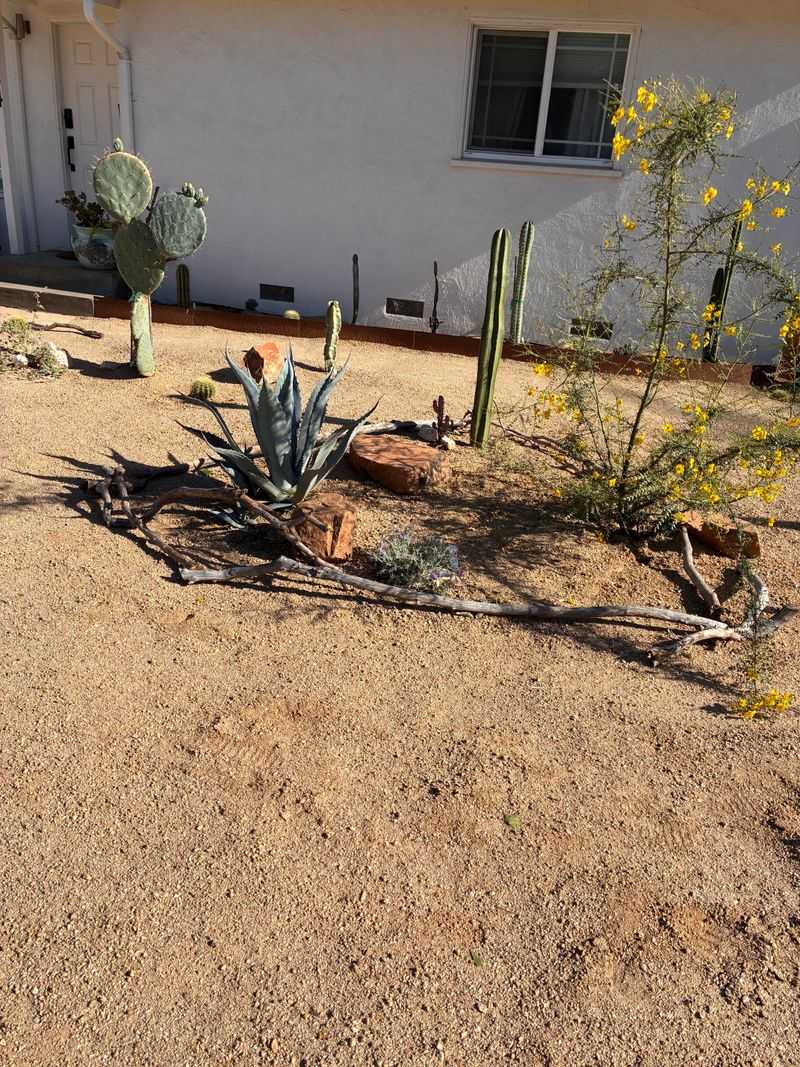
Soil next to a hot wall behaves differently than soil even a few feet away. Heat radiating from the wall surface raises soil temperature, which speeds up evaporation significantly.
What might stay moist for two days in an open bed can dry out in less than a day when it sits beside a west-facing wall.
Dry soil loses its ability to buffer roots from heat. When moisture is gone, the soil itself heats up faster and holds that heat longer.
Roots then sit in a dry, hot environment that makes it hard for the plant to take up water even when you do irrigate.
Sandy or gravelly desert soils already drain quickly by nature. Add wall heat to the equation and moisture disappears at an even faster rate.
Gardeners who water on a standard schedule often find that plants near west-facing walls show drought stress well before their next scheduled irrigation.
Checking soil moisture by hand rather than relying on a fixed timer is a practical habit in these spots. Push a finger two inches into the soil.
If it feels dry at that depth, the plant likely needs water sooner than usual.
Adding organic matter to the soil can improve its ability to retain moisture near walls.
4. Heat-Tolerant Plants Perform Better In These Locations
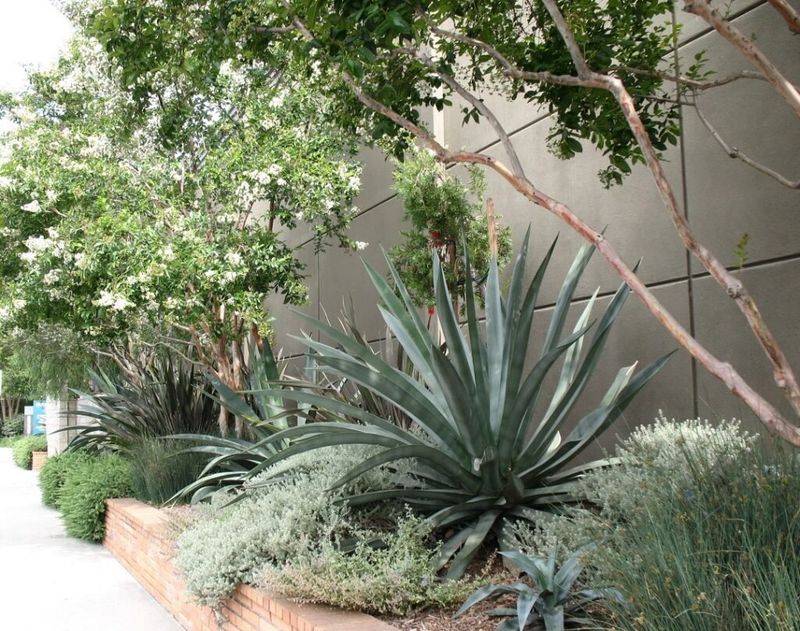
Not every plant struggles next to a west-facing wall. Some are genuinely built for it.
Selecting the right plants for this specific spot is one of the most effective ways to reduce maintenance and keep the area looking good through summer.
Bougainvillea is a strong performer near hot walls. It thrives on heat and reflected light, producing vivid color even when temperatures climb sharply.
Lantana is another solid choice, tolerating intense sun and heat with minimal irrigation once it establishes.
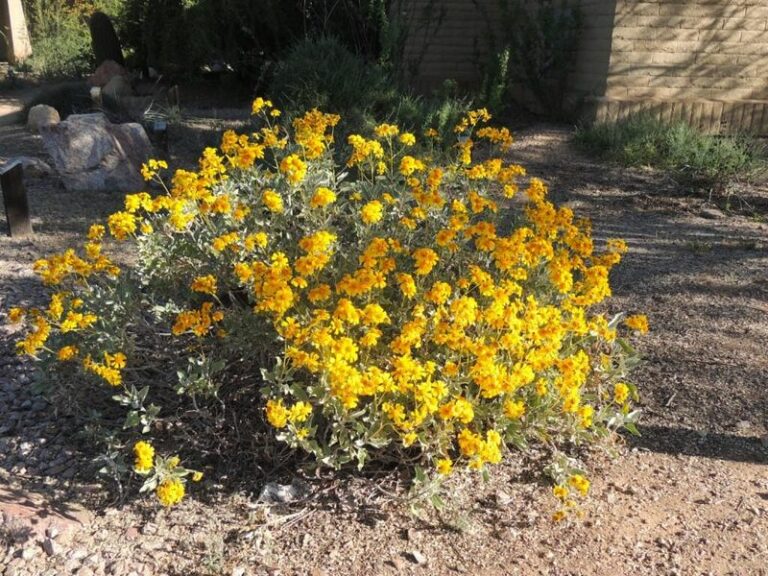
Desert marigold, brittlebush, and globe mallow are native options that handle reflected wall heat without significant stress. These plants evolved in conditions that mimic what a west-facing wall creates, making them naturally suited to the challenge.
Their root systems are adapted to dry, warm soil and do not need the nighttime cooling that more temperate plants depend on.
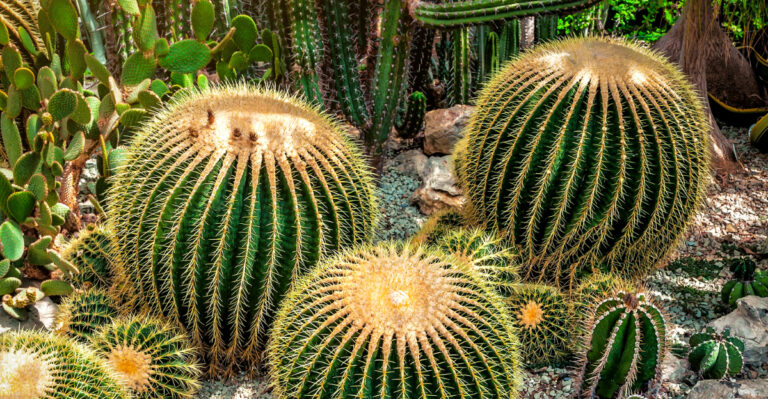
Succulents can work in these spots as well, though intense reflected heat can cause sunscald on some varieties. Agave and certain cacti tend to handle it better than softer succulents like echeveria or aloe in full afternoon exposure.
Matching the plant to the microclimate is smarter than fighting the conditions. A little research before planting saves a lot of frustration later.
5. Leave Enough Space Between Plants And The Wall
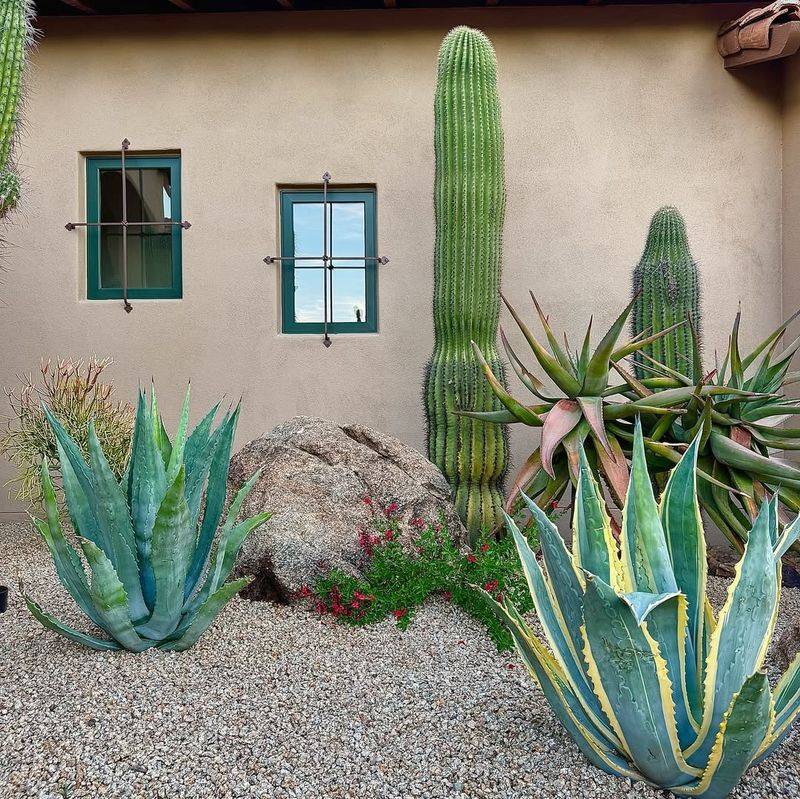
Crowding plants right up against a wall is a common mistake in desert landscaping. It looks tidy at planting time, but it creates problems once summer heat arrives.
Space between the plant and the wall allows air to move freely, which helps moderate the immediate temperature around the foliage.
A gap of 18 to 24 inches is a reasonable starting point for most shrubs near a west-facing wall. Larger plants may benefit from even more clearance.
That space reduces the amount of reflected heat the plant absorbs directly and gives roots room to spread away from the hottest zone near the wall base.
Air circulation also reduces humidity around foliage, which matters for disease prevention. In monsoon season, when humidity spikes suddenly, good airflow helps plants dry out faster after rain and lowers the risk of fungal issues.
Planting too close also makes it harder to water effectively. Water tends to run off near wall foundations rather than soaking into the root zone.
Keeping plants a bit further out means irrigation reaches the soil where roots are actively growing.
Watching how plants respond after a few weeks in their location tells you a lot. If foliage facing the wall shows more stress than the outer leaves, that is a sign the plant is too close.
6. Check Soil Moisture More Often In Summer
Watering schedules that work in spring can fall short fast once summer temperatures take hold. Near a west-facing wall, soil dries out quicker than in other parts of the yard.
Sticking to a fixed timer setting without checking actual soil conditions can leave plants thirsty between irrigation cycles.
Manual moisture checks are more reliable than any schedule during peak heat months. Pushing a finger or a wooden dowel two to three inches into the soil gives a quick and honest read of what is happening at root level.
If it comes out dry, water sooner rather than later.
Drip irrigation systems are generally more efficient near walls than overhead sprinklers. They deliver water directly to the root zone and reduce surface evaporation.
Checking drip emitters regularly is worthwhile because they can clog or shift position without obvious signs from above ground.
Early morning is the best time to water in hot-weather months. Soil absorbs moisture more efficiently before air temperatures peak, and plants have access to that water during the most stressful part of the day.
Evening watering near walls can leave foliage damp overnight in humid monsoon conditions, which raises disease risk.
Adjusting watering frequency based on recent temperatures rather than the calendar is a practical approach.
7. Mulch Helps Keep The Root Zone Cooler
Bare soil next to a hot wall absorbs and radiates heat with nothing to slow it down. A layer of mulch changes that dynamic noticeably.
Mulch acts as insulation, keeping the soil underneath several degrees cooler than exposed ground during peak afternoon heat.
Organic mulches like wood chips or shredded bark work well in desert gardens. A layer of three to four inches is enough to make a real difference in soil temperature and moisture retention.
As organic mulch breaks down, it also adds a small amount of organic matter to the soil, which improves its structure over time.
Gravel mulch is common in desert landscaping and does reflect some radiant heat. It tends to absorb and hold heat itself, though, especially near walls.
Organic mulch generally performs better for keeping root zones cooler in extreme summer conditions.
Keep mulch pulled back a few inches from the base of plant stems. Piling mulch directly against stems can trap moisture and encourage rot, particularly during monsoon season when humidity increases.
A small gap around the stem is enough to allow airflow at the base.
Refreshing mulch once or twice a year keeps it effective. Decomposed mulch loses its insulating properties and compacts down.