Stop Feeding These Plants Before Georgia Summer Turns Your Yard Into A Furnace
July in Georgia is not a forgiving month.
The heat settles in like it owns the place, the humidity makes the air feel physical, and the garden that looked so full of promise in May starts showing signs of strain.
Many Georgia gardeners respond by doing more. More fertilizer is where things go wrong.
There is a specific category of gardening mistake that does not show consequences immediately.
The damage builds slowly over a few weeks and then reveals itself all at once in August, when plants that should be holding strong start looking stressed, scorched, and depleted in ways that are genuinely confusing.
Fertilizer applied to the wrong plants during Georgia’s peak heat does not feed them. It pushes them in a direction they cannot sustain.
These eight plants on this list need you to put the bag down.
1. Azaleas
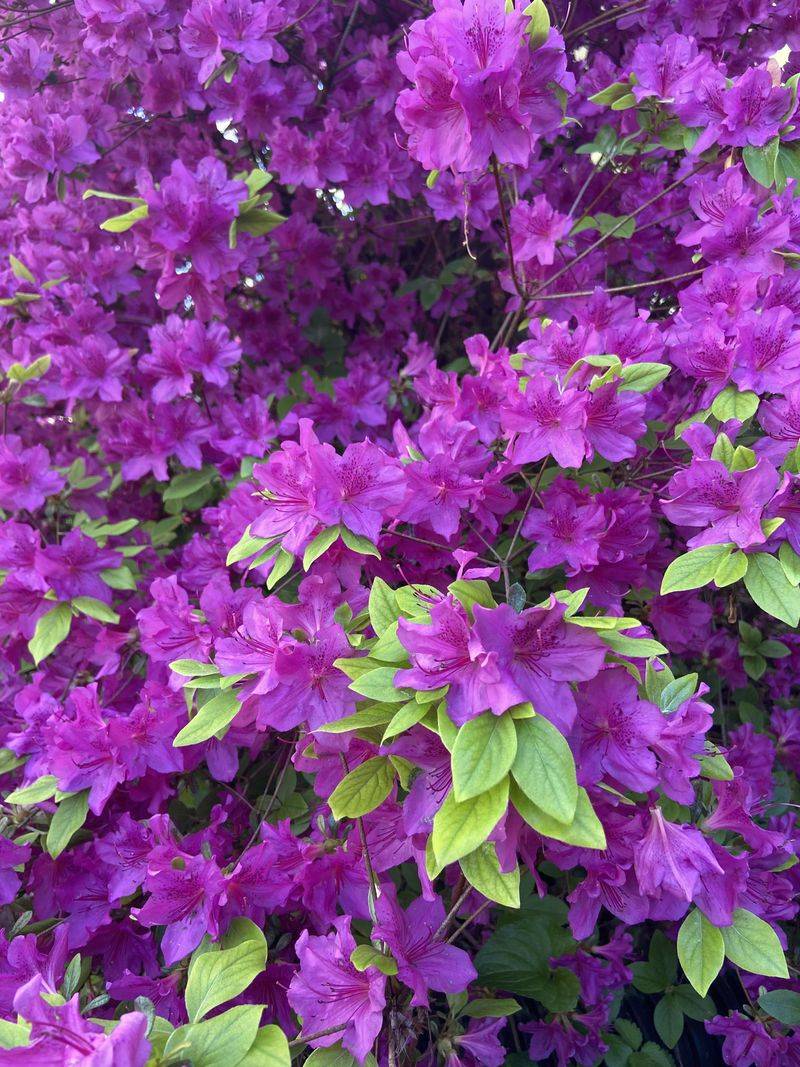
Azaleas earn their reputation every April and May. The bloom display they put on across Georgia yards in spring is genuinely difficult to match. But once early June arrives, the fertilizer bag needs to go back on the shelf and stay there.
Feeding azaleas after this window pushes a flush of soft, tender new growth directly into Georgia’s most punishing heat.
That new growth is vulnerable in a way that established foliage is not. Afternoon temperatures that routinely exceed 90 degrees can scorch those young leaves before they have any chance to harden off.
The timing issue runs deeper than visible leaf damage. Late fertilizing interferes with bud set, which is the quiet internal process through which azaleas prepare next spring’s blooms.
Disrupting that process in July produces fewer flowers the following April even when the plant looks perfectly fine right now.
The correct fertilizer window runs from after the bloom period finishes through mid-May at the latest. A slow-release, acid-forming product applied during that window provides what the plant needs without the summer risk.
After early June, consistent watering becomes the primary care tool. Soil should stay moist but never waterlogged.
A fresh layer of pine bark mulch around the root zone regulates soil temperature and helps hold moisture through the driest stretches.
Azaleas are self-sufficient once established. They do not need summer encouragement.
The spring show was spectacular. July fertilizer would have quietly cancelled next year’s performance.
2. Camellias
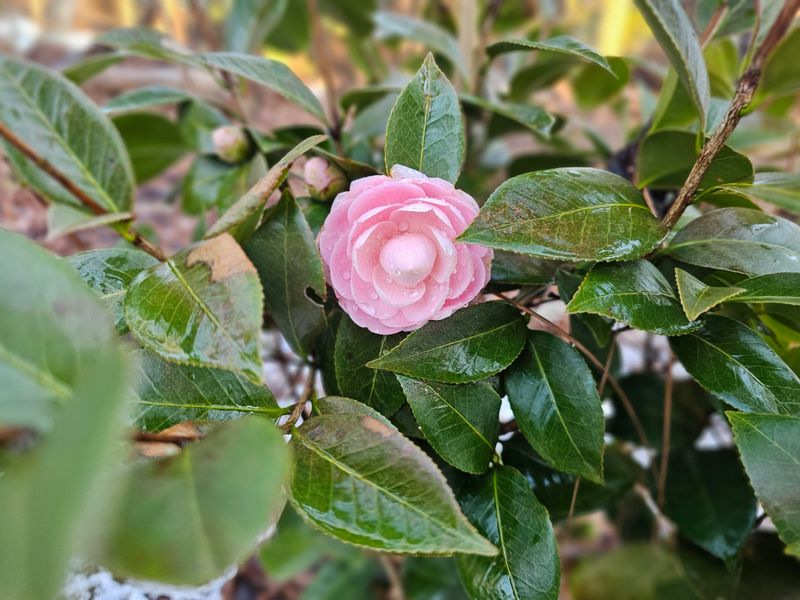
Camellias occupy a unique position in Georgia landscapes. They bloom through winter when nearly everything else has gone quiet, which makes them genuinely valued.
Summer is when they require something most plants do not ask for directly but need nonetheless: a rest.
Feeding camellias in July or August triggers new growth at exactly the moment the plant should be conserving every available resource.
That new growth is soft, water-dependent, and poorly equipped for sustained heat exposure. Sunscald on newly emerged leaves is a predictable outcome.
Root systems already under stress from heat and moisture scarcity cannot absorb nutrients effectively anyway, which means fertilizer applied during this window often accumulates as salt rather than supporting growth.
Your Georgia Garden Changes Every Week. Your Plan Should Too.
Gardening in Georgia changes quickly throughout the season. Every Friday you’ll receive a simple weekly plan showing exactly what to plant, prune, fertilize, harvest, and protect so you never miss the right timing.
Salt buildup in the soil draws moisture away from roots. That is the opposite of what a camellia needs in August.
The productive fertilizer windows fall in spring around March through April and again lightly after summer heat releases in early fall.
A slow-release, acid-forming product applied during those cooler periods gives the plant adequate nutrition without the summer complications.
Through July and August, deep watering once or twice a week does more than any fertilizer application. Two to three inches of pine straw or bark mulch around the base keeps soil temperatures from spiking during the worst afternoon heat.
Camellias in the right conditions with the right seasonal timing perform reliably for decades. Summer is their season to breathe. The fertilizer bag can wait until September.
3. Gardenias
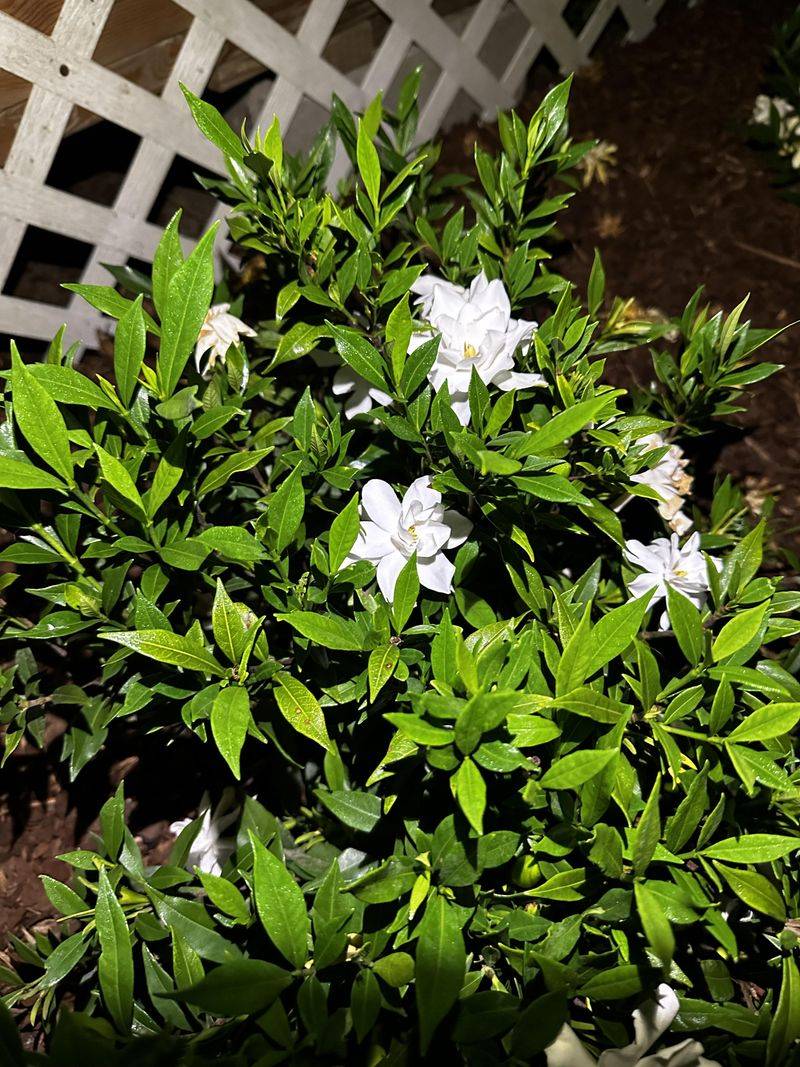
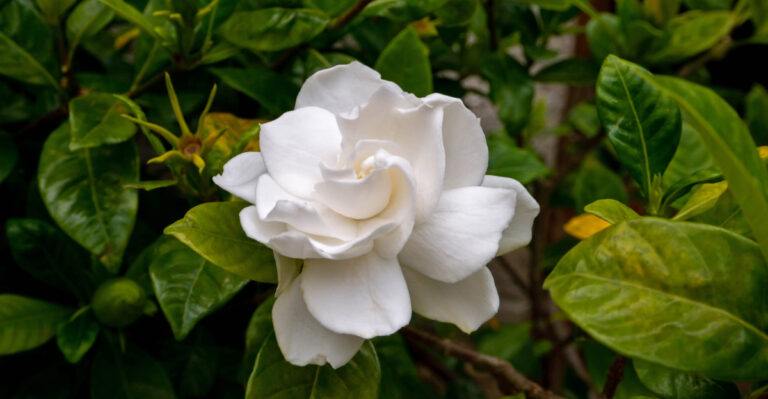
Gardenias have a reputation that precedes them in Georgia gardens. The fragrance alone earns them a permanent spot in Southern landscapes.
They also have a reputation for being particular, and July is the month when that particularity matters most.
Gardenias typically complete their main bloom flush by late June or early July. After that, the plant transitions into a recovery phase focused on strengthening roots rather than producing above-ground growth.
Applying fertilizer at this transition point redirects energy away from root building and toward new leafy growth instead.
That new growth in Georgia’s summer heat wilts fast. It stresses the plant and can trigger bud drop on any remaining flowers still working toward opening.
The timing creates a frustrating cycle where fertilizing with good intentions produces a visibly worse outcome within two to three weeks.
The productive fertilizer window runs from early spring through late May. An acid-forming product with iron and sulfur supports the low soil pH gardenias prefer, ideally between 5.0 and 6.0.
Once that window closes, the next feeding opportunity is September when temperatures have begun moderating.
Yellowing leaves in summer are frequently misread as a nutrient deficiency. Drought stress and pH imbalance are far more common causes during July and August. A soil test clarifies the actual situation before any amendment makes sense.
Consistent watering carries gardenias through summer more reliably than any product in the fertilizer aisle.
Patience is the primary gardenia care tool from July through August. The plant is not asking for more. It is asking for less.
4. Hydrangeas
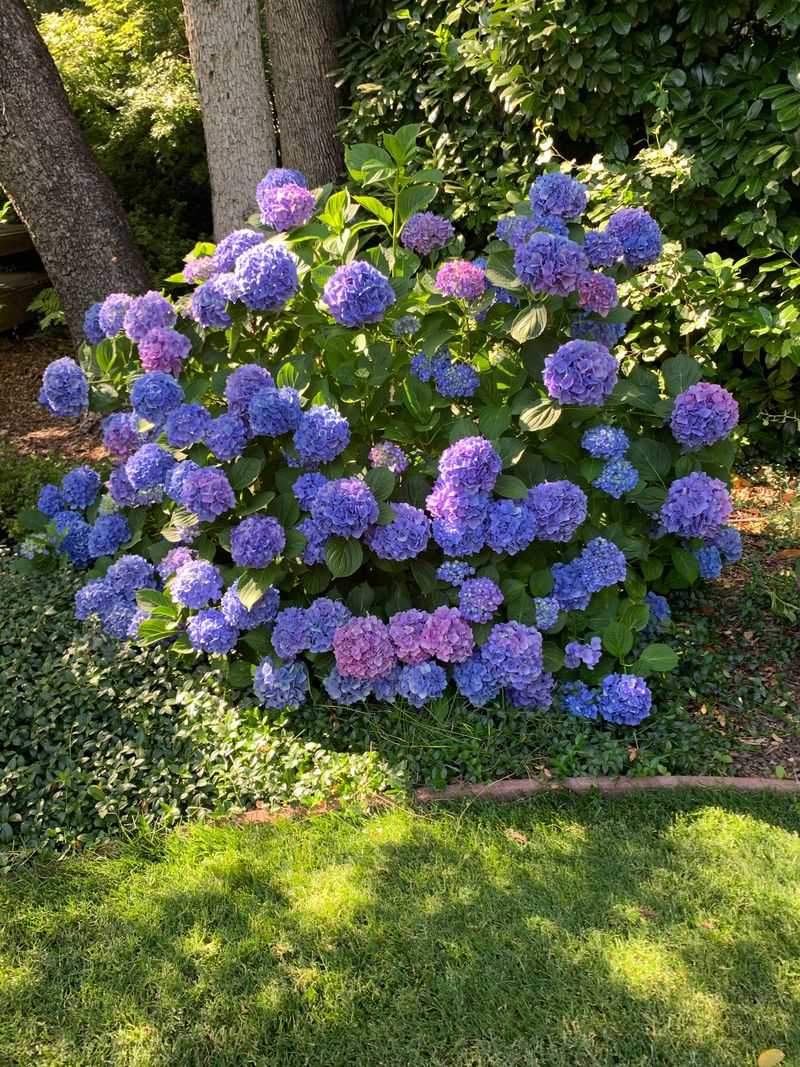
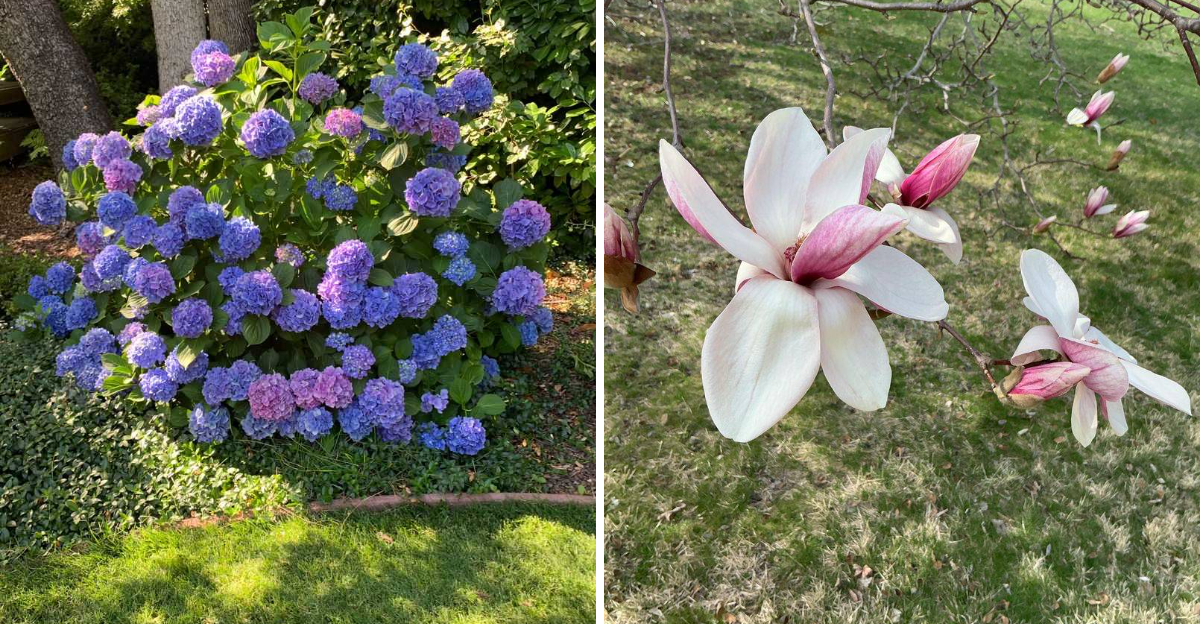
Hydrangeas in a Georgia garden photograph beautifully and perform generously through spring and early summer.
Late fertilizing is one of the most consistent ways to quietly ruin that performance without any obvious warning during the application itself.
Feeding hydrangeas after mid-June pushes a surge of leafy growth that the plant cannot sustain in extreme heat.
Energy that should maintain healthy blooms and strong stem structure gets redirected toward producing soft new foliage that scorches, wilts, and looks noticeably rough by August.
Bigleaf hydrangeas are particularly sensitive to this pattern and represent the most common hydrangea type in Georgia landscapes.
The spring feeding window runs from March through May using a balanced slow-release product. A light second application can work in early June in cooler parts of the state. By the time July heat becomes consistent, feeding stops entirely.
High-nitrogen products applied at the wrong time are a leading cause of lush green plants that produce very few blooms. The plant looks healthy. The flowers disagree.
Hydrangeas are heavy water consumers, particularly in full sun positions. Morning watering reduces fungal disease risk compared to evening applications.
Mulch generously around the base to retain soil moisture and moderate root temperature. Shade cloth protecting blooms from peak afternoon exposure can meaningfully extend how long individual flowers hold their color and form.
The hydrangea was performing exactly as expected. The July fertilizer was the only thing working against it.
5. Roses
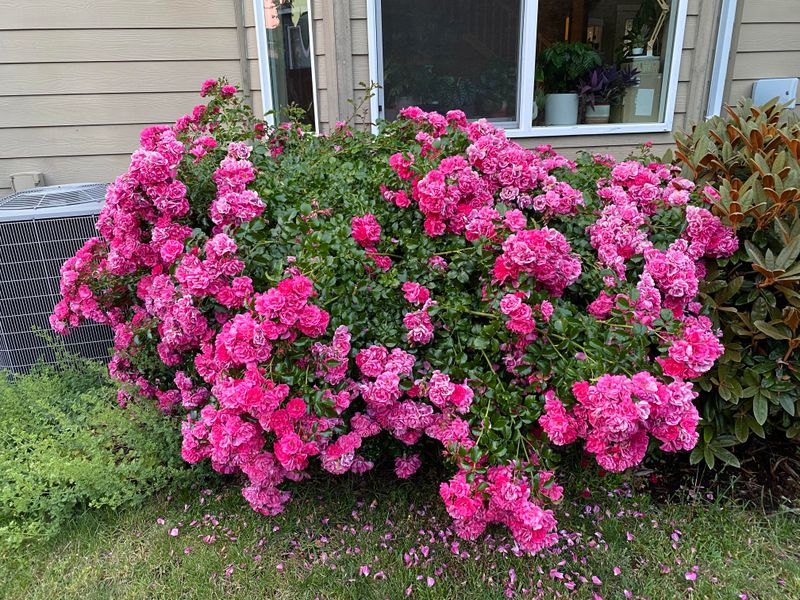
Roses in Georgia bloom in flushes and reward consistent attention across the season.
The timing of the final summer feeding matters more than many gardeners realize, and getting it wrong creates problems that accumulate quietly before becoming visible.
Feeding roses during peak heat pushes tender new growth that sunburns easily and attracts pest activity. Aphids and spider mites both favor the soft foliage that late fertilizing produces, and both thrive in hot Georgia summers.
The combination of heat-stressed tender growth and increased pest pressure creates a compounding problem that a single application can set in motion.
Late fertilizing also pushes the plant toward producing buds in conditions where those buds cannot perform.
Flowers that open in 95-degree heat fade quickly and look disappointing compared to what the same plant produces in better conditions.
The practical guideline used by experienced Southern rose growers is to stop fertilizing around six to eight weeks before the first expected frost.
In Georgia, that means the feeding program wraps up by mid-July at the latest. The last summer application ideally happens in mid-June, giving the plant time to process nutrients before extreme heat peaks.
July and August shift the focus entirely to water management. About one inch of water per week delivered at the base rather than overhead reduces disease pressure.
Consistent deadheading keeps energy directed toward the plant rather than seed production. Three inches of mulch around the base moderates soil temperature and reduces watering frequency through the hottest weeks.
The roses will rebound strongly in fall. That recovery depends on not asking too much of them right now.
6. Give Boxwoods A Break From Fertilizer In July
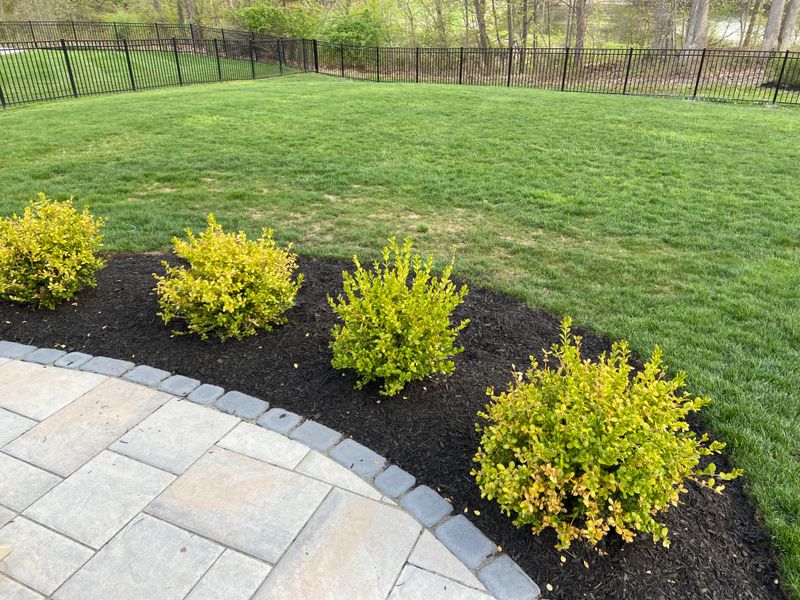
Boxwoods define the structured edges of formal Georgia gardens with quiet reliability through every season.
July is the month when that reliability is most at risk, and the threat often comes from the gardener rather than any external stress.
Fertilizing boxwoods in July stimulates new growth directly into conditions that make that growth almost impossible to sustain.
Fresh, bright green growth produced in response to summer fertilizing has minimal heat tolerance. It scorches at the tips, turns brown, and leaves the shrub looking patchy and uneven in exactly the formal settings where appearance matters most.
The soil chemistry problem compounds the visual problem. Boxwoods in summer heat are already managing increased water demand.
Fertilizer salts added to the soil during this period draw moisture away from roots at the moment when soil moisture retention is the critical priority.
The productive fertilizer windows fall in early spring around February through March before new growth begins, and again lightly in September or October to support root development heading into winter.
Boxwoods face additional vulnerability during Georgia summers from fungal pressure that increases when plants are stressed.
Consistent watering, proper mulching, and freedom from fertilizer pressure during hot months reduces that vulnerability meaningfully.
Light pruning in spring rather than midsummer avoids the mistake of stimulating new growth during the heat.
Boxwoods ask for very little. The biggest favor July offers them is simply being left alone.
7. Don’t Feed Trees When Georgia Heat Is High
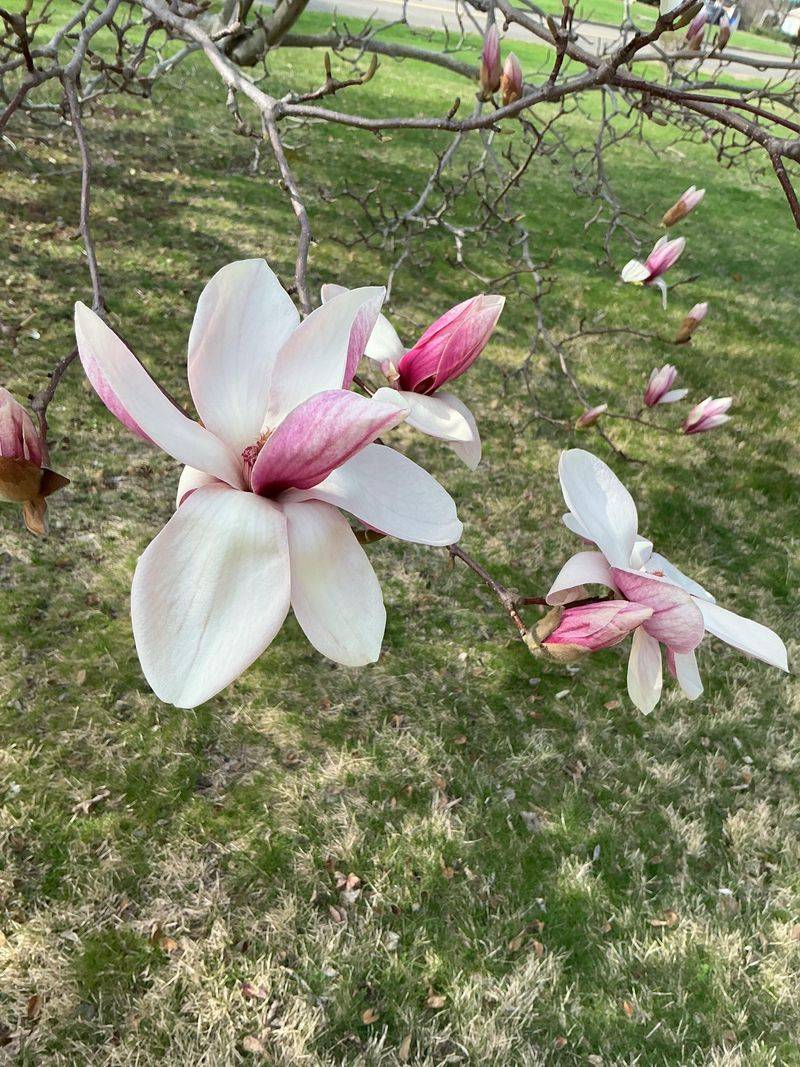
Georgia grows spectacular trees. Magnolias, crape myrtles, pecans, figs, and dogwoods all thrive here and represent some of the most impressive elements any Georgia property can offer.
Summer is when the care philosophy for these trees shifts in a direction that surprises many gardeners.
Established trees with root systems extending well beyond the canopy drip line are fully capable of locating nutrients in the surrounding soil without supplemental feeding.
Fertilizing mature trees in high summer heat can push unnecessary top growth, create additional stress on root systems, and increase vulnerability to fungal issues that spread rapidly in Georgia’s warm, humid conditions.
Fruit trees carry particular risk from late-summer fertilizing. New growth encouraged by a late application will not have adequate time to harden before temperatures moderate. That soft tissue enters the cooler season in a vulnerable state.
The productive feeding window for most established Georgia trees falls in early spring, with a soil test guiding the product type and application rate.
Young trees in their first two years may benefit from a light early fall feeding. Mature, established specimens rarely need intervention between those windows.
Deep, consistent watering during dry July and August stretches does considerably more good than any fertilizer application.
A soaker hose running slowly for several hours once a week reaches the full root zone far more effectively than overhead watering.
A wide mulch ring of three to four feet around the base protects shallow roots from Georgia’s intense summer soil temperatures.
The tree has been managing Georgia summers for years without a July fertilizer application. It has this handled.