Why Basil Takes Off Fast In Florida This Time Of Year
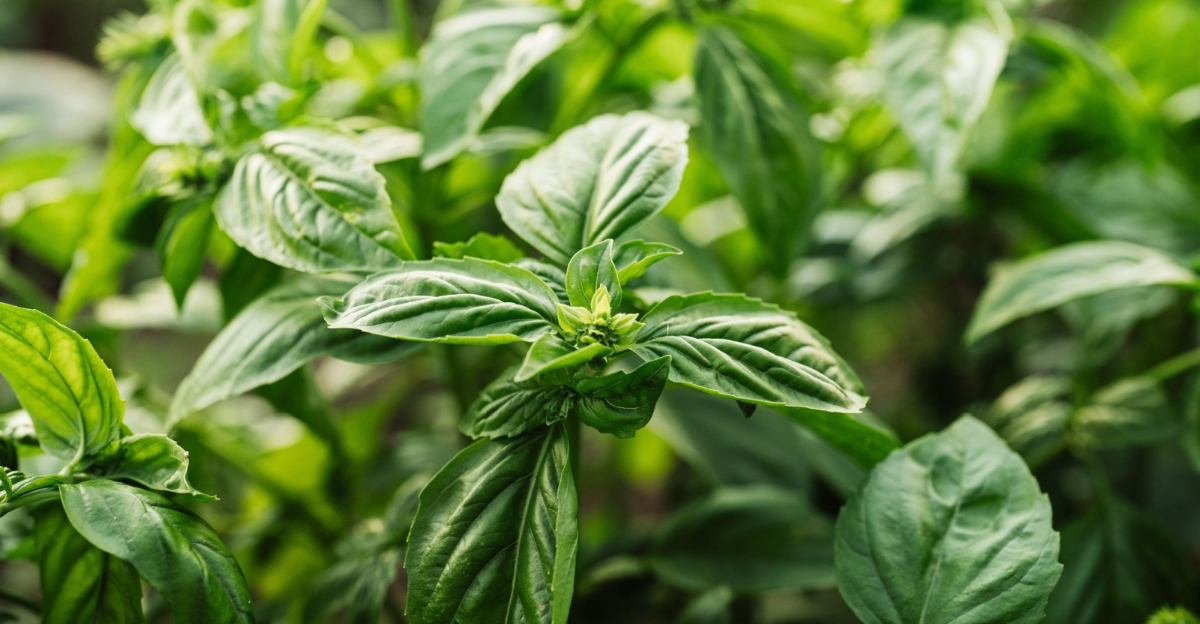
Basil and Florida summers are a surprisingly great match, and June is when that relationship really starts to show.
Warm temperatures, bright sunshine, and rainy season moisture give this heat-loving herb exactly what it needs to push out fast, leafy growth in a matter of weeks.
Containers, raised beds, sunny garden edges with good drainage, basil performs well across all of them when the conditions are right. The catch is that fast growth needs a little management to stay productive.
Regular pinching keeps the plant from bolting, good airflow helps prevent the humidity-related issues that Florida summers can bring, and soil that holds moisture without turning soggy keeps roots happy.
Get those details right and a steady supply of fresh basil through much of the warm season is genuinely within reach.
1. Warm Weather Pushes Basil Into Fast Growth
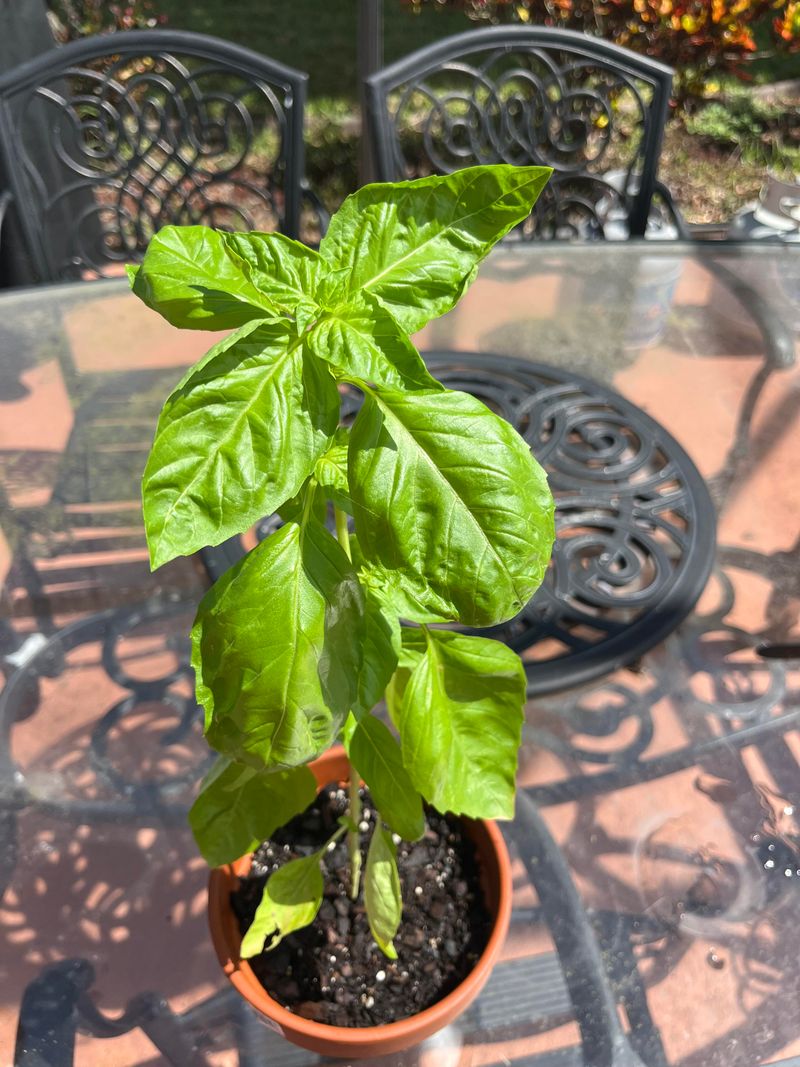
Step outside on a warm Florida morning in June and you can almost feel the energy in the air, and basil feels it too. As a warm-season herb with roots tracing back to tropical regions, basil responds quickly when temperatures stay consistently warm.
Once nighttime lows stop dipping below the mid-60s and daytime highs settle into the 80s and 90s, the plant shifts into a noticeably active growth phase.
During this window, leaf and stem development can happen at a pace that surprises new gardeners. The warmth supports faster cell activity in the plant, which means more leafy growth in less time compared to cooler spring weeks.
June heat is not just tolerable for basil, it can actually fuel the growth that makes the herb so rewarding to grow at home.
Still, warmth alone is not enough to guarantee a thriving plant. Basil growing in warm conditions also needs consistent moisture, enough light, and a nutrient-rich growing medium to keep up with that faster pace.
Sandy Florida soils can dry out quickly in the heat, so checking moisture levels regularly matters more than following a fixed watering schedule.
Raised beds amended with compost tend to hold moisture more evenly, which helps basil maintain steady growth without the stress of dry spells.
When warmth and good care line up, the results in a summer garden can be impressive.
2. Florida Sun Helps Build Leafy Stems
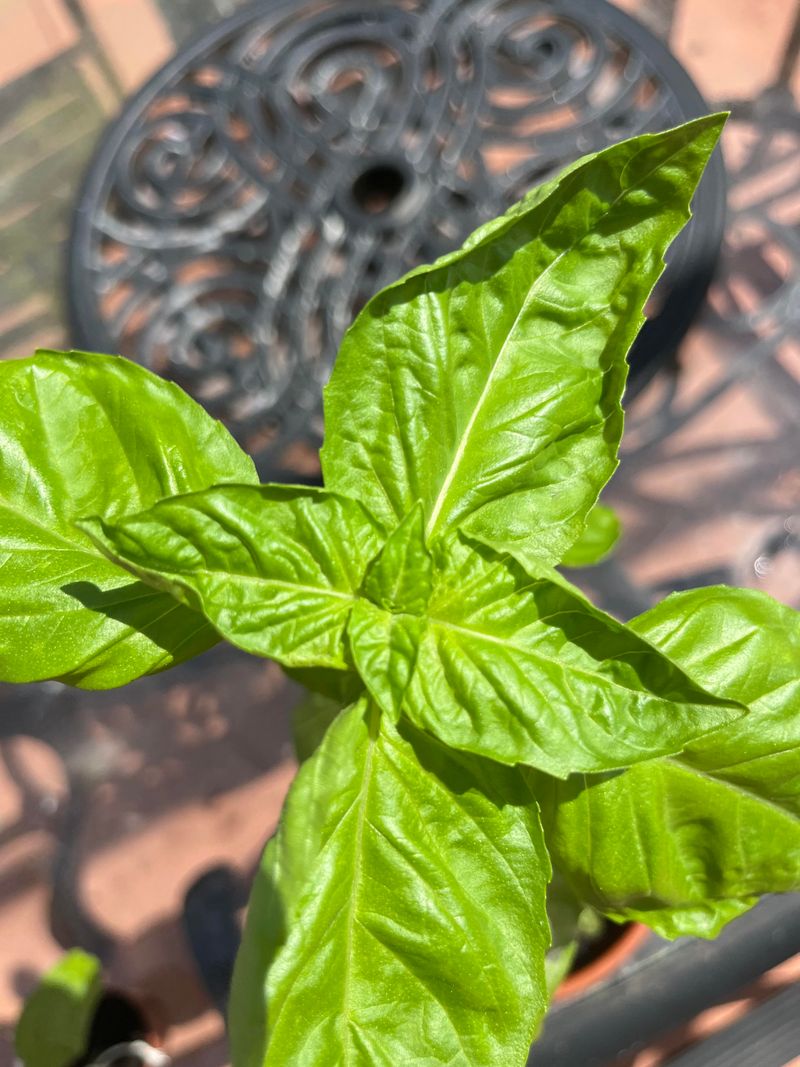
Bright patio pots of basil catching morning light in a Florida yard are a familiar sight by mid-June, and there is a good reason gardeners tend to place them where the sun hits early.
Basil is a sun-loving herb that generally grows best with around six to eight hours of direct light each day.
That kind of sun exposure is easy to come by during the long summer days, and it shows in the way plants build thick, leafy stems over just a few weeks.
Sunlight drives photosynthesis, which is the process plants use to turn light into the energy needed for growth. More available light during Florida’s long summer days means more energy the plant can put toward producing leaves and branching stems.
Gardeners who place basil in spots with strong morning sun often notice faster, more compact growth compared to plants tucked into shadier corners of the yard.
Your Florida Garden Changes Every Week. Your Plan Should Too.
Gardening in Florida changes quickly throughout the season. Every Friday you’ll receive a simple weekly plan showing exactly what to plant, prune, fertilize, harvest, and protect so you never miss the right timing.
That said, sun exposure in summer gardens needs some thoughtful management.
Container plants sitting on reflective concrete patios or against bright walls can experience heat stress during the hottest part of the afternoon, even if they are getting plenty of light.
Leaves may start to look wilted or slightly scorched at the edges when heat stress builds up. Morning sun with some protection from the most intense afternoon rays tends to give basil the light it needs without pushing it past its comfort zone.
Monitoring plant appearance is a simple way to find that balance.
3. Rainy Season Moisture Can Speed Things Along
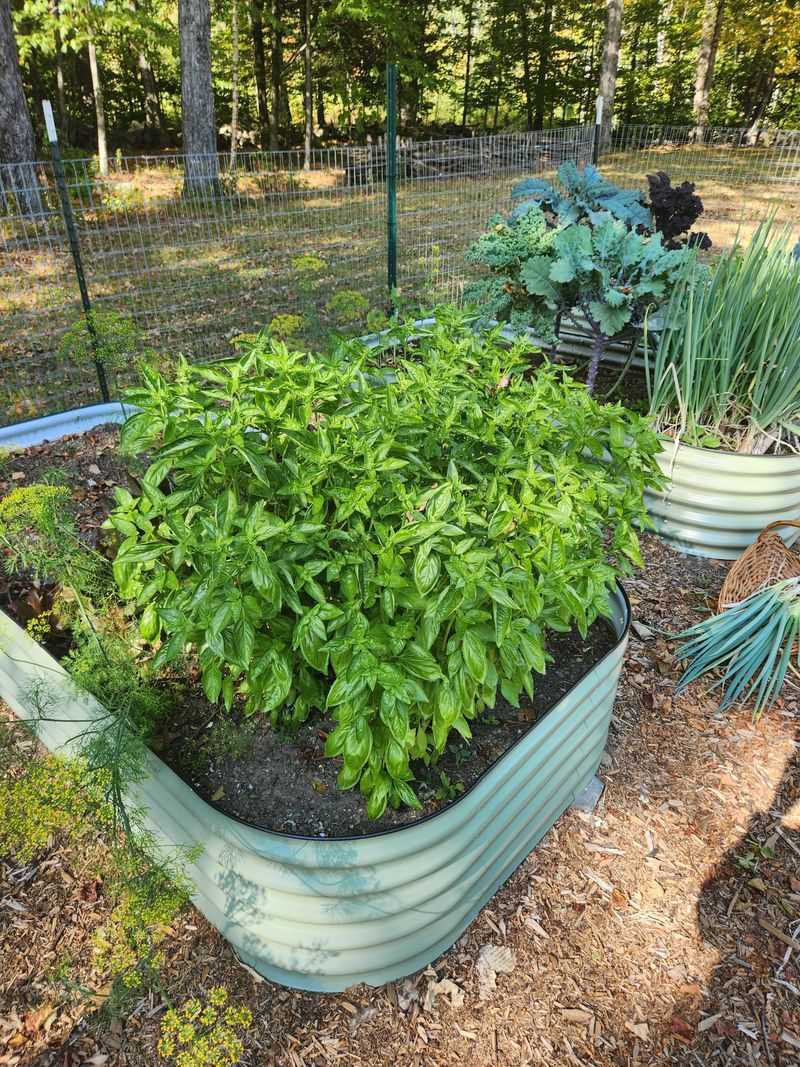
June in Florida brings more than just heat, it also marks the beginning of the rainy season, and that shift in moisture can give basil a noticeable boost.
Regular afternoon showers help keep the soil from drying out completely between waterings, which means the plant can stay in active growth mode rather than slowing down to cope with drought stress.
When moisture is consistently available at the root level, basil tends to push out new leaves and side shoots at a steady pace.
For gardeners growing basil in raised beds or in-ground plots, the rainy season can reduce the need for hand watering on many days. That convenience is welcome during busy summer weeks, but it also comes with a caution worth keeping in mind.
Too much moisture sitting around the roots can become a problem, especially in beds that do not drain well or in pots without adequate drainage holes.
Soggy soil around basil roots can invite fungal issues and slow the plant down rather than helping it thrive. Rather than relying on a fixed watering schedule, checking the top inch of soil before adding water is a smarter approach during Florida’s rainy season.
If the soil still feels moist from recent rain, skipping a watering session is usually the right call. Staying attentive to actual soil conditions rather than the calendar helps basil grow steadily without the setbacks that come from overwatering.
4. Well Drained Soil Keeps Growth Steady
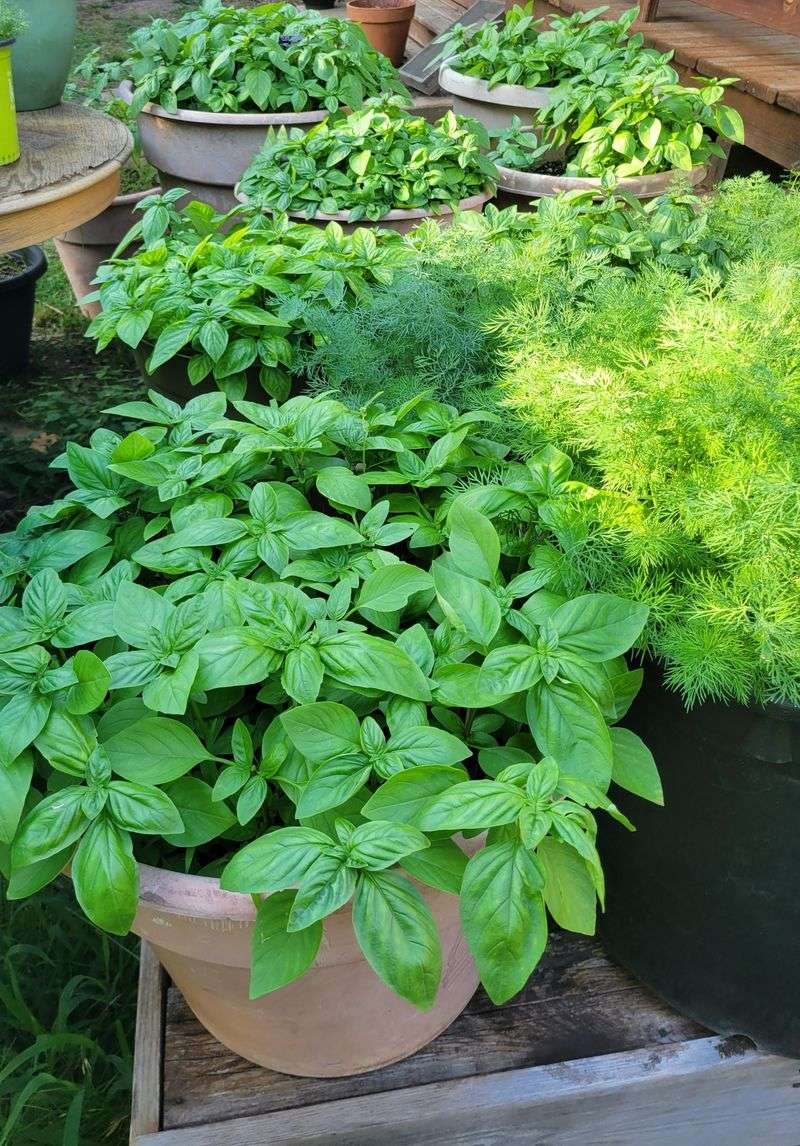
Sandy soil is one of the first things many gardeners learn to work around, and basil is no exception when it comes to soil quality.
Florida’s native sandy soils drain very quickly, which can be a plus when heavy summer rains roll through, but it also means moisture may not linger long enough to support steady growth.
Basil prefers soil that stays consistently moist without becoming waterlogged, and hitting that balance takes a little planning in a yard.
Amending sandy soil with compost or a quality potting mix can make a meaningful difference in how well basil performs. Organic matter helps the soil hold onto moisture a bit longer while still allowing excess water to move through.
Raised beds filled with a blended growing mix tend to give gardeners more control over drainage and moisture retention than native ground soil alone.
In-ground beds can also work well if they have been built up with organic amendments over time. The key is to avoid two common opposite mistakes: soil that dries out too fast and soil that stays wet too long.
Both conditions can slow basil growth and make the plant more vulnerable to stress. Checking soil texture and moisture before watering, rather than sticking to a set schedule, helps gardeners respond to what the plant actually needs.
Healthy, well-structured soil is often what separates a basil plant that merely survives a Florida summer from one that truly thrives through it.
5. Containers Make Summer Basil Easier To Manage
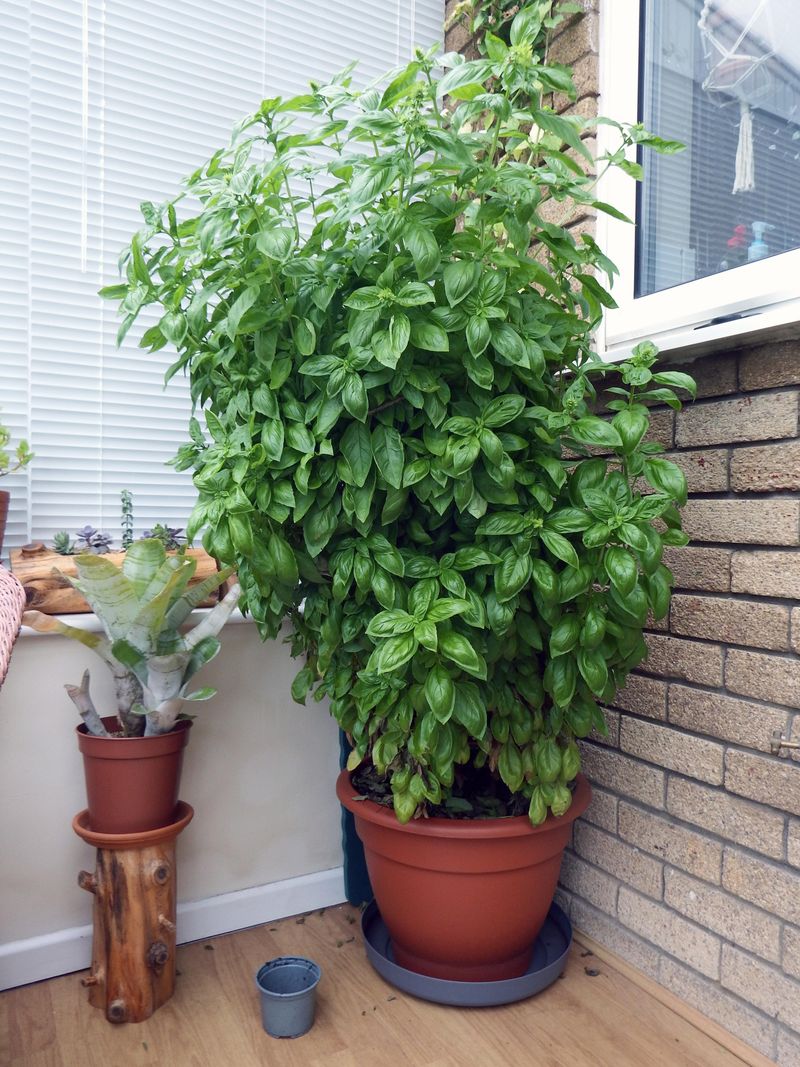
Growing basil in containers during a Florida summer gives gardeners a level of flexibility that in-ground beds simply cannot match.
Pots can be moved to follow the best light in the morning, shifted to a shadier spot during an unusually intense heat wave, or brought under cover if a strong storm rolls through.
That kind of control can make a real difference in how well basil holds up through the most demanding weeks of the summer season.
Container gardening also makes it easier to manage soil quality. Filling a pot with a high-quality, well-draining potting mix means starting fresh with a growing medium that suits basil rather than trying to amend native ground soil.
Most basil varieties do well in containers ranging from six to twelve inches in diameter, as long as the pot has drainage holes at the bottom to prevent water from pooling around the roots.
One thing to keep in mind is that containers can dry out faster than in-ground beds during hot Florida weather. A pot sitting in full sun on a concrete patio may need water more often than a plant growing in a shaded raised bed.
Checking the soil by pressing a finger about an inch deep is a reliable low-tech way to know when watering is actually needed.
Grouping containers together can also help moderate soil temperature and slow moisture loss slightly, making summer container basil a little easier to maintain consistently.
6. Pinching Keeps Basil Bushy And Productive
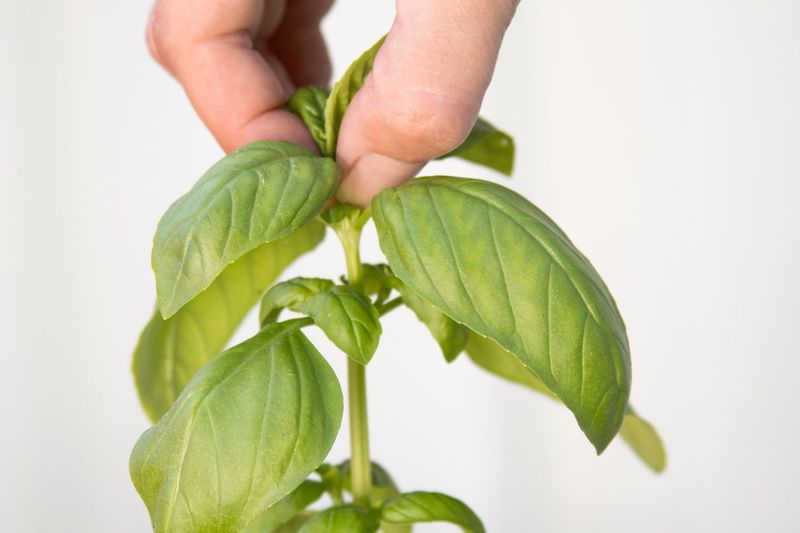
One of the most rewarding habits a Florida basil grower can develop is the simple practice of pinching, and it pays off quickly once plants start filling out in the summer warmth.
Pinching means removing the top set of leaves or the growing tip from each main stem, which signals the plant to push out two new side shoots from just below the cut.
Over a few weeks of regular pinching, a single basil plant can transform from a tall, spindly stem into a full, bushy herb with dozens of harvest-ready leaf clusters.
The timing of pinching matters in a summer garden. Starting when plants are young and have developed three to four sets of leaves gives them a chance to branch early and build a strong, multi-stemmed shape before the heat peaks.
Waiting too long before the first pinch can lead to a tall, leggy plant that puts more energy into height than into the leafy side growth most cooks and home gardeners are after.
Frequent harvesting works hand-in-hand with pinching because taking leaves from the upper portions of stems has a similar branching effect.
Gardeners who harvest a little basil every few days often end up with healthier, more productive plants than those who wait for a big harvest once a week.
Keeping a pair of clean scissors or pruning snips near the garden makes it easy to pinch and harvest consistently, which is one of the most practical habits for getting the most out of Florida summer basil.
7. Afternoon Shade Can Help In Intense Heat
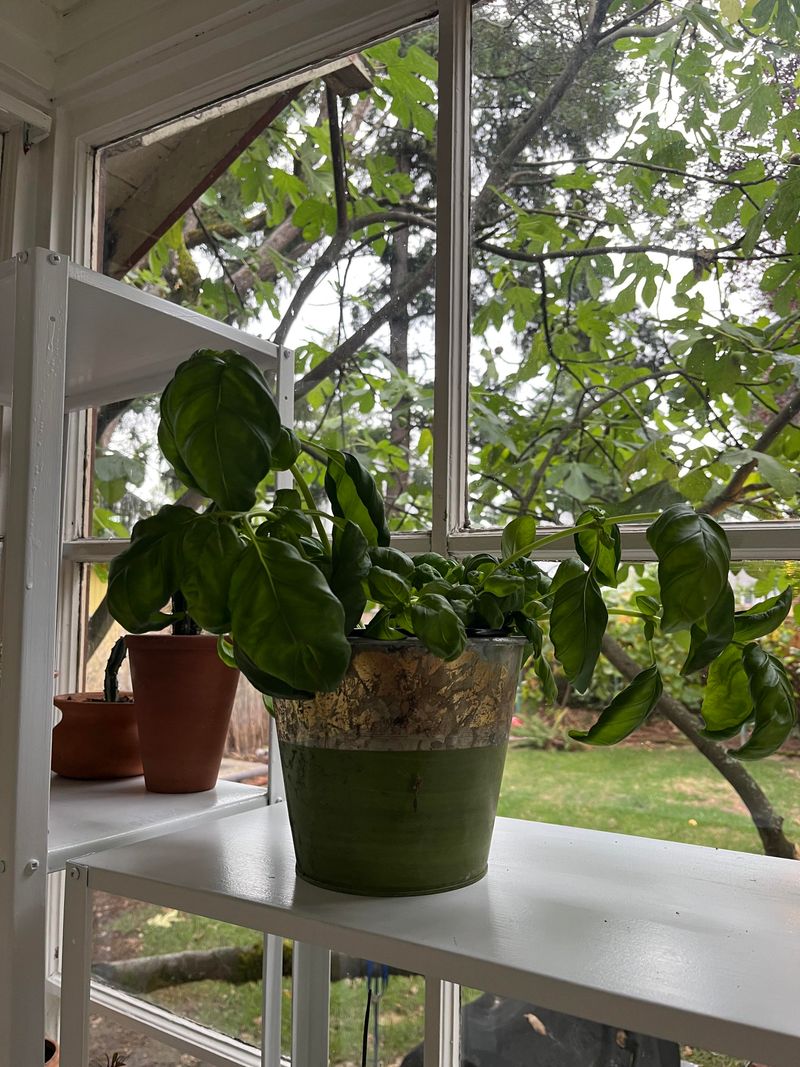
Anyone who has grown herbs on a south-facing Florida patio in July knows that the afternoon sun can be genuinely intense, and basil is not immune to heat stress even though it loves warm weather.
When temperatures climb into the upper 90s and direct sunlight is reflecting off concrete or light-colored walls, basil leaves can start to wilt, lose their vibrant color, or develop pale, papery patches along the edges.
A little afternoon shade can help protect the plant during those peak heat hours without taking away the morning light it needs to grow well.
Natural shade from a taller plant, a garden fence, or a shade cloth positioned to block the harshest afternoon rays can make a noticeable difference in how basil holds up through Florida’s hottest weeks.
Container plants have the advantage of being movable, so shifting a pot to a spot that gets shade after about 2 or 3 in the afternoon is a practical and effective strategy.
The balance to watch for is making sure the plant still gets enough total light throughout the day. Basil that spends most of its time in heavy shade may grow slowly and produce fewer leaves, even if it looks healthy.
The goal is protecting the plant from the most punishing heat without reducing overall light exposure too dramatically.
Bright, indirect light during the afternoon combined with strong morning sun tends to work well for basil in a summer garden setting.
8. Flower Buds Can Slow Leaf Production
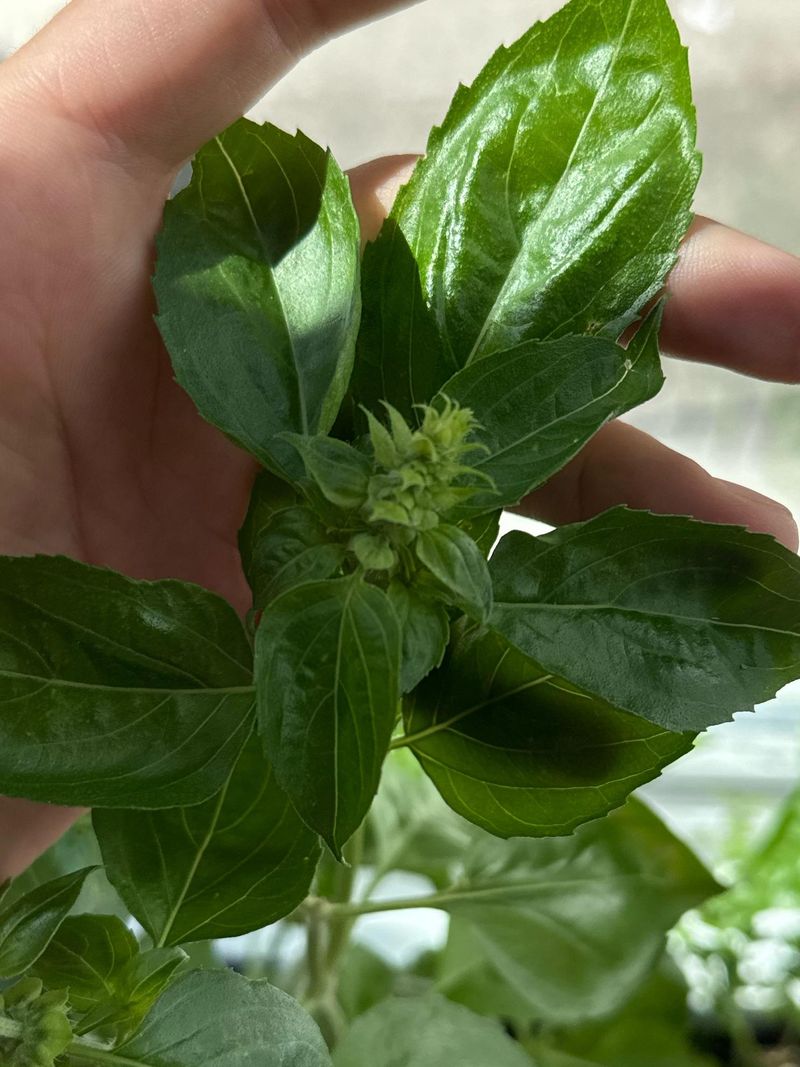
Flower buds appearing at the top of basil stems are one of the clearest signs that the plant is shifting its focus from leaf production toward reproduction, and in a Florida summer garden, that shift can happen faster than many gardeners expect.
Warm temperatures, long days, and the natural aging of the plant all contribute to flowering, sometimes called bolting.
Once a basil plant starts putting energy into developing flowers and seeds, the leaves can become smaller, less flavorful, and less abundant.
Catching flower buds early and pinching them off before they open is one of the most effective ways to extend the productive leaf-growing phase of the plant.
Checking plants every few days during peak summer growth is usually enough to stay ahead of bud development.
The buds typically appear as small, tight clusters at the tips of the main stems, and removing them takes just a few seconds with clean fingers or snips.
It is worth noting that plant response to bud removal can vary depending on the variety, the age of the plant, and overall growing conditions. Older plants or those under significant heat stress may continue pushing out flower buds even with regular pinching.
In those cases, starting fresh with a new planting of young basil is often more productive than trying to keep an older plant going indefinitely.
Florida’s warm season is long enough to support more than one planting cycle, which gives home gardeners plenty of opportunity to enjoy fresh basil through much of the year.