What Imminent Weekend Storms Mean For Your Georgia Roses And How To Prevent Black Spot
Heavy weekend storms can be great for your garden until they are not. Roses often pay the price after the rain has already passed.
Everything may look healthy at first glance. A few days later, the first warning signs can begin to appear.
Many gardeners blame the storm itself. The real problem usually starts after the leaves stay wet for too long.
That pattern is familiar across Georgia during late summer. Warm days followed by soaking rain create conditions roses do not always enjoy.
Take a closer look before the weather rolls in. A little attention now can save plenty of frustration later.
Storms do not have to leave your roses looking worse than before.
Knowing what happens after the rain makes all the difference when the clouds finally clear again.
1. Wet Leaves Give Black Spot The Conditions It Needs
Rain is not the villain here. The real problem is moisture sitting on rose leaves for hours at a time.
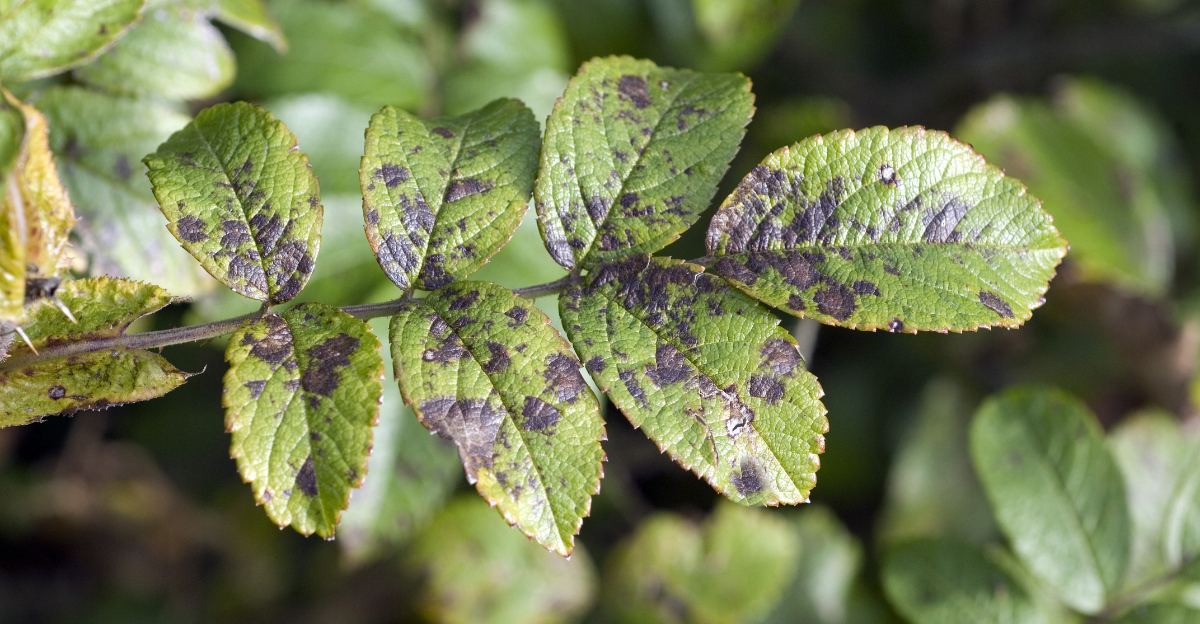
Black spot, caused by the fungus Diplocarpon rosae, needs wet leaf surfaces for spores to germinate and spread. A long weekend storm gives it exactly that window.
Humid, warm conditions common across the Southeast create a high-risk environment. Temperatures between 65 and 85 degrees Fahrenheit with prolonged leaf wetness are when black spot tends to spread most aggressively.
After a heavy rain, leaves can stay damp for hours, especially in gardens with dense planting or low airflow.
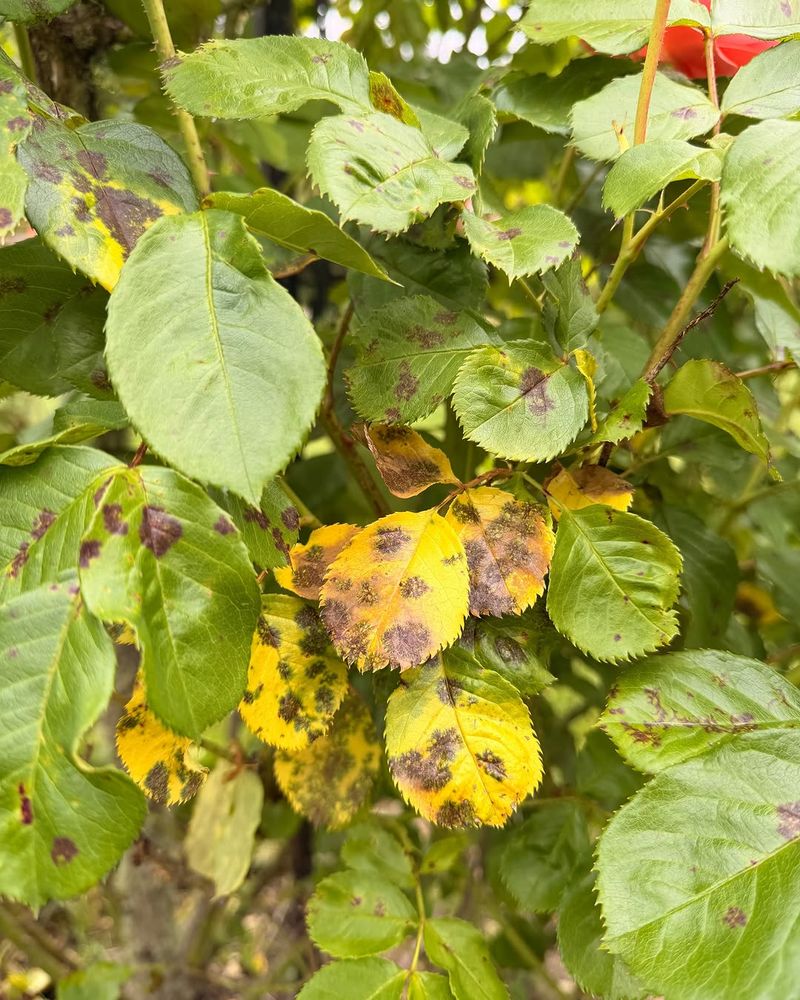
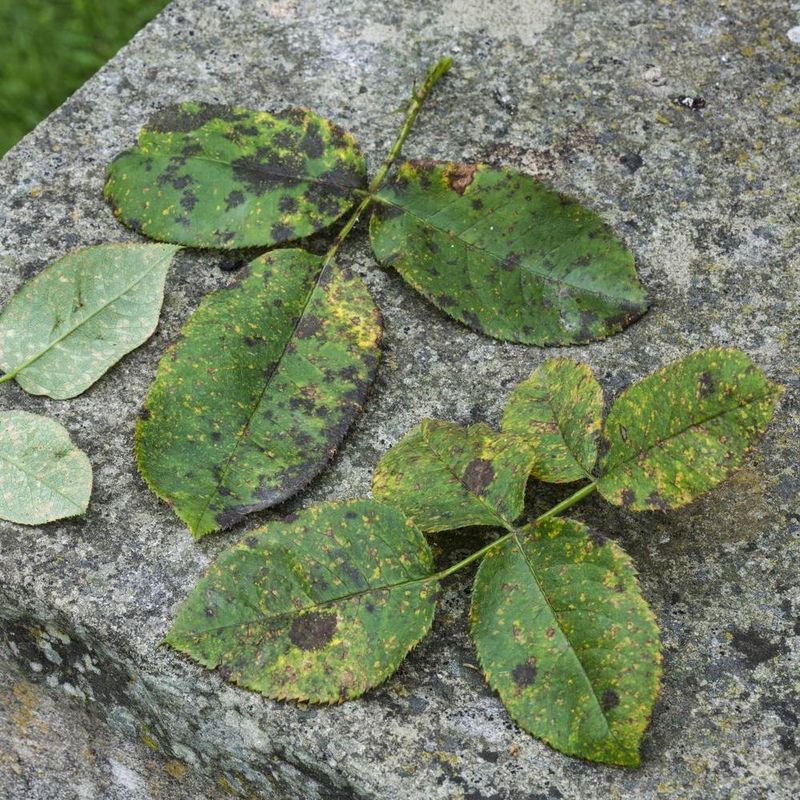
Black spot starts as small, circular dark spots on upper leaf surfaces. Yellow areas often form around those spots.
Leaves may drop early, weakening the plant over multiple seasons if the cycle continues unchecked.
Catching the problem early matters. Once spores land on wet foliage, infection can begin within hours.
Waiting until you see widespread spotting means the fungus has already had time to cycle through the plant. Acting before and immediately after rain gives you the best shot at staying ahead of it.
2. Remove Infected Leaves Before The Disease Spreads
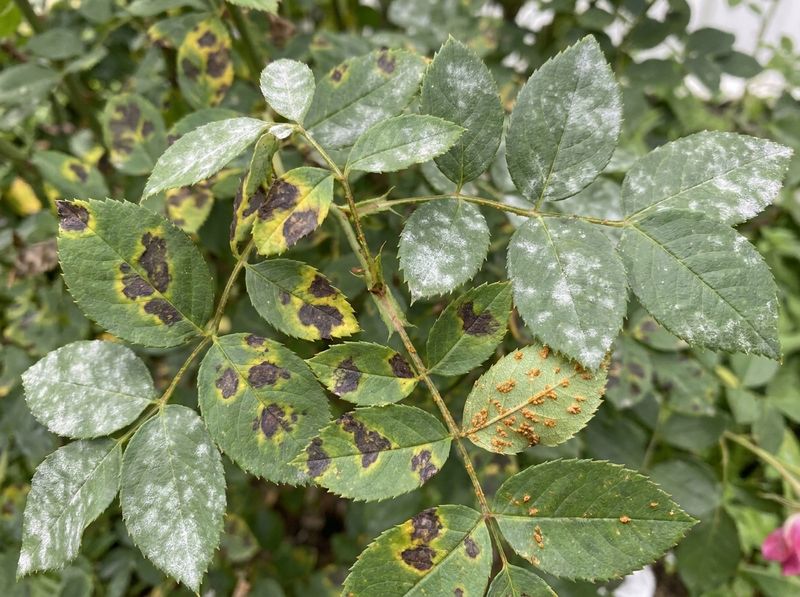
Spotted leaves are not just an eyesore. Every infected leaf left on the plant or on the ground is a source of active spores.
Those spores splash upward during rain and reinfect healthy foliage nearby. Removing them early breaks that cycle before it gets worse.
Check your roses a day or two before the storm arrives. Pull off any leaves showing circular dark spots or yellowing edges.
Do not leave them in the garden bed. Bag them and put them in the trash, not the compost pile, since composting may not reach temperatures high enough to neutralize the fungus.
Work carefully when removing leaves. Rough handling can knock spores loose onto nearby foliage.
Some gardeners find it easier to do this in dry morning conditions before humidity climbs.
After stripping infected material, wash your hands and consider wiping your pruning tool blades with a clean cloth between plants. Cross-contamination is a real concern when moving from one rose to another.
A little extra care during cleanup can limit how far the disease moves through your garden before the weekend rain even begins.
Your Georgia Garden Changes Every Week. Your Plan Should Too.
Gardening in Georgia changes quickly throughout the season. Every Friday you’ll receive a simple weekly plan showing exactly what to plant, prune, fertilize, harvest, and protect so you never miss the right timing.
3. Water The Soil Instead Of The Foliage
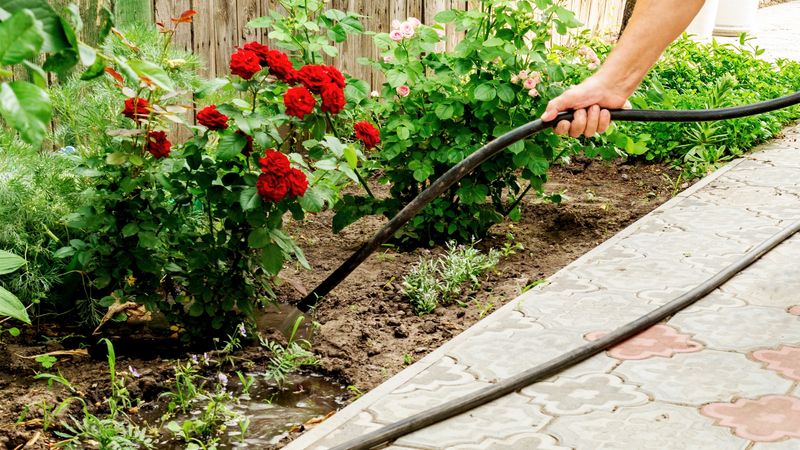
Overhead watering is one of the fastest ways to encourage black spot. Sprinklers wet the entire plant, including leaves and stems.
That surface moisture combined with warm air creates ideal conditions for fungal growth, even on days when it has not rained.
Switching to drip irrigation or soaker hoses keeps water at the root zone where roses actually need it. Foliage stays dry.
Soil stays consistently moist without the splash factor that overhead systems create. Splash from soil hitting wet leaves is another way spores travel, so reducing water impact at ground level helps too.
If you hand-water, aim the hose low. Keep the stream directed at the base of the plant.
Early morning is the best time to water so any accidental foliage contact has a chance to dry before evening humidity sets in.
With a storm already on the way, your roses may not need any additional watering this week. Check soil moisture before adding more.
Waterlogged roots combined with heavy rain can stress the plant in other ways. Holding off on irrigation until after the storm passes is often the smarter move when significant rainfall is expected.
4. Thin Crowded Growth To Improve Airflow
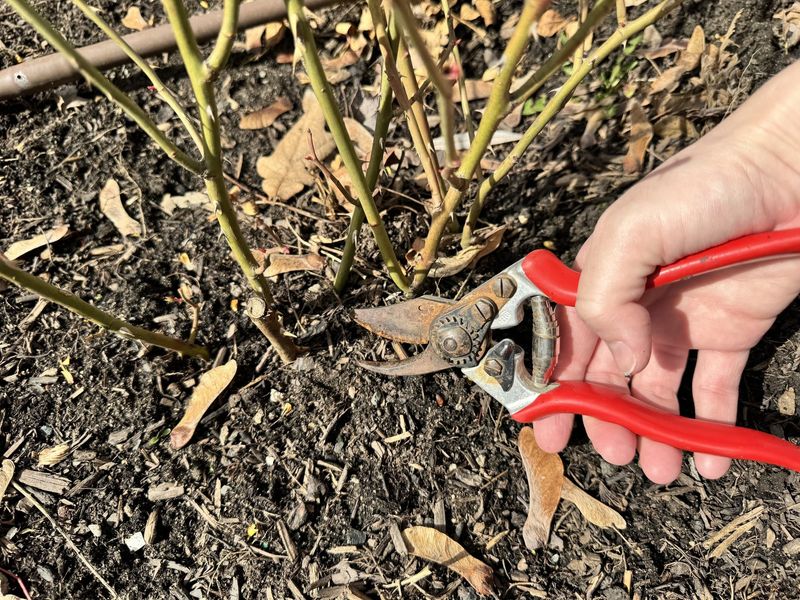
Crowded rose bushes hold moisture like a sponge. When canes and leaves are packed tightly together, air cannot move freely through the plant.
After rain, that trapped moisture lingers on surfaces much longer than it should, giving black spot spores more time to take hold.
Opening up the center of a rose bush is one of the most practical things you can do before a storm arrives. Remove crossing canes, weak stems, and any growth heading inward toward the center.
Aim for a shape that allows light and air to reach all parts of the plant.
Thinning does not require major pruning. Even removing a few congested stems can noticeably improve airflow.
Focus on the interior first, then look for any canes rubbing against each other, since those friction points can create entry wounds for disease.
Roses grown in Georgia’s warm, often humid climate benefit from regular light thinning throughout the growing season. A plant with good airflow dries faster after rain and stays healthier overall.
Getting ahead of crowding before wet weather hits is a straightforward step that pays off during and after every storm system that rolls through the region.
5. Apply Fungicide Before Extended Rain Arrives
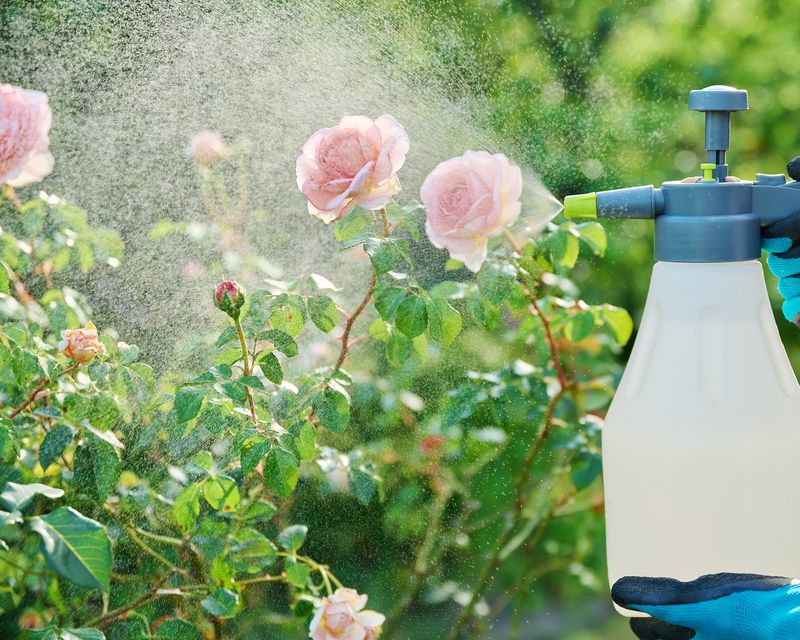
Timing matters more than most people realize with fungicide. Protective fungicides work by forming a barrier on leaf surfaces before spores land.
Once black spot has already taken hold, many standard fungicides become far less effective at stopping its spread.
Check the forecast. If rain is expected to stick around for more than a day, applying a copper-based or sulfur-based fungicide a day before the rain hits gives the product time to dry and adhere to the leaf surface.
Read the label carefully for reapplication timing after rain events.
Neem oil is another option some gardeners use. It has fungicidal properties and can help reduce black spot pressure when applied consistently.
Like other products, it works better as a preventive than as a cure. Timing and coverage are both key.
Spray in the early morning or late afternoon to avoid heat and direct sun, which can cause leaf burn with some products. Cover both the upper and lower surfaces of leaves, since spores can land on either side.
Skipping the undersides is a common mistake that reduces how well the treatment holds up through wet weather.
6. Clear Fallen Rose Leaves After The Storm Passes
Once the storm clears, the cleanup window opens. Fallen leaves on the ground are not harmless.
Infected leaves carry spores that splash back onto the plant every time it rains again or gets watered. Leaving that material in place invites reinfection.
Walk the garden after the rain and collect every fallen leaf you can find. Pay close attention to the area directly beneath each rose bush.
Spores in the soil and on fallen debris can survive and remain active for a period of time, especially in moist conditions.
After collecting leaves, consider refreshing the mulch layer around the base of each plant. A fresh layer of clean mulch helps create a physical barrier between the soil and the lower canes of the rose.
It also helps regulate soil moisture during the next rain event.
Across the Southeast, post-storm cleanup is one of the most skipped steps in rose care. Gardeners often assume the worst is over once the sun returns.
Staying consistent with cleanup after each rain event is one of the more reliable ways to limit how much black spot builds up over the course of a season.
7. Watch New Growth For Early Black Spot Symptoms
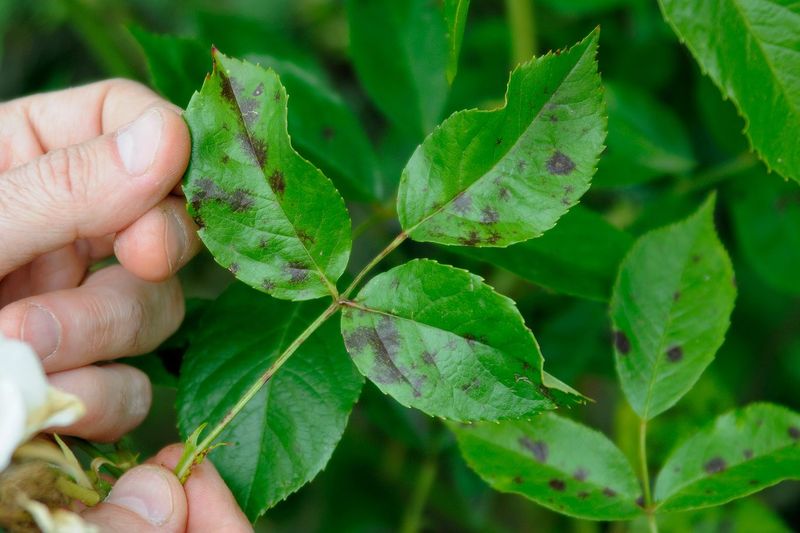
New growth is where black spot often shows up first. Young leaves are more tender and less waxy than mature foliage, which makes them easier for fungal spores to penetrate.
After a storm, keep a close eye on any fresh shoots that have recently emerged.
Catching symptoms early gives you more options. Spotting just a few affected leaves means you can remove them quickly and apply a protective treatment before the problem spreads further.
Waiting until multiple canes show heavy spotting makes recovery slower and harder on the plant.
Look for small, roughly circular dark spots with fringed or feathery edges on the upper leaf surface. Yellowing around the spots is a common sign.
Affected leaves may start to drop within days if conditions stay wet and warm.
Check your roses every two to three days after a major rain event. Build it into a quick morning routine.
Early intervention is more effective than reactive treatment, and it keeps the plant in better shape heading into the rest of the growing season.
Gardeners in Georgia who stay consistent with monitoring tend to catch problems at a manageable stage rather than facing a widespread outbreak later in the summer.