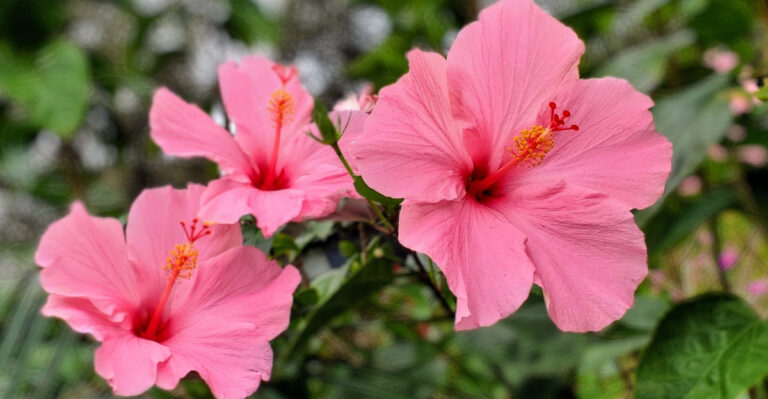
The One Thing Florida Hibiscus Owners Skip In June That Ruins Blooms By August
Florida hibiscus owners tend to be pretty attentive gardeners, but there is one June task that slips through the cracks more often than you might expect.
While everyone is enjoying the fresh growth and early summer blooms, small pest populations are quietly setting up shop on tender new leaves and flower buds.
June’s warm temperatures, climbing humidity, and rainy season growth give them exactly the conditions they need to build up unnoticed.
Fast forward to August and suddenly the blooms are sparse, the leaves look rough, and the problems that started six weeks ago have had plenty of time to grow.
Scouting flower buds and leaf undersides early in June is the simple, low-effort task that stops that cycle before it starts and keeps hibiscus performing well through the rest of summer.
1. Tiny Pests Can Set Back Big Summer Blooms
June heat in Florida creates the kind of warm, humid environment where small pest populations can quietly grow around hibiscus buds and new shoots without drawing much attention at first.
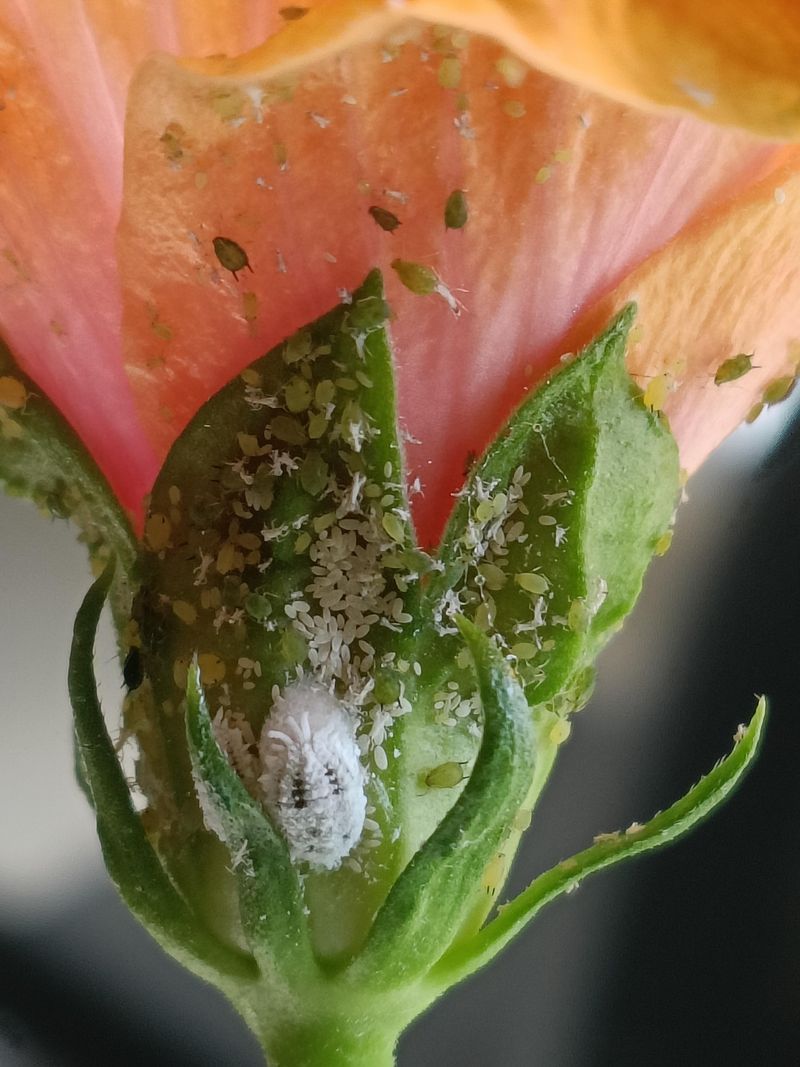
Aphids, whiteflies, and mealybugs are among the sap-feeding insects that may show up on tropical hibiscus during this time, often clustering near the softest, most tender parts of the plant.
A quick glance from a few feet away rarely reveals what is actually happening close to the buds and growing tips.
Regular scouting means getting close to the plant and actually looking at stems, buds, and leaf undersides rather than simply admiring the flowers from a distance.
When homeowners check their plants weekly in June, they give themselves a real opportunity to catch pest activity while populations are still relatively small and easier to manage.
Waiting until late July or August, when stress signs become more obvious, often means the problem has already been building for several weeks.
Bloom performance in Florida hibiscus depends on many factors, including sunlight, water, nutrition, and overall plant health, but pest pressure during active growth periods can be one piece of the puzzle worth paying attention to early in the season.
2. Buds Tell The Story Before Flowers Open
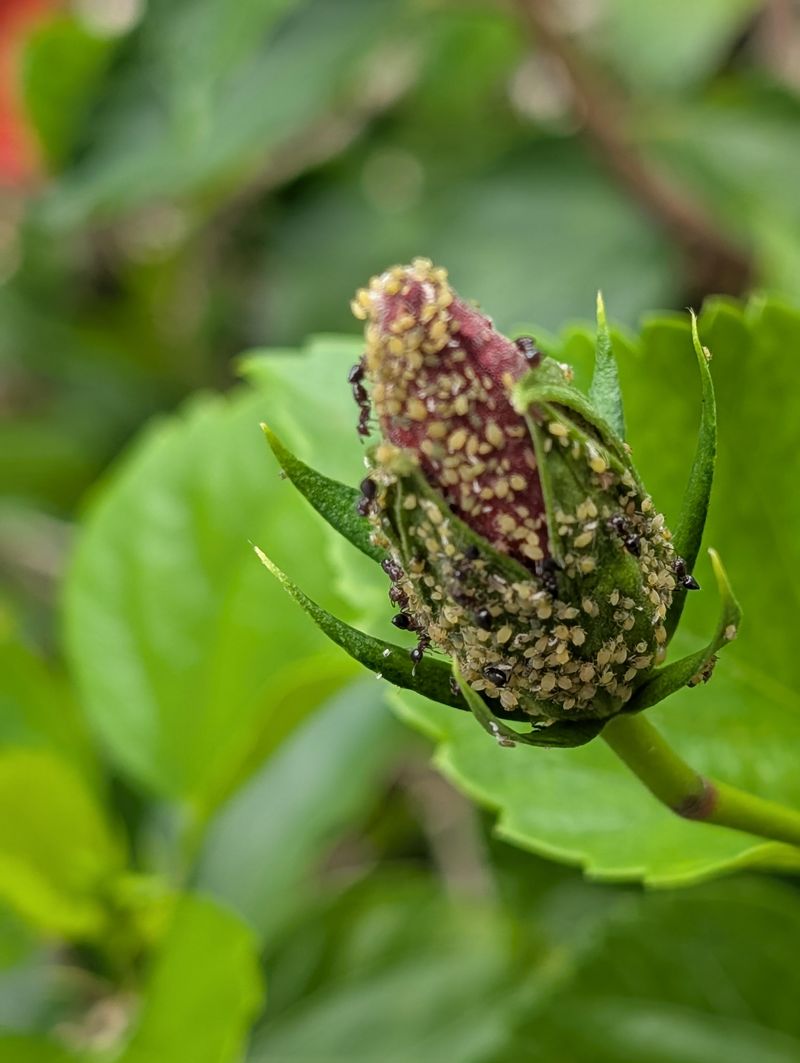
Flower buds are one of the first places I check when a hibiscus starts acting off in a Florida summer. In June, the plant is usually pushing fresh growth, setting buds, and dealing with heat, humidity, and afternoon rain.
That soft new growth is exactly where pests like aphids, whiteflies, and mealybugs may gather. A quick glance from across the yard will not tell you much.
You need to look closely at the buds, the short stems holding them, and the newest leaves around them.
If you see tiny clusters, white cottony spots, sticky residue, curled growth, or buds that look stressed before they open, take that as a sign to slow down and inspect the plant more carefully.
The goal is not to panic or spray right away. The goal is to catch a small issue while it is still easy to understand.
Many bloom problems show up later, but the clues often begin earlier around the buds. That is why June scouting matters.
Your Florida Garden Changes Every Week. Your Plan Should Too.
Gardening in Florida changes quickly throughout the season. Every Friday you’ll receive a simple weekly plan showing exactly what to plant, prune, fertilize, harvest, and protect so you never miss the right timing.
A hibiscus may still look green and full while pests are quietly settling into the tender parts of the plant. If you make bud checks part of your normal watering or pruning routine, you have a much better chance of protecting the next flush of summer flowers.
3. Leaf Undersides Hide The First Clues
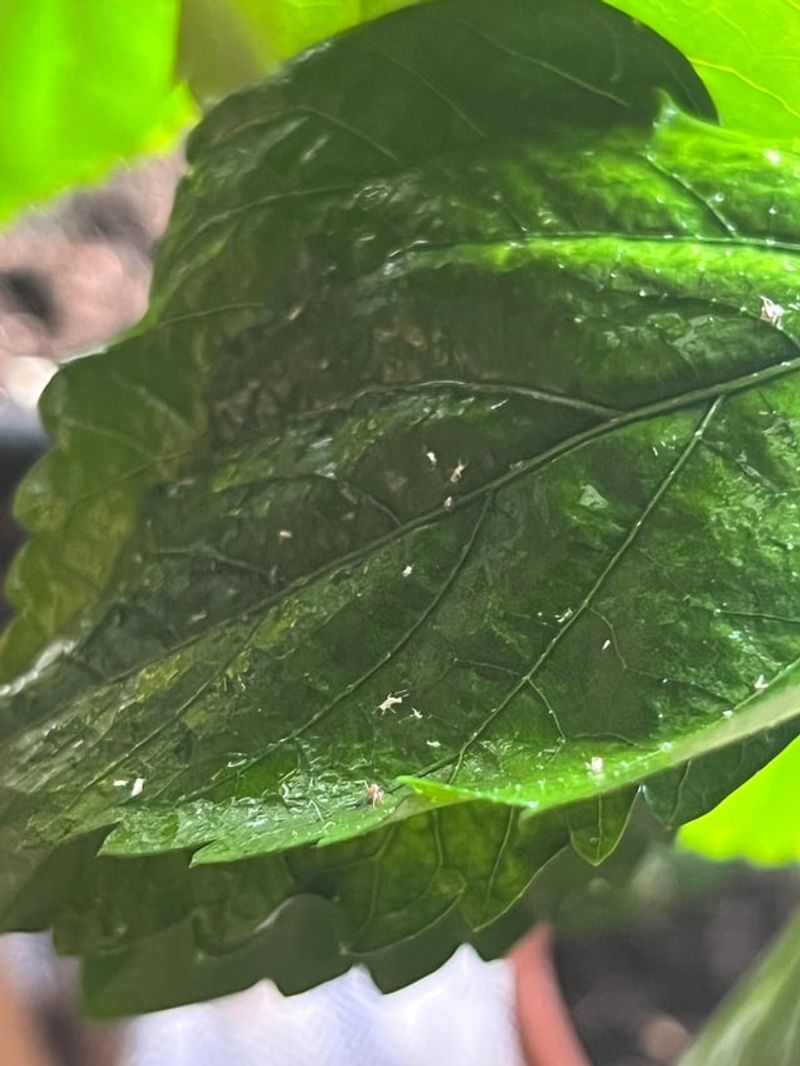
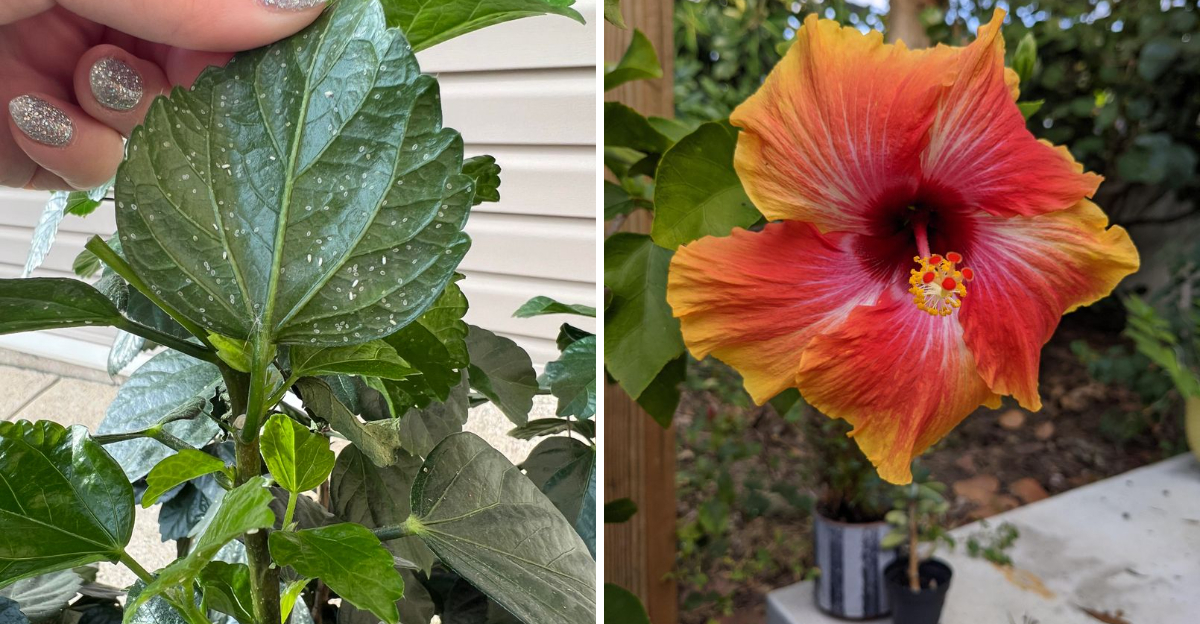
The top of a hibiscus leaf can look clean while the underside is telling a completely different story. That is one of the easiest things to miss in a Florida yard, especially when the plant is large, leafy, and full of June growth.
Many sap-feeding pests prefer protected spots, and the underside of a leaf gives them shade, shelter, and access to tender tissue. When I scout hibiscus, I do not just look at the outer flowers.
I gently turn over leaves, especially the newer ones near the tips of branches. I look for tiny insects, pale specks, clusters, sticky areas, or anything that seems out of place.
Whiteflies may flutter when leaves are disturbed. Aphids may sit in groups on soft growth.
Mealybugs can look like small white cottony patches. These signs are easy to miss if you only admire the plant from the sunny side.
In Florida’s humid summer weather, a small pest issue can become more noticeable before you realize it. Leaf checks do not need to take long.
Even a few minutes once a week can help you understand what is happening before the plant starts showing bigger stress signals. The underside of the leaf is often where the real story starts.
4. Tender New Growth Draws The Most Attention
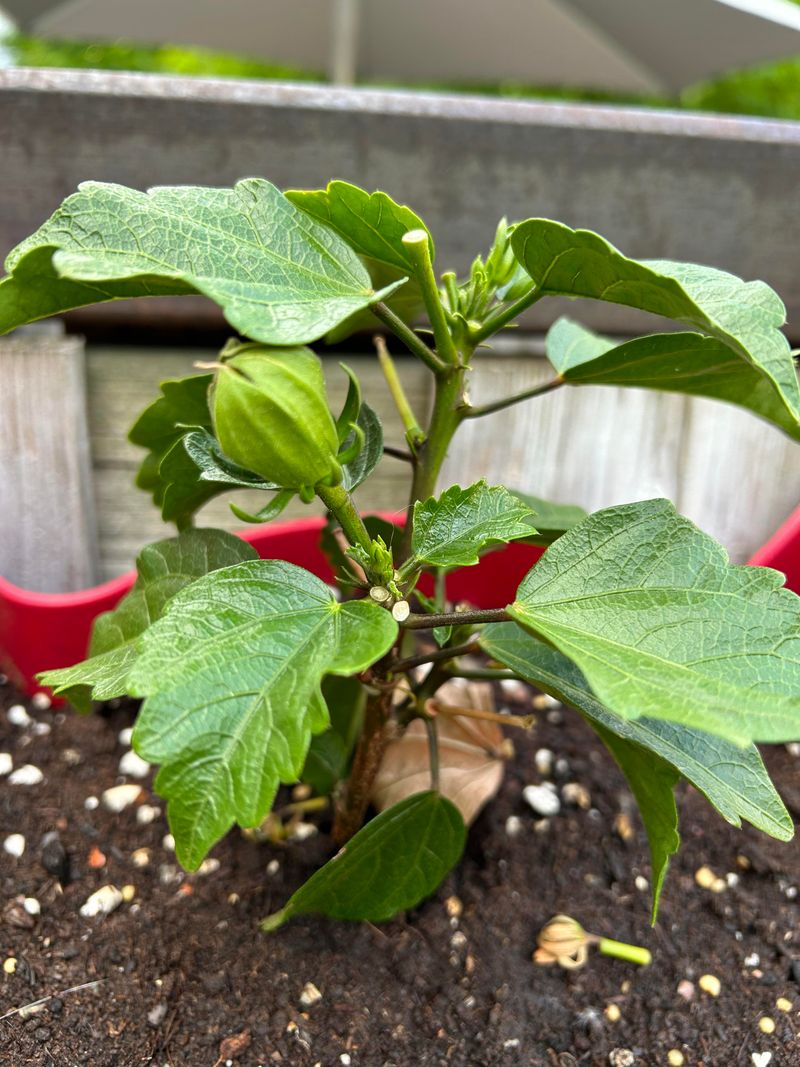
Fresh hibiscus growth is beautiful, but it is also the part of the plant that needs the closest attention in June. The newest shoots, young leaves, and soft stems are often more attractive to sap-feeding insects than older, tougher growth.
That does not mean every new shoot will have a problem, but it does mean this is the right place to look first. In Florida, hibiscus can grow quickly during warm, wet weather, and that fast growth can hide small pest clusters.
I like to check the tips of branches before I look anywhere else. If the new leaves are curling, twisting, yellowing, or looking sticky, I take a closer look.
Sometimes the issue is watering, fertilizer, or weather stress, so it is important not to guess too quickly. Still, tender growth gives you a useful starting point.
If pests are present, you may see them gathered where the plant is actively growing. Checking these areas in June can help you respond before the plant puts energy into stressed buds or weak-looking blooms.
Hibiscus flowers are the show, but the new growth is often the warning system. Treat those soft tips like a small inspection window into the plant’s summer health.
5. Sticky Leaves Can Signal A Pest Problem
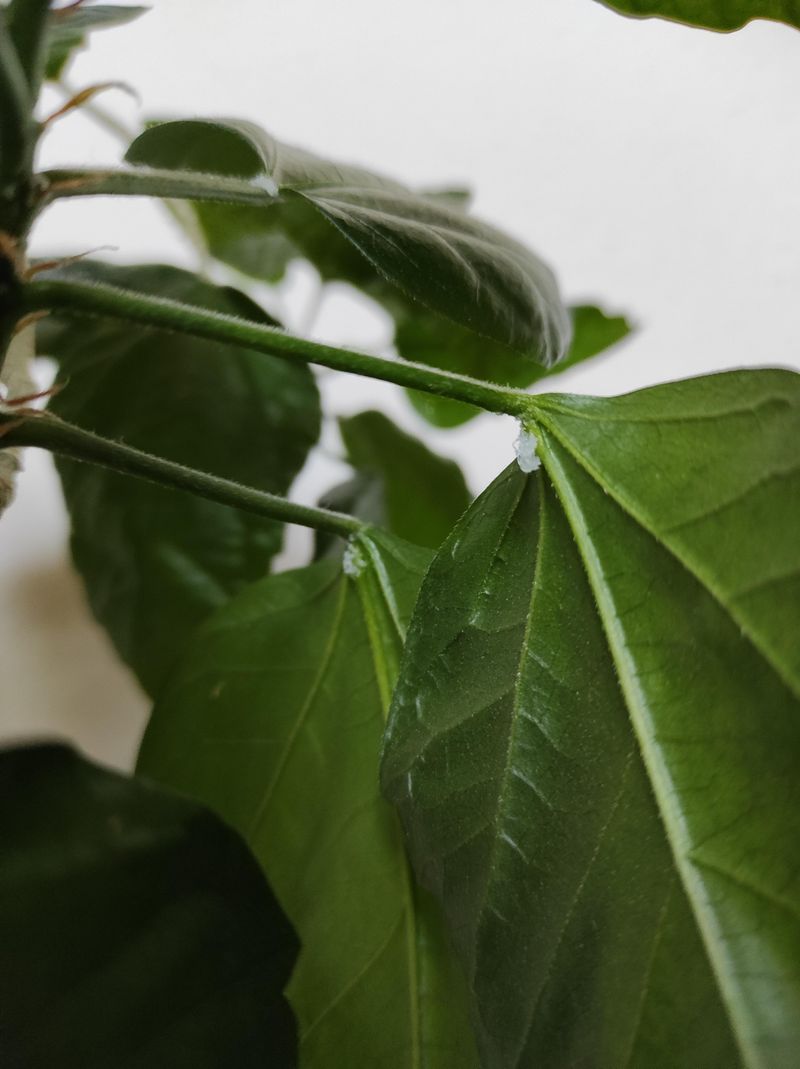
Sticky hibiscus leaves are worth paying attention to, especially in Florida’s warm summer weather. When sap-feeding insects are active, they can leave behind a sweet, sticky residue called honeydew.
You might notice it on leaves, stems, flower buds, outdoor furniture, or even the ground below the plant. Sometimes it feels like the hibiscus has a light coating that should not be there.
That sticky clue does not name the pest by itself, but it does tell you to inspect more closely. Aphids, whiteflies, mealybugs, and some scale insects can be connected with honeydew.
Over time, a dark surface growth called sooty mold may develop on that residue. The mold itself is often a symptom of the sticky material, not the original cause, so washing leaves without checking for pests can miss the bigger picture.
I like to follow the stickiness back to the plant. Look at leaf undersides, buds, tender stems, and branch tips.
If you find pests, identify them before deciding what to do. A small amount of residue may be managed with careful washing and monitoring, but a larger issue may need a more targeted response.
Sticky leaves are not just messy. They are a useful clue that your hibiscus may need attention before summer blooms suffer.
6. Yellowing Leaves May Point To Feeding Damage
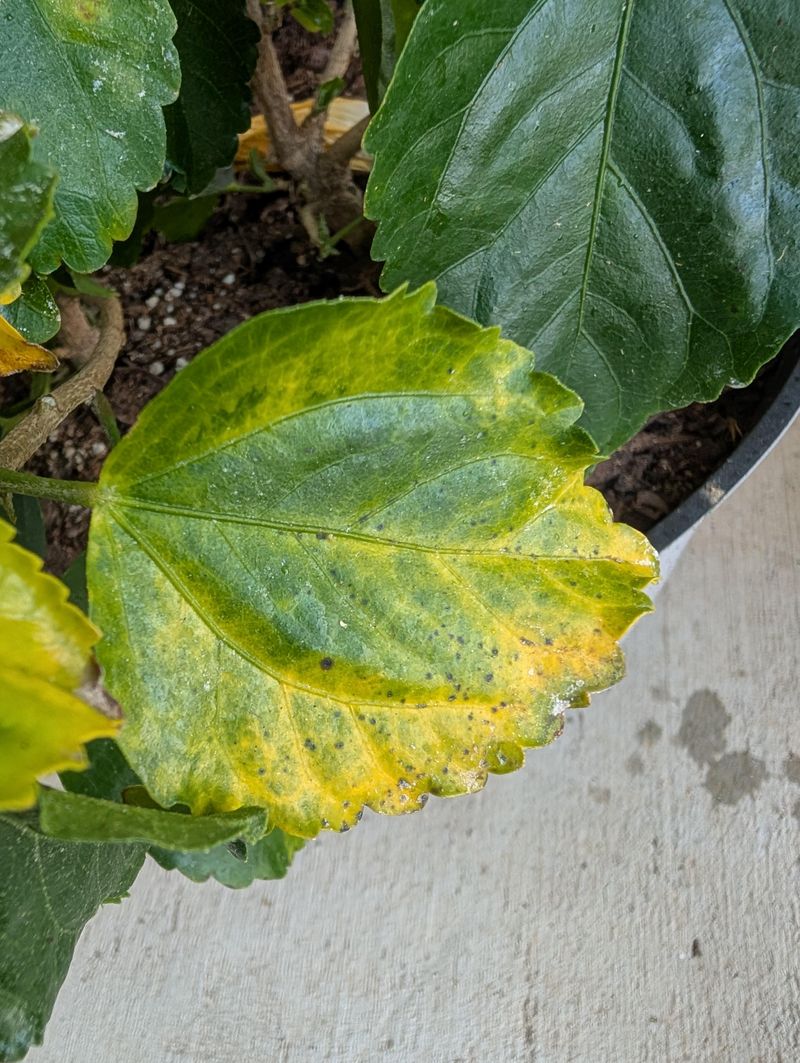
Yellow leaves on hibiscus can make any Florida gardener uneasy, but they do not point to one single cause. In June, hibiscus leaves may yellow because of water stress, nutrient issues, root stress, heat, pests, or a mix of several problems.
That is why I would not assume pests are the answer right away. I would include them in the check.
Sap-feeding insects can stress leaves as they feed, and whitefly feeding, in particular, is often linked with yellowing or pale-looking foliage on many plants. On hibiscus, the pattern matters.
Are the yellow leaves mostly on old growth, or are the newest leaves affected? Do you see insects on the undersides?
Is there sticky residue, curling, or clusters around buds? Has the plant been sitting wet after heavy rain, or has it dried too much between waterings?
These details help you avoid chasing the wrong solution. If you only add fertilizer because leaves are yellow, you may miss insects.
If you only treat for pests, you may miss a water or root problem. A good June habit is to inspect the whole plant before reacting.
Yellowing leaves are a signal to investigate, not a final diagnosis.
7. Misidentified Pests Lead To Wasted Treatments
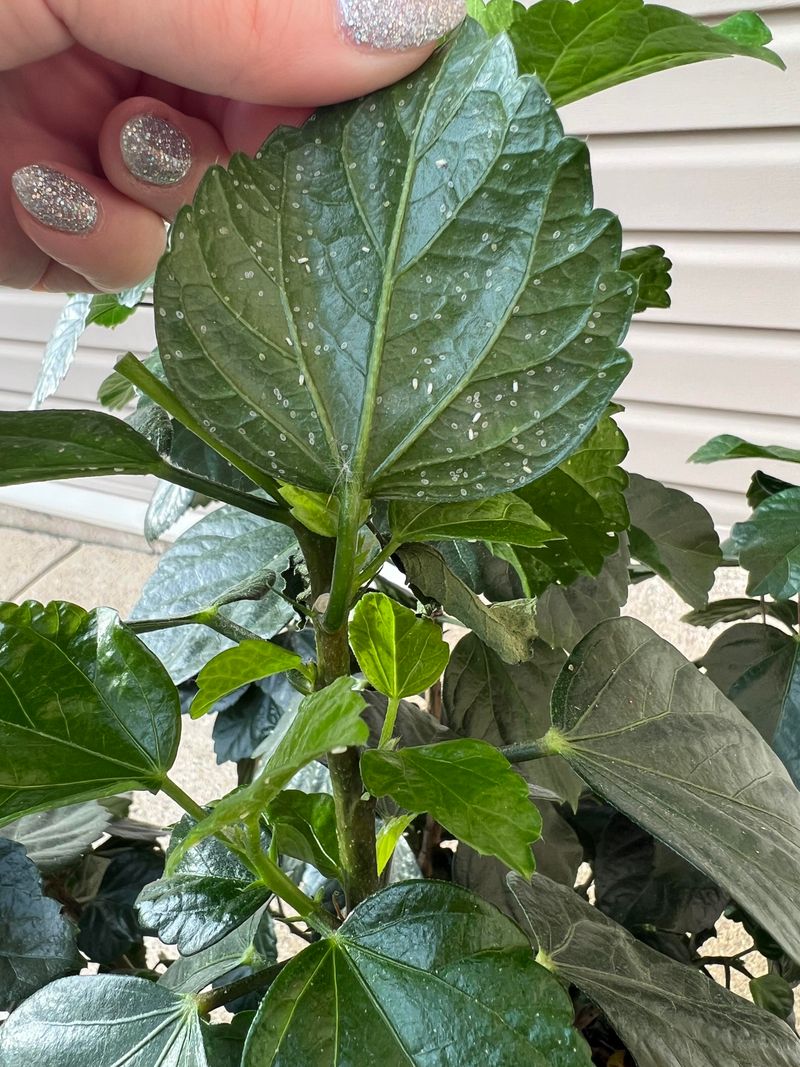
Guessing at a hibiscus pest can waste time, money, and plant energy. It can also make you feel like you are doing something useful when the real problem is still sitting there.
In Florida, hibiscus may attract several pests that can look similar at a quick glance, especially when they are small or tucked under leaves. Aphids may cluster on tender growth.
Whiteflies may flutter when disturbed. Mealybugs can look cottony.
Scale insects can look like small bumps on stems or leaves. These differences matter because the right response depends on what you are dealing with.
Before reaching for any product, take a few minutes to identify the pest as closely as you can. Use a hand lens if you have one.
Look at where the pest is located, whether it moves, whether it flies, and whether sticky residue is present. If you are unsure, your local Extension office can often help you narrow it down.
I also like to check whether beneficial insects are already present before taking action. A rushed treatment can affect insects you actually want in the garden.
Careful identification may feel slower at first, but it usually leads to a cleaner, more useful response.
8. Gentle Controls Work Best When Problems Are Small
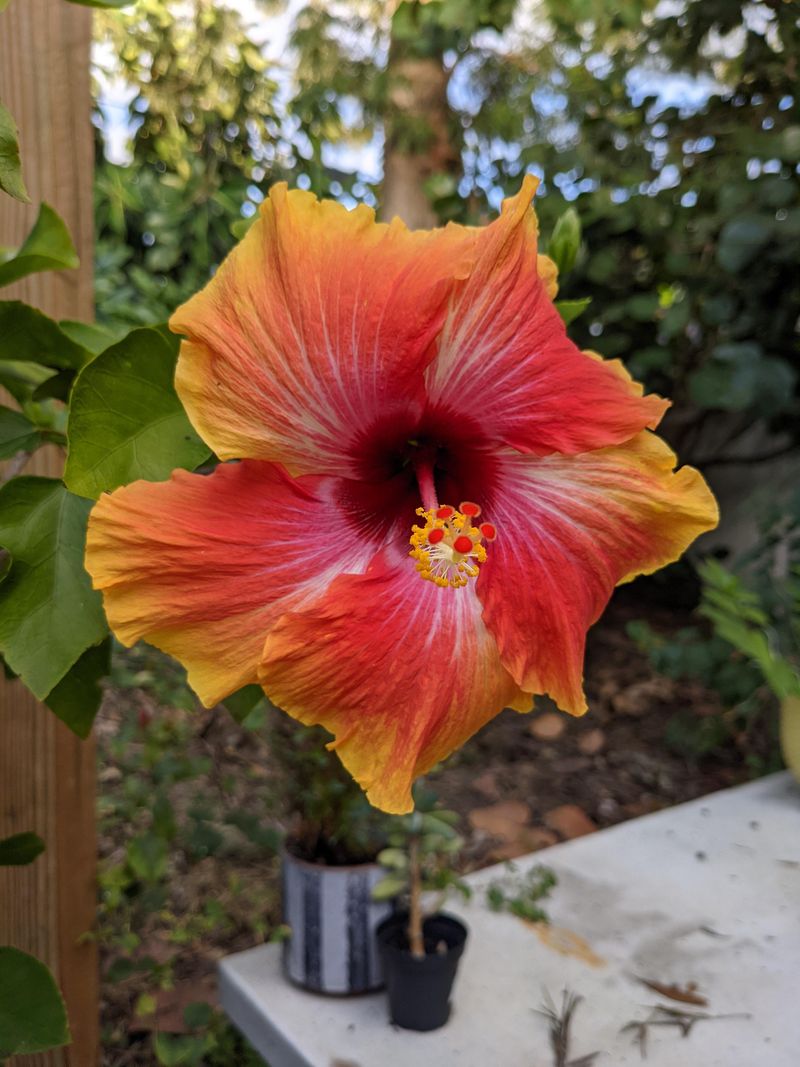
Small pest problems on hibiscus are usually easier to manage than large ones, which is exactly why June scouting is worth the effort. When you catch pests early, you may be able to use simpler, more targeted steps.
Sometimes that means washing clusters off with a firm spray of water. Sometimes it means pruning a heavily infested tip if the damage is limited and the cut makes sense for the plant.
Horticultural soaps or oils may also be useful for certain soft-bodied pests, but they need direct contact and should be used exactly according to the label.
Hibiscus can be sensitive to some products, especially in hot weather, so I would avoid spraying during the hottest part of the day.
I would also test a small area first when using a product you have not used before. The point is not to treat every bug you see.
The point is to respond carefully when a pest is actually building up and stressing the plant. Florida summer weather can make pest pressure feel constant, but a light, steady routine often works better than waiting until the plant looks overwhelmed.
Gentle controls have the most value when the problem is still small enough to see clearly.
9. Healthy Hibiscus Handles Summer Stress Better
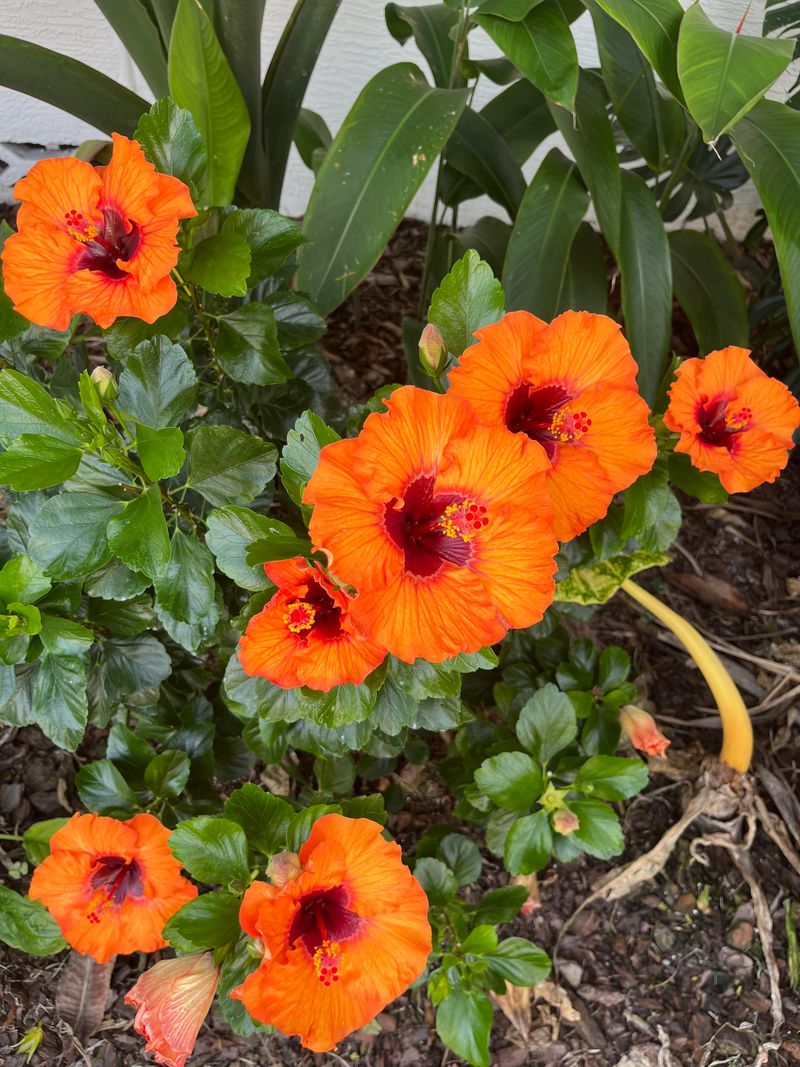
A hibiscus that is cared for well is often in a better position to handle Florida’s summer pressure. That does not mean it will avoid every pest or bloom issue, but it may recover and keep growing more steadily when small problems appear.
In June, I look at the whole plant, not just the flowers. Is it getting enough sun?
Is the soil draining well? Is watering consistent without keeping the roots too wet?
Has it been fertilized thoughtfully, or is it being pushed too hard with quick fixes? Hibiscus likes good care, but too much of one thing can create new problems.
Overwatering can stress roots. Too much fertilizer can encourage soft growth that pests may favor.
Heavy pruning at the wrong time can reduce the next round of flowers. Regular scouting ties all of this together.
When you check buds, leaf undersides, and new growth, you also notice whether the plant looks balanced. You catch small changes before they turn into larger summer frustrations.
A healthy hibiscus is not just about big blooms. It is about steady light, water, nutrition, airflow, and pest checks working together through Florida’s heat and humidity.