The One Thing You Must Do To Ohio Hydrangeas In June Or They Won’t Bloom Next Year
June and hydrangeas in Ohio: a combination that confuses even experienced gardeners every single year.
The shrubs look incredible, fresh growth is pushing out everywhere, a few blooms might already be showing up, and the urge to grab the pruners and clean things up is completely understandable.
Here’s the problem though: cutting at the wrong time on the wrong type of hydrangea can quietly wipe out next year’s flowers before they ever get a chance to form.
And you won’t even realize it happened until next summer, which is a particularly painful way to find out.
The single most important thing Ohio gardeners can do in June before touching a single stem is figure out exactly which type of hydrangea they have.
Because they do not all play by the same rules. Not even close.
1. Identify Your Hydrangea Type First
June can be a confusing month for Ohio hydrangea care because many shrubs are leafed out, some are starting to bloom, and others are still deciding what kind of show they are going to give.
Before you prune anything, the most important step is to identify what type of hydrangea you have.
That one decision changes everything. Some hydrangeas bloom on old wood, which means their flower buds develop on stems that grew in a previous season.
Others bloom on new wood, which means they flower on growth made during the current season.
Ohio State University Extension notes that smooth and panicle hydrangeas bloom on new wood and are pruned in late winter or early spring, while other types need different handling.
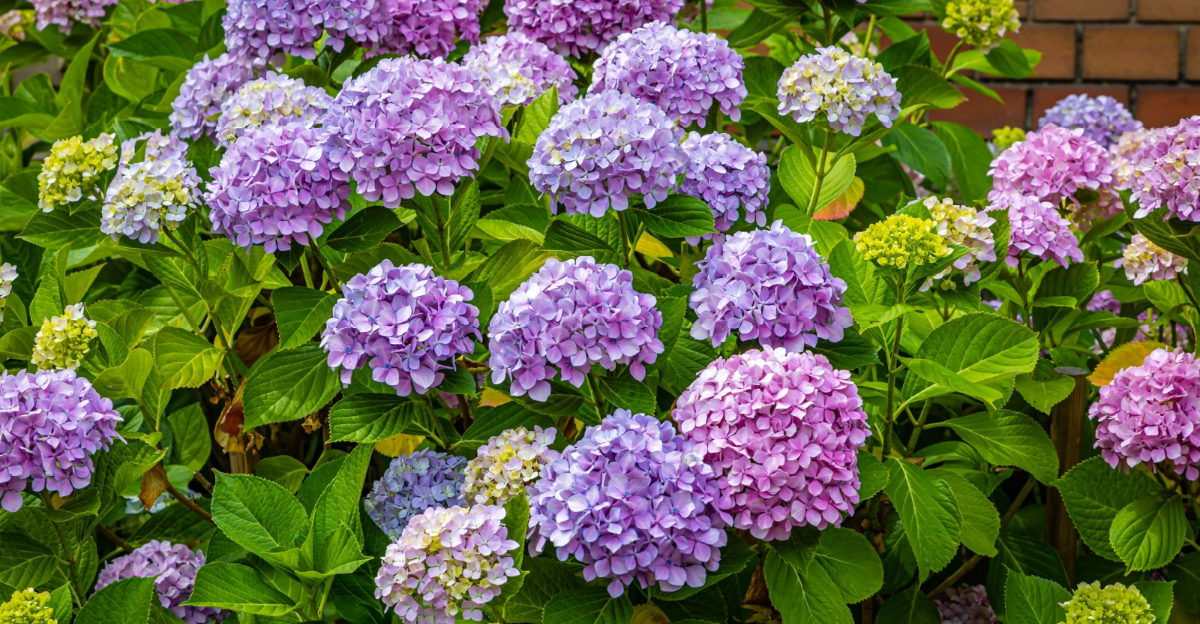
Look closely at the plant before reaching for pruners. Mophead and lacecap flowers often point to bigleaf hydrangeas.
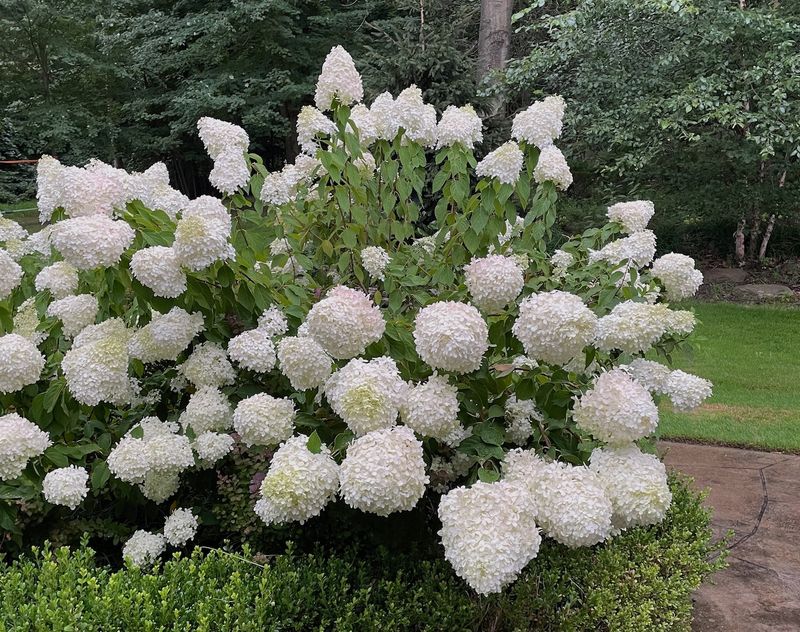
Oak-shaped leaves point to oakleaf hydrangeas. Cone-shaped flower clusters usually point to panicle hydrangeas.
Large white rounded blooms on sturdy new stems may point to smooth hydrangeas. If you still have the plant tag, that can help too.
This matters because a bigleaf hydrangea near a porch may need a very different June care plan than a panicle hydrangea along a driveway. In Ohio, where winter can already reduce blooms on some types, guessing with pruners can make the problem worse.
Once you know the type, you can decide what to leave, what to tidy, and what should wait.
2. Know Which Hydrangeas Bloom On Old Wood
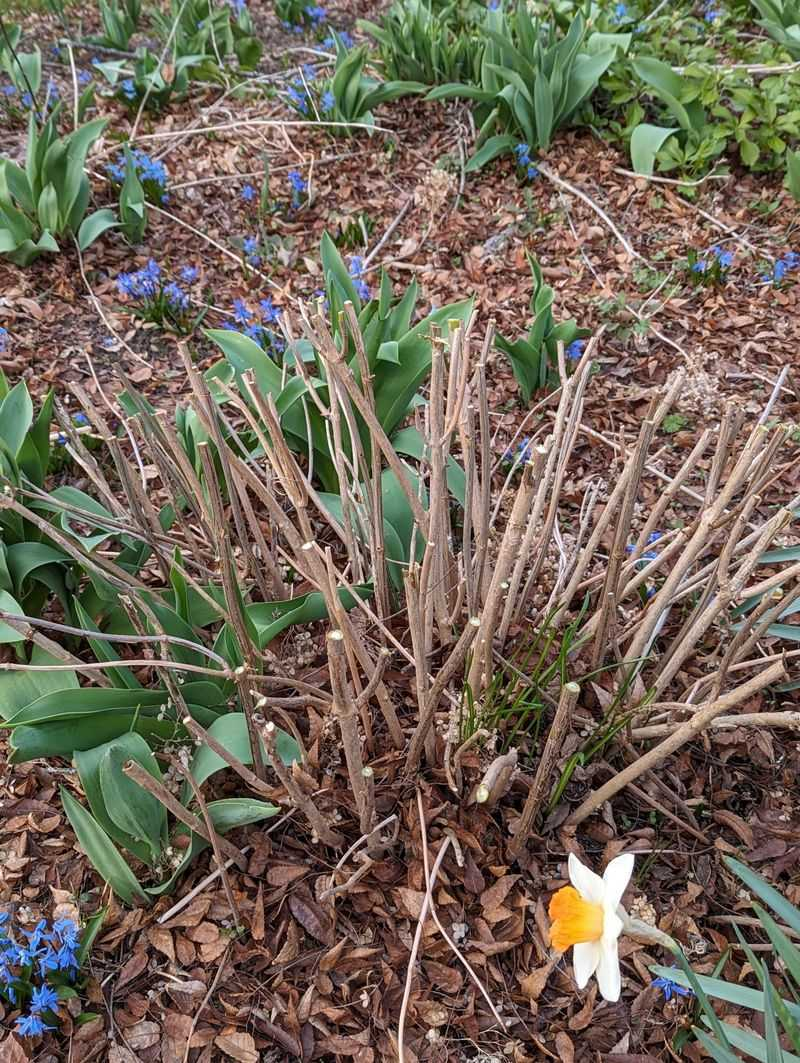
Old-wood hydrangeas are the ones that make June pruning feel a little risky. These plants can carry next year’s flowers on stems that are already growing in the garden right now.
Bigleaf hydrangeas, oakleaf hydrangeas, climbing hydrangeas, and mountain hydrangeas are commonly treated as old-wood bloomers, though some reblooming bigleaf and mountain types can also flower on new growth.
The important point is simple: if a hydrangea relies on old wood, cutting too much healthy stem can remove future bloom potential.
University Extension pruning guidance supports pruning old-wood hydrangeas after flowering and treating new-wood hydrangeas differently.
This is where many Ohio gardeners run into trouble. A shrub may look big, uneven, or a little wild in June, so it is tempting to cut it back hard.
Your Ohio Garden Changes Every Week. Your Plan Should Too.
Gardening in Ohio changes quickly throughout the season. Every Friday you’ll receive a simple weekly plan showing exactly what to plant, prune, fertilize, harvest, and protect so you never miss the right timing.
That may be fine for some shrubs, but it can be a bad move for old-wood hydrangeas. Those plain green stems may be more important than they look.
They help carry the plant through the season and may be where future flower buds develop. Oakleaf hydrangeas also bring fall color and attractive structure, so they often look better with a natural shape instead of a tight trim.
Bigleaf hydrangeas can be especially frustrating in colder Ohio sites because winter exposure may already affect the buds. If pruning removes more useful wood in June, the plant may have fewer blooms next year.
The safer approach is to learn the bloom habit first, then prune only with a clear purpose.
3. Avoid Heavy June Pruning On Old-Wood Types
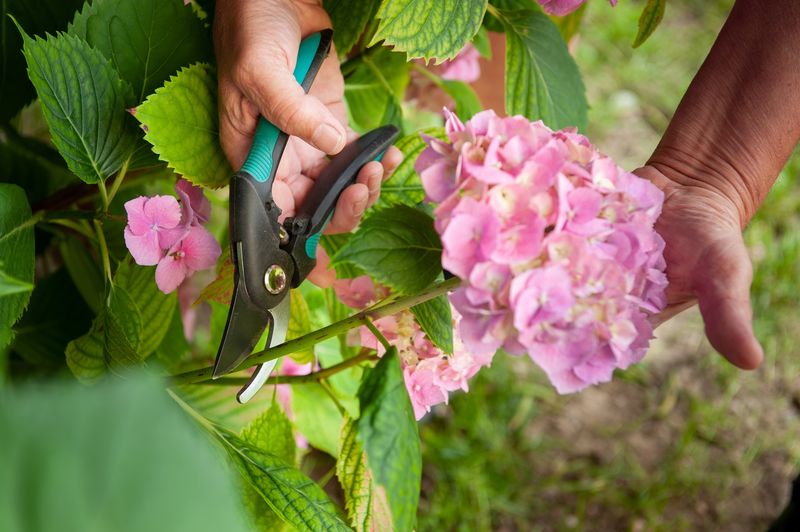
A hard June haircut can feel satisfying for a few minutes, but old-wood hydrangeas may not respond the way you hope. Heavy pruning on bigleaf, oakleaf, climbing, or many mountain hydrangeas can remove stems that are needed for future flowers.
That is why the headline advice matters so much: identify the hydrangea before pruning. In Ohio landscapes, this is especially important after cold winters, late frosts, or windy exposure have already stressed some stems.
If a plant has fewer healthy old stems after winter, cutting more of them in June can leave it with less bloom potential.
Heavy pruning is different from light cleanup. If a stem is broken, rubbing badly, or clearly in the wrong place, a careful cut may make sense.
If a flower head has faded, removing only the spent bloom can be fine when done carefully. The problem comes from shearing the whole shrub or cutting every stem down to the ground because the plant looks too large.
That kind of pruning may work for smooth hydrangeas at the right time of year, but it is not the right June habit for old-wood types. Think of June pruning as editing, not rebuilding.
Step back, look at the shape, and make the smallest useful cuts. If the hydrangea is too large for its location every year, the better long-term fix may be moving it or choosing a smaller variety.
Repeated hard pruning is often a sign that the plant and the space are not a great match.
4. Remove Only Spent Blooms Carefully
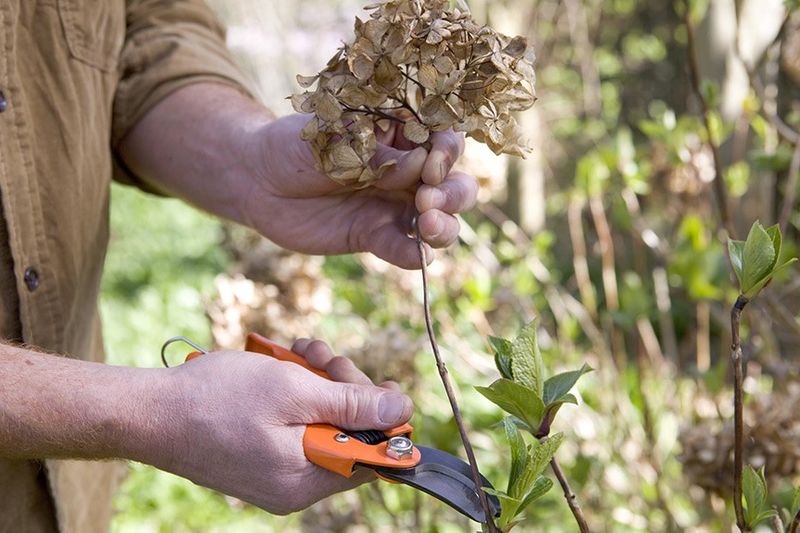
Faded blooms can make a hydrangea look tired, especially when the rest of the Ohio garden is fresh and full in June. It is understandable to want the shrub cleaned up.
The key is to remove spent blooms without taking too much stem with them, especially on old-wood hydrangeas. A careful cut just below the flower head and above a healthy pair of leaves is usually a much better choice than following the stem far down into the plant.
That small difference can help preserve growth that may matter later.
Deadheading is mostly about appearance. It can make a front-yard hydrangea look neater near a walkway, porch, or patio, but it is not the same as major pruning.
For old-wood hydrangeas, cutting too low while deadheading can remove useful buds or healthy stem tissue. Extension guidance commonly recommends careful timing and light pruning for old-wood types because they can set future blooms after flowering.
If the plant still looks good with some faded flowers left in place, you do not have to remove every one. Some gardeners even enjoy the softer color of aging hydrangea blooms as summer moves along.
If you do tidy them, use clean, sharp pruners and take your time. Do not shear the shrub like a boxwood.
Hydrangeas usually look more natural when their rounded or arching shape is respected. In June, careful deadheading can refresh the plant without sacrificing the stems that may help next year’s blooms.
5. Leave Healthy Stems In Place
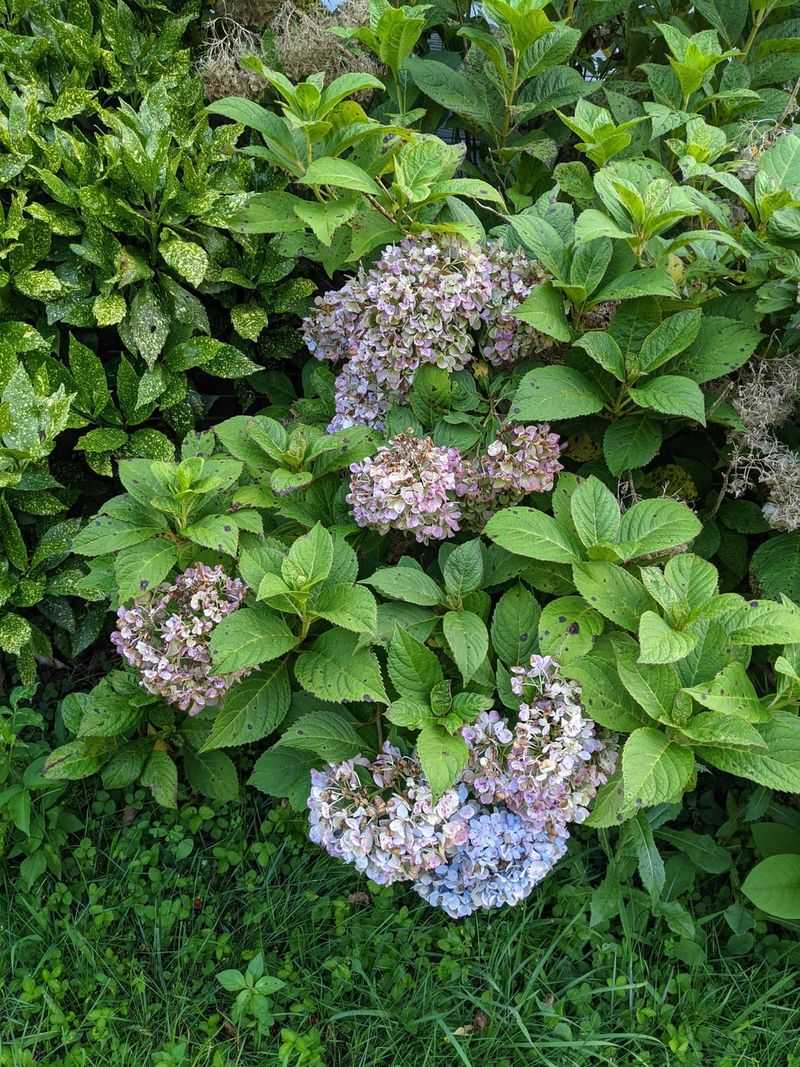
Healthy stems do not look dramatic, but on many hydrangeas they are the part of the plant you most want to protect. In Ohio, this is especially true for old-wood hydrangeas that may already be dealing with winter bud injury or late spring weather swings.
If a stem is firm, green under the bark, leafed out, and not creating a real problem, there is usually a good reason to leave it alone. Cutting healthy stems just to make the shrub smaller can remove wood that the plant may need for future flowers.
This is where patience helps. Hydrangeas can look uneven for a while as they leaf out.
Some stems may wake up later than others. A gardener who trims too early or too heavily may remove growth that was still useful.
If you are unsure whether a stem is alive, gently scratch a tiny spot on the bark. Green tissue inside suggests the stem is still living and should be considered carefully before cutting.
Brown, dry, brittle stems are different and can be removed once you are confident they are not producing growth.
In a June garden, leaving healthy stems may feel like doing less, but it is really smart plant care. The goal is not to force a tidy shape.
The goal is to keep the hydrangea strong enough to bloom well.
6. Watch For Buds Forming Later In Summer
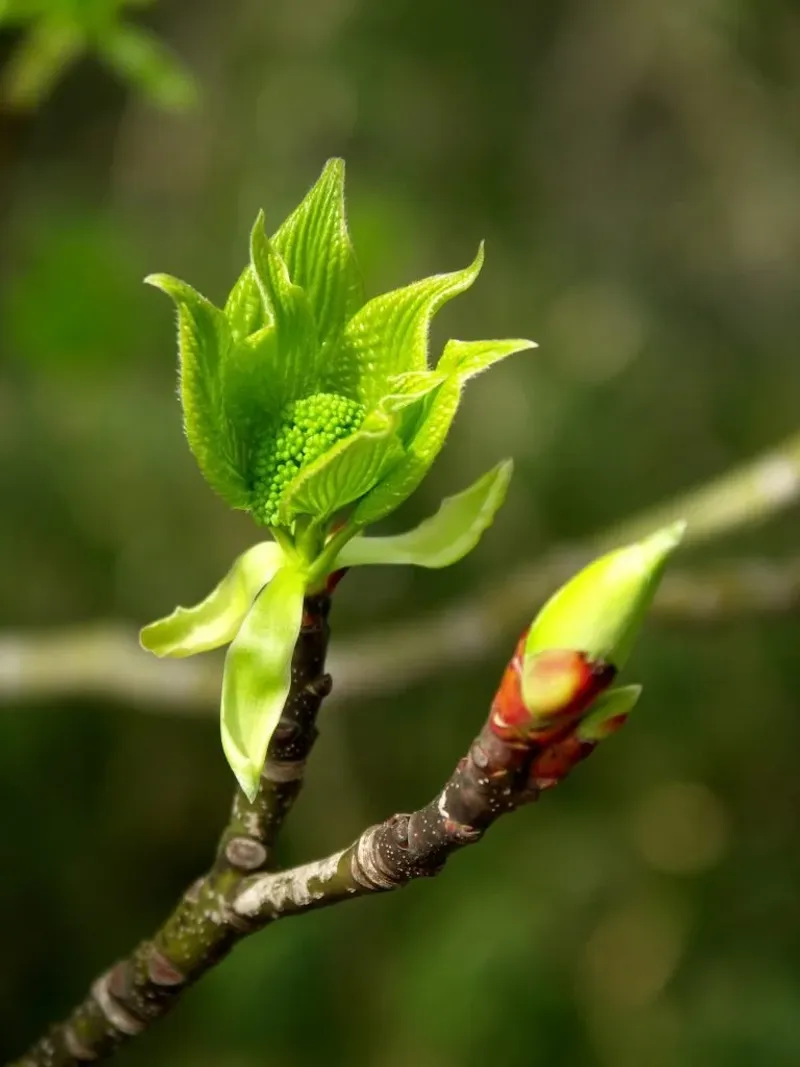
Hydrangeas do not wait until spring to think about next year. On old-wood types, the plant can begin setting future bloom potential during the growing season.
That means the stems you protect in June may become more important as summer moves along. This is why repeated trimming can be a problem.
One small cut may not change much, but several rounds of shaping can quietly remove more stem length than intended. By late summer, that can matter.
Ohio gardeners often notice this problem after a shrub produces plenty of leaves but very few flowers. The plant may look healthy, yet still fail to bloom well because the right wood or buds were removed, damaged, or exposed to winter stress.
That does not mean every bloom problem is caused by pruning. Cold weather, late freezes, deer browsing, poor siting, and plant age can all play a role.
Still, pruning is one of the factors homeowners can control. In June, avoid the habit of trimming old-wood hydrangeas every time they look a little uneven.
Give the plant time to grow, mature, and prepare for the next cycle. If a stem is stretching into a walkway, trim only what is necessary.
If the shrub is healthy but not perfectly shaped, let it keep its foliage. Those leaves are feeding the plant.
Those stems may be part of the next bloom season. A little restraint in summer can be more helpful than constant correction.
7. Prune Smooth Hydrangeas Differently
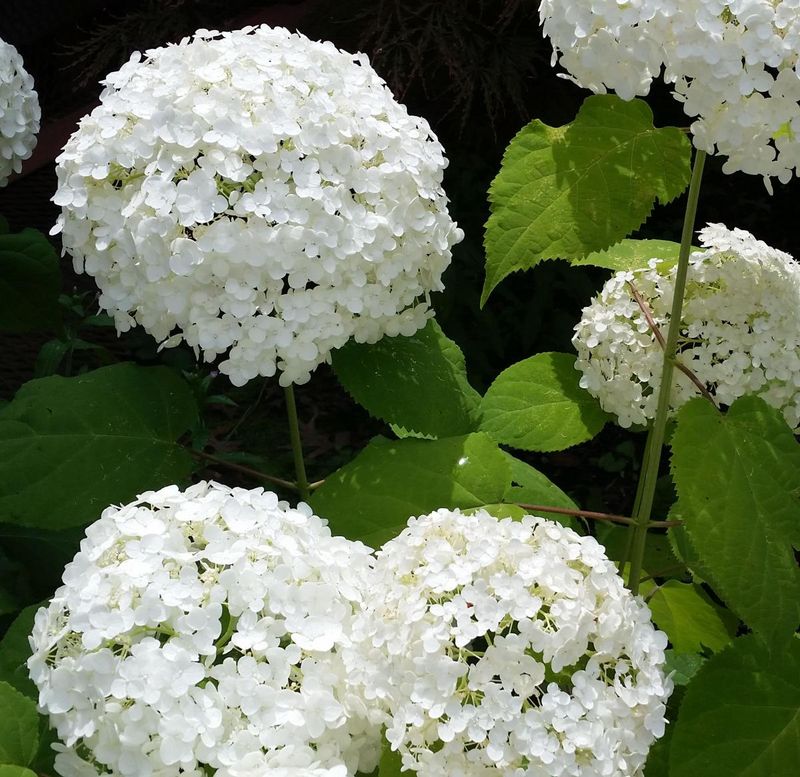
Smooth hydrangeas follow a different rule, which is why hydrangea pruning advice can sound so mixed. Smooth hydrangeas, including many Annabelle-type plants, bloom on new wood.
Ohio State University Extension notes that smooth hydrangeas bloom on new wood and are typically pruned in late winter or early spring before new growth emerges. That means June is not the main time to cut them back hard.
By June, a smooth hydrangea is usually growing the stems that will carry its current-season blooms.
If a smooth hydrangea looks messy in June, keep the cleanup light. You can remove a broken branch, shorten a stem that is blocking a path, or tidy a spent flower later in the season.
What you do not want to do is confuse it with an old-wood type or treat June as the best time for major size control. The best pruning window for shaping and renewal is usually earlier, before the plant has invested heavily in the season’s growth.
Smooth hydrangeas can be useful in Ohio foundation beds and mixed borders because they bloom reliably on new growth, but they still need the right amount of space.
Some selections can flop after heavy rain, especially if they were cut too low or pushed into soft growth.
Leaving a stronger framework and choosing the right variety for the site can help the plant look better. The main point is this: smooth hydrangeas are not managed the same way as bigleaf or oakleaf hydrangeas.
Type comes first, then pruning.
8. Prune Panicle Hydrangeas Differently
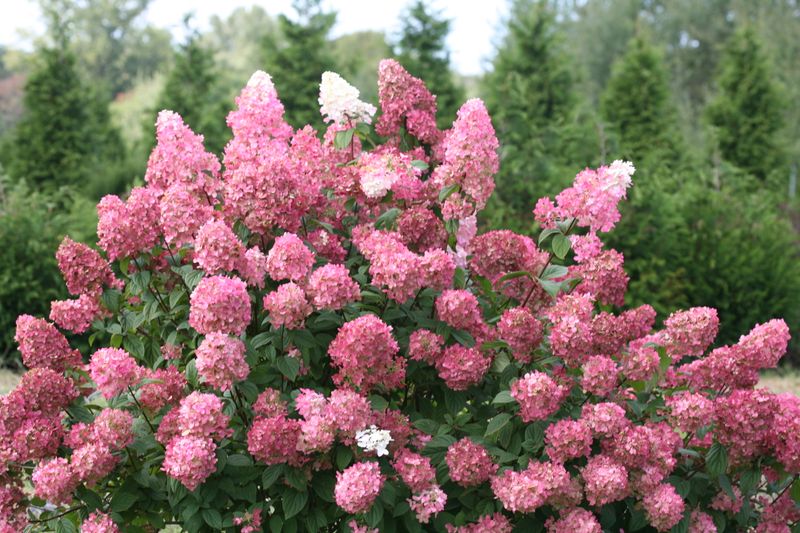
Panicle hydrangeas are common in Ohio landscapes because they are often dependable, showy, and adaptable in sunny spots. They usually have cone-shaped flower clusters and can become large shrubs or small tree-form plants, depending on the variety and training.
Like smooth hydrangeas, panicle hydrangeas bloom on new wood. Ohio State University Extension groups panicle hydrangeas with new-wood bloomers that are pruned in late winter or early spring before new growth begins.
That makes them very different from old-wood hydrangeas, even though they share the same common name.
In June, panicle hydrangeas are usually building their summer growth. Heavy pruning at this point can remove developing stems and may affect the current season’s shape or flower display.
If a branch is damaged or sticking awkwardly into a walkway, a small correction is reasonable. Save bigger shaping cuts for the correct season.
Panicle hydrangeas also need enough room. Some popular types can get much larger than people expect when planted beside a porch, window, or narrow walkway.
If you find yourself cutting the plant hard every summer just to keep it in bounds, the variety may be too large for that location. A compact panicle hydrangea may be a better fit for a small Ohio front yard or foundation bed.
Panicle hydrangeas are forgiving in many ways, but they still look best when their natural size and bloom habit are respected. June care should focus more on observation, moisture during dry spells, and light cleanup than major pruning.
9. Protect Stems From Winter Damage
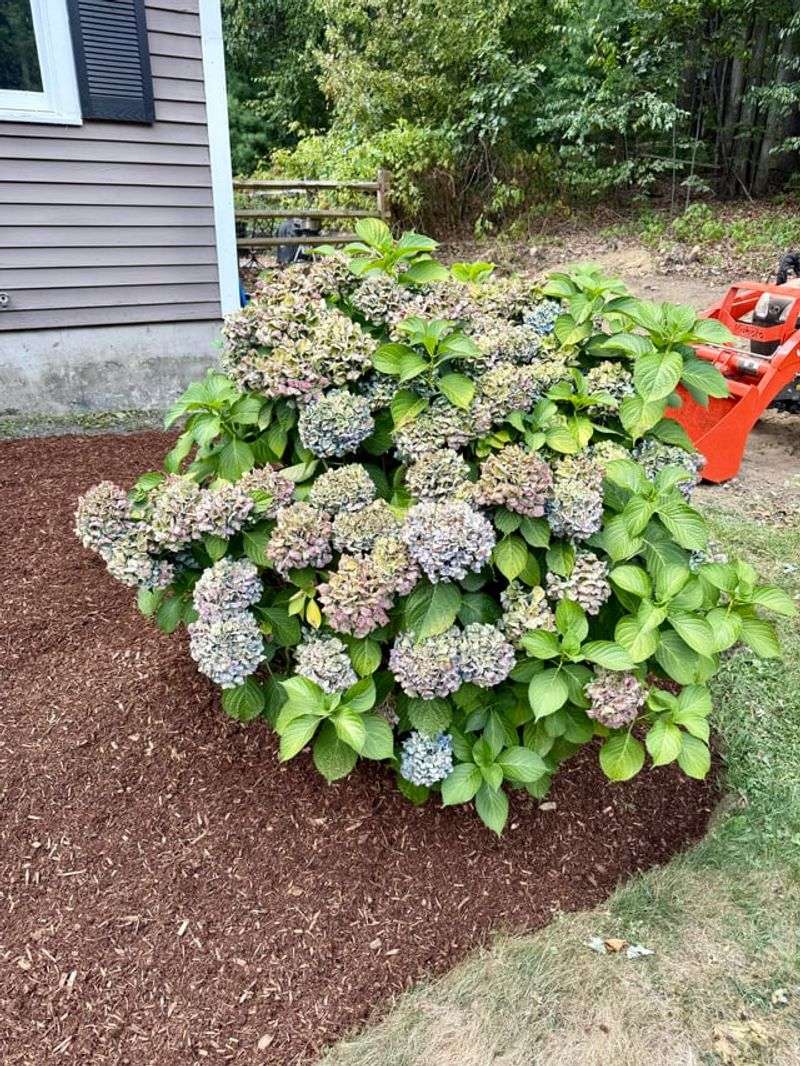
Pruning is not the only reason Ohio hydrangeas miss a bloom year. Winter damage can also reduce flowers, especially on old-wood types that depend on stems carrying buds through cold weather.
A bigleaf hydrangea may be pruned correctly and still bloom poorly if winter temperatures, drying winds, or late cold snaps damage the buds. That is why June care should connect to the whole year.
The healthier the plant grows during summer, the better prepared it may be going into fall.
Start by protecting the stems you already have. Do not remove healthy old wood unless there is a clear reason.
Keep the soil consistently moist during dry spells, especially around foundations where roof overhangs can block rainfall. Add mulch to help moderate soil moisture, but do not pile it against the stems.
Avoid pushing tender late growth with unnecessary fertilizer or late heavy pruning. Soft growth late in the season may be more vulnerable when Ohio weather turns cold.
Site also matters. Old-wood hydrangeas often do better with morning sun, afternoon shade, and some protection from harsh winter exposure.
OSU’s hydrangea selection guidance notes that morning sun with afternoon shade is ideal for several hydrangea types used in Ohio landscapes. If your plant is in a windy, exposed place and rarely blooms, the issue may be location as much as pruning.
The big lesson is simple: protect the stems, know the type, and do not cut away next year’s flowers before they have a chance.