The Shade Mistake Ohio Gardeners Make When Planting Oakleaf Hydrangeas
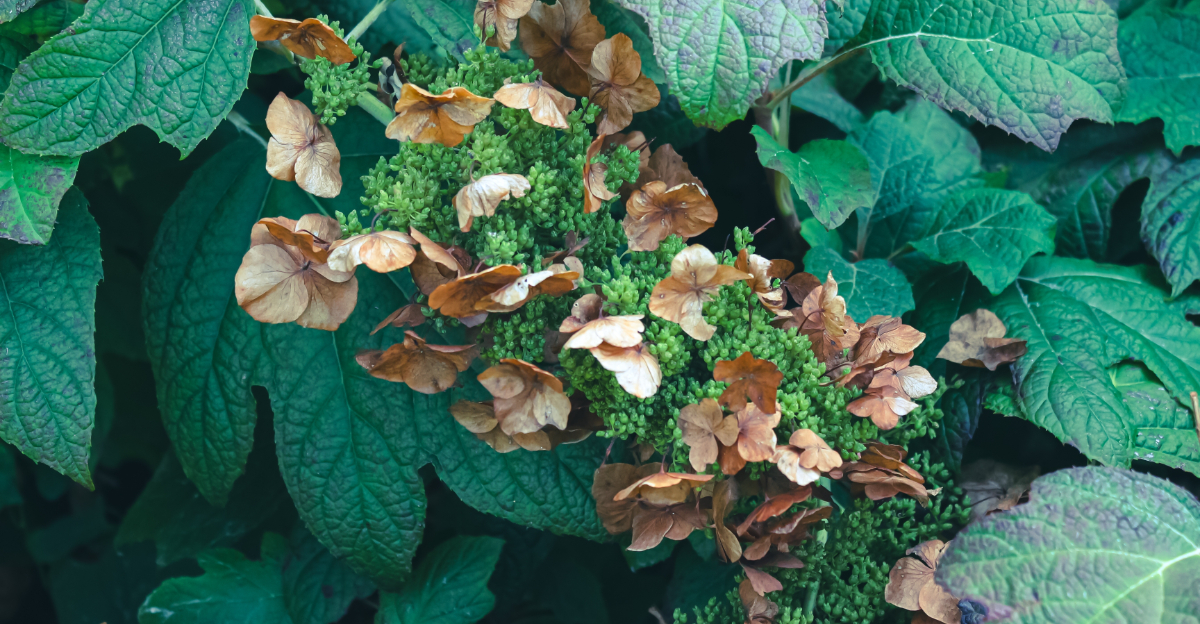
Oakleaf hydrangeas have a reputation for being easygoing, and in the right spot, that reputation holds up. But Ohio gardeners are making one very specific shade mistake with this plant, and it shows up in the same frustrating ways every single season.
Weak blooms, leggy growth, a shrub that looks like it is just getting by instead of actually thriving. The mistake is not obvious, which is exactly why it keeps happening.
Shade sounds simple. Less sun, cooler temps, problem solved.
But oakleaf hydrangeas have a very particular opinion about what kind of shade they want, and Ohio yards serve up the wrong kind more often than most people realize. Getting this right does not require a landscape overhaul.
Most of the time it comes down to one adjustment, the kind that takes an afternoon and pays off for years. Your oakleaf hydrangea is capable of so much more than it is currently showing you.
1. Stop Treating Oakleaf Hydrangeas Like Deep Shade Shrubs
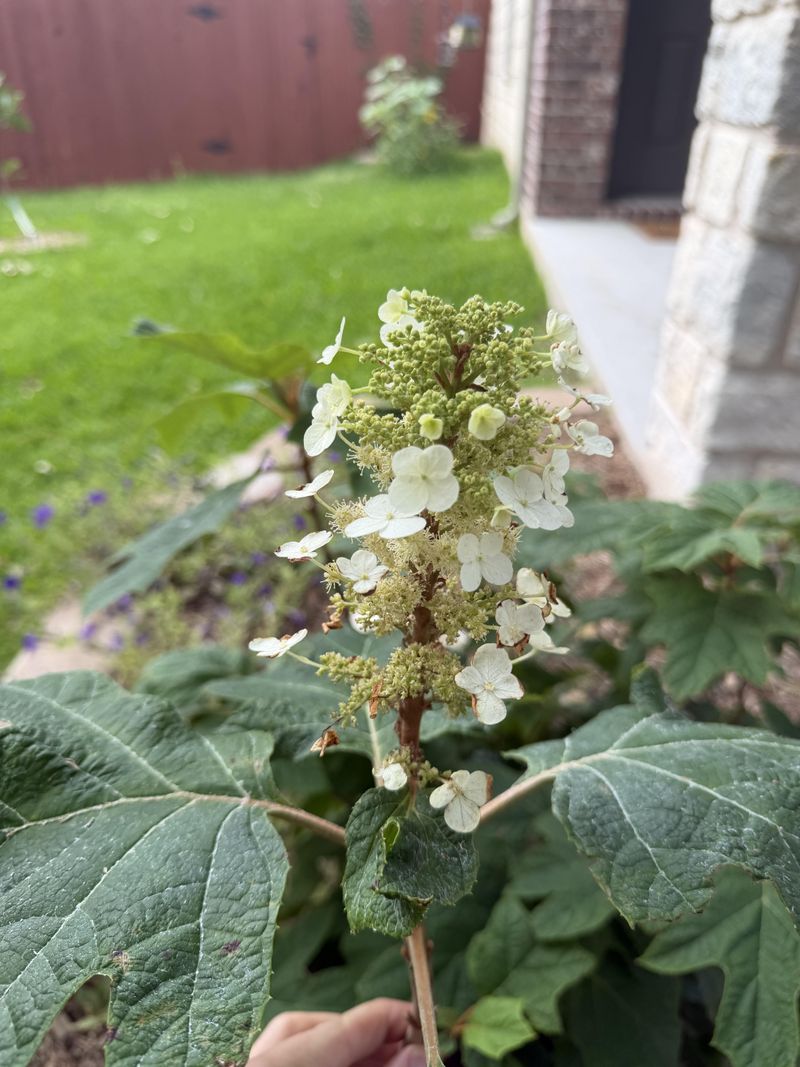
A shady corner can look like the perfect planting spot until the flowers never really show up. That is the frustrating reality for many Ohio gardeners who plant oakleaf hydrangea, Hydrangea quercifolia, in spots that are simply too dark.
This native shrub tolerates part shade, but tolerates is not the same as thrives.
When the light drops too low, the shrub often puts its energy into foliage rather than flowers. The panicles that make this plant so recognizable end up small, sparse, or absent entirely.
The whole look becomes leafy and a little shapeless instead of the bold, layered display you were hoping for.
Heavy shade also tends to slow down the overall growth rate and can make the plant more prone to fungal issues because air circulation suffers in crowded, dark spots. The goal is not to avoid shade altogether.
Morning sun, bright filtered light, or dappled shade under open canopies are much better matches for this shrub. Thinking of it as a woodland edge plant rather than a deep shade plant helps set realistic expectations.
Give it the right light and the results are noticeably better.
2. Give Oakleaf Hydrangeas Bright Shade For Better Blooms
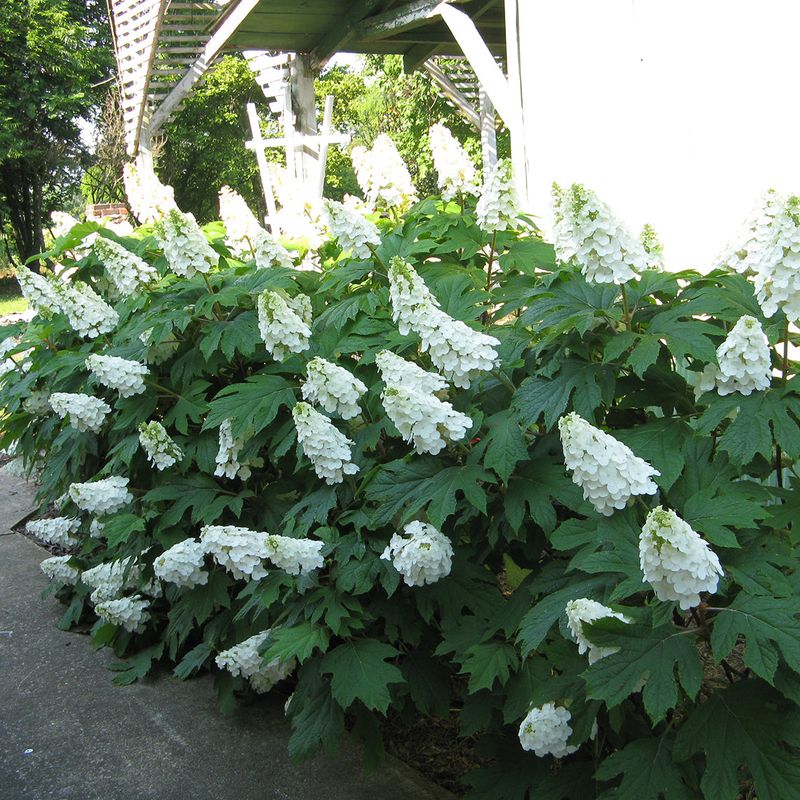
Bright shade is one of those gardening terms that sounds simple but makes a real difference once you understand it. For oakleaf hydrangeas, the sweet spot is often a location that receives filtered or dappled light for most of the day.
It should not sit in a dark, enclosed spot with very little sky visible above.
Filtered light under a high canopy gives the shrub enough energy to push out strong flower panicles. The soft glow on the north side of a building can also work if it still gets reflected sky light.
Those large, cone-shaped clusters that start creamy white and age to parchment or pink tones need adequate light to develop fully. Without it, you get leaves but not much else worth noticing.
Bright shade also helps moderate soil temperature and reduces water stress compared to a full sun location during a hot regional summer. The shrub can focus on flowering rather than just surviving the heat.
Your Ohio Garden Changes Every Week. Your Plan Should Too.
Gardening in Ohio changes quickly throughout the season. Every Friday you’ll receive a simple weekly plan showing exactly what to plant, prune, fertilize, harvest, and protect so you never miss the right timing.
Observing how light moves across a planting site throughout the day before you dig is one of the most practical steps any Ohio gardener can take.
A spot that looks shady at noon may actually receive useful morning brightness that supports much better performance.
3. Avoid Dark Corners That Leave Shrubs Leafy And Sparse
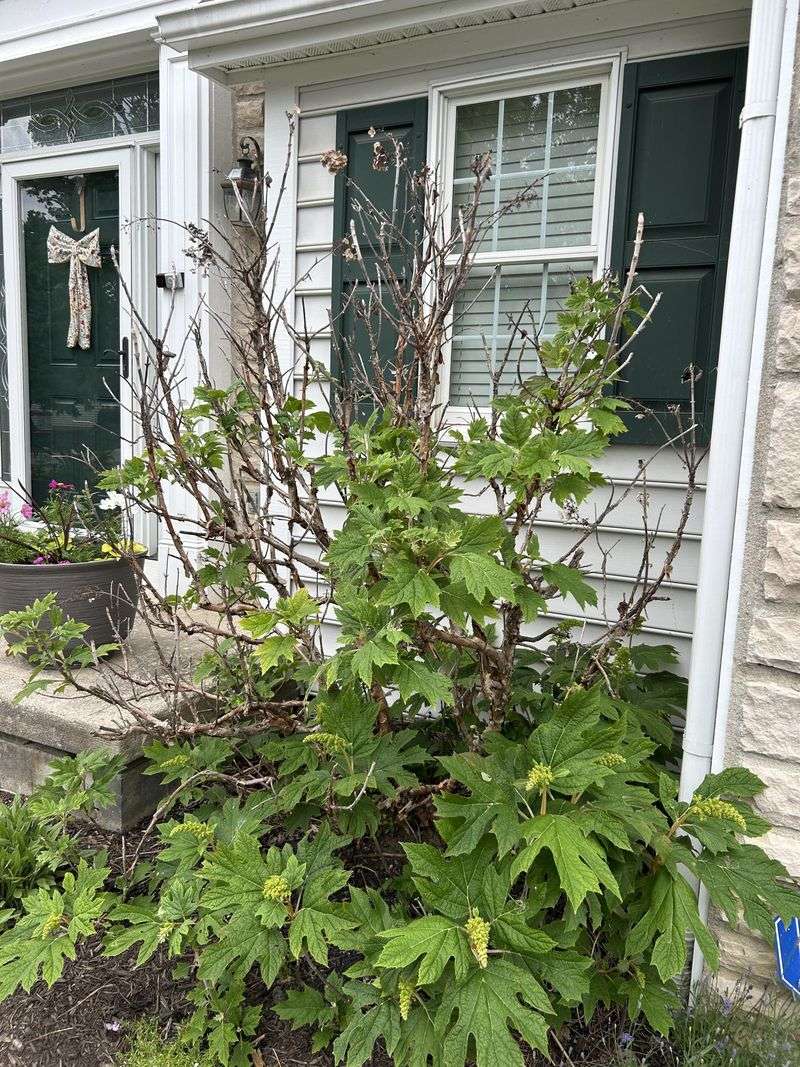
Some planting spots look tidy on a plan but turn out to be light traps in real life. Dense foundation corners where two walls meet are common culprits.
So are narrow side yards hemmed in by fences and structures, and spots directly under thick evergreen branches. Oakleaf hydrangeas placed in these locations often grow, but they rarely perform the way the plant tag suggested they would.
The visual result is a shrub that looks full of leaves but oddly empty of character. The flower panicles that give this plant its seasonal personality simply do not develop in numbers worth celebrating.
Fall foliage color, another feature this shrub is known for, can also be muted when the plant has been struggling in low light through the growing season.
Stepping back and honestly evaluating a spot before planting saves a lot of disappointment later. If you cannot see a reasonable patch of open sky from the planting location, the light is likely too limited for reliable flowering.
Dark corners are better suited to ferns, hostas, or other plants that genuinely prefer low light. Oakleaf hydrangea deserves a spot where it can actually show what it is capable of producing across the seasons.
4. Plant Where Morning Sun Can Reach The Flowers
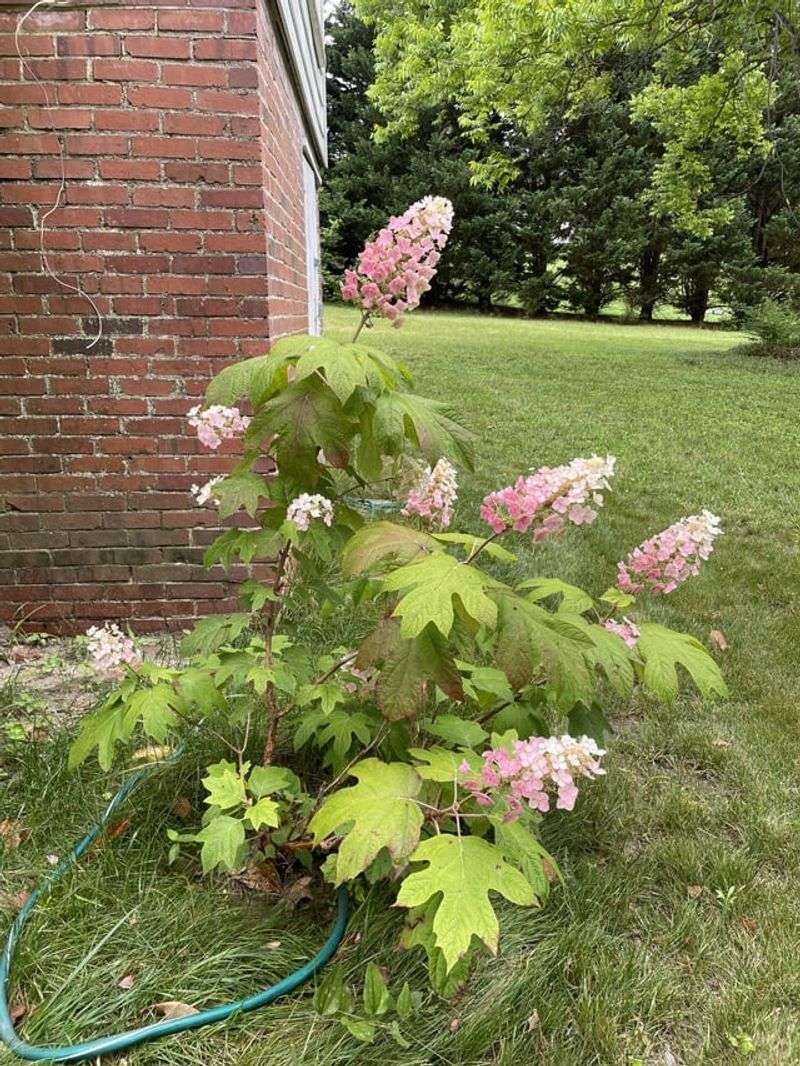
Morning light has a gentler quality than the intense afternoon sun that bakes exposed beds from midday onward. For oakleaf hydrangeas, a location that catches several hours of morning sun before shifting into afternoon shade is often an excellent match.
The plant gets the light energy it needs for strong flowering without sitting in the kind of heat that stresses leaves and dries out soil quickly.
Eastern exposures and spots on the northeast or southeast side of structures can work well for this reason. The sun arrives early, does its job, and then the shrub moves into protection as the day heats up.
This pattern suits the plant well and often produces the most reliable bloom display season after season.
Afternoon shade is especially valuable during the warmest months in this state, when temperatures can climb and stay elevated for stretches at a time.
Wilting, scorched leaf edges, and reduced bloom quality can all result from too much direct afternoon exposure.
Pairing morning sun with afternoon protection is not just a comfort measure for the plant. It is a practical strategy that supports better root development, more consistent soil moisture, and stronger overall growth from spring through fall.
5. Choose Filtered Light Instead Of Heavy Tree Shade
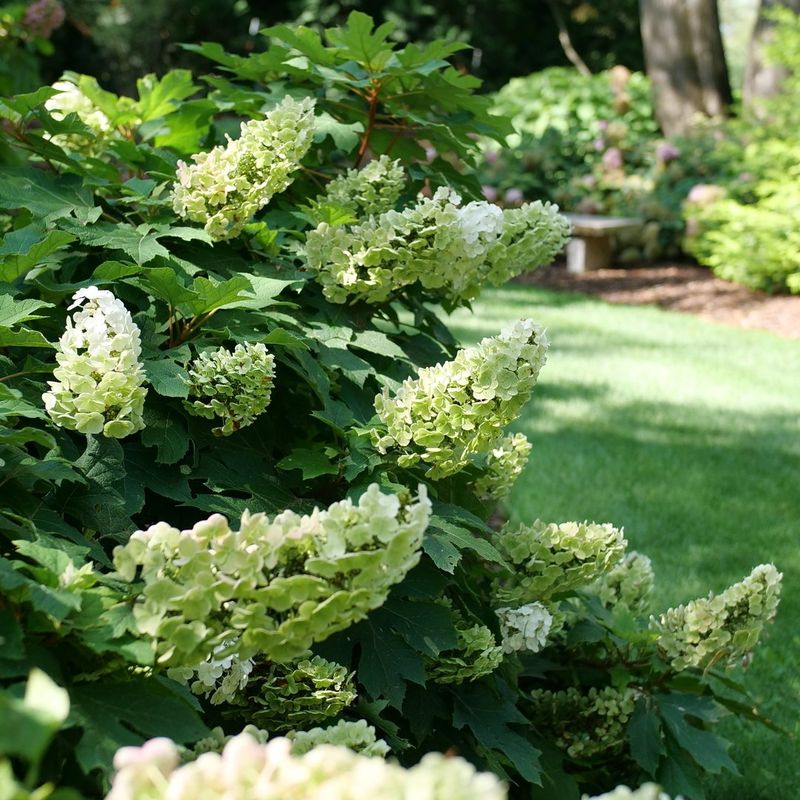
Not all shade under trees is created equal. A high canopy of open-branched trees like native oaks or hickories lets a surprising amount of diffused light filter down to the ground beneath.
That kind of filtered woodland light is actually close to the natural habitat where Hydrangea quercifolia originated in the southeastern United States. Planting under conditions that mimic that environment makes sense.
Dense, low-branched trees are a different story. Thick spruce, Norway maple, or tightly packed ornamental trees can create a canopy so solid that almost no useful light reaches the shrub below.
The result is weak growth, reduced flowering, and a plant that never quite looks like the one on the label.
Before choosing a spot under any tree, spend some time watching how light moves through the canopy at different times of day. If you can see patches of bright sky and the light dances across the ground, filtered light is present and the spot has potential.
Also consider what the soil looks like beneath the tree. Compacted, dry soil under dense canopies can add another layer of stress on top of the light problem.
Choosing the right tree neighbor matters just as much as choosing the right location.
6. Keep Oakleaf Hydrangeas Out Of Dry Root Competition
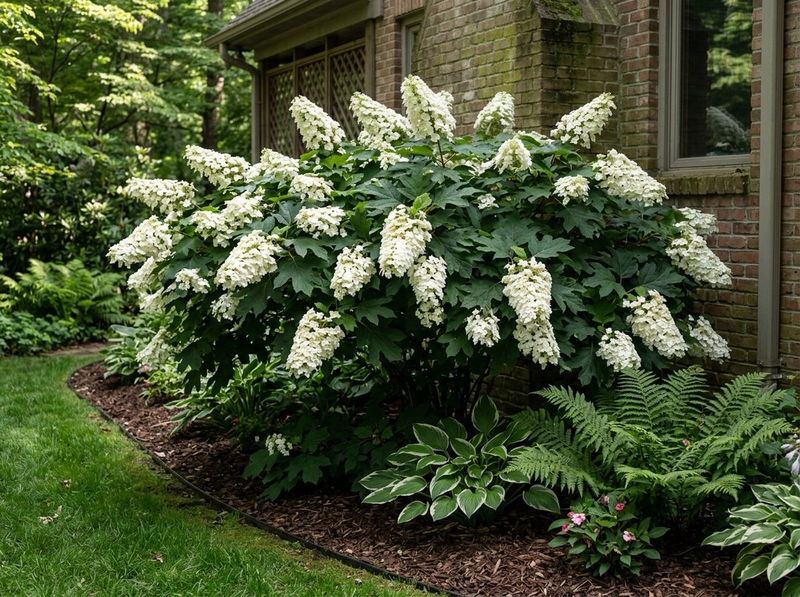
Shade is not the only challenge that comes with planting near mature trees. The roots of established trees spread wide and pull significant amounts of water and nutrients from the surrounding soil.
A shrub planted too close to a thirsty, large-rooted tree can struggle to find the consistent moisture it needs, even if the light situation looks reasonable.
Surface roots from trees like silver maple, Norway maple, and some elms are particularly competitive. They can fill a planting area so densely that a newly installed shrub has very little room to establish its own root system.
Even with regular watering, the tree roots often intercept moisture before it reaches the hydrangea roots below.
Giving oakleaf hydrangea enough space from the base of large trees reduces this competition significantly. Aim for several feet at minimum, depending on the tree species.
Improving the planting area with compost before installation helps retain moisture and creates better soil structure. Mulching around the shrub after planting also conserves moisture and moderates soil temperature.
During the first couple of growing seasons, consistent watering is especially important while the root system develops. Once established, this shrub handles moderate dry periods better, but starting it off in a root-crowded, dry spot sets it back from the beginning.
7. Use Rich Well Drained Soil For Stronger Growth
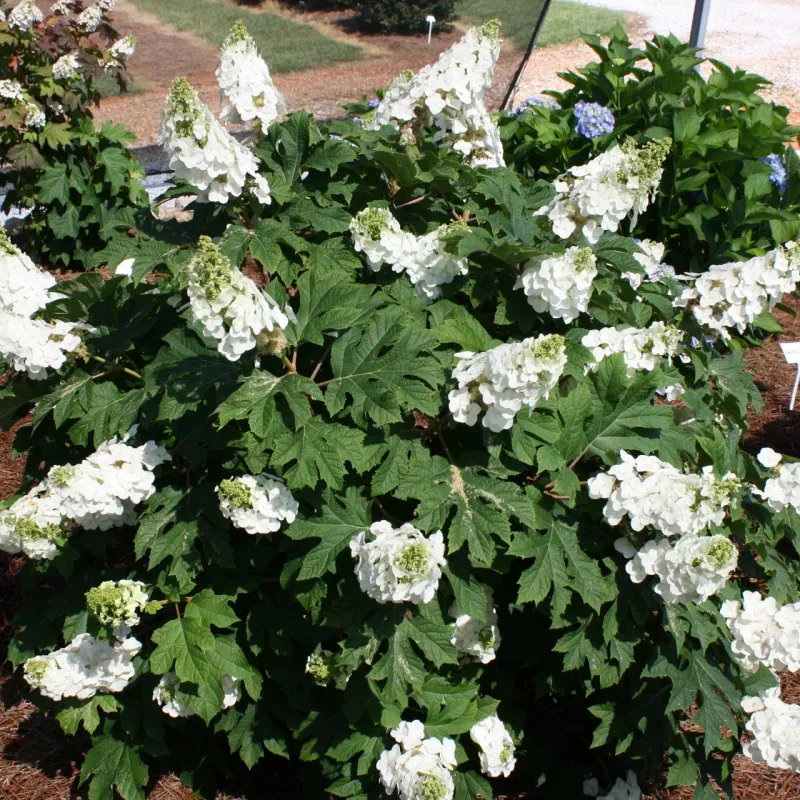
Soil quality shapes how well oakleaf hydrangea establishes and how consistently it performs over the years. This shrub does best in soil that holds moisture without becoming waterlogged.
Moist, organically rich, well-drained soil is the target, and regional clay-heavy soils sometimes need a little help getting there.
Working compost into the planting area before installation improves both drainage in clay soils and moisture retention in sandier ones.
A generous layer of organic mulch applied after planting does double duty by conserving soil moisture and slowly breaking down to feed the soil over time.
Keep mulch a few inches away from the base of the shrub to allow air circulation at the crown.
Waterlogged soil is one condition this shrub genuinely dislikes. Low spots that collect standing water after rain, or areas with poor subsoil drainage, can lead to root stress and reduced vigor.
Raised planting beds or amended mounds can solve drainage problems in challenging spots. Watering consistently during the first full growing season helps the root system get established before the shrub faces its first summer heat or winter cold.
After that first year, a well-placed and well-established oakleaf hydrangea becomes notably more self-sufficient and resilient across changing seasonal conditions.
8. Give This Big Shrub Room To Show Off
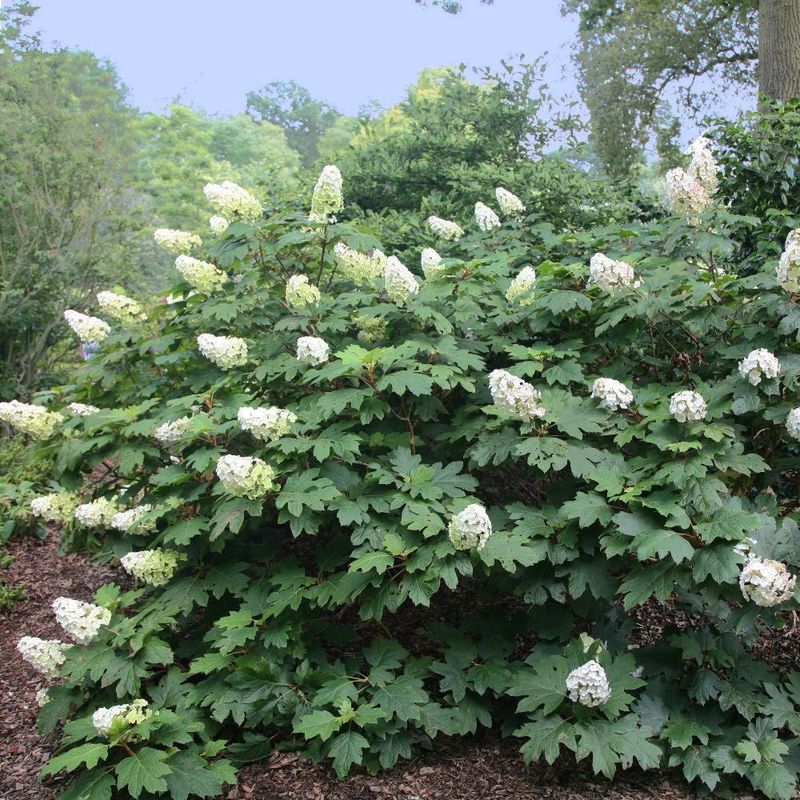
Squeezing a large shrub into a tight spot is a common mistake, and oakleaf hydrangea is one of the plants most likely to outgrow an underestimated space.
Depending on the cultivar and growing conditions, this shrub can reach six to eight feet tall and spread just as wide at maturity.
Compact selections exist, but even those need more room than many gardeners initially allow.
Planted with adequate space, this shrub becomes a genuine focal point. The bold, deeply lobed leaves create strong texture through summer.
The flower panicles are large and long-lasting. In fall, the foliage turns shades of burgundy, orange, and russet that rival many trees for seasonal color.
The peeling bark on older stems adds winter interest when everything else has gone dormant.
Woodland edges, the back of mixed shrub borders, and large foundation beds are all natural fits for this plant.
Giving it room means the natural arching form of the branches can develop fully without crowding neighboring plants or requiring constant pruning to keep it contained.
Choosing the right cultivar for the available space from the start saves years of management work. Natives like this one reward thoughtful placement with decades of reliable seasonal performance that smaller, fussier plants rarely match.