8 Reasons Why Florida Beachside Homes Often Skip The Classic Lawn Look
Drive along Florida’s coastline and something becomes obvious pretty quickly.
The yards look different. No sprinkler systems running in the afternoon. No perfectly edged strips of grass stretching to the property line.
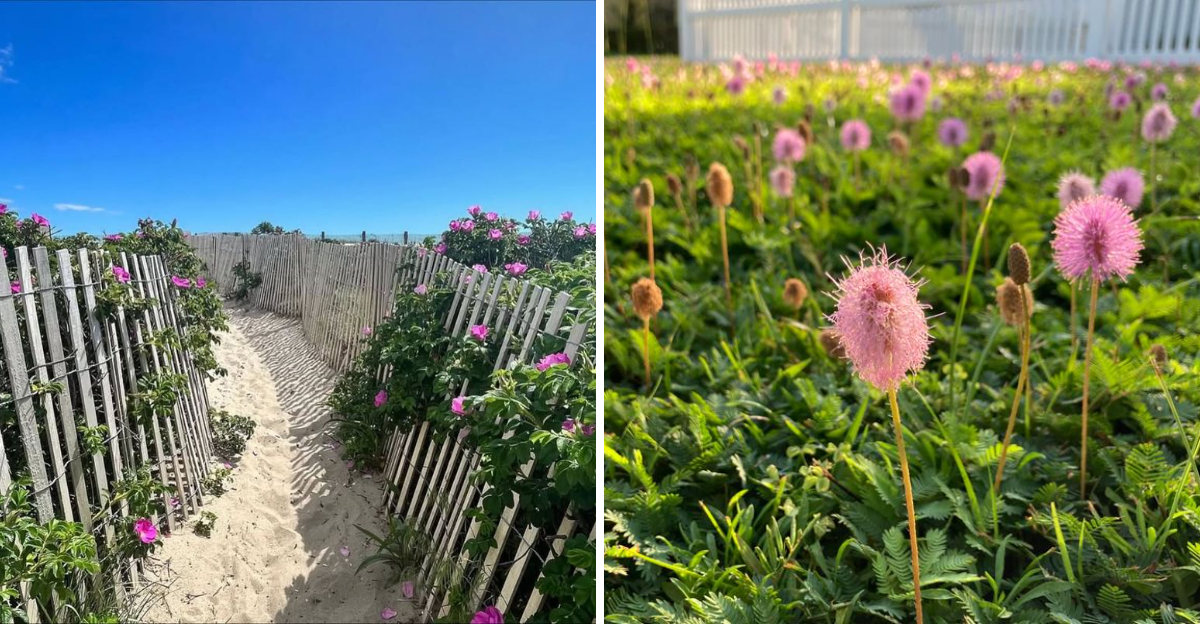
Instead, low spreading plants, shell paths, native groundcovers, and a general sense that nobody is fighting very hard to maintain any of it.
At first it looks like the homeowners simply gave up on conventional landscaping. They did not give up. They figured something out.
Have you ever wondered why a yard that gets almost no maintenance can look more at home in a coastal setting than one with a full irrigation system and a weekly lawn service?
The coast is not like everywhere else in Florida. The soil behaves differently. The wind behaves differently. The regulations are different. And the plants that actually belong there look nothing like what most people picture when they say the word lawn.
Eight reasons explain why beachside yards look the way they do.
1. Salt Spray Makes Traditional Turf Work Harder
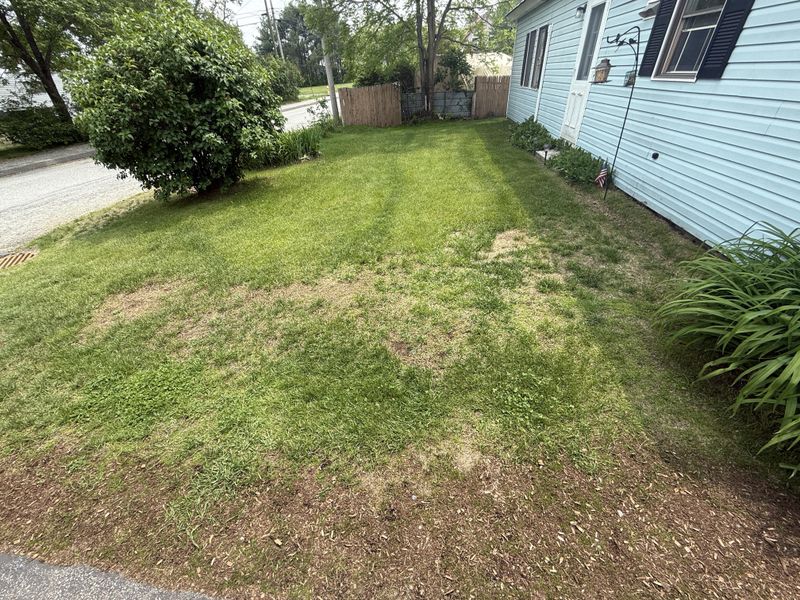
Every sea breeze along Florida’s coast carries something the grass did not ask for. Salt particles drift inland with each gust, settle silently on grass blades, and get straight to work pulling moisture directly out of the plant tissue.
The grass does not need to be submerged in seawater to suffer. Daily salt accumulation does the job just as effectively over time.
St. Augustinegrass has moderate salt tolerance but consistently struggles in close proximity to the shoreline.
Bermudagrass handles it somewhat better, though even that species shows visible stress when spray is heavy and persistent. The pattern is reliable: the closer the lawn sits to the water, the more pronounced the damage becomes.
Salt deposits also accumulate in the soil with each passing season. That buildup interferes with water absorption at the root level even when moisture is present and irrigation is running normally.
The lawn looks dry regardless of what the homeowner does, which creates a cycle that only gets more expensive to chase.
Native alternatives respond to the same salt exposure without visible stress. Sea oats, railroad vine, and dune sunflower tolerate coastal spray as a standard condition rather than a crisis.
Homeowners who stop competing with coastal salt and start designing around it tend to end up with better-looking yards and considerably lower bills.
Salt has been winning this particular fight along the Florida coast for a very long time. At some point, the turf lawn needs to accept that it lost.
2. Sandy Soil Drains Faster Than Lawn Roots Prefer
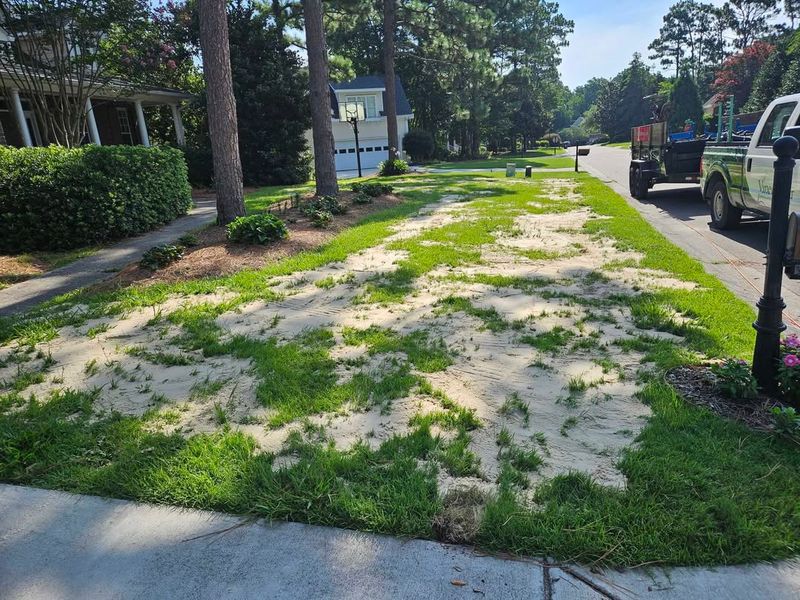
Florida’s coastal soils are predominantly coarse sand. Water moves through them quickly, typically faster than grass roots can absorb it before it passes the root zone entirely.
Nutrients applied to the surface follow the same path, leaching downward before the grass can use what was just applied.
The practical outcome is that beachside lawns demand more frequent watering and more frequent fertilizer applications than inland lawns need to produce comparable results.
Neither input stays in position long enough to work efficiently. The investment goes into the ground and keeps going.
Your Florida Garden Changes Every Week. Your Plan Should Too.
Gardening in Florida changes quickly throughout the season. Every Friday you’ll receive a simple weekly plan showing exactly what to plant, prune, fertilize, harvest, and protect so you never miss the right timing.
Amending sandy soil with organic matter helps temporarily. The sandy base breaks down and flushes amendments away at a consistent rate, so the improvement requires constant renewal.
Many beachside homeowners describe the process as permanent maintenance with no meaningful progress to show for it.
Plants that evolved in sandy coastal environments operate on fundamentally different terms. Beach sunflower, sea purslane, and coontie thrive in lean, low-nutrient soil without any feeding. Their root systems developed specifically for the conditions that make turf grass struggle.
Replacing lawn with plants genuinely suited to coastal sand reduces fertilizer use, cuts irrigation demand, and produces a yard that looks like a deliberate choice rather than a consolation prize.
Sandy soil is not a problem that needs solving. It is a condition that needs matching.
The right plant does not need a soil amendment schedule. It just needs to be in the right place.
3. Coastal Wind Dries Grass Before It Can Recover
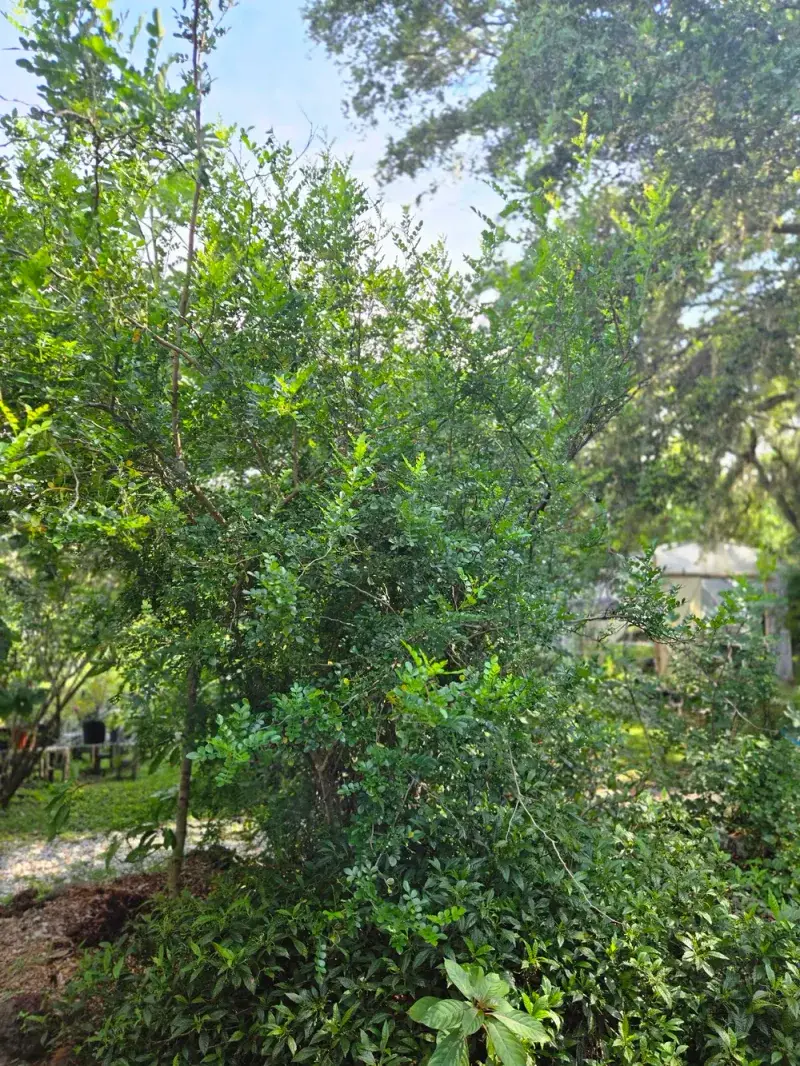
Wind off the Florida coast arrives almost every day, and it has absolutely no interest in your landscaping plan.
It accelerates evaporation from both the soil surface and the grass blades themselves, pulling moisture away faster than most turf root systems can replenish it.
Traditional lawn grasses have broad, flat blades with significant surface area. Near the beach, that surface area works against the plant by increasing the rate at which moisture escapes throughout the day.
A lawn that received irrigation in the morning can look visibly wilted by afternoon when sustained coastal wind moves through. The soil may still be moist a few inches down while the blades above are already under stress.
Coastal wind also carries salt particles, which means grass near the shoreline is managing wind desiccation and salt damage at the same time.
That combination slows recovery and makes consistent lawn appearance nearly impossible without constant intervention.
Native coastal plants are shaped by this exact environment. Many have narrow leaves, waxy coatings, or low-growing habits that reduce wind resistance and minimize moisture loss.
Railroad vine grows so close to the ground that coastal gusts pass over it without meaningful effect. Muhly grass moves in the breeze without the moisture loss that flat-bladed turf experiences under the same conditions.
Plants adapted to coastal wind do not need to fight it. They were built for it.
A yard full of plants that belong at the beach handles beach wind about as well as you would expect.
4. Saltwater Intrusion Limits What Turf Can Handle
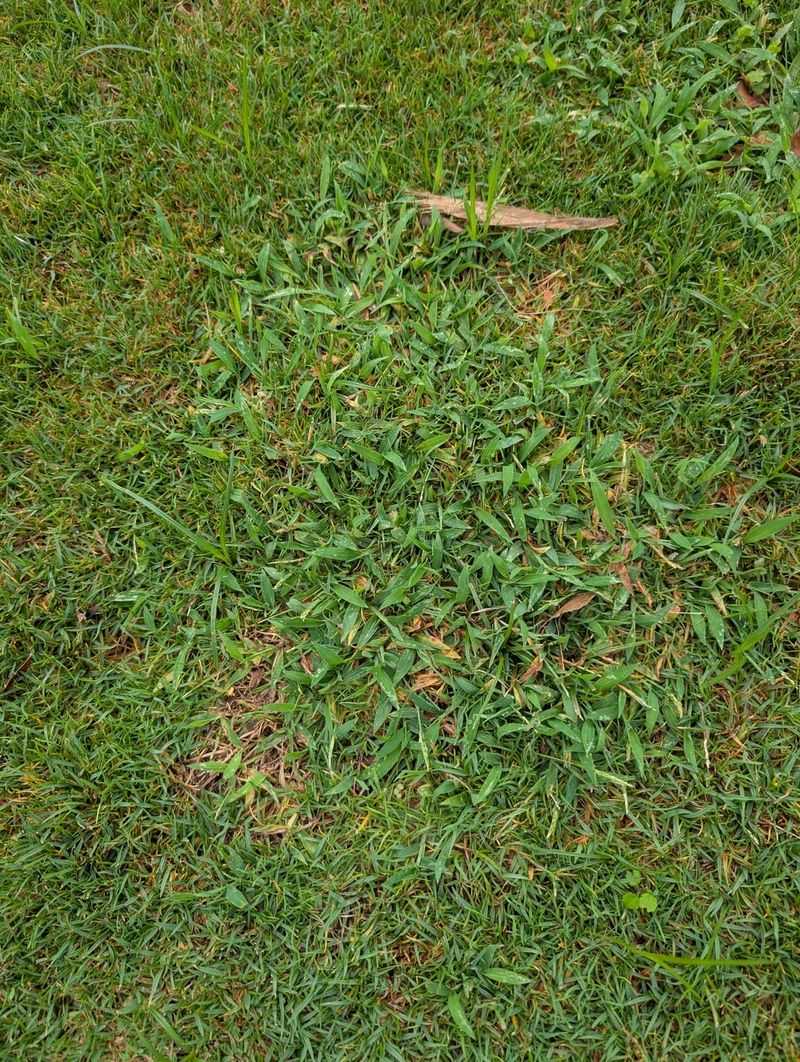
Saltwater intrusion develops quietly beneath coastal properties. The problem builds underground for months before anything visible appears at the surface.
By the time something visible appears at the surface, the problem has typically been running for longer than most homeowners would want to know.
As sea levels change and storm surges push saltwater further inland, the groundwater beneath coastal properties becomes increasingly saline.
Plants draw that groundwater upward through their roots, bringing sodium and chloride ions that most turf grasses cannot manage without visible damage.
Roots function less effectively, nutrient uptake slows, and grass turns yellow and thin even when surface soil conditions appear completely normal.
The diagnostic difficulty is real.
A homeowner can spend months adjusting irrigation schedules, changing fertilizer products, and consulting lawn care professionals without improvement, because the source of the problem sits below the root zone where standard interventions do not reach.
Seashore paspalum tolerates saline groundwater better than most conventional turf species. For sites where saltwater intrusion is significant or continuing to worsen, shifting away from lawn grass entirely tends to be the more reliable long-term approach.
Native coastal plants that evolved in brackish and saline environments handle those underground conditions without supplemental treatment. They do not require a workaround because the conditions are simply not a problem for them.
Building a yard around plants suited to saline groundwater removes the troubleshooting cycle that characterizes lawn care on affected coastal properties.
The groundwater issue does not get resolved by working harder on the surface. At some point, the landscape has to match what is actually happening below it.
5. Dune Rules Favor Native Planting Over Lawn Expansion
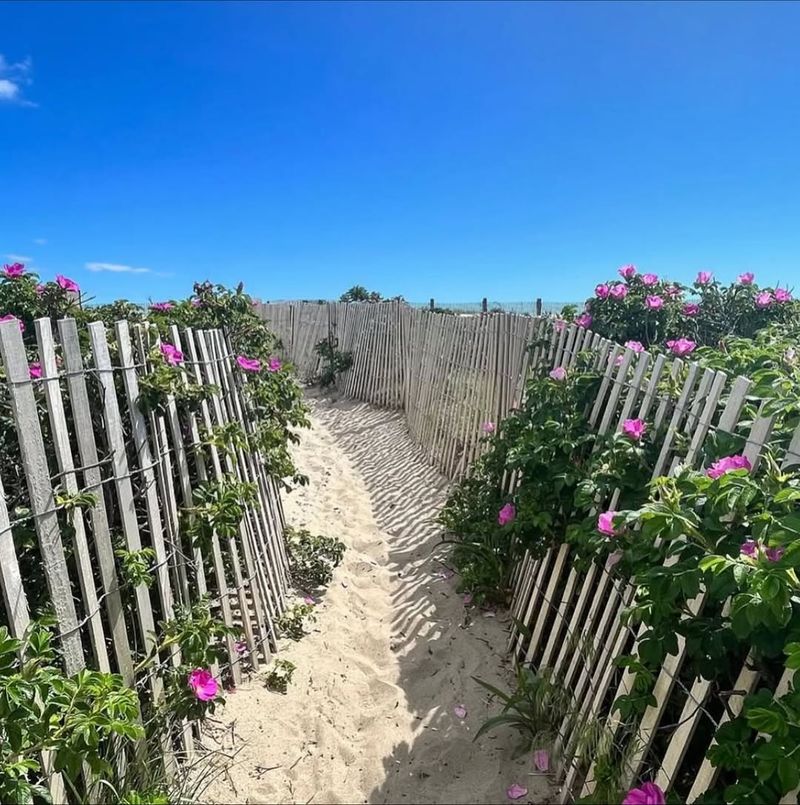
Coastal dunes are not just scenery. They are the primary barrier standing between beachside communities and storm surge, erosion, and flooding.
Florida’s regulatory framework treats them accordingly, and those regulations have direct consequences for what homeowners can plant, modify, or maintain anywhere near dune zones.
State and local regulations restrict modification and planting in and around dune zones, and traditional lawn expansion near dunes is prohibited under Florida’s Coastal Construction Control Line program in most cases.
Mowing, grading, or introducing non-native grass on or near dunes removes the root structure that holds sand in place.
Sea oats develop root systems that extend several feet in multiple directions, binding sand together through storm events that would otherwise erode unprotected dunes.
Replacing that vegetation with turf removes the physical protection those roots provide to the surrounding area.
Coastal homeowners sometimes discover that landscaping decisions near the dune line can result in fines or mandatory restoration requirements, even when the changes seemed minor at the time.
A Florida-licensed landscape contractor familiar with coastal regulations can clarify what is and is not permitted before work begins.
Native dune plants are also genuinely attractive and require essentially no maintenance beyond what the environment already provides.
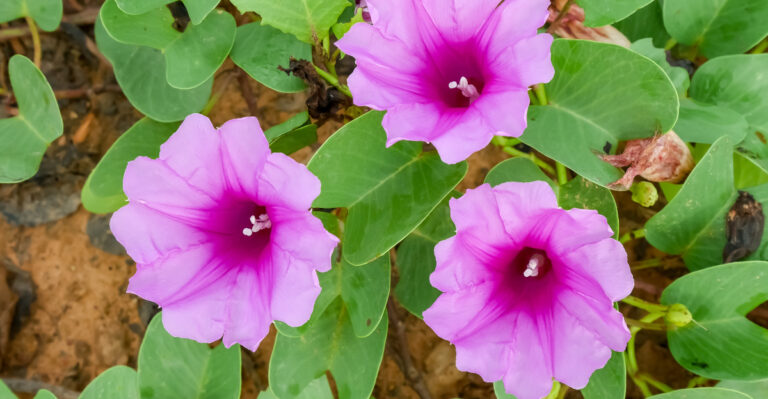
Sea oats move gracefully in coastal wind, beach morning glory blooms in purple and pink across warm months, and railroad vine creates a dense ground layer without irrigation or feeding.
Following dune regulations and choosing native plants tend to point to the same decision at the same time. That kind of alignment does not happen often in landscaping.
6. Irrigation Costs Rise Fast Near The Beach
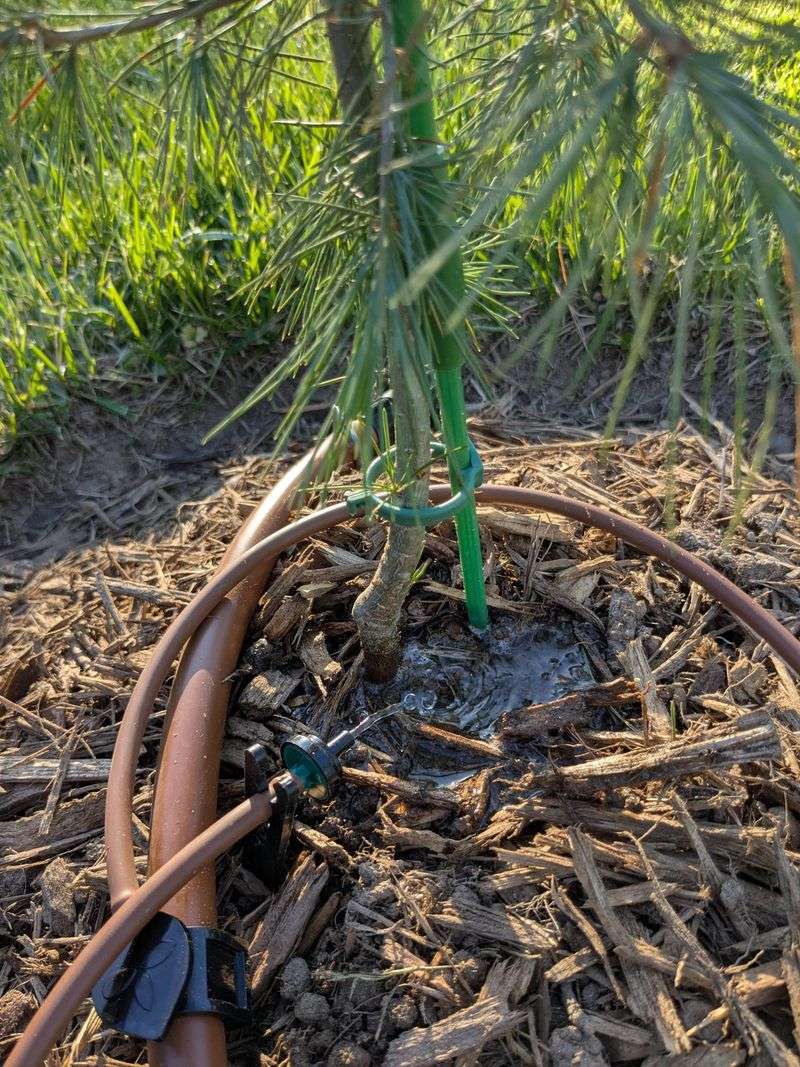
Maintaining a traditional lawn near Florida’s coast is an expensive argument with the soil.
Sandy ground drains too fast for standard irrigation cycles to build any meaningful moisture reserve, which means water goes in and keeps going, straight past the root zone and out of reach.
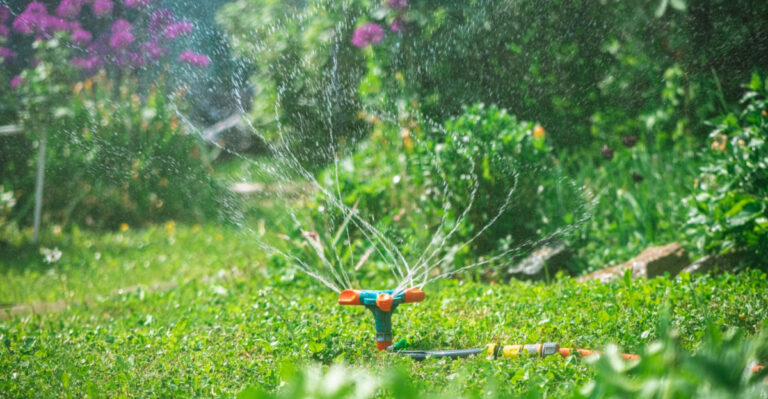
Homeowners often end up watering more frequently and in larger volumes than their systems were originally designed to deliver, and the utility costs reflect that pattern month after month.
Florida coastal counties operate under some of the most restrictive water-use regulations in the state. Many areas limit lawn irrigation to one or two days per week due to freshwater supply constraints and saltwater intrusion threats to local aquifers.
Keeping turf looking presentable on that schedule in sandy, salt-exposed soil is genuinely difficult for most species.
Salt air adds ongoing maintenance costs that compound over time. Sprinkler heads, valves, and irrigation controller components corrode in coastal environments faster than they do inland.
Repairs and replacements shift from occasional expenses to predictable recurring ones, adding to the total cost of maintaining a beachside lawn year over year.
Native groundcovers and drought-tolerant coastal plants reduce water demand significantly once established. Dune sunflower manages on rainfall alone after its first growing season.
Many other coastal natives reach the same point within a season or two without any intervention.
Replacing high-maintenance turf with plants that need almost no supplemental water also protects freshwater resources and reduces pressure on coastal aquifers that are already under strain.
Near the beach, the lawn that costs the least to maintain tends to look the most like it belongs there. That is either a coincidence or the entire point.
7. Native Groundcovers Handle Coastal Stress With Less Fuss
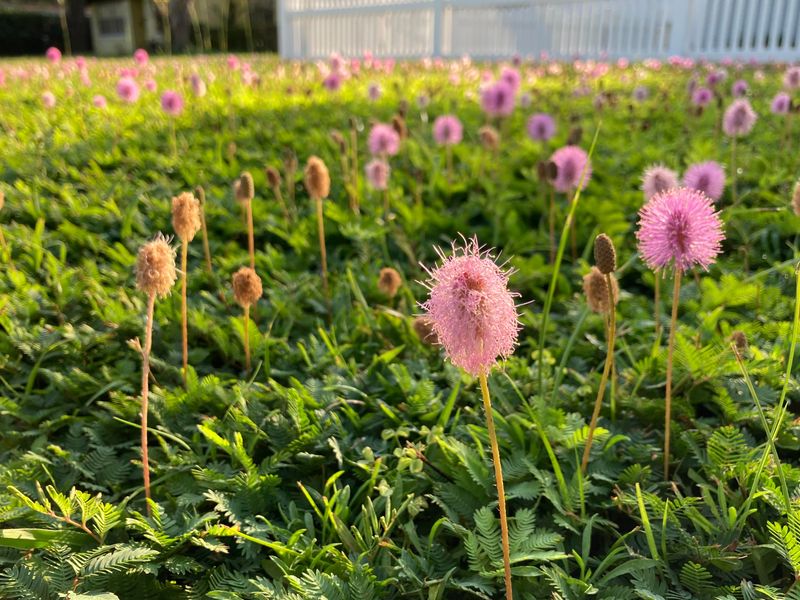
Some plants evolved specifically for the beach, and their performance in coastal conditions reflects that history in every season.
Dune sunflower produces yellow blooms across most of the year, tolerates salt spray and sandy soil simultaneously, and spreads steadily to cover bare ground without becoming invasive.
It is among the most reliably low-maintenance options available for Florida coastal sites and one of the most consistent performers through the state’s variable weather patterns.
Beach peanut stays low to the ground with small rounded leaves and a spreading growth habit that naturally reduces wind stress. Its profile works with the coastal environment rather than presenting surface area for wind and salt to work against.
Sunshine mimosa offers something most coastal plants do not. Its leaves fold when touched, making it genuinely interactive for anyone spending time in the yard.
The pink blooms attract pollinators throughout the warm season, and the plant handles dry, sandy conditions without supplemental water or feeding once established.
Blanket flower brings bold red and yellow color to coastal beds and combines drought tolerance with salt resistance without sacrificing bloom production. Butterflies visit it consistently through the season.
These plants fill spaces that turf grass vacates near the coast. They do not need coaxing, regular fertilizing, or irrigation beyond what rainfall delivers.
A beachside yard planted with a mix of these species looks like it was designed by someone who understood the location rather than someone who was hoping the location would cooperate.
Does lawn grass ever ask for that same level of understanding? It does. Repeatedly. With the water bill.
8. Shell Paths And Plant Beds Fit Beach Yards Better
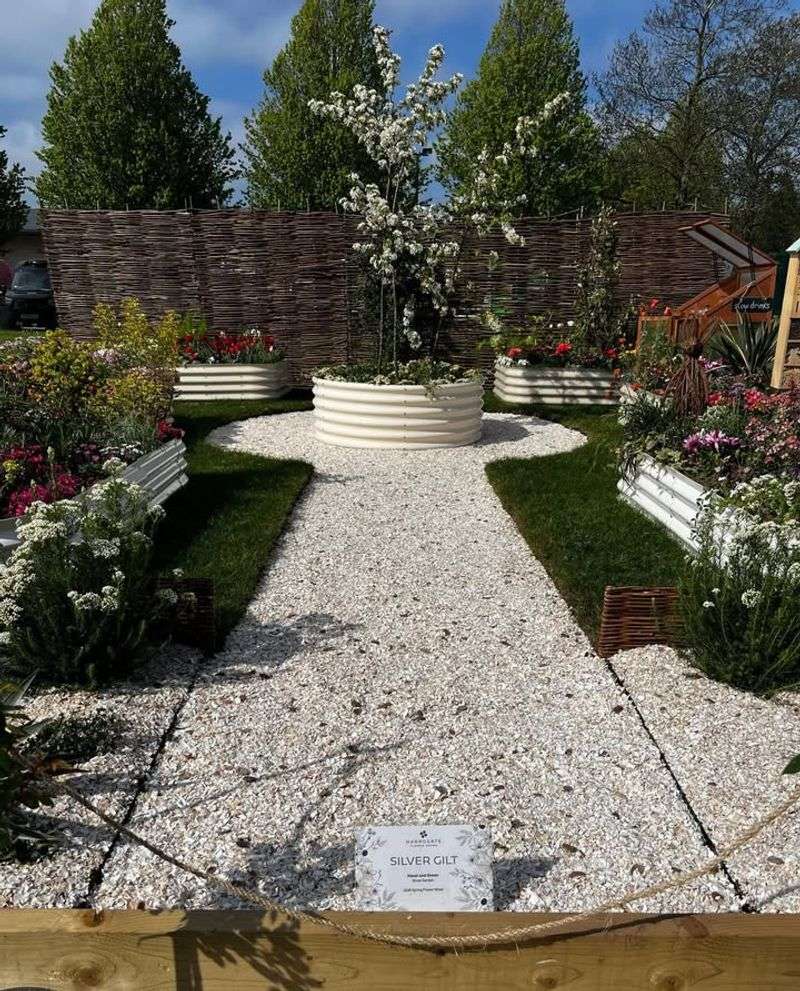
A yard that looks like it belongs somewhere tends to take care of itself. One fighting against its surroundings takes care of you instead, and not in a good way.
Crushed shell is among the most practical hardscape materials available along Florida’s coast.
It drains completely in sandy soil, resists washing away during heavy rain, and reflects heat rather than absorbing it the way darker mulch or paved surfaces do.
Oyster shell, coquina, and crushed coral all suit the coastal aesthetic naturally and are widely available throughout Florida’s coastal counties.
Shell paths also carry a visual quality that generic paving materials do not. They feel appropriate to the location in a way that connects the yard to the shoreline setting rather than placing an inland design element into a coastal context.
Raised plant beds address the sandy soil limitation directly by giving homeowners defined zones where soil composition can be managed intentionally.
A blend of quality topsoil, compost, and coarse sand creates productive growing conditions for a broader range of plants without requiring full-yard amendment.
Beds also create natural drainage boundaries during heavy rainfall that prevent waterlogging in low spots.
Combining shell paths with native plant beds produces a yard that requires almost no mowing, minimal irrigation after establishment, and very little ongoing management through the season.
The maintenance calendar shrinks considerably. Less time spent managing the yard means more time actually using it, which was presumably the motivation for owning beachside property in the first place.
It turns out the best-looking coastal yards and the most enjoyable coastal yards are usually the same yard.