The 6 Mistakes Michigan Gardeners Make When Planting Near Black Walnut Trees
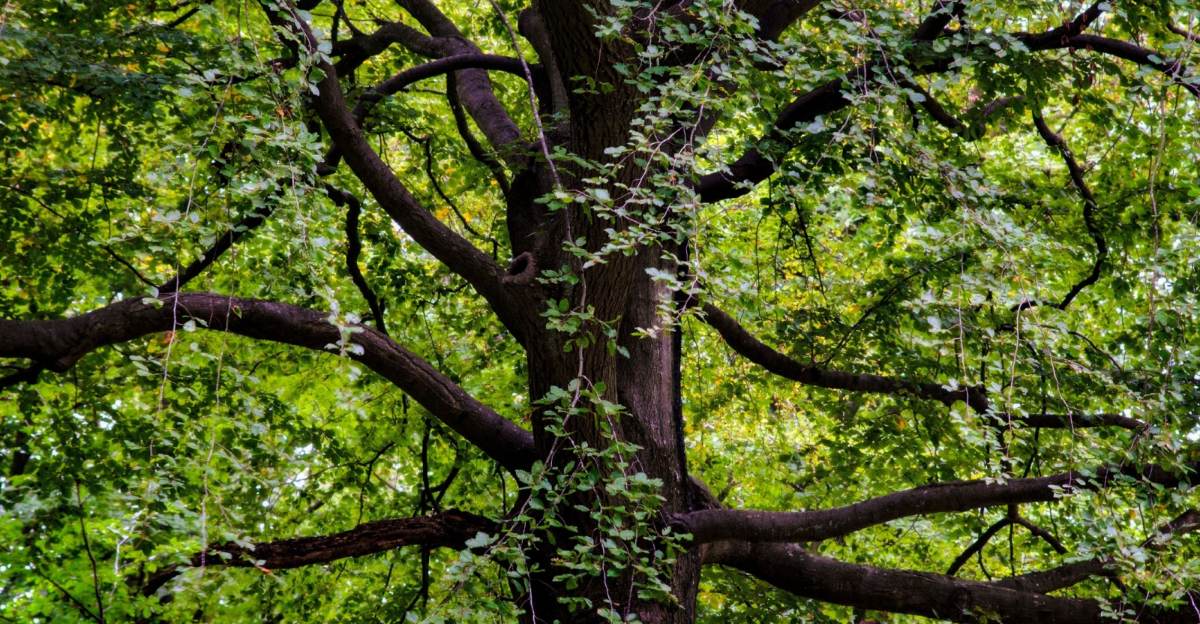
Black walnut trees are one of Michigan’s most striking landscape features and one of its most misunderstood gardening challenges.
Beautiful shade, impressive structure, and a natural chemical called juglone that quietly affects certain nearby plants in ways most homeowners never see coming.
Vegetable gardens struggle. Ornamental shrubs look off. Perennials underperform for no obvious reason.
The tree rarely gets the blame because the connection between juglone, root competition, dry soil, and plant stress is not always straightforward.
Michigan gardeners who understand what is actually happening near a black walnut, before they plant, avoid a frustrating season of troubleshooting problems that have a perfectly simple explanation.
Getting that knowledge upfront is the difference between a garden that works and one that just keeps raising questions.
1. Planting Juglone-Sensitive Vegetables Too Close
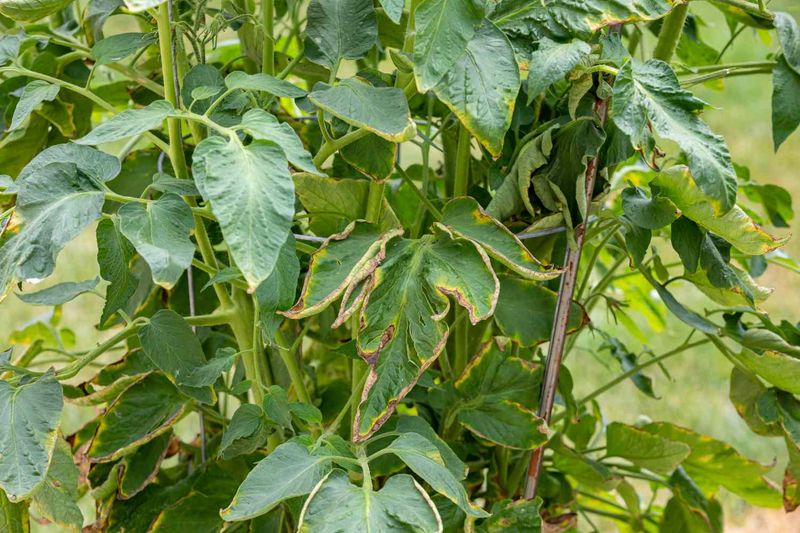
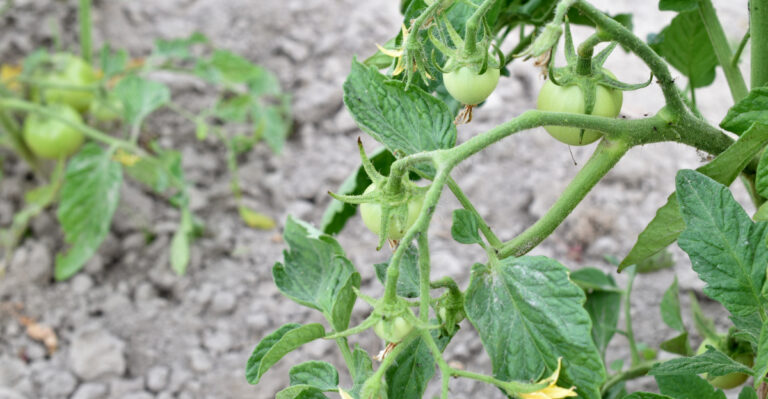
Tomatoes planted too close to a black walnut tree are one of the most common disappointments Michigan home gardeners run into each summer. The tree produces a natural compound called juglone, which is found in its roots, leaves, hulls, and bark.
Some vegetable plants are especially sensitive to juglone and may show symptoms like yellowing leaves, wilting, or slowed growth even when watered and fertilized properly.
That can make the plant look stressed long before a gardener connects the problem to the nearby tree.
Juglone does not spread evenly through every yard in the same way. Its concentration tends to be higher in the soil directly beneath and around the tree, where root activity is greatest.
Tomatoes, peppers, and eggplant are among the vegetables most commonly listed as sensitive, while others like beans, beets, and squash tend to handle proximity better in many Michigan gardens.
What makes this tricky is that symptoms from juglone can look almost identical to other common plant problems, including nutrient deficiency, overwatering, or root damage from pests.
A gardener may spend weeks adjusting their watering schedule or adding fertilizer without ever realizing the tree is involved.
Keeping sensitive vegetables at a safe distance from the tree’s root zone, which often extends well beyond the canopy, is a straightforward way to avoid this frustration.
Planning your vegetable layout with the tree’s influence in mind before spring planting begins can make a meaningful difference in how your Michigan garden performs through the growing season.
2. Assuming The Trouble Stops At The Dripline
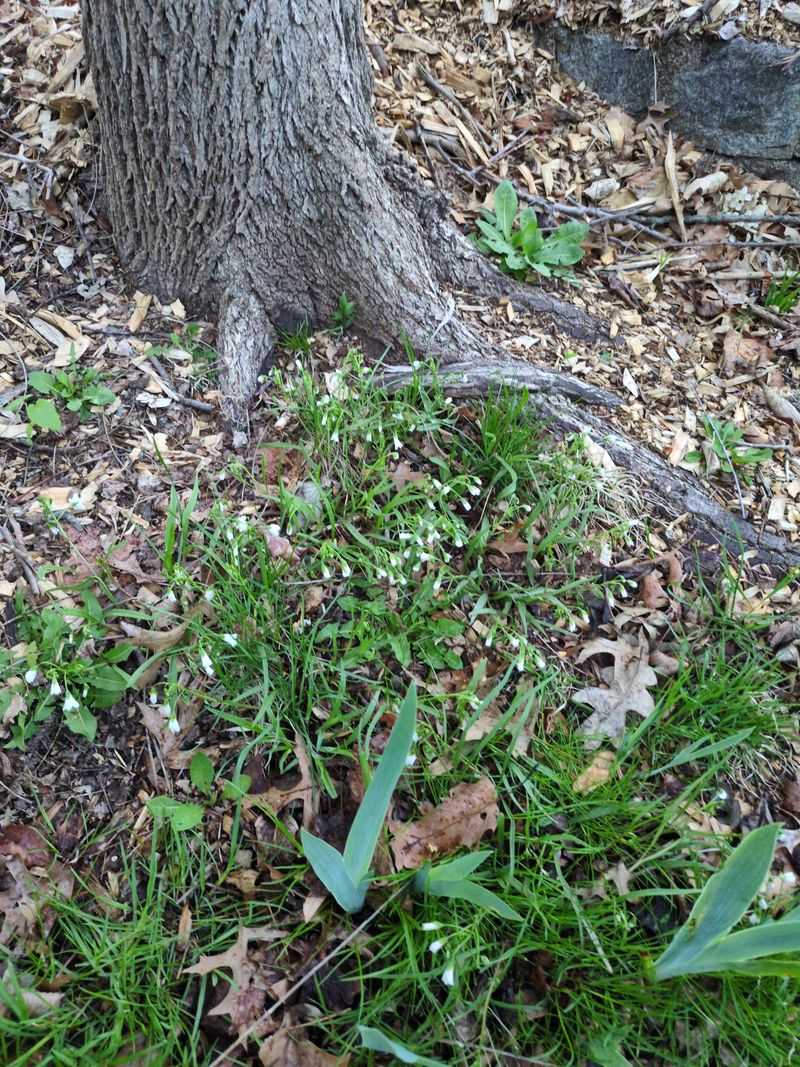
A lot of Michigan homeowners look up at a black walnut’s canopy and assume that staying outside the shadow line means staying safe. The dripline, which is the outer edge of the canopy overhead, is sometimes treated as a clear boundary for root activity.
In reality, black walnut roots commonly extend well beyond that edge, sometimes reaching one and a half to two times the canopy radius or more in mature trees.
Root spread depends on soil type, moisture availability, and how long the tree has been growing.
Michigan soils vary widely from sandy loam in some regions to heavier clay in others, and roots tend to follow the path of least resistance toward water and nutrients.
Your Michigan Garden Changes Every Week. Your Plan Should Too.
Gardening in Michigan changes quickly throughout the season. Every Friday you’ll receive a simple weekly plan showing exactly what to plant, prune, fertilize, harvest, and protect so you never miss the right timing.
A flower bed planted several feet outside the dripline can still sit within active root territory, which means juglone exposure and root competition are both still possible.
Gardeners who notice struggling plants just outside what they thought was the safe zone often feel confused because they followed general advice they had heard before.
The dripline is a useful reference point, but it should be treated as a starting estimate rather than a firm cutoff.
Paying attention to where the tree’s surface roots become visible, observing how far the tree has spread over the years, and leaving extra buffer space when possible are all habits that can help Michigan gardeners avoid planting too close without realizing it.
Giving yourself more room than you think you need is rarely a decision you will regret.
3. Using Black Walnut Leaves, Hulls, Or Wood Chips Carelessly
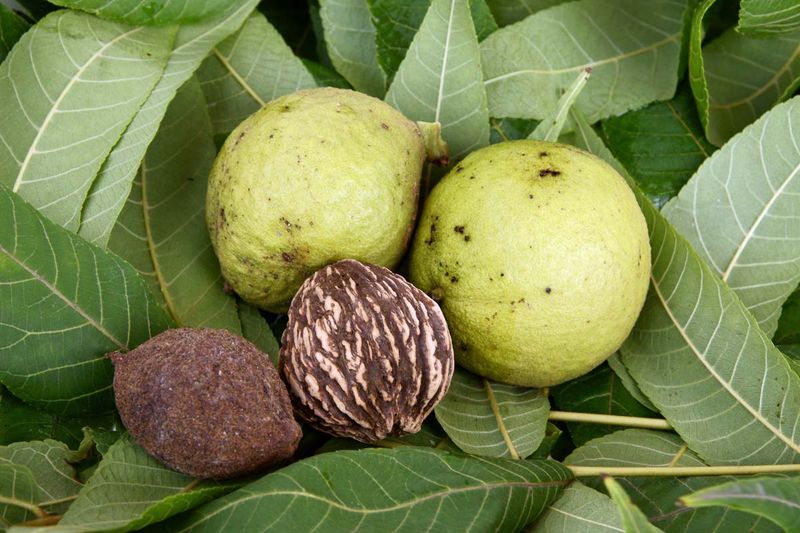
Fallen black walnut leaves and hulls look like free organic material, and it is tempting to rake them into garden beds or run them through a chipper for mulch.
Many Michigan gardeners do exactly that in the fall without realizing that fresh black walnut debris can introduce juglone directly into planting areas.
Hulls are particularly high in juglone concentration, and fresh wood chips from black walnut branches carry the compound as well.
Composting black walnut material is possible, but it requires patience. Juglone breaks down over time when exposed to air, moisture, and microbial activity.
A well-maintained, hot compost pile that fully processes black walnut leaves over a full season or longer may reduce juglone to levels that are less likely to cause problems.
However, using fresh or partially composted black walnut material around sensitive plants is a risk that often shows up as unexplained wilting or poor establishment in spring beds.
Wood chips from black walnut trees used as path mulch in areas away from sensitive plantings tend to be less problematic than chips worked directly into garden soil. The key difference is contact with plant roots.
Leaves used as a lawn mulch that gets mowed and broken down gradually are generally considered lower risk than leaves piled directly into a vegetable bed.
Being thoughtful about where black walnut debris ends up in your Michigan yard is a simple habit that can prevent a confusing and avoidable set of plant problems later in the growing season.
4. Ignoring Root Competition And Shade
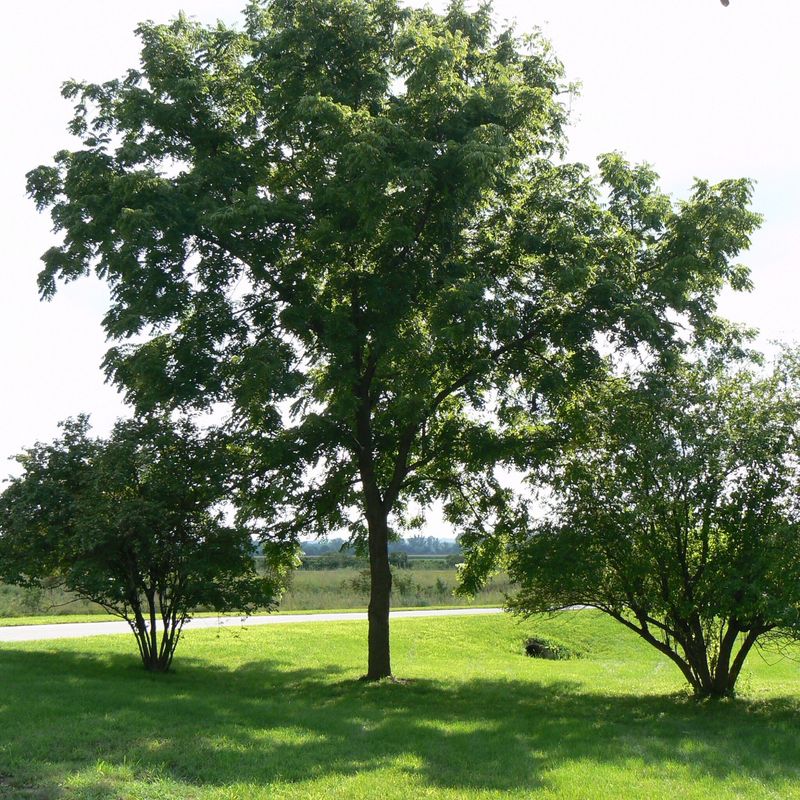
Shaded yards in Michigan can feel like an invitation to create a lush woodland garden, and a mature black walnut tree can certainly provide that kind of canopy.
What often gets overlooked is that the tree is also pulling significant water and nutrients from the surrounding soil, and the shade it casts is dense enough to challenge many flowering plants and vegetables that need direct sun to thrive.
Root competition from a large black walnut is not a minor factor. The tree’s root system is extensive, and in dry Michigan summers it can draw moisture from a wide area of soil.
Plants growing beneath or near the canopy may look like they need more water when the real issue is that the tree’s roots are simply more efficient at capturing what is available.
Soil near mature black walnuts also tends to be drier and more compacted over time, making it harder for shallower-rooted plants to establish well.
Juglone often gets all the blame when plants struggle near black walnut trees, but shade and root competition can cause many of the same symptoms independently.
A perennial that wilts in midsummer or a shrub that fails to fill out may simply be reacting to dry, root-crowded soil and low light rather than juglone specifically.
Choosing plants that genuinely tolerate both dry shade and root competition, rather than just one of those conditions, gives Michigan gardeners a much more realistic chance of success in these challenging spots.
5. Planting Raised Beds Without A Root Barrier
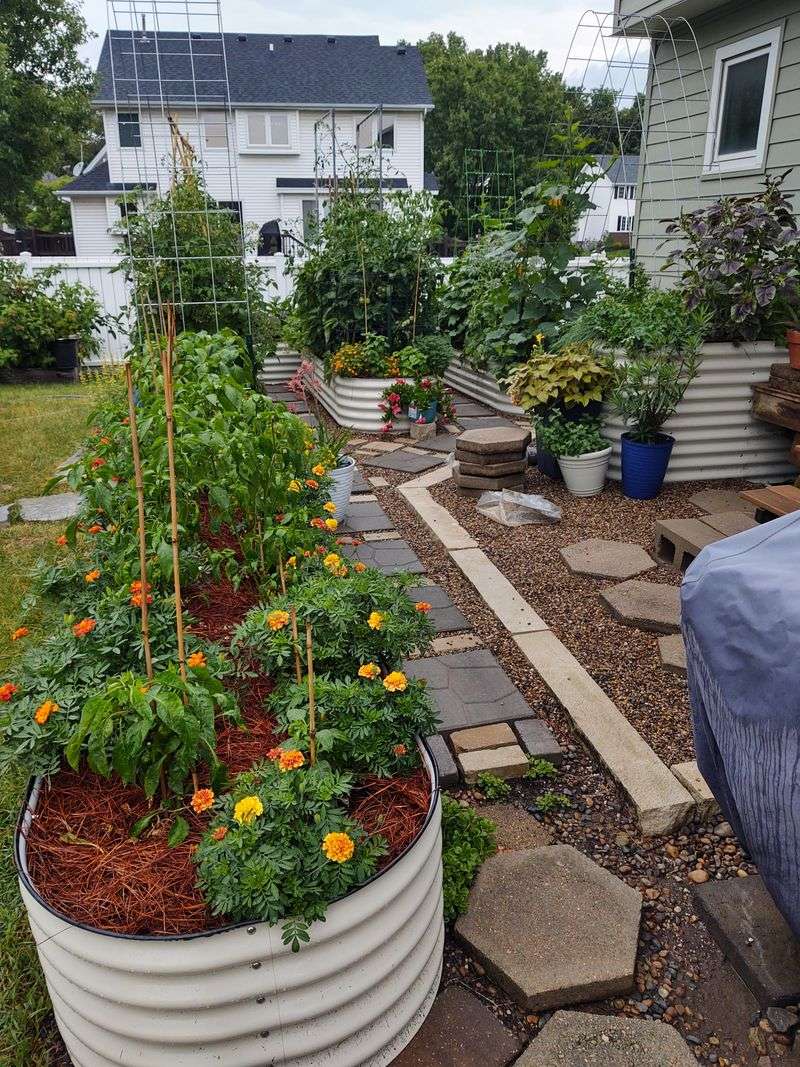
Raised beds feel like a smart workaround for gardening near black walnut trees, and in some ways they are. Filling a raised bed with fresh, quality soil gives plants a clean start away from the native ground where juglone and root competition are concentrated.
Many Michigan gardeners build raised beds near black walnuts each spring expecting a fresh start, only to find that the tree’s roots move into the new soil within a season or two.
Black walnut roots are drawn toward the loose, moisture-retaining soil inside raised beds, which is often more inviting than the compacted native soil around the tree.
Without a physical barrier at the base of the raised bed, roots can grow up through the bottom and establish themselves in the bed fairly quickly.
Once that happens, juglone is introduced, moisture is competed for, and the raised bed loses much of its original advantage.
Using a heavy-duty landscape fabric or a solid barrier material at the base of the raised bed before filling it with soil can help slow root intrusion meaningfully.
The barrier will not stop roots indefinitely, but it can extend the usefulness of the raised bed and reduce how quickly the tree’s influence takes hold.
Beds with solid wood or composite bottoms offer more protection than open-bottomed frames. Raising the bed higher off the ground also helps.
Planning for root management from the beginning, rather than adding it as an afterthought, is what separates a raised bed that works from one that disappoints by midsummer in a Michigan garden.
6. Choosing Plants From Unverified Tolerant Lists
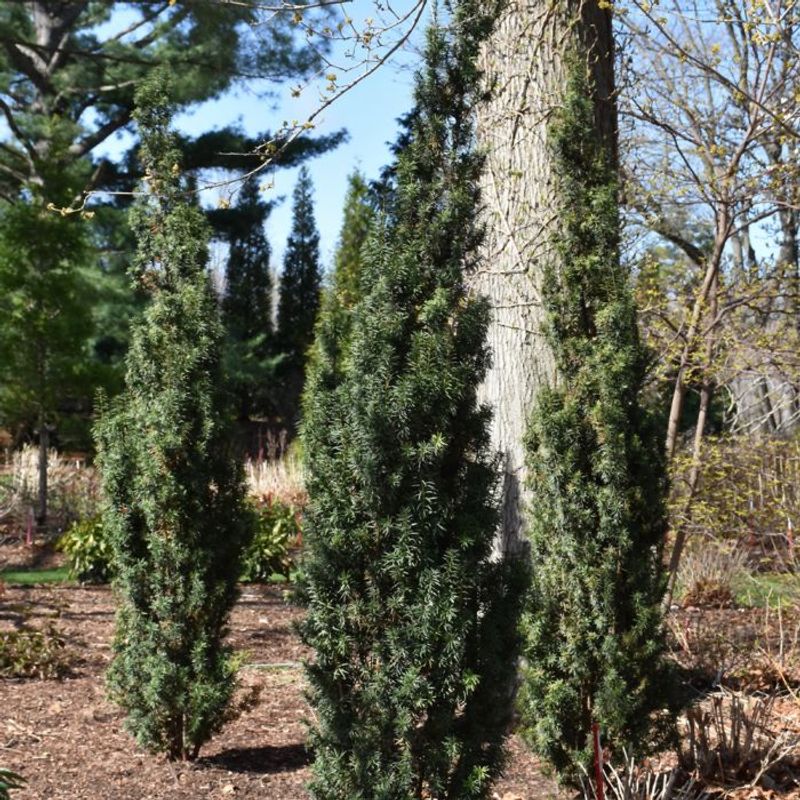
Plant tolerance lists for black walnut trees have been circulating in gardening communities for years, and some of them contain genuinely useful guidance.
The problem is that many lists get copied, shared, and reprinted without being updated or verified against current research.
A plant listed as tolerant on one source may show up as sensitive on another, and neither list always explains the conditions under which the original observations were made.
Tolerance is not a fixed trait that applies equally to every plant of a given species in every Michigan yard.
Soil health, drainage, the age and size of the black walnut tree, how close the planting is to active roots, and even the specific cultivar of the plant in question can all influence how a plant responds.
A species that grows fine near a young black walnut in well-drained sandy soil may struggle near a mature tree in heavy clay with poor drainage and deep root competition.
Rather than treating any list as a guarantee, use it as a starting point and observe carefully during the first growing season. Plant a few specimens of a new species before committing to a large planting, and watch how they respond through summer heat and dry spells.
If a plant on a tolerant list shows persistent wilting, leaf scorch, or stunted growth near the tree, the site conditions may simply not match what that plant needs, regardless of its listed status.
Flexibility and observation will always serve Michigan gardeners better than any single printed list, no matter how well-regarded the source.