These Are The Texas Plants That Help Native Bees Complete Their Nesting And Foraging Cycle
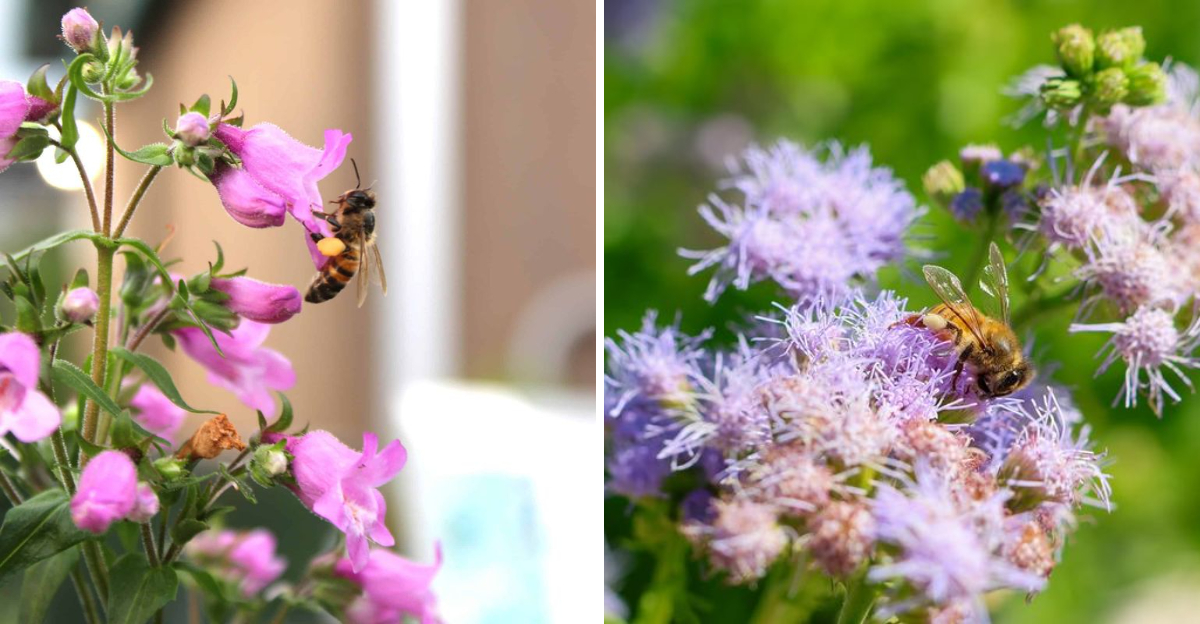
Native bees in Texas are doing critical work in gardens and natural areas across the state, and most of it happens without any recognition from the people whose plants benefit most from it.
Unlike honeybees, native bee species are largely solitary, and their needs across the nesting and foraging cycle are more specific and more varied than most gardeners realize.
A yard that provides nectar is only part of the picture. Native bees also need the right plants at the right times of season, nesting habitat that most tidy yards eliminate, and a chemical-free environment that allows populations to build year over year.
Texas has an extraordinary diversity of native bee species, and several of them are critically tied to specific native plants in ways that make plant selection one of the most meaningful things a gardener can get right.
Building a yard around what native bees actually need through their full life cycle is one of the more impactful contributions a Texas gardener can make.
1. Black-Eyed Susan
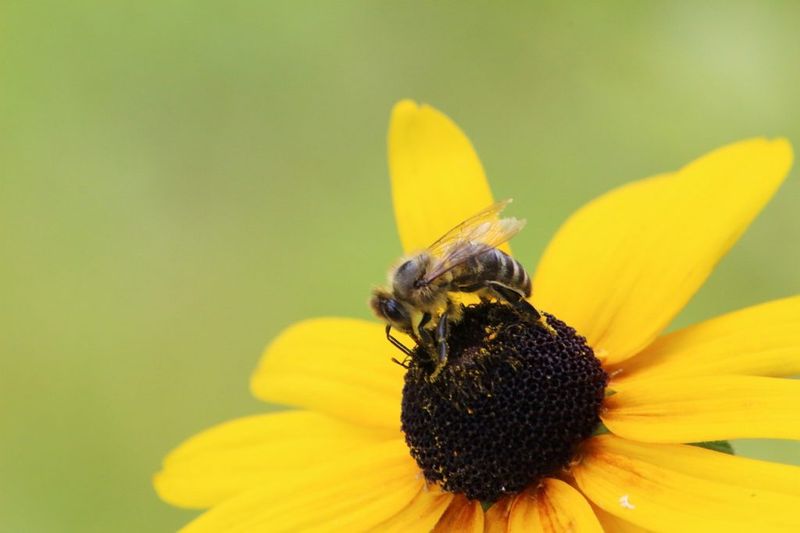
Few wildflowers light up a summer garden quite like the Black-Eyed Susan. With its cheerful yellow petals and bold dark center, this plant has been a favorite of both gardeners and bees for centuries.
Native to North America, it thrives in Texas heat and poor soils without much fuss, making it a top pick for low-maintenance pollinator gardens.
What makes this flower so valuable to native bees is its wide, open bloom shape. Bees can land easily and access nectar and pollen without any struggle.
That accessibility matters because many bee species, especially smaller ones like sweat bees and mining bees, need flowers they can navigate quickly and efficiently. Black-Eyed Susans deliver that convenience all summer long.
The blooming season stretches from late spring through early fall, which fills a critical window in the foraging calendar. During this time, bees collect pollen to store in their nests as food for their larvae.
A single patch of Black-Eyed Susans can support dozens of bee visits each day. That consistent food source helps bee populations build strength before the cooler months arrive.
Planting them in groups rather than scattered singles gives bees an efficient foraging patch. They grow well in full sun and tolerate drought once established.
You can find them at most native plant nurseries across Texas. Letting the seed heads remain after blooming also provides winter interest and food for birds, making this flower a true multi-season winner for any wildlife-friendly yard.
2. Texas Bluebonnet
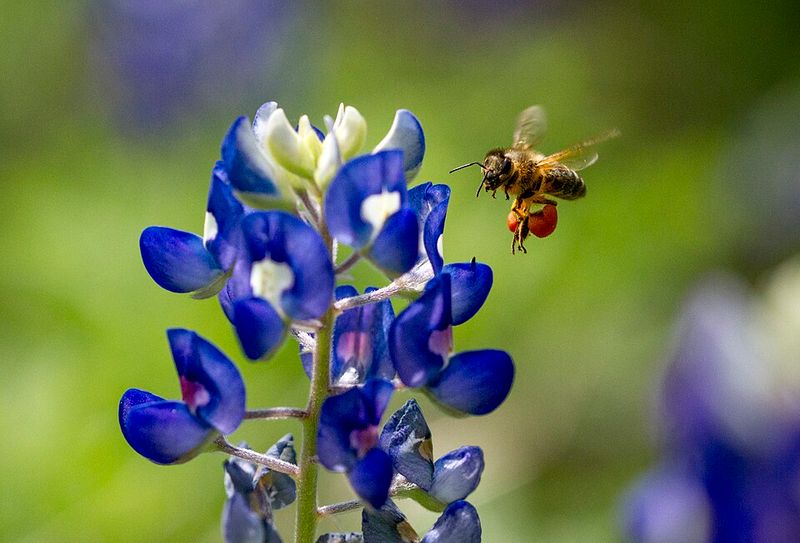
There is something almost magical about seeing a Texas hillside covered in bluebonnets every spring.
As the official state flower of Texas, the bluebonnet carries a lot of pride, but it also carries a lot of importance for native bees waking up after winter. Early spring bloomers are rare, and bees that emerge first need food fast.
Lupinus texensis produces tall spikes packed with small, pea-shaped flowers. These blooms are rich in both nectar and pollen, giving early-season bees like bumblebees and mason bees a reliable food source right when they need it most.
Your Texas Garden Changes Every Week. Your Plan Should Too.
Gardening in Texas changes quickly throughout the season. Every Friday you’ll receive a simple weekly plan showing exactly what to plant, prune, fertilize, harvest, and protect so you never miss the right timing.
The timing of the bluebonnet bloom often lines up perfectly with when queen bumblebees are starting their new colonies, making it a critical plant for colony establishment.
Beyond food, bluebonnets send a signal to the landscape. When bees detect abundant blooms, they tend to stay close and begin scouting for nesting sites.
This behavior is directly tied to food availability. A yard filled with bluebonnets in March and April essentially invites bees to settle in and start their seasonal cycle nearby.
Growing bluebonnets does require a bit of planning since they need to be seeded in fall for spring blooms. Scatter seeds on bare soil in a sunny spot and let winter rains do the work.
They fix nitrogen in the soil, improving it naturally over time. Once established in a spot they like, they often reseed themselves year after year, creating a reliable spring spectacle that both you and the bees will look forward to every season.
3. Gulf Coast Penstemon
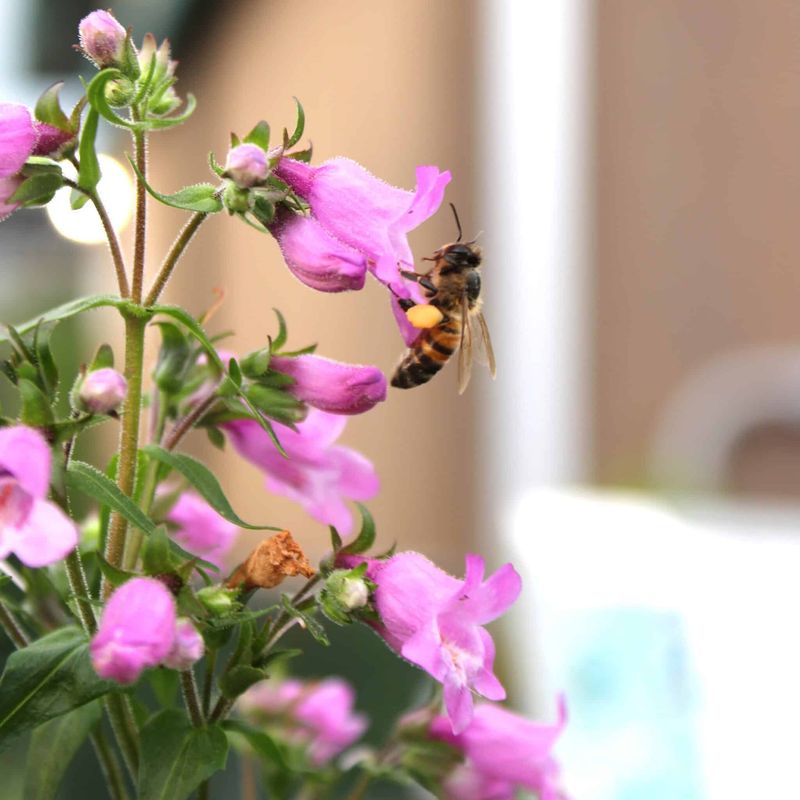
Not every bee has the same tongue length, and that is actually a big deal in the pollinator world. Long-tongued bees, like certain bumblebees and carpenter bees, have evolved specifically to reach nectar deep inside tubular flowers.
Gulf Coast Penstemon is built exactly for them, with slender, trumpet-shaped blooms that reward bees with a generous nectar payoff.
Penstemon tenuis blooms in mid-spring, typically bridging the gap between early spring wildflowers and summer bloomers. That mid-season timing is crucial because it keeps the foraging calendar moving without interruption.
Bees need a steady food supply across many weeks to successfully raise their young, and a gap in blooms can slow down or even halt nesting activity in a garden.
This plant grows naturally in moist, shaded areas along stream banks and woodland edges in East Texas. In the garden, it appreciates partial shade and consistent moisture, making it a great option for spots that might be too shady for other wildflowers.
Its adaptability means you can tuck it into corners of your yard where other plants struggle.
Standing about two to three feet tall, Gulf Coast Penstemon has an elegant, airy appearance that looks lovely in naturalistic garden designs.
The lavender-purple flowers appear in clusters along upright stems, creating a vertical element that adds structure to planting beds.
It also attracts hummingbirds, giving you double the wildlife enjoyment from a single plant. For Texas gardeners trying to support long-tongued native bees specifically, this penstemon is a smart and beautiful choice worth adding to any pollinator planting plan.
4. Indian Blanket
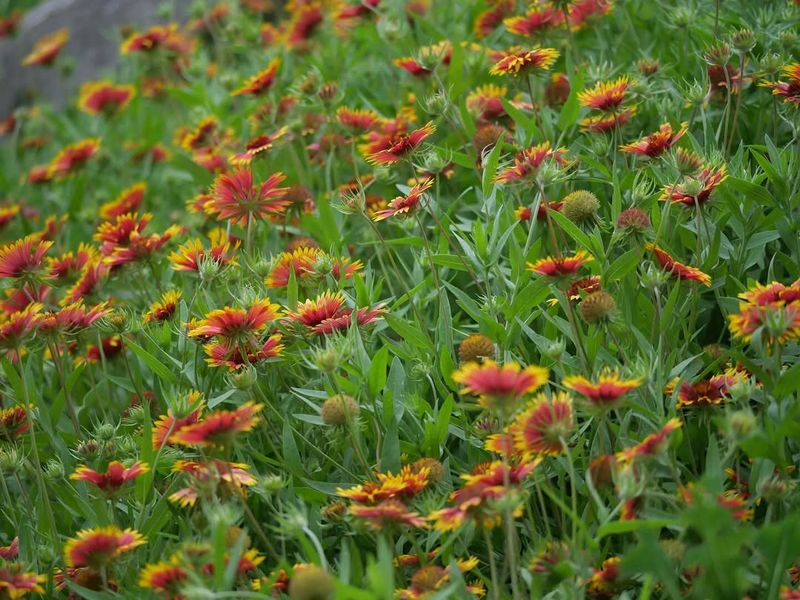
Walk through any Texas roadside in summer and you will almost certainly spot Indian Blanket blazing in the heat. Its fiery red and yellow petals look like something straight out of a southwestern painting.
But beyond its striking looks, this wildflower is a workhorse for native bees, offering nectar and pollen from late spring all the way through the hottest months of summer.
Gaillardia pulchella is incredibly tough. It loves full sun, handles drought like a champion, and actually blooms better in lean, sandy soils than in rich ones.
For Texas gardeners dealing with dry summers and minimal rainfall, that resilience is a major plus. You can plant it and mostly let it do its thing while bees flock to it consistently.
The broad, open flower heads are welcoming to a wide range of native bee species. Sweat bees, leafcutter bees, and bumblebees all visit Indian Blanket regularly.
Its continuous bloom habit means bees do not have to search far to find food during the long Texas summer, which is a stretch that can be tough for pollinators when other flowers have already finished for the season.
Planting Indian Blanket in mass groupings creates a foraging hotspot that bees return to repeatedly. It reseeds generously, so once you establish a patch, it tends to spread and fill in over time.
Deadheading spent flowers encourages even more blooms, but leaving some seed heads intact feeds birds in late summer. Few plants offer this combination of visual drama, easy care, and genuine ecological value all in one cheerful package.
5. Turk’s Cap
Summer in Texas can feel relentless, and most flowers tap out by August. Turk’s Cap, however, keeps right on blooming.
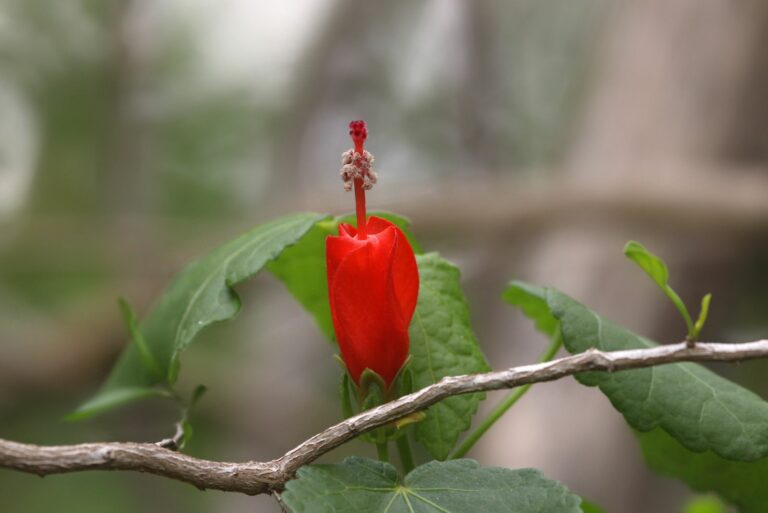
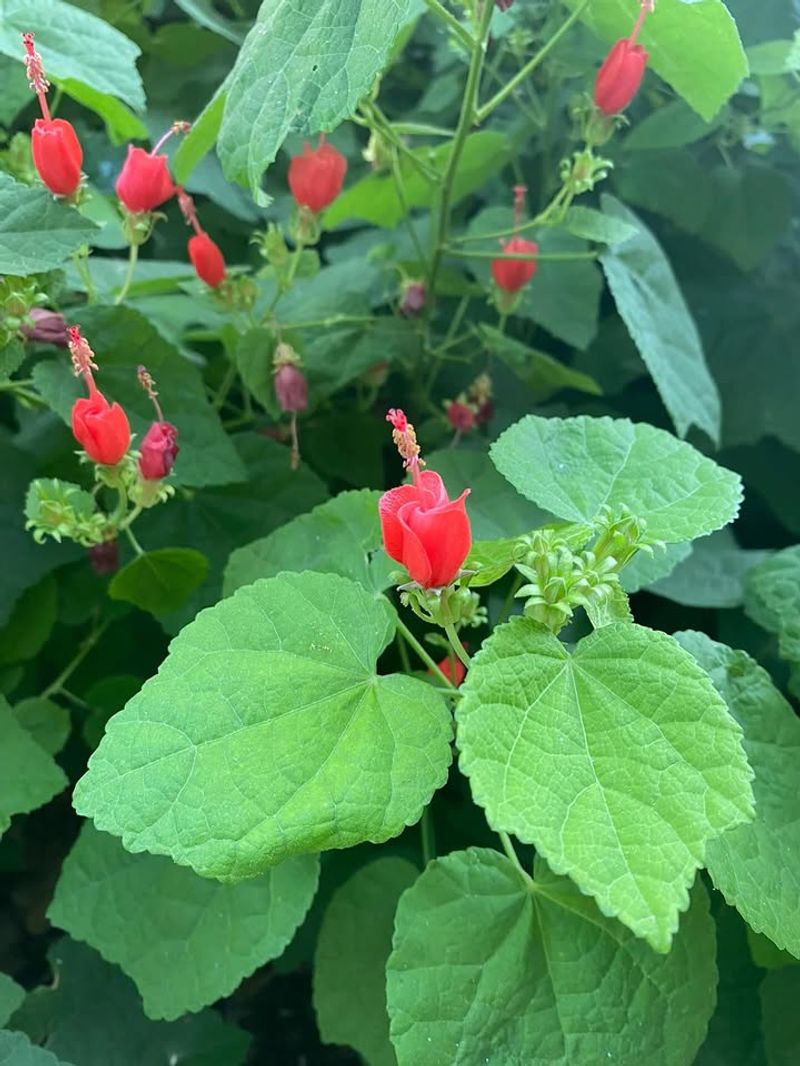
This tough native shrub produces its distinctive twisted red flowers from mid-summer all the way into fall, filling a period when many other nectar sources have already wrapped up for the year. For bees preparing for fall nesting, that timing is everything.
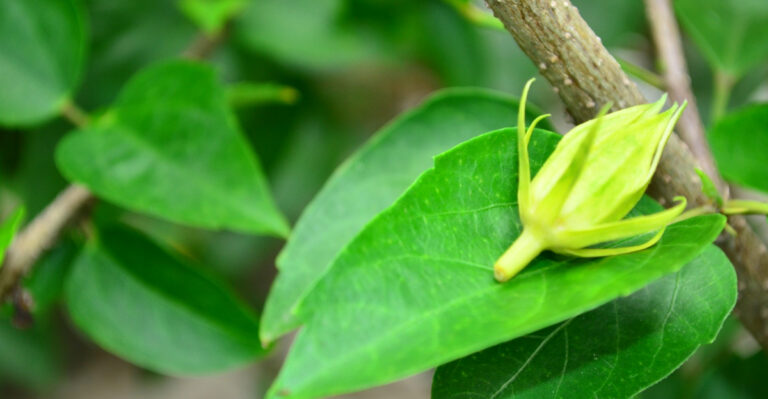
The flowers of Turk’s Cap never fully open, staying in a spiral shape that resembles a tiny red turban. This structure is not just quirky looking; it actually creates a sheltered space that small bees use while foraging.
Ground-nesting bees and sweat bees have been observed lingering inside the blooms, taking their time collecting nectar in a protected spot away from wind and heat.
One of the best things about Turk’s Cap is how well it handles shade. Most nectar plants need full sun, which limits where you can put them.
Turk’s Cap thrives under trees, along fences, and in spots that get only partial light. That flexibility makes it incredibly useful for filling in shaded garden areas that might otherwise go unplanted and unused by pollinators.
It grows as a large perennial shrub in warmer parts of Texas, sometimes reaching six feet tall and wide. In colder areas, it may freeze back to the ground but returns reliably each spring.
Hummingbirds adore it too, so your garden becomes a lively place in late summer when both birds and bees compete for its blooms. For late-season pollinator support, few Texas plants can match what Turk’s Cap brings to the table.
6. Coral Honeysuckle
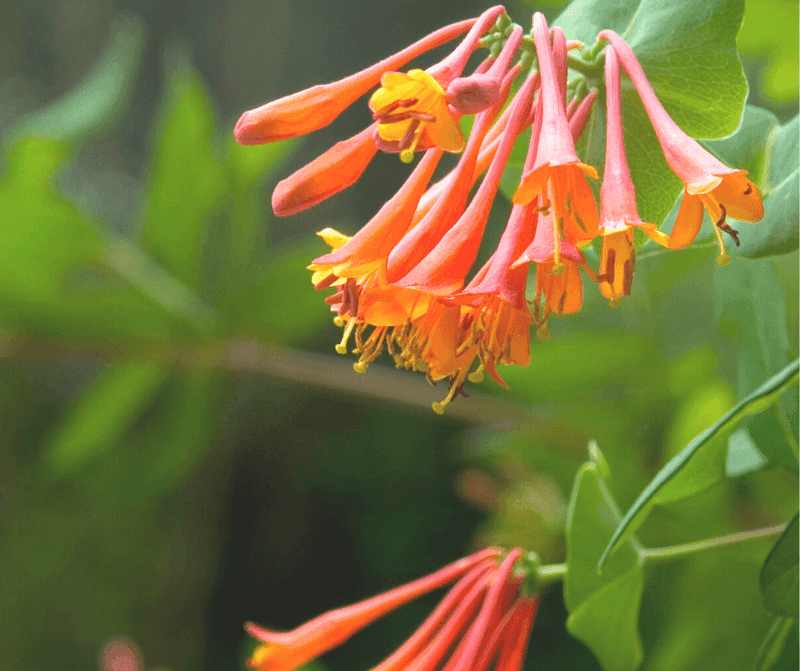
Most people think of honeysuckle as a sweet-smelling nuisance, but Coral Honeysuckle is a completely different story.
Unlike the invasive Japanese honeysuckle that takes over roadsides, Lonicera sempervirens is a well-behaved native vine that earns its place in any Texas garden.
Its bold red and orange tubular flowers are a magnet for native bees and hummingbirds alike.
The tubular shape of Coral Honeysuckle flowers makes them especially attractive to long-tongued bees that can reach deep inside for nectar. Bumblebees in particular are frequent visitors, and they are efficient pollinators of this plant.
In shady garden spots where other flowering plants struggle, Coral Honeysuckle climbs fences, trellises, and arbors, turning otherwise bare structures into productive pollinator habitat.
Blooming begins in early spring and can continue in waves through fall, especially if the plant is grown in a spot with some afternoon shade during hot Texas summers.
That extended bloom window gives bees multiple opportunities to forage from the same vine throughout the season, reducing how far they need to travel to meet their nutritional needs.
Growing Coral Honeysuckle is straightforward. Plant it in well-drained soil, give it something to climb, and water it regularly until it establishes.
After that, it handles Texas conditions with minimal intervention. It stays manageable in size and will not smother nearby plants the way invasive vines can.
For gardeners wanting a vertical element that actively supports the native bee foraging cycle while adding genuine color and texture, this climbing vine is a smart and beautiful solution worth every inch of trellis space it occupies.
7. Mistflower
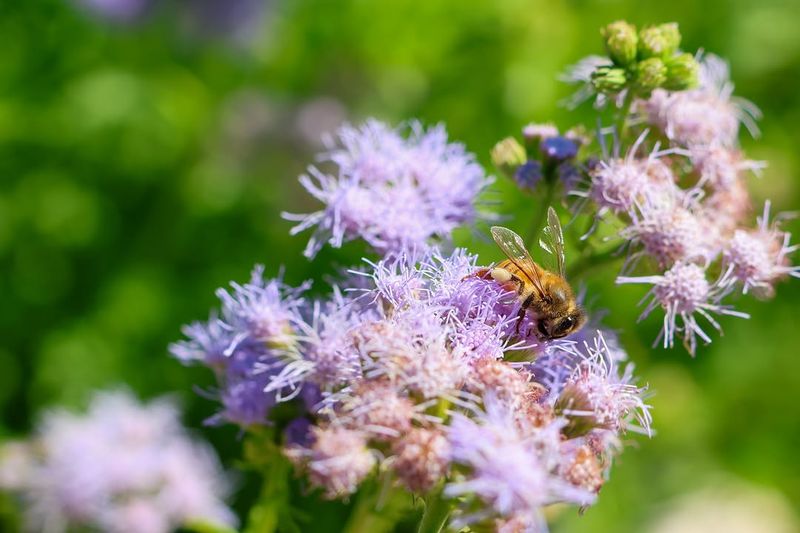
By September, most gardeners are ready to call it a season, but native bees are still hard at work. Mistflower is one of the last native plants to bloom in Texas, and its timing could not be more important.
When other flowers have already gone to seed, Mistflower bursts open with dense clusters of tiny blue-purple blooms that feed bees well into autumn.
Conoclinium coelestinum grows naturally along stream banks, forest edges, and moist meadows across Texas. In the garden, it spreads into cheerful clumps that brighten shaded or semi-shaded spots with a haze of cool color.
The flower clusters are small but packed tightly together, making it easy for bees to move quickly from bloom to bloom and collect a lot of pollen in a short amount of time.
Late-season foraging is directly connected to nesting success. Many native bees provision their nests in fall, stocking underground or hollow-stem chambers with pollen and nectar to feed larvae over winter.
Without late bloomers like Mistflower, bees may not gather enough food to complete this critical step. A single patch of Mistflower can support dozens of bee visits every day during peak fall bloom.
The dense, spreading growth habit of Mistflower also benefits the soil beneath it. The thick foliage shades the ground, retaining moisture and protecting the loose, bare soil that many ground-nesting bees prefer for their burrows.
So this plant does double duty: feeding bees above ground while helping preserve the nesting environment below. Planting Mistflower is truly one of the most complete investments you can make for native bee health in a Texas garden.