Why Iowa Tomatoes And Peppers Get Black Bottoms And What To Do About It
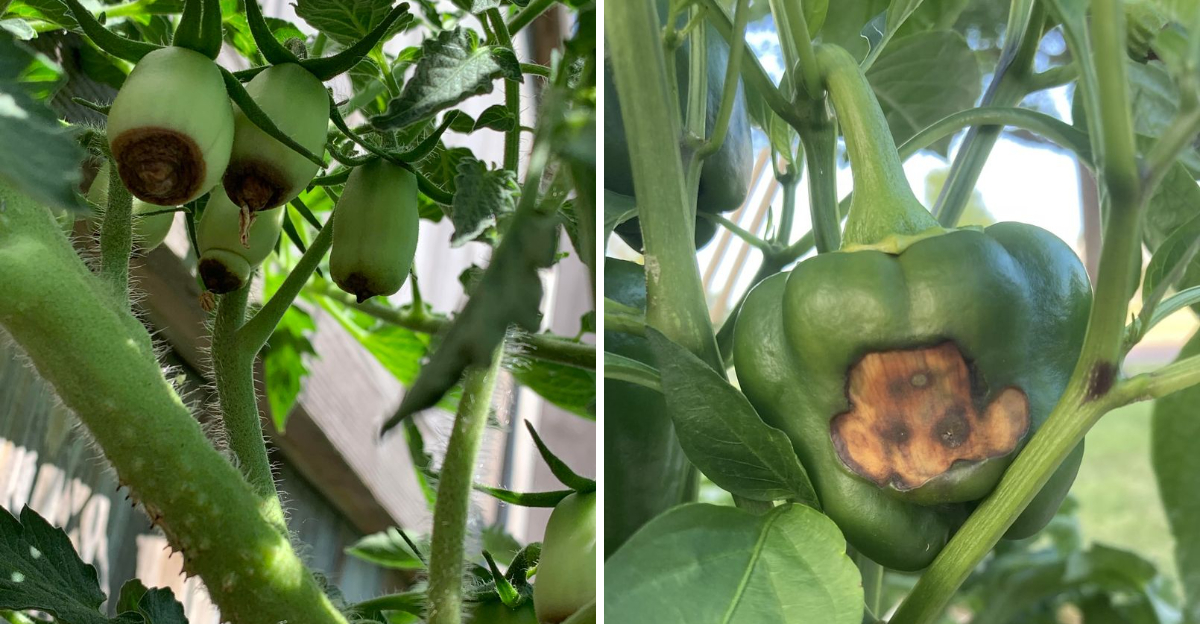
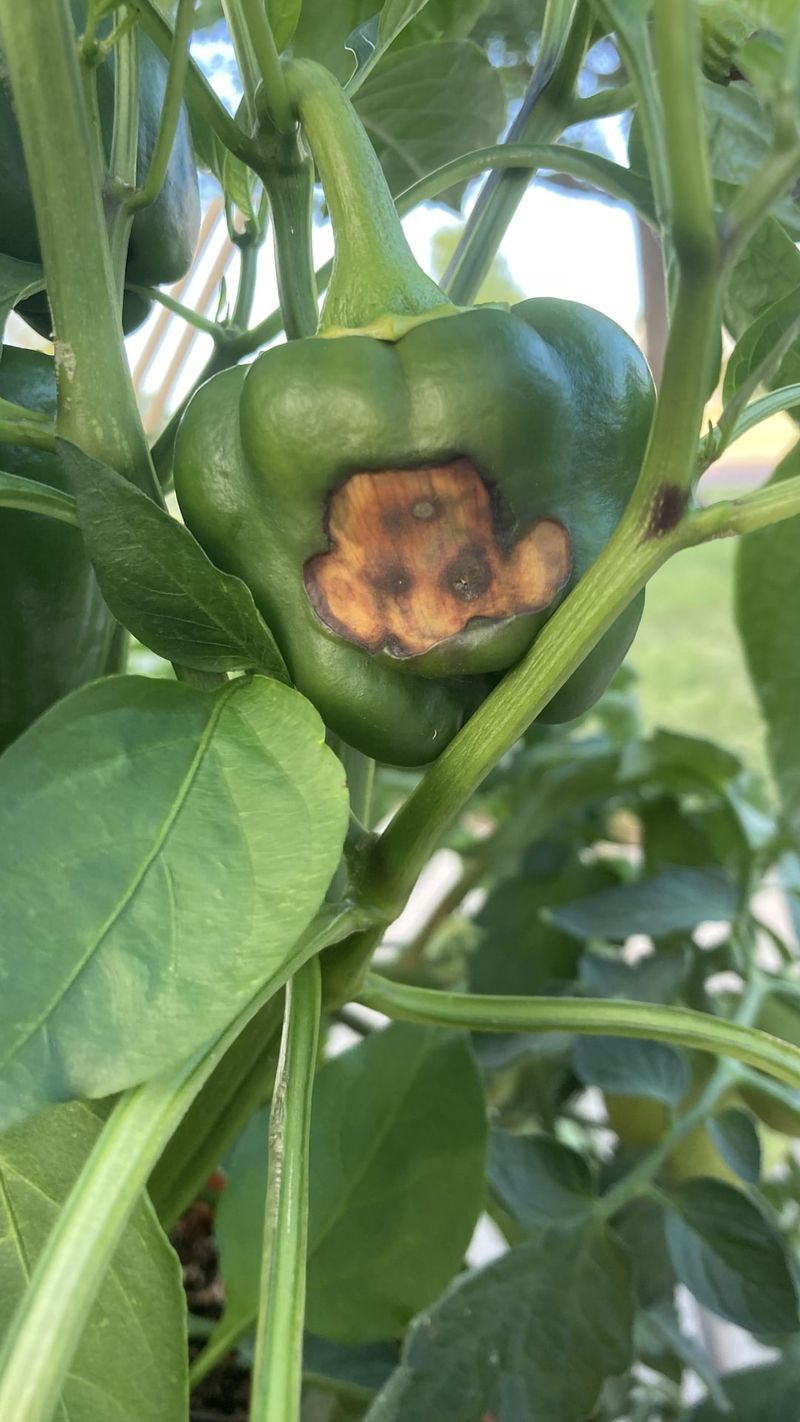
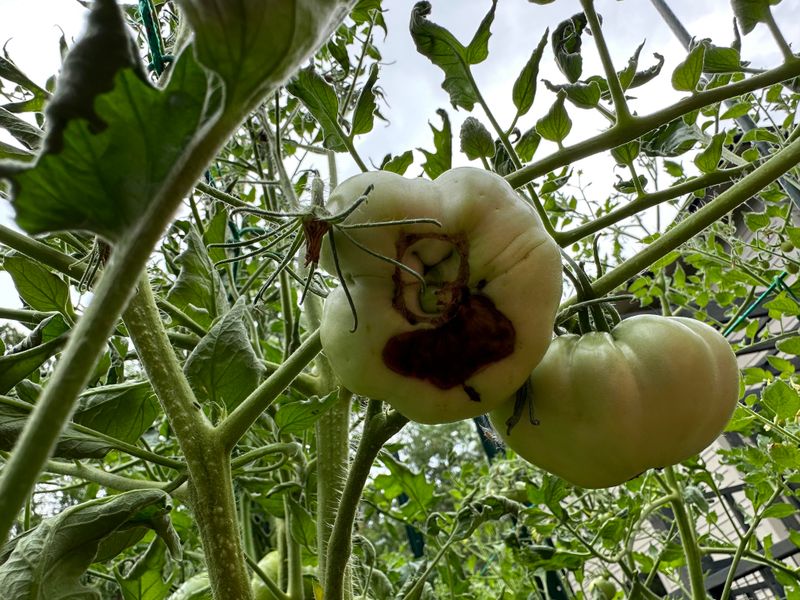
You reach for a tomato that finally looks ready, turn it over, and there it is, a dark, sunken patch that wasn’t there yesterday.
Blossom end rot has a way of showing up right when Iowa gardens are hitting their stride, usually mid-July when heat builds and rain gets unpredictable.
It tends to target the fruits you were most looking forward to. The frustrating part is that the damage happens weeks before you can see it.
By the time that black bottom appears, something already went wrong underground. Calcium never made it to the developing fruit, and now that tomato or pepper is paying the price.
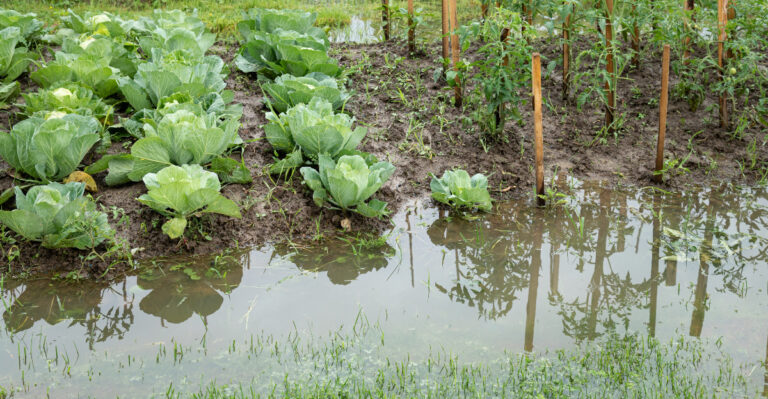
Iowa summers create exactly the kind of stress that shuts down calcium movement in plants. Stretches of dry heat followed by heavy rain are all it takes to throw the whole system off.
The fix is real, but it starts with understanding what your plants were missing before the season even got going.
Blossom End Rot Is More Common In Iowa Than Most Gardeners Realize
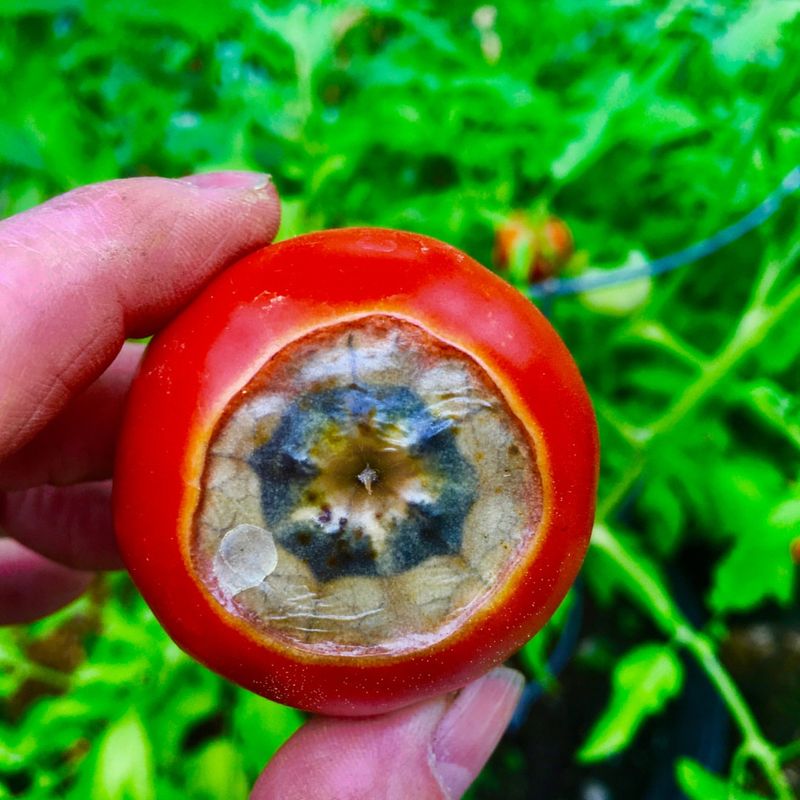
That black patch is not a disease, and it is not caused by bugs or rot spreading from the soil. Blossom end rot is a physiological disorder, which means the plant itself is the source of the problem.
When a tomato or pepper fruit is developing, it needs a steady supply of calcium to build firm cell walls. Without enough calcium reaching the fruit in time, those cells at the blossom end simply collapse and turn dark.
The tricky part is that your soil might actually have plenty of calcium sitting right there. The issue is often that the plant cannot move calcium fast enough during rapid fruit growth.
Calcium travels slowly through plants and depends heavily on consistent water flow. When that flow gets interrupted, the fruit suffers first.
Iowa gardeners see this problem pop up most on the first fruits of the season. Early fruits grow fast and demand more calcium than the plant can deliver under stress.
Recognizing blossom end rot early saves the rest of your harvest. Once you know what you are looking at, you can stop guessing and start fixing.
The Calcium Connection Iowa Gardeners Often Miss
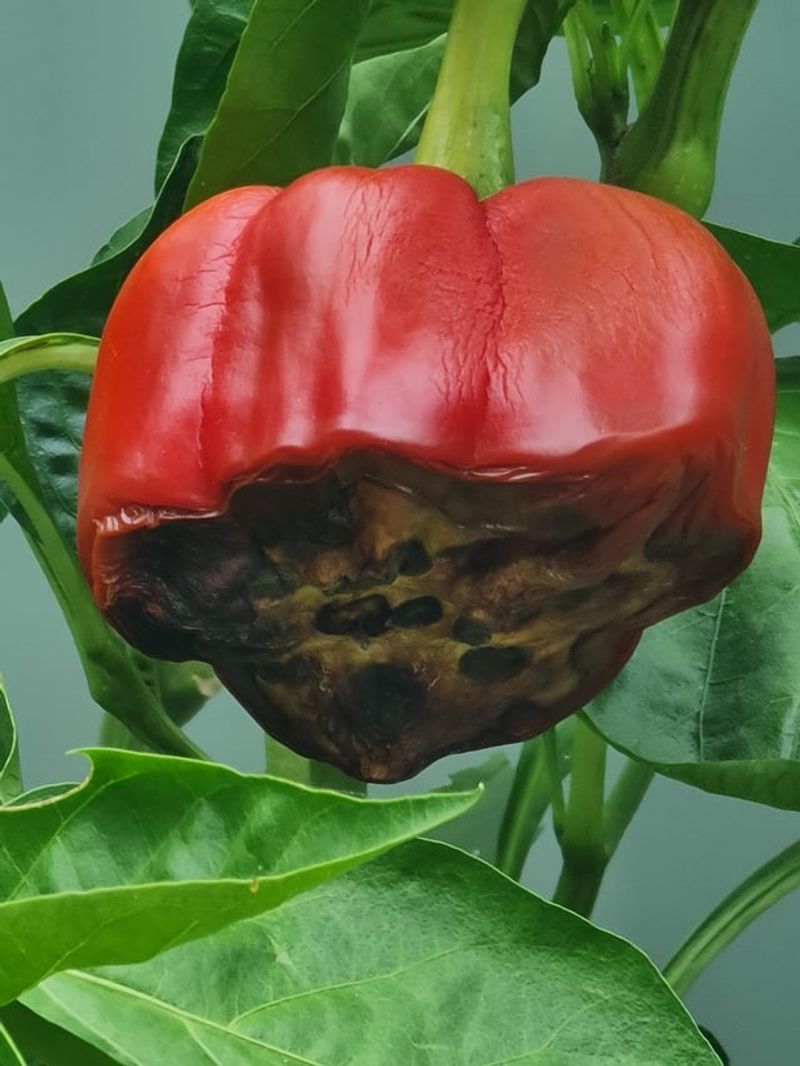
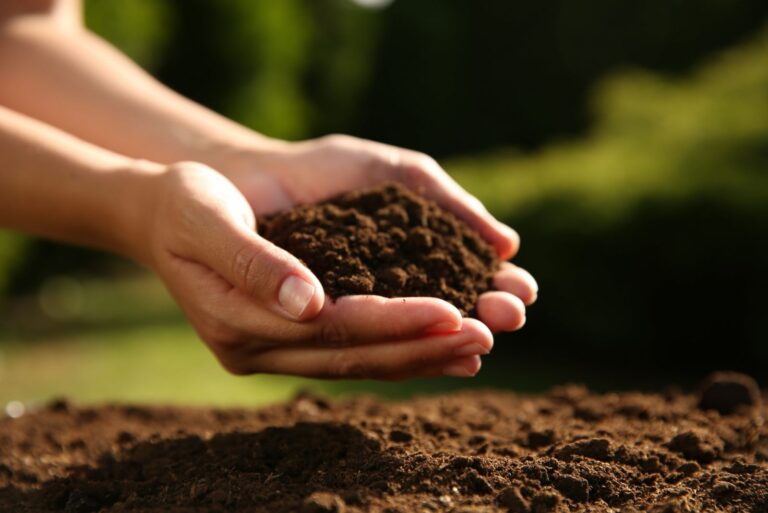
Calcium is the quiet hero of healthy tomatoes and peppers, and most gardeners never think about it until something goes wrong. Iowa soils vary widely in calcium levels depending on your county and how the land has been used.
Sandy soils in northern Iowa tend to drain fast and lose calcium through leaching. Heavy clay soils in central Iowa can lock calcium up tight where roots struggle to access it.
Getting a soil test from Iowa State University Extension is one of the smartest moves a home gardener can make. That test tells you exactly what your soil has and what it is missing.
If calcium is low, garden lime is a simple and affordable fix. Crushed eggshells worked into the soil also add calcium slowly over time and cost nothing extra.
Foliar calcium sprays are another option when you need faster results mid-season. Spray directly on developing fruit and leaves, and some gardeners find it offers modest relief when applied consistently.
Your Iowa Garden Changes Every Week. Your Plan Should Too.
Gardening in Iowa changes quickly throughout the season. Every Friday you’ll receive a simple weekly plan showing exactly what to plant, prune, fertilize, harvest, and protect so you never miss the right timing.
Consistent calcium availability is what separates a bumper crop from a frustrating season. Getting your soil right at the start of the year pays off every single week after that.
Watering Habits That Make Blossom End Rot Worse
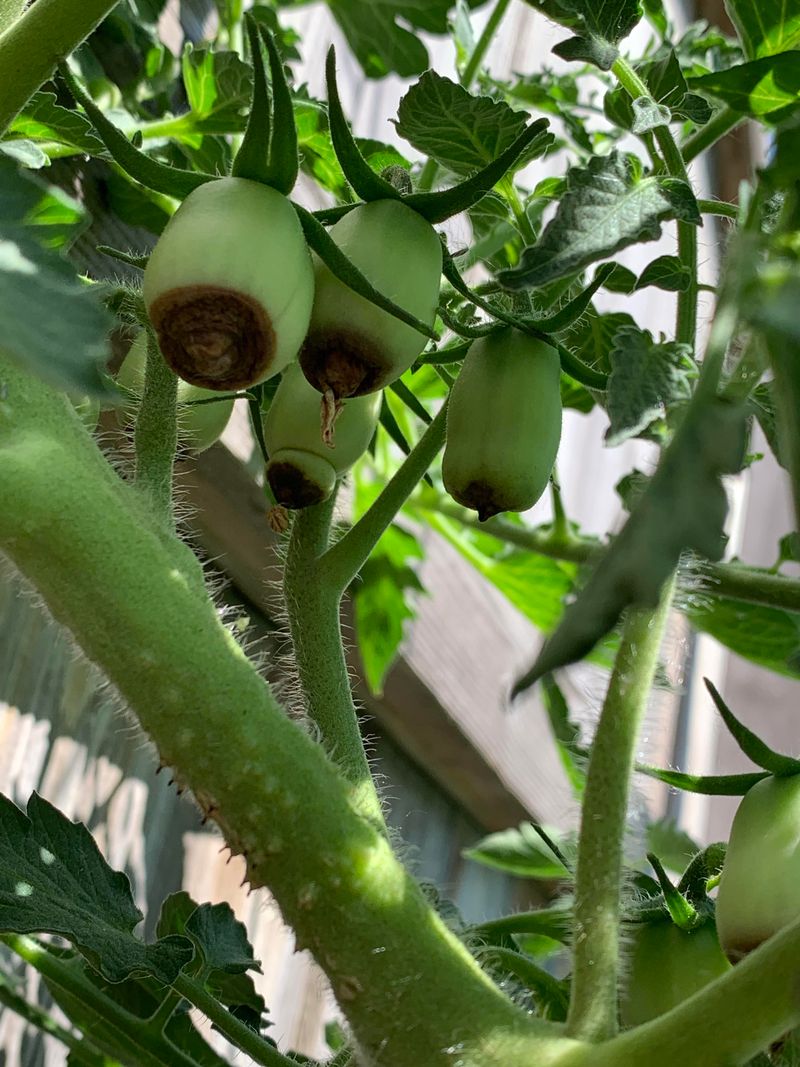
Uneven watering is one of the biggest triggers for blossom end rot, and it sneaks up on even experienced gardeners. One dry week followed by a heavy soaking puts the plant under real stress.
When soil dries out between waterings, calcium movement inside the plant slows to a crawl. Then when water floods back in, the plant rushes to grow but cannot move calcium fast enough to keep up.
The fruit ends up calcium-starved right at the moment it needs it most. That stress shows up as that familiar dark, leathery patch on the bottom.
Drip irrigation is the gold standard for consistent moisture in Iowa vegetable gardens. It delivers water slowly and steadily right at the root zone where plants need it.
If drip systems are not in your budget, deep hand-watering every two to three days works well. Shallow daily sprinkles actually cause more harm by keeping roots near the surface.
Mulching around plants with straw or wood chips slows evaporation dramatically. That extra layer keeps soil moisture stable between waterings and reduces the stress that leads to black bottoms.
Soil Conditions That Block Calcium Uptake In Iowa Gardens
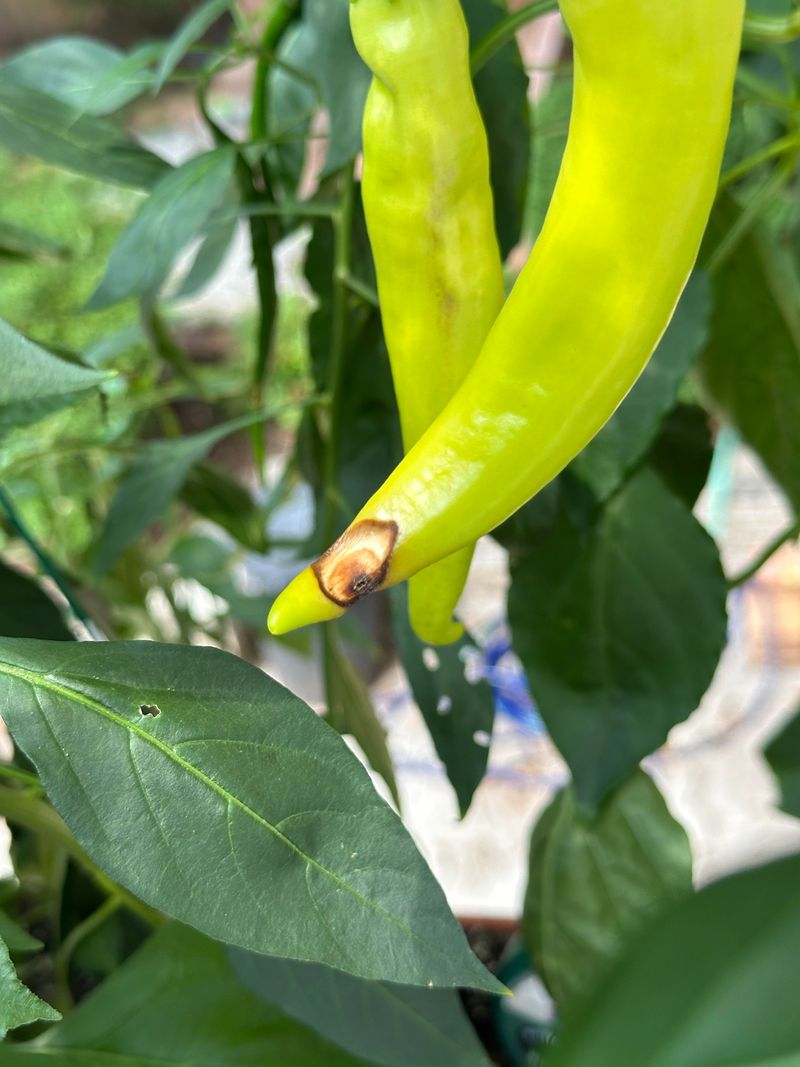
Even calcium-rich soil can fail your plants if the pH is off. Soil pH controls whether nutrients are available for roots to absorb or locked away out of reach.
Tomatoes and peppers prefer a soil pH between 6.2 and 6.8. Outside that range, calcium bonds to other soil particles and becomes essentially invisible to plant roots.
Iowa soils can swing toward acidic in areas with heavy rainfall and sandy texture. Adding garden lime raises pH and releases calcium at the same time, solving two problems at once.
Overly salty soil from too much fertilizer also blocks calcium absorption. High-nitrogen fertilizers push fast green growth but can interfere with calcium absorption at the root level.
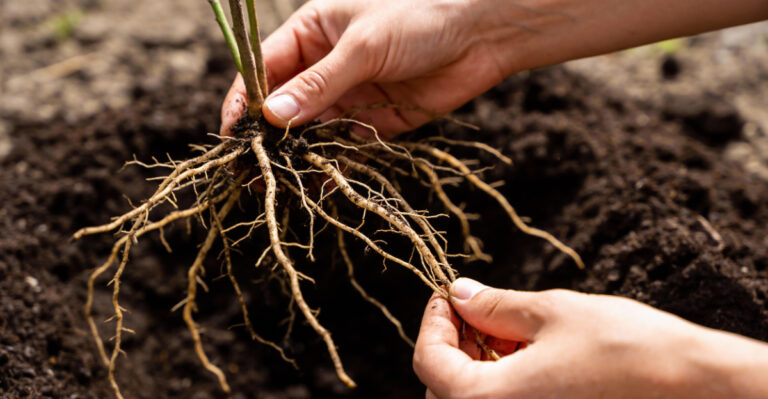
Compacted soil is another hidden culprit in many Iowa backyards. When roots cannot spread freely, they cannot reach the calcium that exists just a few inches away.
Loosening beds with a garden fork before planting makes a real difference. Pairing that with a soil test and the right amendments sets your garden up to actually use the calcium it already has.
Why Iowa Summers Put Tomatoes And Peppers At Higher Risk
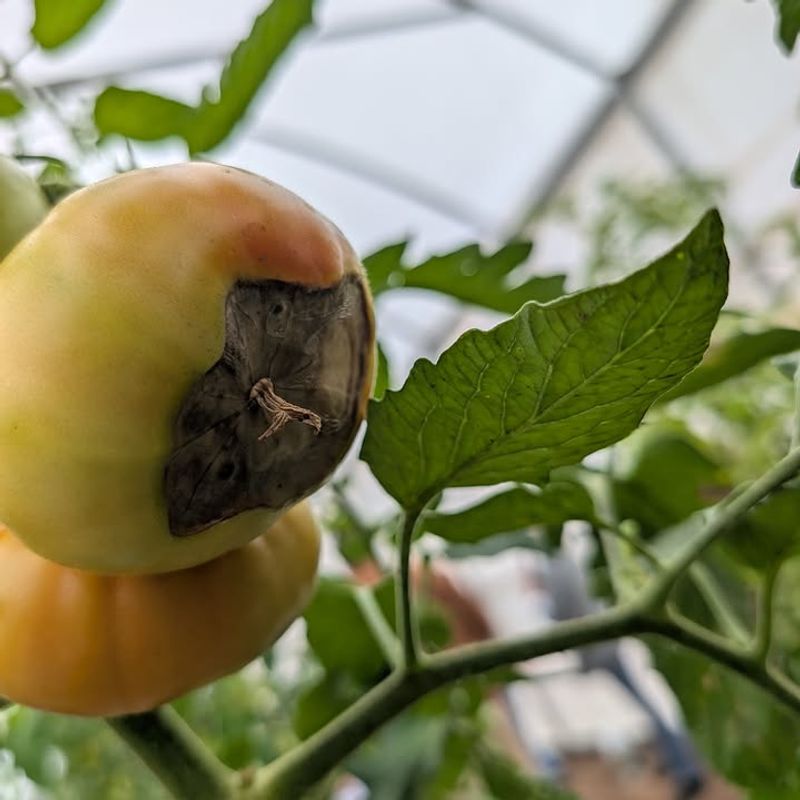
Iowa summers are beautiful, but they are also unpredictable in ways that stress garden plants to their limits. Temperatures can climb above 90 degrees during heat waves while nights stay noticeably cooler.
That kind of heat speeds up fruit development dramatically. Faster growth means the plant needs more calcium delivered more quickly than it can manage under stress.
High humidity followed by hot dry spells causes rapid soil moisture changes. Those swings are exactly the conditions that interrupt calcium flow inside the plant.
Iowa also gets stretches of intense sun that bake the soil surface dry within hours of watering. Even well-watered gardens can suffer from surface evaporation pulling moisture away before roots can use it.
Wind is another underrated factor in Iowa gardens. Strong prairie winds pull moisture from leaves faster than roots can replace it, triggering a stress response that diverts resources away from developing fruit.
Understanding your local climate patterns helps you stay one step ahead. Timing your planting, mulching early, and watching the forecast closely are all smart moves for Iowa gardeners facing blossom end rot risks.
Common Mistakes Iowa Gardeners Make Without Realizing It
One of the most common mistakes is reaching for fertilizer the moment plants look stressed. High-nitrogen fertilizers push fast green growth but actually compete with calcium absorption at the root level.
More leaves and stems mean more demand for calcium throughout the whole plant. The fruit ends up at the back of the line when calcium is being distributed.
Another mistake is planting too early in cold Iowa soil. Roots in cold soil absorb nutrients poorly, and calcium uptake nearly stops below 55 degrees.
Skipping the soil test is another error that costs gardeners all season long. Without knowing your pH and nutrient levels, any amendment you add is basically a guess.
Watering from overhead with a sprinkler seems helpful but often leads to uneven soil moisture. The surface looks wet while deeper roots stay dry, and that uneven moisture is enough to disrupt calcium movement.
Planting in the same spot year after year depletes specific nutrients and builds up soil imbalances. Rotating crops and refreshing beds with compost each spring keeps the soil balanced and your harvest strong.
How To Stop Blossom End Rot And Protect The Rest Of Your Harvest
Stopping blossom end rot starts before you ever put a plant in the ground. Prepping your soil in spring with a proper test and the right amendments gives your garden a strong foundation all season.
Once plants are in the ground, consistent watering is your most powerful tool. Aim for one to two inches of water per week, delivered steadily rather than all at once.
Mulching with straw right after transplanting locks in moisture and keeps soil temperature stable. That simple step cuts stress significantly during Iowa heat waves.
If you spot early signs of blossom end rot, remove affected fruits immediately. Leaving damaged fruit on the plant wastes energy the plant could use on healthy new growth.
Calcium foliar sprays offer quick relief when mid-season stress hits hard. Apply in the early morning to reduce leaf scorch and give the spray time to absorb properly.
Blossom end rot on Iowa tomatoes and peppers is frustrating but absolutely beatable. With the right soil prep, steady moisture, and a watchful eye, your garden can finish the season strong and full of healthy fruit.