8 Things To Do Once Maryland Daylilies Start Blooming For A Fuller Second Flush
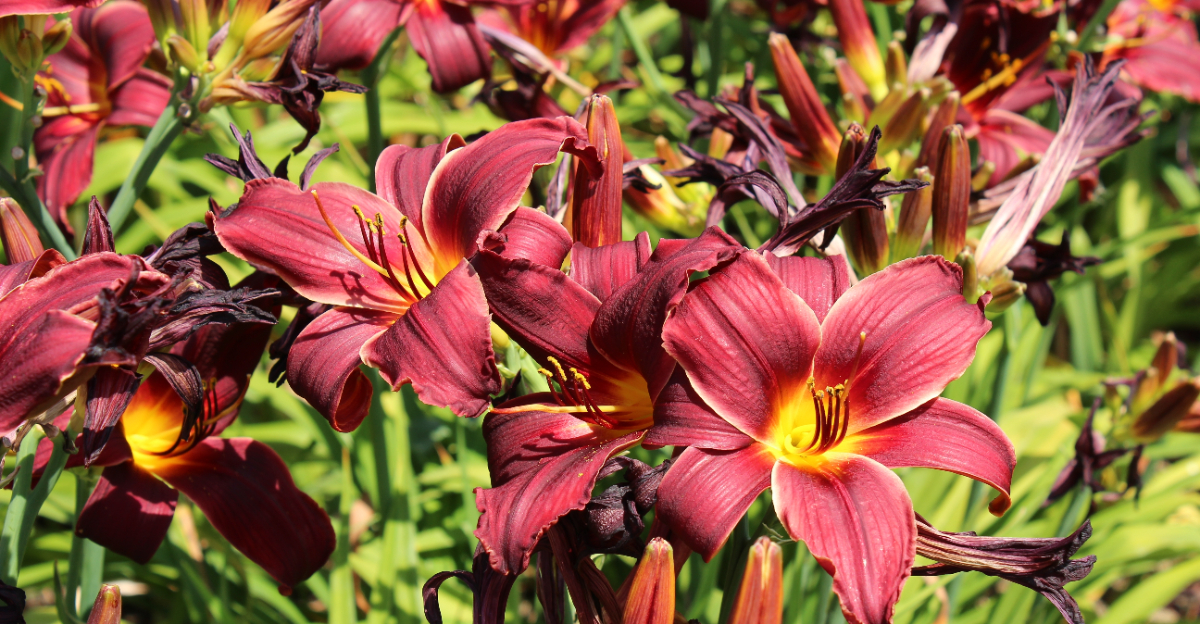
Maryland daylilies do not wait for a convenient moment. They open fast, peak hard, and move on before most gardeners realize what just happened.
That brief window when the blooms are fully open and the colors are at their sharpest is not the finish line. It is the moment the plant is most responsive to what you do next.
A few targeted habits right now can push a tired plant into a genuine second flush instead of a slow, scraggly fade. Most gardeners enjoy the show and assume the work is done.
It is not. That assumption is exactly what separates a one-and-done display from a garden that keeps delivering through Maryland’s long, humid summer.
Catch this window and your daylilies will reward you well into late August.
1. Remove Spent Blooms As Soon As They Fade
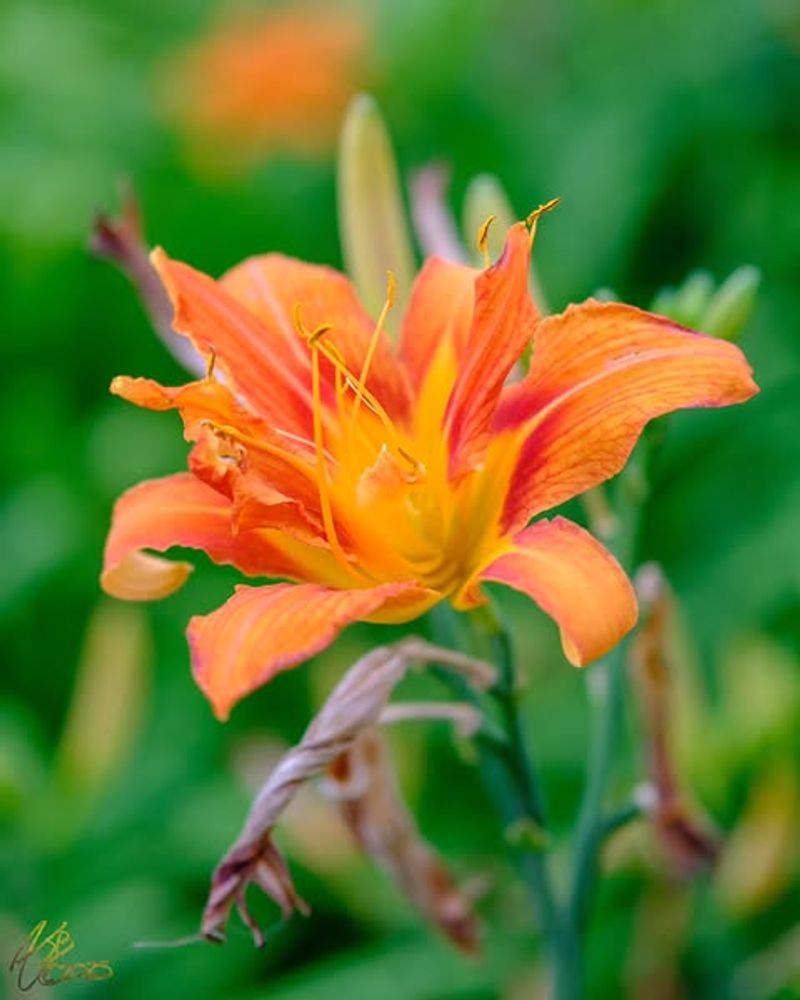
That wilted bloom is robbing your plant of energy it could spend on new flowers. Removing spent blooms, is one of the fastest ways to encourage more buds to open.
Each daylily flower lasts just one day, so faded blooms pile up fast. Pinch them off right at the base of the flower, not the scape, every morning if you can.
Leaving old blooms attached signals the plant to start forming seeds. Seed production takes enormous energy away from flowering, which cuts your second flush short before it even begins.
This is one of the simplest tasks in summer daylily care. Just a morning habit, minimal effort, and results that show up faster than most gardeners expect.
Garden gloves are helpful here, but honestly, bare fingers work just fine. The snap of a spent bloom comes off clean and satisfying, like popping a bubble wrap pocket.
Do this task in the cool of the morning when blooms are easiest to spot. A quick five-minute walk through your beds each day keeps things tidy and productive.
Consistency is the real trick here. Skip a few days and the plant shifts its focus, making your second flush thinner and less vibrant than it should be.
Think of removing spent flowers as a daily conversation with your garden. You are telling the plant exactly what you want, and it listens every single time.
2. Cut Back Scapes After The Last Flower Drops
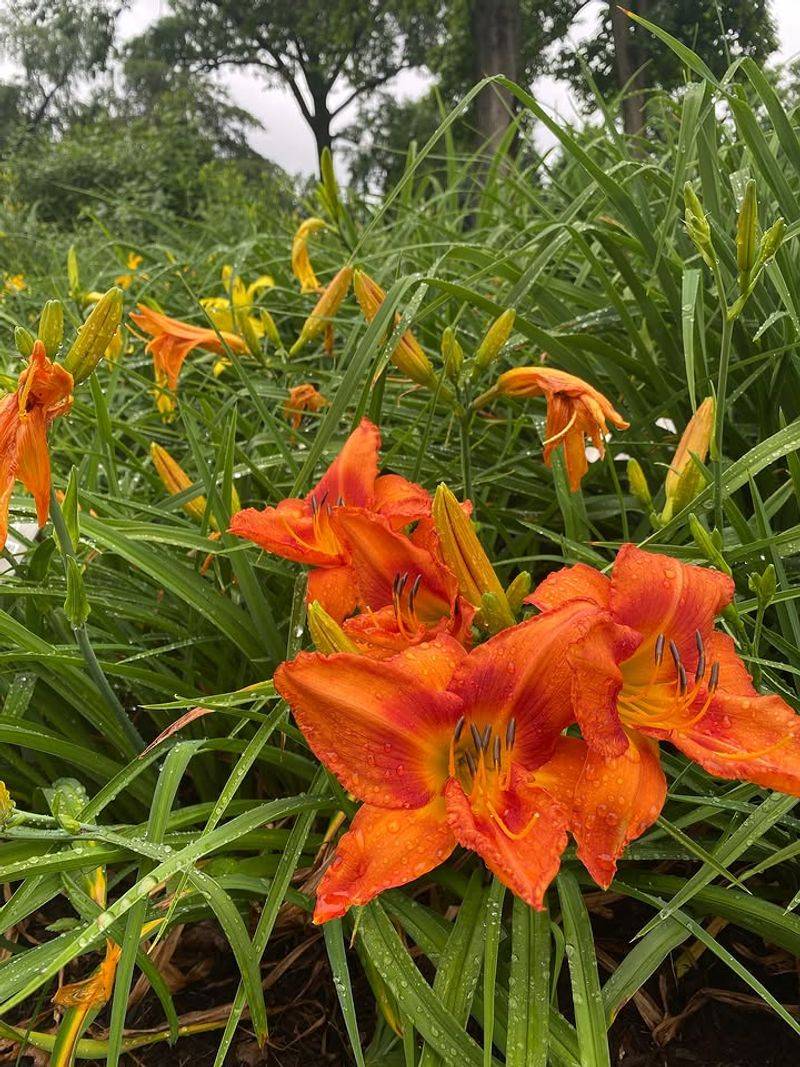
Once the final bloom on a scape drops, that stem has finished its job completely. Leaving it standing does nothing for the plant and actually clutters the bed.
A scape is the tall, leafless flower stalk that shoots up from the base of the plant. After its last bloom fades, cut it down to about two or three inches above the soil.
Removing old scapes redirects the plant’s energy back into the crown and root system. That stored energy fuels new growth, which is exactly what powers a second flush of blooms.
Use clean, sharp pruning shears for this task. Dull blades crush the tissue instead of cutting cleanly, which can invite disease into an otherwise healthy plant.
This is also a good moment to take stock of how your beds are performing overall. Scapes that came up short or produced fewer buds than expected can point you toward soil or spacing issues worth addressing before next season.
Your Maryland Garden Changes Every Week. Your Plan Should Too.
Gardening in Maryland changes quickly throughout the season. Every Friday you’ll receive a simple weekly plan showing exactly what to plant, prune, fertilize, harvest, and protect so you never miss the right timing.
Wipe your shears with a disinfecting solution between plants if any foliage looked discolored or spotted. This simple step keeps problems from spreading across your entire bed without much effort.
Some gardeners wait too long, hoping a spent scape might surprise them with one more bud. It rarely will, and every extra day that old stem stays up is a day of energy the plant could spend elsewhere.
Cutting back scapes also keeps your garden looking intentional and cared for. A tidy bed with fresh foliage signals health, and healthy plants bloom harder and longer into the season.
3. Stop Fertilizing Once Buds Open
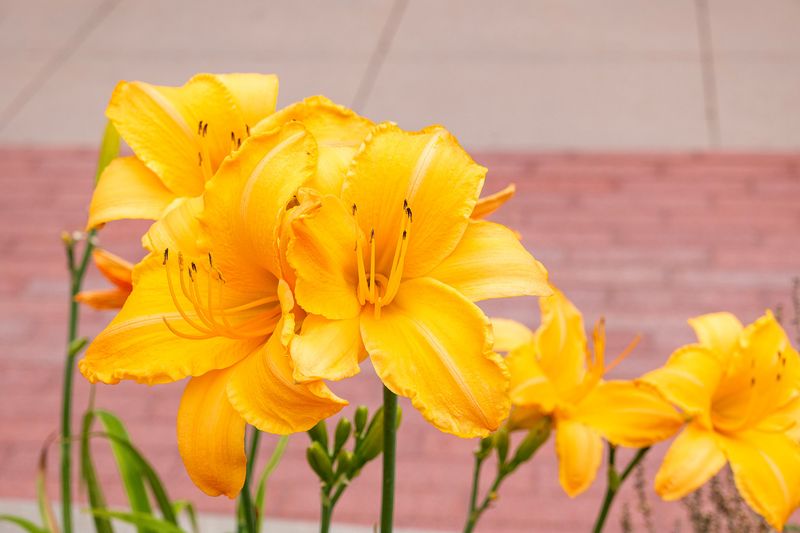
Feeding your daylilies at the wrong time is a surprisingly common mistake that costs gardeners their second flush. Once buds are open, put the fertilizer bag away and step back.
Nitrogen-heavy fertilizers push leafy green growth instead of encouraging blooms. Applying them during peak flowering actually confuses the plant and shortens the blooming window.
The best time to fertilize Maryland daylilies is early spring when new growth first emerges. A balanced slow-release fertilizer at that stage sets the plant up for a long, productive season.
A second light feeding right before buds form, usually in late spring, can also boost performance. After that, the plant has what it needs and extra feeding does more harm than good.
Think of it like training for a race. You fuel up before the run, not during it, because mid-race snacks just slow everything down.
If you want to support blooms during the season, a light application of liquid seaweed or fish emulsion is far gentler. These options encourage flowering without pushing excessive leaf growth.
Knowing when to stop is just as important as knowing when to start. Trusting your earlier prep work and letting the plant do its thing is one of the most underrated gardening skills you can develop.
4. Water Deeply At The Base, Not From Above
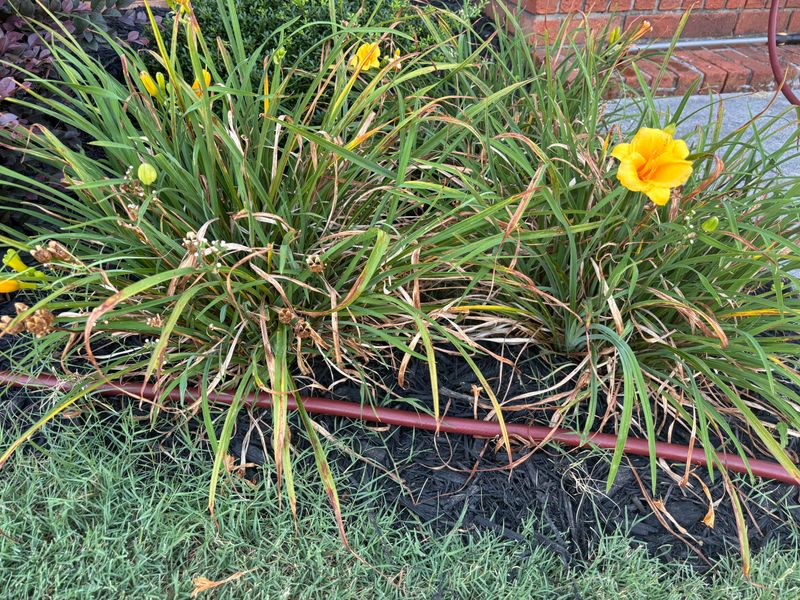
Watering daylilies from above sounds harmless, but it is one of the quickest ways to ruin both blooms and foliage. Wet petals spot, fade faster, and drop sooner than they should.
Overhead watering also leaves moisture sitting on leaves, which creates the perfect setup for fungal issues. Maryland summers are already humid enough without adding extra moisture to the foliage.
Watering deeply at the base means you are sending moisture straight to the root zone. Roots that get a long, slow drink grow deeper and stronger than those fed by frequent shallow sprinkles.
A soaker hose laid around your daylily beds is one of the smartest investments a home gardener can make. It delivers water slowly at soil level, exactly where the plant can absorb it best.
Water in the early morning so any incidental splash on leaves dries before midday heat sets in. Evening watering keeps foliage wet overnight, which is an open invitation for problems.
During peak bloom, aim for about one inch of water per week. If rain is not cooperating, supplement with a slow, deep hand-watering session every few days at the soil line.
Getting this habit right protects your blooms and keeps your second flush looking clean and vibrant. Healthy roots mean healthy flowers, and healthy flowers mean a garden you will want to show off.
5. Stake Tall Varieties Before Heavy Rain Or Wind
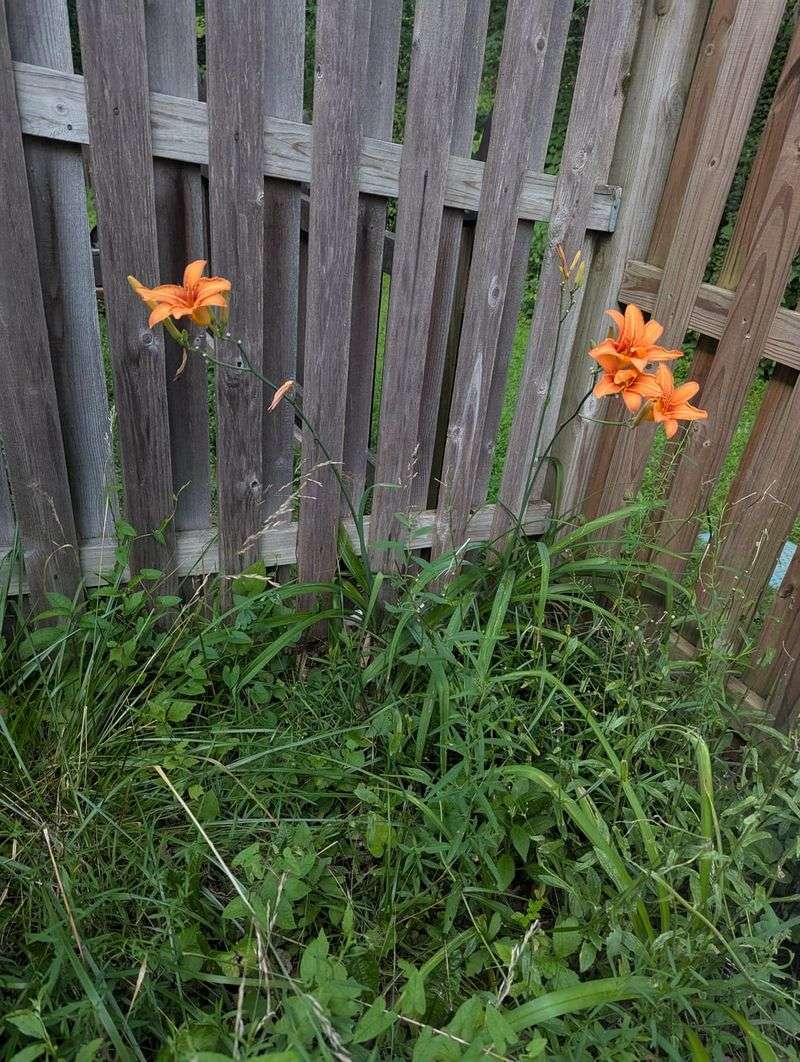
Tall daylily varieties are stunning until a summer storm rolls through and snaps them sideways. A little prep before the weather turns can save weeks of growth in just a few minutes.
Maryland summers bring sudden thunderstorms that hit hard and fast. Tall scapes loaded with buds become top-heavy and vulnerable the moment wind picks up or rain starts pelting down.
Staking before a storm is always smarter than trying to prop up a broken stem after one. Once a scape snaps or bends sharply, the buds above the break may not open fully.
Bamboo stakes work great for most tall varieties. Push one firmly into the soil a few inches from the base of the plant and use soft garden ties to loosely secure the scape.
Avoid tying too tightly, because you want the plant to move naturally with the breeze. A strangled stem is just as problematic as a fallen one, so keep the tie gentle and supportive.
Check your local forecast during bloom season and get stakes in the ground when rain or wind is expected. This takes about two minutes per plant and saves you from real heartbreak later.
Staked plants recover faster after storms and continue pushing out new buds without interruption. Protecting your tallest bloomers means your second flush stays full, upright, and absolutely worth admiring.
6. Mulch Around The Base To Lock In Moisture
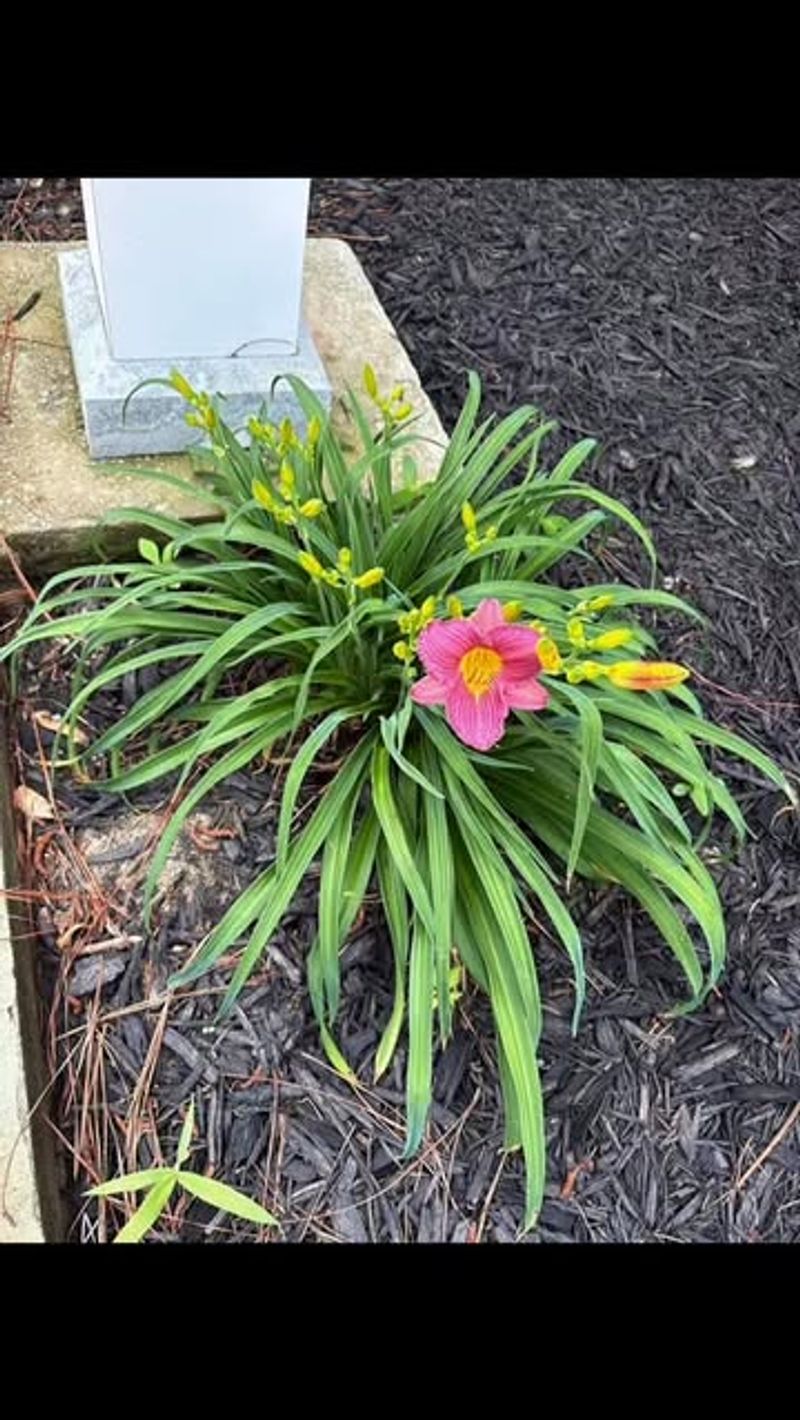
Mulch is one of those garden tools that keeps working long after you have finished applying it. A good layer around your daylilies does more quiet work than most gardeners realize.
During Maryland’s hot, humid summers, soil moisture evaporates quickly. A two-to-three inch layer of mulch slows that evaporation dramatically and keeps roots cooler through the hottest afternoons.
Cooler, moister soil means less stress on the plant during peak bloom. Less stress means the plant puts its energy into pushing out new flowers instead of just trying to survive the heat.
Shredded bark, wood chips, or even pine straw all work well for daylily beds. Avoid piling mulch directly against the crown of the plant, because trapped moisture there can cause rot.
Leave a small gap of an inch or two between the mulch and the base of the plant. That breathing room protects the crown while still giving the surrounding roots all the moisture benefits.
Mulch also suppresses weeds, which compete with your daylilies for water and nutrients. Fewer weeds mean less work for you and more resources available for a stronger second flush.
Apply fresh mulch at the start of bloom season and check its depth after heavy rains wash it around. Keeping that protective layer consistent is one of the easiest wins in summer daylily care.
7. Watch For Aphids And Thrips During Peak Bloom
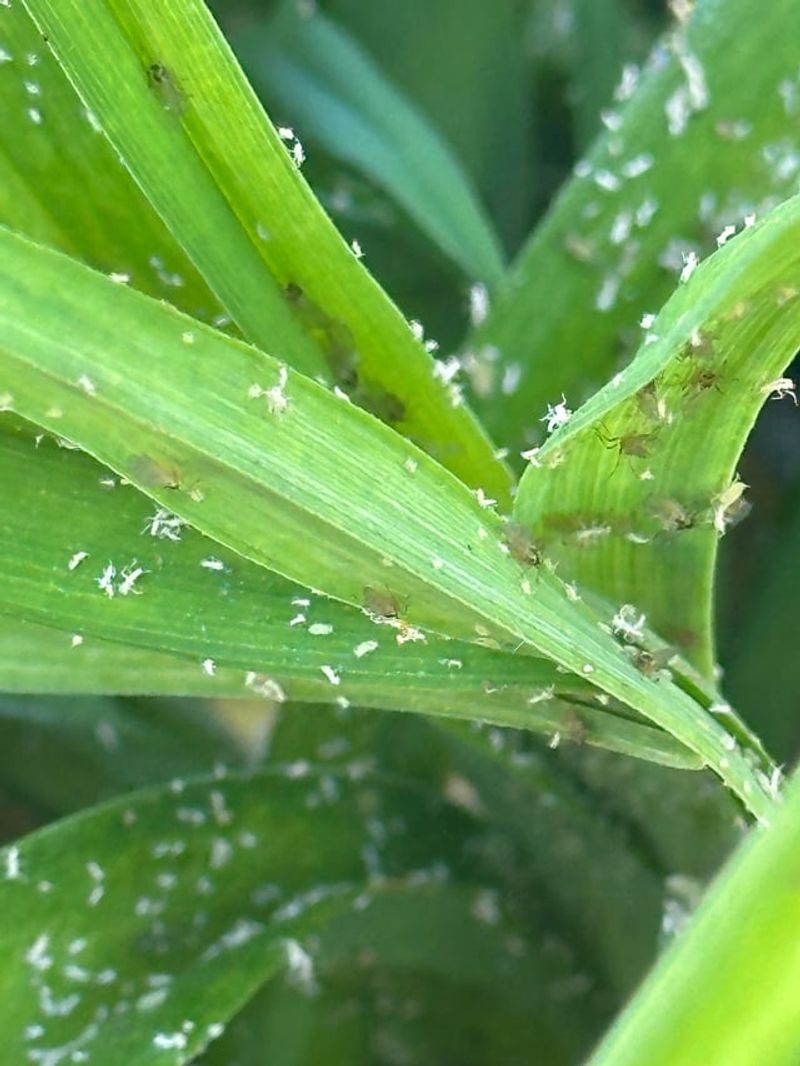
Peak bloom tends to attract garden pests, and aphids and thrips are often among the first to show up. Catching them early is the difference between a minor annoyance and a full-blown infestation.
Aphids cluster on tender new growth and flower buds, sucking out plant sap and leaving behind a sticky residue called honeydew. That residue attracts mold and ants, which makes a small problem grow fast.
Thrips are trickier because they are tiny and hide inside the blooms themselves. You might notice streaked or distorted petals before you ever spot the actual insects causing the damage.
Check your buds and open flowers every few days during peak bloom season. Flip a few blooms open gently and look for movement or tiny dark specks on the petals and stamens.
A strong blast of water from a hose knocks aphids off quickly and effectively. For thrips, insecticidal soap spray applied in the early morning works well without harming pollinators visiting later in the day.
Ladybugs and lacewings are natural predators of both pests. Planting companion flowers like marigolds or dill nearby attracts these helpful insects and keeps pest pressure naturally lower all season.
Staying observant during Maryland daylilies’ peak bloom protects your second flush before damage builds up. A healthy, pest-free plant produces more buds, stronger scapes, and a finish that leaves your neighbors genuinely impressed.
8. Check Soil Moisture More Often During Hot Spells
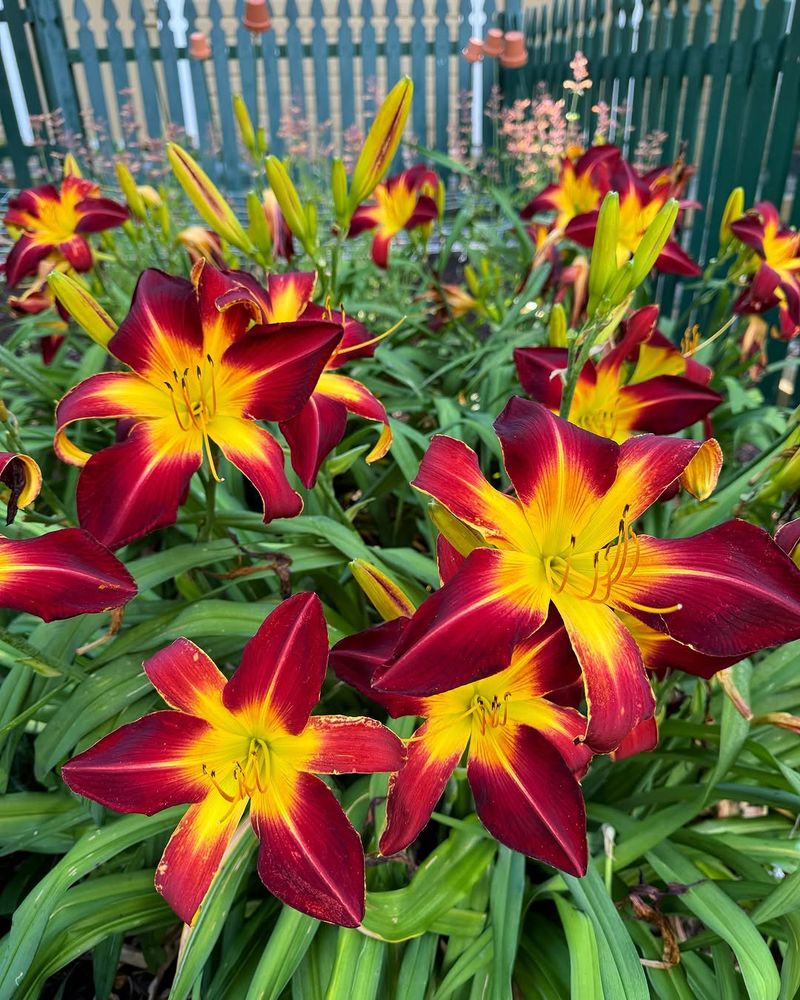
A stretch of ninety-degree days can silently stress your daylilies before you even notice anything is wrong. Soil that looks fine on the surface can be much drier just two inches down than the surface suggests.
During heat spikes, soil loses moisture far faster than during normal summer temps. What was a perfect watering schedule last week may leave plants thirsty and struggling by Thursday.
The finger test is the simplest and most reliable moisture check you have. Push your finger about two inches into the soil near the plant’s base and feel whether it is damp or dry.
If it feels dry at that depth, water deeply right away. Waiting another day during a heat spell may cause buds to drop before they open, which can shorten your second flush.
Container daylilies need even more frequent checks during hot stretches. Pots dry out much faster than garden beds, sometimes needing water every single day when temperatures stay extreme.
Mulching, as mentioned earlier, helps slow moisture loss between checks. But even with mulch in place, a prolonged hot spell demands more hands-on attention and more frequent watering sessions.
Staying tuned in to your soil during hot weather is one of the most rewarding habits you can build as a gardener. Checking moisture often during Maryland daylilies’ blooming season keeps your second flush full, lush, and absolutely worth the effort.