Why Tomato Leaves Turn Yellow In Iowa, And How To Help Them
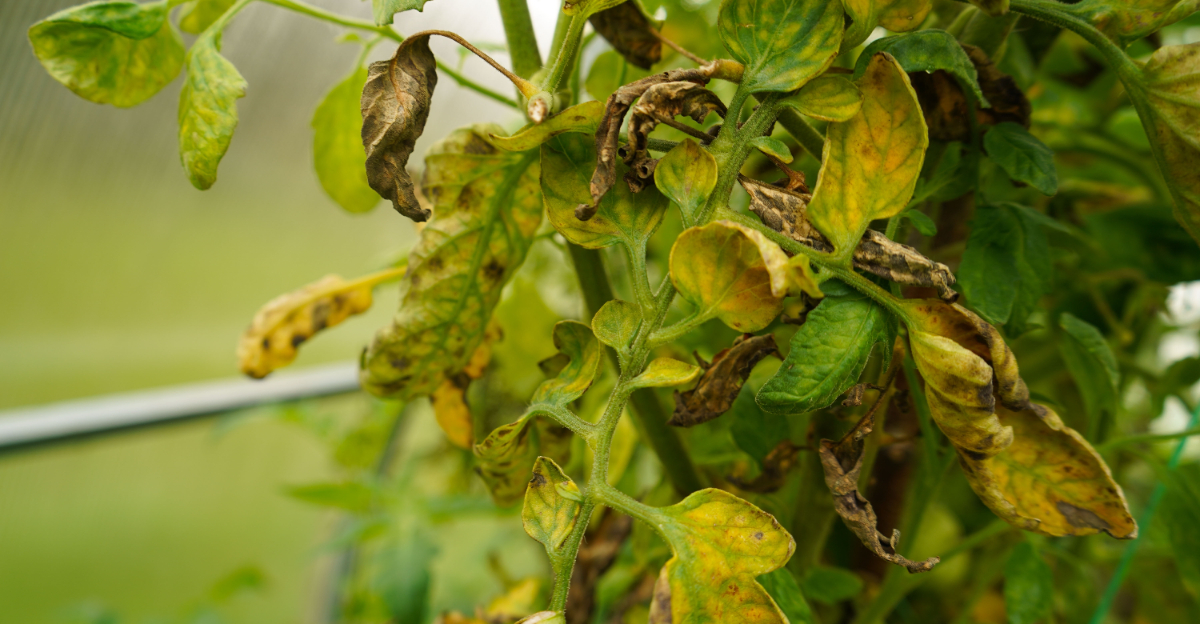
Coffee in hand, you crouch beside your tomato bed hoping to spot the first blush of ripening fruit, and instead your eyes catch something else entirely. Patches of pale yellow are spreading across leaves that looked vibrant just days earlier.
That kind of color shift rarely has one cause, and Iowa gardeners see the same usual suspects each season. Piecing together the clues feels like detective work in your own backyard.
Most culprits leave behind fairly distinct signs once you know where to look. Give your tomato plants a proper reset now, and thick green foliage tends to return well before the first frost threat rolls in.
Common Causes Behind Yellowing Tomato Leaves
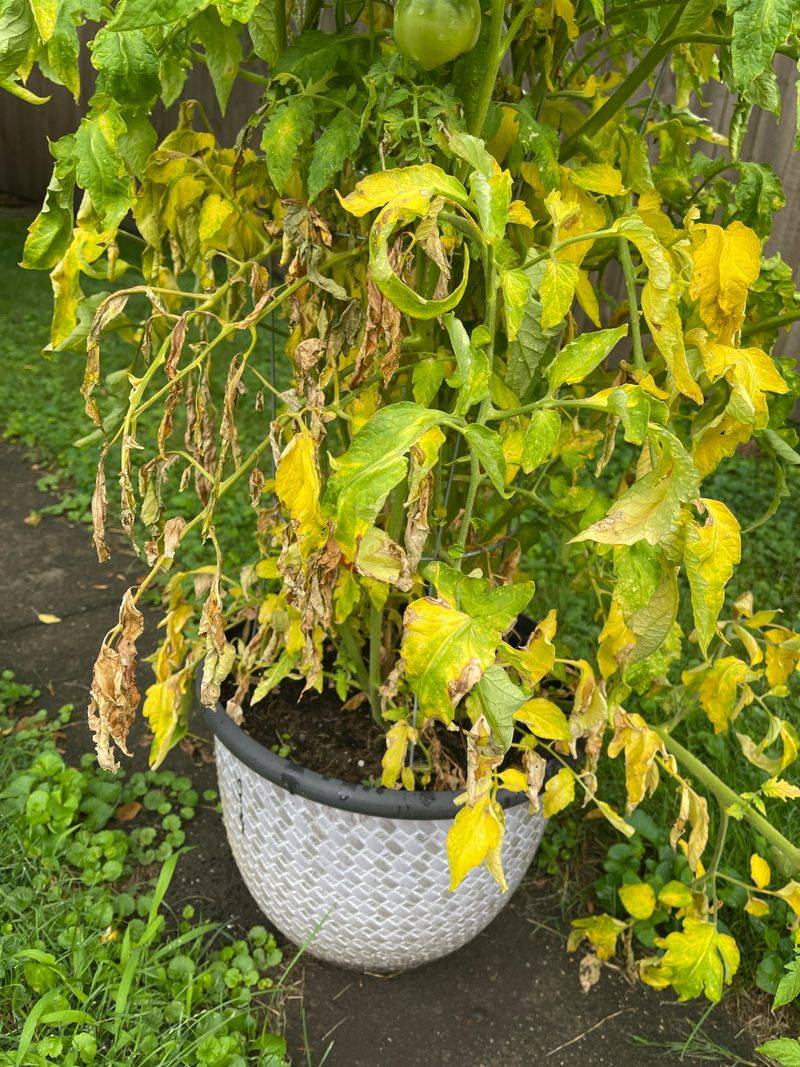
Yellow tomato leaves can stop a gardener cold. That bright pop of color on your foliage is actually your plant sending a distress signal you need to decode fast.
Tomato leaves turn yellow for many different reasons, and each cause looks slightly different. Some yellowing starts at the bottom of the plant and creeps upward, while other patterns spread from the leaf edges inward.
Natural aging is one common reason lower leaves yellow and drop. As tomato plants grow taller, the bottom leaves get shaded out and the plant lets them go to save energy.
Environmental stress is another big trigger, including temperature swings, poor drainage, and compacted soil. Iowa summers can swing from cool nights to blazing afternoons, and tomatoes respond to every swing in temperature.
Root damage from digging, transplanting, or pest activity can also cut off nutrient flow to leaves. When roots struggle, the whole plant shows it through color changes above ground.
Chemical exposure from nearby herbicide drift is surprisingly common in agricultural regions. A neighboring field spray can drift onto your garden and cause rapid, widespread yellowing.
Identifying the pattern of yellowing is your first detective tool. Check whether it starts at the base, the tips, or randomly across the plant before jumping to any solution.
Nutrient Deficiencies That Lead To Yellow Foliage
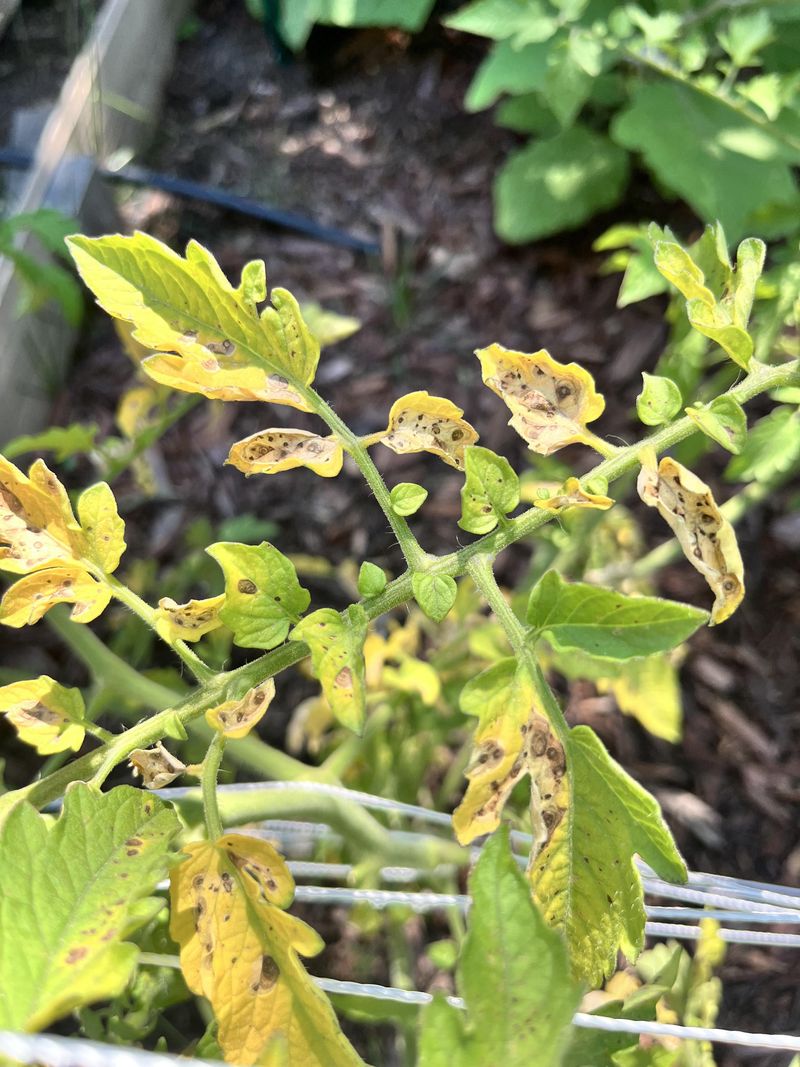
Your tomato plant is basically begging for a snack. When key nutrients run low, leaves lose their green color and start fading to shades of yellow, pale lime, or even white.
Nitrogen deficiency is the most common culprit behind yellow tomato leaves. It usually shows up on older, lower leaves first, turning them a uniform light yellow before spreading upward.
Magnesium deficiency creates a different look called interveinal chlorosis. The veins stay green while the tissue between them turns yellow, giving leaves a streaky, almost tie-dye appearance.
Iron deficiency looks similar to magnesium issues but tends to hit younger, upper leaves instead of older ones. Iowa soils with high pH can lock up iron even when plenty of it exists in the ground.
Calcium shortage shows up more in the fruit than the foliage, most often as blossom end rot. Inconsistent watering makes calcium absorption unreliable, even in nutrient-rich soil.
Potassium deficiency often shows up as yellowing along leaf edges, sometimes with a brown, scorched look. This nutrient helps regulate water movement inside the plant, so low levels stress every cell.
Your Iowa Garden Changes Every Week. Your Plan Should Too.
Gardening in Iowa changes quickly throughout the season. Every Friday you’ll receive a simple weekly plan showing exactly what to plant, prune, fertilize, harvest, and protect so you never miss the right timing.
Adding a balanced fertilizer or specific amendments based on your soil test results is the smartest fix. Guessing at nutrients without data can make problems worse instead of better.
Overwatering And Underwatering Effects On Leaf Color
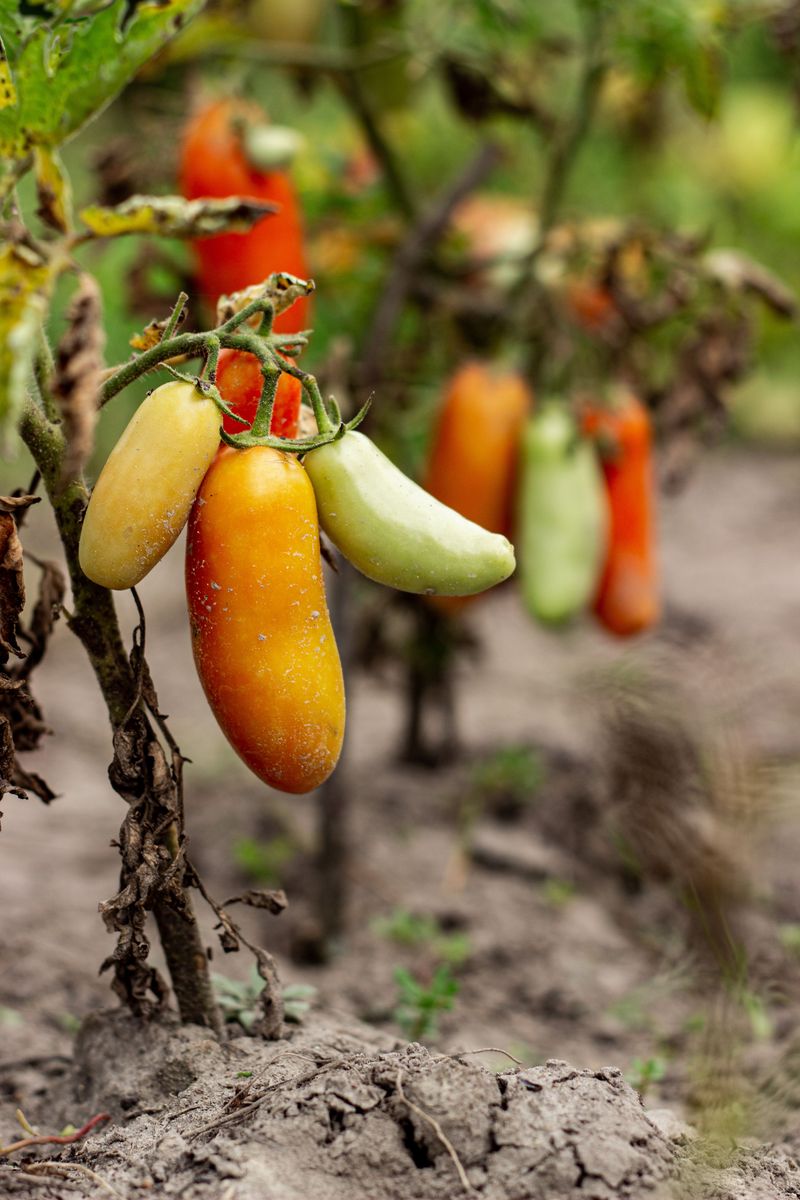
Water is life for tomatoes, but too much or too little sends leaves straight to yellow. Getting the balance right is a skill every tomato grower benefits from building.
Overwatered tomato plants often show yellowing that starts on lower leaves and spreads upward quickly. The roots sit in soggy soil, oxygen gets cut off, and the plant essentially suffocates from the bottom up.
Waterlogged conditions also invite root rot, a fungal problem that destroys the roots needed to pull up nutrients. Once root rot sets in, yellow leaves are just the beginning of bigger trouble.
Underwatered plants show a different kind of stress, with leaves that curl, feel crispy, and fade to a dull yellow-green. Iowa’s hot July and August stretches can dry out raised beds and containers shockingly fast.
Iowa’s heavier soils can hold moisture longer, which increases overwatering risk even when you think you are being careful. Sandy soils drain quickly and may need more frequent attention during dry spells.
Checking soil moisture before watering is a simple habit that prevents both problems. Stick your finger two inches into the soil; if it feels moist, hold off for another day.
Consistent watering schedules help tomatoes absorb nutrients steadily and keep leaves a healthy, deep green. Irregular watering creates stress cycles that show up as color changes you cannot ignore.
Diseases And Pests Behind Iowa Tomato Leaf Problems
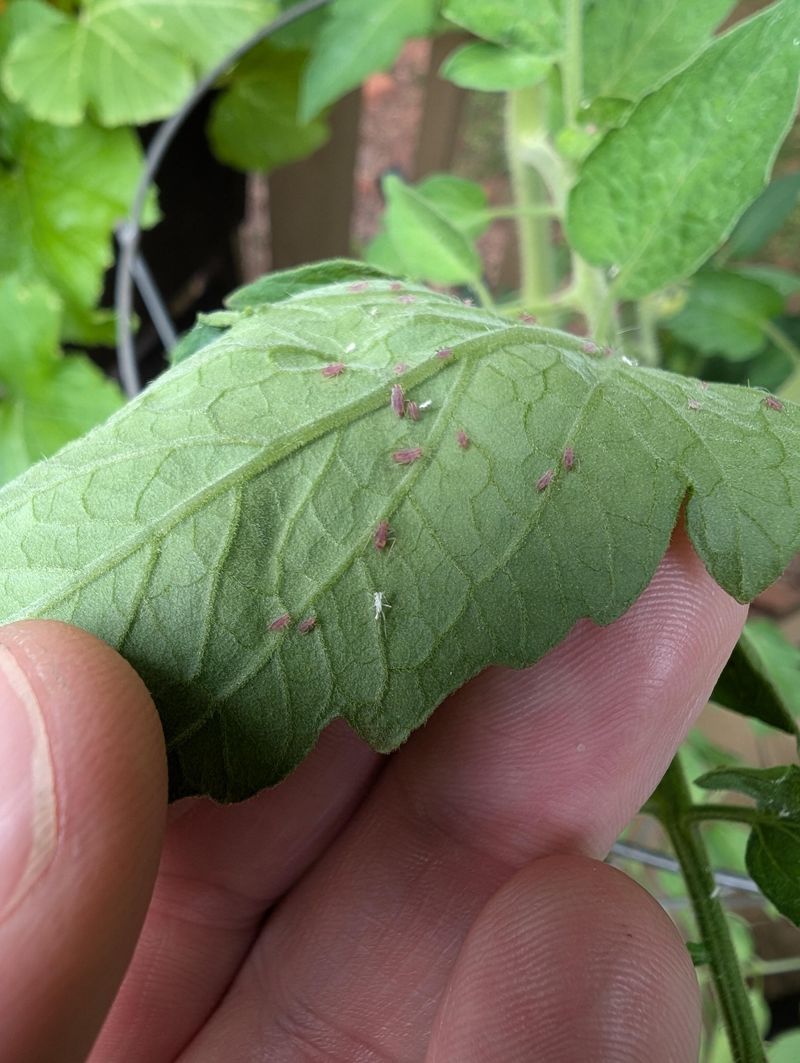
Something sneaky might be eating your tomato plants from the inside out. Diseases and pests are two of the most frustrating reasons tomato leaves turn yellow, and they often work fast.
Early blight is a fungal disease that causes dark brown spots with yellow rings around them, almost like a target pattern. It starts on lower leaves and climbs the plant as spores spread through rain splash and wind.
Septoria leaf spot creates small, circular lesions with dark borders and light centers. Both diseases thrive in Iowa’s humid summers, especially after warm rains that leave foliage wet for hours.
Fusarium wilt and verticillium wilt are soil-borne fungal diseases that block water flow inside the plant. Leaves yellow from the bottom up, often on just one side of the plant at first.
Spider mites are tiny pests that suck sap from leaf tissue, leaving behind a stippled, pale yellow surface. You might not spot the mites themselves, but their fine webbing under leaves is a clear giveaway.
Aphids cluster under leaves and along stems, draining plant energy and leaving behind sticky residue. That sticky coating can lead to sooty mold, adding another layer of stress to already struggling foliage.
Catching pest and disease problems early gives you far more options for treatment. Scout your plants at least twice a week during peak growing season for the best chance at a healthy harvest.
Testing Your Soil To Pinpoint The Real Cause
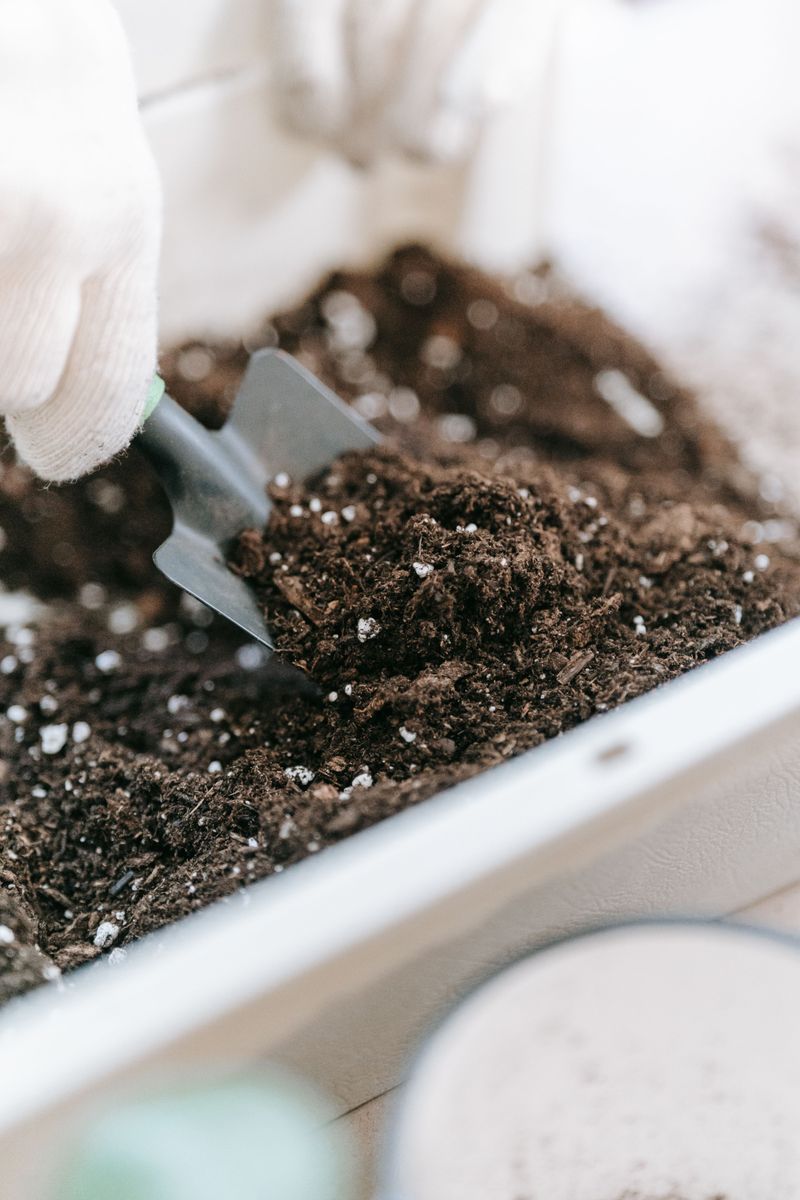
Guessing at garden problems wastes time and money. A simple soil test takes the mystery out of why your tomato leaves are turning yellow and points you straight toward a real fix.
Iowa State University Extension offers affordable soil testing kits that measure pH, phosphorus, potassium, and organic matter. You can pick them up at local extension offices or order them online for easy home use.
Tomatoes grow best in soil with a pH between 6.0 and 6.8. When pH drifts too high or too low, nutrients get locked up and become unavailable to the plant even if they exist in the soil.
High pH soils are common in parts of Iowa with limestone-based geology. Adding lime to acidic soil or sulfur to alkaline soil can bring pH back into the sweet spot for tomatoes.
Soil tests also reveal nutrient gaps and low organic matter that a quick glance at the garden would miss. All of these factors affect how well roots function and how efficiently the plant absorbs what it needs.
Testing in early spring before planting gives you time to amend the soil properly. Waiting until leaves turn yellow means you are already behind, but a mid-season test still helps you course-correct.
Knowing exactly what your soil needs makes every amendment decision smarter and more targeted. Your tomatoes will thank you with stronger stems, darker leaves, and a bigger, tastier harvest.
Steps To Help Tomato Plants Recover And Stay Healthy
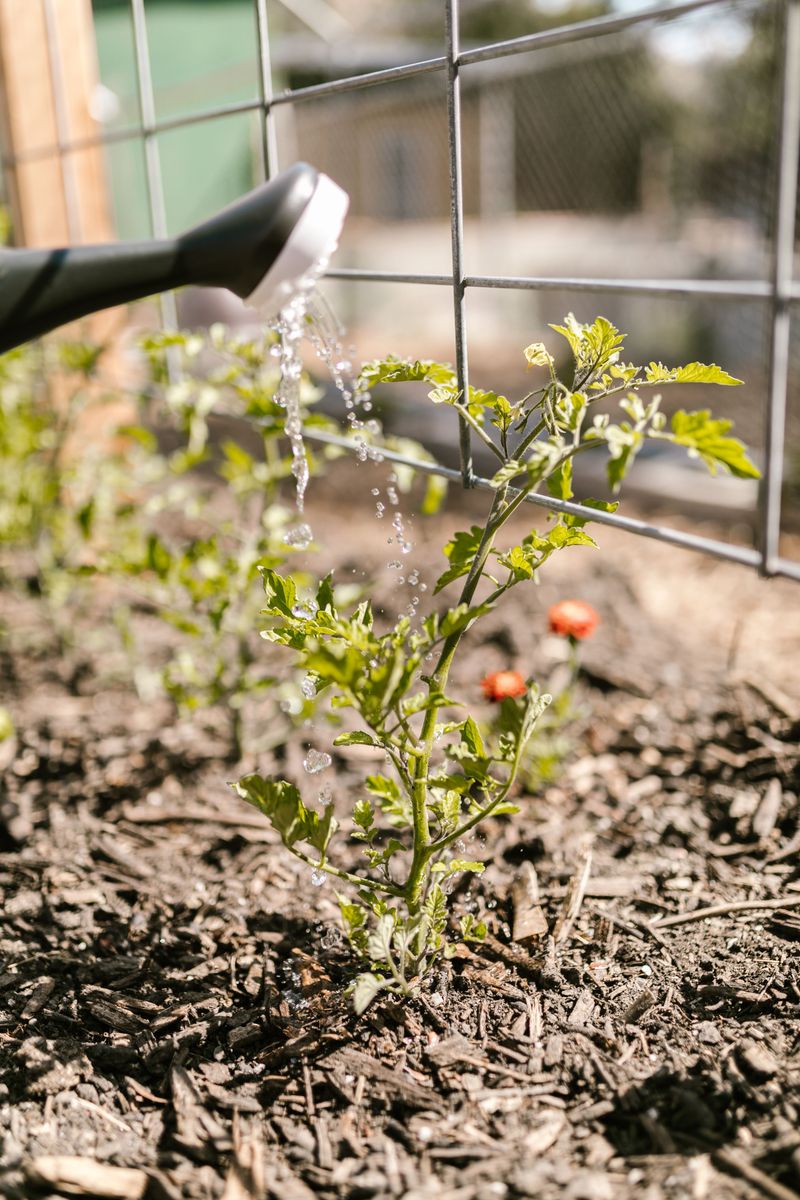
Recovery is possible, and your tomatoes are tougher than they look. With the right steps taken at the right time, most plants can shift from yellow and struggling to green and thriving.
Start by removing all yellowed leaves from the plant and the ground around it. This reduces fungal spore spread and lets the plant focus its energy on healthy new growth.
Apply a balanced, slow-release fertilizer to address any nutrient gaps your soil test revealed. Follow label directions carefully; too much fertilizer burns roots and creates new problems instead of solving old ones.
Mulching around the base of each plant with straw or wood chips helps regulate soil moisture and temperature. A two to three inch layer keeps roots cooler during hot Iowa summers and reduces water evaporation on hot days.
Stake or cage your tomatoes so foliage stays off the ground and gets better airflow. Good air circulation is one of the best defenses against the fungal diseases that thrive in humid conditions.
Water consistently at the base of the plant using drip irrigation or a soaker hose. Keeping foliage dry during watering prevents fungal spores from splashing onto leaves from the soil surface.
Rotate your tomato crop to a different garden bed each year to break pest and disease cycles. Healthy tomato leaves in a well-managed garden are the best sign that all your hard work is paying off.