The Meaning Behind Seeing A Crow Landing In Your Pennsylvania Yard
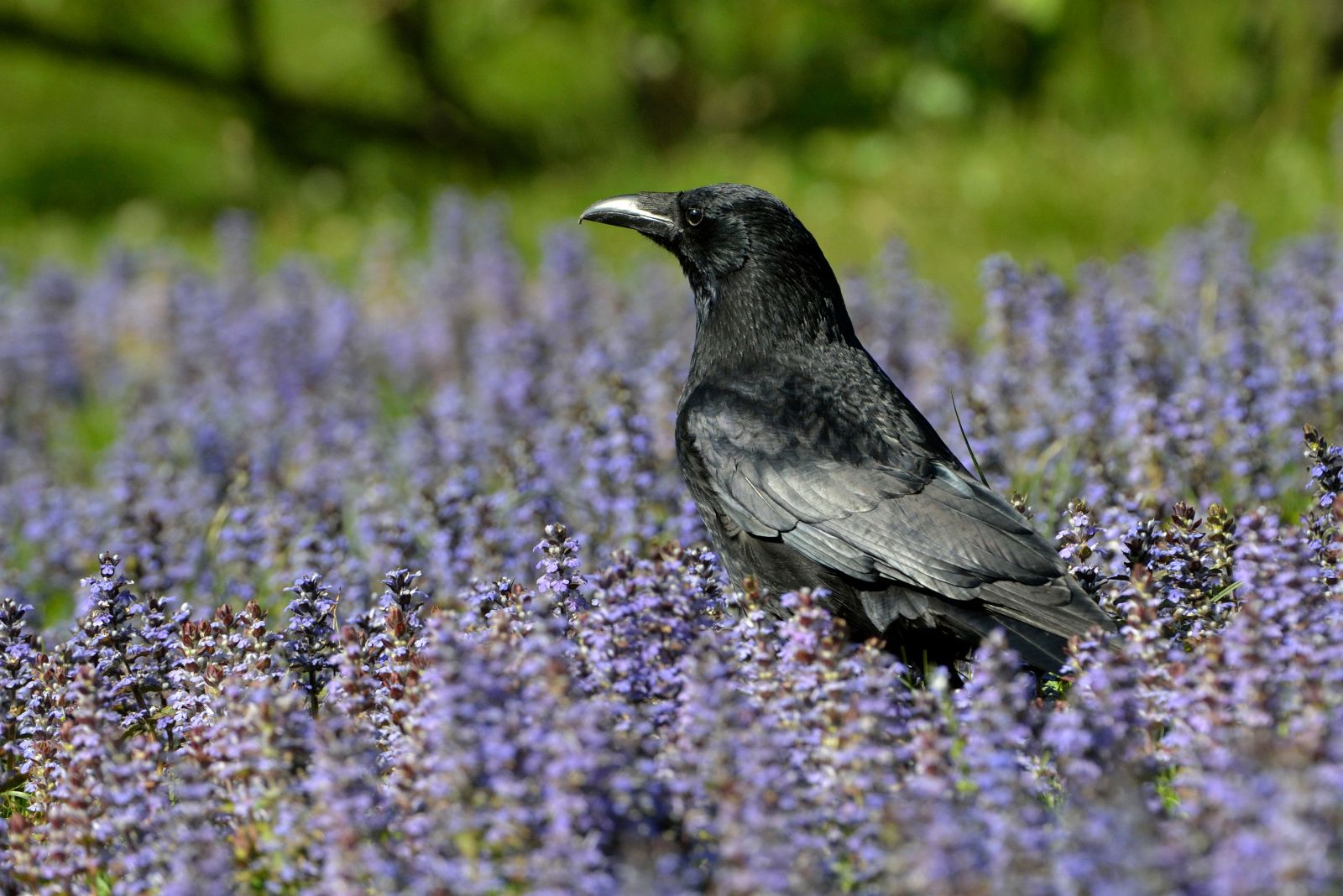
Crows are one of the most intelligent birds in Pennsylvania, and a crow that has decided your yard is worth landing in is making that choice for reasons that are more calculated than most people realize. These birds are not casual visitors.
They observe, remember, and return to places that offer what they are looking for, and a yard that attracts them consistently is providing something specific.
For some homeowners a crow sighting carries a symbolic weight that goes beyond the practical, drawn from a long tradition of folklore and cultural meaning that surrounds these birds across many different parts of the world.
For others the interest is more grounded, in what the bird’s behavior reveals about the property and the surrounding area.
Whether you are curious about the symbolism, the ecology, or both, a crow landing in your Pennsylvania yard is offering more to think about than a typical backyard bird visit tends to provide.
1. Indicator Of A Healthy Local Ecosystem
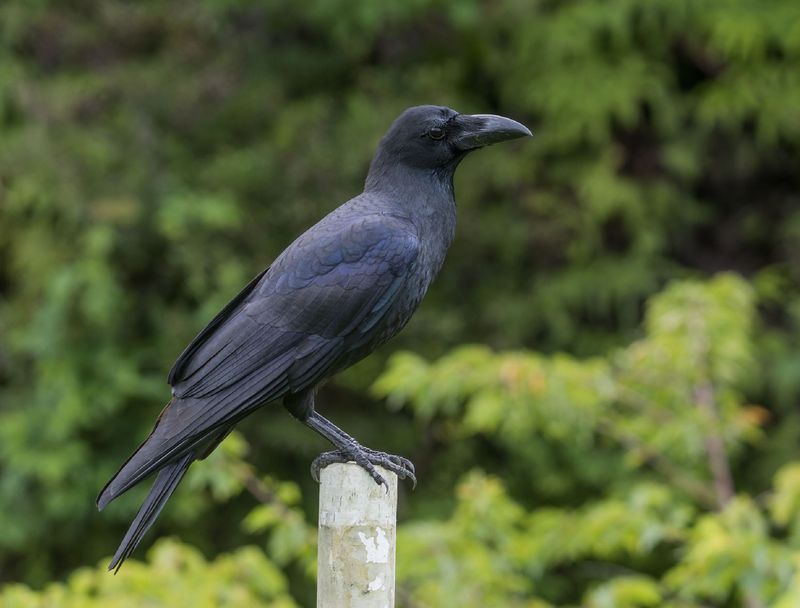
Not every backyard gets a crow visit, so if one lands in yours, that is actually a really good sign. Crows are what scientists call opportunistic omnivores.
That means they eat just about anything, including insects, small rodents, seeds, berries, and even leftover scraps.
When a crow chooses your yard, it is telling you something important. Your outdoor space likely has a solid variety of food sources and natural life. That balance is a strong signal of a healthy local ecosystem right outside your door.
Pennsylvania yards that support diverse plant life, insects, and small animals tend to attract wildlife like crows. These birds are picky in their own way. They will not waste energy visiting a yard that has nothing to offer them.
Think of a crow as a living checklist for backyard health. If it shows up, your yard is probably supporting a working food web. That means multiple layers of life, from soil bugs to berry bushes, are all doing their job.
You can encourage this balance by planting native Pennsylvania shrubs like serviceberry or elderberry. Avoiding harsh pesticides also helps keep the insect population alive, which in turn feeds birds like crows.
A crow-friendly yard is usually a wildlife-friendly yard in general. So next time a crow struts around your lawn, feel a little proud. Your yard earned that visit.
It means you have created or maintained a space where nature can thrive naturally, and that is something worth noticing and protecting for years to come.
2. Searching For Food
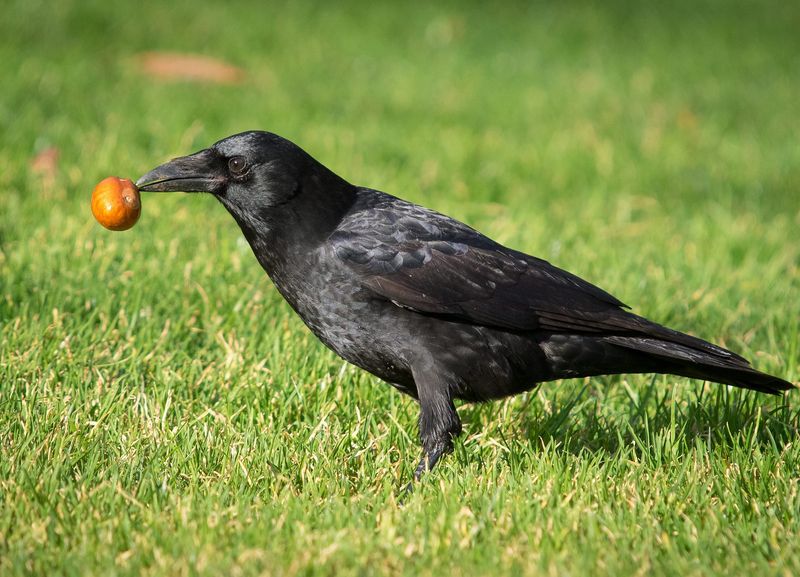
Picture this: a crow hops across your lawn, tilts its head, and starts poking at the dirt. Chances are, it smelled or spotted something worth eating.
Food is almost always the number one reason a crow lands anywhere, and your Pennsylvania yard might be a hidden buffet.
Crows have sharp eyes and an excellent memory. They can spot a juicy earthworm from surprising distances and remember exactly where they found food before. If your yard fed one crow once, do not be surprised to see it again and again.
Your Pennsylvania Garden Changes Every Week. Your Plan Should Too.
Gardening in Pennsylvania changes quickly throughout the season. Every Friday you’ll receive a simple weekly plan showing exactly what to plant, prune, fertilize, harvest, and protect so you never miss the right timing.
Pennsylvania yards with fruiting shrubs, berry-producing plants, or vegetable gardens are especially attractive to crows. Compost piles are another big draw.
Crows see decomposing food scraps as a free and easy meal, so an uncovered compost bin is basically a crow invitation.
Insects hiding under leaf piles or loose soil also pull crows in. They will flip leaves, poke at mulch, and dig lightly into soft ground to find beetles, grubs, and larvae. Watching this behavior up close is honestly pretty entertaining.
If you want to attract crows on purpose, try leaving out unsalted peanuts or small pieces of fruit near an open area. Crows are cautious at first, but once they trust a food source, they come back regularly and sometimes even bring friends from their family group.
If you would rather not attract them, securing compost bins with lids and cleaning up fallen fruit from trees are simple steps that make your yard less appealing. Either way, knowing food is the motivation helps you understand and manage crow visits easily.
3. Nesting Or Roosting Activity
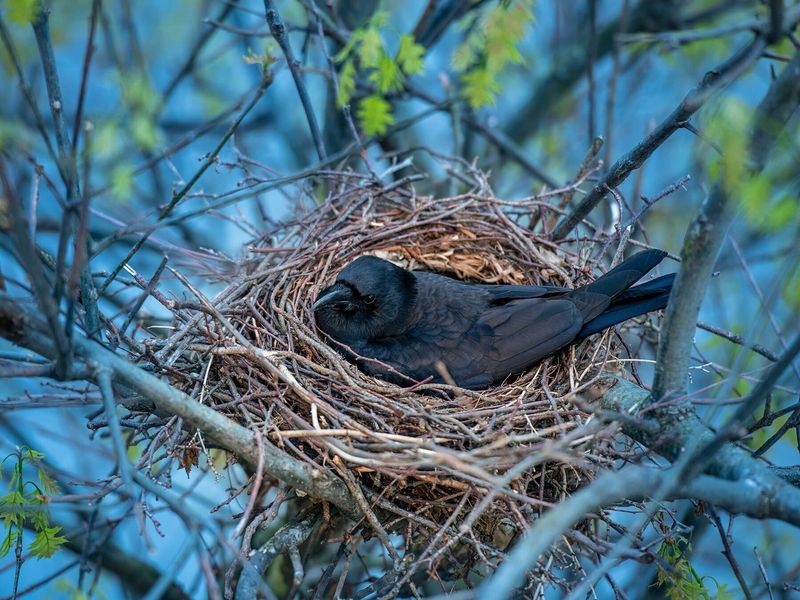
Spring arrives in Pennsylvania and suddenly crows seem to be everywhere, hopping around yards and staring up into trees. This is no coincidence.
From late March through early summer, crows are actively scouting for nesting spots and safe places to roost overnight.
A crow landing in your yard during this time might be checking out the tall trees nearby. American Crows prefer to nest high up in sturdy trees like oaks, maples, and pines, which are all common across Pennsylvania neighborhoods.
Your yard could sit right in the middle of prime nesting territory. Roosting is different from nesting. Roosting means a crow is looking for a safe, comfortable spot to rest, usually at dusk.
Pennsylvania crows sometimes gather in massive communal roosts during fall and winter, with hundreds or even thousands of birds settling into a group of trees together.
If a crow lands and spends time quietly observing the area rather than actively feeding, it is likely scouting. It may be checking sight lines, looking for predators, or measuring the distance to nearby trees. Crows are very strategic about where they settle.
Interestingly, crow families often return to the same nesting area year after year. Young crows from the previous year sometimes even help their parents raise the next batch of chicks.
So a crow in your yard today might become a regular seasonal visitor for many years ahead. If nesting nearby, crows can get a bit loud and protective. They may call out warnings when people or pets come close.
Understanding this seasonal behavior makes it easier to live peacefully alongside these sharp and watchful birds all spring long.
4. Territorial Behavior
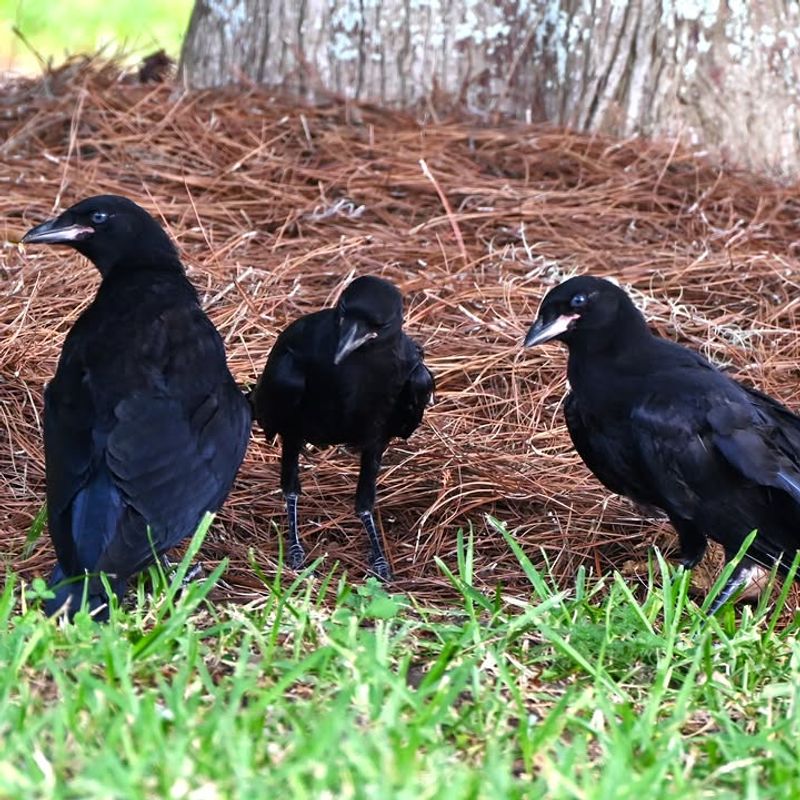
Crows do not just wander around randomly. They know exactly where they are, and more importantly, they know where they belong.
Crows are highly territorial birds, and a crow landing in your yard might simply be doing a neighborhood patrol to make sure everything is in order.
American Crows establish territories that they defend actively. These territories are not just about food.
They are about safety, nesting space, and social standing within their group. A crow that lands and stands tall, looking around with sharp eyes, is very likely marking its presence and checking for anything out of place.
Your pets can trigger this behavior too. Dogs and cats that roam the yard are seen as potential threats by nearby crow families.
You might notice a crow landing close by and calling out loudly before flying off. That loud call is a warning, both to the perceived intruder and to other crows nearby.
Crows also respond strongly to other birds that might compete for space or food. Hawks, owls, and even larger birds can set off a crow patrol.
If you have noticed a crow chasing another bird away from your yard, that is classic territorial behavior in action.
Fun fact: Crows can actually recognize individual human faces. Research has shown that crows remember people who have threatened them and will scold those specific people even years later. So if you have ever bothered a crow, it probably has not forgotten you.
Living near territorial crows is not a problem as long as you respect their space during nesting season.
Give them room, avoid disturbing their trees, and these bold birds will generally leave you alone while keeping watch over the neighborhood like feathered little guards.
5. Social Interaction
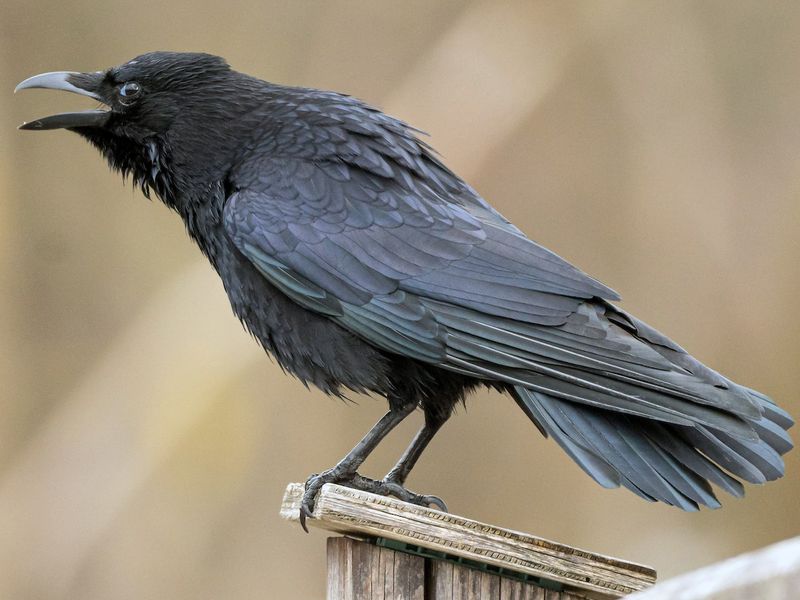
Crows are some of the most socially complex birds in North America. They live in tight family groups, communicate constantly, and rely on each other for safety, food sharing, and raising young.
So when a lone crow lands in your yard, it might actually be part of a much bigger social moment happening nearby.
That single crow could be a scout. Crow families often send one bird ahead to check out a new area before the rest of the group moves in.
If the scout decides the yard is safe and has food, the rest of the family may follow shortly after. Watch the trees around your yard and you will likely spot others waiting quietly.
Crows use a wide range of vocalizations to talk to each other. Short caws, long calls, rattles, and soft murmurs all mean different things.
A crow landing in your yard and calling out is almost certainly communicating something to nearby flock members. It might be saying the area is clear, or it might be calling others to come share a food find.
Body language matters too. Crows puff up their feathers, bow their heads, and spread their wings to signal different things to each other.
Watching these interactions closely can feel like watching a conversation happen right in front of you.
Young crows also use social visits to learn from older birds. A juvenile crow following an adult into your yard is likely watching and copying feeding or foraging behavior.
These learning moments are a huge part of how crow intelligence gets passed down through generations.
Backyard crow watching can become genuinely addictive once you start noticing these social patterns. Each visit tells a small story about family life, communication, and the tight community bonds that make crows such remarkable birds.
6. Cultural Or Symbolic Meaning
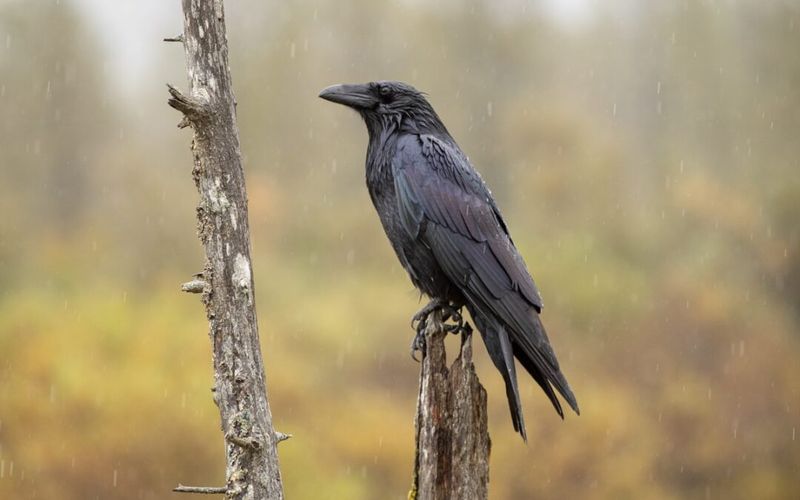
Long before wildlife biology explained crow behavior, people across many cultures were already paying close attention to these sharp black birds.
Crows have appeared in folklore, mythology, and spiritual traditions for thousands of years, and their symbolic meaning is rich and layered in ways that still resonate today.
In many Native American traditions, the crow is seen as a messenger and a keeper of sacred law. It represents intelligence, adaptability, and a deep awareness of the world around us.
Spotting a crow was often considered a call to pay attention to what was happening in your life and surroundings.
Celtic mythology also held crows in high regard, associating them with wisdom, prophecy, and transformation. The idea was that crows could see things others could not, moving between the ordinary world and something deeper.
That reputation for sharp perception has followed crows across cultures and centuries. Even in modern times, many people feel a sense of meaning when a crow lands nearby. Some see it as a nudge to stay alert and observant.
Others interpret it as a reminder to be resourceful and creative when facing challenges. Whether you are spiritual or not, there is something thought-provoking about a crow choosing your yard to land in.
Pennsylvania has a long history of folk traditions and nature-based beliefs, especially in rural communities. Many locals still hold onto the idea that crow visits carry meaning worth reflecting on, even if just as a personal moment of mindfulness.
You do not have to believe in omens to appreciate the symbolic weight crows carry. Sometimes a crow landing in your yard is simply a beautiful reminder to slow down, look around, and notice the natural world unfolding right outside your door every single day.