This Toxic Pennsylvania Tree Gets Less Attention Than A Copperhead
Pennsylvania has some genuinely dangerous wildlife, and most people know the basics.
Copperheads, check. Snapping turtles, noted. But that tree growing along your back fence line? Probably not on anyone’s radar, and that is exactly the problem.
Black locust is one of the most common trees, popping up along roadsides, old fields, and woodland edges like it owns the place.
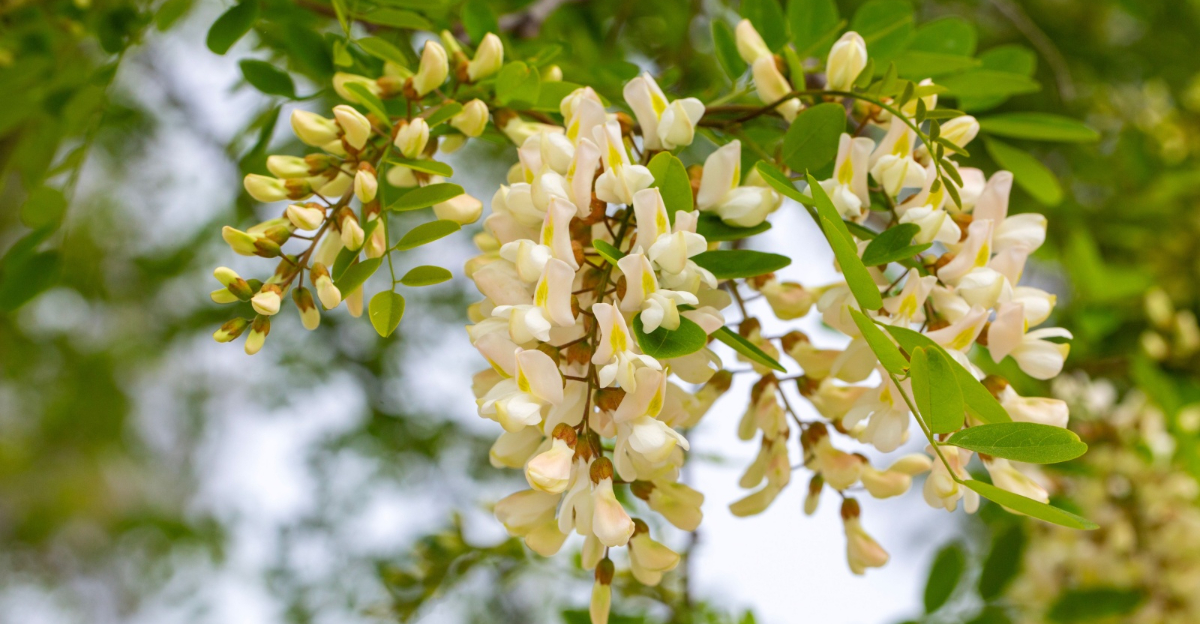
And honestly, it kind of does at this point. In spring it puts out clusters of gorgeous white flowers that smell amazing, which makes it pretty easy to admire without asking too many questions.
Here is the thing though: black locust has a darker side that most Pennsylvania residents know nothing about.
Several parts of this tree are genuinely toxic, and those thorns are not just annoying. They mean business.
1. Black Locust Is More Common In Pennsylvania Than Many Think
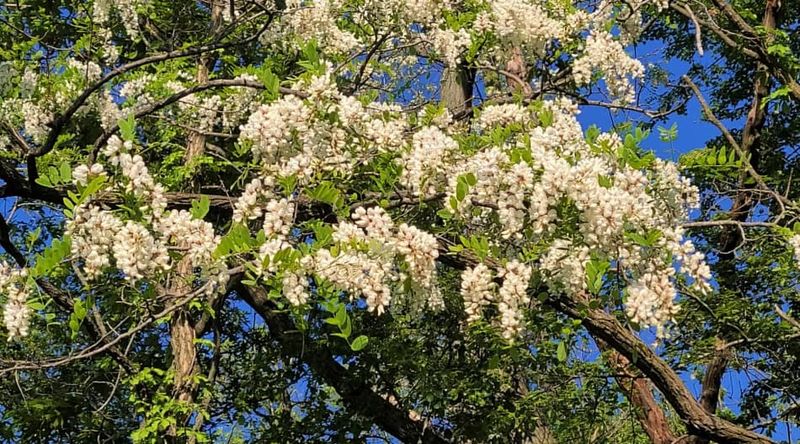
Roadsides throughout Pennsylvania tell a story that most drivers never notice. Black locust trees have spread across nearly every county in the state, growing in places that seem unremarkable at first glance.
Old fields, disturbed roadsides, fence lines, and the edges of woodlands are all typical spots where this tree tends to establish itself without much fanfare.
Originally native to a smaller region of the southern Appalachians, black locust spread rapidly after European settlers began planting it for fence posts and other practical uses.
It naturalized so thoroughly that many people now assume it has always been part of the local landscape.
Its ability to grow in poor soils and recover quickly after being cut back makes it especially persistent.
Because black locust blends into the background so easily, many homeowners and rural landowners may have several of these trees on their property without knowing it.
The tree’s rough, deeply furrowed bark and compound leaves with small oval leaflets are worth learning to recognize.
Once you know what to look for, you may start noticing it in places you have walked past for years without giving it a second thought.
That familiarity, combined with a lack of awareness about its toxic properties, is exactly what makes black locust worth paying more attention to in Pennsylvania landscapes.
2. The Most Toxic Parts Are Easy To Miss
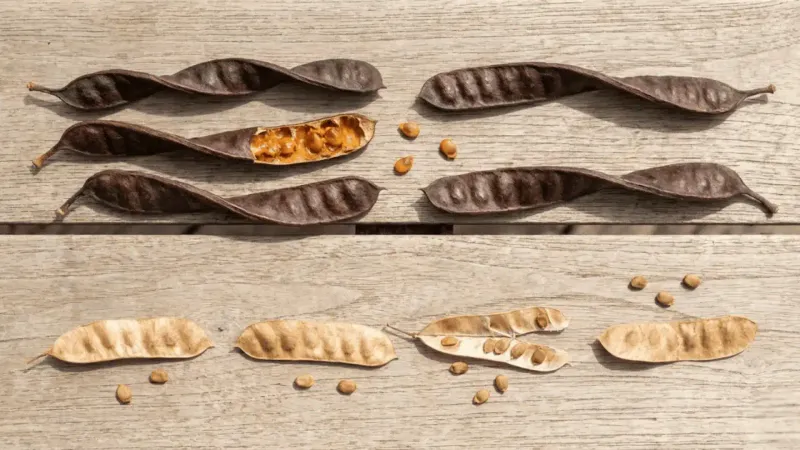
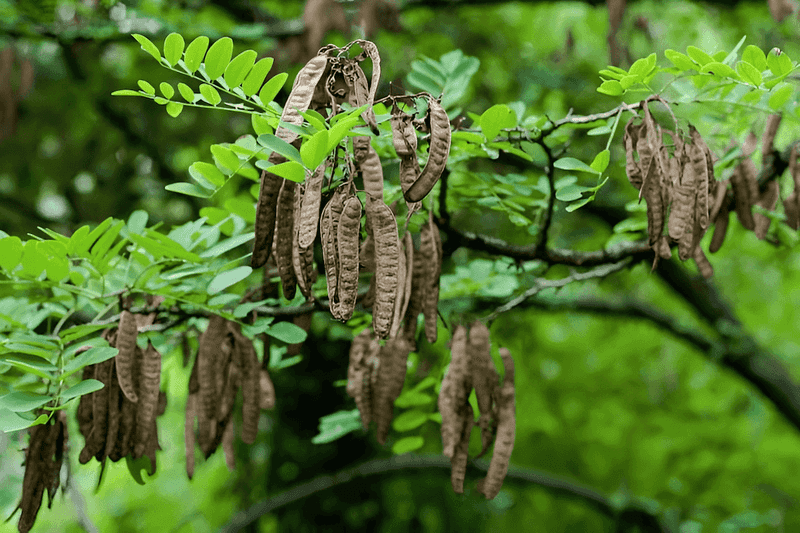
Bark, seeds, leaves, and roots of black locust all contain compounds that can cause real problems when ingested. The seeds are tucked inside flat brown pods that hang from the branches, and the bark has a rough texture that does not look especially threatening.
Neither one screams danger the way a brightly colored warning sign might, which is part of what makes this tree easy to underestimate.
Robinin, a toxic protein found in several parts of the plant, is the compound most often associated with poisoning cases in humans and animals.
Children who chew on the bark or seeds out of curiosity are among the more commonly reported cases of exposure.
Symptoms reported after ingestion have included nausea, weakness, and digestive upset, though the severity can vary depending on how much was consumed and by whom.
Your Pennsylvania Garden Changes Every Week. Your Plan Should Too.
Gardening in Pennsylvania changes quickly throughout the season. Every Friday you’ll receive a simple weekly plan showing exactly what to plant, prune, fertilize, harvest, and protect so you never miss the right timing.
The wood itself and the flowers are generally considered much less of a concern compared to the bark and seeds, but that distinction tends to get lost when people are not aware of the tree at all.
Most people who encounter black locust in a Pennsylvania yard or along a trail are not thinking about plant toxicity in the first place.
Recognizing the pods and the bark for what they are is the first step toward handling this tree with appropriate care rather than casual indifference.
3. Sharp Thorns Add Another Problem
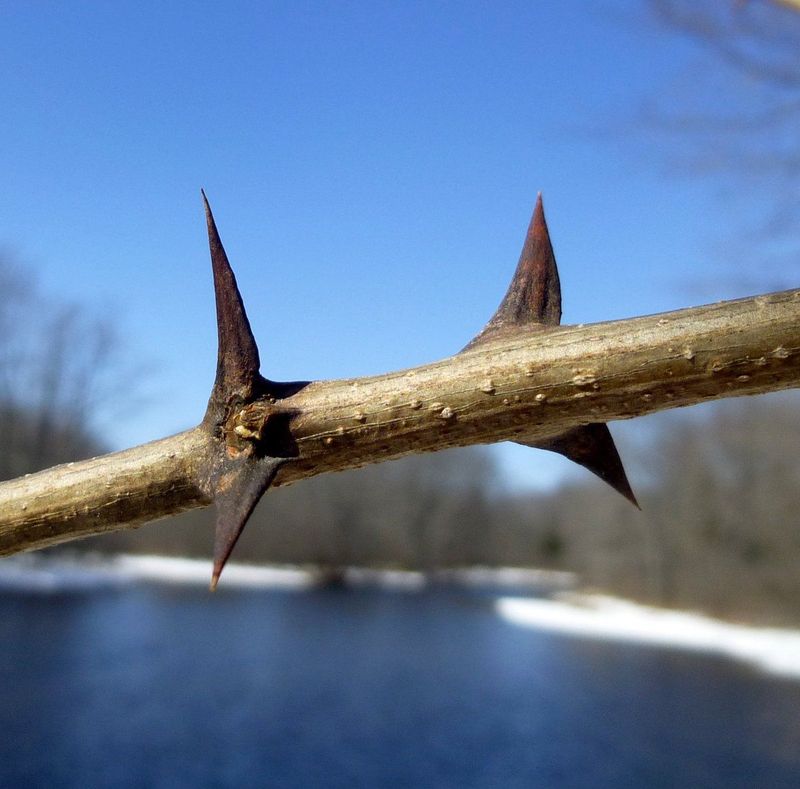
Young black locust trees and new sprouts are armed with paired thorns that grow near the base of each leaf. These thorns are not decorative or subtle.
They are stiff, pointed, and capable of puncturing skin, tearing clothing, and causing painful injuries to anyone who brushes against a branch without expecting it.
What catches many people off guard is that older, mature trees often lose their thorns or have far fewer of them, while younger growth and root sprouts tend to be the most heavily armed.
Black locust spreads aggressively through root sprouting, so a single mature tree can produce a thicket of thorny young stems around its base over time.
In Pennsylvania pastures, along fence rows, and at the edges of trails, these thorny sprouts can create a genuinely unpleasant obstacle.
Anyone clearing brush or pruning around black locust without gloves and sturdy clothing is likely to end up with scratches or punctures.
Thorn injuries from woody plants can introduce bacteria into the skin, so they are worth treating carefully even when they seem minor.
The combination of physical thorns on the outside and toxic compounds in the bark and seeds means black locust presents more than one kind of hazard.
Most people only discover the thorns after the fact, which is a pattern worth breaking with a little advance awareness in Pennsylvania outdoor spaces.
4. Livestock Face A Bigger Risk Around This Tree
Pasture edges in Pennsylvania are one of the more common places where black locust and livestock end up sharing space.
Horses, cattle, and other grazing animals may browse on bark, leaves, or seedpods when other forage is limited, and black locust is not a plant that should be part of their diet in any meaningful amount.
Horses appear to be among the more sensitive animals when it comes to black locust exposure.
Cases of poisoning in horses have involved symptoms such as loss of appetite, weakness, and digestive disturbance after animals chewed on bark from young trees or fencing made from the wood.
The risk tends to go up during dry spells or in overgrazed pastures where animals are more likely to investigate whatever is growing along the fence line.
Pennsylvania horse owners and small farmers who have black locust growing near their grazing areas are worth taking a closer look at what is within reach of their animals.
Clearing young sprouts from pasture edges, checking fence lines for bark that animals can access, and making sure livestock have adequate forage so they are less likely to browse on unfamiliar plants are all practical steps that can reduce exposure.
The tree’s widespread presence across rural properties means this is a more common situation than many livestock owners might expect.
5. New Growth Can Be More Harmful
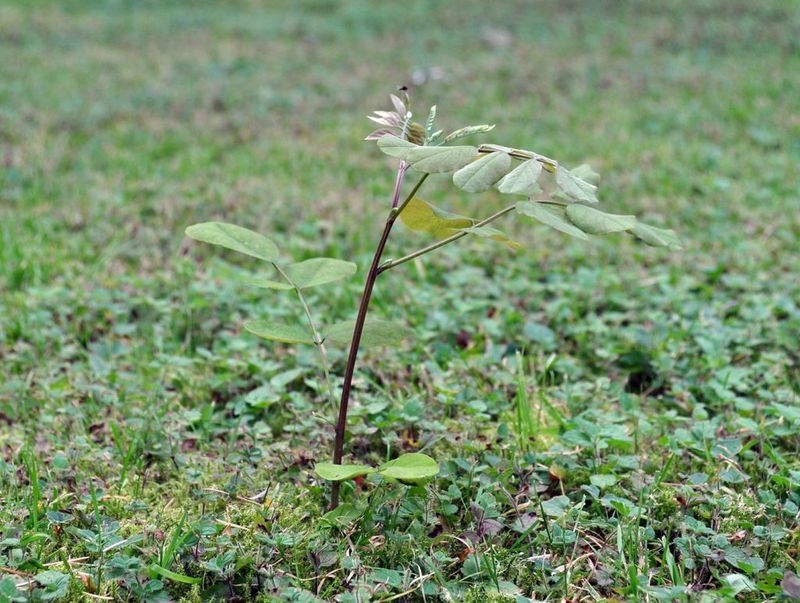
Fresh sprouts shooting up from black locust roots are some of the most overlooked hazards this tree produces.
These new stems tend to carry a higher concentration of toxic compounds compared to mature wood, and they also tend to have the sharpest thorns.
That combination makes young growth something worth recognizing rather than simply pulling at with bare hands.
Black locust is well known for its ability to resprout vigorously after being cut. When a tree is trimmed back or removed, the root system often responds by sending up a flush of new growth from the base or from lateral roots spreading outward.
In Pennsylvania landscapes, this means that managing black locust is not usually a one-time task. The sprouts keep coming, and they need to be addressed repeatedly over time.
Landowners who have cut down black locust trees and assumed the job was finished sometimes find themselves dealing with dense thickets of new growth within a single growing season.
Children and pets exploring a yard or a wooded edge may encounter these low-growing sprouts without anyone realizing what they are.
Being able to identify young black locust growth by its small oval leaflets and paired thorns gives Pennsylvania homeowners a meaningful head start on managing this persistent and underestimated plant before it becomes a more complicated problem to handle.
6. The Flowers Can Distract From The Risk
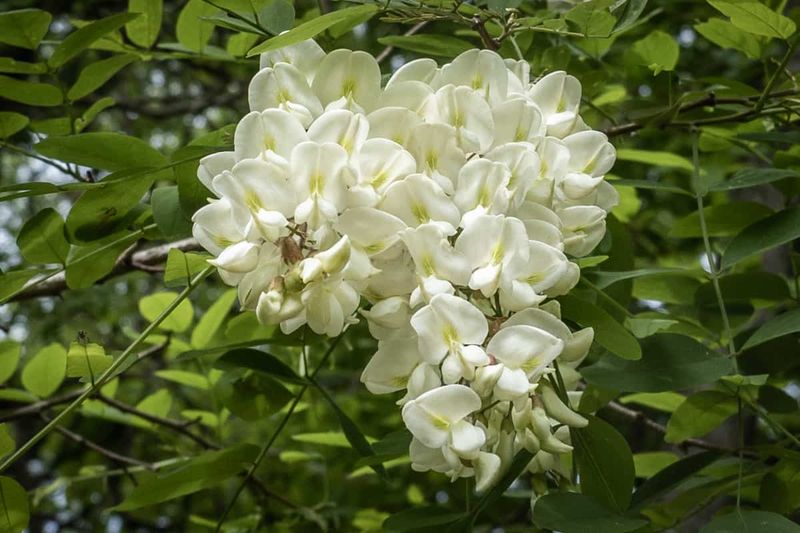
Every spring, black locust puts on one of the more striking floral displays of any tree growing in Pennsylvania. The drooping clusters of creamy white flowers are fragrant, visually appealing, and genuinely beautiful.
They attract pollinators and produce a honey that beekeepers in the region have long valued. It is easy to understand why people stop to admire them rather than thinking critically about the tree they hang from.
The flowers are actually considered the least problematic part of the plant from a toxicity standpoint, and that is part of what creates a misleading impression.
Someone who knows the flowers are relatively harmless may assume the rest of the tree follows the same pattern.
That assumption does not hold up when you look at the bark, seeds, and leaves, which tell a very different story.
Spring is also when black locust becomes most visible and most likely to draw attention in Pennsylvania woodlands, roadsides, and yards. People notice the blooms, appreciate the scent, and may even look up what tree is flowering so beautifully.
What they are less likely to do in that moment is read further and learn about the toxic properties that come with the same plant.
The flowers are a reasonable entry point for curiosity, but they work best as the beginning of a fuller understanding of black locust rather than the end of one.
7. Black Locust Gets Less Caution Than It Should
Snakes, poison ivy, and stinging insects tend to get most of the attention when residents think about outdoor hazards. Trees rarely make that mental list, even when they have real characteristics worth being aware of.
Black locust has been growing quietly in Pennsylvania landscapes for generations, and most people have simply never been told that it deserves a second look.
Part of what keeps awareness low is that serious human poisoning cases from black locust are not especially common. The tree is not responsible for dramatic headlines, and most encounters with it do not result in any harm at all.
But that does not mean the risks are imaginary. Children, curious animals, and people handling the plant without gloves or protective clothing can all run into problems that a little basic knowledge would help prevent.
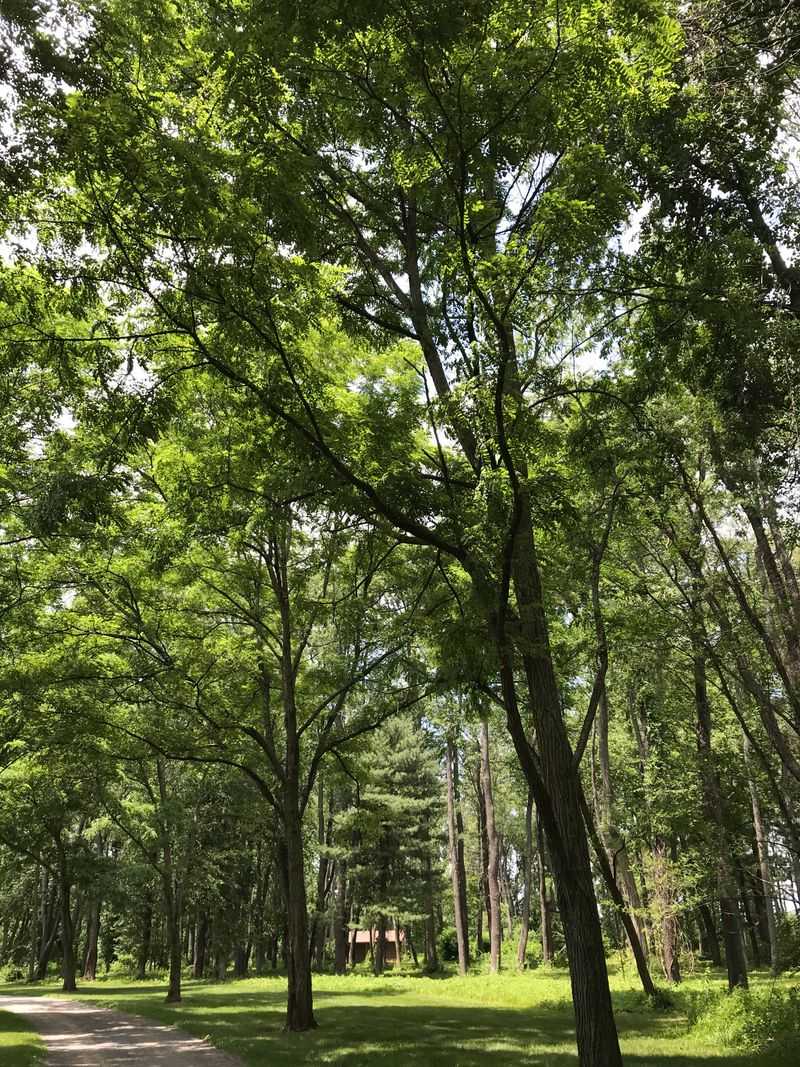
Recognizing black locust by its bark, its compound leaves, its thorny young growth, and its hanging seed pods is a practical skill for anyone spending time in Pennsylvania’s rural edges, wooded trails, or even suburban backyards where this tree has found a foothold.
Treating it with the same thoughtful awareness you might give to any plant with known toxic properties is a reasonable and grounded response.
Black locust is not a tree to panic over, but it is one that residents would be better served knowing by name and by nature.