You Won’t Believe This Vine Exists In Florida (It Can Swallow A Full Fence In One Summer)
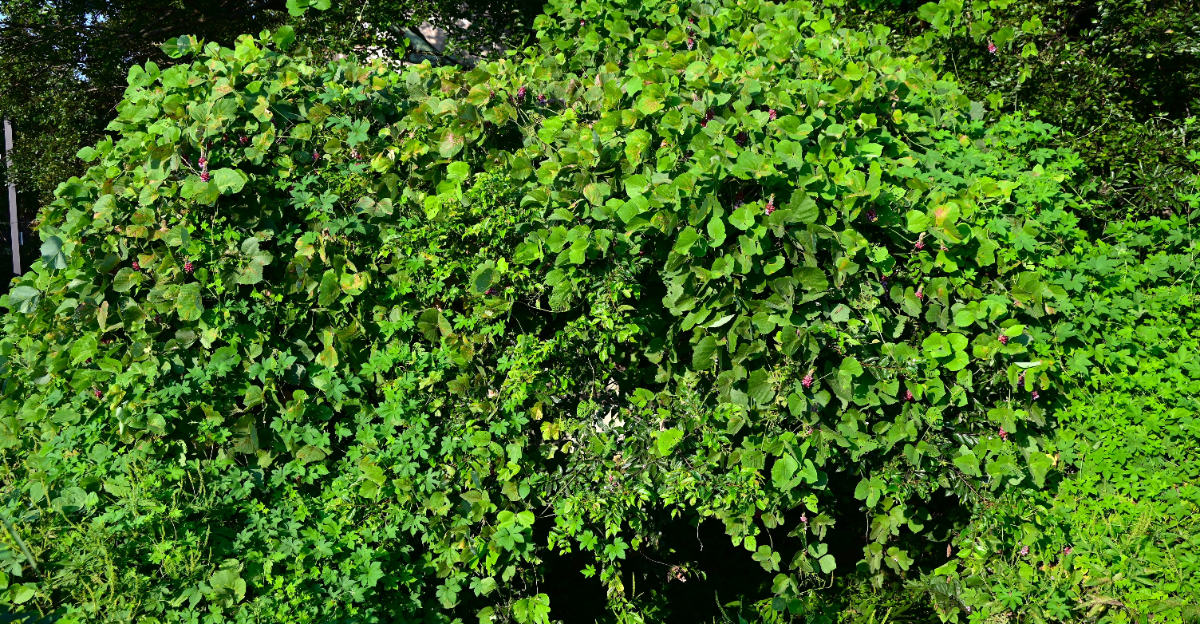
Florida has met some aggressive plants in its time. But nothing quite prepared the state for a vine so relentless and genuinely unstoppable.
Entire trees, fences, telephone poles, and abandoned buildings have disappeared underneath it. Not over years.
Over a single summer. This is not an exaggeration.
Scientists have clocked it growing a foot per day under the right conditions. A foot.
Per day. If you have driven through parts of Florida and noticed what looks like a green blanket swallowing everything in sight, you have already seen it.
Most people just did not know what they were looking at. This vine has a reputation that sounds like something out of a nature documentary, and honestly, it earns every bit of it.
The story of how it got here, why it spread so fast, and what it is actually doing to Florida is something else entirely.
1. Kudzu Can Grow So Fast It Feels Unreal
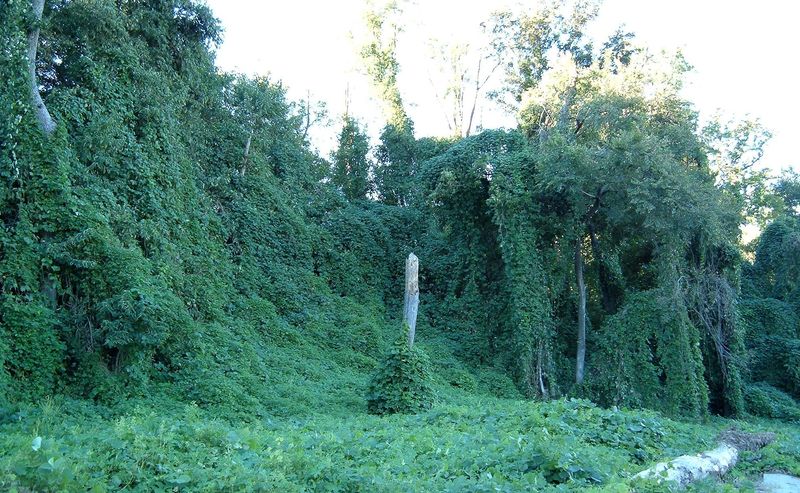
Imagine waking up one morning and noticing a vine has crept several inches further up your fence overnight. That is not a gardening horror story.
That is just kudzu doing what kudzu does best. According to UF/IFAS, this vine can grow up to one foot per day under the right conditions.
In this state, that means warm temperatures, high humidity, and the long rainy season that stretches through summer.
That kind of growth rate changes everything about how you think of a vine. A small patch that looks manageable in May can look completely out of control by August.
The warm, wet climate across much of this state creates nearly ideal conditions for rapid vine expansion along fences, roadsides, disturbed soil, and open woodland edges.
What makes the speed even more surprising is how deceptively small a young kudzu plant looks when it first appears. A few leaves poking up near a fence post can seem harmless for weeks, right up until the rainy season kicks in and the vine starts racing.
Gardeners who have dealt with kudzu before often describe the experience as watching growth happen almost in real time during peak summer weeks.
Checking suspected areas regularly during warm months gives you a much better chance of catching it before the growth becomes genuinely hard to manage.
2. A Fence Can Disappear Under One Summer Of Vines
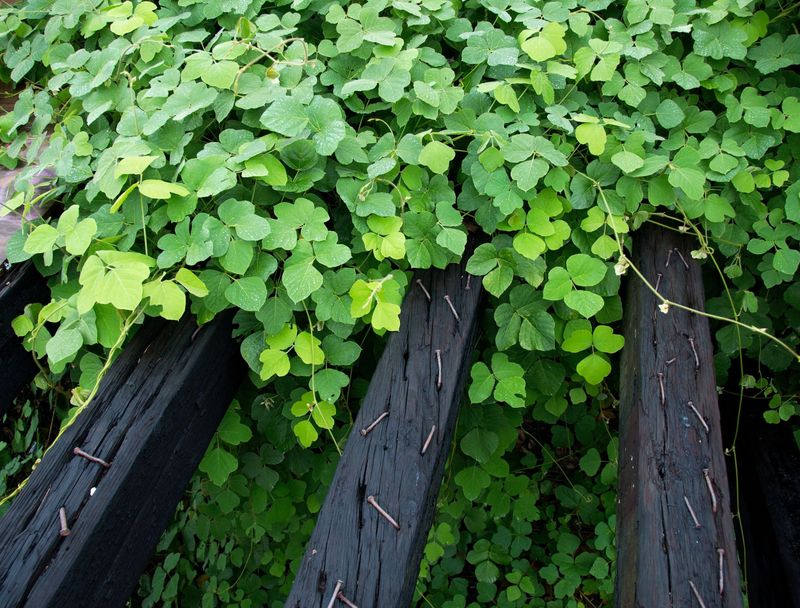
Calling it a “fence swallower” is not an exaggeration. A full season of unchecked kudzu growth can cover a fence so completely that the structure beneath becomes nearly invisible from a few feet away.
The vines climb, sprawl, and layer on top of each other, creating a dense green curtain that wraps around posts, rails, and crossbars with surprising thoroughness.
The word “swallow” is worth unpacking, though. Kudzu does not magically dissolve a fence overnight.
What actually happens is a slower but still dramatic process where the vines pile on weight, trap moisture, and block visibility. They also make routine maintenance much harder.
A fence hidden under thick vine growth can develop rust, rot, or structural weakness that goes unnoticed simply because no one can see or reach it easily.
Your Florida Garden Changes Every Week. Your Plan Should Too.
Gardening in Florida changes quickly throughout the season. Every Friday you’ll receive a simple weekly plan showing exactly what to plant, prune, fertilize, harvest, and protect so you never miss the right timing.
Moisture buildup under dense vine coverage is a real concern in this state’s humid climate. Wood fences can absorb that trapped moisture over weeks and months, which speeds up decay.
Metal fences are not immune either, since standing moisture accelerates rust in ways that are hard to spot until the damage is already done. Keeping fence lines clear is not just about appearance.
It is about protecting a structure that costs real money to replace. Catching kudzu growth early along fence lines is one of the most practical reasons to stay alert.
3. Deep Roots Make Kudzu Hard To Pull For Good
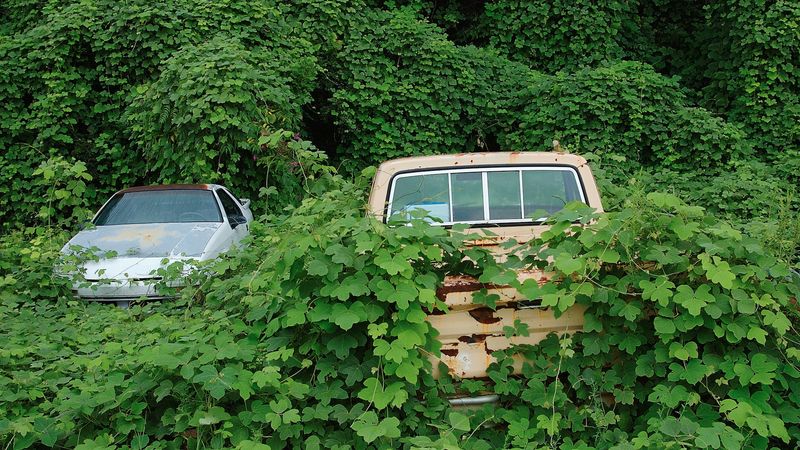
Pulling a kudzu vine and feeling like you have solved the problem is one of the most common mistakes gardeners make with this plant. The visible top growth is only part of what you are dealing with.
Below the surface, kudzu develops a deep, starchy root system with a crown that can store energy and send up new growth even after the above-ground vines are removed.
This regrowth ability is exactly why casual hand-pulling or a single round of cutting rarely handles an established patch. Roots and crowns left in the soil can sprout again, sometimes within days during warm, wet conditions.
UF/IFAS and Extension specialists consistently point out that small, young seedlings are far easier to manage than established plants with developed root systems.
Getting to kudzu early, before those roots deepen, is genuinely one of the most effective strategies available.
For larger or more established patches, following guidance from UF/IFAS Extension or your county Extension office is strongly recommended before taking action.
Extension specialists can advise on appropriate management options for your specific situation, including whether professional help makes sense.
Attempting to handle a mature patch without proper guidance can sometimes make the problem worse or leave enough root material behind to restart growth.
Reliable, source-backed advice is always worth seeking before committing to a control plan for this persistent vine.
4. Purple Flowers Hide A Serious Invasive Problem
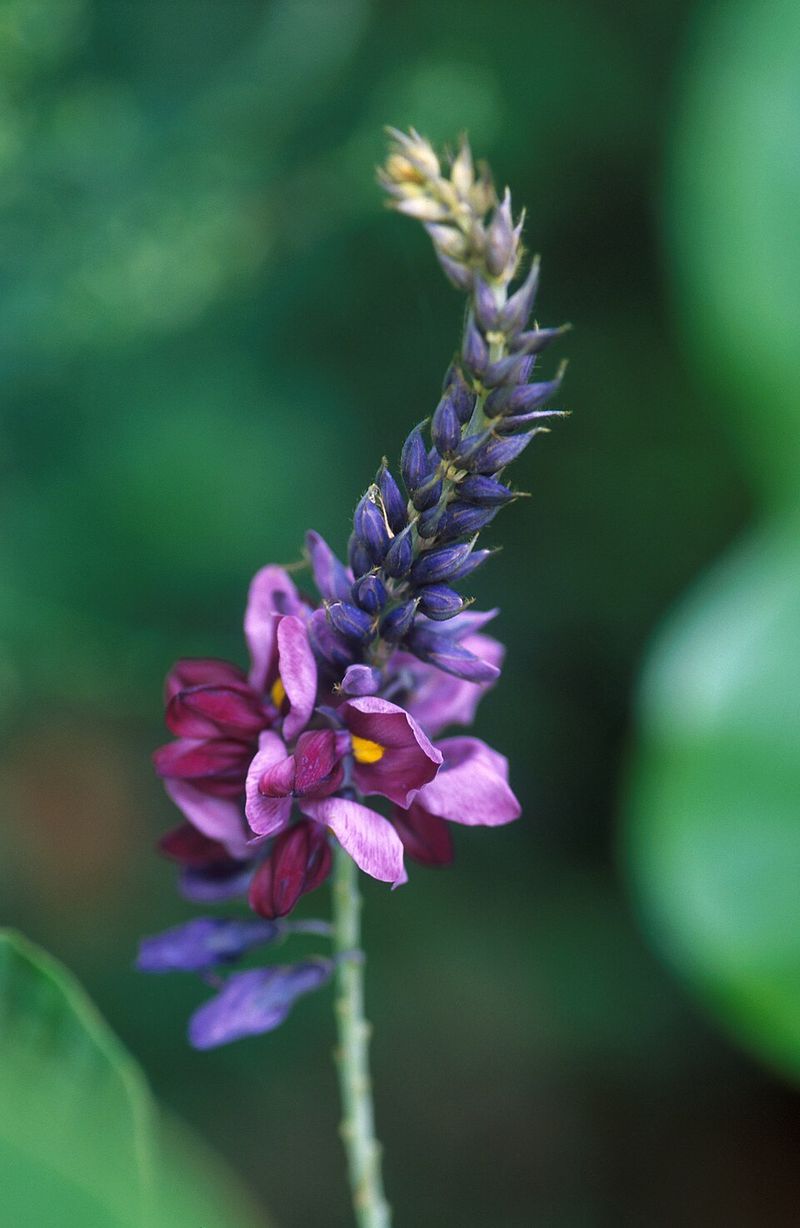
Late summer brings one of kudzu’s most surprising features: clusters of small, purple, pea-like flowers that smell faintly of grape candy.
The blooms are genuinely pretty, and that is exactly what makes them confusing for gardeners who stumble across a flowering vine.
They may assume something that beautiful must be harmless or even desirable.
Kudzu belongs to the legume family, and its flowers reflect that connection clearly. The blossoms appear in upright clusters and can attract pollinators, which adds to the plant’s misleading appeal.
Seeing butterflies or bees near a flowering vine can make it feel almost like a garden asset. It is not.
The Florida Invasive Species Council lists kudzu as a Category I invasive plant, meaning it has been documented disrupting native plant communities in this state.
Planting kudzu intentionally, even for the flowers, is something to avoid completely. The vine’s ability to spread, root, and overtake an area far outweighs any visual appeal the blooms provide.
Correct identification matters here because other flowering vines exist that are far safer choices for yards in this state. If you spot a purple-flowering vine climbing along a fence or treeline during late summer, do not draw conclusions too quickly.
Getting a positive identification is a smart first move. Your county Extension office can help confirm what you are looking at and advise on next steps.
5. Shade And Smothering Turn Growth Into Damage

One of the more dramatic things kudzu can do in an unmanaged area is climb into the canopy of a tree and spread across the upper branches like a heavy green cape.
Once it reaches that height and density, the vine shades out the tree’s own leaves, reducing the tree’s ability to photosynthesize effectively.
Over time, this shading pressure can seriously weaken the tree.
Shrubs and low-growing native plants along fence lines and woodland edges face a similar problem. Kudzu vines can blanket ground-level vegetation quickly, cutting off sunlight and crowding out plants that would otherwise thrive.
Roadsides, vacant lots, and disturbed soil areas are especially vulnerable because those spaces often lack the regular maintenance that would catch early growth.
In a home landscape, this matters beyond the obvious visual impact. Losing established shrubs, native ground covers, or young trees to vine coverage represents real cost and real ecological loss.
Native plants along property edges support local wildlife and help manage soil erosion, so losing them to an aggressive vine has effects beyond just aesthetics.
Checking shaded corners of your yard, the back of fence lines, and areas near woodland edges during the growing season gives you a chance to spot kudzu coverage early.
You can catch it before it climbs high enough to cause serious shading damage to plants you actually want to keep.
6. Small Patches Should Never Be Ignored
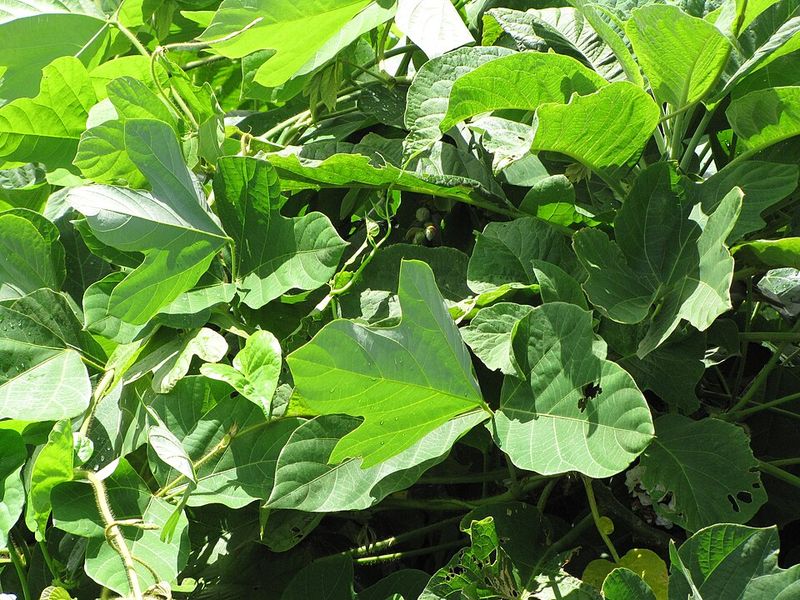
Spotting a small cluster of three-lobed leaves near a fence post can feel like no big deal. That is especially true during a busy gardening season when a dozen other tasks are already waiting.
That small patch, though, is exactly the moment when action is most effective and most manageable. Young kudzu plants with shallow root systems respond far better to early removal efforts than established vines with deep crowns.
Knowing where to look helps. Kudzu tends to show up first along disturbed soil, property edges, rights-of-way, roadsides, vacant lots, and the shaded margins where a yard meets a wooded area.
Fence lines are a classic starting point because the structure gives the vine something to grab onto immediately.
Walking those edges a few times during the growing season, especially after heavy rain periods, gives you a realistic chance of catching new growth early.
A patch that covers a square yard today can cover a much larger area by the end of the summer if warm, wet conditions continue.
Acting quickly, even if that just means contacting your county Extension office for identification confirmation and advice, puts you ahead of the problem.
Waiting to see if it spreads further almost always makes the situation harder to address. Early detection is genuinely one of the most practical tools available for managing this vine before it becomes a larger property concern.
7. Cutting Alone Usually Does Not Stop The Comeback
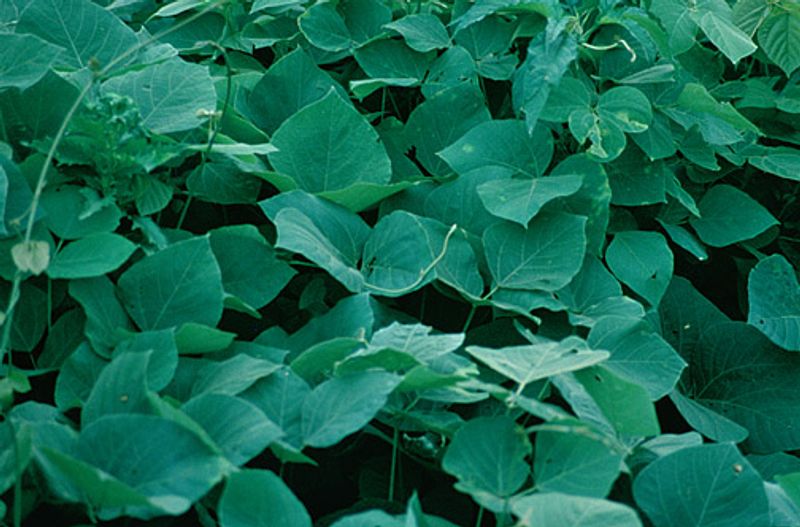
Running a mower over a kudzu patch or cutting back the vines with pruners can make the area look tidier for a few weeks. That visual improvement is real, but it is also misleading.
The root crown sitting below the soil surface is largely unaffected by top growth removal. Under warm, wet conditions, new shoots can emerge from the crown surprisingly fast after cutting.
Repeated cutting over a long period can gradually weaken an established plant by forcing it to draw down its stored root energy again and again.
That approach takes persistence and consistency over multiple growing seasons, and results vary depending on how established the root system is.
A vine that has been growing undisturbed for several years has built up substantial energy reserves that are not easily exhausted by a single season of cutting.
Extension specialists and UF/IFAS resources consistently emphasize that managing established kudzu patches often requires a longer-term strategy. It usually takes multiple methods rather than a one-time fix.
For homeowners dealing with a significant patch, consulting your county Extension office before starting a management plan is practical. It can save time and effort.
Professionals with experience in invasive plant management can assess the situation. They can recommend approaches suited to the size and location of the patch on your specific property.
8. Fast Reporting Helps Keep Kudzu From Spreading
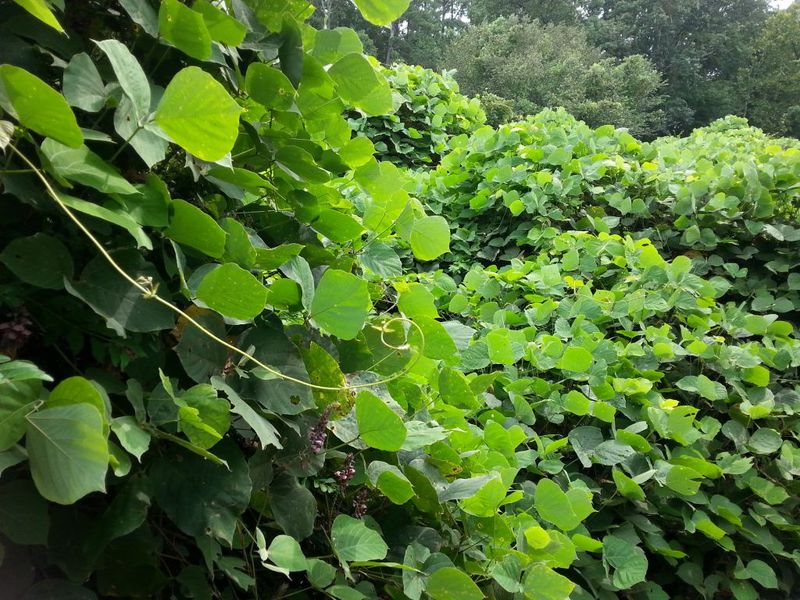
Suspecting you have kudzu growing on your property is worth acting on quickly, and the first practical step is making sure you have the right plant. Kudzu has some look-alikes, including other three-lobed vines.
Getting a confident identification before reporting or attempting management protects you from wasting effort on the wrong plant. Your county Extension office can help with identification through photos or in-person visits.
Once identification is confirmed, reporting the location through tools like EDDMapS helps researchers and land managers understand where kudzu is spreading. EDDMapS tracks invasive species sightings across the state and region.
That kind of community data is genuinely useful for prioritizing management efforts in natural areas and along public rights-of-way. Avoiding the spread of plant material matters too.
Moving vines, soil, or cuttings from a kudzu patch to another area of your yard or a neighbor’s property can accidentally relocate the problem.
Never plant kudzu intentionally, even if someone offers it as a fast-growing privacy screen or erosion cover. The Florida Invasive Species Council and UF/IFAS both caution against planting it for any reason.
Connecting with your local Extension office, the Florida Department of Agriculture and Consumer Services, or a county invasive plant program gives you access to current guidance. That guidance is reliable and specific to your region.
Reporting correctly and acting early are two of the most community-minded things a gardener can do when this vine shows up.