Swap These Struggling Vegetables For The Ones That Actually Thrive In Pennsylvania Raised Beds
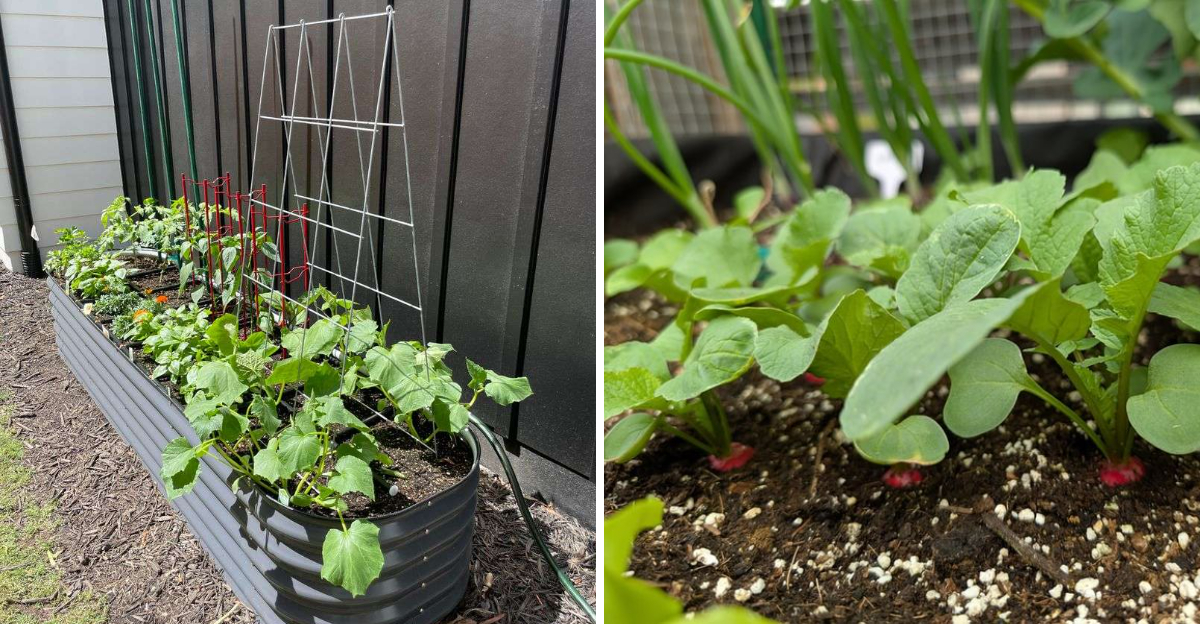
Raised beds are supposed to make gardening easier. Better drainage, warmer soil, fewer weeds, full control over what goes in the ground. The setup is practically designed for success.
So why do so many Pennsylvania gardeners end up with the same story every June? Something looks promising in May, then stalls, and by August the bed is a mix of mediocre harvests and frustration.
The raised bed is not the problem. The plant list usually is.
Certain vegetables simply do not belong in a raised bed in Pennsylvania, and not because they are difficult crops in general.
They fail specifically because of how they interact with limited space, shallow soil depth, or the state’s particular combination of late frosts and short warm windows.
Now, do you know which ones are working against you?
Swapping them out does not require starting over or learning new techniques. It requires knowing which plants actually suit the setup you already have.
Eight swaps. Each one trades a reliable disappointment for something that genuinely produces.
1. Swap Space Hungry Corn For Bush Beans
Corn in a raised bed is one of those ideas that sounds reasonable until you understand how corn actually works.
Corn is wind-pollinated, which means it needs to be planted in large blocks, not single rows, for pollination to succeed.
Without enough plants surrounding each other, the ears come in sparse and patchy. A minimum block of at least four rows in each direction is what it takes to get reliable results, and that footprint simply does not fit most raised beds.
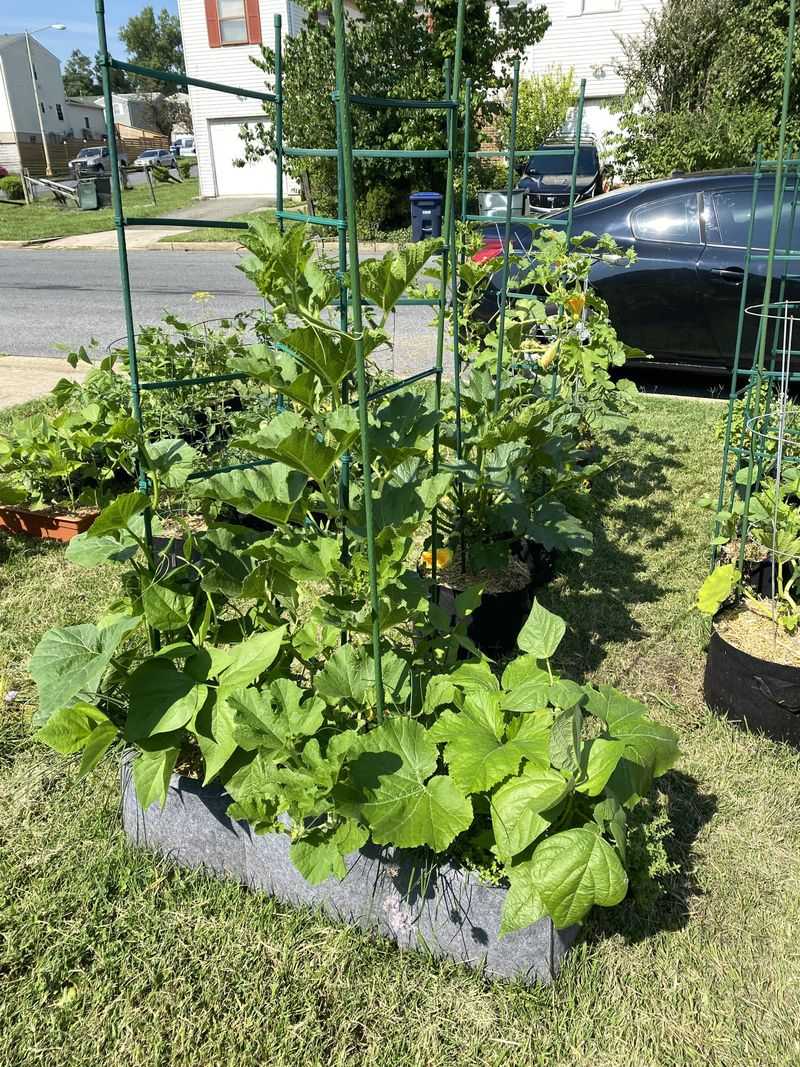
Bush beans are a fundamentally different proposition. They are compact, self-pollinating, and genuinely productive in small spaces.
A four-by-eight raised bed holds two or three short rows comfortably and can deliver a generous harvest in 50 to 60 days.
They also fix nitrogen in the soil as they grow, which feeds the next crop in the same bed without any additional input from the gardener.
Sow seeds directly after the last frost, which falls between late April and mid-May across most of Pennsylvania depending on county.
Plant about an inch deep and space seeds three to four inches apart. Consistent moisture during germination makes a real difference in how evenly the row establishes.
Avoid planting near onions or garlic, which can slow bean development noticeably. Succession planting every two to three weeks extends the harvest through summer without requiring additional space.
Corn needs a field. Bush beans need a raised bed. These are not the same category of crop, and treating them like they are leads to the same disappointing result every time.
2. Trade Fussy Celery For Fast Growing Lettuce
Celery has a reputation among experienced gardeners, and it is not a warm one.
It demands 130 to 140 days of growing time, requires consistently moist soil throughout, and struggles when temperatures swing in either direction.
Pennsylvania’s unpredictable spring and early summer conditions make hitting that narrow window reliably difficult. Most years, something goes slightly wrong, and the celery reflects it.
Your Pennsylvania Garden Changes Every Week. Your Plan Should Too.
Gardening in Pennsylvania changes quickly throughout the season. Every Friday you’ll receive a simple weekly plan showing exactly what to plant, prune, fertilize, harvest, and protect so you never miss the right timing.
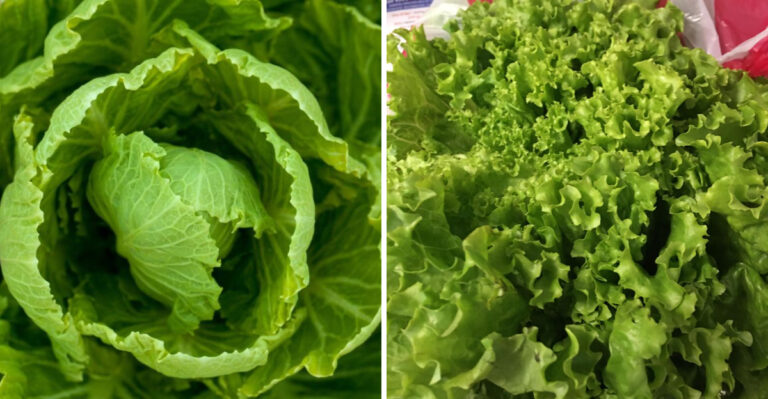
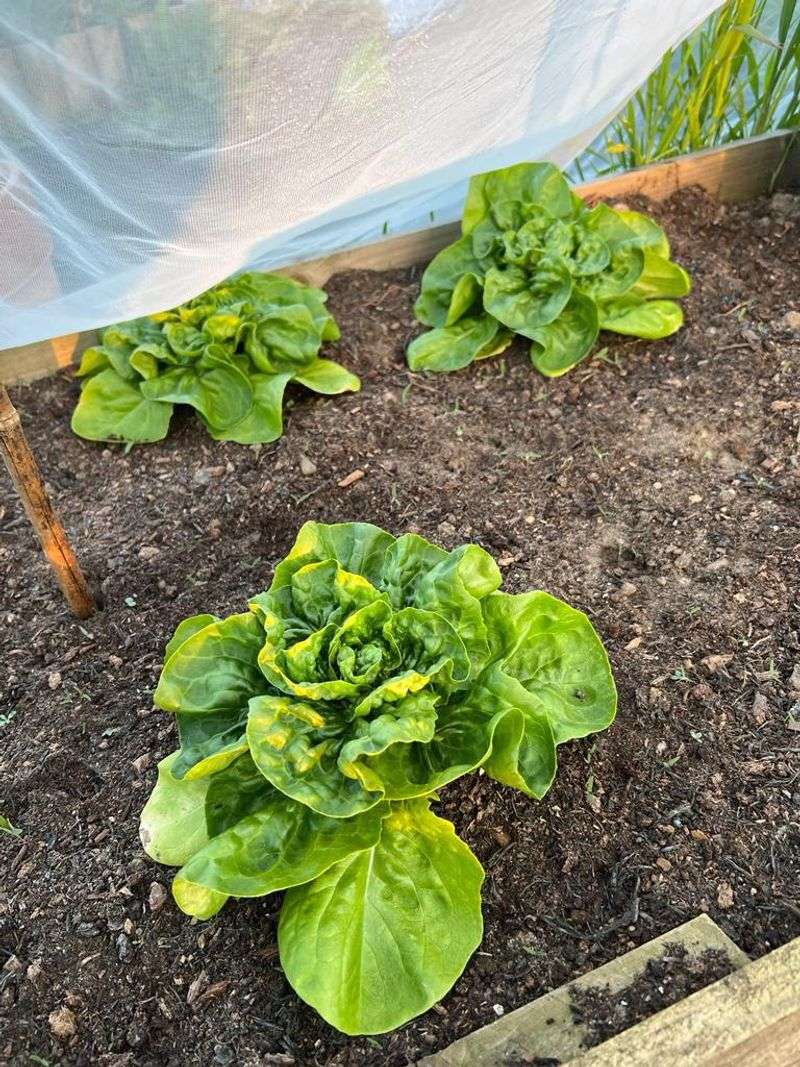
Lettuce is essentially the opposite. It is a cool-season crop that germinates quickly and matures in 30 to 60 days depending on variety.
Leaf lettuce tolerates light frosts, which means planting can start outdoors in early April. A second sowing in late August delivers a fall harvest. That gives Pennsylvania gardeners two productive windows that celery cannot offer either of.
Raised beds suit lettuce particularly well. They warm up faster in spring and drain reliably, which prevents the soggy roots that cause problems in flat ground plots.
Sow seeds about an eighth of an inch deep and space transplants or seeds six to eight inches apart for loose-leaf types.
Keep the bed lightly moist and consistent. A shade cloth during warmer weeks delays bolting and keeps leaves tender longer into the season.
Lettuce is fast, forgiving, and genuinely rewarding in a raised bed setup.
Celery is technically possible in Pennsylvania. So is a lot of things that are not worth the effort. Lettuce does not make you choose between those categories.
3. Replace Long Season Melons With Summer Squash
Melons look outstanding in seed catalogs. They are considerably less impressive in a Pennsylvania raised bed by August.
Most varieties need 80 to 100 frost-free days to ripen, vines that stretch six to eight feet in every direction, and consistently warm soil throughout.
The space demand alone disqualifies most raised bed setups before the season even starts. Getting to the end of the growing window with a fully ripe melon is possible, but the amount of bed you surrender for that outcome is rarely justified.
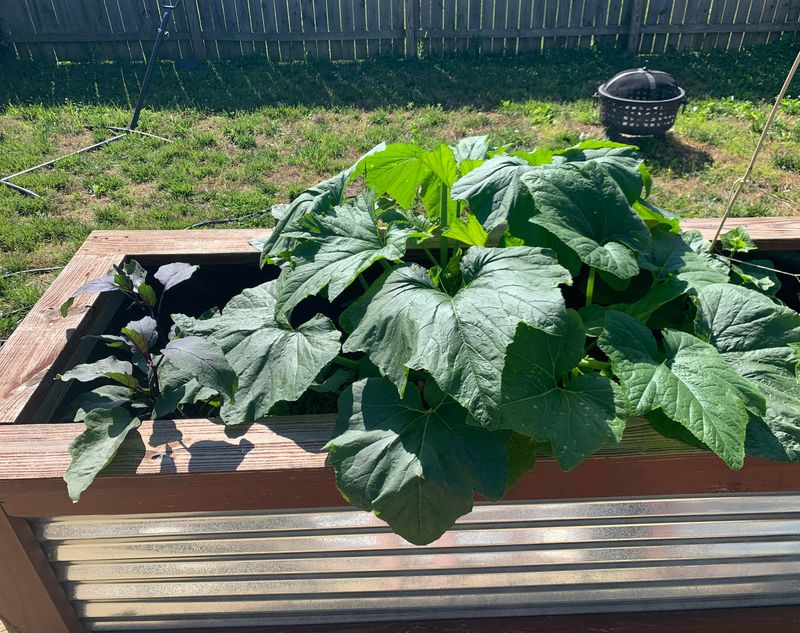
Summer squash delivers fast and generously. Zucchini and yellow crookneck mature in 50 to 65 days and produce continuously through summer as long as harvesting stays consistent.
One plant per raised bed section is often more than enough given how large the leaves and canopy grow.
Plant seeds or transplants after the last frost date, spaced at least twenty-four to thirty-six inches apart. The excellent drainage that raised beds provide naturally helps prevent crown rot at the soil line, which is one of squash’s main vulnerabilities in wetter conditions.
Check plants every two days once fruiting begins. Squash left on the vine too long turns tough and signals the plant to slow production. Harvesting young keeps flavor and texture at their best and keeps the plant actively producing.
Melons are a project. Summer squash is a harvest. Pennsylvania raised beds work significantly better with the second category.
4. Skip Crowded Pumpkins And Plant Compact Cucumbers
Pumpkins are genuinely beloved, and raised beds are genuinely wrong for them.
Standard varieties send vines 10 to 20 feet in every direction. Even compact or bush types need more horizontal space than most raised beds can provide without sacrificing everything around them.
Trying to contain a pumpkin vine in a four-by-eight bed typically ends with the vine draping over the sides and colonizing whatever is nearby.
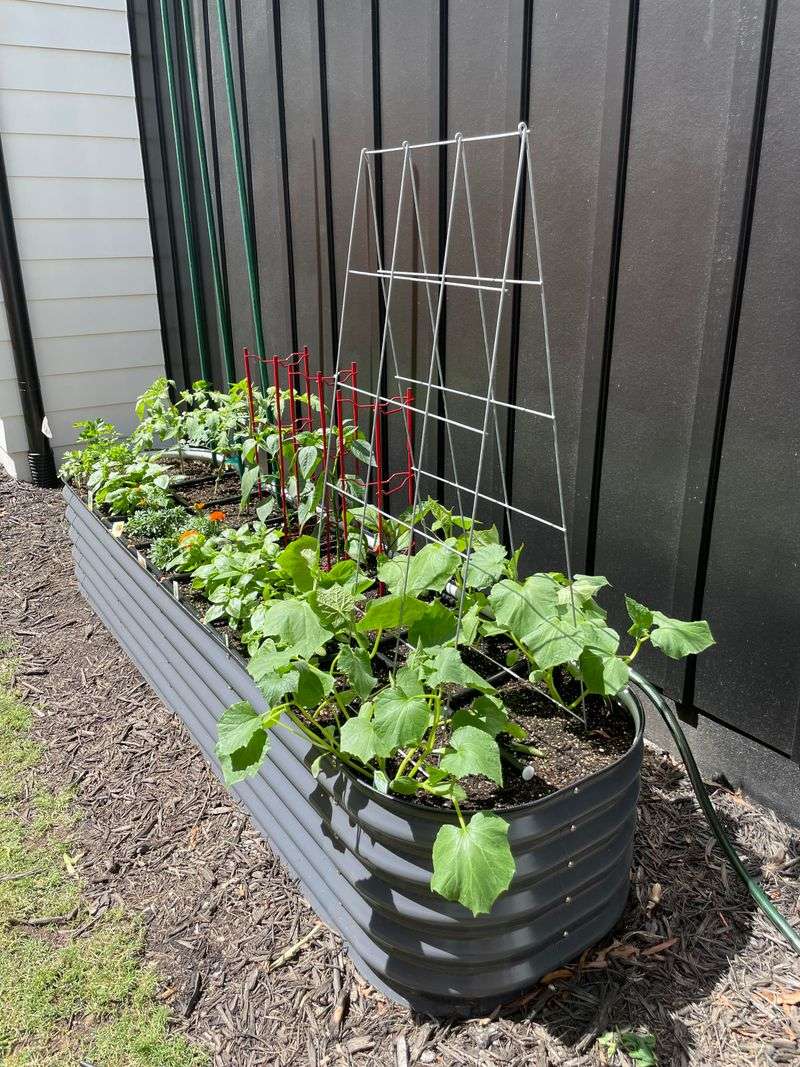
Cucumbers fit the raised bed format considerably better, especially when grown vertically. Bush varieties like Spacemaster or Salad Bush stay compact and perform well without a trellis.
Vining varieties trained up a simple trellis or cattle panel arch save ground space and actually improve airflow around the plants at the same time.
The warm, well-drained soil that raised beds provide naturally suits cucumbers well. Start seeds or transplants after the last frost, spacing plants 12 inches apart along the base of a support structure.
Consistent moisture matters significantly for cucumbers. Uneven watering leads to bitter fruit, which is one of the more disappointing outcomes in a vegetable garden.
Cucumbers perform best when daytime temperatures stay between 65 and 90 degrees Fahrenheit, which aligns well with Pennsylvania’s main summer window.
Harvest when fruit reaches full size but before it yellows. That timing keeps the plant producing steadily rather than shifting its energy toward seed development.
Pumpkins need space that raised beds cannot give. Cucumbers need exactly what raised beds already offer. The swap practically makes itself.
5. Move Struggling Cauliflower Aside For Kale
Cauliflower has a very specific set of requirements and an impressive ability to produce nothing when any one of them is not met.
Heat causes the head to button, forming a small, loose curd instead of a tight, full one. Cold at the wrong stage can damage the developing head entirely.
The window it requires is cool but not freezing, and that window needs to hold long enough for a full head to form.
In Pennsylvania, where spring weather moves unpredictably, hitting that timing consistently is harder than it appears on paper.
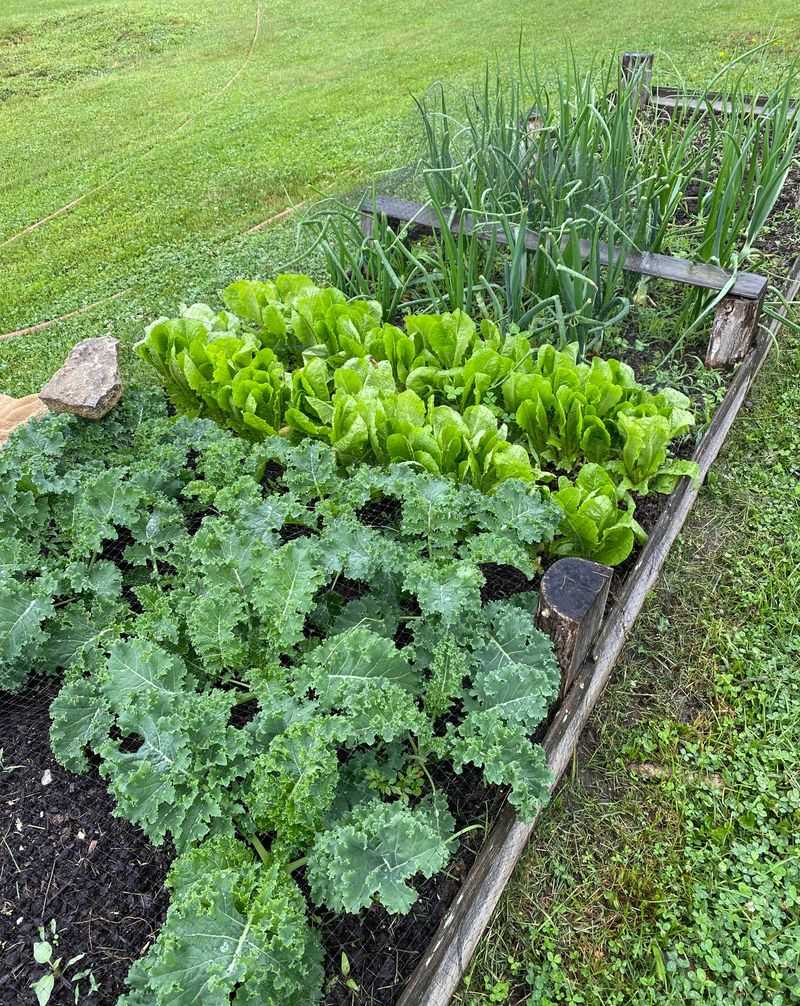
Kale operates on entirely different terms. It handles light frosts without any visible stress and actually improves in flavor after cold exposure, converting starches to sugars in response to chilling temperatures.
In a raised bed, kale grows tall rather than wide, which makes management easier than sprawling crops. Plant transplants 12 to 18 inches apart in early spring or late summer for fall production.
The drainage that raised beds provide reduces the stem rot risk that kale encounters in soggy ground conditions.
Harvest by removing outer leaves consistently, which keeps the plant producing for weeks without pulling the whole thing.
That extended harvest window suits raised bed gardening well since you get more return from the same space over a longer period.
Cauliflower asks for perfect conditions. Kale asks for a raised bed and some cold weather. Pennsylvania has plenty of one of those.
6. Trade Shallow Root Carrots For Radishes In Tight Beds
Carrots are one of the most satisfying vegetables to grow when the conditions line up correctly. The problem is that raised beds often do not provide those conditions.
Carrots need loose, rock-free soil at least 12 inches deep to develop straight and full roots. Most standard raised beds run only six to eight inches deep, which causes roots to fork, stunt, or grow sideways.
Even in deeper beds, soil compaction over the season creates the same problem.
In a deep, well-amended raised bed with loose, consistent soil, carrots perform well. But if the bed is shallow or the soil tends to compact, the harvest often ends up more frustrating than rewarding.
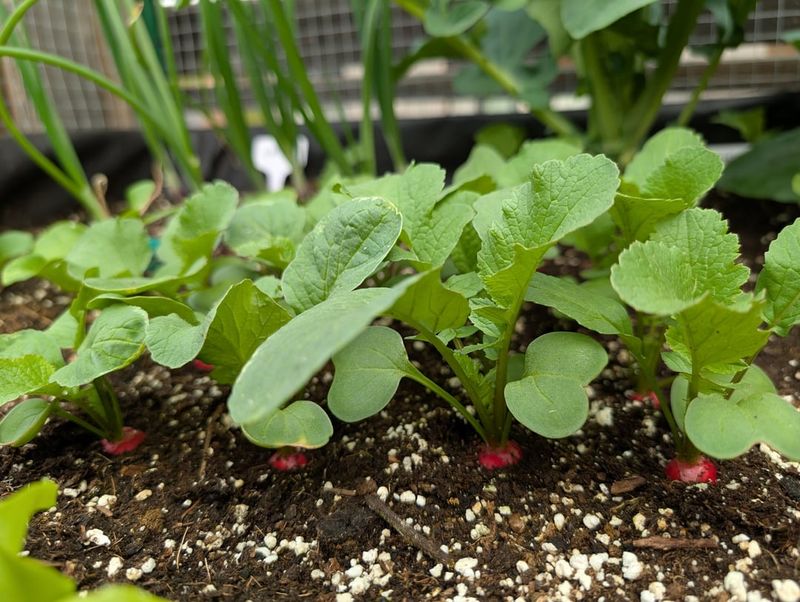
That is where radishes earn their place. They mature in 22 to 30 days, roots stay compact and shallow, and a standard six-inch raised bed suits them perfectly.
They can fill gaps between slower-growing crops or serve as a conditioning first planting before something else goes into the same spot.
Sow seeds directly as soon as soil is workable in spring. Plant half an inch deep and thin to two inches apart once seedlings emerge.
Consistent moisture prevents the pithiness that develops when roots grow too fast in dry conditions. Harvest promptly once roots reach full size since leaving them too long causes cracking and an intensely sharp flavor.
Shallow or compacted bed? Radishes are the better call. Deep, loose, well-prepared bed? Carrots will reward the effort.
Either way, someone is getting a vegetable. The radish just asks considerably less in return.
7. Replace Heat Stressed Peas With Pole Beans
Peas and Pennsylvania spring are a good match, right up until they are not.
The cool, crisp window that peas need is real, but it closes quickly. The moment summer heat arrives, pea production shuts down and the vines begin to fade.
Planting in late March or early April captures most of that window in most Pennsylvania counties. The challenge is what comes after. That warm-season gap often goes unused when gardeners do not have a follow-up crop ready to step in.
Pole beans make a natural handoff. Once pea vines wind down, pull them and plant pole beans in the same bed.
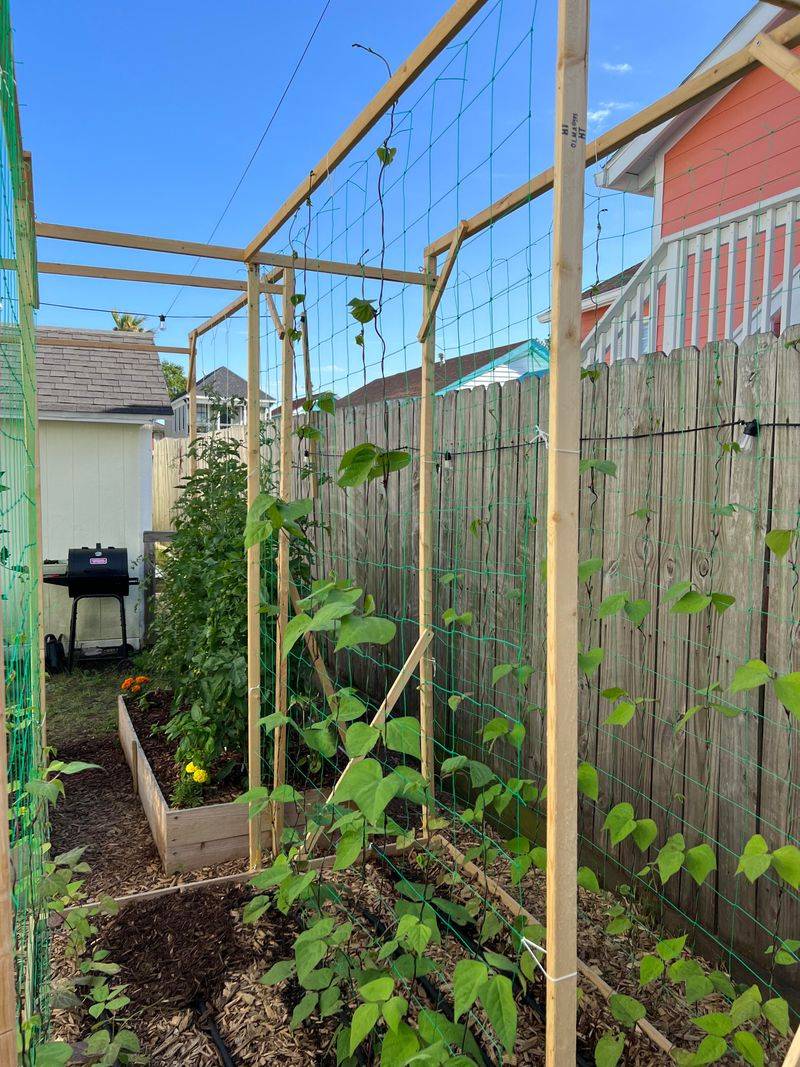
Pole beans thrive in the heat that peas cannot handle, producing continuously from midsummer into early fall. They also grow vertically, which means they take up very little ground space in the bed itself.
Set up a trellis, teepee of bamboo stakes, or wire frame before planting to avoid disturbing roots later. Sow seeds an inch deep after the last frost, spacing four to six inches apart along the base of the support.
Pole beans fix their own nitrogen from the air, so fertilizer heavy in nitrogen is not necessary and can actually reduce pod production.
Keep soil evenly moist and harvest pods regularly. Consistent harvesting signals the plant to keep flowering through the season rather than focusing on seed development.
Peas lead the bed in spring. Pole beans carry it through summer. Same bed, two crops, no wasted weeks in between.