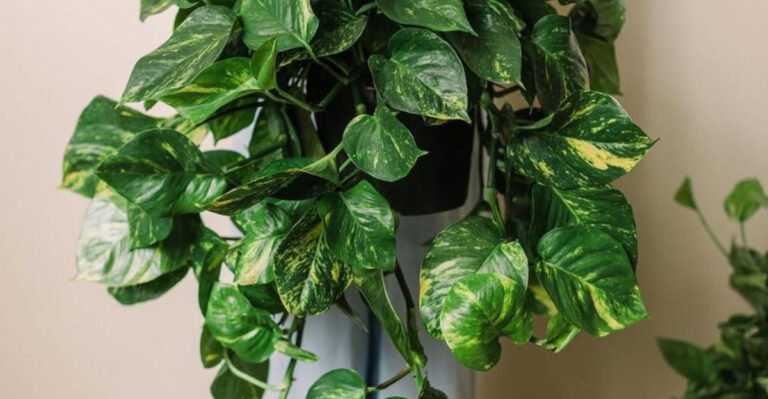
The Invasive Vine Pennsylvania Gardeners Keep Buying At Nurseries Without Realising The Problem
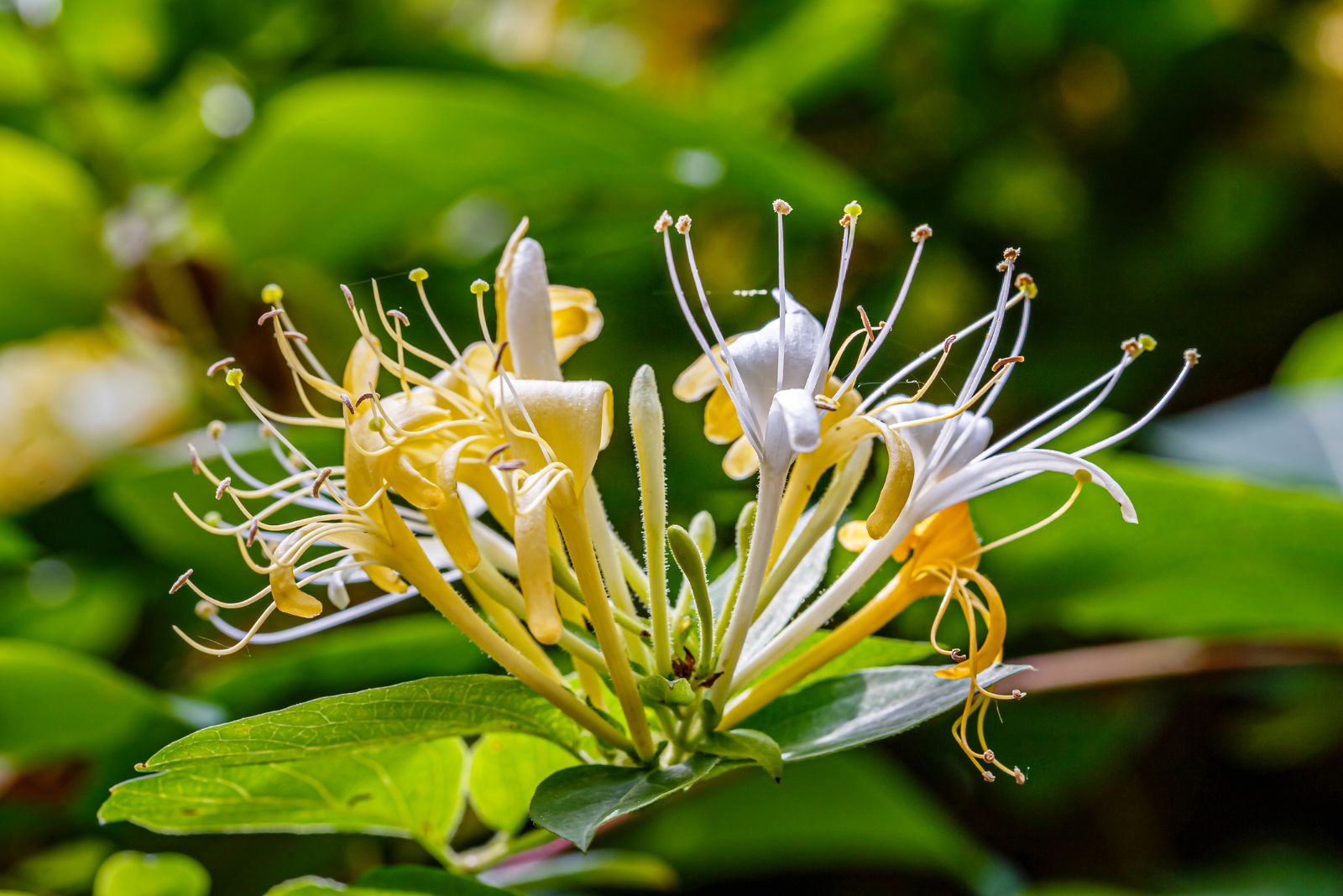
There is a vine showing up in Pennsylvania nurseries and garden centers every season that has been causing serious ecological damage across the state for decades, and the fact that it is still being sold and purchased regularly is one of the more frustrating realities in Pennsylvania horticulture.
It is attractive, it grows fast, and it carries a pleasant fragrance that makes it easy to understand why people reach for it without hesitation.
What is far less obvious at the point of sale is what this vine does once it leaves the pot and gets established in a Pennsylvania landscape.
It spreads aggressively beyond any fence or trellis, moves into natural areas, climbs over and smothers native vegetation, and establishes itself with a persistence that makes removal genuinely labor-intensive once it gets going.
The gardeners who have dealt with it firsthand tend to describe the experience in terms that make it hard to believe the plant is still being sold as freely as it is.
Pennsylvanians Keep Buying Japanese Honeysuckle Without Realising The Problem
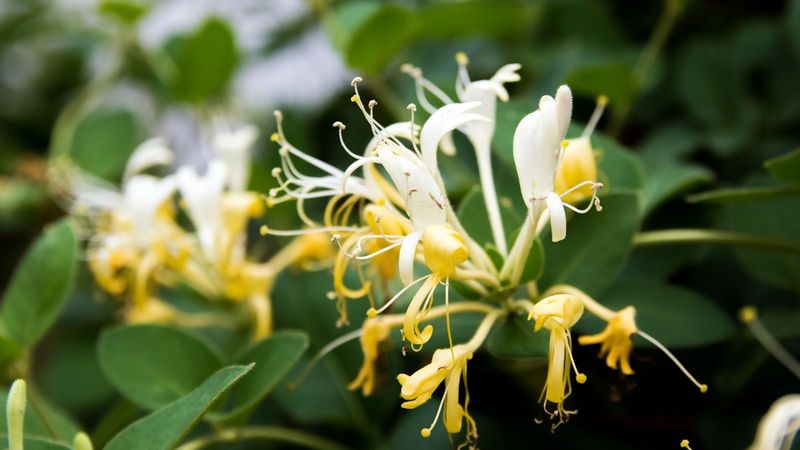
Walk through almost any Pennsylvania nursery in spring, and you will likely spot it right away. Japanese Honeysuckle, known scientifically as Lonicera japonica, sits in neat little pots with delicate white and yellow flowers that smell absolutely incredible.
It is easy to see why so many gardeners reach for it without a second thought.
Originally from eastern Asia, this vine was brought to the United States in the early 1800s as an ornamental plant. People loved it for its sweet fragrance, its ability to attract butterflies, and the way it could quickly cover an ugly fence or bare wall.
Nurseries began selling it widely, and it became one of the most popular climbing vines available across the eastern United States.
Japanese Honeysuckle is a semi-evergreen vine, which means it holds onto its leaves longer than most plants, even into late fall and early winter in Pennsylvania.
Its flowers bloom from late spring through summer, releasing a sweet scent that fills the air on warm evenings. Hummingbirds and bees are drawn to it naturally.
For a beginner gardener, it checks every box. It grows fast, looks gorgeous, smells amazing, and requires very little care.
Nursery staff do not always warn buyers about its invasive tendencies, and the plant is still legally sold in many states, including Pennsylvania.
Knowing the full story behind this beautiful vine is the first step toward making a smarter, more responsible choice for your garden and for the native landscape around your home.
Aggressive Growth Habit
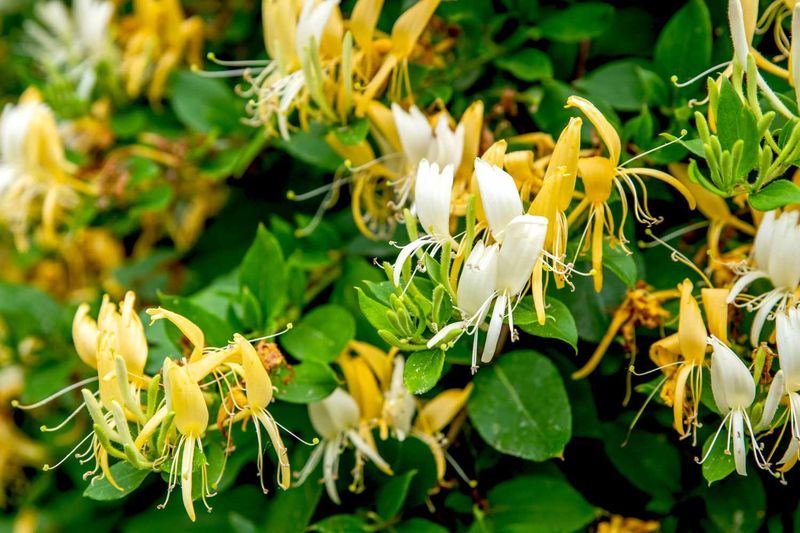
Few plants grow as fast or as relentlessly as Japanese Honeysuckle. Once it gets established in your yard, it does not slow down.
Vines can grow up to 30 feet long in a single season, wrapping themselves tightly around anything nearby, including trees, shrubs, fences, and garden structures.
What makes it especially hard to manage is the way it spreads underground. Japanese Honeysuckle develops thick, spreading rhizomes beneath the soil.
These underground stems send up new shoots in unexpected spots, sometimes several feet away from the main plant. Before long, what started as one small pot from the nursery becomes a sprawling tangle across your entire yard.
Your Pennsylvania Garden Changes Every Week. Your Plan Should Too.
Gardening in Pennsylvania changes quickly throughout the season. Every Friday you’ll receive a simple weekly plan showing exactly what to plant, prune, fertilize, harvest, and protect so you never miss the right timing.
Birds also help it spread. They eat the small black berries the plant produces and deposit seeds in new locations through their droppings.
This means Japanese Honeysuckle does not just take over your garden. It can jump fences and spread into neighboring yards, parks, and woodlands without anyone planting it there intentionally.
The vines are strong enough to girdle young trees, wrapping so tightly around trunks and branches that they cut off the flow of water and nutrients.
In just two or three growing seasons, a neglected patch of Japanese Honeysuckle can smother an entire garden bed, pulling down small shrubs under its weight and blocking out sunlight for everything growing below it.
Pennsylvania gardeners who have dealt with a mature infestation often describe the experience as overwhelming. The plant does not wait for permission to take over.
It simply does.
Impact On Native Plants And Biodiversity
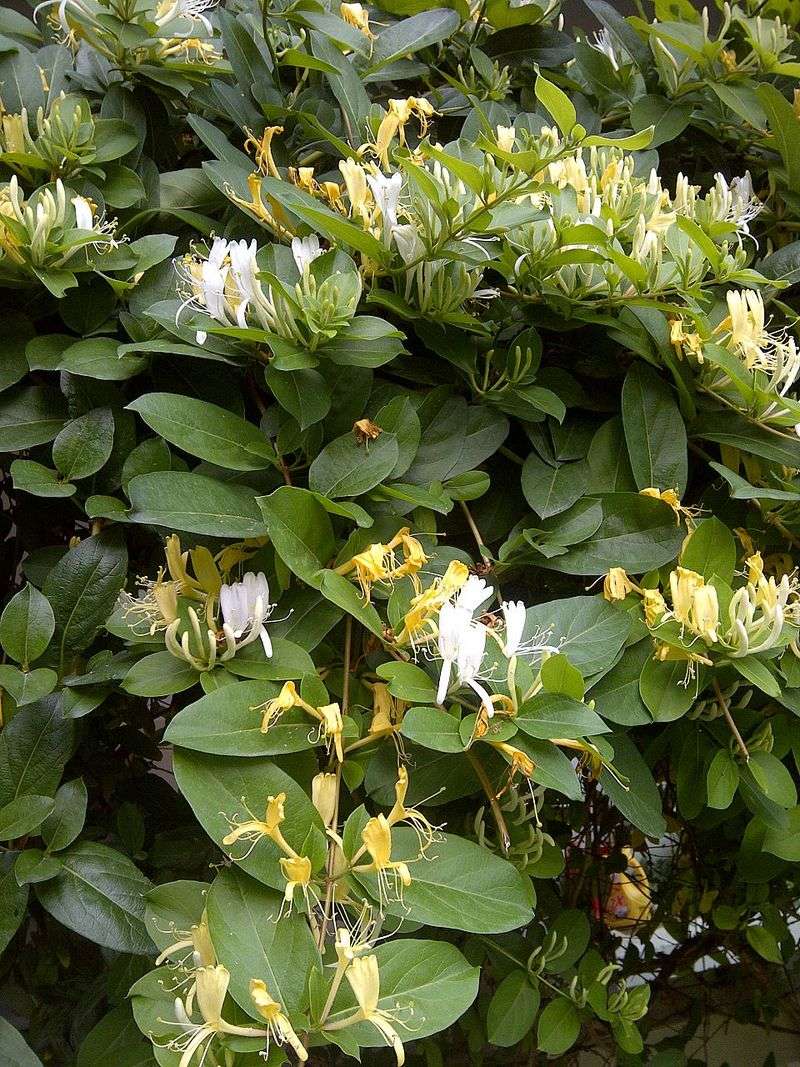
Pennsylvania is home to hundreds of native plant species that have evolved over thousands of years to support local wildlife. When Japanese Honeysuckle moves in, it disrupts that balance in a big way.
It competes aggressively with native plants for sunlight, water, and soil nutrients, and it usually wins.
Native groundcovers like wild ginger, trillium, and bloodroot are especially vulnerable. These plants grow slowly and depend on filtered sunlight reaching the forest floor.
A thick mat of Japanese Honeysuckle above them can block that light entirely, causing native wildflowers to struggle and eventually disappear from an area they once thrived in for generations.
The effects go beyond just plants. Native bees, butterflies, and other pollinators rely on specific native plants for food and nesting.
When those plants are replaced by Japanese Honeysuckle, the food web starts to fall apart. Caterpillars that depend on native host plants cannot feed on Japanese Honeysuckle, which means fewer caterpillars, fewer songbirds, and a quieter, less vibrant landscape overall.
Research from conservation groups in Pennsylvania has shown that areas dominated by invasive vines like Japanese Honeysuckle have significantly lower biodiversity than areas where native plants remain intact. The plant does not just crowd out a few flowers.
It reshapes the entire ecosystem of a space. For gardeners who care about supporting pollinators, attracting birds, or simply preserving the natural beauty of Pennsylvania, this is a serious concern worth paying attention to before making a purchase at the nursery.
Difficulty Of Removal
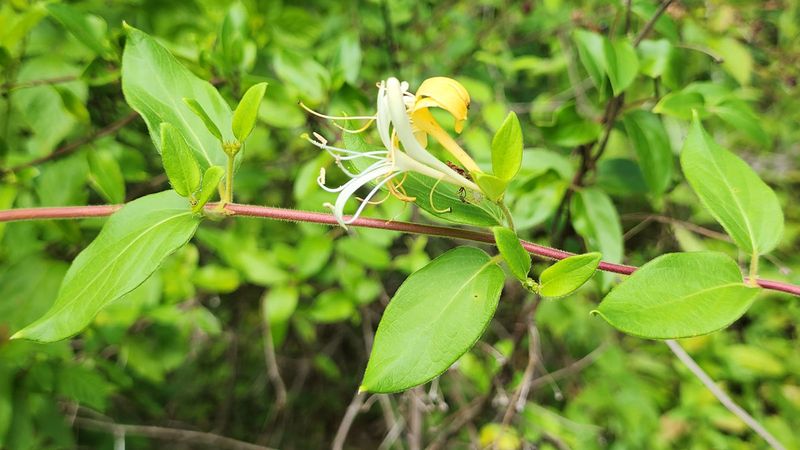
Anyone who has tried to remove Japanese Honeysuckle from a garden knows it is not a one-afternoon project.
The roots go deep and spread wide, and simply cutting the vines at the surface almost always results in vigorous resprouting within just a few weeks. The plant seems almost determined to come back no matter what you do.
Physical removal is the most common approach, and it works best when done consistently over multiple seasons. Pulling vines by hand is most effective in early spring before the plant leafs out fully.
Wear thick gloves, because the stems can be wiry and tough. Try to pull as much of the root system as possible, loosening the soil with a garden fork to get deeper roots out cleanly.
Cutting the vines without removing roots will not solve the problem. The plant stores energy in its underground rhizomes and uses that stored energy to send up new growth quickly.
Many gardeners make the mistake of cutting and walking away, then returning the following season to find the vine has come back even thicker than before.
For serious infestations, repeated cutting combined with smothering techniques, such as covering the area with thick cardboard or landscape fabric, can help weaken the plant over time.
Some homeowners choose to use targeted herbicide applications on freshly cut stems, which can be more effective for large established patches.
Whatever method you choose, plan for a multi-year commitment. Removing Japanese Honeysuckle from an established garden requires patience, persistence, and a willingness to keep at it season after season until the plant stops returning.
Why Gardeners Keep Buying It
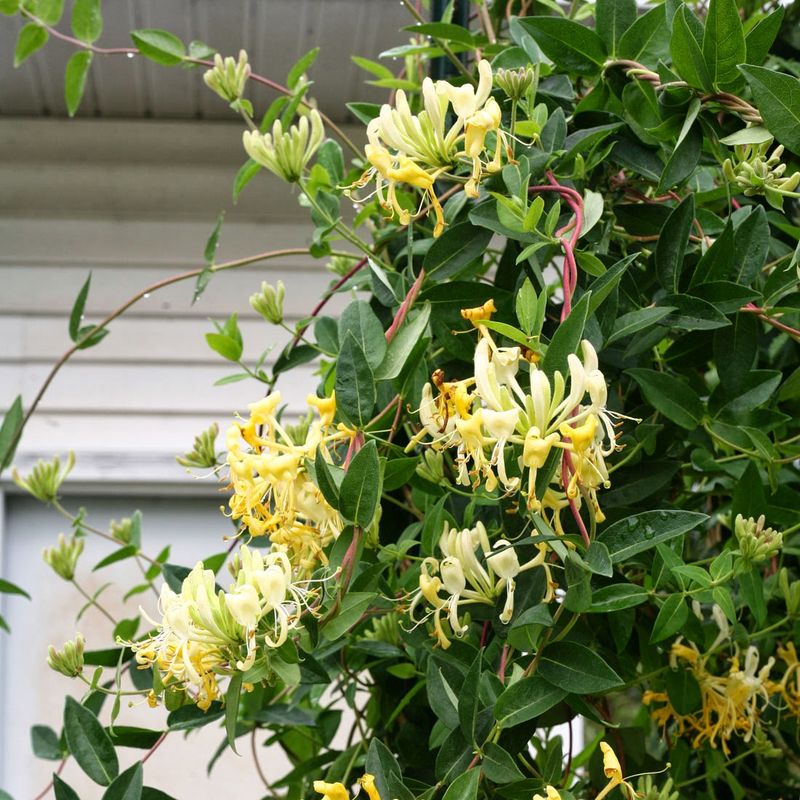
Honestly, it is not hard to understand why Japanese Honeysuckle keeps flying off nursery shelves every spring. The flowers are stunning.
The fragrance is intoxicating. And for a gardener who wants fast, lush coverage on a fence or trellis, it delivers results faster than almost anything else available. It is one of those plants that seems too good to be true, because in many ways, it is.
Many buyers simply do not know it is invasive. Pennsylvania does not ban the sale of Japanese Honeysuckle, so it continues to appear in nurseries alongside well-behaved plants, often without any warning label or invasive species tag.
A shopper browsing the vine section has no obvious reason to suspect a problem unless they already know what to look for.
Social media and gardening blogs have not always helped. Beautiful photos of honeysuckle-covered arbors and cottage gardens spread widely online, making the plant look like a dreamy, low-maintenance garden staple.
Rarely do those posts mention the aggressive spreading, the years of difficult removal, or the damage to native plant communities nearby.
There is also a nostalgia factor. Many Pennsylvania gardeners grew up with Japanese Honeysuckle climbing over backyard fences, associating its scent with warm summer evenings and childhood memories.
That emotional connection makes it harder to see the plant critically. Education is the most powerful tool here.
When gardeners understand what Japanese Honeysuckle actually does to local ecosystems, most are genuinely surprised and willing to make a different choice the next time they visit the nursery.
Safe Alternatives To Plant Instead
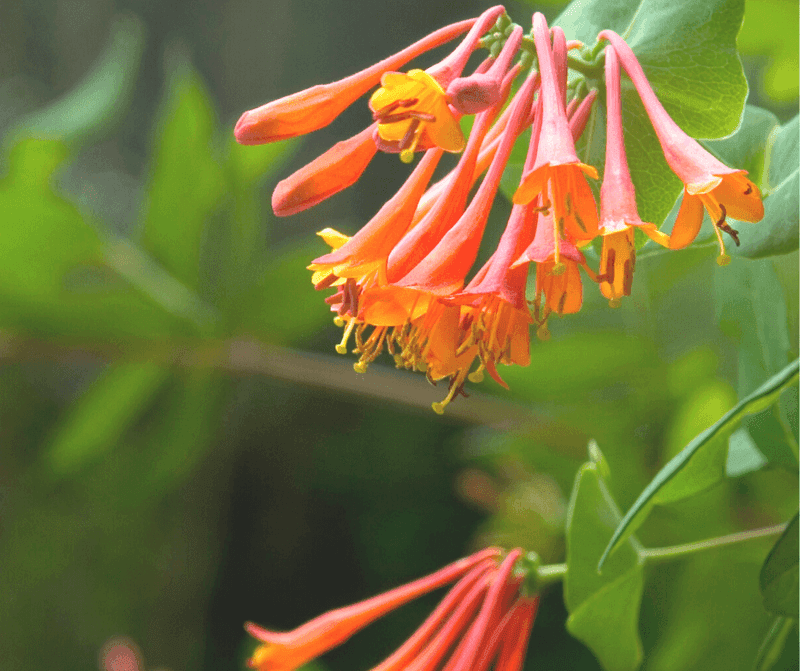
Switching away from Japanese Honeysuckle does not mean giving up on beautiful, fast-growing vines. Pennsylvania is home to some spectacular native alternatives that offer the same visual appeal without the invasive drawbacks.
Choosing one of these plants is genuinely one of the best things a gardener can do for their local ecosystem.
Coral Honeysuckle, or Lonicera sempervirens, is a native vine that looks remarkably similar to its invasive cousin but behaves in a much more manageable way. It produces stunning tubular red and orange flowers from spring through fall, and hummingbirds absolutely love it.
Unlike Japanese Honeysuckle, Coral Honeysuckle does not spread aggressively or produce seeds that birds scatter into wild areas.
Virginia Creeper, known as Parthenocissus quinquefolia, is another excellent native choice for Pennsylvania gardeners.
It climbs fences, walls, and trellises with ease using small adhesive pads, and its five-leafed foliage turns a brilliant crimson red each fall. Birds rely on its small dark berries as an important food source during migration season.
Trumpet Vine, or Campsis radicans, rounds out the list as a bold and wildlife-friendly option. Its large orange and red trumpet-shaped flowers attract hummingbirds and native bees throughout the summer.
It can spread if left completely unchecked, but it is far easier to manage than Japanese Honeysuckle and does not threaten native plant communities in the same way.
All three of these alternatives are available at many Pennsylvania native plant nurseries and garden centers. Making the swap is a simple, meaningful step toward a healthier, more balanced garden.