Start These Georgia Herbs In June For Fresh Harvests All The Way Into October
There is something satisfying about stepping outside and picking fresh herbs right when you need them. A few leaves for dinner, a handful for a recipe, or a quick snip for a drink can make a garden feel useful in a way that flowers alone never quite do.
The challenge is timing. Plant too early and some herbs may struggle through the hottest part of summer.
Wait too long and you miss out on months of fresh growth. Finding that sweet spot can make a big difference in how much you harvest before the season changes.
June is an interesting month because many gardeners are focused on heat, watering, and keeping existing plants alive.
At the same time, it is also an opportunity to start herbs that can continue producing well beyond summer.
Georgia’s long growing season gives certain herbs plenty of time to establish, thrive, and provide fresh harvests for months. Choosing the right ones now can keep your kitchen stocked all the way into October.
1. Basil Produces New Growth Quickly In Warm Weather
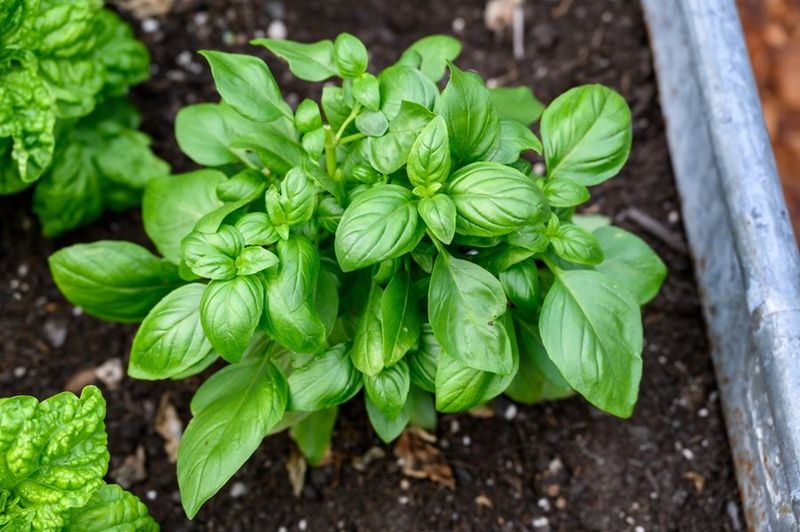
Few herbs respond to summer heat as eagerly as basil does. Plant it in June and you will see new leaves pushing out within days.
Warm soil speeds up germination and early root development significantly.
Give basil full sun, at least six to eight hours daily. Water at the base, not overhead, to avoid fungal issues that humid Southern summers can bring.
Consistent moisture matters, but soggy soil causes root problems fast.
Pinch off flower buds as soon as they appear. Letting basil bolt redirects its energy away from leaf production, and the flavor turns bitter quickly after flowering starts.
Regular pinching keeps plants bushy and productive for months.
Genovese and Lemon basil both perform well in warm Southern climates. Container growing works especially well because you can move pots during heavy rain or unexpected cool spells.
A pot near a sunny kitchen window also makes harvesting convenient.
Harvest by cutting stems just above a leaf node. New branches will sprout from that point, doubling your future harvest.
Keep up with harvesting every week or two and basil will reward you with fresh growth straight through late September and into October.
A light feeding with a balanced liquid fertilizer every few weeks can also support steady leaf growth throughout the season.
2. Dill Matures Fast Enough For Summer Sowing
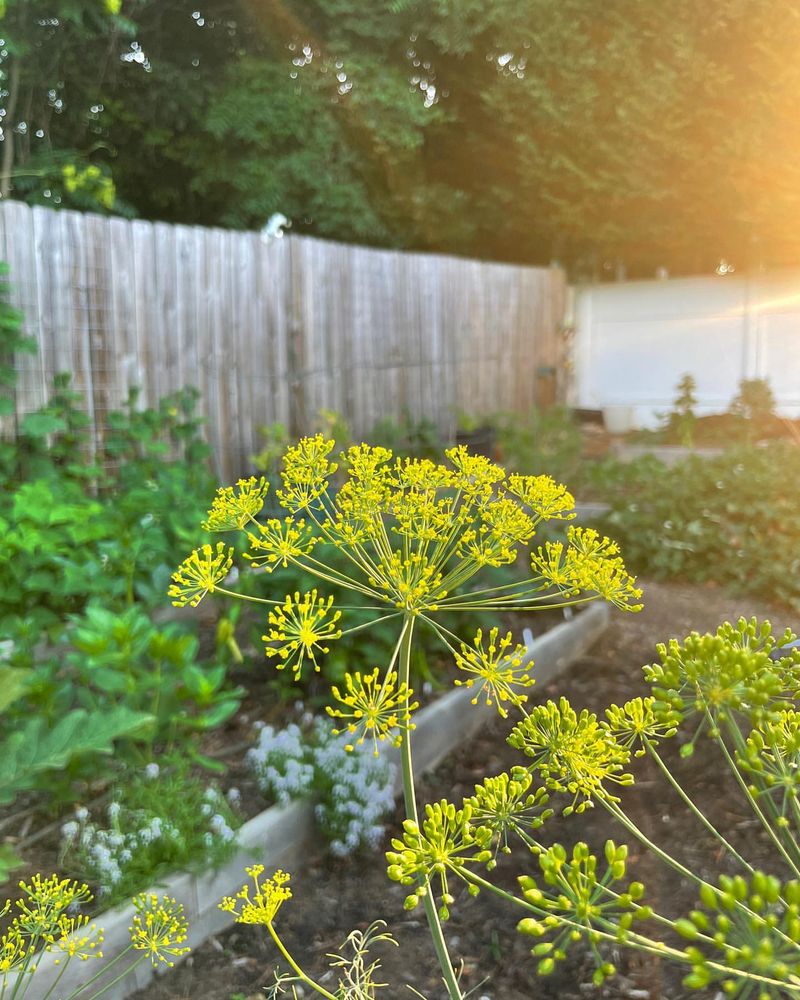
Dill moves faster than most gardeners expect. From seed to first harvest, you are often looking at just forty to fifty days under warm conditions.
June planting lines up perfectly with that timeline.
Direct sow dill rather than transplanting it. Dill has a taproot that resents being disturbed, and transplanted seedlings often struggle to recover fully.
Scatter seeds directly into prepared soil and water gently.
Succession planting works brilliantly with dill. Sow a small patch every two to three weeks starting in June, and you will have fresh fronds available continuously rather than one big flush followed by nothing.
Space rows about twelve inches apart for good airflow.
Your Georgia Garden Changes Every Week. Your Plan Should Too.
Gardening in Georgia changes quickly throughout the season. Every Friday you’ll receive a simple weekly plan showing exactly what to plant, prune, fertilize, harvest, and protect so you never miss the right timing.
Dill prefers full sun and well-drained soil. Avoid planting near fennel because the two can cross-pollinate and affect flavor.
Keeping them on opposite ends of the garden solves that issue completely.
Both the feathery leaves and the seed heads are useful in the kitchen. Harvest leaves early and often for fresh use.
Let some plants mature to seed heads if you want dill seeds for pickling later in the season. Dill self-seeds readily, so leaving a few plants to go to seed means you may get a bonus fall crop with almost no extra effort on your part.
Mulching lightly around young dill plants helps keep soil moisture stable and reduces competition from weeds during early growth.
3. Oregano Thrives During Long Growing Seasons
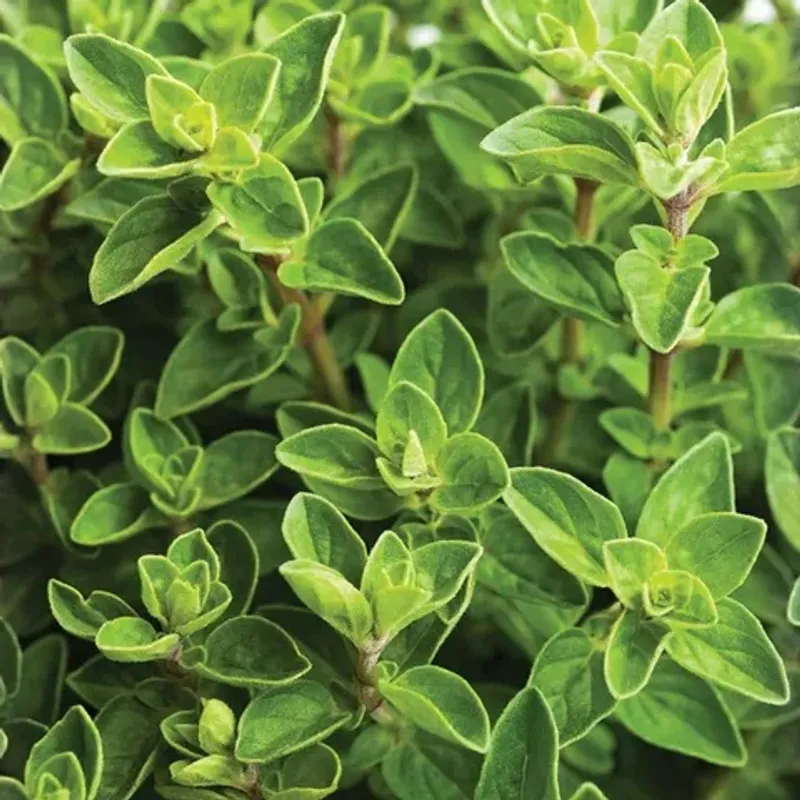
Oregano is tougher than it looks. Hot, dry stretches that stress other herbs barely slow it down.
Planted in June, oregano settles in quickly and starts building the kind of dense, bushy growth that makes harvesting easy.
Well-drained soil is non-negotiable for oregano. Roots sitting in wet soil will rot, especially during humid stretches.
Raised beds or containers with drainage holes are both solid choices for getting this herb through a Southern summer successfully.
Greek oregano tends to have the strongest flavor compared to other varieties. Italian oregano is milder but still excellent for cooking.
Both handle warm weather without complaint and produce steadily through fall if harvested regularly.
Cut stems back by about one third when harvesting. Avoid stripping a plant completely at once because it needs foliage to keep producing.
Light, frequent harvests give better long-term results than one heavy cutting every few weeks.
Oregano actually intensifies in flavor when it experiences mild stress from heat or slightly dry conditions. Over-watering produces lush but bland leaves.
Water deeply and then let the soil dry out somewhat before watering again. That cycle encourages the oils responsible for oregano’s bold flavor to concentrate in the leaves, making your harvest more aromatic and useful in the kitchen through October.
A light layer of mulch can help regulate soil temperature and reduce rapid moisture loss during peak summer heat without keeping the crown too damp.
4. Mint Keeps Sending Up New Shoots Through Autumn
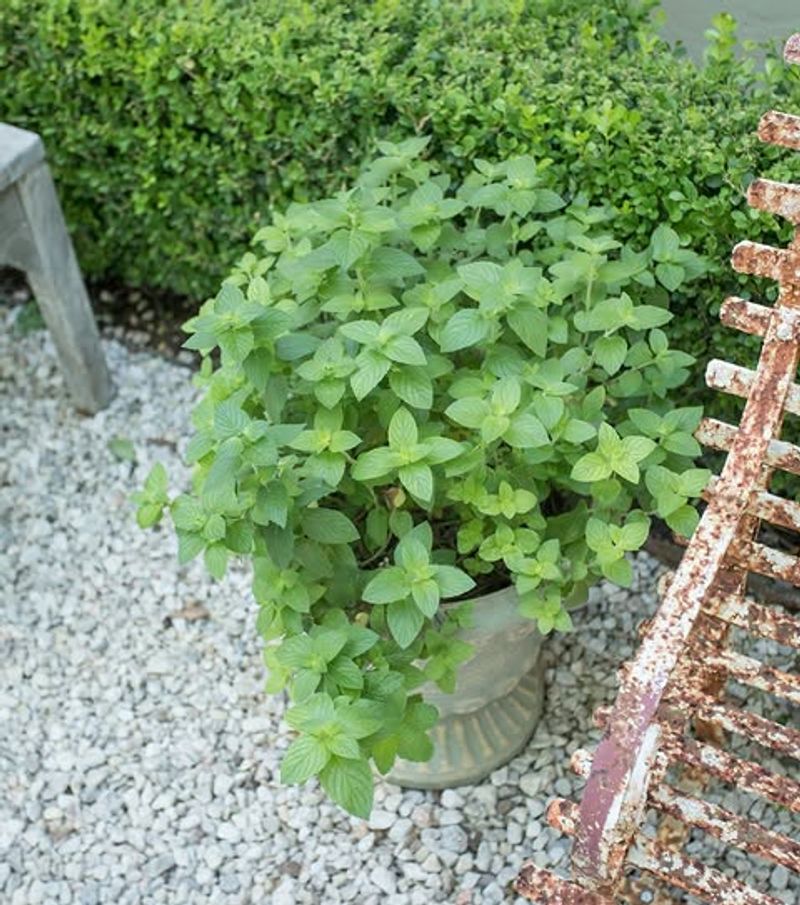
Mint does not need much encouragement. Plant it in June and it will be sending up new shoots almost immediately, continuing that pattern well into October without slowing down much.
It is genuinely one of the most productive herbs you can grow.
Container growing is strongly recommended for mint. Planted directly in the ground, it spreads aggressively through underground runners and can overtake surrounding plants within a single season.
A large pot controls that spread without limiting productivity.
Spearmint and peppermint both handle warm summers well. Chocolate mint and apple mint are other flavorful options worth trying.
Each variety has a slightly different scent and taste profile, so growing two or three types gives you more flexibility in the kitchen.
Keep mint consistently moist. Unlike oregano or thyme, mint prefers more regular watering and does not enjoy drying out between sessions.
Mulching around the base helps retain moisture and keeps roots cooler during peak summer heat.
Harvest by cutting stems just above a pair of leaves. New growth will emerge from that cut point quickly.
Mint works in teas, cocktails, desserts, and savory dishes, making it one of the most versatile herbs in the garden. Regular harvesting actually keeps plants healthier and more compact rather than letting stems get leggy and overgrown.
5. Summer Savory Grows Quickly In Warm Conditions
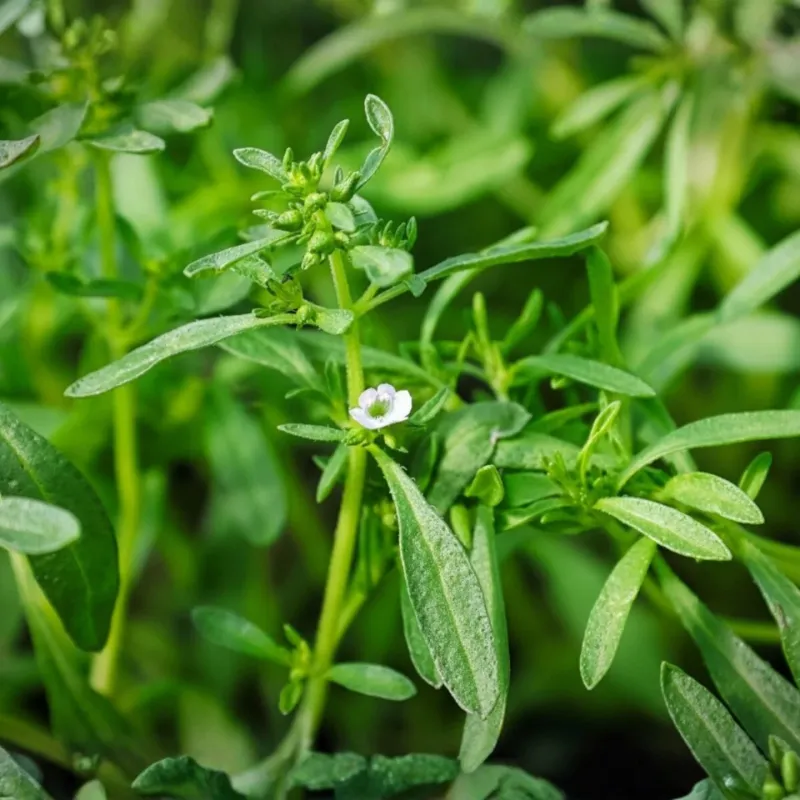
Summer savory is underrated and underused in most home gardens. Peppery, aromatic, and genuinely fast-growing, it goes from seed to harvest in about sixty days under warm conditions.
June planting lines that timeline up perfectly for late summer use.
Direct sow seeds in a sunny spot with well-drained soil. Summer savory does not need rich soil to perform well.
Average garden soil with decent drainage is enough to get strong, flavorful growth through summer and into fall.
Thin seedlings to about six inches apart once they reach a few inches tall. Crowded plants compete for airflow and moisture, which increases the chance of fungal problems during humid spells.
Spacing them out keeps growth cleaner and more vigorous overall.
Harvest by snipping the top few inches of each stem. New side branches will sprout from lower nodes after each cut.
Keep up with harvesting every couple of weeks and plants stay compact and productive rather than getting tall and woody.
Summer savory pairs especially well with beans, chicken, and roasted vegetables. Its flavor sits somewhere between thyme and pepper with a slight herbal sharpness.
Fresh leaves are more intense than dried ones, so using it straight from the garden gives your cooking a noticeable boost. Plants grown in Georgia’s warm summer conditions tend to develop particularly strong flavor due to the extended sun exposure and heat.
6. Lemon Balm Maintains Fresh Growth For Months
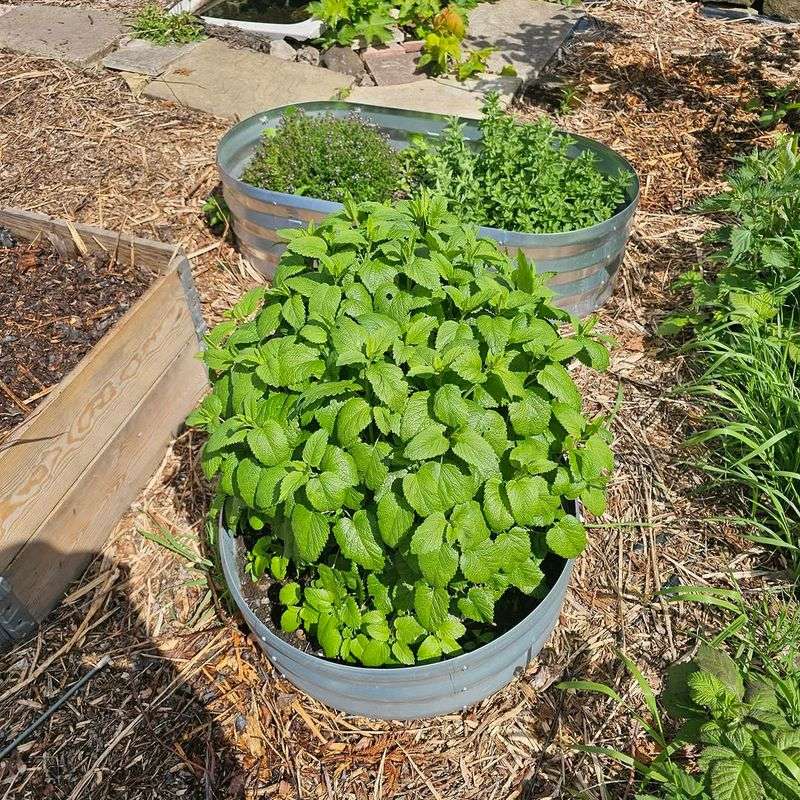
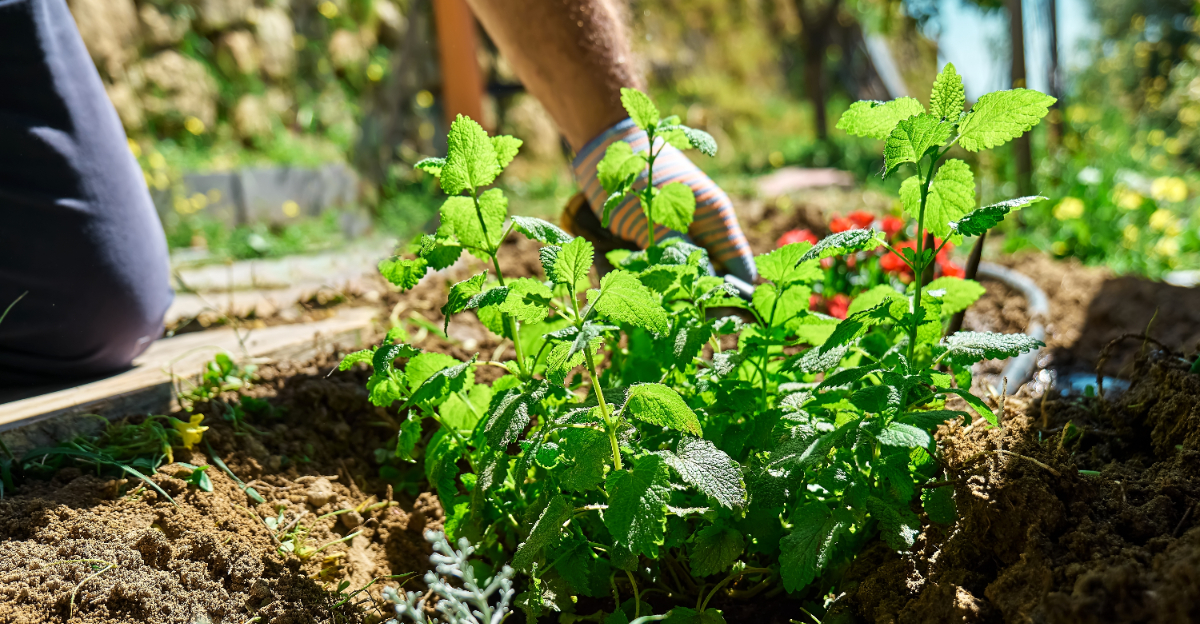
Lemon balm is one of those plants that just keeps going. Once established in warm soil, it pushes out new leaves steadily for months without much fuss.
Planted in June, it will still be producing in October.
Cutting it back actually encourages more growth. Trim stems down by about a third every few weeks and the plant responds by branching out more aggressively.
A single plant can fill a medium container quickly under warm conditions.
Full sun to partial shade both work fine for lemon balm. In regions with intense summer heat, afternoon shade actually helps keep the leaves from scorching.
Morning sun with some afternoon relief often produces the most consistent leaf quality.
Lemon balm spreads by root and by seed. If you prefer to keep it contained, grow it in a pot rather than directly in the ground.
Garden beds can get taken over within a season or two if the plant is not managed carefully.
Fresh leaves are excellent in teas, salads, and cold drinks. The citrus scent is real and pleasant, not artificial-tasting.
Harvest in the morning after dew dries for the strongest flavor. Dried lemon balm loses some potency but still works well in teas through the winter months ahead.
Water consistently but allow the top layer of soil to dry slightly between waterings to prevent the roots from staying overly wet.
7. Thai Basil Continues Producing Into Fall
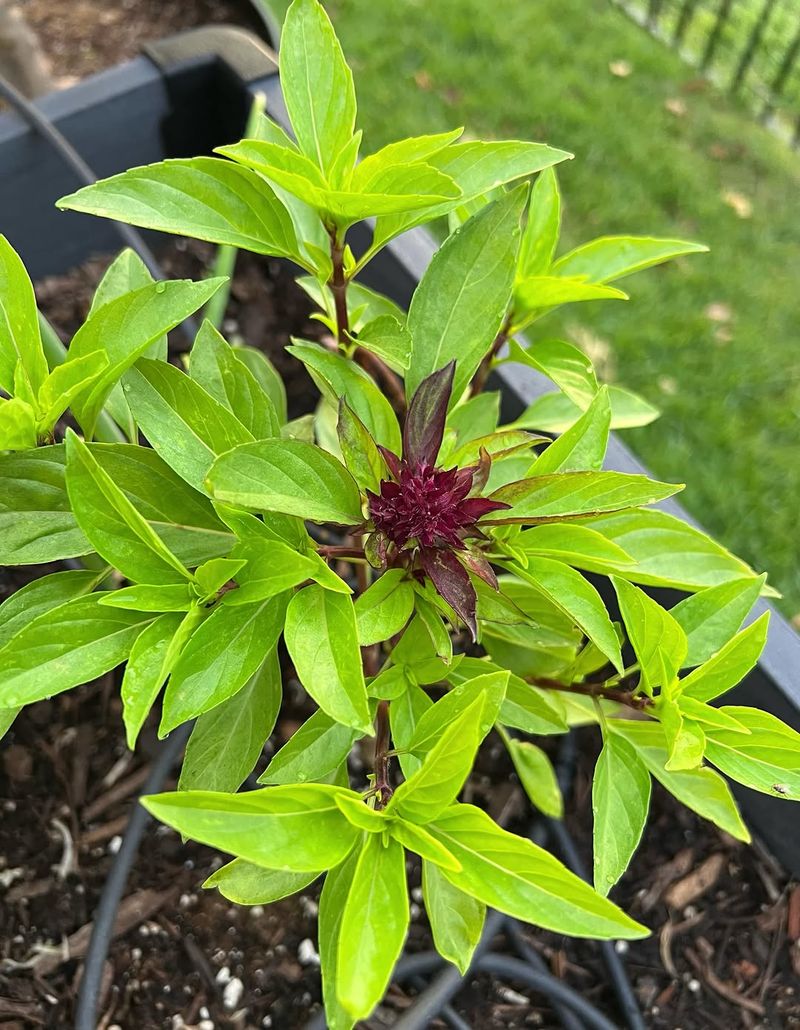
Thai basil handles heat better than sweet basil does. Where regular basil can flag and bolt quickly during peak summer, Thai basil keeps producing through long stretches of warm weather without losing quality.
Plant it in June and it will still be going strong in October.
Purple stems and slightly smaller, glossier leaves set Thai basil apart visually from other basil varieties. The flavor is bolder too, with hints of anise and clove that make it essential in Southeast Asian cooking and genuinely versatile in other cuisines as well.
Plant in full sun with rich, well-drained soil. Thai basil benefits from regular feeding with a balanced liquid fertilizer every two to three weeks during the growing season.
That feeding schedule supports the continuous leaf production you want through summer and fall.
Pinch flower buds off regularly just like you would with sweet basil. Thai basil flower spikes are attractive and edible, but allowing full flowering slows leaf production noticeably.
Removing buds early keeps the plant focused on growing new foliage.
Container growing suits Thai basil well. A twelve-inch pot gives roots enough room to develop without taking up much garden space.
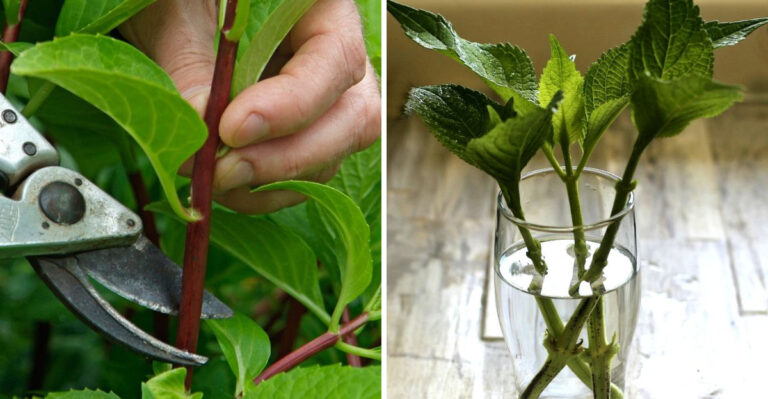
Move containers to a sheltered spot if heavy rain is forecast because waterlogged soil affects root health quickly. Harvested stems placed in a glass of water on the counter stay fresh for several days easily.
8. Marjoram Stays Productive Through Warm Weather
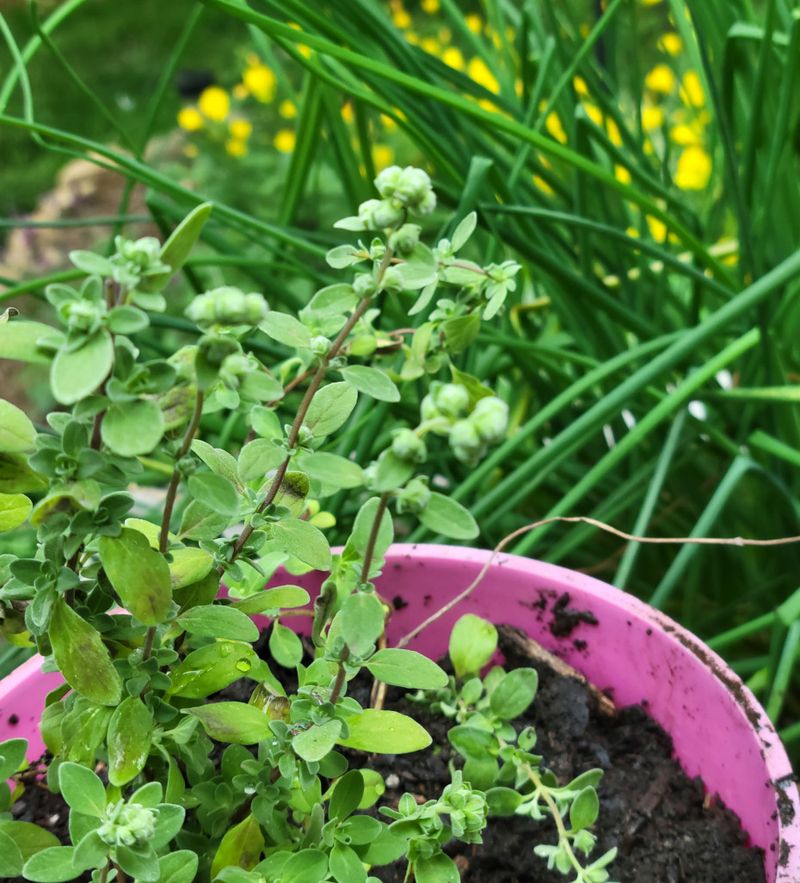
Marjoram is quieter than oregano but just as useful. Its flavor is sweeter and more delicate, making it a better fit for dishes where oregano would overpower the other ingredients.
Planted in June, marjoram settles in well and keeps producing through the warmest months.
Full sun works best for marjoram. Sandy or loamy soil with good drainage gives roots the conditions they prefer.
Heavy clay soil holds too much moisture and can cause problems, so amending with compost or growing in containers avoids that issue entirely.
Water moderately and let soil dry slightly between sessions. Marjoram is more drought-tolerant than many gardeners realize.
Consistent but not excessive watering produces the best balance of growth and flavor concentration in the leaves.
Harvest stems regularly to encourage branching. Cutting back to just above a leaf node keeps plants compact and productive rather than letting them stretch out and become woody at the base.
Compact plants are easier to manage and harvest from consistently.
Marjoram works beautifully in soups, roasted meats, egg dishes, and herb butters. Fresh leaves have a warm, slightly floral quality that dried marjoram does not fully replicate.
Growing your own means having that fresh flavor available from midsummer through October. In Georgia’s warm fall conditions, marjoram often outlasts many other tender herbs, giving you weeks of extra harvest after the season starts winding down.