Michigan Gardeners Are Reconsidering Deer-Friendly Plants For One Unexpected Reason
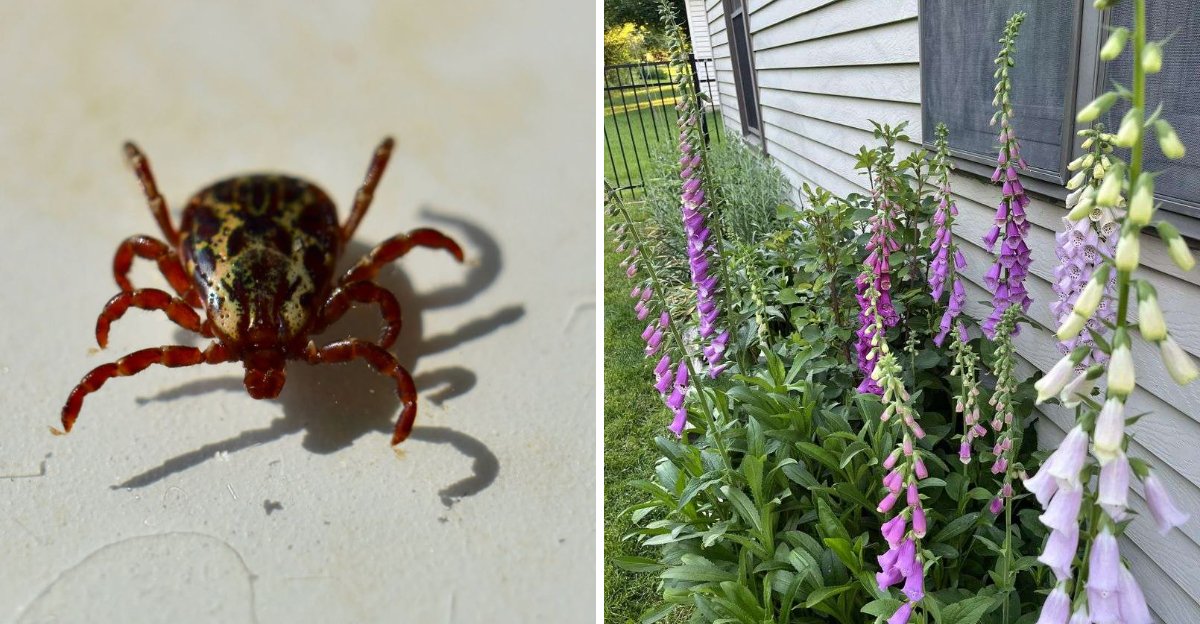
Many people think of deer as peaceful visitors. What they do not always think about is what those visitors are carrying when they arrive.
White-tailed deer are one of the primary hosts for the black-legged tick, which is responsible for spreading Lyme disease across Michigan and the broader Midwest. Deer do not just pass through a yard once and move on.
They return repeatedly to the same feeding areas, creating well-worn paths through gardens and lawn edges that become familiar routes across entire seasons.
Every repeated deer visit can help sustain the tick cycle in a yard. Adult blacklegged ticks feed on deer, and after feeding, females can drop off and lay eggs in nearby habitat.
Over time, regular deer traffic can help tick populations build around the same garden edges and lawn borders.
Tick activity is especially high in Michigan’s Lower Peninsula, where deer populations are dense and suburban-woodland edges are common.
Homeowners planting deer-friendly gardens near wooded areas are effectively creating conditions that welcome both species simultaneously.
Understanding this connection does not require giving up on wildlife gardening. It requires understanding what the invitation actually includes.
Deer come for the hostas. Ticks come for the ride. Nobody is checking that guest list at the door.
1. The Unexpected Passenger Deer Brings Into Your Michigan Yard
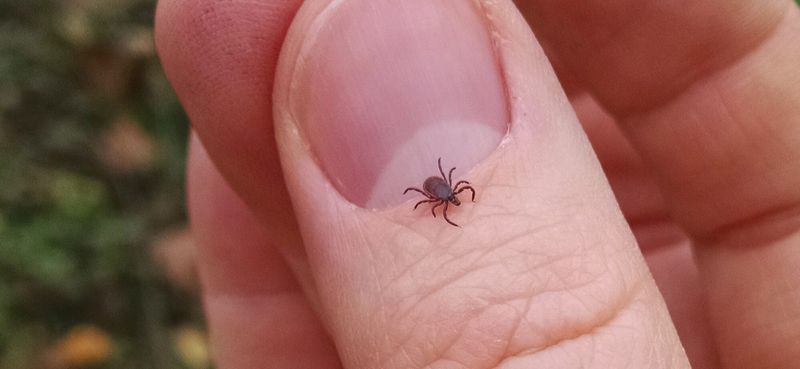
Many people think of deer as peaceful visitors. What they do not always think about is what those visitors are carrying when they arrive.
White-tailed deer are one of the primary hosts for the black-legged tick, which is responsible for spreading Lyme disease across Michigan and the broader Midwest.
Deer do not just pass through a yard once and move on. They return repeatedly to the same feeding areas, creating well-worn paths through gardens and lawn edges that become familiar routes across entire seasons.
Every time a deer passes through, it can deposit hundreds of tick larvae and nymphs along the way. Black-legged ticks complete much of their life cycle by feeding on deer, particularly adult females that need a large meal before laying eggs.
A yard that sees regular deer traffic is also a yard receiving consistent tick deposits. This is not a rare event. It is a predictable pattern tied directly to how often deer visit and how long they stay.
Tick activity is especially high in Michigan’s Lower Peninsula, where deer populations are dense and suburban-woodland edges are common.
Homeowners planting deer-friendly gardens near wooded areas are effectively creating conditions that welcome both species simultaneously.
Understanding this connection does not require giving up on wildlife gardening. It requires understanding what the invitation actually includes.
Deer come for the hostas. Ticks come for the ride. Nobody is checking that guest list at the door.
2. The Most Popular Michigan Plants Are Also The Ones Bringing Deer Back
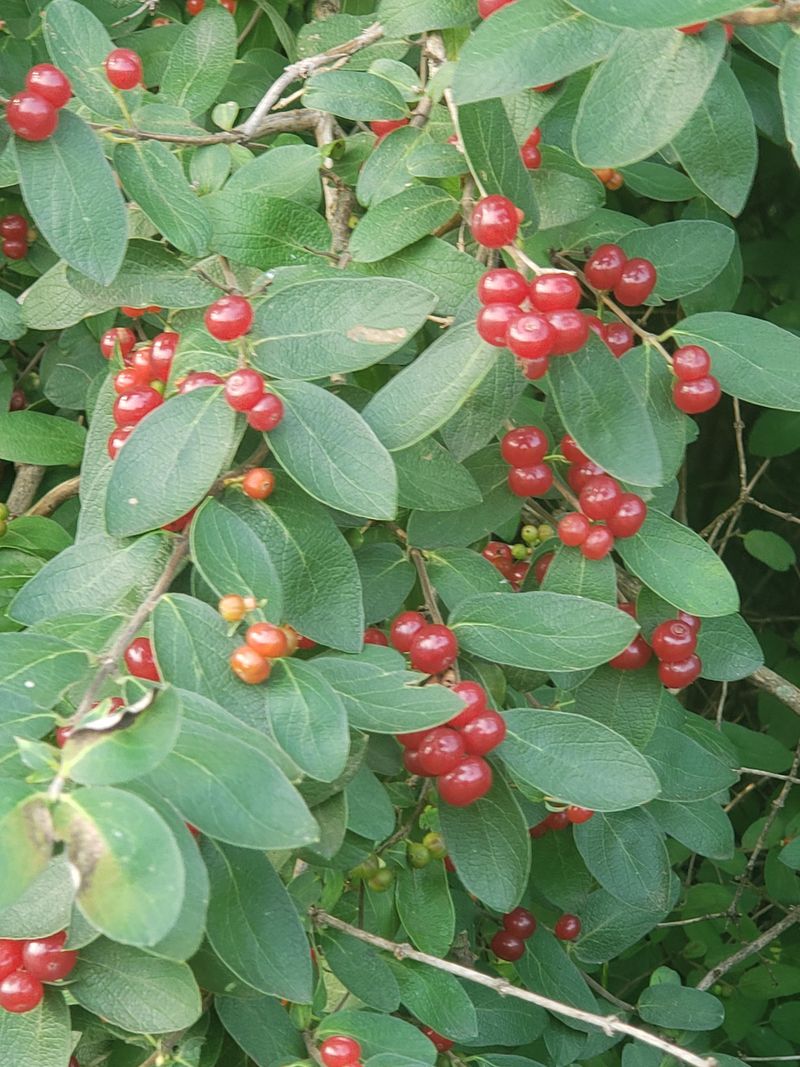
Walk through almost any Michigan suburb and the same plant lineup appears. Hostas lining the shade beds. Arborvitae running the fence. Daylilies in the front borders. Apple trees in the corner.
These plants are genuinely popular for good reasons. They are low maintenance, widely available, and attractive across multiple seasons.
Your Michigan Garden Changes Every Week. Your Plan Should Too.
Gardening in Michigan changes quickly throughout the season. Every Friday you’ll receive a simple weekly plan showing exactly what to plant, prune, fertilize, harvest, and protect so you never miss the right timing.
They are also among the plants deer find most consistently appealing, which creates a problem that most homeowners do not connect back to their plant list.
Deer return again and again to gardens featuring these favorites, especially in late summer and early fall when natural food sources thin out.
That repeated browsing creates consistent deer traffic through the same yard spaces. Those same spaces are where families spend outdoor time, where kids play, and where pets explore.
Gardeners often replant these species season after season despite ongoing deer pressure, which reinforces the cycle rather than breaking it.
Fruit trees, berry shrubs, and ornamental crabapples carry the same issue. Fallen fruit creates a ground-level food source that keeps deer lingering considerably longer than a quick browse would.
The longer a deer stays in one area, the more ticks it deposits. Fewer deer visits means fewer deposits. The plant list drives that dynamic more directly than most homeowners realize.
Choosing plants with lower deer appeal does not mean accepting a less beautiful yard. It means inviting different guests.
3. The Garden You Worked Hard To Build Might Be A Perfect Tick Habitat
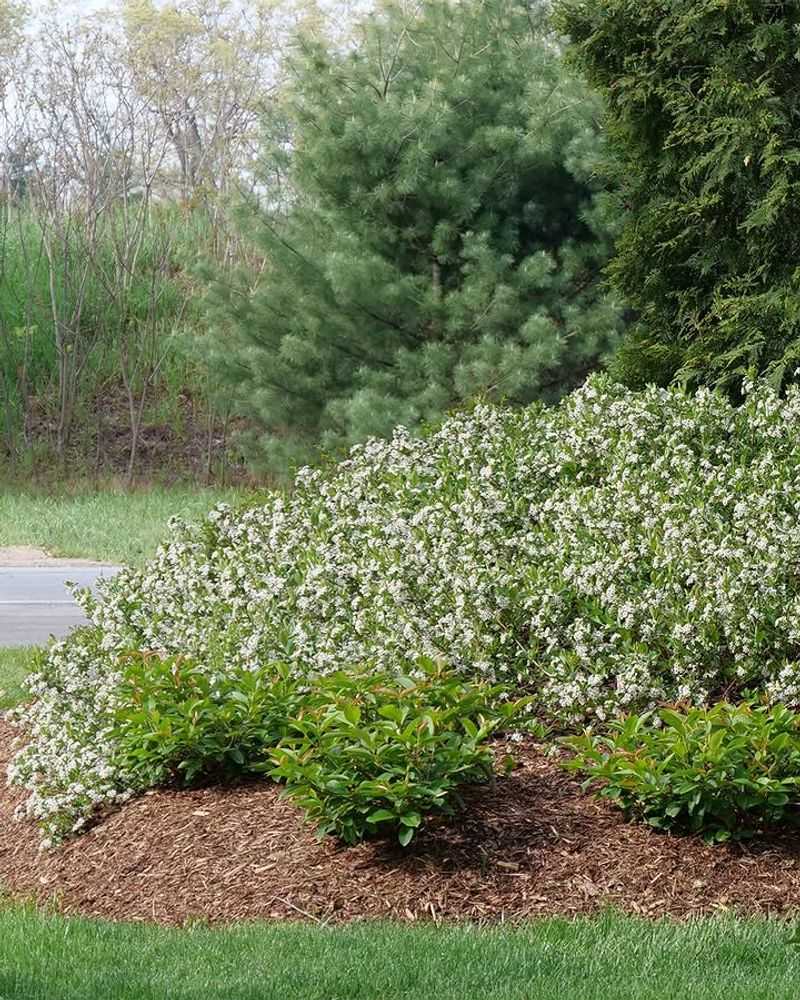
Ticks are not only arriving on deer. They are also establishing themselves in the kinds of carefully designed landscapes that Michigan gardeners spend considerable effort creating.
Thick, layered plantings look impressive. They also provide precisely the conditions ticks need to survive between host encounters.
Shade, humidity, and leaf litter are the three environmental factors black-legged ticks rely on most. A densely planted garden bed with a thick mulch layer, overhanging shrubs, and limited airflow addresses all three simultaneously.
Ticks cannot maintain activity for long in dry, sunny, open conditions. They depend on moist, shaded microclimates to stay viable between feedings.
A well-designed layered garden bed is essentially optimized for their requirements without anyone intending that outcome.
Ornamental grasses planted in mass groupings, layered foundation shrubs, and ground covers like pachysandra or English ivy create continuous corridors of tick-friendly habitat.
These plantings are frequently positioned along lawn edges and patio borders, which are exactly the zones where people and pets transition between the garden and the rest of the yard.
Maintaining a buffer zone of at least three feet of wood chips or gravel between lawn areas and garden beds or wooded borders reduces tick migration into high-use spaces meaningfully.
Thinning dense plantings to improve airflow and reduce ground-level humidity can lower tick survival rates without requiring a complete garden redesign.
A beautiful dense garden and a tick-friendly habitat are, unfortunately, often the same thing. The plantings just do not advertise both qualities on the label.
4. The Yard Features That Make Michigan Properties High-Risk Tick Zones
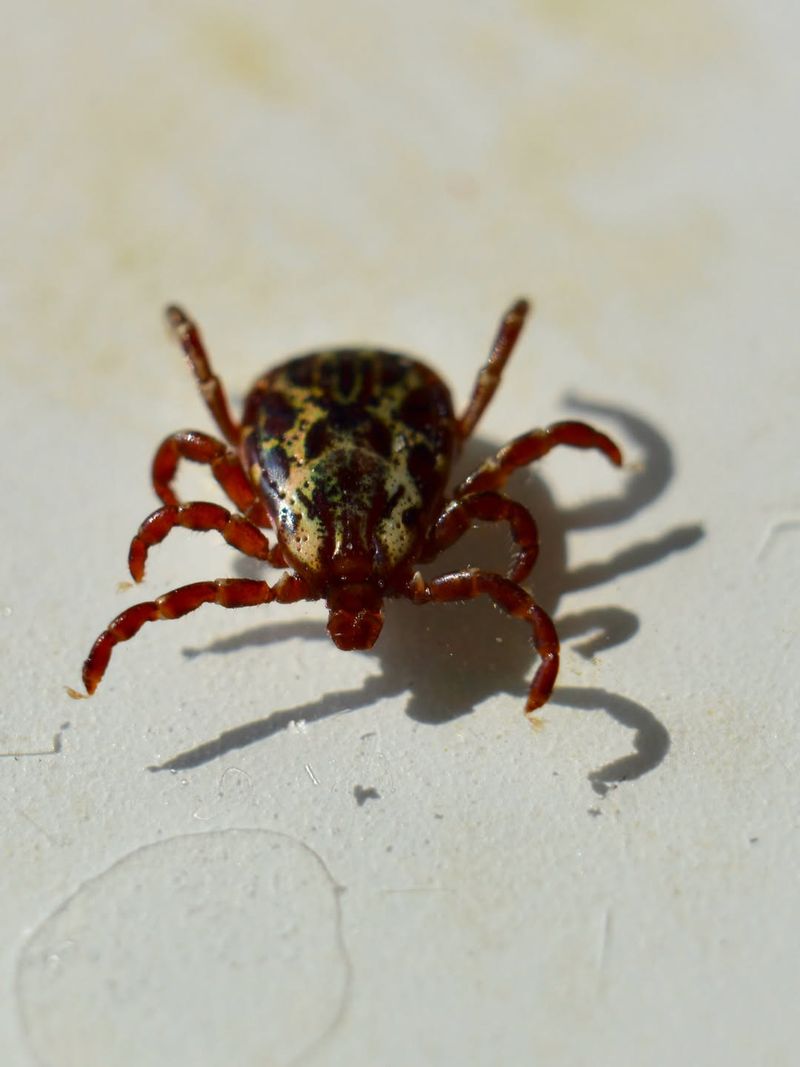
Not every Michigan yard carries the same level of tick activity. Geography and landscape design both shape how many ticks establish themselves on a property, and understanding which yard types carry the highest risk helps homeowners make more targeted decisions.
Woodland edges, brushy transition zones, and areas with tall unmowed grasses consistently represent the highest-risk tick habitats across Michigan.
These are also the kinds of features many homeowners cultivate deliberately, whether for privacy screening, wildlife support, or a naturalistic aesthetic.
Properties that back up to forests, wetlands, or overgrown fields face the highest baseline exposure.
Smaller suburban yards with a brushy corner, a neglected hedgerow, or an unmaintained fence line can also develop into effective tick environments.
Ticks move into maintained yard areas through a behavior called questing, where they climb grass blades or plant stems and extend their legs outward to contact a passing host. They do not jump or fly. They wait.
Research on tick distribution shows the highest densities within roughly nine feet of woodland borders. Gardeners who plant deer-attractive species right along those edges create a layered situation.
Preferred food sources pull deer into the highest-density tick zones repeatedly across the season.
Relocating deer-attractive plantings away from woodland borders and into more open, sunnier areas of the yard can reduce tick encounter risk without eliminating wildlife value.
The tick does not care about the garden design. It just appreciates the location.
5. The Label Says Wildlife-Friendly But It Does Not Say Which Wildlife
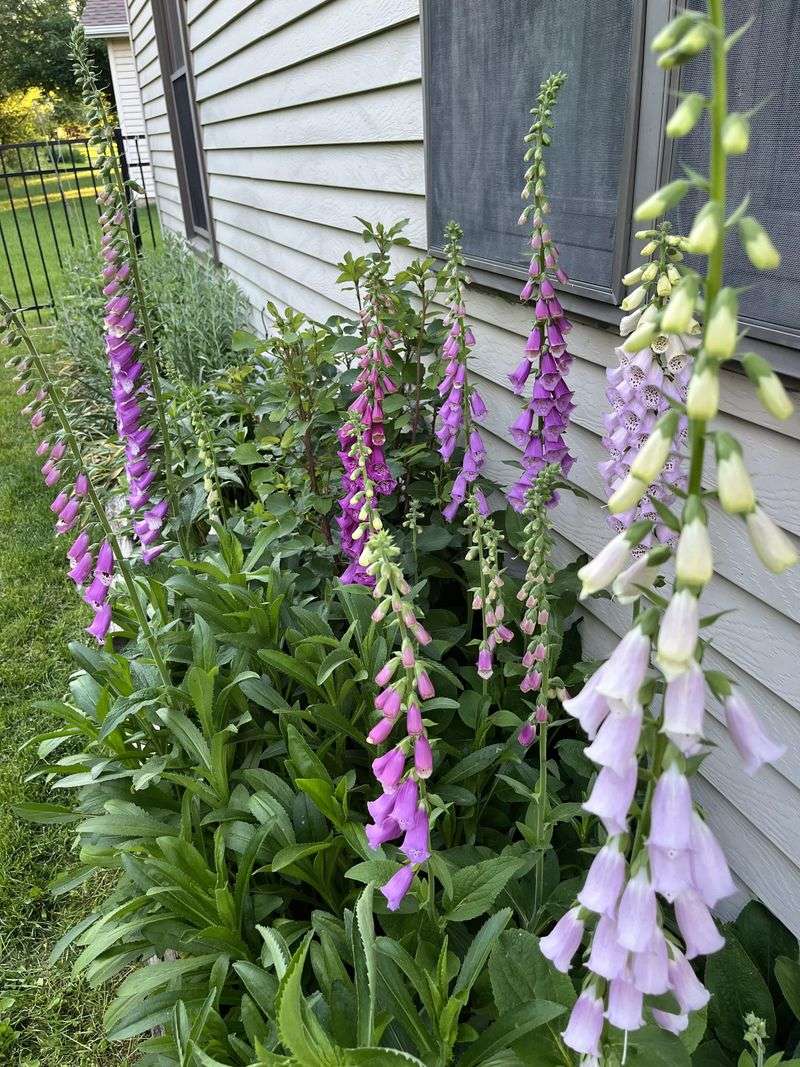
This confusion catches even experienced gardeners off guard. Deer-resistant and deer-friendly are treated as interchangeable by many homeowners, but the distinction between them has meaningful consequences for yard safety.
Deer-friendly plants are species that deer actively seek out and return to repeatedly. Hostas, tulips, daylilies, and arborvitae fall consistently into this category across Michigan landscapes.
Deer-resistant plants are species deer tend to avoid because of strong scents, bitter compounds, or tough textures that make them unappealing as food sources.
Lavender, Russian sage, ornamental alliums, and native ferns are commonly cited examples. The deer may enter the yard but they are far less likely to stay, browse repeatedly, or make the property a reliable stop on their regular route.
The confusion is partly a marketing issue. Nursery tags frequently describe plants as wildlife-friendly without specifying which wildlife or how intensely particular species will be drawn to them.
A plant marketed as a pollinator magnet can also be a consistent deer magnet, and those two qualities rarely appear together on the same label.
Swapping even a portion of current deer-attractive plantings for deer-resistant alternatives reduces visit frequency without eliminating deer from the yard entirely.
Occasional deer passing through deposit far fewer ticks than deer returning repeatedly to a reliable food source over an entire season.
The label says wildlife-friendly. The deer read it as a dinner reservation.
6. The Shrubs That Give Deer A Reason To Stay Longer Than They Should
Some plants do not just attract deer. They give deer a reason to stay, turning a brief visit into an extended session that meaningfully increases the tick deposits left behind.
Arborvitae is consistently one of the most problematic plants in Michigan residential landscapes for this reason.
Deer browse it year-round, and a mature specimen can sustain repeated feeding across an entire season without running out of accessible growth.
Homeowners frequently plant arborvitae in tight rows for privacy screening, which creates a long continuous food source that gives deer a reason to patrol the full yard perimeter rather than just pass through.
Yew shrubs present a similar problem. Despite being toxic to humans and pets, yews are highly palatable to deer and attract consistent heavy browsing, particularly in winter when other food sources become limited.
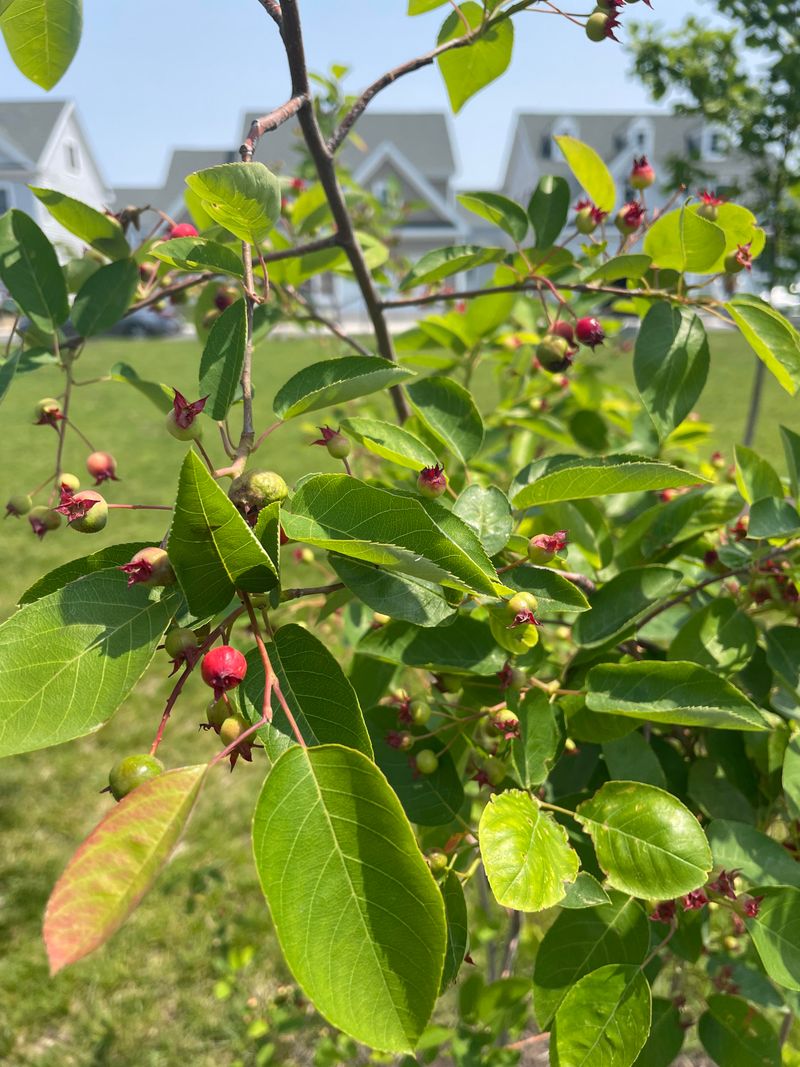
Ornamental crabapples and serviceberries also encourage lingering, especially once fruit starts dropping in late summer and fall. Fallen fruit keeps deer at ground level in the yard for extended feeding sessions rather than moving through quickly.
Replacing these high-browsing shrubs with alternatives like spicebush, buttonbush, or native viburnums supports birds and pollinators effectively while being considerably less appealing to deer.
The ecological value of the yard stays high. The duration of deer visits drops significantly.
A yard that offers deer a quick look but no compelling reason to stay is a fundamentally different risk environment than one that keeps them coming back daily.
Arborvitae has many fine qualities. Being a deer magnet in a tick-endemic region is not among the most useful of them.
7. How To Keep The Wildlife Without Keeping The Tick Risk
Wildlife gardening is worth doing. Michigan supports an extraordinary range of native birds, pollinators, and small mammals that benefit meaningfully from habitat in residential yards, and homeowners do not need to abandon that goal to reduce tick risk.
The practical approach is choosing plants that support birds, butterflies, and beneficial insects without being highly palatable to deer.
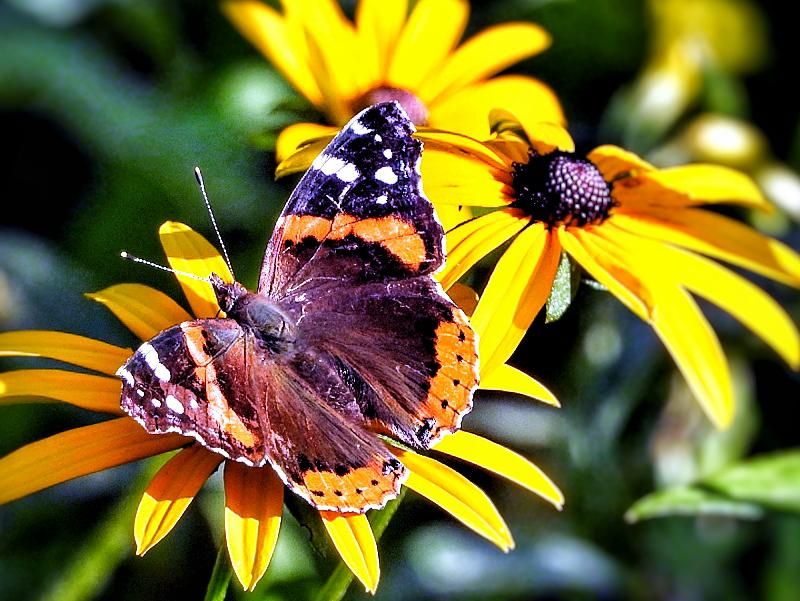
Native coneflowers, black-eyed Susans, wild bergamot, and grasses like little bluestem perform well in Michigan conditions, support local pollinator populations, and receive far less deer attention than the typical ornamental lineup.
Yard design also shapes tick risk independent of plant selection. Keeping garden beds in open, sunny areas rather than along shaded woodland edges removes the moist, sheltered conditions that ticks require.
Mowing lawn areas consistently, removing leaf litter promptly, and keeping woodpiles away from the house all reduce tick habitat without any change to the plant palette.
Bird feeders, water features, and native plant groupings positioned in open yard areas draw songbirds, hummingbirds, and butterflies without creating the dense shaded corridors that support tick populations.
A birdbath in a sunny spot or a native meadow patch in a well-lit section of the yard delivers real wildlife value with considerably lower tick risk than a shaded woodland-edge planting.
Wildlife gardening and tick awareness are not competing goals. They just require thinking about placement and plant selection at the same time, which most garden planning conversations never connect.
The birds will still come. They are not reading the same tick research, but they appreciate the open sunny habitat anyway.
8. What To Actually Do When You Want To Reduce Deer And Tick Pressure In Michigan

When Michigan gardeners look for practical guidance on this issue, the answer is rarely to remove every plant and start from scratch.
The more useful advice is considerably more manageable and starts with observation rather than renovation. A landscape audit is the natural first step.
Walking the property to identify which plantings receive consistent deer browsing and which are positioned along woodland edges or shaded transition zones reveals the highest-priority areas to address.
These are the spots where changing even one or two plants can produce a measurable reduction in deer visit frequency.
Tick management works in parallel with plant selection changes rather than replacing them. Applying a tick-targeted treatment to the yard perimeter in late spring, when nymphal ticks are most active, can reduce tick populations significantly.
Using EPA-registered products and following label directions carefully is the consistent recommendation from public health guidance on the topic.
Fencing offers another layer of protection that does not require changing the plant palette at all. Low-profile options using black polypropylene mesh can be nearly invisible while effectively keeping deer out of specific planting areas.
Detailed guidance on residential deer fencing specifications is available through Michigan State University Extension for homeowners who want to explore that option.
Combining plant selection changes with basic tick management practices creates a layered approach that reduces risk without requiring a complete rethinking of the garden.
No single step solves the problem entirely. Fortunately, no single step has to.