How Georgia Gardeners Keep Gardens Alive Under This Summer’s Watering Limits
Georgia’s heat doesn’t negotiate, and this year the water restrictions aren’t negotiating either. Outdoor watering windows have shrunk, leaving gardeners staring at wilted tomato vines with their hands tied.
Still, a workaround culture has sprung up among growers who refuse to watch their gardens fail. Mulch placement, watering timing, and soil prep are quietly doing the work a hose used to handle.
None of this depends on acreage. A cluster of containers on a porch and a full backyard plot both benefit from the same handful of adjustments.
So what exactly are these gardeners doing differently? The details are simpler than you’d expect, and surprisingly easy to copy.
1. Drip Irrigation And Soaker Hoses Remain Allowed Anytime
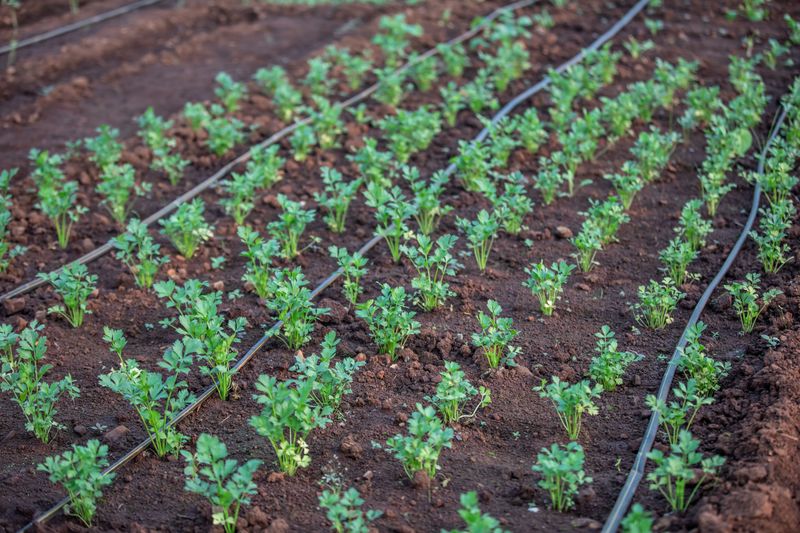
Water goes exactly where roots need it most. Drip irrigation and soaker hoses are typically exempt from Georgia’s summer watering limits because they apply moisture directly to the soil.
That means no wasted spray, no wet leaves, and no fighting the clock. Many local water authorities specifically carve out exceptions for low-flow drip systems.
Setting up a basic drip system is easier than most people expect. You can find starter kits at any garden center, and most snap together without special tools.
The hoses snake along the base of your plants and slowly release water over several hours. Your garden drinks steadily instead of gulping all at once.
Soaker hoses work especially well in raised beds and vegetable rows. They keep the surface dry, which also helps cut down on weeds sprouting between your plants.
Drip systems also protect your plants from fungal problems. Wet foliage is one of the biggest causes of disease in Georgia’s humid summer climate.
You can connect a simple timer to your drip setup for almost no extra cost. Set it before sunrise and let the system handle the rest while you sleep.
Gardeners who switch to drip irrigation often report using up to 50 percent less water than sprinkler systems. That kind of savings matters when every gallon counts under this summer’s watering limits.
2. Mulching Deeply Cuts Down On Daily Water Loss
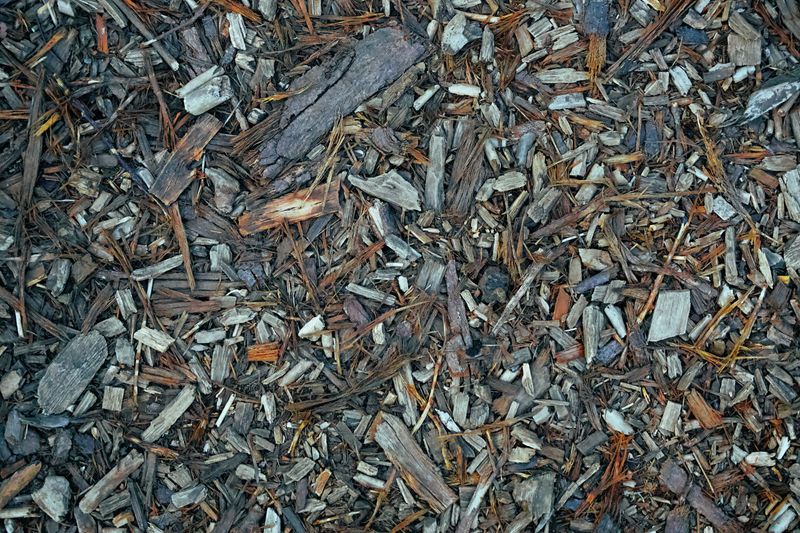
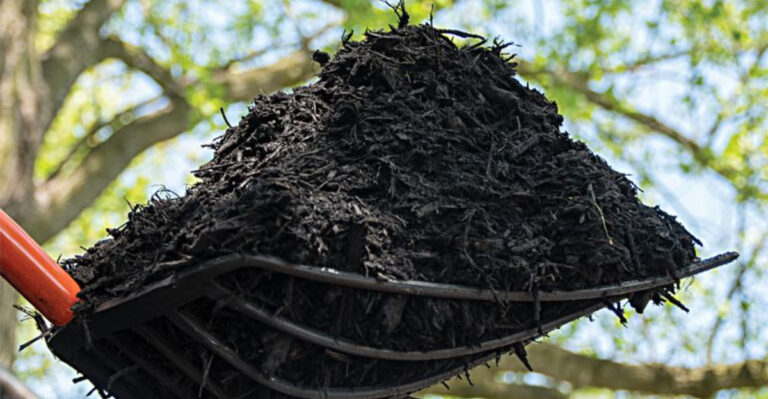
A thick blanket of mulch is one of the most powerful tools in a water-restricted garden. Bare soil bakes in Georgia’s summer sun and loses moisture within hours of watering.
Covering the ground with three to four inches of mulch slows that evaporation dramatically. Your soil stays cooler and damp far longer between watering sessions.
Wood chips, straw, and shredded leaves all work well as mulching materials. Many municipalities even offer free wood chips from tree trimming crews, so check your local public works department.
Spreading mulch is a one-afternoon project that pays off for the entire season. Once it’s down, you barely have to think about it again until fall.
Beyond saving water, mulch also suppresses weeds that compete with your plants for moisture. Fewer weeds mean less stress on your garden without any extra effort.
Organic mulches break down slowly and feed your soil as they decompose. That bonus nutrition helps plants build stronger root systems that reach deeper for water on their own.
Your Georgia Garden Changes Every Week. Your Plan Should Too.
Gardening in Georgia changes quickly throughout the season. Every Friday you’ll receive a simple weekly plan showing exactly what to plant, prune, fertilize, harvest, and protect so you never miss the right timing.
Keep mulch a few inches away from plant stems to prevent rot. A small gap around each stem lets air circulate and keeps moisture from sitting against tender growth.
Gardeners who mulch consistently often find their plants look noticeably healthier by midsummer. Under this summer’s watering limits, that simple layer of protection can mean the difference between a thriving garden and a struggling one.
3. Choosing Drought Tolerant Plants Reduces Overall Demand
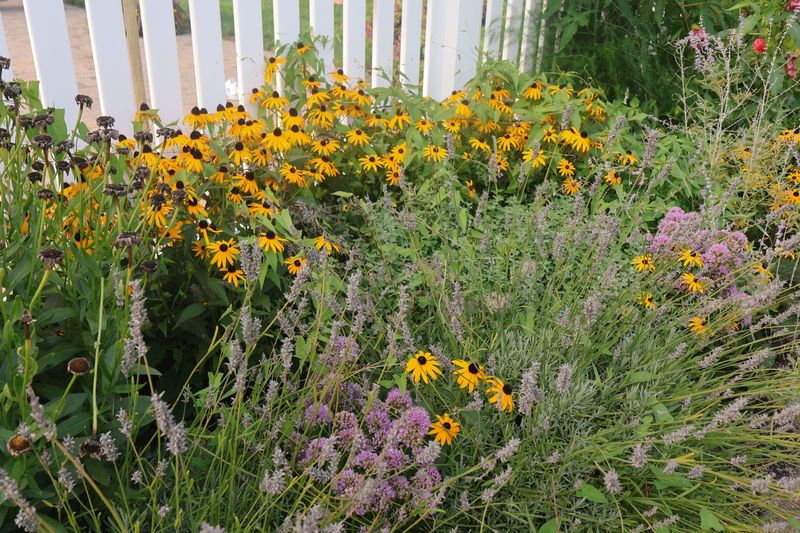
Not every plant struggles when rainfall gets scarce. Drought-tolerant varieties have built-in survival strategies that make them natural partners for restricted-water summers.
Native plants are especially smart choices for Georgia gardens. Species like black-eyed Susan, coneflower, and native grasses evolved in the Southeast and expect dry spells as part of normal life.
Herbs like rosemary, thyme, and oregano thrive with very little water once established. They actually tend to produce more aromatic oils when they experience a bit of dry stress.
Swapping out thirsty annuals for tough perennials saves both water and money over time. Perennials come back each year with root systems already adapted to your specific soil and climate.
Succulents and ornamental grasses add texture and color without demanding constant moisture. Both groups look sharp in containers or landscape beds and rarely complain during hot, dry stretches.
When shopping for plants, look for tags that say “drought tolerant” or “low water.” Many nurseries in the South now group these plants together, making selection much simpler for home gardeners.
Even within vegetable gardens, some crops handle heat and dryness better than others. Okra, sweet potatoes, and Southern peas were practically built for Georgia summers and need far less babying than cucumbers or lettuce.
Building a garden around plants that ask for less is one of the smartest long-term responses to this summer’s watering limits. Your future self will thank you every single July.
4. Watering Early Morning Maximizes Every Drop Used
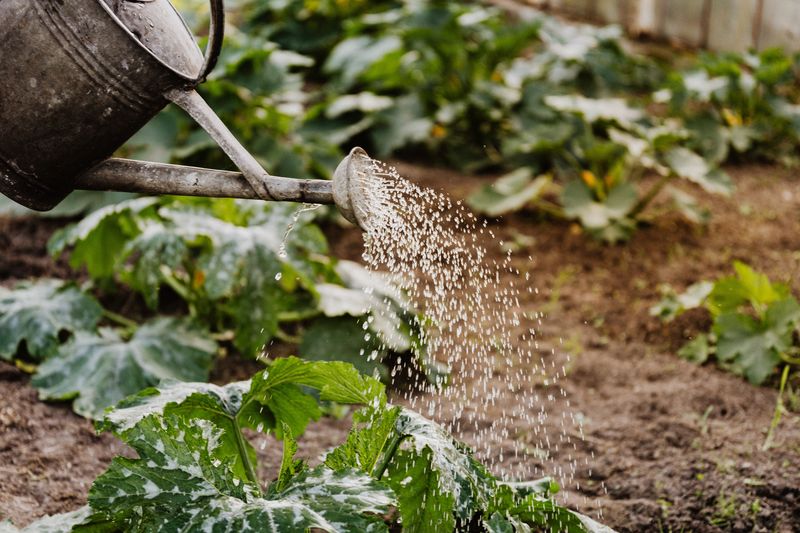
Timing your watering session is almost as important as how much water you use. Early morning is the single best window for getting moisture to your plants efficiently.
Between 5 a.m. and 9 a.m., temperatures are at their lowest and wind is usually calm. Water soaks into the soil instead of evaporating before roots ever get a chance to absorb it.
Midday watering can lose up to 30 percent of applied water to evaporation alone. That’s a costly waste when you’re already working within tight watering limits.
Evening watering might seem convenient, but it leaves foliage wet overnight. Wet leaves in Georgia’s humid air are practically an invitation for mold, mildew, and fungal infections.
Morning watering also gives plants time to dry naturally as the day warms up. That drying process keeps disease pressure low without any extra sprays or treatments.
Setting a simple battery-powered timer on your spigot removes all the guesswork. You program it once, and your garden gets watered at the right time every single day automatically.
If your schedule makes early mornings tough, even shifting from afternoon to just before sunrise makes a real difference. Small timing adjustments add up to big water savings across a full season.
Respecting peak evaporation hours is a free strategy that costs you nothing but a little planning. Under this summer’s watering limits, watering smart usually beats watering often.
5. Grouping Plants By Water Needs Prevents Waste
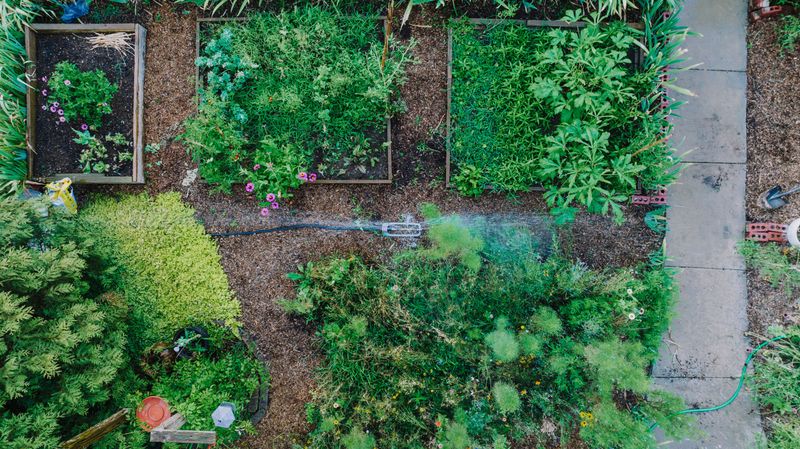
Picture watering a cactus and a fern from the same hose on the same schedule. One gets soggy, one shrivels, and both suffer from a plan that ignores their very different needs.
Grouping plants by water requirements is a technique called hydrozoning, and it’s surprisingly simple to apply at home. You cluster thirsty plants together and place drought-tolerant ones in a separate zone.
This approach means you avoid over-watering low-need plants trying to keep high-need neighbors happy. Each zone gets exactly what it requires, nothing more and nothing less.
Vegetables like tomatoes, peppers, and squash need consistent moisture and do well together in a dedicated bed. Herbs like rosemary and sage prefer to dry out between waterings and thrive in a separate spot.
Hydrozoning also makes managing watering restrictions much easier. You can focus your limited watering days on the thirstiest zones while letting drought-tolerant areas coast between scheduled sessions.
Container gardeners can apply the same idea by arranging pots into groups based on how often each plant needs a drink. A quick daily check tells you which cluster needs attention and which ones can wait.
Reorganizing an existing garden to create water zones takes just one afternoon of planning and rearranging. The payoff shows up immediately in healthier plants and lower water use.
Gardeners who hydrozone consistently find their overall water bills drop noticeably by midsummer. Grouping wisely is one of the cleanest solutions to navigating this summer’s watering limits without sacrifice.
6. Collecting Rainwater Adds A Free Backup Supply
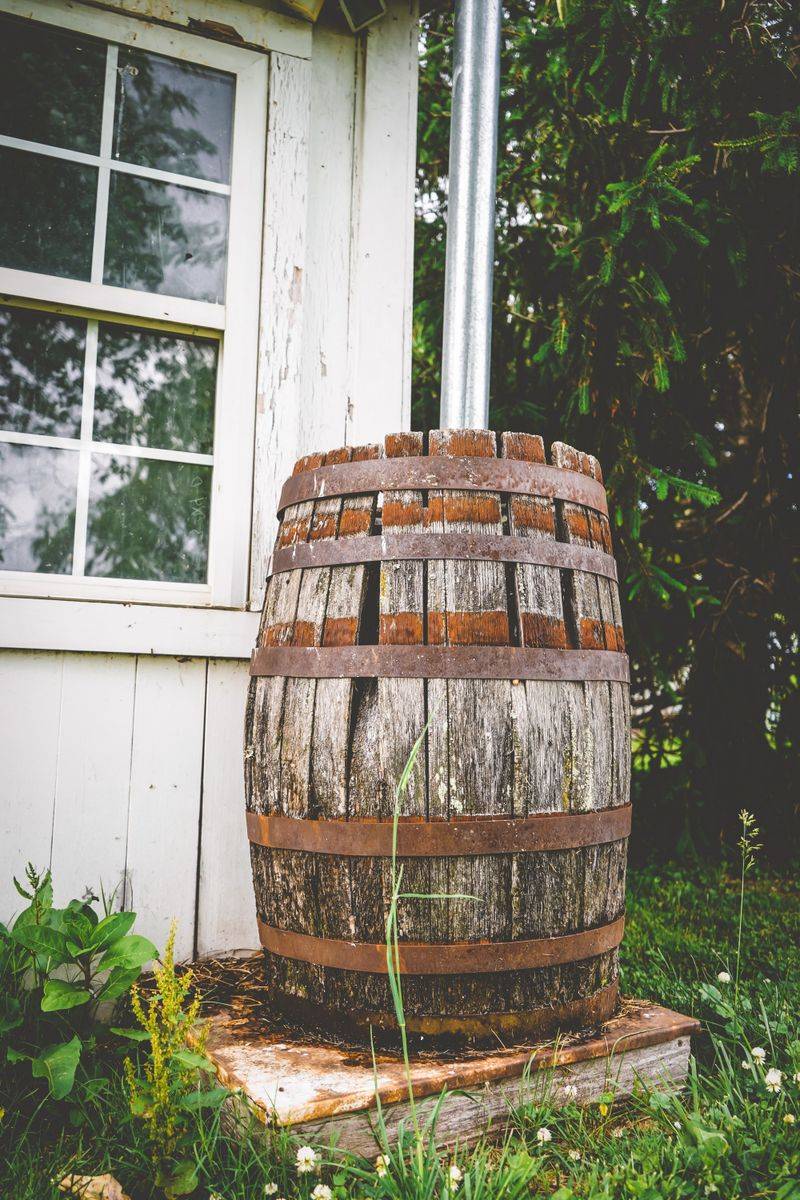
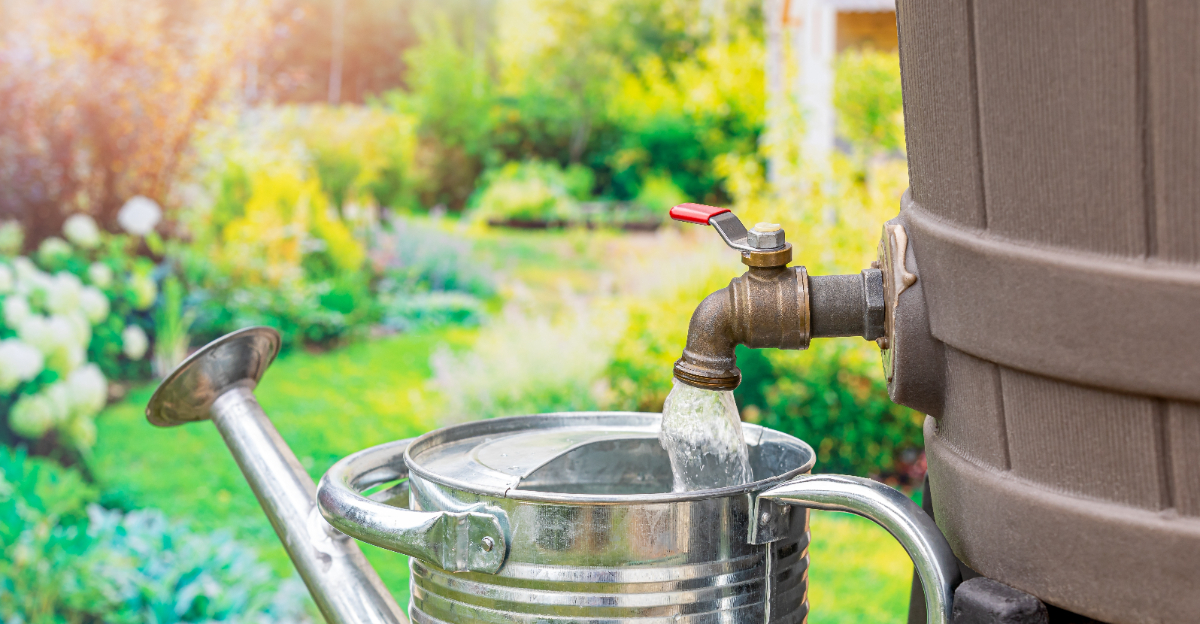
Free water falls from the sky every time a summer storm rolls through, and most of it goes straight down the drain. A rain barrel catches that runoff before it disappears and saves it for drier days ahead.
A standard 50-gallon barrel connected to a downspout can fill up quickly from a single moderate rain event. That’s enough to water a medium-sized garden bed several times over.
Rain barrels are legal for residential use in Georgia, which makes them a straightforward option for restricted-water summers. Some counties even offer subsidized barrel programs to encourage conservation.
Installing a basic barrel takes less than an hour with minimal tools. Most setups involve cutting the downspout, attaching a diverter, and connecting a short hose to the barrel’s spigot.
The water collected is soft, free of chlorine, and slightly acidic, which many plants actually prefer over tap water. Your tomatoes and flowers often respond with noticeably lusher growth when you switch to rainwater.
Linking multiple barrels together with overflow tubing multiplies your storage capacity significantly. Two or three barrels daisy-chained along a single downspout can hold 150 gallons or more.
Keep a tight-fitting lid on your barrel to prevent mosquito breeding and reduce algae growth inside. A screened overflow outlet also keeps debris from clogging the system during heavy storms.
Rainwater collection turns every thunderstorm into a resource rather than a missed opportunity. Building a backup supply is one of the most empowering responses to this summer’s watering limits.
7. Skipping Fertilizer During Restrictions Protects Stressed Plants
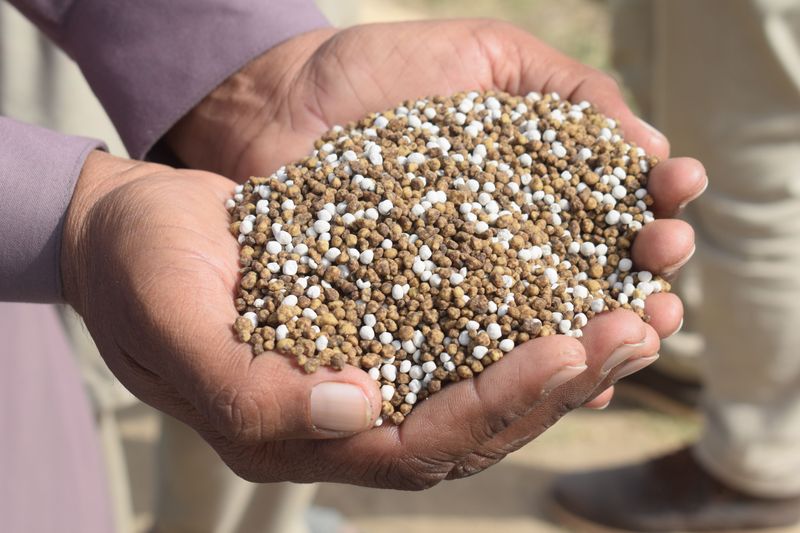
Fertilizer during a drought sounds helpful, but it often backfires in ways that catch gardeners off guard. Pushing plants to grow faster when water is scarce puts them under serious stress.
Most fertilizers, especially synthetic ones, require adequate soil moisture to work properly. Without enough water, fertilizer salts can actually pull moisture away from roots instead of feeding the plant.
That process, called fertilizer burn, causes leaf tips to brown and curl in a way that looks a lot like drought damage. You end up treating a problem you accidentally created yourself.
Stressed plants are also more vulnerable to pests and disease when they’re being forced to push out new growth. Soft new growth is the first thing insects target when they move through a garden.
Holding off on fertilizing from late spring through the worst of summer’s restrictions is a widely recommended practice. Your plants stay in a steady, low-demand mode that matches the limited water available to them.
Compost is a gentler alternative if you feel the urge to feed your garden during hot, dry stretches. It releases nutrients slowly and actually improves soil structure, helping it hold whatever moisture it does receive.
A thin top-dressing of compost around plant bases works double duty as both a mild nutrient source and a moisture-retaining layer. Two benefits from one simple action is generally a smart trade-off.
Restraint is sometimes the most productive choice a gardener can make. Skipping fertilizer during this summer’s watering limits lets your plants focus on surviving rather than sprinting.
8. Raising Mower Height Helps Lawns Retain Moisture
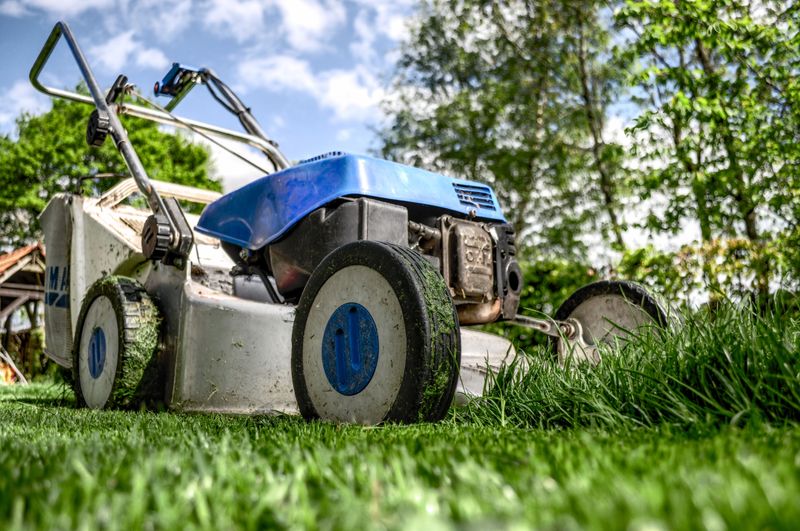
Scalped lawns turn brown faster than almost anything else in a Georgia summer. Cutting grass too short exposes soil directly to the sun, and moisture bakes away within hours.
Raising your mower deck to the highest recommended setting for your grass type makes a surprisingly big difference. Taller blades shade the soil beneath them, keeping ground temperatures lower and moisture locked in longer.
Bermuda grass does well cut at around one and a half to two inches during summer stress. Zoysia and St. Augustine prefer to stay closer to three inches when heat and drought pressure peak.
Taller grass also develops deeper root systems over time. Deeper roots reach moisture stored lower in the soil profile, giving your lawn access to water that shorter-rooted turf simply can’t touch.
Leaving grass clippings on the lawn after mowing adds another layer of moisture protection. They break down quickly and return nutrients to the soil while acting as a light mulch between blades.
Avoid mowing during the hottest part of the day when turf is already under heat stress. Early morning or late evening cuts give the lawn time to recover before temperatures climb again.
Keeping mower blades sharp also matters more than most homeowners realize. Dull blades tear grass rather than cutting it cleanly, creating ragged wounds that lose moisture and invite disease.
A simple mower height adjustment costs nothing and takes about thirty seconds to make. Under this summer’s watering limits, that small change could be what keeps your lawn green all season long.