Arizona Native Plants That Keep Blooming With Color Through The Hottest Summer Months
Summer has a way of changing the look of a garden. Plants that looked incredible in spring can start slowing down, and some of the color that made the landscape stand out begins to fade.
By the hottest part of the season, many yards no longer look as vibrant as they did just a few months earlier.
That is why long-lasting blooms are so valuable. A few reliable flowers can keep a garden colorful when other plants are taking a break.
They add life to the landscape and help it stay attractive through the toughest part of the year.
Not every plant is built for that kind of performance. Some bloom heavily for a short time and then fade into the background.
Others keep producing flowers despite the heat and dry conditions.
Arizona is home to several native plants that fall into that second group. Once established, they continue bringing color to the landscape well into summer when many other plants have already slowed down.
1. Fairy Duster Brightens Dry Garden Spaces
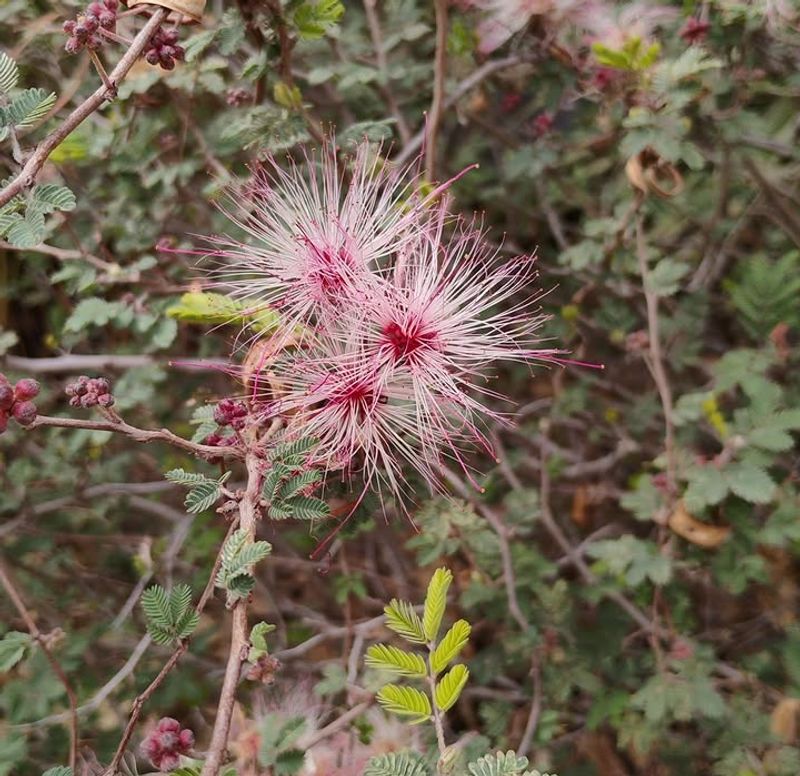
Few plants pack as much visual punch in a dry garden as Fairy Duster. Those feathery, hot-pink pom-pom blooms look almost too cheerful to be real, especially when everything else around them seems parched and dusty.
Calliandra eriophylla is the plant’s scientific name. It grows naturally across rocky desert slopes and dry washes throughout the Southwest.
In garden settings, it stays compact, usually reaching two to four feet tall and wide.
Blooming happens primarily in spring, but established plants often push out a second round of flowers during the monsoon season. That late-summer flush of color is a real bonus when most gardens are looking tired from weeks of intense heat.
Plant it in full sun with well-draining soil. Once roots are settled in, Fairy Duster needs almost no supplemental watering.
It handles dry spells well and rarely needs pruning to stay tidy.
Hummingbirds and native bees visit the blooms regularly. Having a plant that feeds pollinators while looking beautiful is always a practical win in a desert landscape.
Pair it with boulders or gravel mulch for a clean, low-maintenance look that suits the regional climate perfectly.
2. Globe Mallow Fills Beds With Orange Blooms
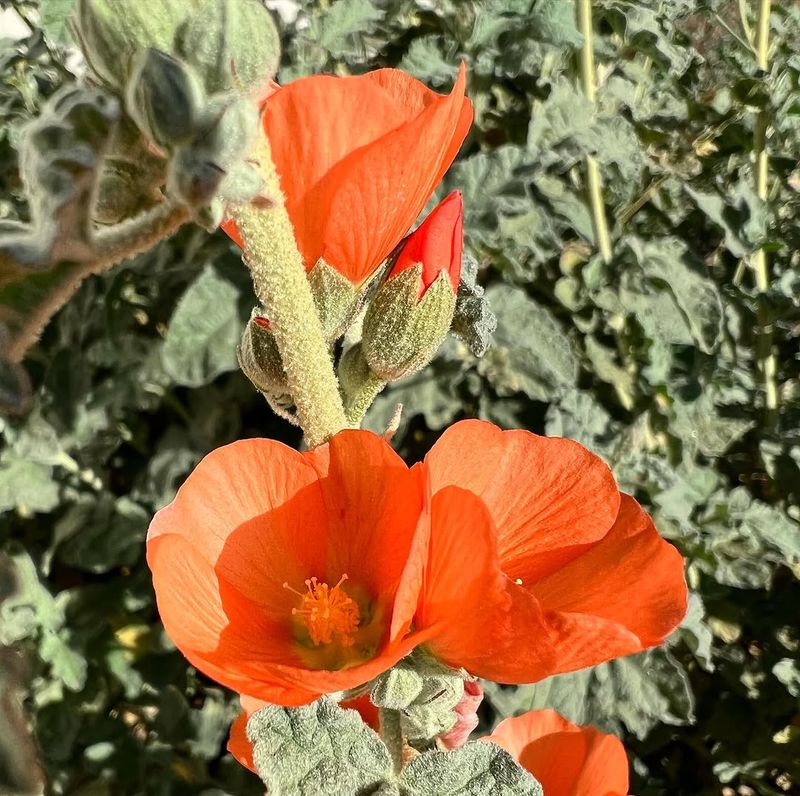
Walk past a patch of Globe Mallow in full bloom and it is hard not to stop. Clusters of vivid orange cups cover the stems from top to bottom, creating a warm, glowing effect that reads beautifully from a distance.
Sphaeralcea ambigua is one of the most reliable bloomers in hot, dry gardens. It starts flowering in spring and keeps going well into summer, especially when monsoon rains arrive and give it a second wind.
Colors are not limited to orange. Some varieties produce coral, pink, lavender, or white blooms.
Mixing different color forms in one bed creates a layered, cottage-garden feel that suits desert landscapes surprisingly well.
Globe Mallow grows fast and reaches about two to three feet tall. Full sun is essential.
Partial shade tends to reduce flowering and makes stems flop. Sandy or gravelly soil works best since the roots strongly dislike standing water.
Your Arizona Garden Changes Every Week. Your Plan Should Too.
Gardening in Arizona changes quickly throughout the season. Every Friday you’ll receive a simple weekly plan showing exactly what to plant, prune, fertilize, harvest, and protect so you never miss the right timing.
Trim plants back hard after the first bloom cycle ends. That simple cut encourages fresh growth and often triggers another round of flowers before the season closes out.
Butterflies and native bees flock to the blooms consistently. It is one of those plants that earns its space every single season without much fuss from the gardener.
3. Desert Marigold Flowers During Hot Weather
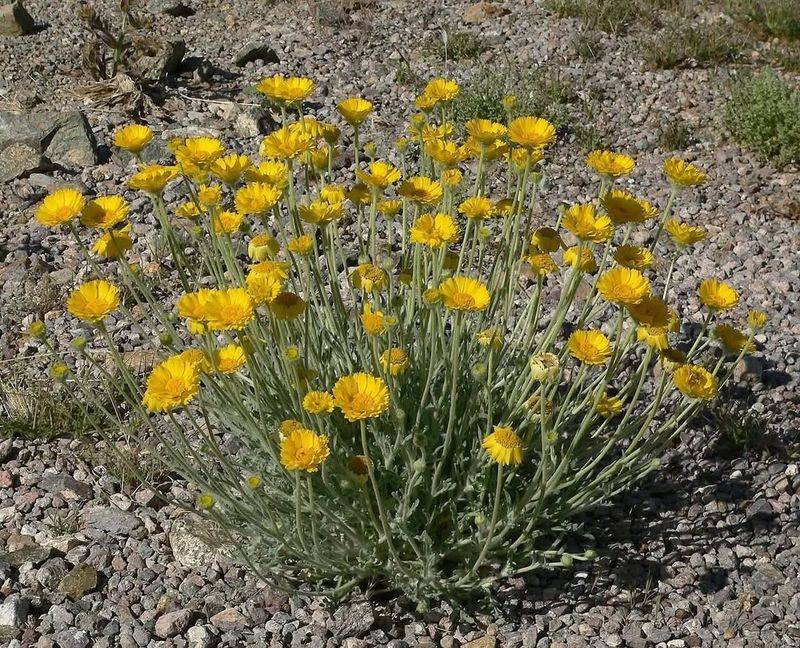
Bright yellow blooms covering a silvery mound of foliage sounds almost too good to be true in peak summer heat. Desert Marigold pulls it off without complaint, flowering heavily even when temperatures push past 105 degrees.
Baileya multiradiata is one of the most dependable yellow-flowering natives available to desert gardeners. It blooms in waves from spring through fall, with each cycle triggered by warmth and occasional moisture from seasonal rains.
Plants stay low and tidy, typically reaching one to two feet tall. Full sun placement is non-negotiable.
Shaded spots produce weak, sparse growth that rarely flowers well. Gravelly, fast-draining soil mimics the natural habitat where this plant thrives.
Deadheading spent flowers is optional but helpful. Removing old blooms encourages faster reblooming and keeps the plant looking fresh rather than ragged.
Some gardeners skip deadheading entirely and let seeds scatter naturally, which fills in bare spots over time.
Butterflies genuinely love Desert Marigold. On warm afternoons, it is common to see several species nectaring across a single plant.
The silvery foliage also adds texture when flowers are not present, making it a solid landscape choice year-round. Water lightly every couple of weeks during the hottest stretches, but avoid overwatering since wet roots cause problems fast.
4. Desert Honeysuckle Draws Hummingbirds With Red Blooms
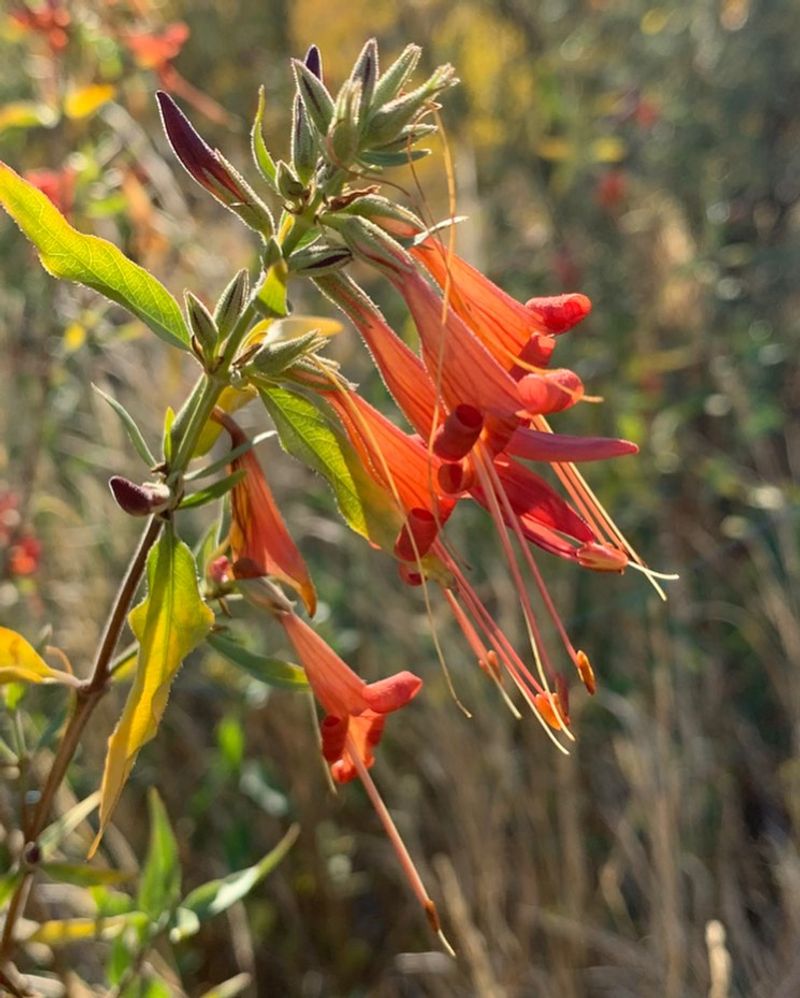
Red tubular flowers in the middle of a scorching desert summer act like a beacon for hummingbirds. Anisacanthus thurberi produces exactly that kind of bloom, and the birds find it fast once the plant gets established and starts flowering.
Desert Honeysuckle is a woody shrub that typically reaches four to six feet tall. It has an open, airy structure with slender stems that sway a bit in the breeze.
That casual, natural look fits well in informal desert garden designs.
Flowering picks up in summer and continues through early fall. The timing lines up perfectly with hummingbird migration periods, which makes this plant genuinely functional beyond just being decorative.
Orioles and large native bees also visit the blooms regularly.
Plant it in full sun or very light shade. Heavy shade reduces flowering noticeably.
Well-draining soil is important, but this shrub adapts to a range of soil types as long as drainage is decent. Deep, infrequent watering suits it better than frequent shallow drinks.
Cutting it back in late winter keeps the shape tidy and encourages vigorous new growth before spring. Without occasional pruning, plants can get leggy over several years.
Despite that minor maintenance need, Desert Honeysuckle remains one of the easiest and most rewarding summer-blooming shrubs available for hot, dry southwestern gardens.
5. Arizona Milkweed Supports Pollinators Through Summer
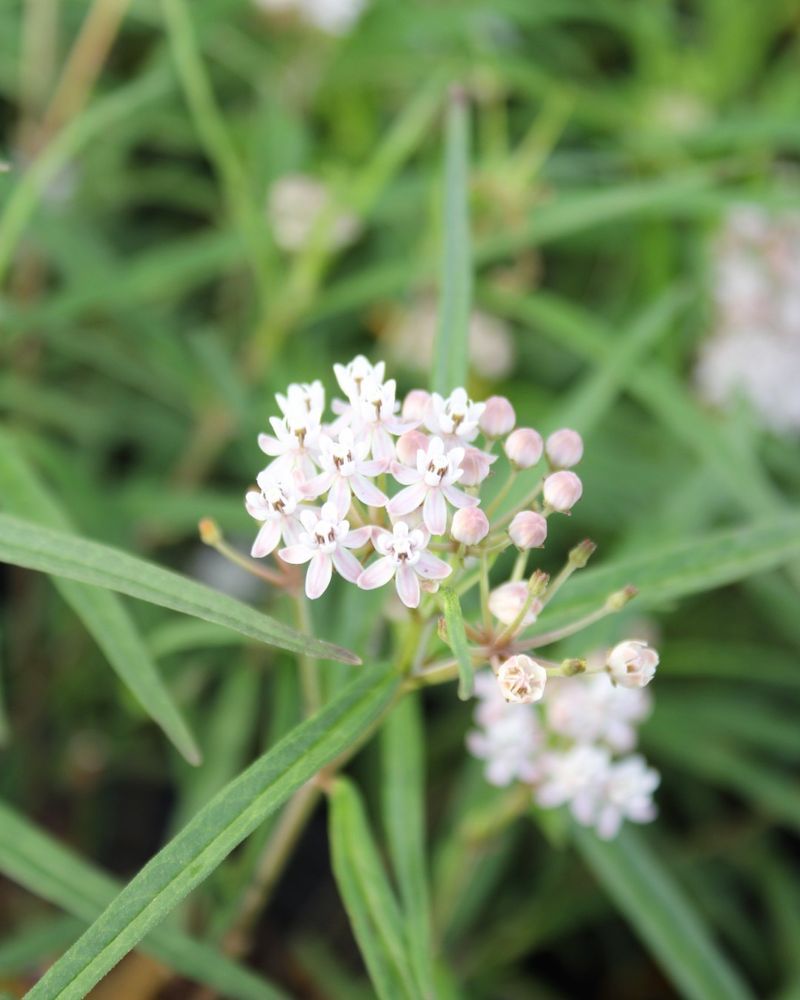
Monarch butterflies need milkweed to survive, and Asclepias angustifolia gives them exactly what they need while also handling brutal desert summers without skipping a beat.
Planting it feels less like gardening and more like doing something genuinely useful for the natural world.
Narrow-leaf milkweed, as it is commonly known, produces clusters of small pink and white flowers that are subtle but consistently attractive. Blooming runs from late spring into summer and picks back up after monsoon rains provide moisture.
Plants stay relatively compact, usually reaching two to three feet tall. Full sun positions work best.
Partial shade is tolerable but tends to reduce flower production and slow overall growth. Sandy or gravelly soil with excellent drainage is strongly preferred.
Beyond monarchs, native bees, queen butterflies, and various other pollinators visit the flowers regularly. Having one plant that attracts that range of beneficial insects is genuinely impressive for such an undemanding species.
Watering needs are low once the plant is established. During the hottest weeks, a deep drink every ten to fourteen days is usually sufficient.
Avoid overhead watering if possible since wet foliage in humid monsoon conditions can sometimes encourage fungal spots. Seed pods form after flowering and split open to release silky seeds that drift on the breeze.
Letting a few pods mature helps the plant naturalize across the garden gradually.
6. Desert Zinnia Thrives In Full Sun Locations
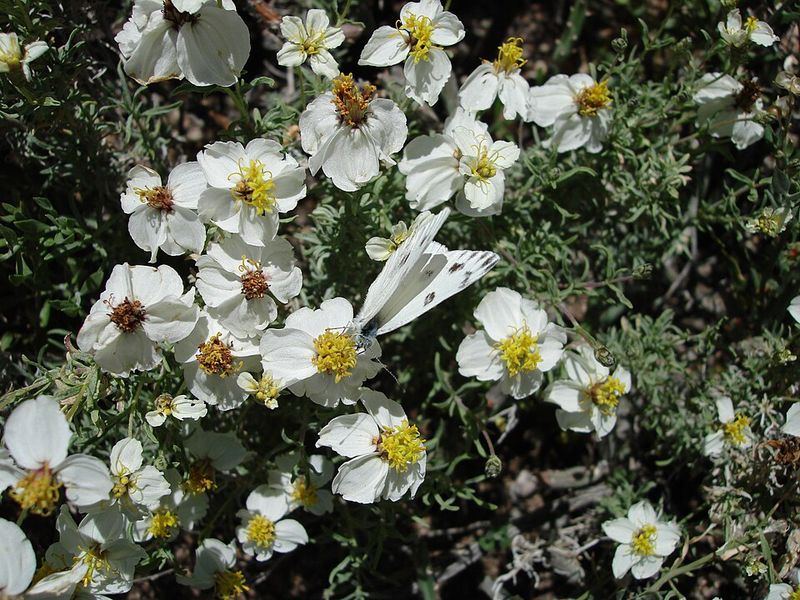
Tough does not always mean showy, but Desert Zinnia manages to be both. Zinnia acerosa covers itself in small white daisy-like flowers all summer long, asking for almost nothing in return except full sun and well-draining soil.
Plants stay low and spreading, usually under one foot tall but spreading two to three feet wide. That ground-hugging habit makes Desert Zinnia useful as a low border plant or as a filler between larger shrubs and boulders in a rock garden setting.
Flowering is remarkably persistent. Even during the most intense heat stretches, fresh blooms keep opening.
The flowers are small individually, but the sheer number of them creates a clean, bright effect across the whole plant. Bees and small butterflies visit consistently throughout the season.
Full sun is absolutely essential. Plants placed in partial shade tend to stretch out, lose their compact shape, and produce far fewer flowers.
Gravelly or sandy soil with no clay content keeps roots healthy and prevents rot during monsoon season when rain can be heavy and sudden.
Watering once established is minimal. A deep soak every couple of weeks during summer heat is plenty.
Overwatering is a more common mistake than underwatering with this species. No serious pest or disease issues typically affect Desert Zinnia, making it one of the most straightforward low-water plants available for hot southwestern landscapes.
7. Goodding’s Verbena Spreads Waves Of Purple Flowers
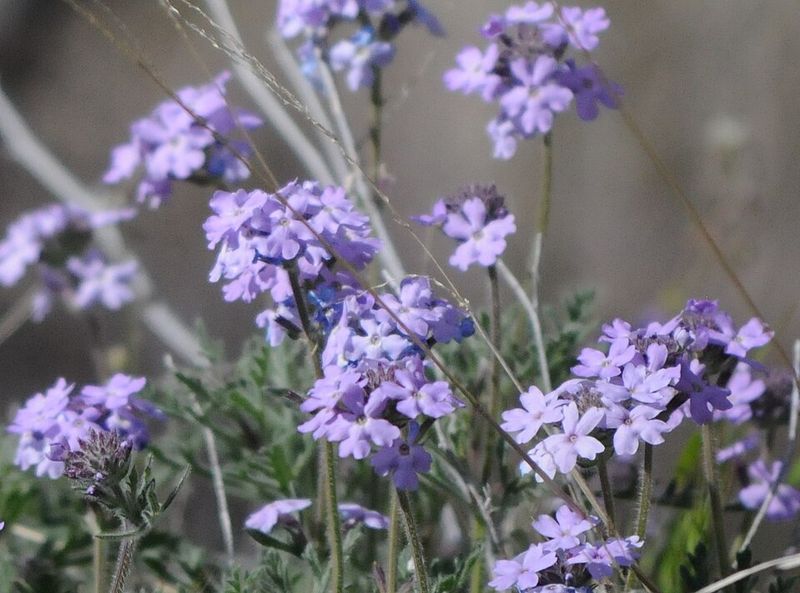
Purple flowers cascading across dry rocky ground look striking in any season, but seeing that in the middle of summer heat feels almost surprising. Goodding’s Verbena delivers exactly that kind of display with minimal care once it gets settled.
Glandularia gooddingii is a low-growing, spreading perennial that hugs the ground and spills over rocks and garden edges gracefully. Stems reach about one foot tall but spread two to three feet wide, filling in spaces that taller plants leave open.
Blooming starts in spring and continues strongly into summer. Monsoon moisture often triggers a fresh wave of flowers in late summer, extending the color season well past what many other plants manage during the same period.
Full sun placement produces the best flowering. Light afternoon shade in the hottest microclimates can help reduce stress, but heavy shade cuts flower production significantly.
Fast-draining soil is important since roots are sensitive to prolonged moisture around the crown.
Butterflies are constant visitors. Painted ladies, skippers, and native bees work the blooms throughout the day on warm, sunny afternoons.
Trim plants lightly after each bloom cycle to encourage compact regrowth and faster reblooming. Without occasional trimming, stems can get straggly and sparse over time.
Water deeply but infrequently once established. Avoid frequent shallow watering since it encourages weak, surface-level root growth that makes plants more vulnerable during dry stretches.
8. Chuparosa Stays Colorful Through Summer Heat
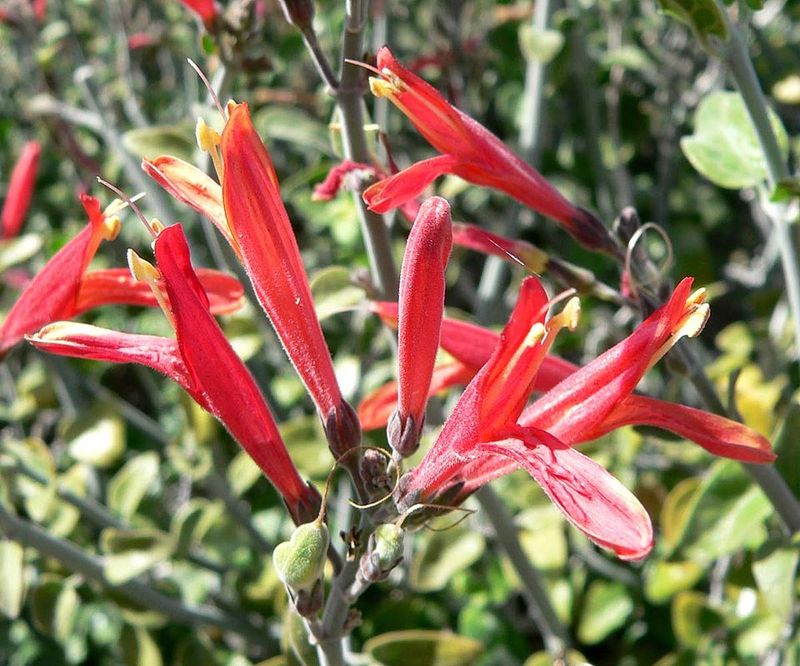
Chuparosa earned its name honestly. The word means hummingbird in Spanish, and this plant draws those birds in reliably from winter straight through the hottest summer months.
Red tubular flowers cover the stems in waves that barely pause between cycles.
Justicia californica is a sprawling, semi-deciduous shrub that typically reaches four to six feet tall and equally wide. Its stems are green and somewhat succulent-looking, which helps the plant retain moisture during dry stretches when leaves may drop temporarily.
Flowering is heaviest in late winter and spring, but established plants continue producing blooms through summer, especially after monsoon rains provide a boost.
That extended season makes Chuparosa one of the most dependable color sources in a hot western garden.
Full sun brings out the best performance. Partial shade is tolerable but noticeably reduces both flower production and overall vigor.
Plant it in well-draining soil and avoid overwatering since wet conditions around the roots cause problems quickly.
Beyond hummingbirds, Verdins and orioles visit the flowers regularly. Having a shrub that supports multiple bird species while providing months of color is a strong argument for including it in any desert landscape plan.
Prune lightly after the main bloom period to maintain a manageable shape. Hard pruning in late winter before new growth starts keeps older plants rejuvenated and productive for many seasons without losing visual impact.
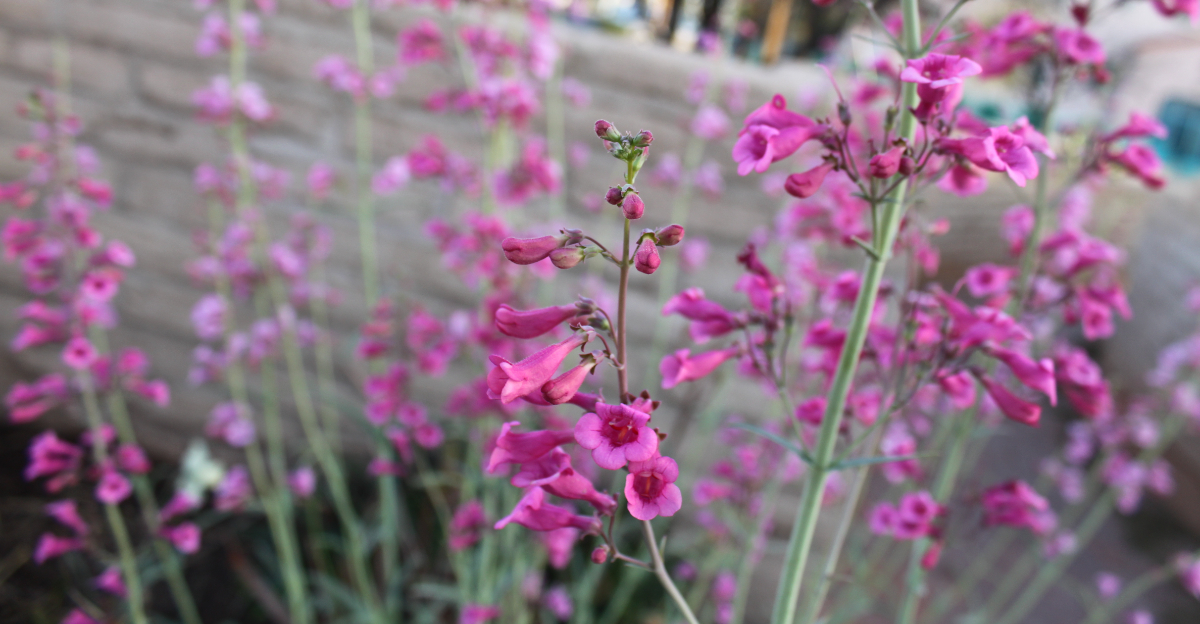
9. Penstemon Parryi Produces Tall Pink Flower Spikes
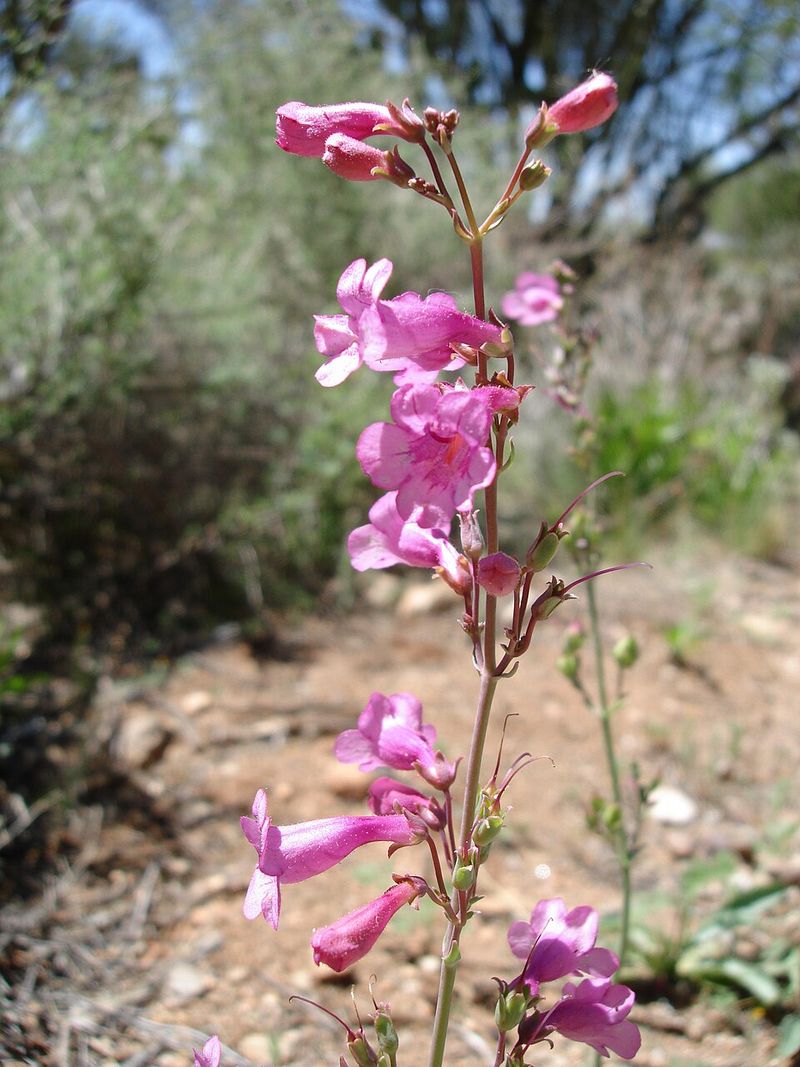
Parry’s Penstemon sends up flower spikes that can reach five or six feet tall, covered in tubular pink blooms that hummingbirds absolutely cannot resist. Few native plants create that kind of vertical drama in a desert garden.
Penstemon parryi blooms primarily in late winter and spring, but established plants in favorable spots often push a second round of flowering when monsoon rains arrive in summer. That late flush of color is worth waiting for.
Rosettes of broad, blue-green leaves sit at the base year-round. Even without flowers, the foliage adds structure and texture to garden beds.
Plants typically reach two feet wide and stay tidy without requiring much intervention from the gardener.
Full sun suits Parry’s Penstemon best. It grows naturally on rocky desert slopes and bajadas across the Sonoran Desert region, so mimicking that environment with fast-draining, gravelly soil gives the best results in home landscapes.
Watering during the first growing season helps roots establish. After that, plants survive on rainfall alone in most years, though a deep drink every few weeks during extended dry spells keeps them looking their best.
Seed stalks left standing after bloom provide food for small birds like goldfinches. Cutting stalks down after seeds are shed tidies up the plant and encourages healthy basal growth before the next bloom cycle begins.