Prune Your Arizona Red Bird Of Paradise The Right Way In July Without Heat Stress
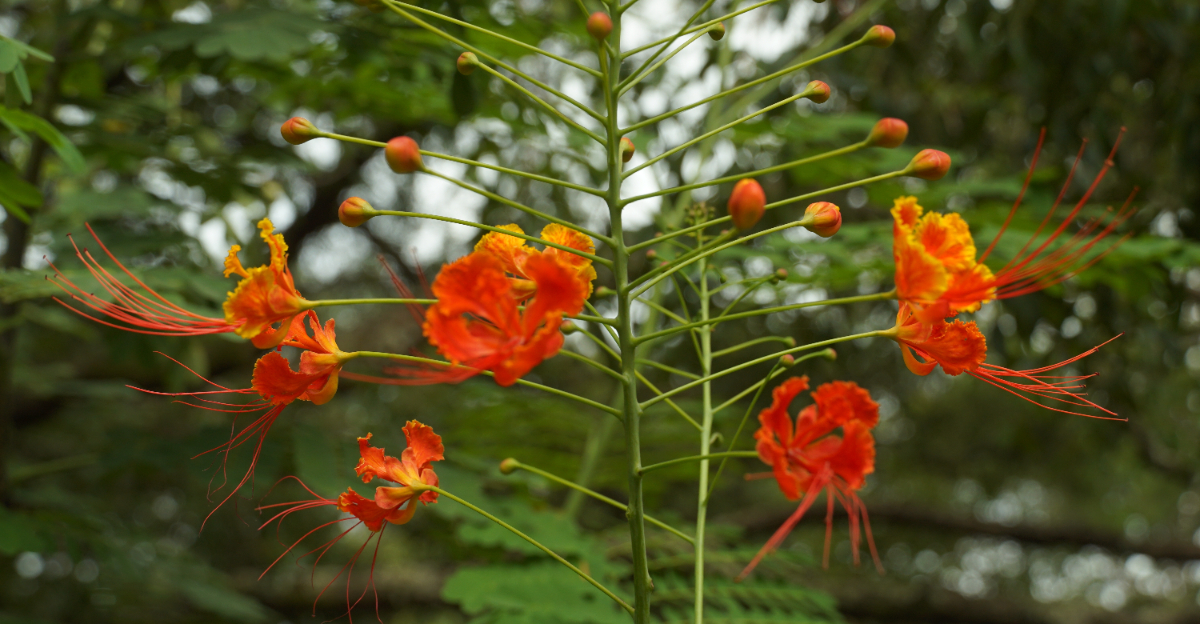
Seeing healthy branches spilling everywhere can make trimming feel impossible to postpone today. Everything still looks strong until one careless cut creates extra stress later on.
That surprise catches many gardeners because good intentions sometimes cause lasting problems instead.
Summer pruning does not have to become a risky guessing game either though. Small timing changes often protect plants better than heavier pruning ever could alone.
Arizona gardeners face intense July heat every single year outdoors together constantly anyway.
Red Bird of Paradise responds best when careful cuts respect extreme temperatures first. Knowing what to remove matters just as much as knowing what stays untouched.
The right approach keeps strong growth coming without adding unnecessary summer strain later. Follow these simple steps now for healthier blooms next season without regret later.
1. Trim Only The Longest And Most Overgrown Stems
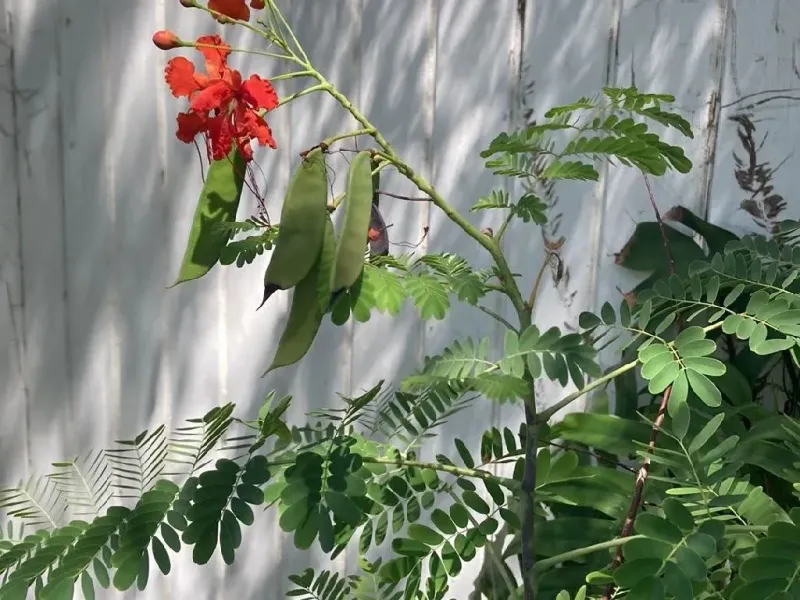
Grabbing your pruners and attacking every stem you see is a fast way to set your plant back hard. Focus only on the stems that are clearly out of bounds, flopping over paths, or growing well past the natural shape of the shrub.
Long, leggy stems draw the most energy from the plant. Cutting just those frees up resources for the healthier, more compact growth underneath.
You get a tidier look without putting the whole plant under pressure.
In peak summer heat, less is genuinely more. Removing too many stems at once exposes previously shaded inner branches to sudden full sun.
That kind of shock can cause leaf scorch and slow the plant down considerably.
Pick the three to five longest stems and start there. Step back, look at the shape, and decide if more cuts are needed before making them.
Working slowly and deliberately gives you better results than rushing through the whole shrub at once.
Sharp, clean tools matter here too. Dull blades crush stems instead of cutting cleanly, and rough cuts take longer to seal.
A clean cut heals faster, which is especially important when temperatures are climbing into triple digits.
2. Make Every Cut Just Above A Leaf Node
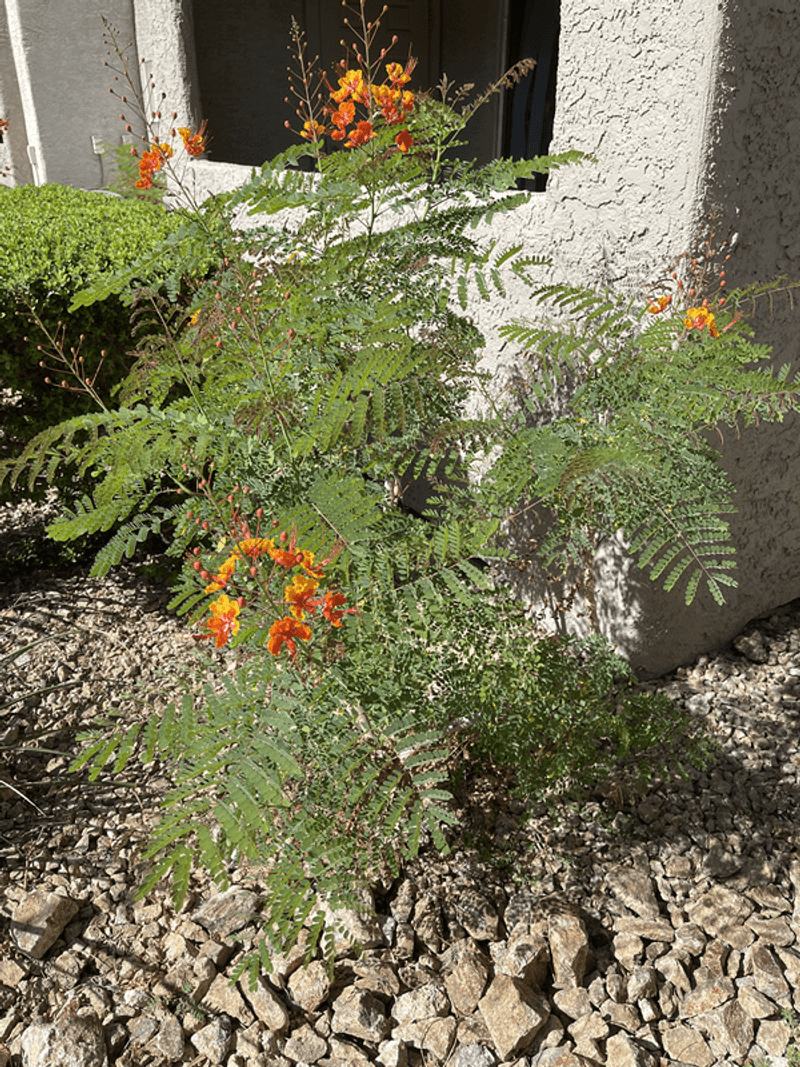
Cutting in the wrong spot wastes the plant’s energy and leaves behind stubs that can attract pests and encourage rot.
Every cut you make should land just above a leaf node, which is the small bump or joint where a leaf or branch connects to the stem.
Nodes are where new growth originates. When you cut above one, the plant has a clear starting point to push out fresh shoots.
Cut below a node or in the middle of a bare stem, and you leave a section with nowhere to produce new growth.
In Arizona’s July heat, the plant needs every advantage it can get. Wasted stubs sitting in the sun pull moisture and energy away from healthy tissue.
Precise cuts reduce that drain and help the plant recover faster.
Aim to cut at a slight angle, about a quarter inch above the node. That small angle helps water run off the cut surface instead of pooling and softening the tissue.
Your Arizona Garden Changes Every Week. Your Plan Should Too.
Gardening in Arizona changes quickly throughout the season. Every Friday you’ll receive a simple weekly plan showing exactly what to plant, prune, fertilize, harvest, and protect so you never miss the right timing.
It is a small detail that genuinely helps in humid monsoon conditions.
Take a second to locate the node before each cut. It only takes a moment, and it makes a noticeable difference in how quickly new growth appears.
Thoughtful cuts lead to a stronger, bushier plant rather than a sparse, slow-recovering one.
3. Avoid Removing Too Much Growth At Once
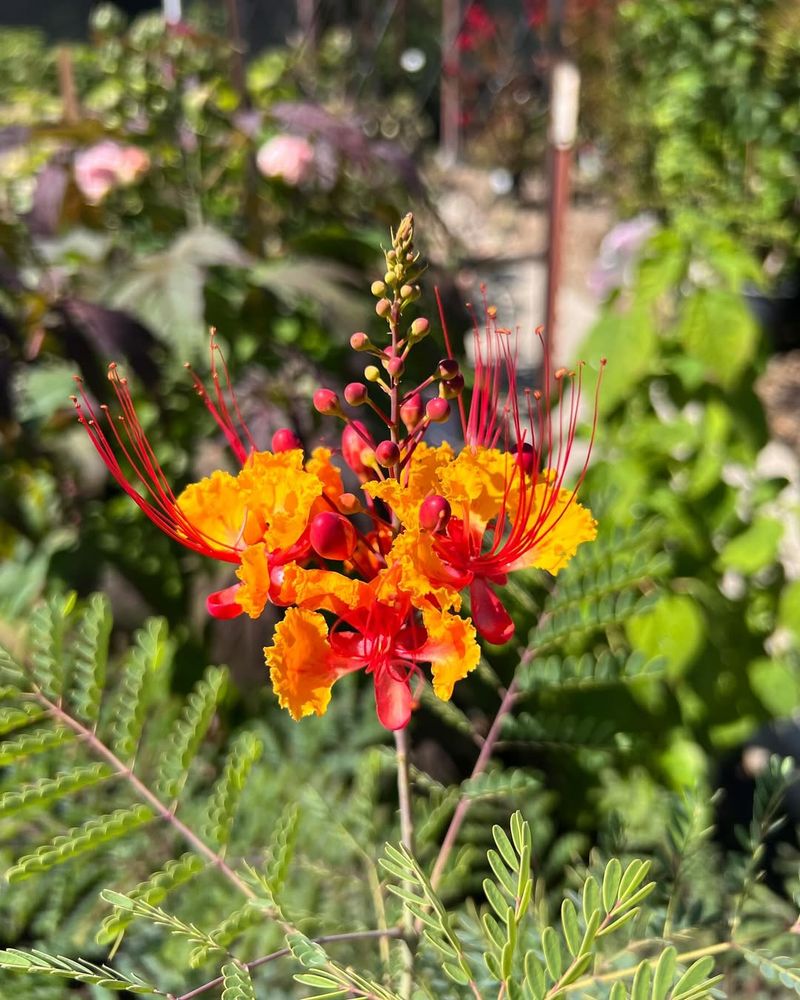
Stripping a shrub down heavily in July sounds satisfying, but it often backfires badly. Red Bird of Paradise uses its leafy canopy to shade its own stems and root zone during extreme heat.
Remove too much, and the plant loses that built-in protection.
A good rule of thumb is to remove no more than about one-third of the plant’s overall growth in a single session. That limit keeps enough foliage in place to continue photosynthesis and provide some self-shading during the hottest part of the day.
Bare stems exposed to direct afternoon sun in the desert Southwest can scorch quickly. Scorched tissue weakens the plant and takes weeks to recover.
Keeping most of the canopy intact reduces that risk significantly.
If the plant is heavily overgrown, it is better to spread the work across two or three sessions spaced a few weeks apart. Gradual trimming is gentler and gives the plant time to adjust between cuts.
Patience here pays off in healthier regrowth.
Watch how the plant responds after each session. New leaf buds showing up within a week or two are a good sign the plant handled the cut well.
If growth stalls or leaves start dropping, hold off on any further trimming until conditions improve.
4. Water Deeply After Pruning
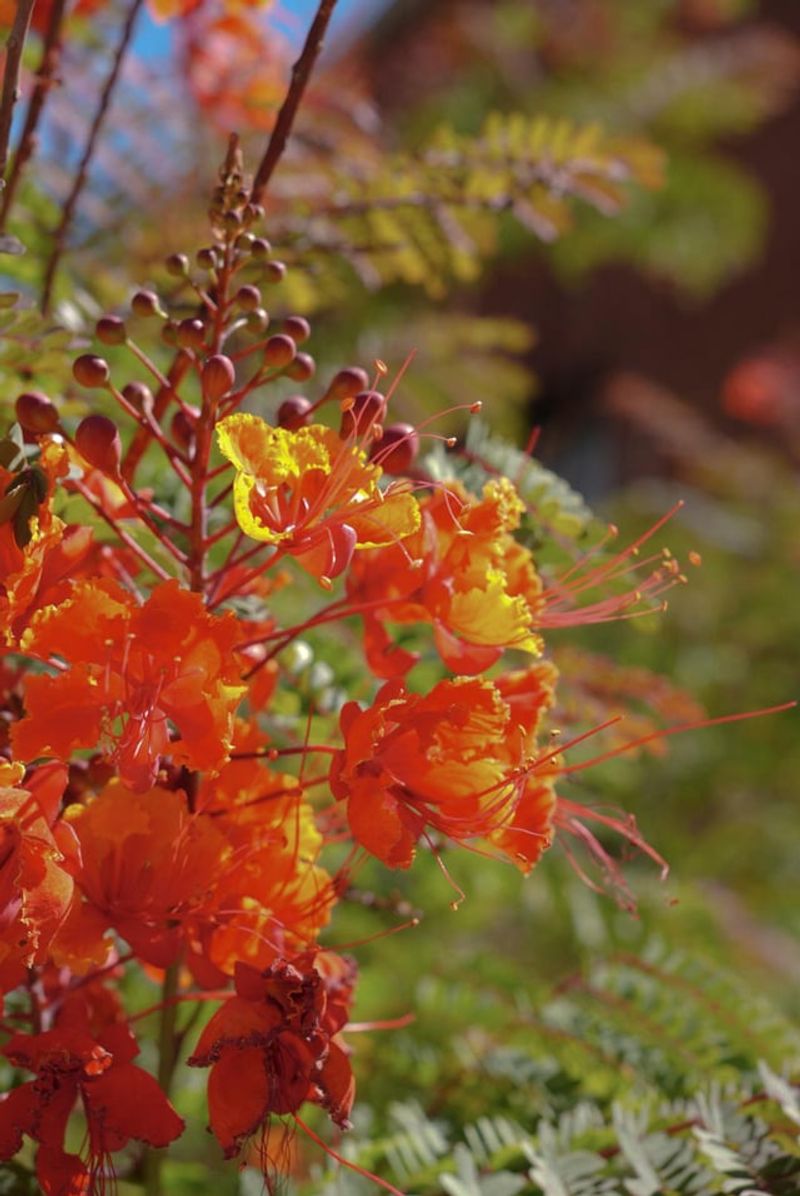
Right after pruning, your plant is working harder than usual to seal cuts and push new growth. Giving it a deep, slow drink within a day of trimming helps fuel that recovery process without stressing the roots further.
Shallow watering is a common mistake. Sprinkling the surface may look like enough, but desert soils dry out fast and roots need moisture well below ground level.
Aim to water slowly for at least thirty to forty-five minutes to let moisture penetrate deeply.
Deep watering encourages roots to grow downward, where soil stays cooler and holds moisture longer. Shallow roots sitting close to the surface are far more vulnerable to heat spikes.
Getting water down to depth makes the whole plant more resilient through the rest of summer.
Early morning is the best time to water after pruning. Soil absorbs moisture more efficiently before the heat of the day sets in, and foliage dries quickly if any splashes on leaves.
Evening watering can work but may leave moisture sitting overnight in humid monsoon conditions.
Check soil moisture a few inches down before watering again. If it still feels damp, wait another day.
Overwatering in clay-heavy soils can cause root problems just as damaging as drought, so feel the soil rather than watering on a fixed schedule.
5. Keep The Root Zone Covered With Mulch
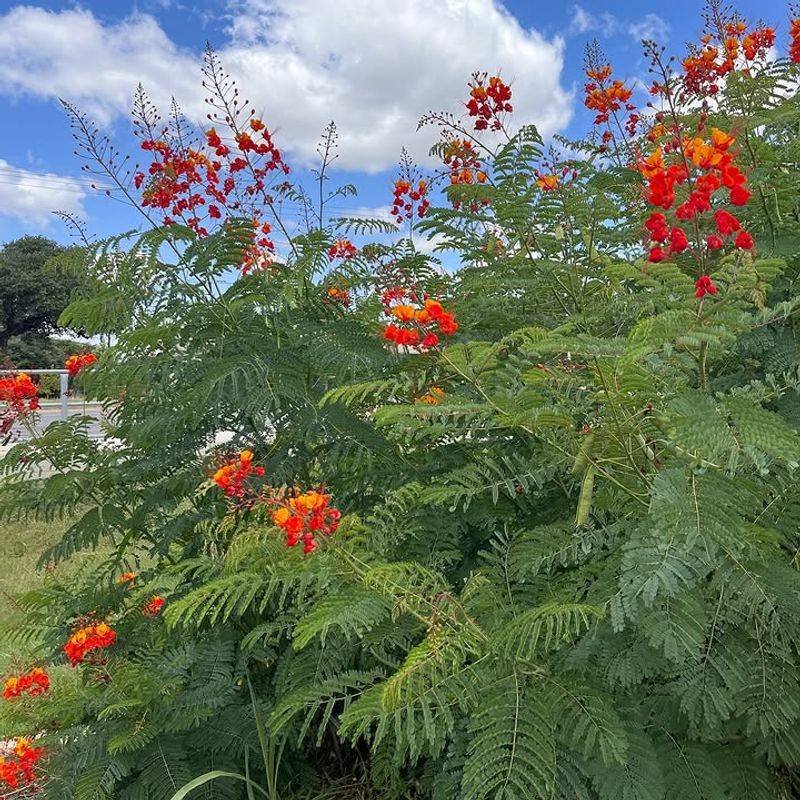
Bare soil in July bakes fast, and hot soil stresses roots even when the plant looks fine above ground.
A layer of mulch over the root zone acts like insulation, keeping soil temperatures noticeably lower and holding onto moisture much longer between waterings.
Spread mulch about two to three inches deep around the base of the plant. Aim to cover a wide circle extending out to the drip line, which is roughly where the outermost branches reach.
That full coverage protects the root zone where most water and nutrient uptake happens.
Keep mulch pulled back a few inches from the main stem. Mulch piled directly against the stem traps moisture and can soften the bark over time, which opens the door to rot and pest issues.
A small gap around the stem base keeps things healthy.
Wood chips work well in most desert garden settings. They break down slowly, add organic matter to the soil over time, and do a solid job of regulating temperature.
Gravel mulch also works and is commonly used in the region, though it tends to hold more heat than organic options.
Replenish mulch as needed throughout summer since it can thin out or shift during monsoon rains. Keeping that layer consistent is one of the simplest and most effective things you can do to support your plant through the hottest months of the year.
6. Watch New Growth For Signs Of Heat Stress
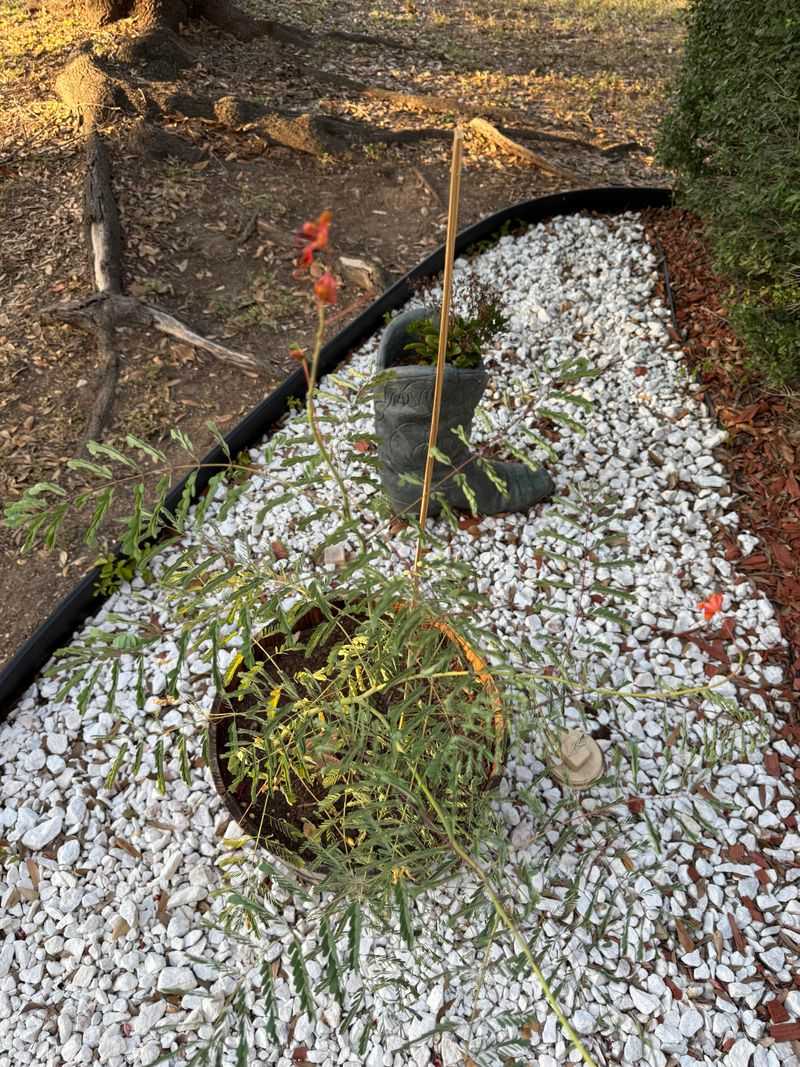
New growth after pruning is tender and more vulnerable than established leaves.
Watching it closely in the days following your trim tells you a lot about how the plant is handling both the cut and the heat.
Curling leaves, pale or bleached coloring, and wilting in the morning rather than just the afternoon are signals worth paying attention to.
Morning wilt is a stronger indicator of stress than afternoon wilt, since most plants droop slightly during peak heat as a normal response.
If new shoots look healthy and green within one to two weeks of pruning, the plant is recovering well.
Browning tips or crispy new leaves suggest the plant may need more water, shade cloth during the hottest hours, or a pause on any additional trimming.
Temporary shade cloth is a useful tool in Arizona gardens during extreme heat events.
Draping a light cloth over the plant for the hottest part of the afternoon, typically from noon to four, can reduce heat load significantly without blocking enough light to slow growth.
Check the plant every two to three days rather than daily. Frequent handling or hovering around the plant does not help and can disturb the soil around the roots.
Consistent observation over time gives you a clearer picture of how recovery is actually progressing than checking obsessively every single day.
7. Wait Before Pruning Again During Summer
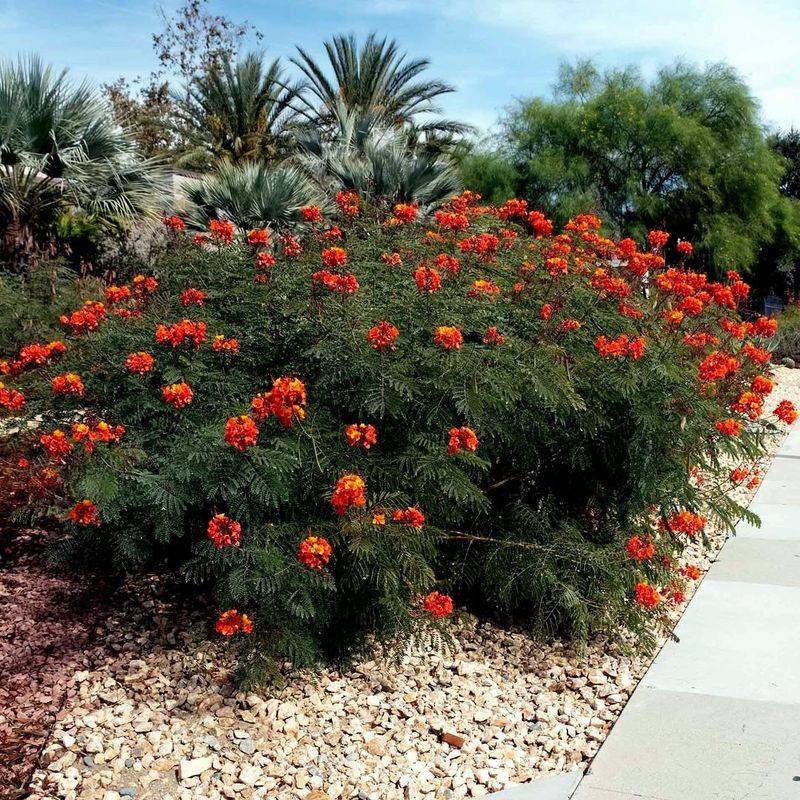
One trim done carefully is enough for most of July. Going back in too soon after your first session interrupts the recovery process and puts the plant under repeated stress during the season’s most punishing weeks.
Give the plant at least three to four weeks before considering another round of pruning.
By then, new growth should be visible and the plant will have had time to redirect energy toward healing rather than just surviving the heat.
Back-to-back pruning sessions in quick succession can weaken the plant’s overall vigor over a full season.
Red Bird of Paradise is genuinely tough, but repeated cutting during extreme heat pushes even hardy desert plants toward decline. Spacing sessions out protects long-term health.
If regrowth looks strong and the plant seems to be bouncing back well, a light follow-up trim in late August or early September may be appropriate.
Cooler temperatures at that point make recovery faster and less risky than repeat cuts in peak July heat.
Resist the urge to tidy up every stray stem you spot between sessions. A slightly imperfect shape for a few weeks is a reasonable trade-off for a plant that comes out of summer strong and healthy.
Blooms often return quickly after a proper pruning, which makes the wait very much worth it.