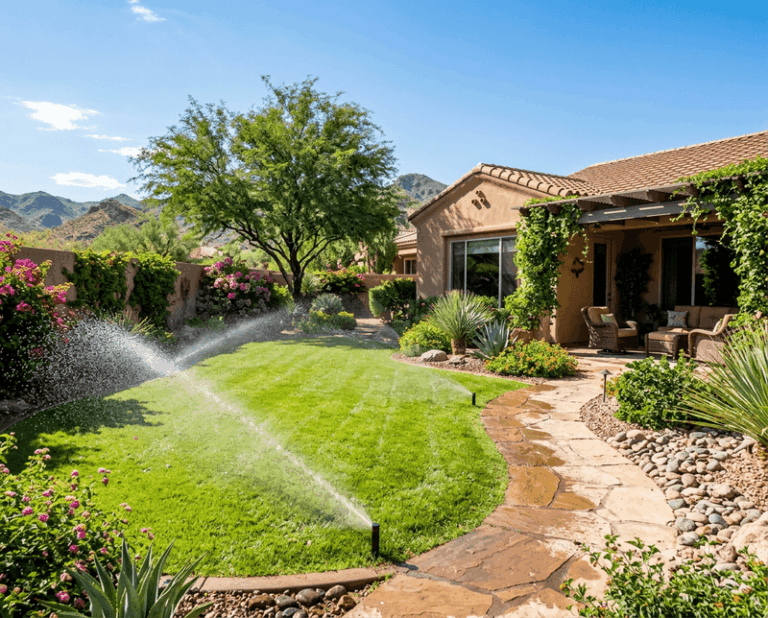
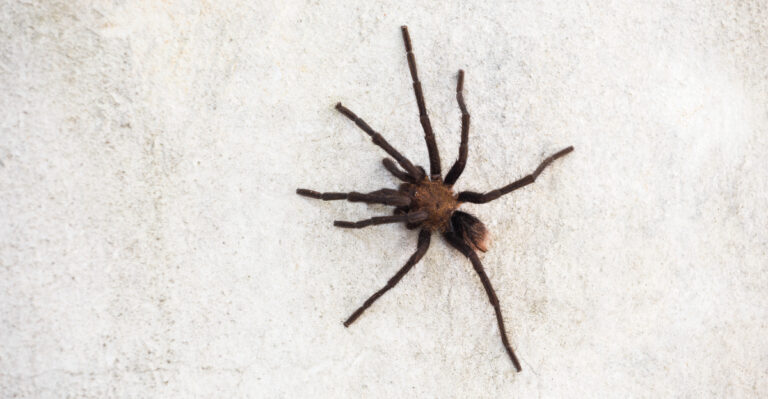
Yard Conditions Arizona Homeowners Create That Are Attracting Bobcats To Their Property
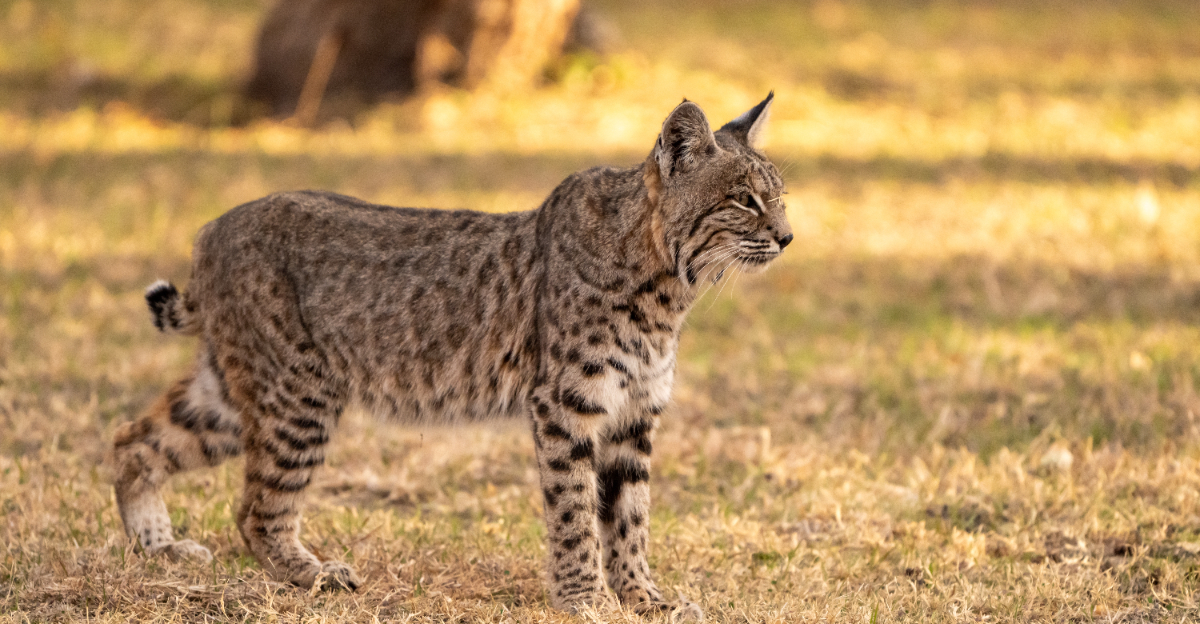
There is something unsettling about noticing that an animal has been in your yard when you never actually saw it arrive.
Maybe it is a set of tracks in the dirt, movement caught on a security camera, or a pet suddenly acting interested in the same corner of the yard every evening.
Little clues like that can leave you wondering what is happening after dark when nobody is paying attention.
Wildlife sightings tend to spark curiosity because they make familiar places feel different. The same yard you walk through every day can suddenly feel connected to a much larger world that exists beyond fences and property lines.
That is especially true in Arizona, where neighborhoods often sit close to natural habitat. Animals are constantly moving through these areas, even when they go unnoticed.
In some cases, features that seem perfectly normal can make a property more appealing than expected.
Understanding which yard conditions attract bobcats can help explain why some properties receive more visits than others.
1. Unsecured Poultry Pens Draw Unwanted Attention
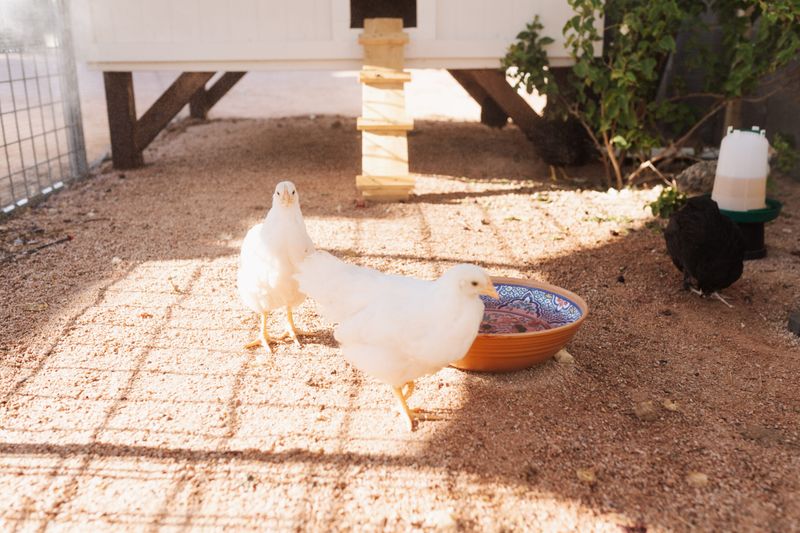
A backyard flock sounds like a great idea until a bobcat figures out where dinner lives. Chickens, ducks, and rabbits are easy targets for a hungry predator that hunts by instinct, not habit.
Bobcats have sharp senses. They can smell animals from a distance and will return to the same spot repeatedly once they find a reliable food source.
Loose wire, gaps in fencing, or low pen walls make access far too easy.
Hardware cloth with small openings works much better than standard chicken wire. Chicken wire keeps birds in but does not reliably keep predators out.
Bobcats can tear through weak sections or squeeze through gaps wider than a few inches.
Pen roofs matter too. An open-top enclosure is an easy entry point.
Fully enclosed pens with secure latches on every door are the standard you should aim for.
Check your setup at dusk and dawn. Bobcats are crepuscular, meaning they are most active during those low-light hours.
Securing your flock before dark and doing a quick inspection each morning can prevent a lot of problems.
Motion-activated lights near the pen area can also help discourage a curious bobcat from getting too comfortable. Bright light startles them and disrupts their approach.
Combined with solid fencing, it creates a much less appealing target.
2. Dense Vegetation Creates Hidden Travel Routes
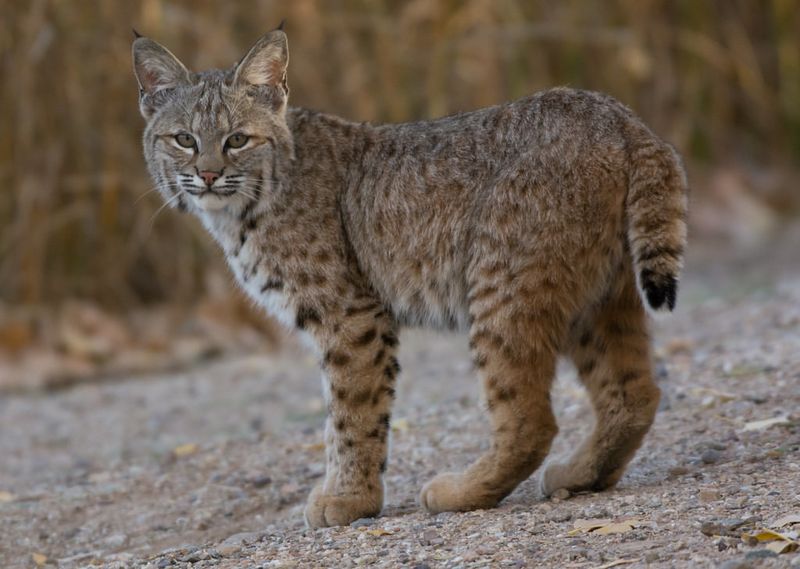
Bobcats do not wander randomly. They follow routes, and thick vegetation gives them exactly the cover they need to move without being seen.
Dense shrubs along fences or walls act like highways for wildlife.
Native desert plants grow fast in certain parts of the Southwest. When left untrimmed, they can create tunnels of shade and cover right along your property line.
Bobcats use those corridors to scout yards without exposing themselves.
Trimming low-hanging branches and thinning out ground-level shrubs removes that cover. A bobcat that cannot move through your yard undetected is less likely to use it as a regular route.
Visibility is a natural deterrent.
Your Arizona Garden Changes Every Week. Your Plan Should Too.
Gardening in Arizona changes quickly throughout the season. Every Friday you’ll receive a simple weekly plan showing exactly what to plant, prune, fertilize, harvest, and protect so you never miss the right timing.
Pay attention to areas near walls, fences, and gates. Overgrown spots near entry points are especially attractive.
Keeping those zones clear makes your yard look less like a sheltered pathway and more like open ground.
Ground-level plantings within a foot or two of a block wall should be trimmed back or removed. Stacked plantings that create layered cover are especially useful to bobcats.
Breaking up that layering reduces their sense of security.
You do not have to remove all your landscaping. Strategic thinning near boundaries and along known wildlife paths is usually enough.
Keeping sightlines open across your yard changes how a bobcat perceives the space entirely.
3. Reliable Water Sources Encourage Repeat Visits
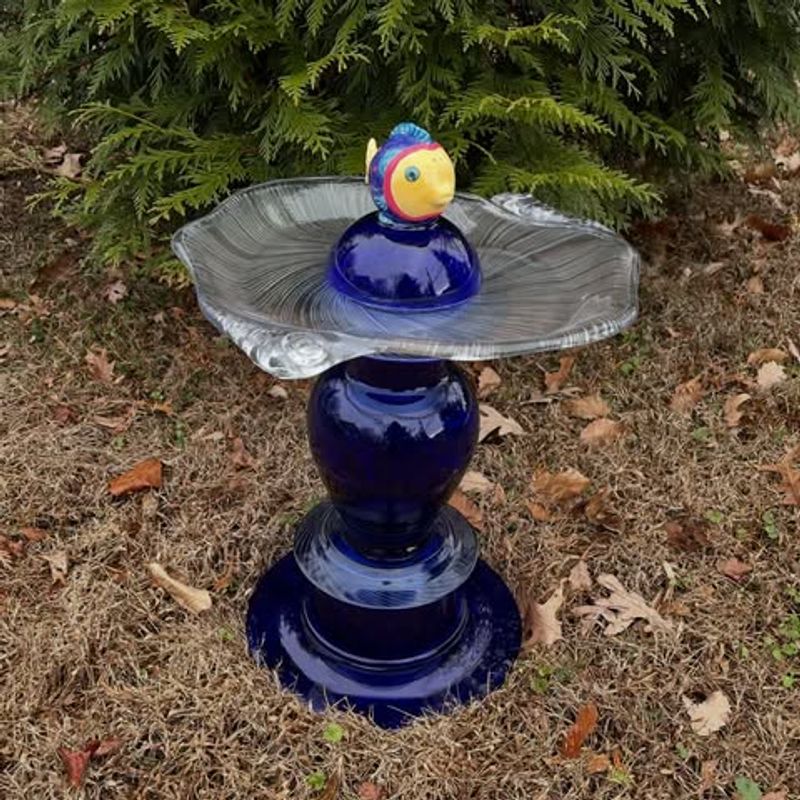
Water is scarce in the desert, and any yard offering it will attract wildlife fast. Birdbaths, fountains, koi ponds, and even pet water bowls left outside overnight become magnets for thirsty animals.
Bobcats need water just like any other mammal. During hot months, water sources become even more valuable.
A bobcat that finds a reliable drink in your yard will keep coming back, sometimes nightly.
Bringing pet water bowls inside at night is a simple first step. It removes one easy resource without changing your landscaping at all.
Small changes like that can shift a bobcat’s route away from your yard.
Fountains and koi ponds are harder to eliminate, but you can add motion-activated deterrents nearby. A sudden spray of water or a burst of light can interrupt the visit and make the experience less comfortable for a returning animal.
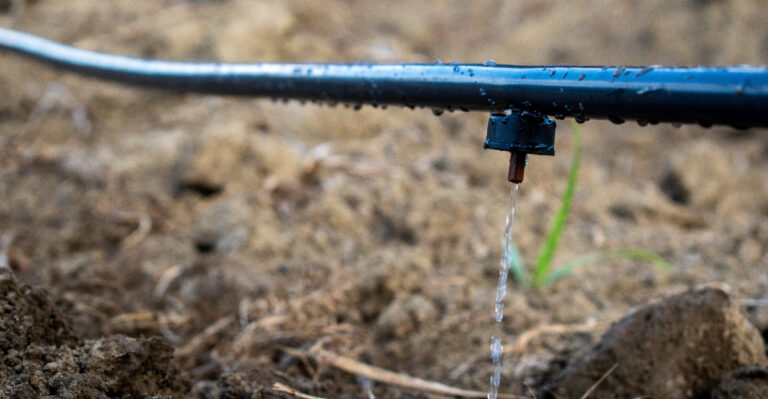
Drip irrigation systems that pool water on the ground are another overlooked issue. Puddles near drip emitters attract small rodents, which then attract predators.
Fixing irrigation timing or adjusting emitter placement reduces standing water.
Even a leaky outdoor faucet can create a small wet patch that draws in wildlife. Walk your property and look for any unintended water sources.
Addressing even minor drips and pooling spots reduces your yard’s overall appeal to thirsty desert predators looking for an easy stop.
4. Bird Feeding Areas Attract Potential Prey
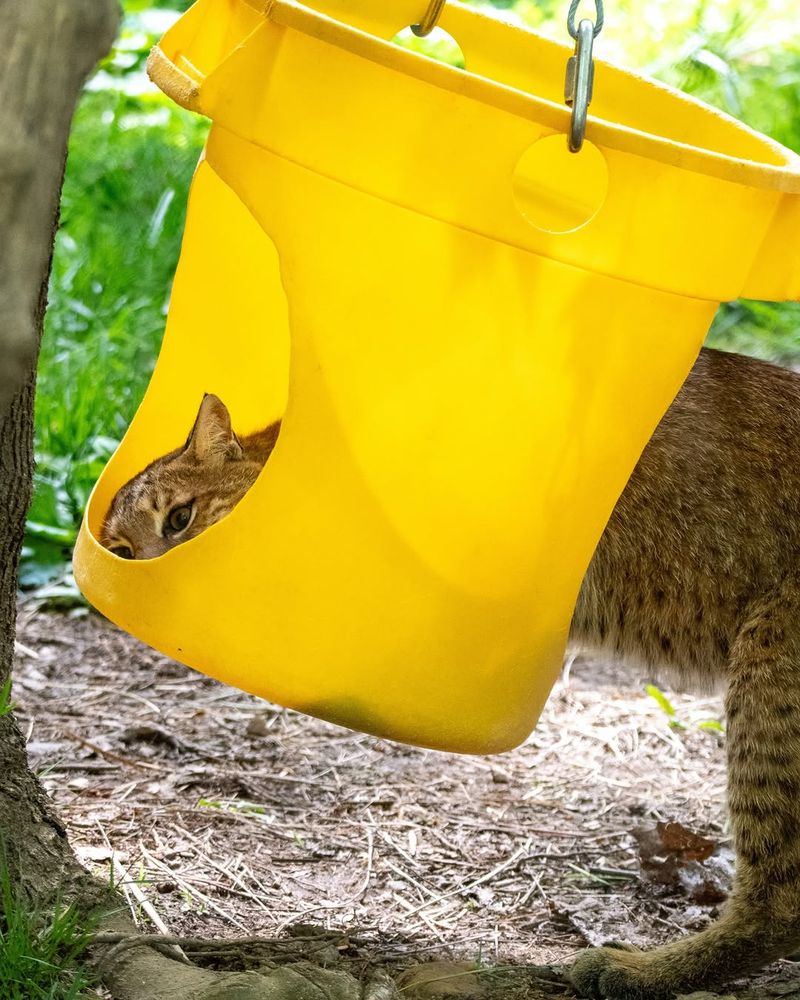
Bird feeders do not attract bobcats directly, but they set off a chain reaction that does. Spilled seed on the ground draws rodents.
Rodents draw rabbits and squirrels. Rabbits and squirrels draw bobcats.
It is a predictable food chain playing out in your backyard. Once a bobcat learns that your yard reliably holds small prey animals, it will return on a regular schedule.
Feeders essentially stock the pantry for a visiting predator.
Switching to no-waste seed blends reduces ground spillage significantly. Hulled sunflower seeds and similar options leave less debris beneath feeders.
Less debris means fewer rodents, which means less reason for a bobcat to patrol the area.
Feeder placement matters too. Hanging feeders over hard surfaces like concrete or flagstone makes cleanup easier and reduces seed accumulation in soil.
Seed buried in soft ground can sit there for days, attracting animals long after feeding time is over.
Bringing feeders in at night is another practical option. Nocturnal rodent activity spikes after dark, and that is exactly when bobcats prefer to hunt.
Removing the food source overnight breaks the cycle at its most active point.
Ground feeders are the highest-risk option. Platforms placed low to the ground create concentrated feeding zones that attract everything from quail to rats.
Elevating feeders and reducing ground-level access makes your yard less of a hunting ground for opportunistic predators.
5. Brush Piles Provide Daytime Shelter
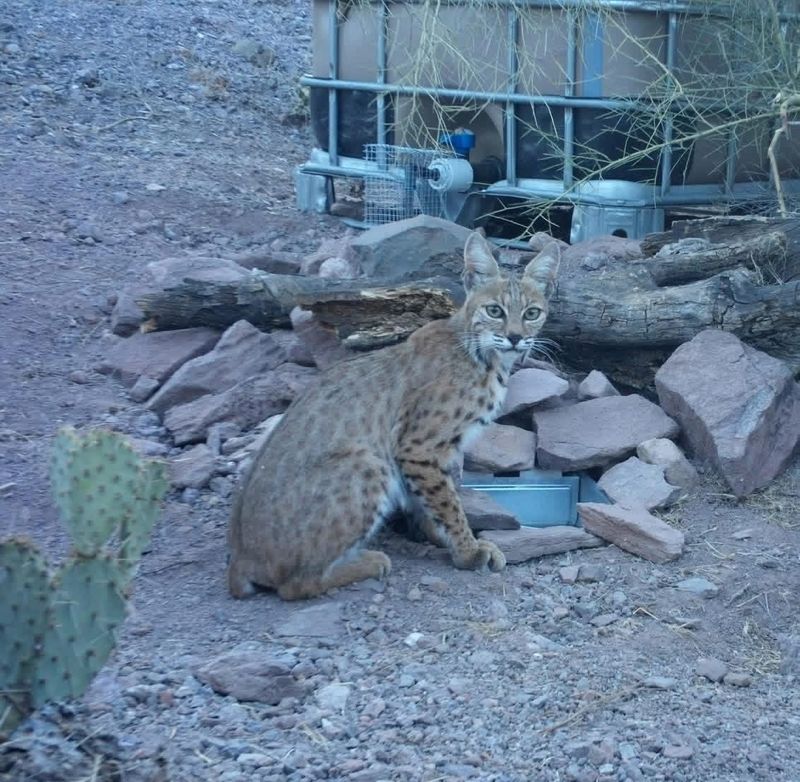
Yard waste piles look harmless, but to a bobcat, a brush pile is a five-star resting spot. Dense, dry debris stacked in a corner offers shade, cover, and a sense of security that wild cats actively seek.
Bobcats are not strictly nocturnal. They rest during the hottest parts of the day and need somewhere concealed to do that safely.
A brush pile near a wall or fence gives them exactly that kind of sheltered space.
Breaking down and disposing of yard debris regularly is the most direct fix. Do not let branches, palm fronds, or clippings sit in a pile for weeks.
Fresher, smaller piles are far less attractive than large, established ones.
If you compost yard material, keep the pile in a secured bin rather than an open heap. Open compost piles also attract rodents, which compounds the problem.
A bobcat near a rodent-rich compost pile has both food and shelter in one spot.
Rock piles and stacked decorative boulders can create similar problems if they have gaps large enough for a bobcat to squeeze into. Check those areas periodically, especially if you notice tracks or scat nearby.
Clearing debris promptly after trimming or storm cleanup removes the shelter option before a bobcat has a chance to claim it. A yard with no hiding spots is a yard a bobcat is far less likely to treat as home territory.
6. Fallen Fruit Brings In Small Animals
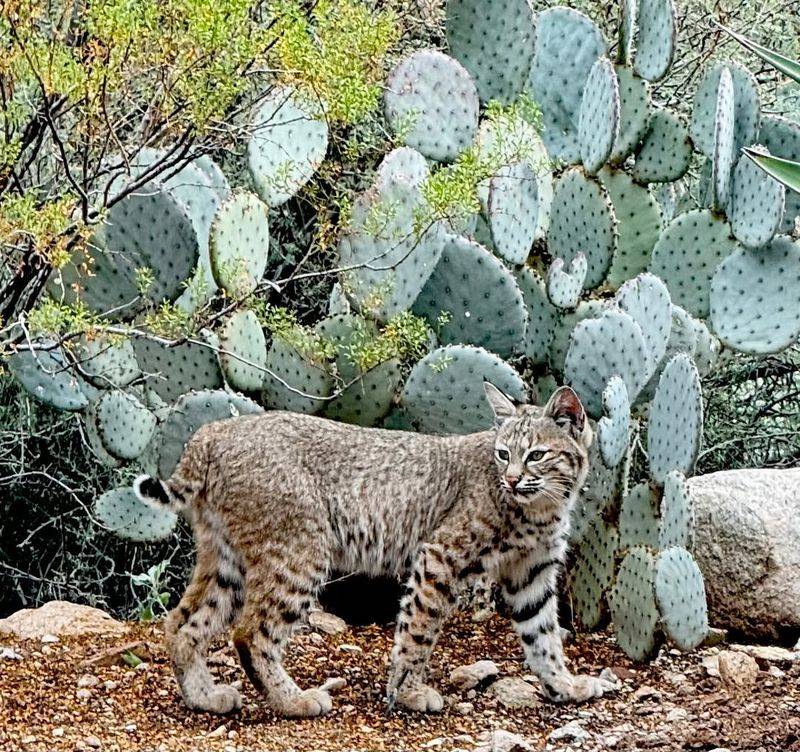
Citrus trees are a staple of desert yards, and they produce abundantly. But fruit left rotting on the ground creates a feeding station that attracts rodents, birds, and other small animals almost immediately.
Bobcats follow prey. A yard with a consistent population of ground-feeding rodents is a yard worth patrolling.
Fallen fruit keeps those animals fed and localized, which makes hunting easier for any predator in the area.
Picking up fallen fruit every few days breaks that cycle. It is a small chore that removes a significant attractant.
Even partial cleanup reduces the rodent population density around your trees over time.
Fig trees, pomegranates, and mulberries drop fruit heavily in season. All of them attract wildlife when left unmanaged.
Netting around lower branches can reduce drop volume, though full prevention requires consistent harvesting at peak ripeness.
Decomposing fruit also draws insects, which attract lizards and small birds. That layered activity signals to a bobcat that the area is rich with prey.
A quiet yard with no food activity reads very differently than a busy one.
Fruit-bearing trees near walls or fences are especially risky since bobcats use those boundaries to travel. A fruiting tree right along your back wall is essentially a rest stop with a built-in meal.
Keeping that zone clean removes the incentive to linger.
7. Overgrown Corners Offer Extra Cover
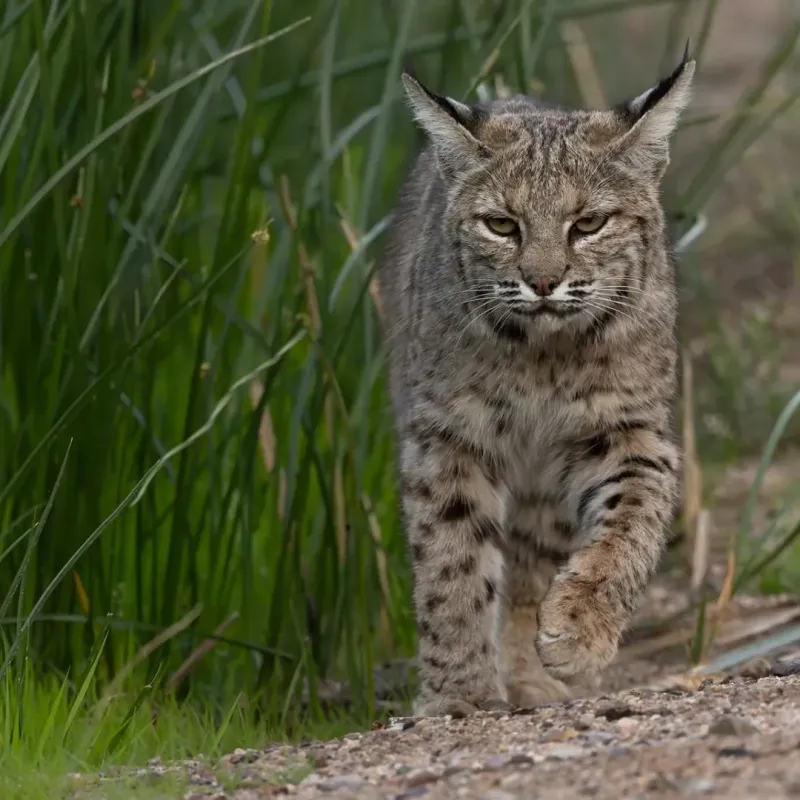
Every yard has a neglected corner. That spot behind the shed, the area beside the AC unit, or the stretch of fence nobody walks past.
Bobcats love exactly those kinds of forgotten spaces.
Tall weeds, dried grass clumps, and untrimmed shrubs in low-traffic corners create perfect resting zones. A bobcat can settle in, stay hidden, and observe the surrounding yard without ever being noticed by the homeowner.
Doing a full perimeter walkthrough once a month helps you catch these spots before they become problems. Look for flattened areas, fur caught on branches, or tracks in dusty soil.
Those are signs an animal has been using the space.
Trimming weeds and clearing ground-level growth in corners removes the shelter appeal. You do not need to landscape aggressively, just keep vegetation low enough that nothing can hide inside it comfortably.
Visibility is the goal.
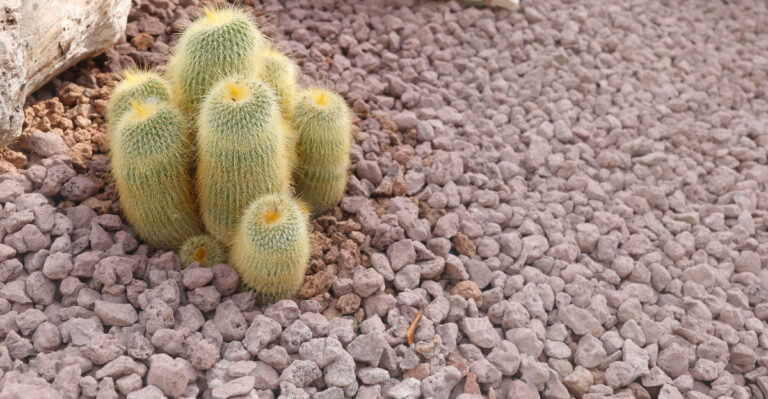
Gravel groundcover in problem corners works well in dry desert climates. It discourages plant growth, stays visible, and is easy to inspect.
Loose gravel also shows tracks clearly, which helps you monitor for wildlife activity.
Corners near exterior walls are especially important since bobcats patrol wall lines regularly. An overgrown corner right against a shared block wall is an ideal entry and rest point.
Keeping it clean and open sends a clear signal that the space is not available for use.
8. Easy Access Beneath Decks And Structures
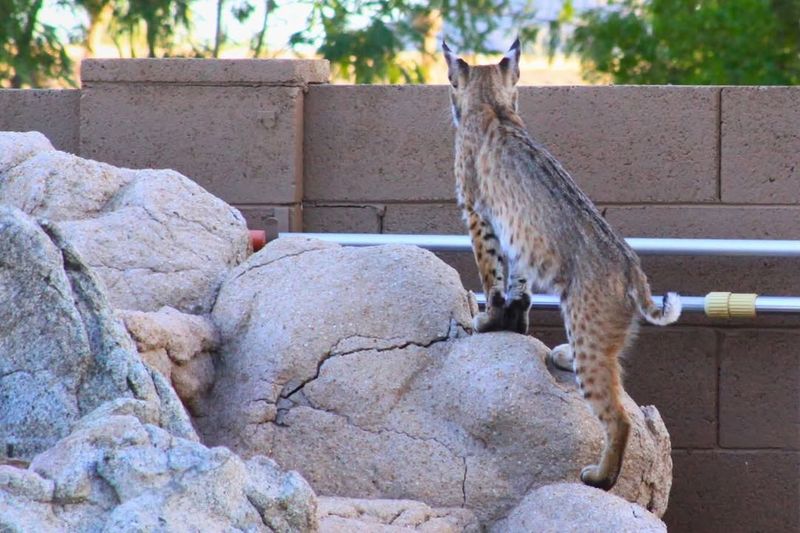
Open space under a deck is prime real estate for a bobcat. It is shaded, protected on multiple sides, and usually undisturbed.
In the desert heat, that combination is hard to beat.
Bobcats do not need much room. A gap of eight to ten inches is enough for an adult to squeeze through and settle in.
Many standard deck designs leave far more space than that along the perimeter.
Blocking access with hardware cloth or lattice panels is the most reliable fix. Bury the mesh a few inches into the ground to prevent digging under it.
Secure it firmly to the deck frame so there are no loose edges.
Check under sheds, storage units, and raised air conditioning platforms too. Any structure with an open base and enough clearance becomes a potential den site.
Bobcats with young are especially likely to use enclosed, sheltered spaces.
Inspecting these areas seasonally is a smart habit. Spring is when bobcat activity near residential areas tends to increase.
Catching and blocking an entry point early prevents a more complicated situation later in the season.
If you notice a strong musky odor near your deck or shed, that can indicate an animal has been resting there. Do not reach into the space.
Contact a local wildlife management professional for guidance on safe and humane next steps that protect both you and the animal.