What It Really Means When A Goldfinch Chooses Your Maryland Yard
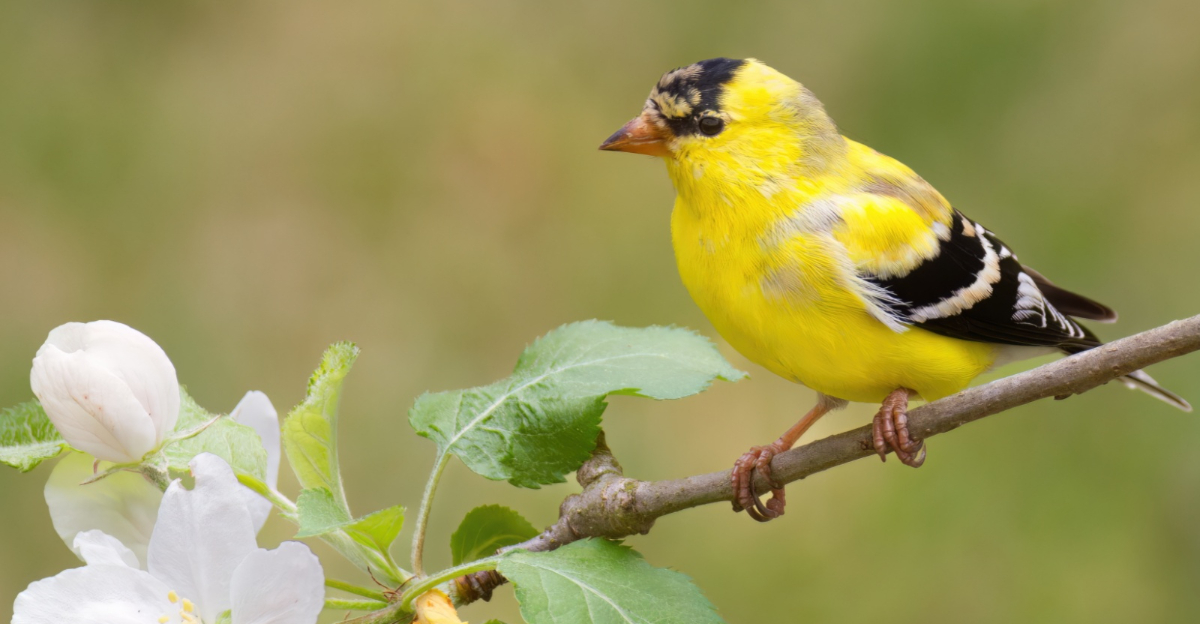
The yard went quiet. Then it didn’t. A streak of electric yellow cuts past the fence, lands, and stays. A goldfinch, right there in a Maryland backyard, two feet from the patio chair.
You freeze while it tilts its tiny head like it owns the place. And maybe that’s the point: it kind of does.
Goldfinches don’t wander randomly because they read landscapes. They clock seed sources, shelter, water, and native plants from the air.
Your yard either passes that aerial scan or it doesn’t. So what makes one yard worth landing in and the yard next door worth skipping entirely? Turns out Maryland has exactly the conditions these birds crave.
If one chose your patch of ground, your outdoor space is already doing something right, something most homeowners never notice but absolutely should. Buckle up, because your yard has been quietly overachieving.
1. Your Yard Habitat Is Healthy
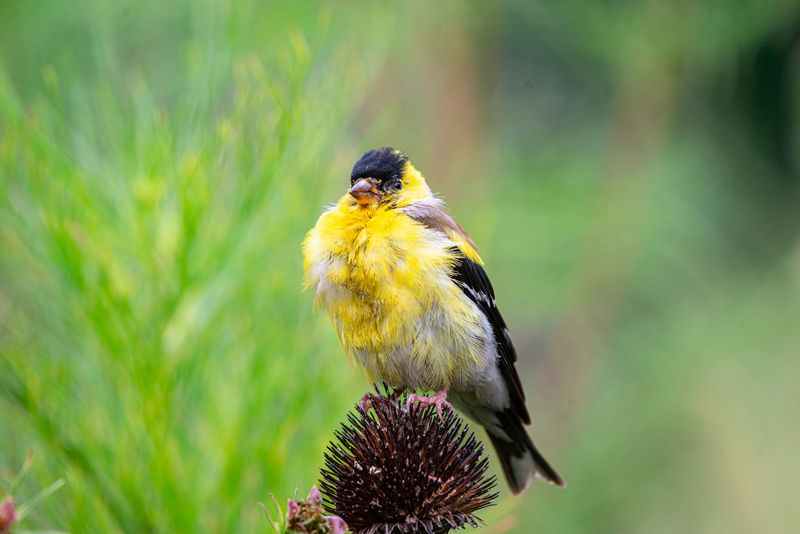
A reliable sign of a genuinely healthy habitat is a goldfinch landing in your yard. These birds do not settle for just any patch of grass or a random shrub. Their presence is earned, not accidental.
Goldfinches are drawn to yards that offer the full package: food, shelter, and clean water. When they show up, your outdoor space has quietly passed a test most yards fail without ever knowing they were being evaluated.
Healthy habitats have layered plantings, meaning tall plants, mid-level shrubs, and ground cover all working together. That structure gives birds places to perch, hide, and forage safely throughout every season of the year.
A yard that supports goldfinches also tends to support dozens of other species you might not even notice. The food web beneath your feet is rich, active, and far more complex than it appears on the surface.
Clean birdbaths, undisturbed mulch, and mature trees all contribute to that welcoming signal. Goldfinches pick up on environmental cues that humans simply walk past every single day without a second glance.
Think of your yard as a report card, and a visiting goldfinch is a straight-A grade. Your habitat is doing something most suburban Maryland lawns never manage to achieve, no matter how much effort goes into maintaining them.
Keeping that health going is simpler than it sounds. Skip the leaf blower occasionally and let natural debris build up in corners for ground-feeding birds and the insects they depend on.
A healthy yard is not a perfect yard. It is a lived-in, layered, buzzing-with-life space that goldfinches recognize as home from the moment they fly over it.
2. Breeding Season Is Active
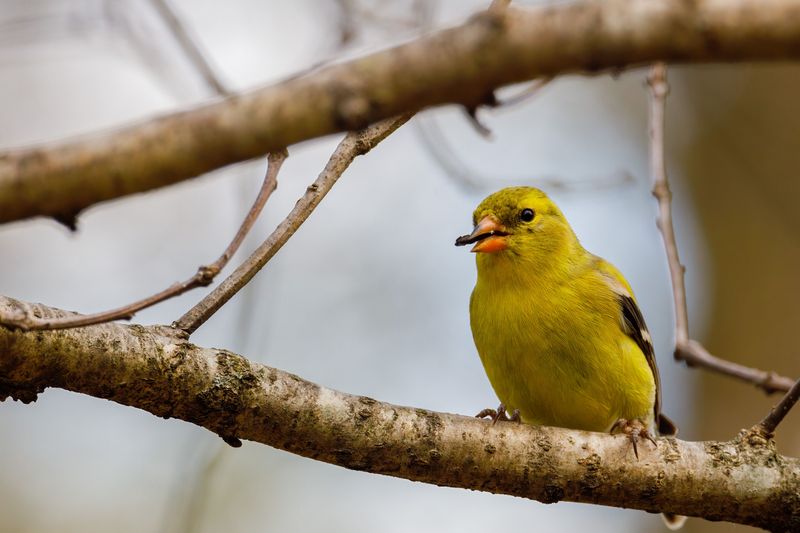
Spotting a goldfinch pair in your yard during summer means romance is officially in the air. American goldfinches breed later than almost every other backyard bird in North America.
Most songbirds wrap up nesting by June, but goldfinches are just getting started in July and August. Your yard is providing exactly what a breeding pair needs right now.
Nesting goldfinches require soft plant fibers, particularly from thistle and cattail. They weave these materials into tight, cup-shaped nests that can actually hold water.
Your Maryland Garden Changes Every Week. Your Plan Should Too.
Gardening in Maryland changes quickly throughout the season. Every Friday you’ll receive a simple weekly plan showing exactly what to plant, prune, fertilize, harvest, and protect so you never miss the right timing.
If you have noticed a goldfinch pulling fluff from plants near your fence line, that bird is likely building a nursery. Your yard just became a maternity ward for one of nature’s most striking birds.
The male goldfinch goes through a dramatic color transformation for breeding season. His feathers shift from dull olive-yellow to that vivid, unmistakable canary yellow.
Seeing that vivid color in your yard means conditions are stable enough for a pair to commit to raising young nearby. Goldfinches do not breed in stressed or disturbed environments.
Leaving a small patch of wild plants unmowed near a fence or garden edge helps enormously. That messy corner you have been ignoring is actually prime goldfinch real estate.
Breeding activity in your yard is a sign that your space offers safety, food, and nesting material all at once. That combination is rarer than most people think.
3. Natural Seed Dispersal Is Happening
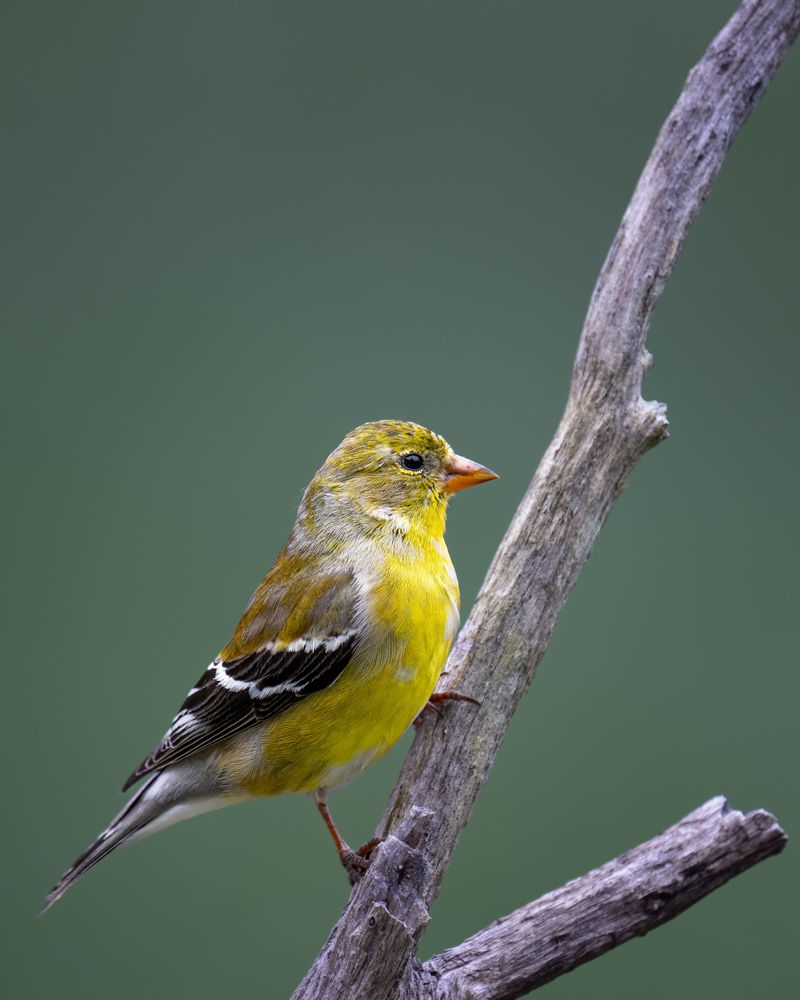
Every time a goldfinch pecks at a seed head in your yard, seeds are flying in every direction. Some land nearby, some travel farther, and all of them have a chance to grow.
Goldfinches are sloppy, enthusiastic eaters, and that messiness is actually a gift to your garden. They are doing free reseeding work that most gardeners would pay good money for.
Native plants like purple coneflower, black-eyed Susan, and sunflower are goldfinch favorites. When these birds feed on them, they help spread those same plants across your yard and into neighboring spaces.
Seed dispersal is one of the most underappreciated ecological services that birds provide. Without it, many plant species would struggle to spread beyond their original patch.
A yard visited by goldfinches tends to get wilder and more diverse over time. New plants pop up in unexpected spots, and the garden starts to feel like it has a life of its own.
You can encourage this process by leaving spent flower heads standing through fall and winter. Resist the urge to remove everything, and let the birds do the work.
That dried coneflower stalk you almost cut down last October? A goldfinch likely scattered its seeds into three new spots before the first frost hit.
Seed dispersal by goldfinches connects your yard to the broader local ecosystem. Your garden becomes a launching pad for plant life that benefits the whole neighborhood.
4. Native Plants Are Thriving
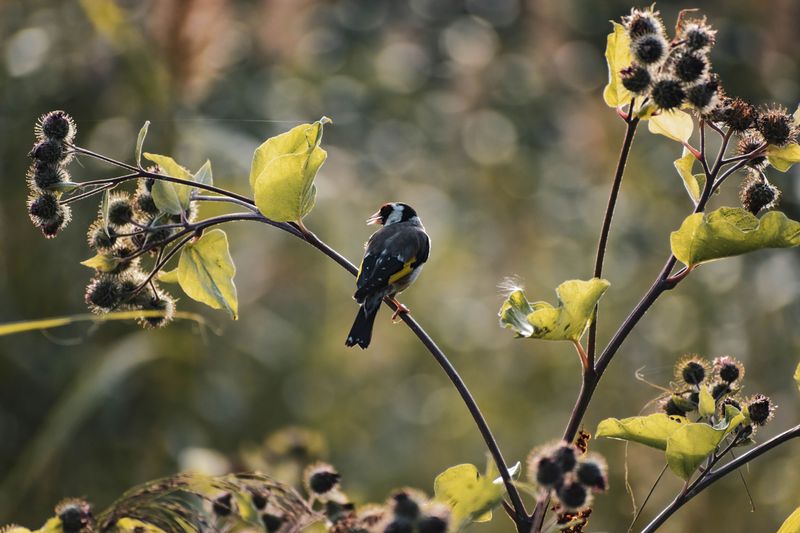
If goldfinches keep returning to your yard, your native plants are almost certainly part of the reason. These birds have co-evolved with native flora over millennia.
Non-native ornamental plants often look beautiful but offer little to local wildlife. Native species, on the other hand, produce the exact seeds and insects that goldfinches are wired to seek out.
Purple coneflower is a goldfinch magnet that also happens to be one of the easiest natives to grow. Plant a cluster near a sunny fence, and you may have daily visitors by late summer.
Black-eyed Susans, wild bergamot, and native sunflowers round out a goldfinch-friendly plant palette. Each one pulls double duty as a garden showpiece and a wildlife feeding station.
Native grasses like little bluestem also attract goldfinches, especially in fall when their seed heads mature. A patch of ornamental native grass near a window gives you a front-row seat to the action.
Replacing even a small section of traditional lawn with native plantings makes a measurable difference. You do not need a full garden overhaul to start seeing more goldfinch activity.
Native plants also require less water and fertilizer once established, which saves you time and money. The goldfinches are basically rewarding you for being a smarter, lower-maintenance gardener.
A yard full of native plants is a yard that works with nature instead of against it. Goldfinches are just the most cheerful proof that your plant choices are paying off.
5. Biodiversity Is Increasing
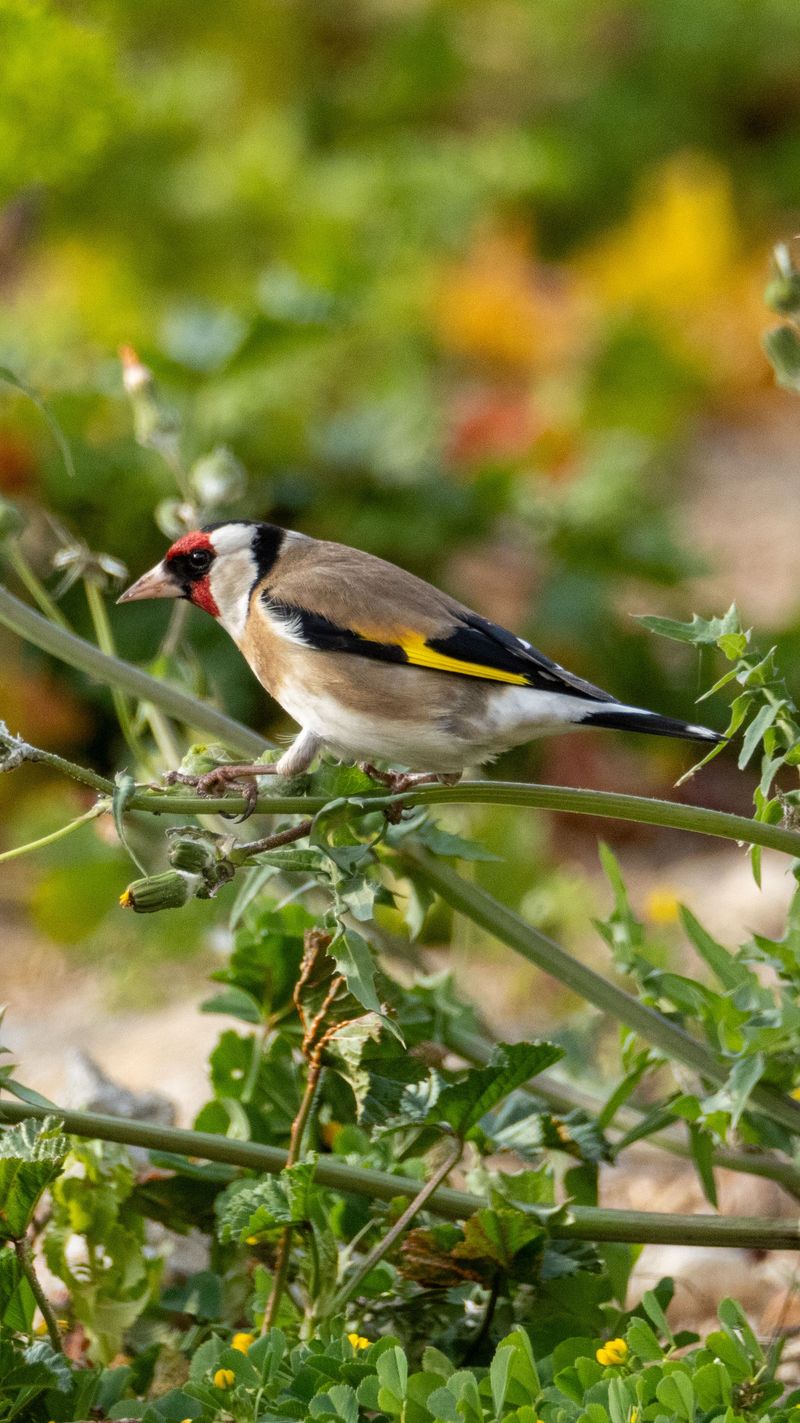
A goldfinch in your yard rarely arrives alone in terms of ecological company. Where goldfinches thrive in Maryland, other species tend to follow, and your yard becomes a hub of activity.
Biodiversity means having a wide variety of plants, insects, birds, and other creatures sharing a space. Goldfinches are a visible indicator that your yard has crossed into genuinely biodiverse territory.
Yards that support goldfinches tend to offer the layered native planting that monarch butterflies, native bees, and tree frogs also need. Their overlapping needs create a web of life that makes your backyard more resilient and self-sustaining.
A yard with only a few plant species attracts only a few animal species. Expanding your plant variety is the single fastest way to boost biodiversity and invite more goldfinch visits.
Bird diversity often follows plant diversity with a short lag time. Add native plants this season, and expect new bird species to appear within a year or two.
Goldfinches occupy a specific niche as late-season seed specialists. Their presence fills a role that few other common backyard birds cover, making them genuinely valuable to Maryland’s broader local ecosystem.
Watching biodiversity grow in your yard is one of the most satisfying slow-burn rewards in gardening. It does not happen overnight, but each new species feels like a personal victory.
Your yard is now part of something larger than a property line. When goldfinches choose your space, you have become a node in a living network that connects Maryland habitats across the entire region.
6. Low Pesticide Environment
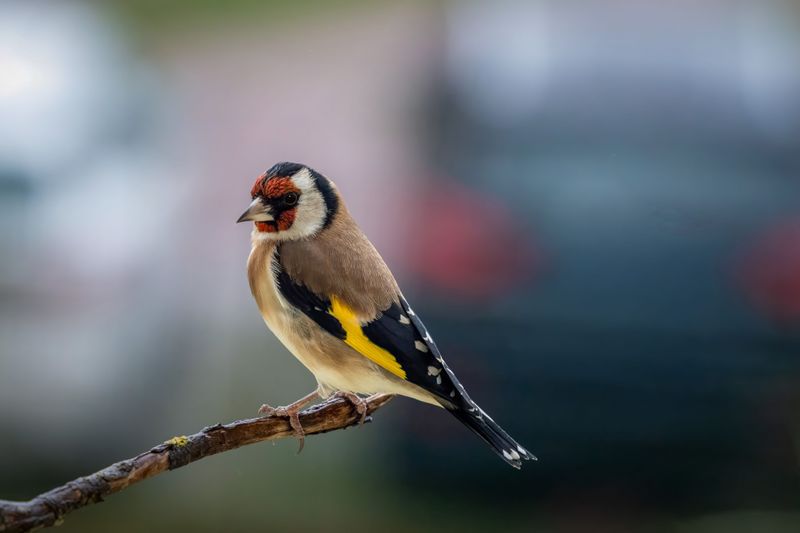
Goldfinches will not stick around in a yard carrying a heavy chemical load. These birds are sensitive to chemical residues in ways that most homeowners never consider.
Pesticide-treated seeds and sprayed plants can harm birds directly through contact or ingestion. Goldfinches feeding on chemically treated flower heads absorb those compounds into their systems.
A yard that goldfinches return to repeatedly is a strong sign the chemical load is low enough to support a healthy food web. Their continued presence is a quiet endorsement of your gardening practices.
Switching to organic fertilizers and skipping broad pesticide applications benefits far more than just birds. The soil microbiome, earthworms, and beneficial insects all rebound quickly when chemicals step back.
Many homeowners are surprised to find that pest problems actually decrease after going organic. Beneficial insects that chemicals were wiping out return and start managing pest populations naturally.
Goldfinches are part of that recovery story. When the chemical load drops, the food web rebuilds, and seed-eating birds show up to take advantage of the restored plant life.
Even meaningfully reducing pesticide use can improve the quality of your yard as bird habitat. Small changes in your routine add up faster than most people expect.
A goldfinch foraging confidently through your flower beds is living proof that your yard has earned a cleaner reputation. That bright yellow visitor is a strong sign your garden is heading in the right direction.
7. Nature’s Late-Nesting Timing Is Underway
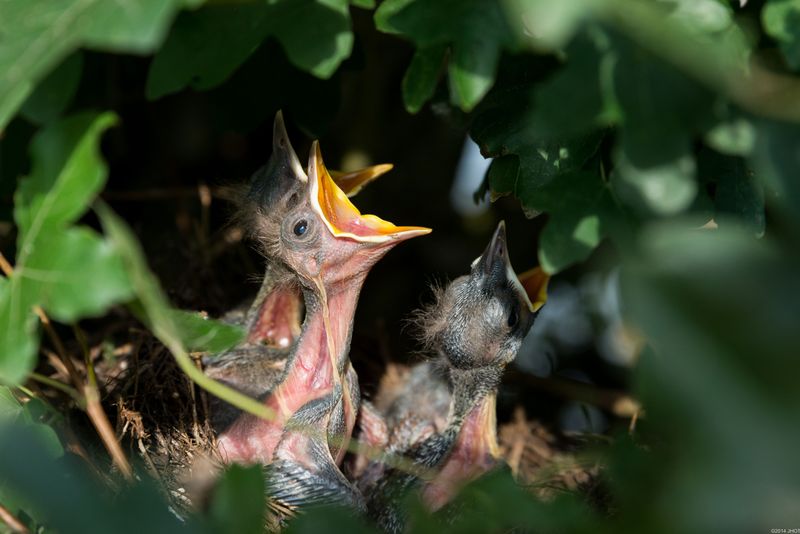
Late July in a Maryland yard can feel quiet for bird activity, but goldfinches are just warming up. These birds follow one of the most unusual nesting calendars in North American wildlife.
Goldfinches time their nesting to match peak thistle seed production, often using milkweed fluff as a key nesting material. That synchronization means their chicks hatch exactly when the most nutritious food is available.
Seeing a goldfinch carrying nesting material in late summer is a rare and special sight. Most neighbors have already packed up their birdwatching gear for the season by then.
Late nesting also means goldfinch chicks face fewer predators than spring-nesting birds. Many nest-raiding snakes and mammals are less active during the hottest stretch of summer.
Your yard supporting late-nesting goldfinches means you have food sources that persist into August. That is a meaningful achievement in a region where many plants peak and fade by mid-summer.
Keeping late-blooming native plants like ironweed, goldenrod, and Joe-Pye weed in your garden extends the feeding window. Those plants are the reason goldfinches can afford to nest so late in the season.
Late nesters like goldfinches also benefit from yards where humans are less active outdoors. Reduced foot traffic near nesting shrubs gives parent birds the peace they need to raise chicks successfully.
A goldfinch choosing your Maryland yard for late-season nesting is a meaningful sign your space has become genuine habitat. That is worth every wildflower you ever planted.