The Right Way To Prune Arizona Hibiscus In June Before Peak Summer Heat
Some plants have a way of making gardeners feel confident right up until summer arrives. Everything looks healthy, new growth is appearing, and the plant seems perfectly happy.
Then a few weeks later, it suddenly looks stressed, blooms slow down, and people start wondering what changed.
That is one reason gardening can be frustrating. Sometimes the problem is not something you did recently.
It can be tied to a decision made weeks earlier when the plant still looked great. By the time the signs show up, the opportunity to get ahead of the issue may already be gone.
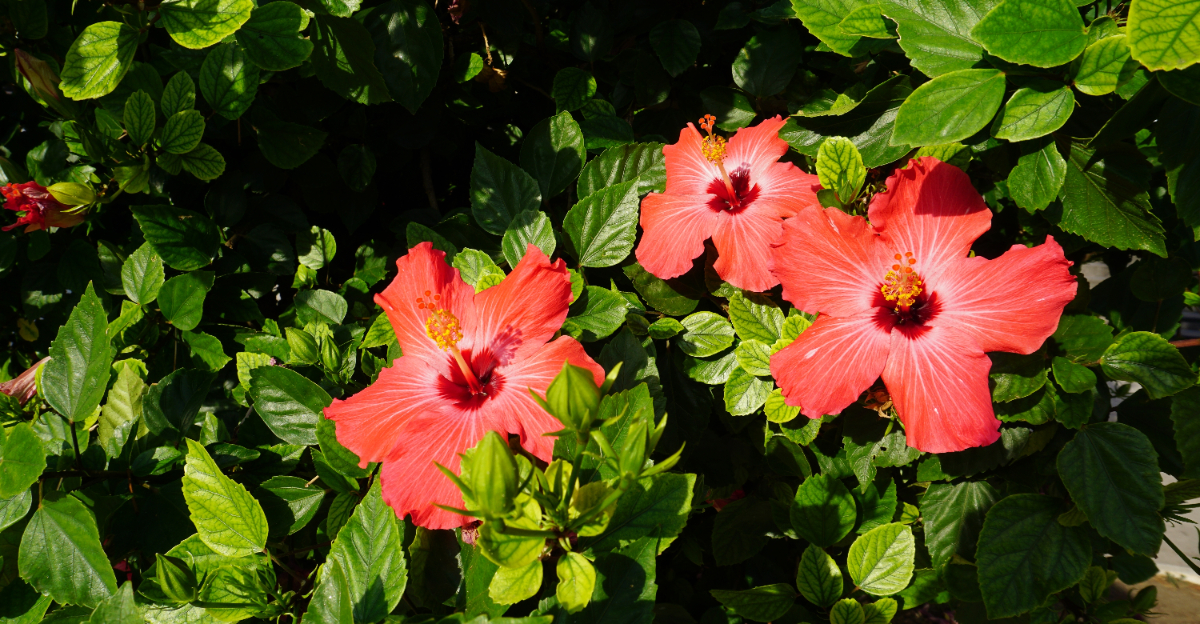
Hibiscus is one of those plants that can reward good timing. It grows fast, grabs attention with colorful blooms, and becomes a focal point in the yard.
But as summer gets closer, a small maintenance task can have a bigger impact than many people expect.
June is an important month for hibiscus in Arizona, and knowing how to handle it before the most intense heat arrives can help set the stage for a much better season.
1. Know Which Hibiscus Types Benefit From Pruning
Not every hibiscus responds to pruning the same way. Before you grab your shears, spend a few minutes figuring out exactly which type is growing in your yard.
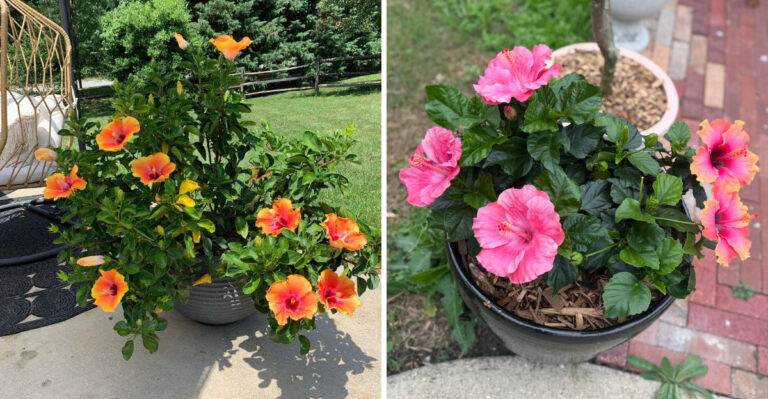
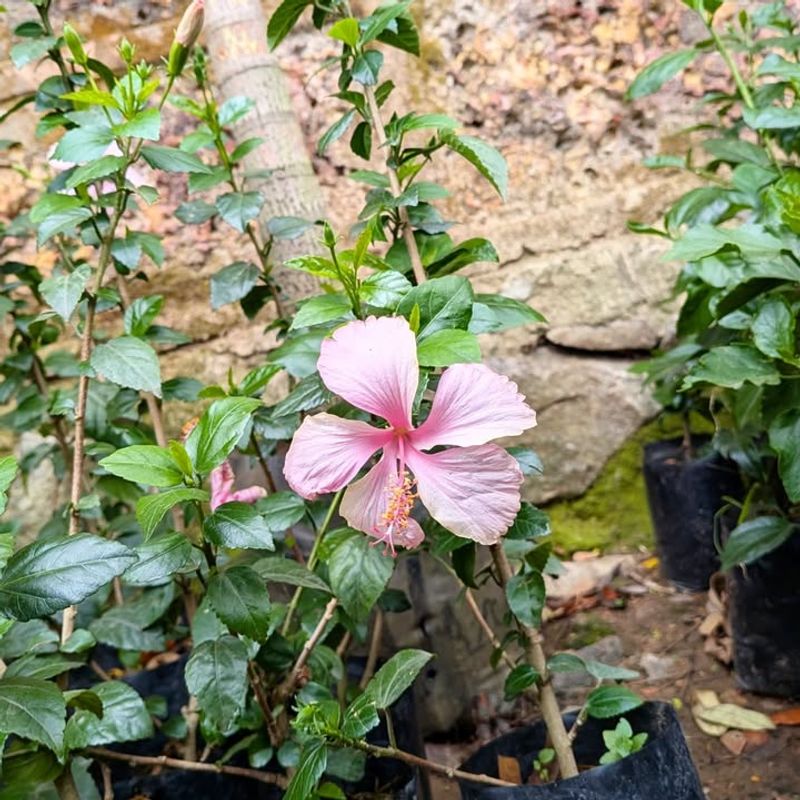
Two main types show up in Southwest gardens. Tropical hibiscus, often sold in nurseries with large showy blooms, is frost-sensitive and needs careful seasonal trimming.
Native desert hibiscus, like Hibiscus coulteri, is tougher and more drought-adapted but still benefits from light shaping before summer.
Rose of Sharon is another variety some gardeners grow here. It handles more aggressive pruning than tropical types, but June is still a smart time to keep cuts light before heat peaks.
Chinese hibiscus is popular in Phoenix and Tucson landscapes. It blooms on new growth, so pruning actually encourages more flowers rather than fewer.
Knowing this fact changes how boldly you approach the task.
Misidentifying your plant leads to poor results. Cutting a tropical variety too hard right before summer can stress it badly, while being too timid with a Chinese hibiscus means fewer blooms all season.
Check your plant tag if you still have it. If not, a quick photo search or visit to a local nursery can confirm the variety.
2. Remove Weak And Damaged Stems First
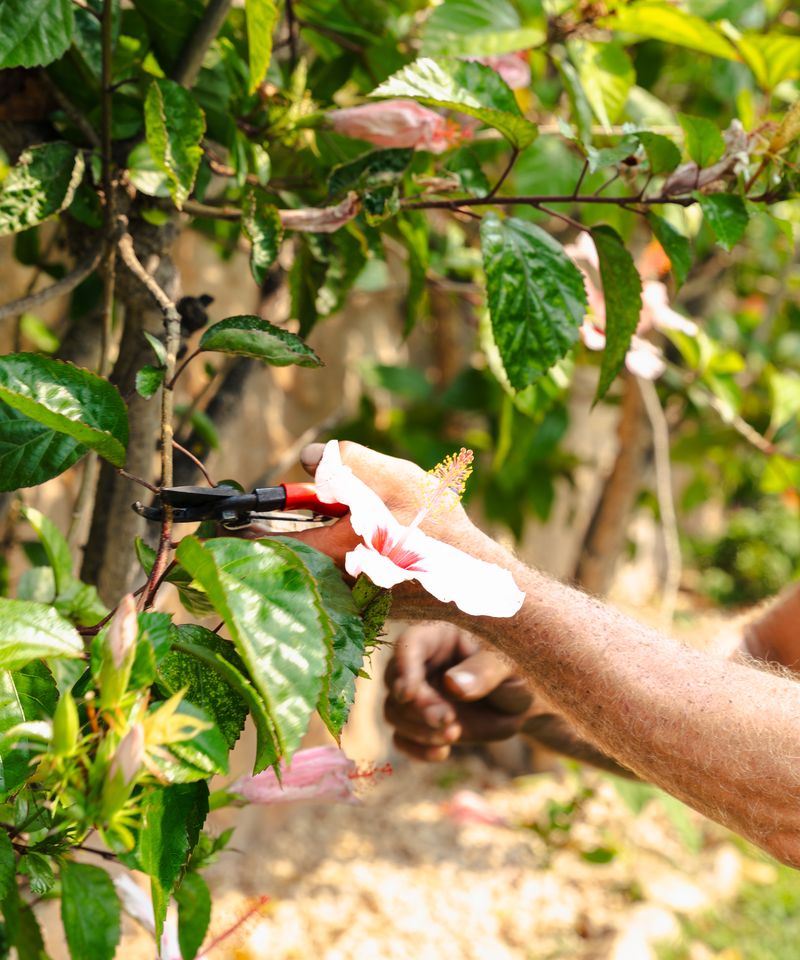
Weak stems are a liability heading into summer. Start every pruning session by pulling out anything that looks spindly, discolored, or already struggling before the real heat even arrives.
Look for stems thinner than a pencil. These rarely support blooms and mostly just drain energy from healthier parts of the plant.
Snapping them off cleanly at the base takes seconds and makes an immediate difference.
Damaged stems from late spring winds or pest activity should also go. Leaving cracked or chewed stems invites fungal problems, especially once monsoon humidity moves in later in the season.
Yellow stems with soft spots are another red flag. Soft tissue near the base usually signals overwatering or early root stress.
Your Arizona Garden Changes Every Week. Your Plan Should Too.
Gardening in Arizona changes quickly throughout the season. Every Friday you’ll receive a simple weekly plan showing exactly what to plant, prune, fertilize, harvest, and protect so you never miss the right timing.
Removing those sections before summer protects the stronger root system underneath.
Work slowly and check each cut as you go. Healthy wood looks green and firm inside when snipped.
Anything brown, hollow, or mushy should be removed entirely rather than left partially attached.
Dispose of damaged material away from the plant. Leaving trimmed stems near the base can attract insects or spread disease during warm, humid monsoon weeks ahead.
A clean garden bed around the base helps airflow and reduces pest pressure significantly.
3. Shape Overgrown Branches With Light Cuts
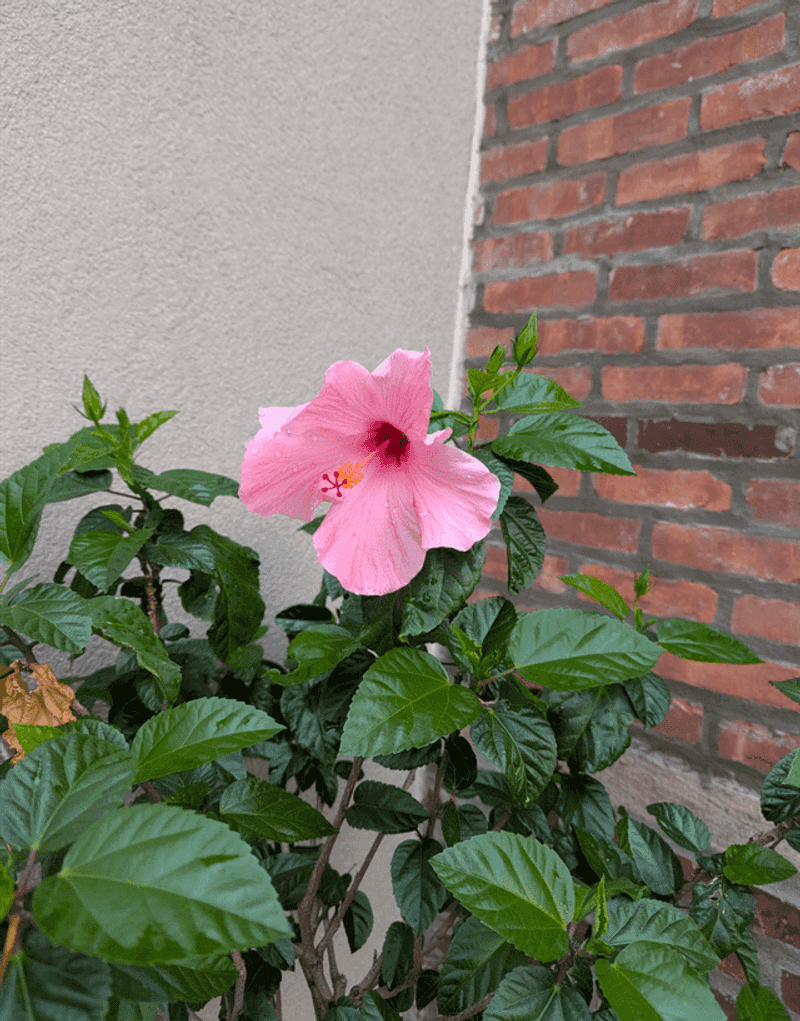
Overgrown hibiscus can look wild by early June. Branches that stretched out during spring growth often cross over each other, block sunlight, and make the plant look unbalanced heading into summer.
Light shaping works best at this stage. Aim to remove no more than one-third of any branch length in a single session.
Cutting back harder than that in June risks leaving too little foliage to protect the plant from intense afternoon sun.
Focus on branches growing inward toward the center of the plant. Inward-facing stems rarely produce strong blooms and just create congestion.
Redirecting energy outward improves the plant shape and bloom production over the following weeks.
Use a consistent cutting angle. Trim just above a leaf node or outward-facing bud, angled slightly away from the bud at about 45 degrees.
This encourages new growth to point outward rather than back toward the center.
Avoid flush cuts against the main trunk. Leaving a small stub of about a quarter inch above the node protects the bud underneath and reduces the risk of bark damage during healing.
4. Thin Dense Growth For Better Airflow
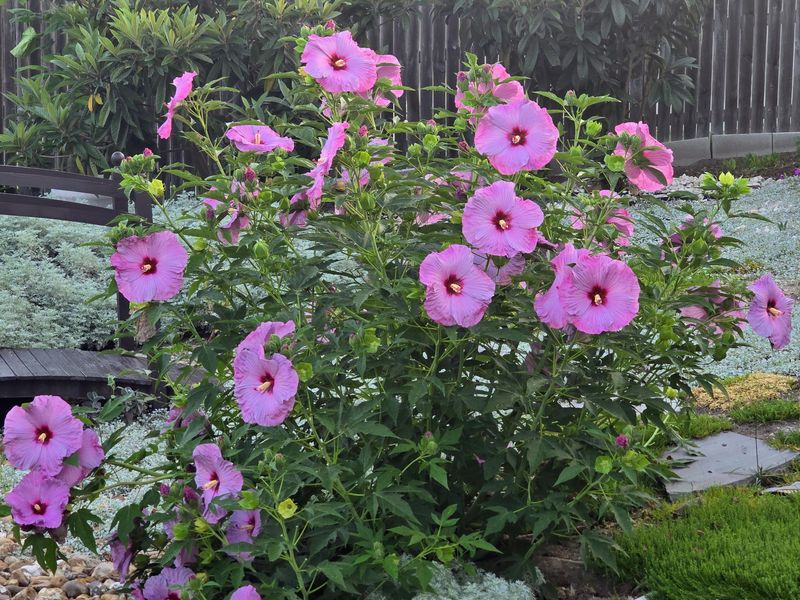
Dense growth sounds healthy, but it can actually work against your hibiscus in summer. When branches and leaves pack too tightly together, air stops moving freely through the plant.
Poor airflow traps moisture around leaves and stems. In the weeks leading up to monsoon season, that trapped humidity creates ideal conditions for fungal issues like powdery mildew and leaf spot to develop quickly.
Thinning is different from shaping. Instead of shortening branches, you remove entire stems from crowded interior sections.
Pick stems that cross others or grow parallel and close to existing branches, and cut them cleanly at the base.
Target the inside of the canopy first. Interior stems rarely see direct sunlight anyway, so removing them rarely affects bloom production.
What it does affect is how freely air and light move through the remaining structure.
A good rule of thumb is that after thinning, you should be able to see light filtering through the center of the plant from a few feet away. If the interior still looks completely solid, a few more cuts are probably needed.
Avoid going too far, though. Removing too many stems at once can expose previously shaded bark to direct sun.
5. Avoid Removing Too Much Foliage At Once
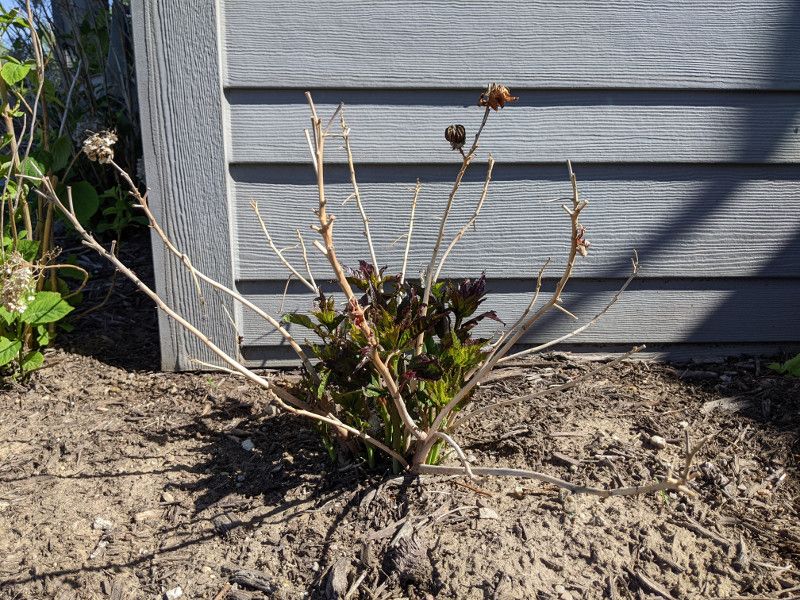
Over-pruning is one of the most common mistakes gardeners make in June. Enthusiasm is great, but taking off too much foliage before peak heat creates serious problems fast.
Leaves are the plant’s cooling system. They shade the stems and soil beneath the canopy, regulate internal temperature, and produce the energy the plant needs to push through summer.
Strip too many away and you remove that built-in protection all at once.
A general guideline is to never remove more than one-third of the total leaf volume in a single session. That rule applies to most shrubs, and hibiscus is no exception, especially heading into the hottest months of the year.
Sunscald becomes a real risk when bare stems suddenly get exposed to full afternoon sun. Stems that were previously shaded by foliage are not hardened to direct UV exposure.
Damage shows up as whitish, papery patches on the bark.
Space out heavy sessions if the plant genuinely needs significant work. Prune lightly in early June, then wait three to four weeks before doing another round.
Spreading the work out gives the plant time to push new growth between sessions.
6. Water Thoroughly After Pruning
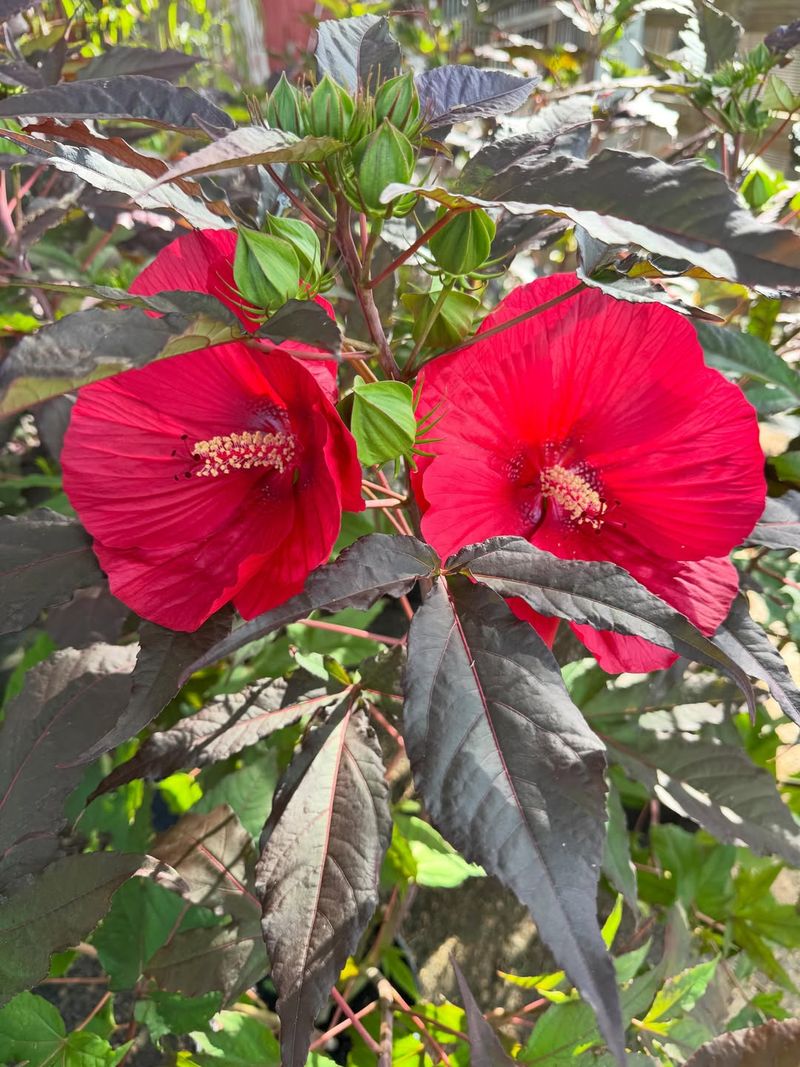
Pruning puts stress on any plant, full stop. Fresh cuts change how water and nutrients move through stems, and the plant immediately begins working to heal those wounds.
Supporting that process with deep watering right after pruning makes a measurable difference.
Water deeply, not quickly. A short surface rinse barely reaches the root zone in dry desert soil.
Slow, deep watering for 20 to 30 minutes at the base encourages roots to stay deep and stable rather than chasing surface moisture.
Morning is the best time to water after pruning. Watering in the evening leaves moisture sitting on foliage and around the stem base overnight, which raises the risk of fungal issues during warm nights.
Check soil moisture before adding more water. Stick your finger two to three inches into the soil near the base.
If it still feels damp from a previous watering, hold off another day. Overwatering after pruning can cause root stress just as easily as drought can.
Mulch around the base helps retain that moisture between watering sessions. A two to three inch layer of organic mulch keeps soil temperatures lower and reduces evaporation significantly during hot June afternoons.
7. Monitor New Growth Through Summer
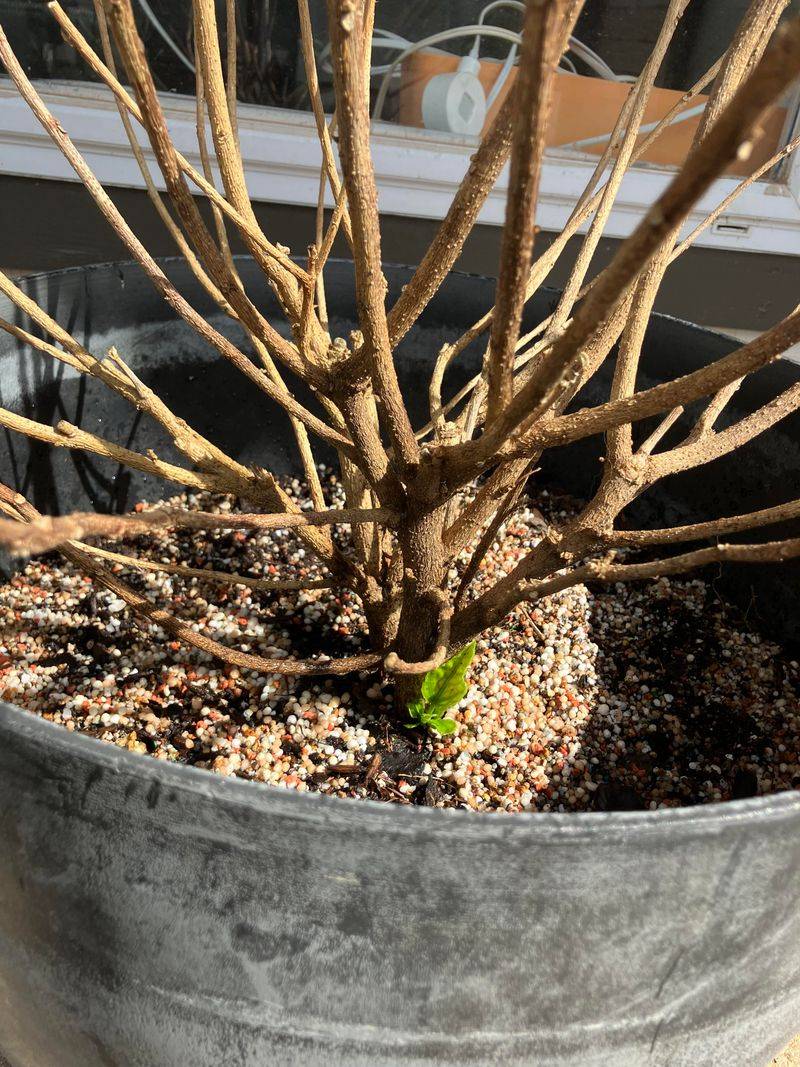
Pruning in June is just the beginning. What happens over the following weeks tells you whether the cuts were well-timed and whether the plant is responding the way you hoped.
New growth should start appearing within two to three weeks after pruning. Small leaf buds pushing out from nodes near cut ends are a good sign that the plant is recovering well and redirecting energy into fresh stems.
Slow or absent new growth can mean a few things. Inconsistent watering is the most common cause.
Soil that dries out completely between sessions makes it hard for the plant to sustain new tissue development during hot weeks.
Watch for pest activity on new growth. Fresh, tender shoots attract aphids and spider mites more than mature foliage does.
A quick spray of water from a hose knocks most pests off without needing any chemical treatment.
Leaf curl during afternoon hours is normal in extreme heat. It is a natural response to reduce moisture loss, not necessarily a sign of trouble.
If leaves stay curled through the cooler morning hours, that warrants closer inspection of soil moisture levels.
Bud development typically picks up as temperatures stabilize in late summer and early fall.