Why Spotted Lanternflies Are Appearing In More Kentucky Yards This Summer
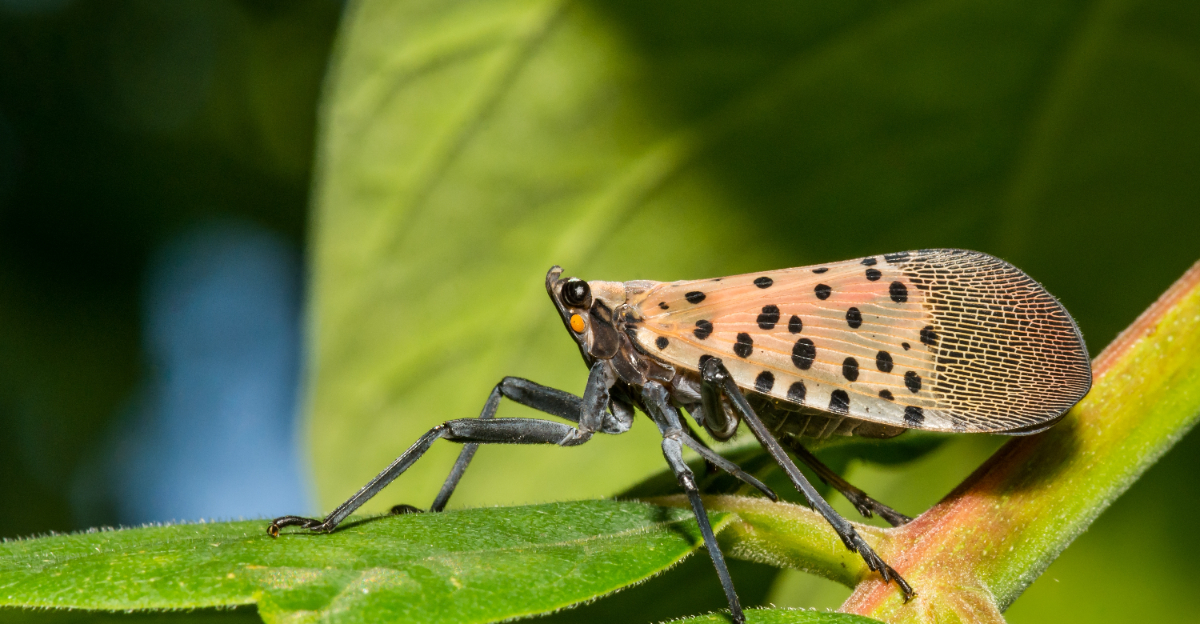
Something uninvited is landing in Kentucky yards this summer, and it has a lot of nerve. The spotted lanternfly has been creeping across the eastern U.S. for years, and Kentucky is finally feeling it.
This invasive pest, originally from Asia, hitches rides on vehicles, firewood, and outdoor furniture without anyone noticing. One day your yard is fine. The next, your trees are covered.
If you have been seeing strange, colorful insects you cannot quite name, there is a good chance you have already met one.
The problem is not going away on its own, and ignoring it only gives these bugs more time to settle in. Knowing what is driving their spread this summer puts you ahead of most homeowners.
Here is what every Kentucky resident needs to know before these insects take over the yard next door.
Kentucky’s Spotted Lanternfly Problem Is Growing
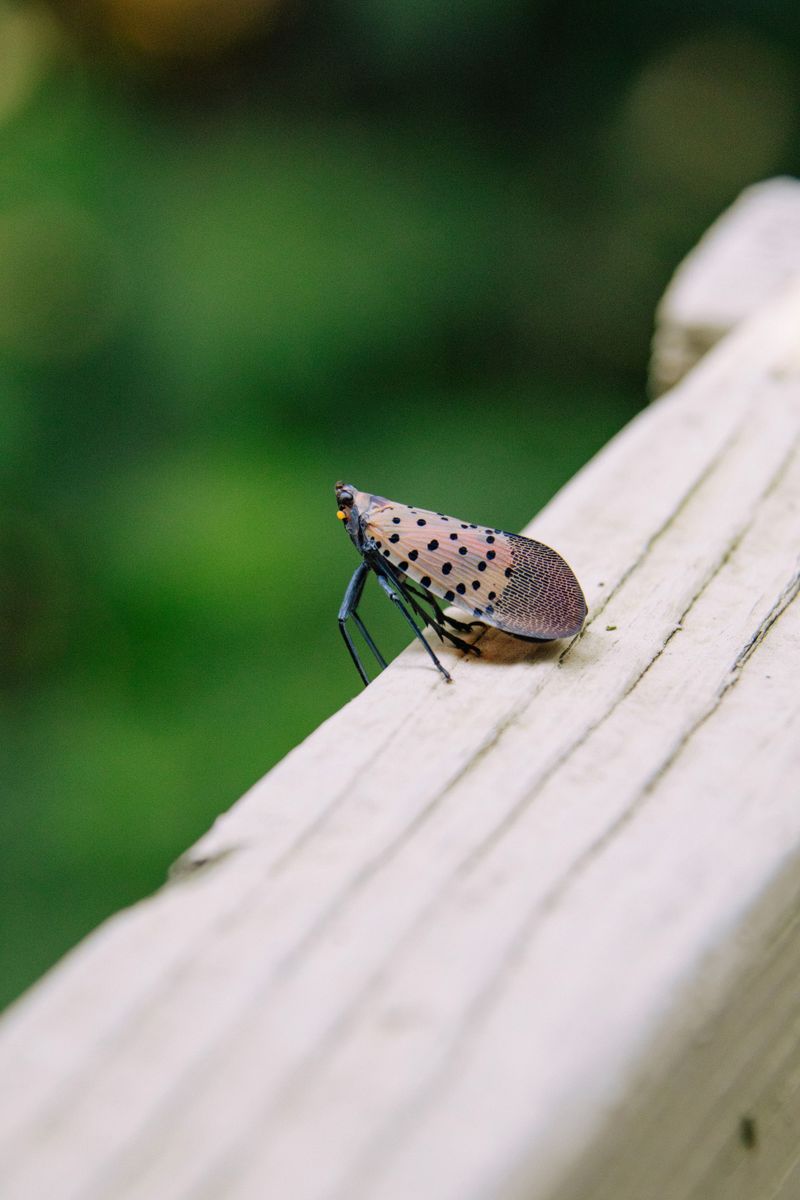
The map keeps expanding. Spotted lanternflies were first confirmed in Pennsylvania back in 2014, and since then, they have marched steadily westward and southward.
Spotted lanternflies have been confirmed in Kentucky, and reports suggest the numbers are climbing each season. Warmer summers and mild winters have made it easier for this pest to establish itself in new states.
One big reason for the rapid spread is accidental human transport. People unknowingly carry egg masses on cars, outdoor furniture, and firewood without ever realizing it.
A single egg mass can contain up to 50 eggs, all tucked neatly under a gray, mud-like coating. That coating makes the eggs nearly invisible to untrained eyes, which is part of why the problem keeps growing.
Agricultural agencies across the state are urging residents to check outdoor items before moving them. Simple awareness can actually slow the spread in a meaningful way.
Spotted lanternflies thrive in areas with abundant tree-of-heaven, an invasive tree that also spread from Asia. Both species found a foothold together, creating a troubling cycle that fuels further infestation.
The pest has no significant natural predators in North America, which gives it an enormous survival advantage. That is why human action matters so much right now.
How To Identify A Spotted Lanternfly
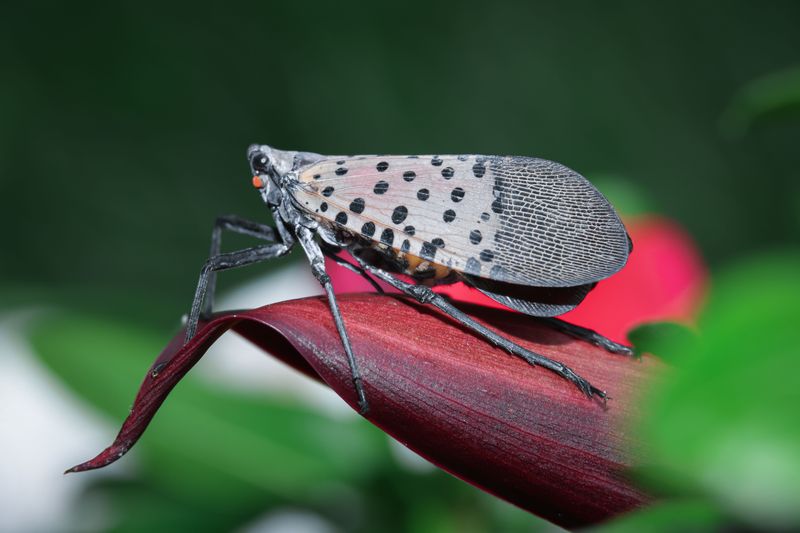
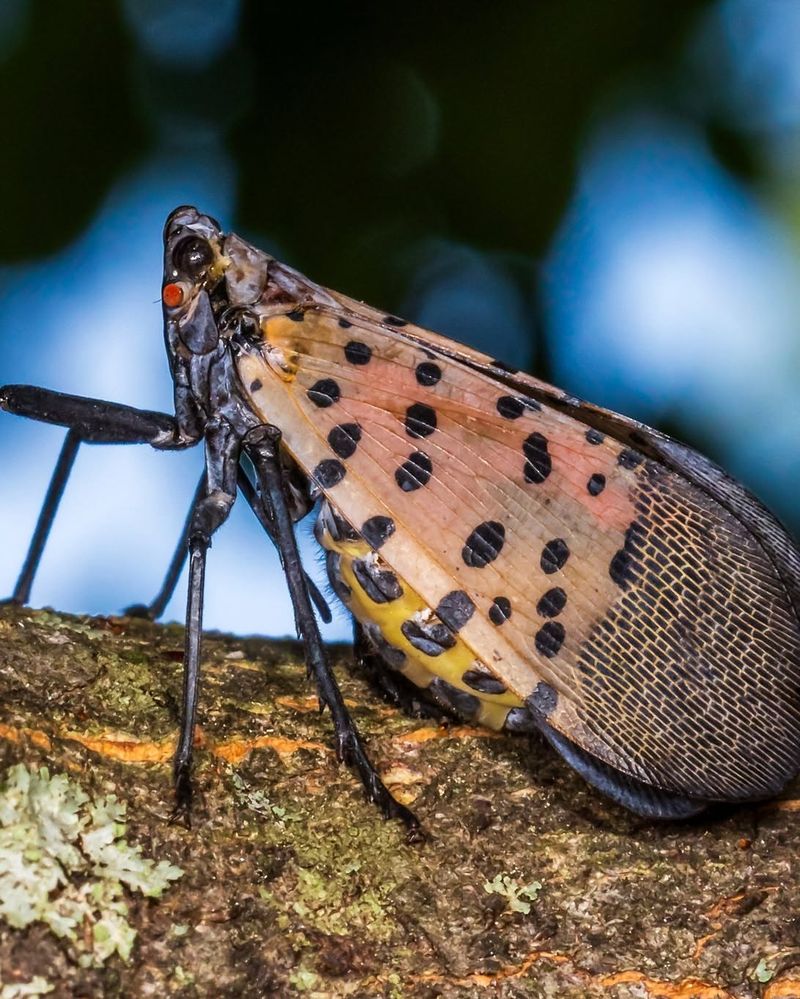
Spotting one of these bugs is easier than you might think. Adult spotted lanternflies are about an inch long, with striking wings that make them stand out from ordinary moths or beetles.
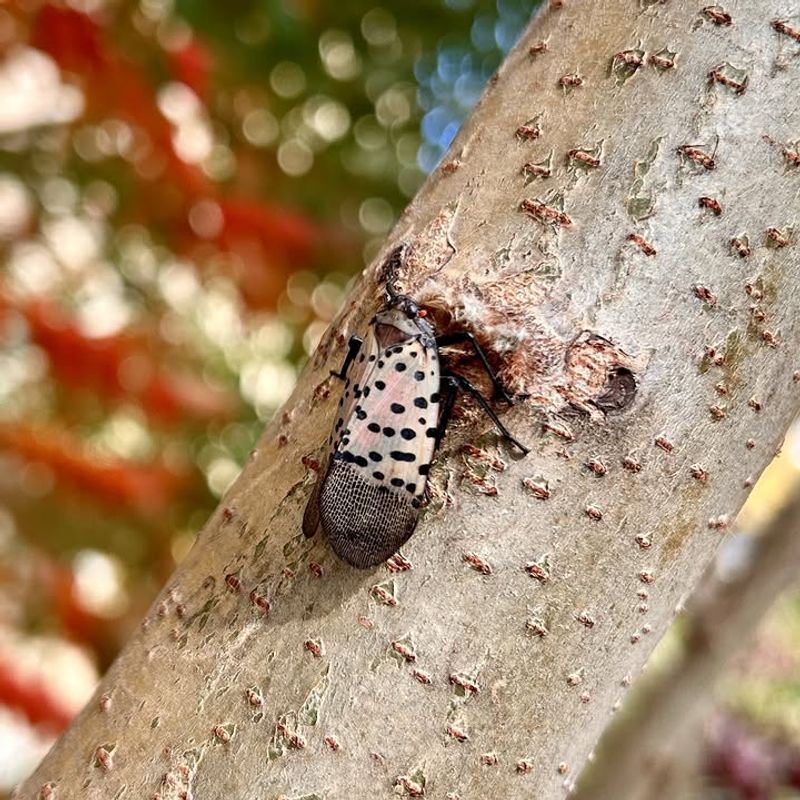
Their front wings are pale gray with neat black spots scattered across the surface. When those wings open, a flash of bright red with black spots appears underneath, which is genuinely hard to miss.
The abdomen is yellow with bold black bands running across it. No other common insect in this region looks quite like that combination of colors.
Young spotted lanternflies, called nymphs, look very different from adults. Early-stage nymphs are small and black with white dots, while later-stage nymphs develop red patches alongside those white spots.
Egg masses are another thing to watch for, especially in fall and early spring. They look like smeared gray mud on flat surfaces such as tree bark, fence rails, or even lawn chairs.
Your Kentucky Garden Changes Every Week. Your Plan Should Too.
Gardening in Kentucky changes quickly throughout the season. Every Friday you’ll receive a simple weekly plan showing exactly what to plant, prune, fertilize, harvest, and protect so you never miss the right timing.
A helpful trick is to check smooth-barked trees around your yard in late summer. Running your hand along the bark and looking for that waxy, gray coating can reveal egg masses before they hatch.
Knowing all three life stages makes you a much more effective spotter. The more eyes watching for this pest, the better chance communities have of managing it early.
Plants And Trees Most At Risk In Kentucky
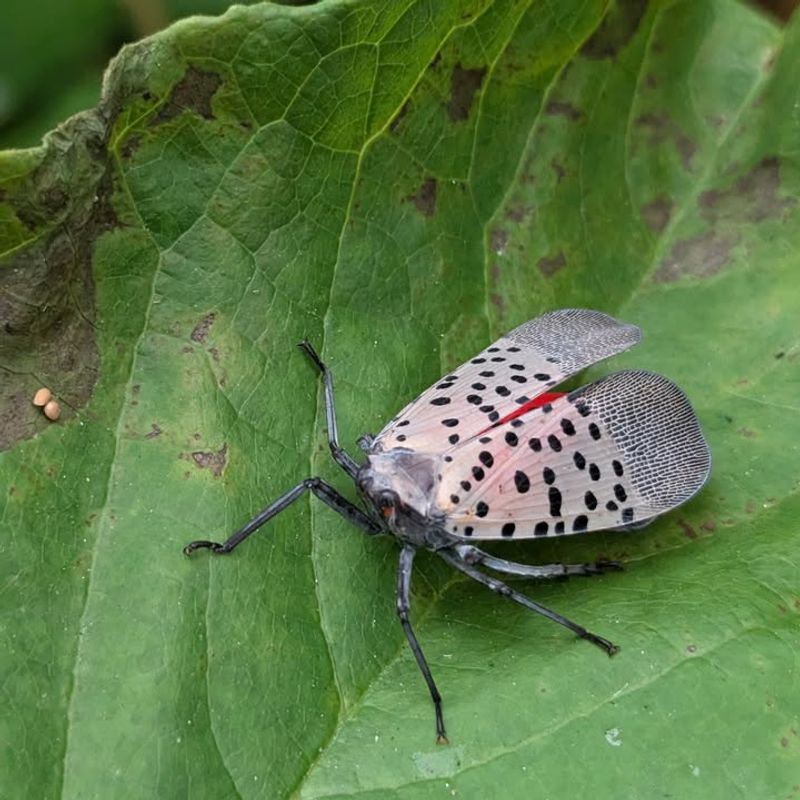
Not every plant in your yard faces the same level of risk. Spotted lanternflies have strong preferences, and knowing those preferences helps you prioritize what to protect.
Grapevines are among the most vulnerable plants. Lanternflies feed heavily on grapes, which is why vineyards in affected states have suffered enormous losses over the past several years.
Fruit trees such as apples, peaches, and cherries are also high on the target list. Homeowners with backyard orchards should pay close attention during summer feeding season.
Hops, a plant grown on small farms and private properties, face serious risk as well. Even a modest infestation can weaken hop plants enough to ruin a harvest.
Ornamental trees are not safe either. Maples, black walnuts, willows, and tulip poplars are all known feeding hosts for this pest.
Tree-of-heaven, that fast-growing weedy tree found along roadsides and fence lines, is the lanternfly’s absolute favorite. Removing tree-of-heaven from your property can reduce the attractiveness of your yard as a habitat.
Even plants that are not primary hosts can suffer from the sticky residue lanternflies leave behind. That residue, called honeydew, encourages mold growth that stresses plants further.
Making a quick inventory of the trees and plants in your yard is a smart first move. Knowing what you have helps you decide where to focus your attention first.
The Damage Spotted Lanternflies Leave Behind

These insects do not just look alarming. The damage they cause is real, measurable, and sometimes severe enough to stress or weaken established trees.
Spotted lanternflies feed by piercing plant tissue and sucking out the sap. That feeding drains the plant of the energy it needs to grow, flower, and produce fruit.
As they feed, they excrete a sticky, sugary substance called honeydew. This coats leaves, branches, and anything beneath the tree, creating a wet, glistening mess.
Honeydew quickly attracts sooty mold, a black fungus that coats leaves and blocks sunlight. Reduced sunlight means reduced photosynthesis, which weakens the plant even further over time.
Beyond the mold, the honeydew also attracts wasps, ants, and other insects. What started as one pest problem can quickly turn into a yard full of unwanted visitors.
Heavily infested trees may show wilting, leaf curling, and early leaf drop by late summer. A tree that loses its leaves weeks ahead of schedule is burning through reserves it cannot afford to lose.
Young trees and newly planted fruit trees face the greatest risk of serious decline. Mature, established trees can often handle moderate feeding pressure, but repeated infestations weaken even the strongest specimens.
The damage is cumulative, meaning each season of heavy feeding makes the next season harder for the plant to recover. Acting early is far more effective than waiting to see how bad it gets.
Steps To Take When You Spot One In Your Yard
Finding one in your yard does not mean panic time. It does mean action time, and the steps are simpler than most people expect.
First, report the sighting to your local agricultural extension office or use the state reporting tool online. Your report helps officials track where the pest is spreading and how fast.
Next, take a clear photo before doing anything else. A good photo helps experts confirm the identification, since misidentification is more common than people realize.
If you find egg masses on trees, fences, or outdoor furniture, scrape them off using a plastic card or putty knife. Drop the scrapings into a sealed bag with hand sanitizer or isopropyl solution to prevent hatching.
Catching and squishing adult lanternflies is also encouraged by most extension agencies. Wear gloves if it bothers you, but these insects do not bite or sting humans.
Check your car before leaving any area where lanternflies are present. They often hitch rides on wheel wells, bumpers, and undercarriages without anyone noticing.
Avoid moving firewood, patio furniture, or potted plants from infested zones to unaffected areas. That single habit change makes a real difference in slowing the spread.
Staying informed through your county extension office is one of the most powerful things you can do. Local experts track new developments and share updated guidance as the situation evolves each season.
How To Keep Spotted Lanternflies Away From Your Property
Prevention is always easier than cleanup. A few targeted habits and physical barriers can make your yard far less welcoming to these unwanted guests.
Sticky bands wrapped around tree trunks are a popular and effective trapping method. These bands catch lanternflies as they crawl up trees to feed, reducing the population on your property.
Make sure to use a protective mesh or barrier around the sticky band. Without it, birds and small mammals can accidentally get stuck, which creates a different problem entirely.
Removing tree-of-heaven from your yard is one of the highest-impact moves you can make. Without their favorite host plant nearby, lanternflies have less reason to settle on your property.
Netting can protect individual grapevines, small fruit trees, and garden beds during peak feeding season. Fine mesh netting creates a physical barrier that keeps the insects off your most valuable plants.
Some homeowners have had success with targeted insecticide applications on high-value trees. Always read labels carefully and consider consulting a licensed arborist before applying anything to mature trees.
Keeping your yard tidy by removing weedy trees along fence lines also helps reduce shelter spots for egg-laying. A cleaner yard perimeter gives lanternflies fewer places to establish themselves.
Protecting your property from spotted lanternflies takes consistent effort, but it is absolutely manageable with the right approach. Small steps taken now can save you significant headaches down the road.