Plants You Should Feed In Michigan Before June Ends
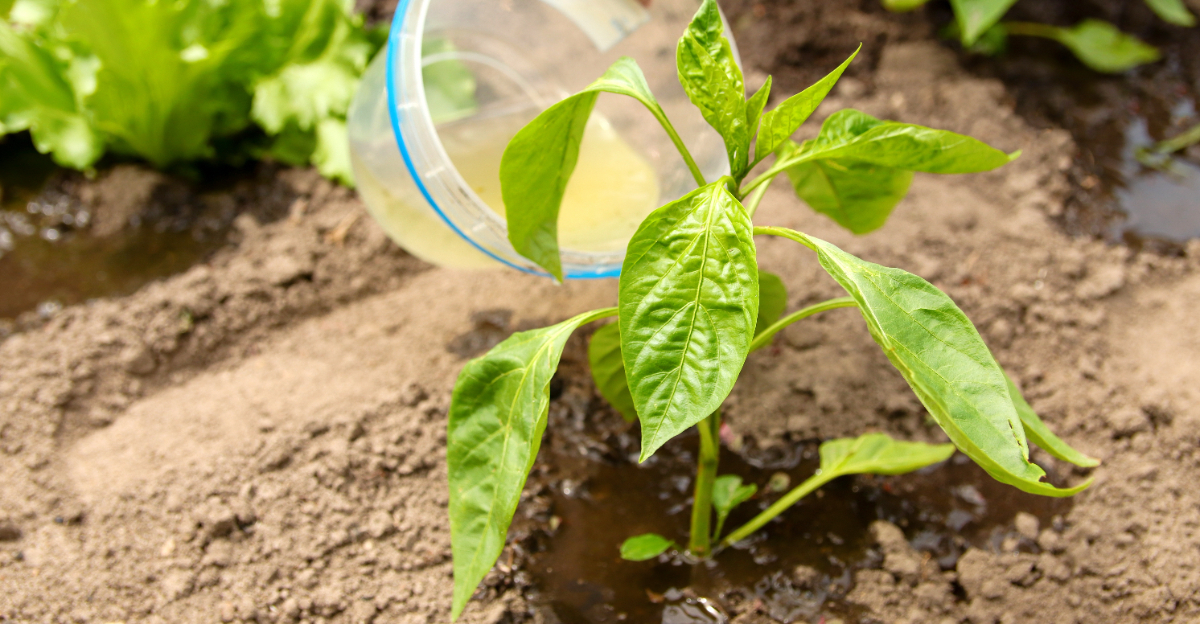
The feeding window that matters most in a Michigan garden is narrower than most people realize.
June sits right at the point where many plants are putting on their most significant growth of the season, setting buds, establishing root systems, and building the reserves that carry them through summer’s most stressful weeks.
Getting fertilizer to the right plants at this moment amplifies what they’re already trying to do naturally.
Wait until July and the opportunity has passed for several of them, with the energy going toward heat management rather than growth and bloom production.
Michigan’s compressed season makes timing more consequential than it would be in a longer growing climate, and the plants that benefit most from a late June feed are not always the obvious ones.
A few on this list surprise gardeners who assumed they were fine on their own.
1. Tomato Plants
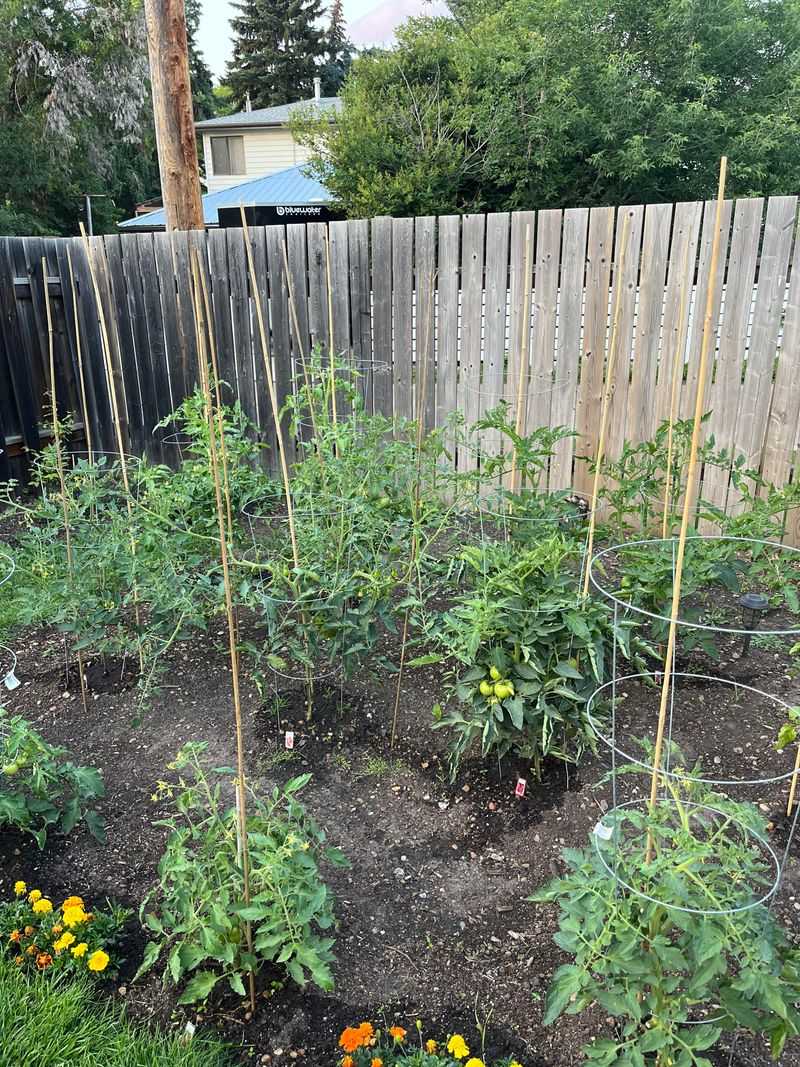
Nothing beats the taste of a homegrown Michigan tomato, and feeding your plants before June ends is one of the best things you can do to make that harvest happen.
Tomatoes are heavy feeders, meaning they pull a lot of nutrients from the soil as they grow.
Without a good fertilizer boost right now, your plants may struggle to set fruit or develop strong roots during the hottest weeks ahead.
Choose a balanced fertilizer like a 10-10-10 or a tomato-specific formula that includes calcium to prevent blossom end rot. Apply it at the base of each plant, keeping it a few inches away from the stem to avoid burning the roots.
For most Michigan gardens, a slow-release granular fertilizer works well when worked lightly into the top inch of soil and watered in thoroughly.
If your plants are already flowering, switch to a fertilizer slightly lower in nitrogen and higher in phosphorus and potassium. Too much nitrogen at this stage pushes leafy growth instead of fruit.
Liquid fertilizers like fish emulsion or tomato-specific blends can be applied every two weeks for a steady nutrient supply.
Healthy feeding now means your tomato plants will reward you with abundant, flavorful fruit all the way through August and beyond.
2. Peppers
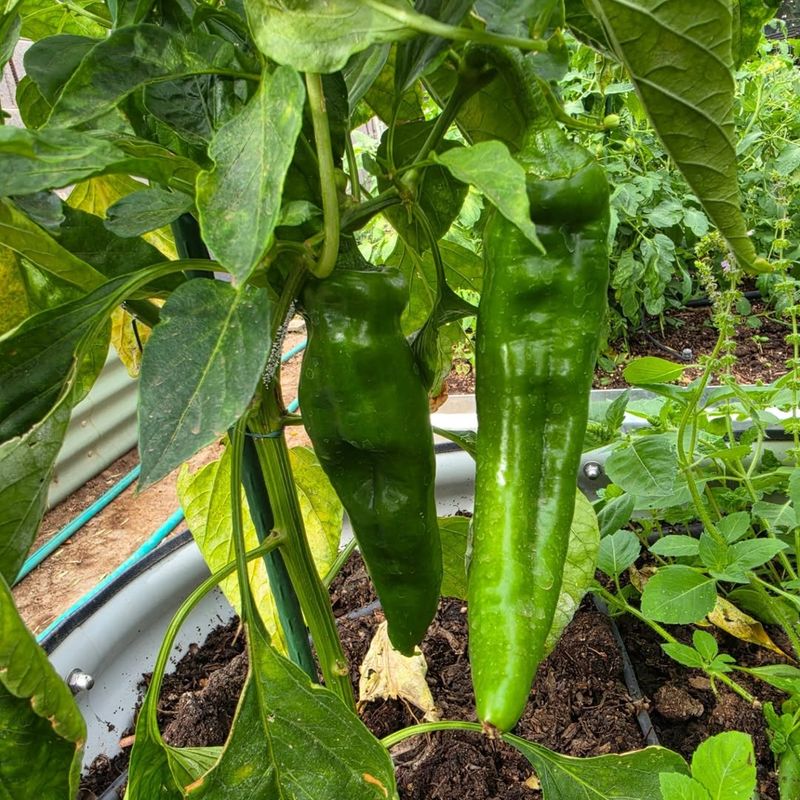
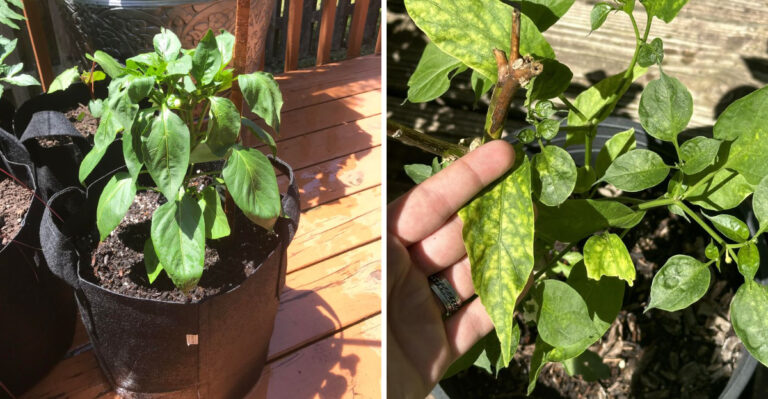
Pepper plants can be a little slow to get going in Michigan, but once the soil warms up and the sun gets strong, they really take off.
Feeding them before June ends gives them the energy they need to push out flowers and set fruit during the hottest weeks of summer.
Skipping fertilizer at this stage often means smaller yields and thinner plants by August.
Peppers do best with a fertilizer that has a balanced ratio at planting, such as 10-10-10, but once the first flowers appear, shift to something lower in nitrogen. High nitrogen at the wrong time causes peppers to grow lots of leaves and very few fruits.
A phosphorus-rich fertilizer helps strengthen root systems and supports healthy flower development, which directly leads to more peppers on each plant.
Water your pepper plants deeply before applying fertilizer to reduce the risk of root burn.
Your Michigan Garden Changes Every Week. Your Plan Should Too.
Gardening in Michigan changes quickly throughout the season. Every Friday you’ll receive a simple weekly plan showing exactly what to plant, prune, fertilize, harvest, and protect so you never miss the right timing.
Granular fertilizers can be side-dressed around each plant and watered in well, while liquid options like diluted fish emulsion or a bloom-booster spray work quickly and can be repeated every two weeks.
Michigan summers can bring unpredictable heat, so well-fed pepper plants with strong roots handle temperature swings much better. Feed them now and enjoy a colorful, productive harvest all season long.
3. Cucumbers
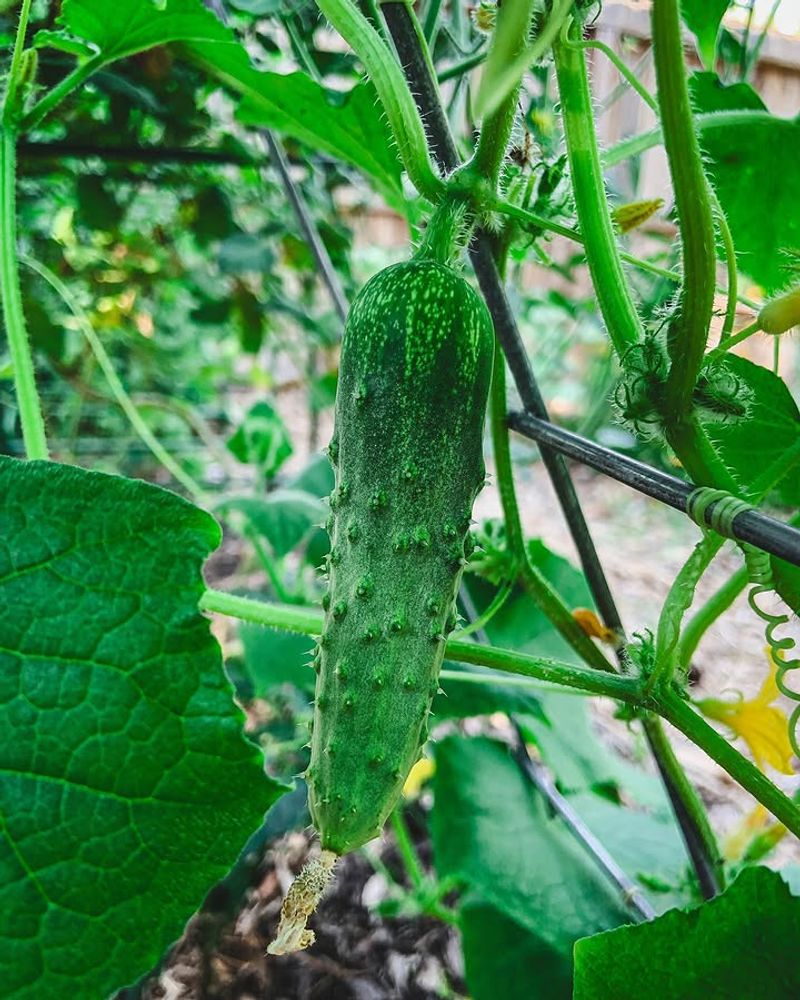
Cucumbers are one of the fastest-growing vegetables you can plant in a Michigan garden, and that rapid growth comes with a serious appetite for nutrients.
By late June, cucumber vines are stretching fast, putting out flowers, and beginning to set fruit.
Feeding them at this stage makes a noticeable difference in how many cucumbers you actually harvest over the summer.
A balanced fertilizer like 10-10-10 works well at the start of the season, but once flowers begin to appear, switch to a formula higher in potassium and phosphorus. These nutrients support strong vine structure and encourage better fruit development.
Whether your cucumbers are growing in the ground or in containers, regular feeding keeps them productive and prevents the yellowing leaves that often signal nutrient deficiency.
For in-ground plants, a slow-release granular fertilizer applied around the base of each vine every three to four weeks is a solid routine.
Container-grown cucumbers need more frequent feeding, roughly every one to two weeks with a water-soluble fertilizer, since nutrients wash out of pots quickly with regular watering.
Always water the soil before applying fertilizer to protect the roots. Cucumbers also love consistent moisture, so pairing good feeding with steady watering helps vines stay healthy and productive well into late summer.
4. Squash
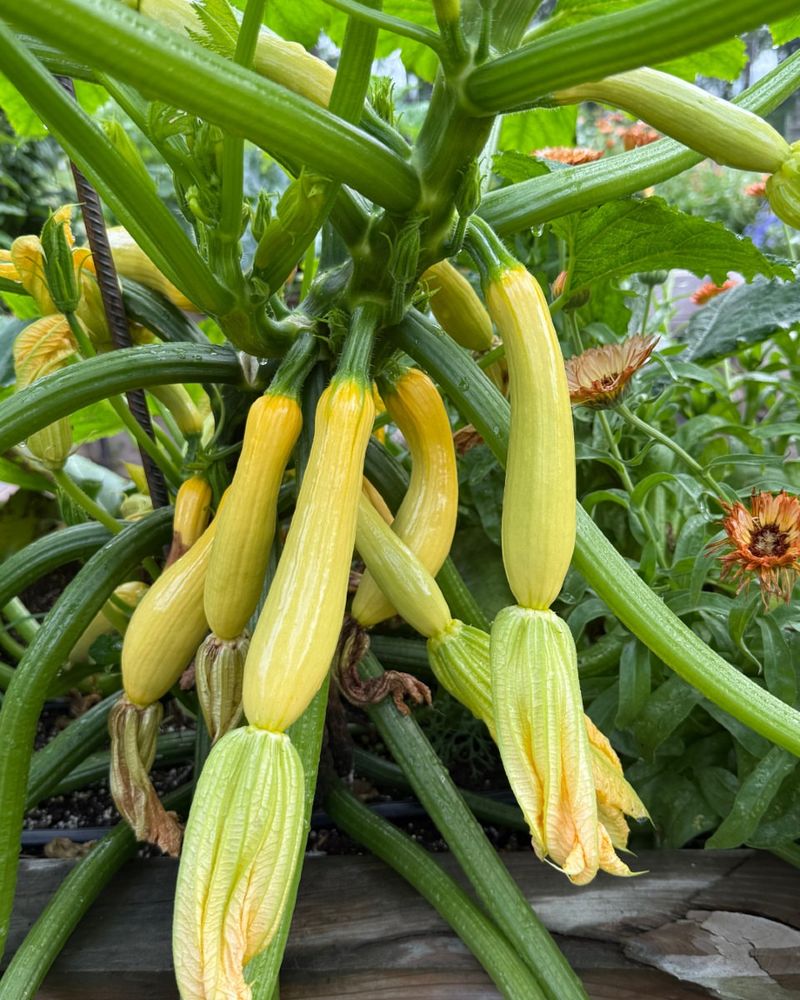
Zucchini and summer squash are legendary for their productivity, but that output depends entirely on giving them the right nutrition at the right time.
Feeding squash before June ends sets the stage for the long, heavy-producing season Michigan gardeners love.
Without proper nutrients, plants can become stressed, leading to fewer flowers and fruit that never quite reaches its full size.
Squash plants are big and hungry, so a balanced fertilizer like 10-10-10 is a great starting point when plants are young and growing fast.
Once you start seeing those bright yellow blossoms, shift your focus to a fertilizer with more phosphorus and potassium to support strong fruit development.
Side-dress granular fertilizer a few inches from the base of each plant and water it in well so nutrients reach the root zone quickly.
Squash planted in Michigan soil can also benefit from a soil test before fertilizing. Many Michigan soils, especially in sandy areas, can be low in potassium, which directly affects fruit quality.
Liquid fertilizers applied as a soil drench every two weeks can fill in any gaps between granular applications. Keeping up with feeding through June also helps squash resist the powdery mildew and pest pressure that often spike in July.
A well-fed plant is simply more resilient and ready to handle whatever summer brings.
5. Blueberries
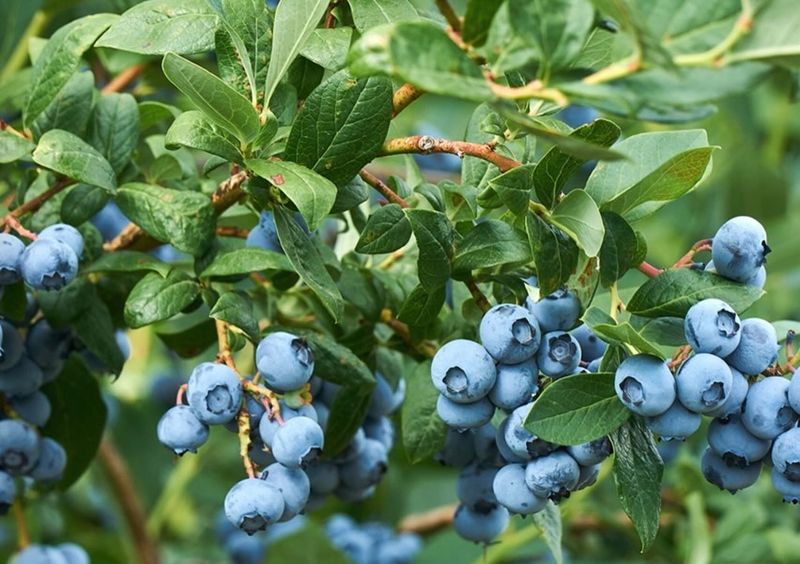
Michigan is one of the top blueberry-producing states in the country, and backyard growers have a real advantage when they feed their bushes at the right time.
Highbush blueberries are forming fruit right now, and the nutrients they receive in late June directly influence how plump, sweet, and abundant that harvest will be.
Skipping this feeding window is a missed opportunity most gardeners regret come August.
Blueberries have a unique nutritional need compared to most garden plants. They thrive in acidic soil with a pH between 4.5 and 5.5, and they need an acidic fertilizer to match.
Look for products labeled specifically for blueberries, azaleas, or acid-loving plants. Ammonium sulfate is a popular choice because it feeds the plant while also helping lower soil pH over time.
Apply fertilizer carefully around the drip line of each bush rather than directly at the base, and water it in thoroughly after application.
Blueberries have shallow roots that are sensitive to over-fertilizing, so always follow package directions and avoid the temptation to apply extra.
A light second application in late June or early July can help sustain growth without pushing too much soft new growth that might struggle in the heat.
Mulching with pine bark or wood chips also helps maintain soil acidity and moisture between feedings.
6. Roses
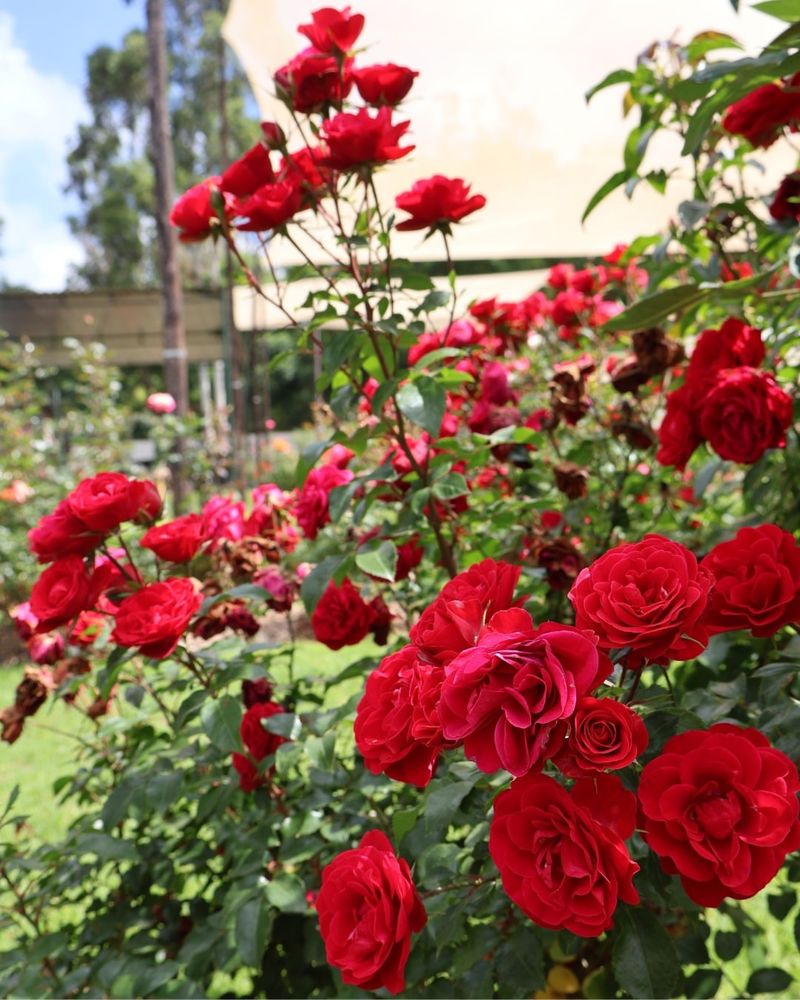
Roses are one of the most rewarding plants in any Michigan garden, but they demand consistent care to keep blooming through summer.
By late June, your rose bushes have already pushed out their first big flush of flowers, and feeding them now encourages a strong repeat bloom through July and August.
Without proper nutrition, roses tend to produce smaller flowers and become more vulnerable to common diseases like black spot.
A rose-specific fertilizer is your best bet here, since these products are formulated with the right balance of nitrogen, phosphorus, and potassium along with trace minerals like magnesium and iron.
Granular rose fertilizers can be sprinkled around the base of each bush and watered in well.
Liquid fertilizers, including water-soluble rose food or fish emulsion, are also effective and work faster, making them great for a quick mid-season boost.
Timing matters with roses. Apply fertilizer after a bloom cycle ends and new growth is actively pushing out.
Avoid feeding during extreme heat spells, since stressed plants do not absorb nutrients efficiently and roots can be sensitive. Always water your roses deeply before and after fertilizing to help nutrients move down to the root zone.
Keeping up a feeding schedule every four to six weeks through the growing season will reward you with consistent color and healthy, disease-resistant canes all summer long.
7. Perennial Flower Beds
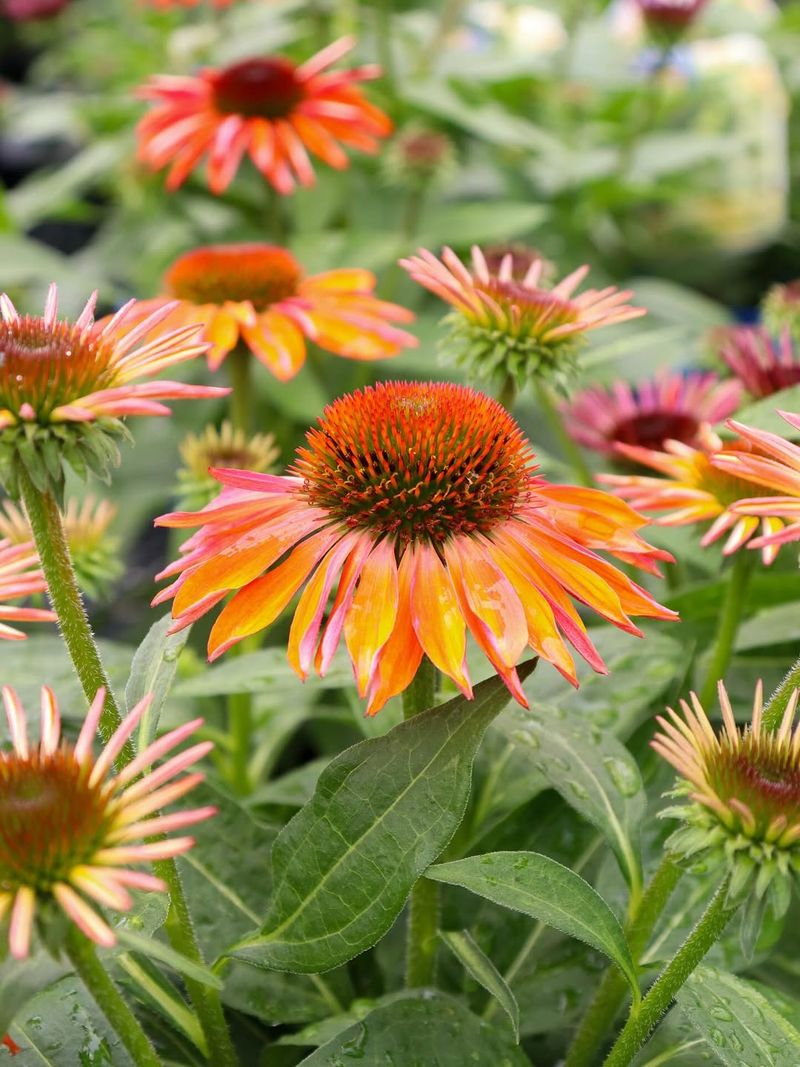
Perennial flower beds are a Michigan gardener’s best friend because they come back year after year, but they still need a little help to perform at their peak.
Coneflowers, black-eyed Susans, daylilies, and other summer perennials are building energy right now in late June, and a well-timed feeding can mean the difference between a good bloom season and a spectacular one.
Many gardeners overlook perennials when fertilizing, assuming they can fend for themselves.
A slow-release granular fertilizer with a balanced ratio, like 10-10-10 or 5-10-10, is ideal for most mixed perennial beds. Apply it according to package directions and work it lightly into the soil surface before watering.
Avoid high-nitrogen formulas for flowering perennials because too much nitrogen pushes leafy growth at the expense of blooms. Organic options like compost, aged manure, or granular bone meal are also excellent choices that improve soil structure over time.
Liquid fertilizers work well as a supplement, especially for plants that look a little pale or sluggish.
A diluted fish emulsion or balanced liquid fertilizer applied every two to three weeks gives perennials a steady nutrient stream without overwhelming them.
Always fertilize after watering and never on dry soil. Healthy, well-fed perennials also tend to crowd out weeds more effectively, making your garden easier to maintain through the busiest weeks of summer.
8. Lawn Grass
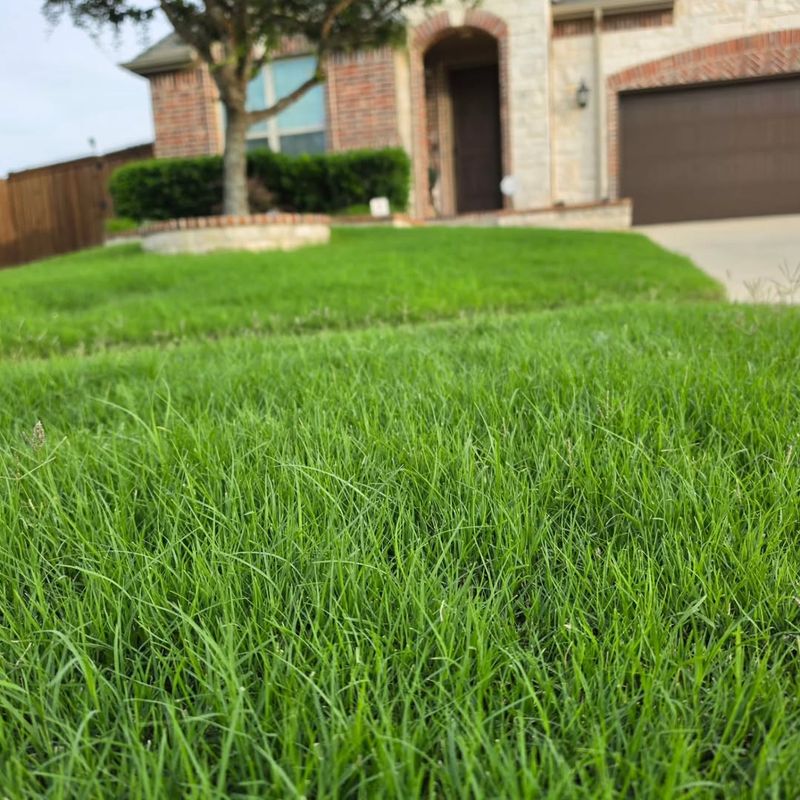
A thick, green lawn in summer does not happen by accident.
Michigan lawns, whether they are made up of Kentucky bluegrass, tall fescue, or perennial ryegrass, need a well-timed fertilizer application before June ends to carry them through the heat and stress of July and August.
Feeding now strengthens root systems, improves the lawn’s ability to hold moisture, and helps the turf recover quickly from foot traffic and mowing. Choose a slow-release nitrogen fertilizer for late June applications.
A product with a ratio like 32-0-10 or similar slow-release formula gives the lawn a steady supply of nutrients without triggering a flush of overly soft growth that burns easily in summer heat.
Always follow the application rate on the bag, and never fertilize more than the label recommends. Over-fertilizing can scorch the lawn and create runoff that harms nearby waterways.
Apply fertilizer when the grass is dry and then water the lawn thoroughly within 24 hours to move nutrients into the root zone.
Mow at a slightly higher setting in summer, around three to four inches, to reduce heat stress and help the grass hold moisture between waterings.
Pairing a late June feeding with proper mowing height and consistent watering creates the conditions for a lawn that stays lush and healthy all summer long without needing emergency care later.
9. Native Shrubs
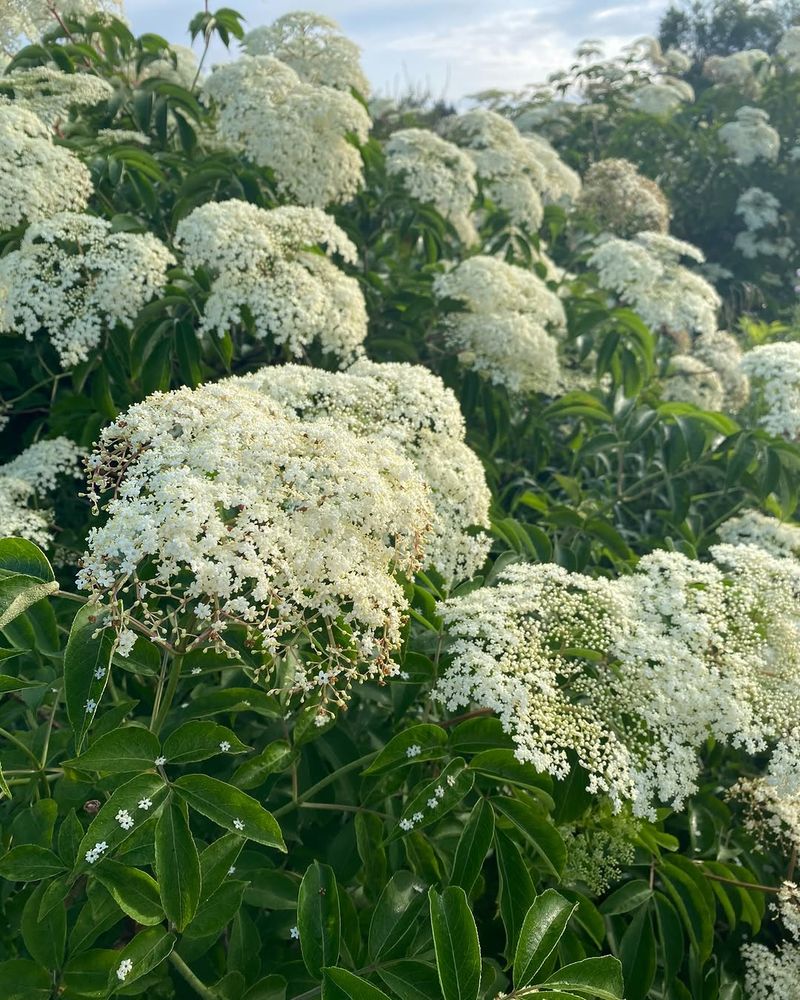
Native shrubs like Northern Bush Honeysuckle, Mapleleaf Viburnum, and Leatherwood are tough, resilient plants that have thrived in Michigan landscapes for centuries.
Still, giving them a light, well-timed feeding before June ends can noticeably improve their foliage density, flower production, and overall vigor heading into summer.
The key word here is light, because native shrubs do not need heavy fertilization and can actually suffer from too much of a good thing.
Before reaching for a fertilizer bag, consider doing a basic soil test. Michigan’s Extension Service offers affordable testing kits, and knowing your soil’s pH and nutrient levels helps you feed your shrubs precisely rather than guessing.
Most native shrubs prefer slightly acidic to neutral soil and respond well to a balanced, low-concentration fertilizer or a generous layer of compost worked into the soil around their root zones.
If soil test results show deficiencies, a slow-release granular fertilizer with a low nitrogen content, something like 5-3-3, is a safe and effective choice. Apply it around the drip line of each shrub rather than close to the base, and water it in well.
Avoid high-nitrogen products that push fast, weak growth, which can actually make shrubs more susceptible to pest pressure. A single well-timed feeding in late spring to early summer is usually all native shrubs need to thrive through the season.
10. Container Plants
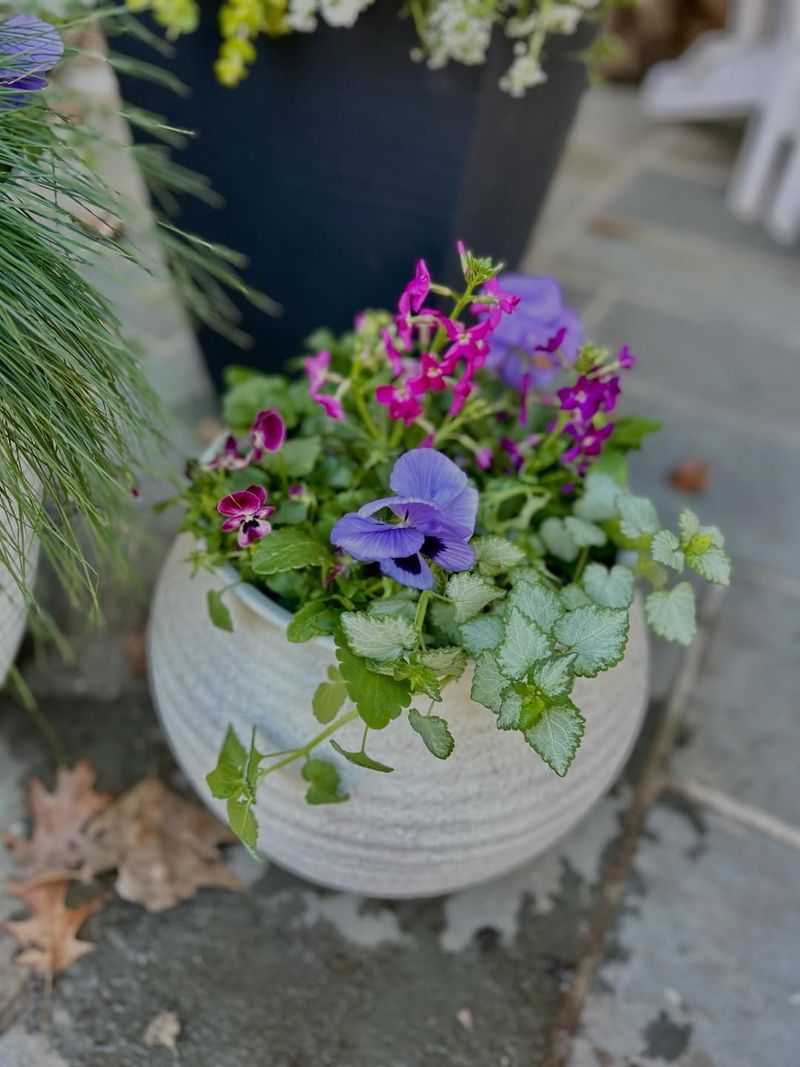
Container plants are some of the most demanding plants in your Michigan garden, and not in a bad way. Because they grow in a limited amount of soil, they use up available nutrients much faster than plants growing in the ground.
By late June, pots of basil, tomatoes, petunias, and other container favorites may already be running low on the nutrients that were mixed into the potting mix at planting time. Regular feeding is not optional for containers, it is essential.
Water-soluble fertilizers are the most popular choice for container plants because they deliver nutrients directly to the roots with every watering.
A balanced formula like 20-20-20 or a product designed for vegetables and herbs works well for most potted plants.
Apply it every one to two weeks throughout the growing season, and reduce the concentration slightly if you notice leaf edges turning brown, which can be a sign of over-fertilization.
Slow-release granular fertilizers are another convenient option. Products like Osmocote can be mixed into the potting soil or sprinkled on top, releasing nutrients gradually over several months with each watering.
This approach works especially well for busy gardeners who find it hard to maintain a weekly feeding schedule.
Whichever method you choose, combining consistent fertilizing with proper watering and good drainage will keep your container plants thriving all the way through Michigan’s warm summer months.