Plants You’ll Never Need To Replant In Your California Garden
A garden feels easier when a few plants know how to stick around. California gardeners can save time by choosing plants that return year after year without constant fuss.
These steady growers can help a yard feel full through changing seasons. They also take away some of the pressure that comes with starting over each spring.
The right choices matter, though. A plant that thrives near the coast may struggle in a hotter inland yard.
Soil, sunlight, and water habits still play a big role. Once the fit is right, long lasting plants can become the backbone of the garden.
They quietly fill space and make the whole yard feel more settled. Plant them once, care for them well, and they can reward you for many seasons.
1. Penstemon Comes Back With Color Every Year
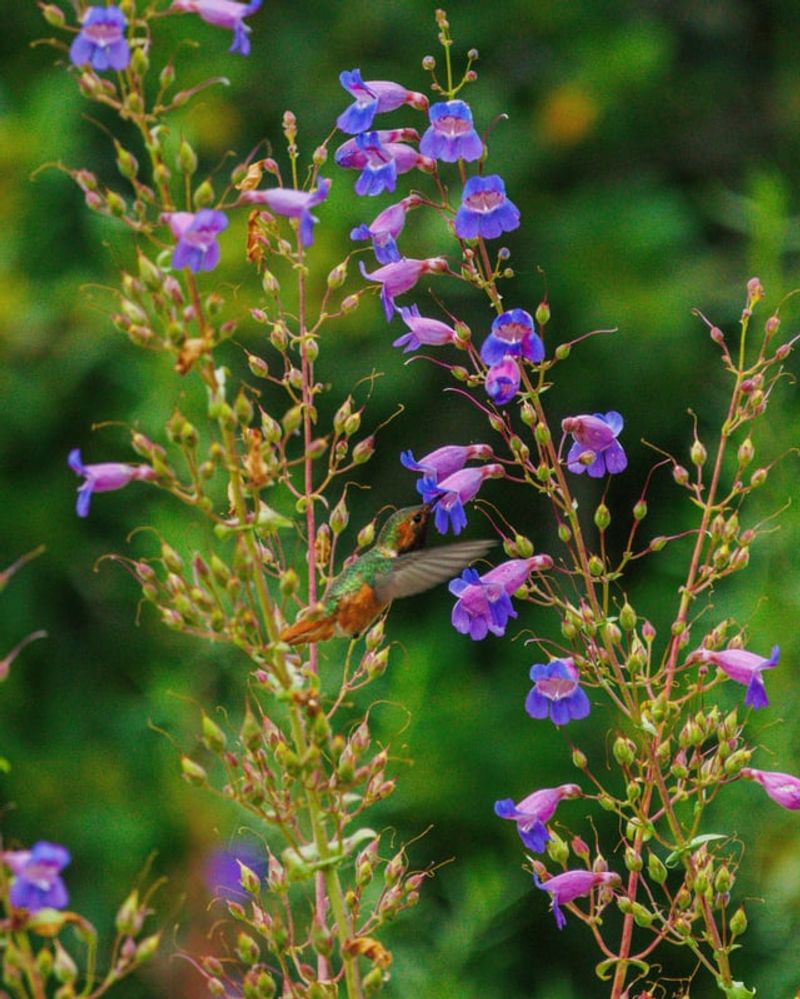
Few flowers bring as much reliable color to a garden as Penstemon. These tube-shaped blooms show up in shades of red, pink, purple, and white, and they attract hummingbirds like magnets.
Once established, they need very little water and almost no fuss to perform year after year.
Native to western North America, Penstemon has adapted well to the dry summers and mild winters found throughout much of this state. It handles poor, rocky soil with ease.
Most varieties grow between one and four feet tall, making them a flexible choice for borders, slopes, and mixed beds.
Planting Penstemon in a spot with full sun and well-draining soil gives it the best start. After the first season, it roots deeply and bounces back each spring with fresh growth and new flower stalks.
Cutting back the old stalks after blooming encourages even more flowers.
One of the best things about this plant is how little supplemental watering it needs once it is established. It is practically made for dry-summer gardens.
Gardeners in both coastal and inland areas report strong performance with very little maintenance.
If you want a plant that gives back more than you put in, Penstemon is one of the smartest choices you can make for your yard.
2. Coreopsis Keeps Returning With Sunny Blooms
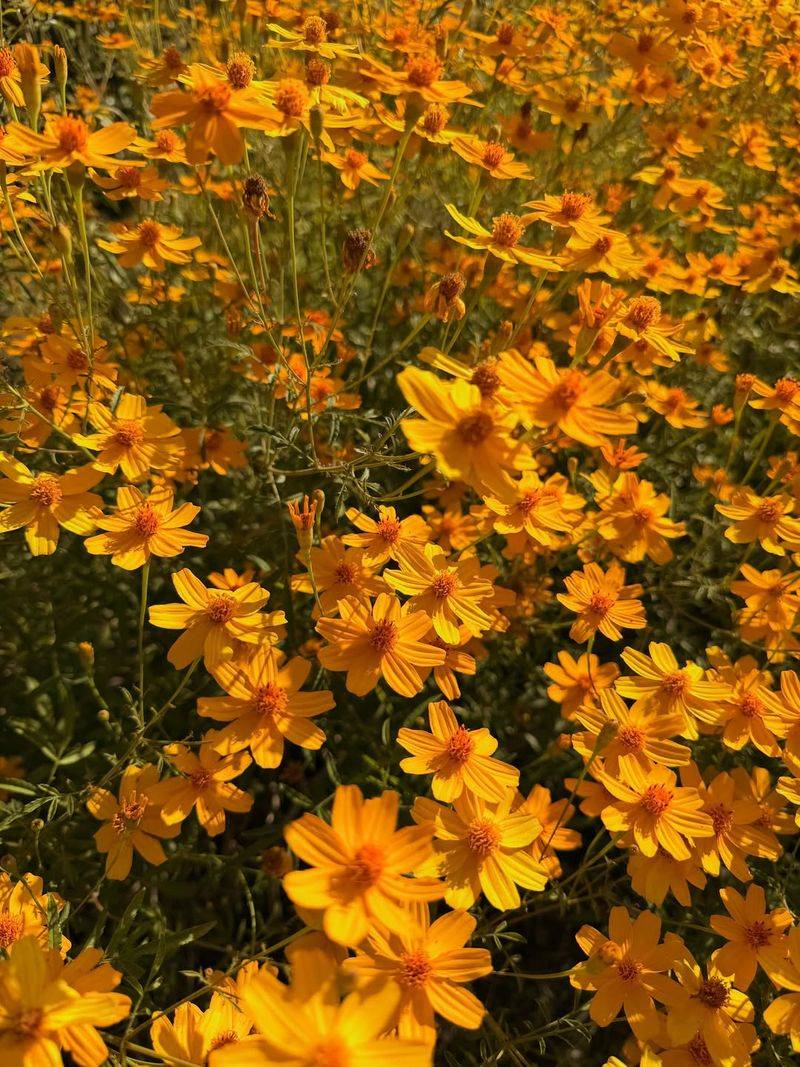
There is something almost cheerful about a plant that blooms nonstop from spring through fall and then shows up again the following year without being asked. Coreopsis does exactly that.
Its bright yellow, daisy-like flowers are hard to miss and even harder not to love.
Also called tickseed, Coreopsis is a tough perennial that handles heat, drought, and poor soil without complaining.
It thrives in full sun and is a natural fit for the warm, dry conditions found across much of this state.
Most varieties grow between one and two feet tall, so they work well along pathways or in front of taller plants.
Deadheading spent blooms keeps the flowers coming all season long. Even if you skip that step, Coreopsis still performs well.
Some varieties even self-seed, which means you might find new plants popping up nearby the following spring.
Pollinators absolutely love this plant. Bees and butterflies visit it constantly throughout the blooming season.
Your California Garden Changes Every Week. Your Plan Should Too.
Gardening in California changes quickly throughout the season. Every Friday you’ll receive a simple weekly plan showing exactly what to plant, prune, fertilize, harvest, and protect so you never miss the right timing.
Planting a few clusters of Coreopsis near vegetables or fruit trees can actually improve your overall garden health by drawing in helpful insects. It is low-maintenance, long-blooming, and genuinely beautiful.
For gardeners who want maximum color with minimum effort, Coreopsis earns a top spot on any planting list.
3. Gaura Gives Gardens Airy Flowers Without Replanting
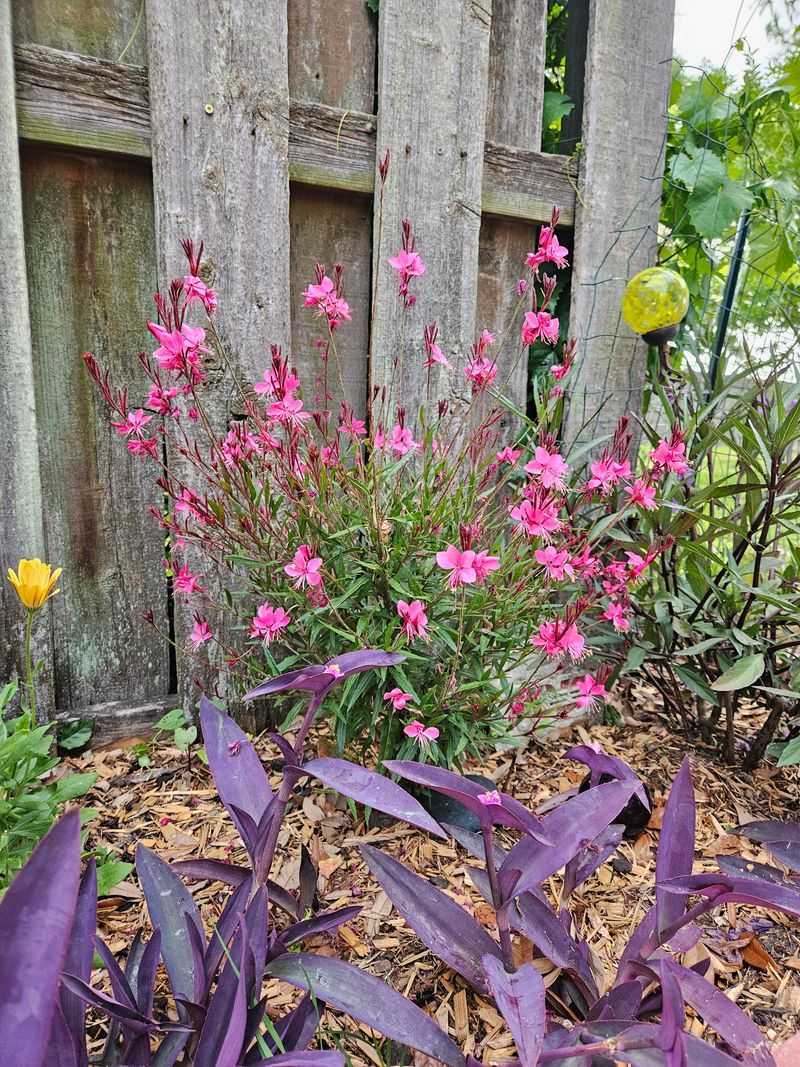
Gaura has a way of making a garden feel light and breezy. Its thin, wiry stems hold small white and pink flowers that flutter in the wind like tiny butterflies.
The effect is soft, romantic, and surprisingly easy to achieve because Gaura takes care of itself once it gets settled.
Originally from the southern United States, Gaura has become a go-to perennial for gardens across this state. It thrives in full sun and handles heat and drought better than most flowering plants.
Poor soil does not slow it down. In fact, overly rich soil can make it flop and lose its graceful shape.
Plants grow between two and four feet tall and spread gradually over time. They bloom from late spring all the way into fall, giving you months of movement and color.
Cutting them back by about half in late winter encourages fresh, bushy growth in spring.
One underrated quality of Gaura is how well it pairs with other plants. It fills gaps between larger perennials without crowding them out.
The airy texture contrasts beautifully with bold, structural plants like agaves or ornamental grasses.
If your garden needs a soft, flowing element that comes back reliably every year, Gaura is a plant worth getting excited about.
4. Dianthus Makes A Reliable Low Border
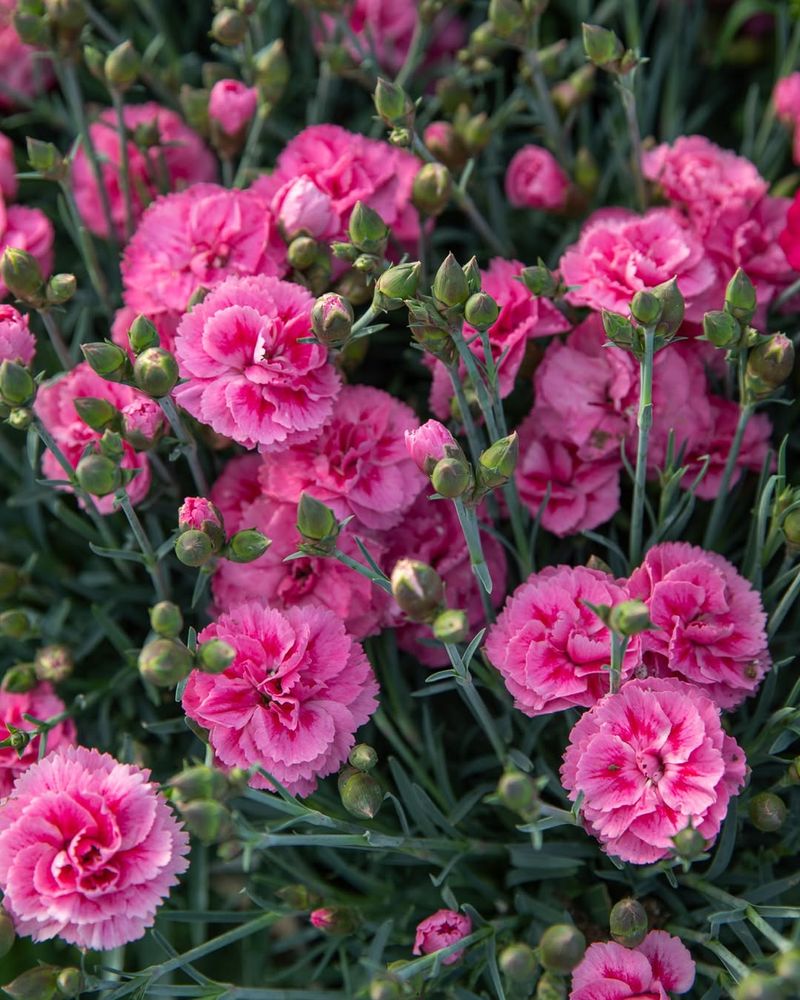
Neat, compact, and packed with fragrant blooms, Dianthus is the kind of plant that makes a garden look well-planned without requiring much work.
The flowers come in shades of pink, red, white, and bicolor, and many varieties carry a sweet, spicy scent that is hard to forget once you have smelled it.
Perennial varieties of Dianthus are well-suited to the mild winters and warm summers found throughout this state.
They prefer full sun and well-draining soil, and they do not need much fertilizer to stay healthy.
Most stay under one foot tall, which makes them ideal for edging walkways, lining raised beds, or filling the front row of a mixed border.
After the main bloom period in spring, cutting plants back by about a third encourages a second flush of flowers in fall.
Dividing clumps every two to three years keeps them vigorous and prevents the center from going bare.
Fun fact: Dianthus has been cultivated for over 2,000 years and was a favorite in European cottage gardens long before it made its way to North America.
That long history is a testament to just how reliable and rewarding this plant is.
For anyone wanting a tidy, fragrant, and colorful border plant that keeps returning year after year, Dianthus is a classic choice that never disappoints.
5. Fortnight Lily Keeps Coming Back In Tough Spots
Not every corner of a garden gets the best conditions. Some spots are too dry, too shady, or just plain neglected.
Fortnight Lily thrives in exactly those kinds of places, which is what makes it such a dependable garden workhorse.
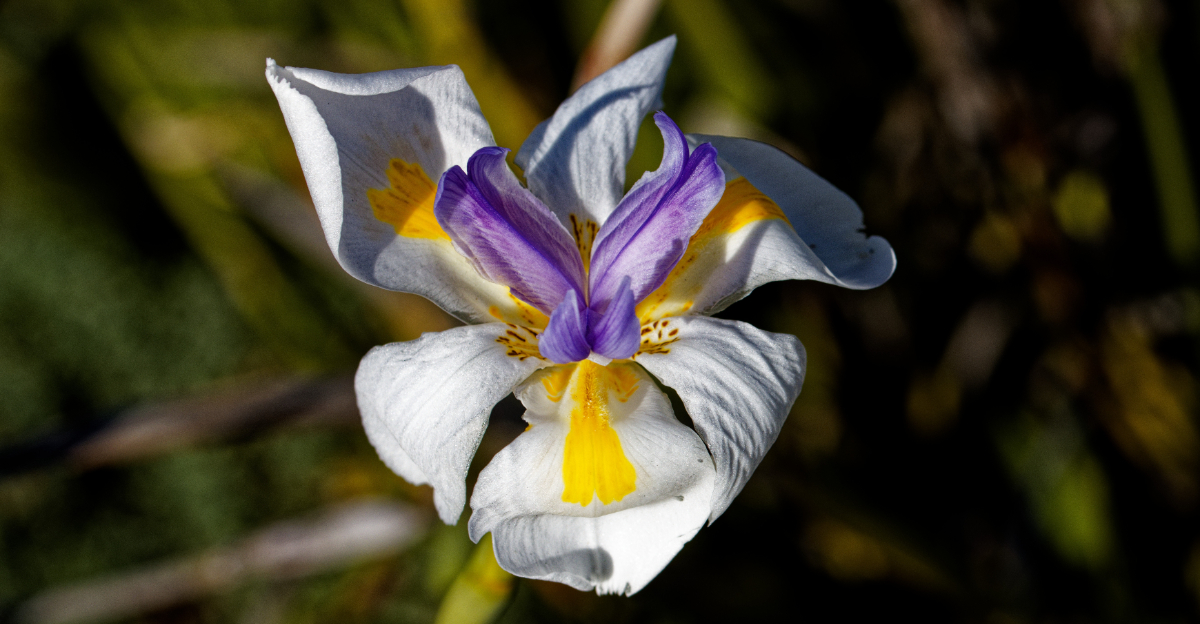
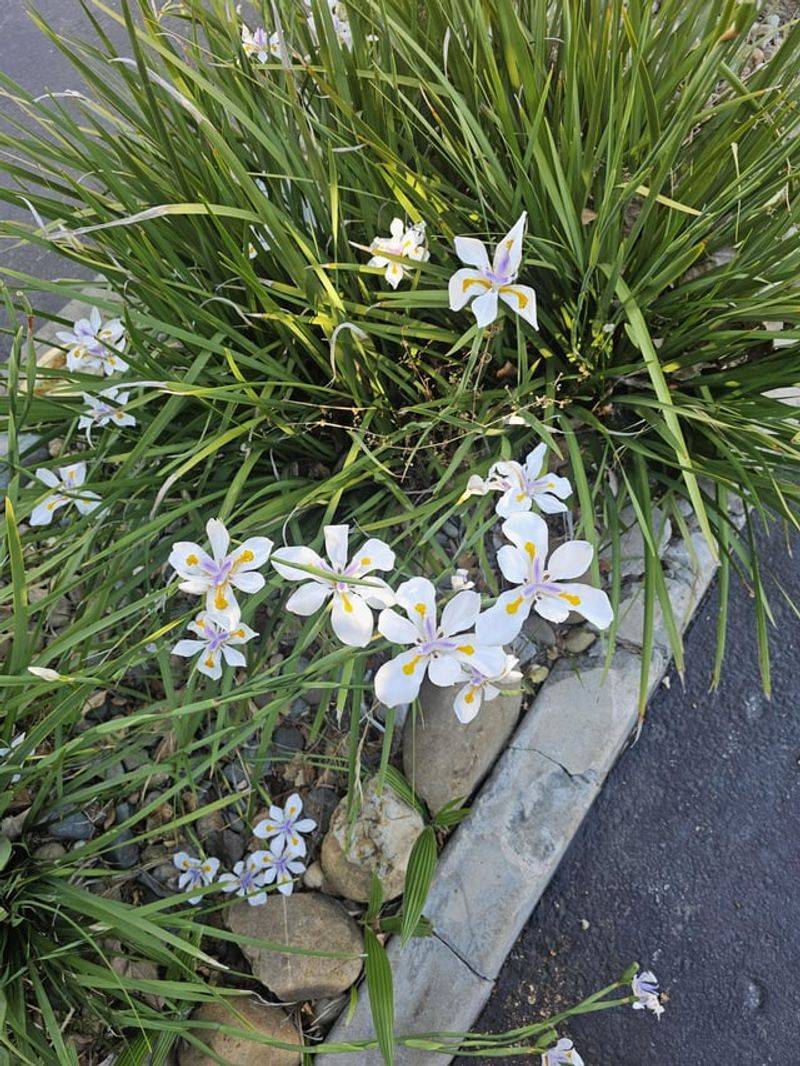
Also known as Dietes, this plant produces delicate white flowers with yellow and purple markings that appear in flushes roughly every two weeks throughout the warm season.
The name fortnight comes from that reliable two-week blooming pattern. Between blooms, the tall, strappy leaves stay green and attractive year-round.
Native to South Africa, Fortnight Lily is well adapted to the dry summers and mild winters common across this state. It tolerates full sun, partial shade, poor soil, and limited water once established.
It grows in clumps that slowly expand over time, making it a great choice for slopes, parking strips, and low-water landscapes.
One important tip: do not cut off the old flower stalks after blooming. New blooms emerge from the same stalks repeatedly over many seasons.
Removing them actually reduces flowering. This is one of those plants where doing less is genuinely better.
For tough spots where other plants struggle, Fortnight Lily shows up, settles in, and keeps going season after season without asking for much in return.
6. Red Hot Poker Returns With Bold Summer Spikes
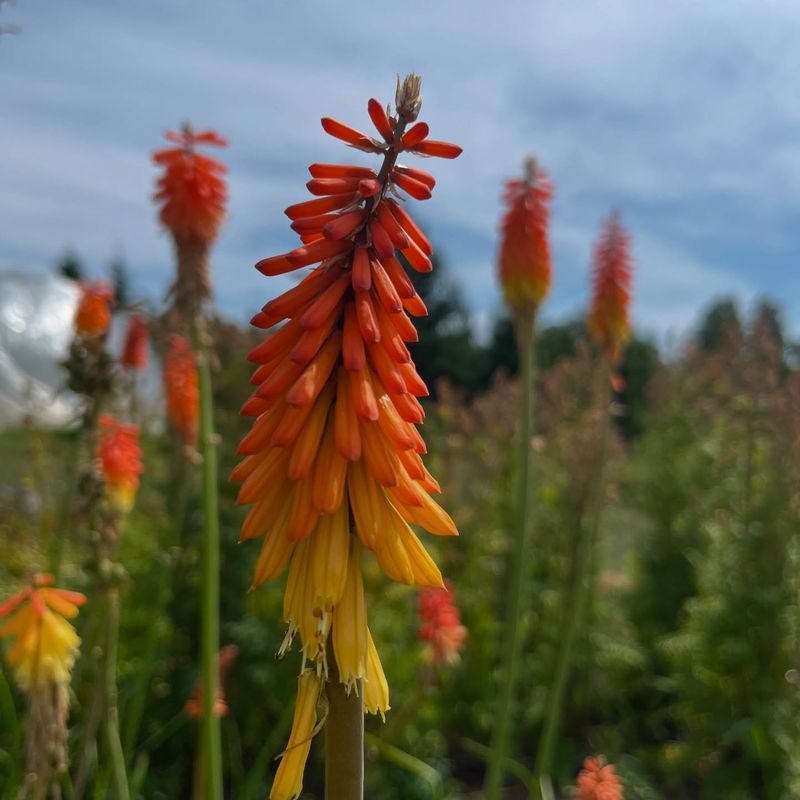
Bold, dramatic, and impossible to overlook, Red Hot Poker earns its name every time it blooms.
The tall flower spikes rise up in fiery shades of orange, yellow, and red, creating a striking vertical accent that makes the rest of the garden pop. Hummingbirds are absolutely wild about them.
Known scientifically as Kniphofia, this plant is native to South Africa but has found a perfect second home in this state. It loves full sun and handles dry conditions well once established.
The strap-like leaves form a tidy clump at the base, staying green even when the plant is not in bloom.
Most varieties bloom in summer, though some flower in spring or fall. Plants grow between two and five feet tall depending on the variety, so they work well as a mid-border statement plant or as a focal point in a dry garden design.
Dividing clumps every three to four years keeps them blooming strongly.
Red Hot Poker is also remarkably tough. It handles heat, wind, and poor soil without much trouble.
Gardeners in both coastal and inland areas report consistent performance year after year. Removing spent flower spikes keeps the plant looking tidy and may encourage additional blooms.
If your garden needs a punch of bold, vertical color that comes back reliably, this plant delivers every single summer.
7. Society Garlic Gives Long-Lasting Color And Foliage
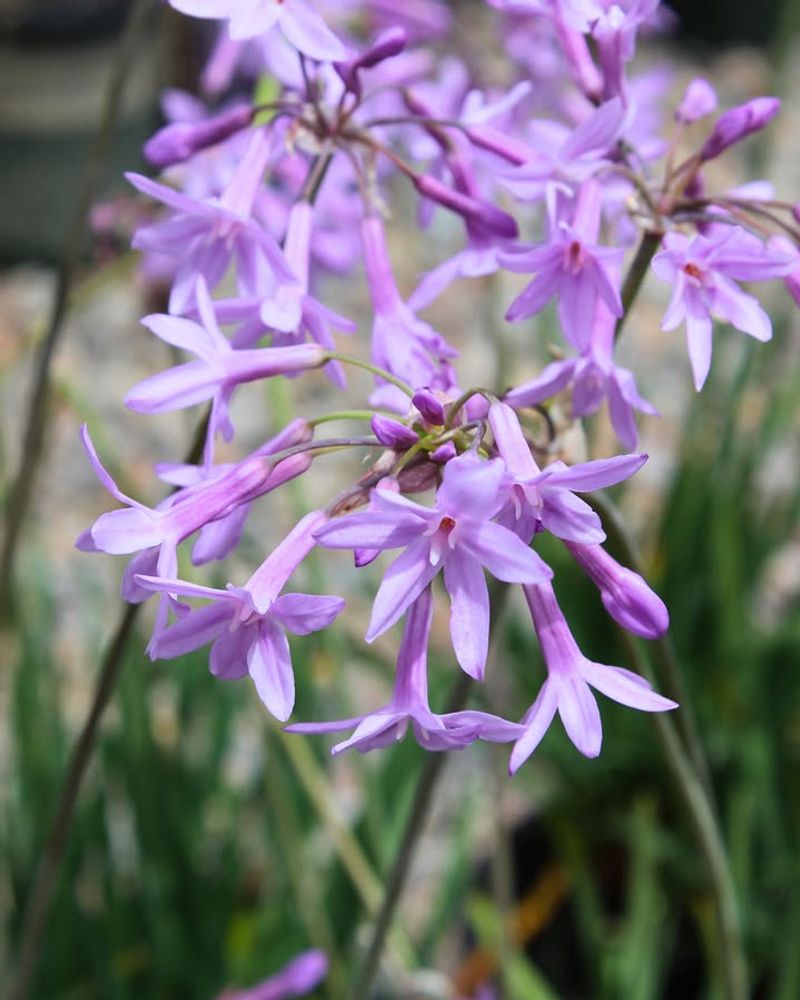
Pretty flowers and a practical purpose make Society Garlic a standout in the world of low-maintenance perennials.
The clusters of soft lavender-purple blooms sit above thin, grass-like leaves and bloom repeatedly from spring through fall.
The foliage smells faintly of garlic when brushed, which is said to help keep deer and other pests away.
Known botanically as Tulbaghia violacea, this plant is native to South Africa and has become a beloved staple in gardens throughout this state. It handles heat, drought, and coastal conditions equally well.
Full sun brings out the most blooms, though it tolerates light shade without too much trouble.
Plants grow in tidy clumps about one to two feet tall and wide. They spread slowly over time and can be divided every few years to create new plants for other parts of the garden.
The foliage stays attractive even when the plant is not actively blooming, giving you year-round visual interest.
Society Garlic is also one of the few ornamental plants with an edible bonus. The flowers and leaves are technically edible and have a mild garlic flavor.
Whether you grow it for its looks, its deer resistance, or just its reliable performance, this plant keeps delivering season after season. Few perennials offer this much return for so little effort.
8. Mexican Bush Sage Returns Bigger Each Season
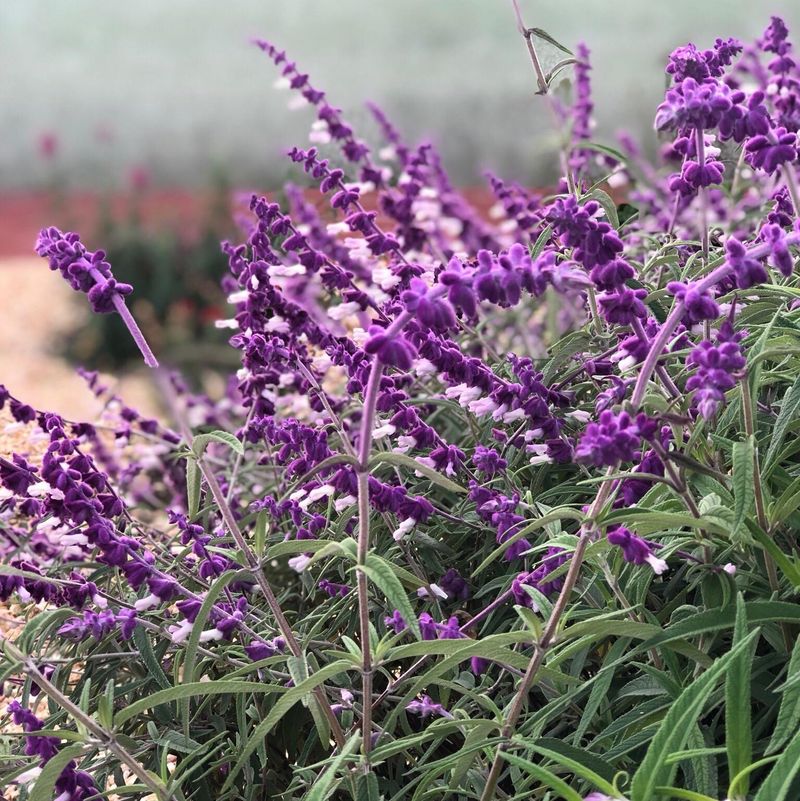
Every fall, Mexican Bush Sage puts on one of the most spectacular shows in the garden. The long, velvety purple flower spikes rise up from silvery-green foliage and seem to glow in the late-season light.
After months of summer heat, this plant arrives like a breath of fresh air right when the rest of the garden is winding down.
Known as Salvia leucantha, this plant is native to Mexico and thrives in the warm, sunny conditions found across much of this state. It grows fast, sometimes reaching four to six feet tall in a single season.
After the first year, it comes back from the roots each spring and gets bigger with every passing season.
Cutting plants back to about six inches in late winter or early spring encourages fresh, bushy growth before the next bloom cycle.
Full sun and good drainage are the two most important things it needs. Once established, it handles dry conditions well and rarely needs extra watering.
Hummingbirds and butterflies are drawn to the blooms throughout the fall season. The silvery foliage also adds texture and soft color even before the flowers appear.
For gardeners who want a bold, late-season focal point that grows back reliably year after year, Mexican Bush Sage is one of the most rewarding plants you can put in the ground.