Do These Things Before July If You Want Your Michigan Clematis To Explode With Blooms
Clematis has a reputation in Michigan for being temperamental, and some of that reputation is deserved. But a lot of what gets blamed on the plant’s personality is actually a timing problem.
The weeks between now and the end of June represent a genuine inflection point for clematis.
This is a window where several small actions stack up and determine whether the vine produces a modest showing or the kind of bloom display that stops people on the sidewalk.
Michigan’s growing season gives clematis a shorter runway than the plant gets in warmer climates, which means the preparation that happens right now matters more here than it would almost anywhere else.
Some of what needs doing involves the vine itself. Some of it involves the soil and roots.
Taken together before July arrives, these steps set up a clematis to perform at a level that makes all the training and waiting feel completely worth it.
1. Pinch Back New Growth On Repeat-Blooming Varieties
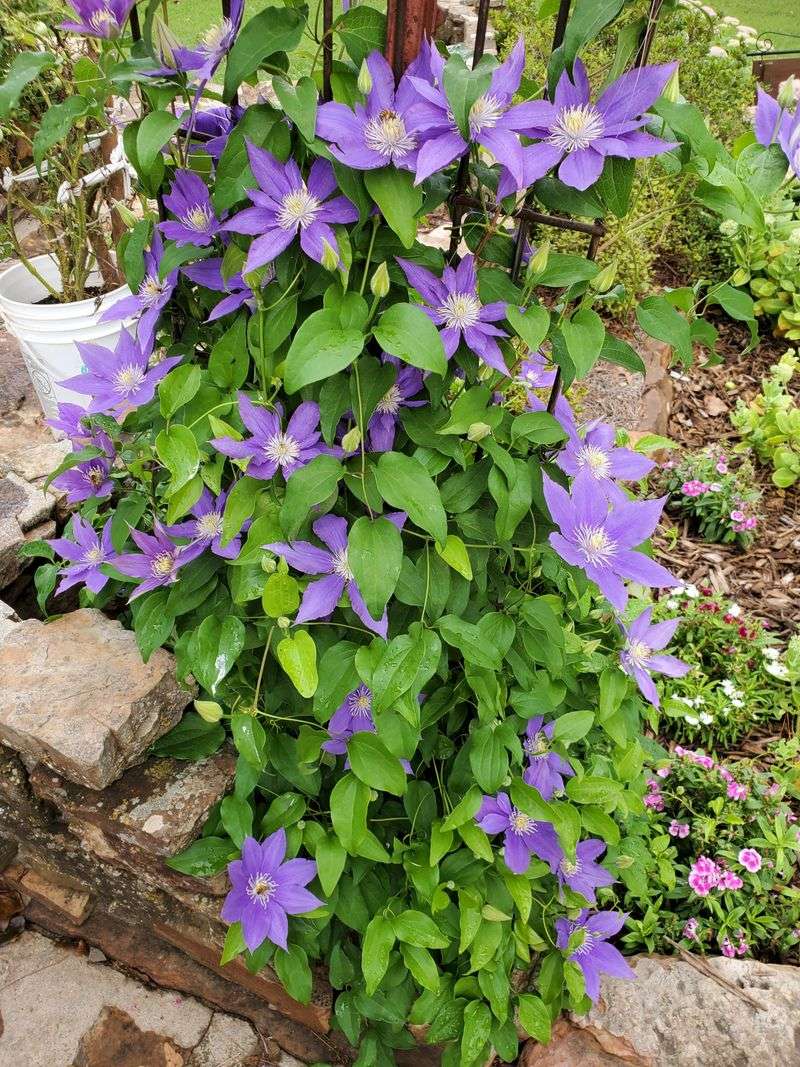
Repeat-blooming clematis varieties are some of the most rewarding plants you can grow in a Michigan garden.
Hybrid types like ‘Jackmanii’ and large-flowered cultivars bloom on both old and new wood, which means what you do with those fresh green shoots in late May and June directly affects how many flowers you get later.
Pinching back the tips of new growth before July encourages the plant to branch out rather than just shoot upward.
When a stem tip is pinched, the plant responds by pushing out two or more new side shoots from the nodes below.
Each one of those shoots becomes a potential flower site, so instead of one long stem with a single bloom at the top, you get a fuller, bushier vine loaded with buds.
In Michigan, the ideal window for this technique is mid-May through mid-June, right after your last frost risk passes and the plant is actively growing.
Use clean, sharp pruning snips and remove just the top inch or two of each new shoot. You do not need to cut deep.
Focus on stems that look long and lanky rather than full and leafy. Repeat the process every couple of weeks during this window for the best results.
Your patience now will pay off with a dramatically fuller display of flowers all summer long.
2. Remove Faded Flowers Promptly
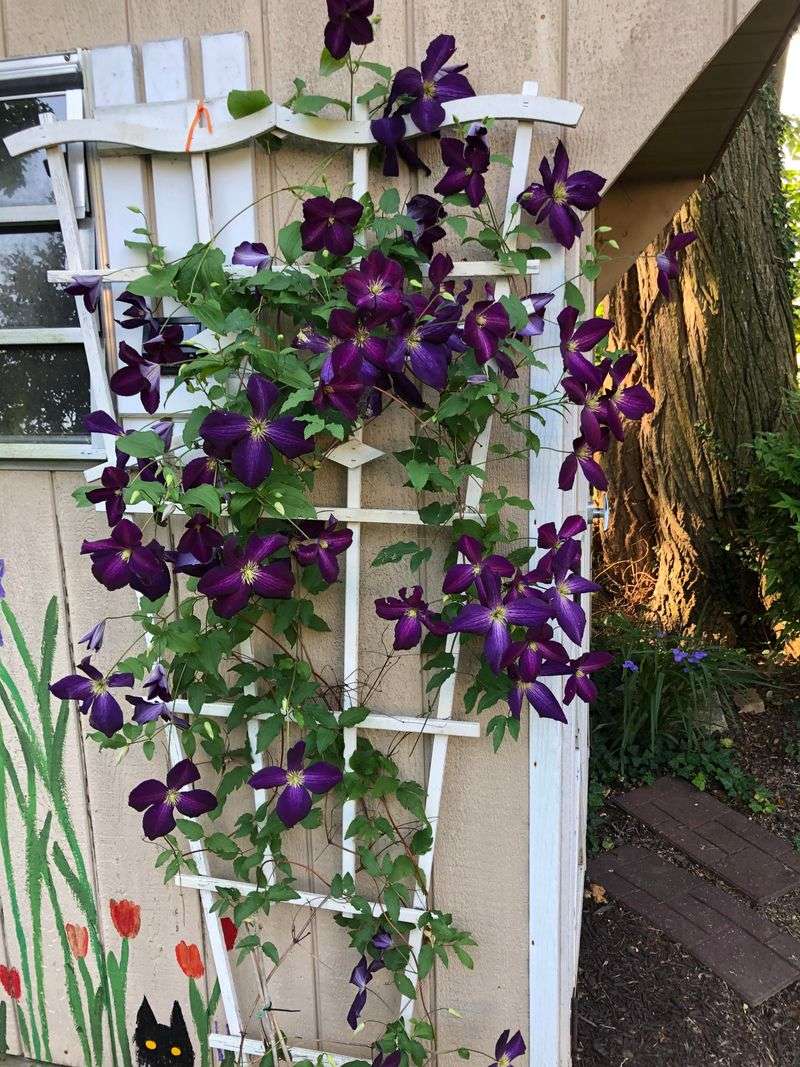
Most gardeners focus so much energy on getting blooms that they forget what happens right after the flowers open. Once a clematis flower starts to fade, the plant immediately shifts its energy toward forming seeds.
That seed production process pulls resources away from the roots and stems, leaving less fuel available for the next round of flowering.
Deadheading, or removing spent blooms quickly, redirects all that energy back into the plant where it belongs.
For repeat-blooming varieties, timely deadheading can trigger a noticeably stronger second flush of flowers in mid to late summer. In Michigan, where the growing season is shorter than in warmer states, every bit of energy conservation matters.
Your Michigan Garden Changes Every Week. Your Plan Should Too.
Gardening in Michigan changes quickly throughout the season. Every Friday you’ll receive a simple weekly plan showing exactly what to plant, prune, fertilize, harvest, and protect so you never miss the right timing.
Check your clematis every few days once the first blooms open, and snip off fading flowers just above a healthy pair of leaves or a leaf node. This small habit takes only a few minutes but makes a huge difference.
It is worth noting that not all clematis types benefit equally. Species clematis and some early-blooming varieties produce ornamental seed heads that are actually quite attractive in fall.
For those types, you might want to leave a few spent flowers to develop.
But for most modern hybrid varieties grown in Michigan gardens, consistent deadheading through June and into July is one of the easiest ways to maximize your bloom count all season.
3. Fertilize With Balanced Nutrients
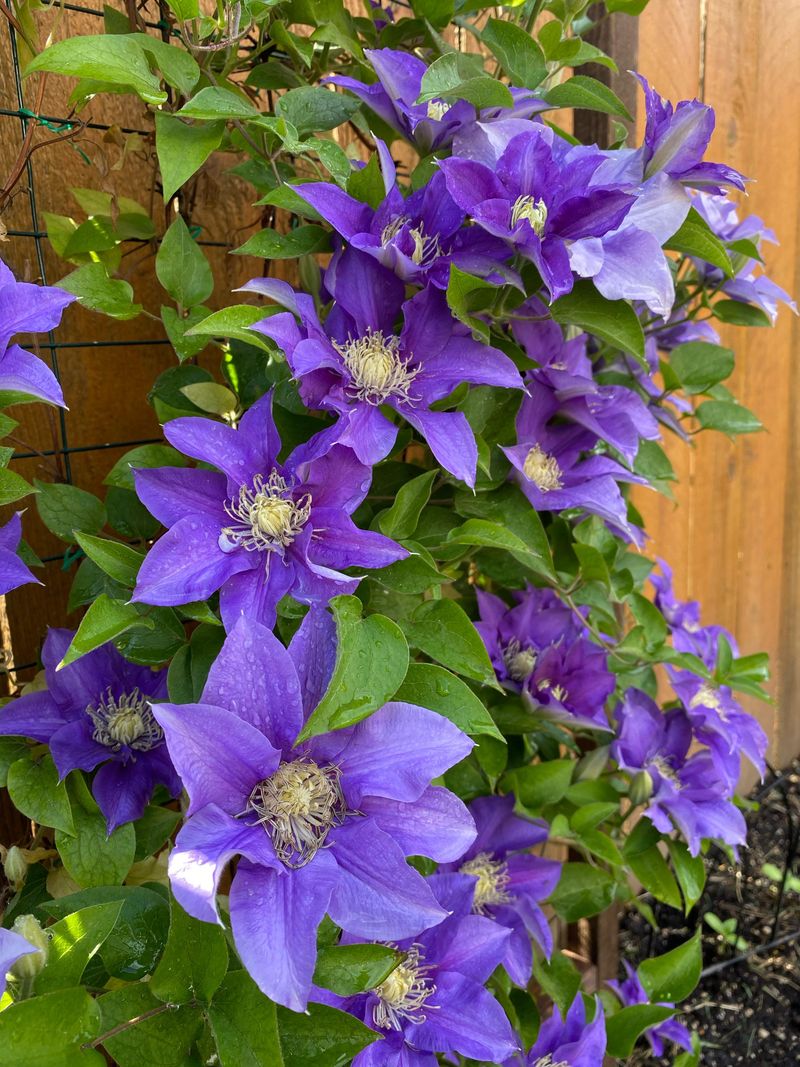
Feeding your clematis the right nutrients before July is one of the highest-impact things you can do for bloom production.
Michigan soils vary widely across the state, but many garden beds tend to be slightly acidic and can run low on phosphorus and potassium over time.
A balanced slow-release granular fertilizer with an NPK ratio of 10-10-10 or 5-10-10 applied in early to mid-June gives the plant a steady supply of what it needs without causing a rush of leafy growth at the expense of flowers.
Phosphorus is particularly important for root development and flower formation, while potassium helps strengthen stems and improves overall plant resilience. Nitrogen is necessary too, but too much of it pushes the plant to grow lots of leaves instead of blooms.
If you prefer a liquid option, a balanced water-soluble fertilizer applied every two to three weeks works well and absorbs quickly into the root zone.
Always water your clematis thoroughly before and after applying any fertilizer to prevent root burn. Sprinkle granular fertilizer in a ring around the plant, keeping it a few inches away from the main stem.
For Michigan gardens, one application of slow-release fertilizer in late May or early June is usually enough to carry the plant through its peak blooming period. Consistent feeding equals consistent flowering, so do not skip this step.
4. Ensure Consistent Watering
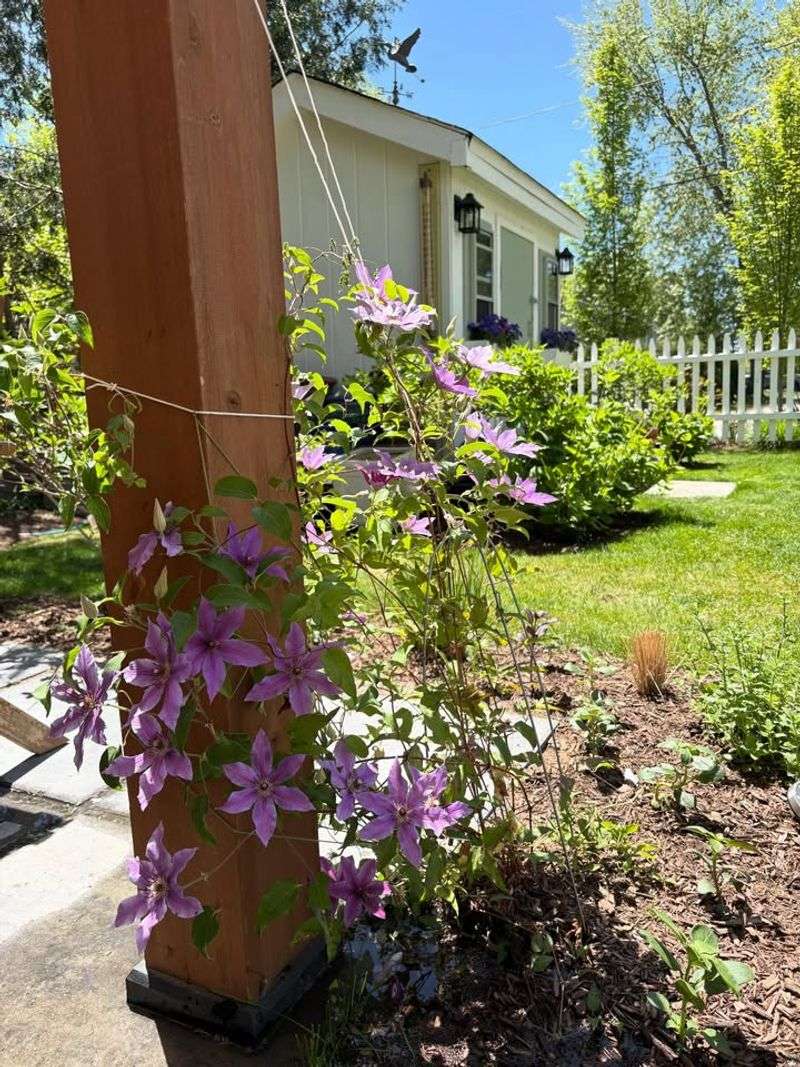
Clematis has a reputation for being finicky, and inconsistent watering is one of the biggest reasons plants underperform in Michigan gardens.
The vine needs about one inch of water per week during the growing season, but that number goes up fast during hot, dry stretches in late June and early July.
When the soil dries out unevenly, the plant experiences stress that can cause buds to drop before they ever open. That is a frustrating outcome when you have been waiting all spring for blooms.
Deep, infrequent watering is far more effective than shallow daily sprinkles. When you water deeply, moisture reaches down into the root zone where the plant actually absorbs it.
Shallow watering encourages roots to stay near the surface, where they are more vulnerable to heat and drought.
A soaker hose or drip irrigation system set to run for 30 to 45 minutes two to three times per week works beautifully for clematis in Michigan raised beds or garden borders.
Pay extra attention during the stretch from mid-June through the Fourth of July, when Michigan can experience sudden heat waves. Wilting leaves in the morning are a clear sign your plant needs more water.
Checking soil moisture two to three inches below the surface is the most reliable way to know when to water. Keep things consistently moist but never waterlogged, and your clematis will reward you with strong, healthy flower production.
5. Mulch Around The Base
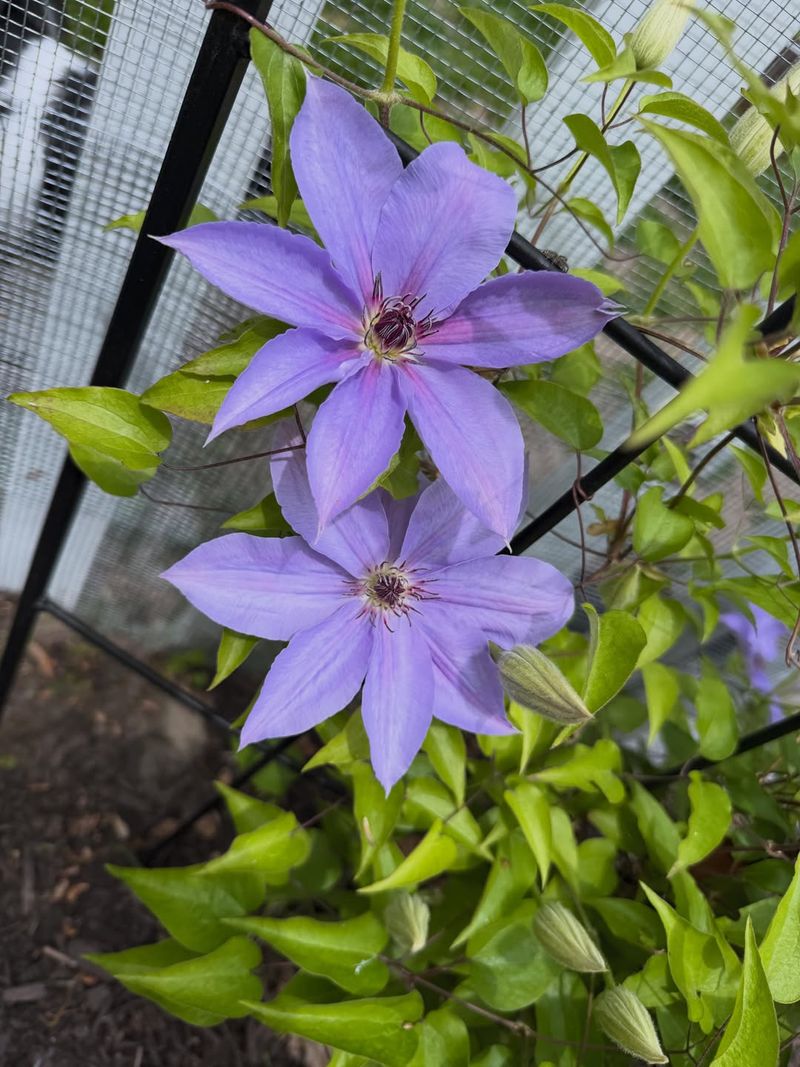
Here is a simple trick that experienced Michigan gardeners swear by: keep the roots of your clematis cool and moist, and the blooms will come in abundance.
Clematis roots prefer cool, shaded conditions even while the top of the plant thrives in full sun.
Applying two to three inches of organic mulch around the base of the plant in late May or early June creates exactly that environment, acting like a natural insulator against summer heat.
Shredded bark, wood chips, straw, or composted leaves all work well as mulch options. Beyond keeping roots cool, mulch does double duty by retaining soil moisture between watering sessions.
In Michigan, where summer temperatures can swing dramatically from week to week, that moisture retention reduces the frequency of watering you need to do and protects the plant from the kind of heat stress that leads to fewer blooms.
A good layer of mulch also suppresses weeds that compete with your clematis for water and nutrients.
When applying mulch, keep it a few inches away from the main stem of the plant to prevent moisture buildup that could lead to rot. Pull back any old mulch from last season before adding a fresh layer.
Refreshing your mulch each spring is a low-effort habit that pays off with a healthier, more productive plant. Think of it as giving your clematis roots a cozy blanket right before the hottest months arrive.
6. Provide Proper Support For Vines
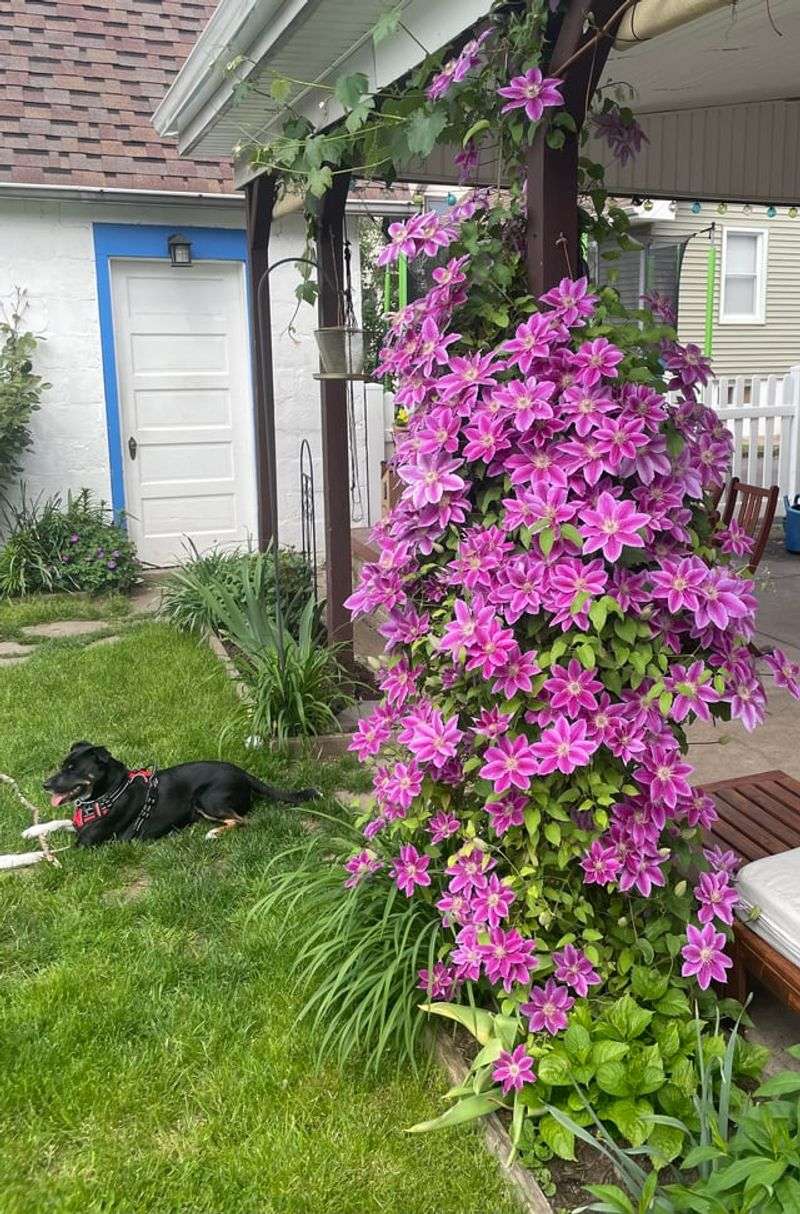
Clematis is a natural climber, but it cannot do much without something sturdy to grab onto.
Without proper support, vines sprawl across the ground, tangle into a messy heap, and produce far fewer flowers than they would on a well-structured trellis or arbor.
Good support is not just about looks. It directly impacts how many blooms your plant produces by improving airflow around the foliage and exposing more stem nodes to sunlight.
In Michigan gardens, a trellis, wire grid, arbor, or wooden lattice panel all work well for clematis.
The key is making sure the support structure has thin enough bars or wires for the plant’s leaf stalks to wrap around, since clematis climbs by twisting its petioles rather than by using tendrils like some other vines.
Spacing between supports of about four to six inches gives the stems plenty of options for attachment points.
Check your support structure before June to make sure it is secure and in good shape after winter. As new stems grow, gently guide them onto the trellis and use soft plant ties to anchor any shoots that are not catching on naturally.
Spreading stems out horizontally across the support rather than letting them all grow straight up encourages more lateral branching and more flower buds. A well-trained clematis on a tidy trellis is not just beautiful.
It is a genuinely more productive plant.
7. Monitor For Pests And Disease
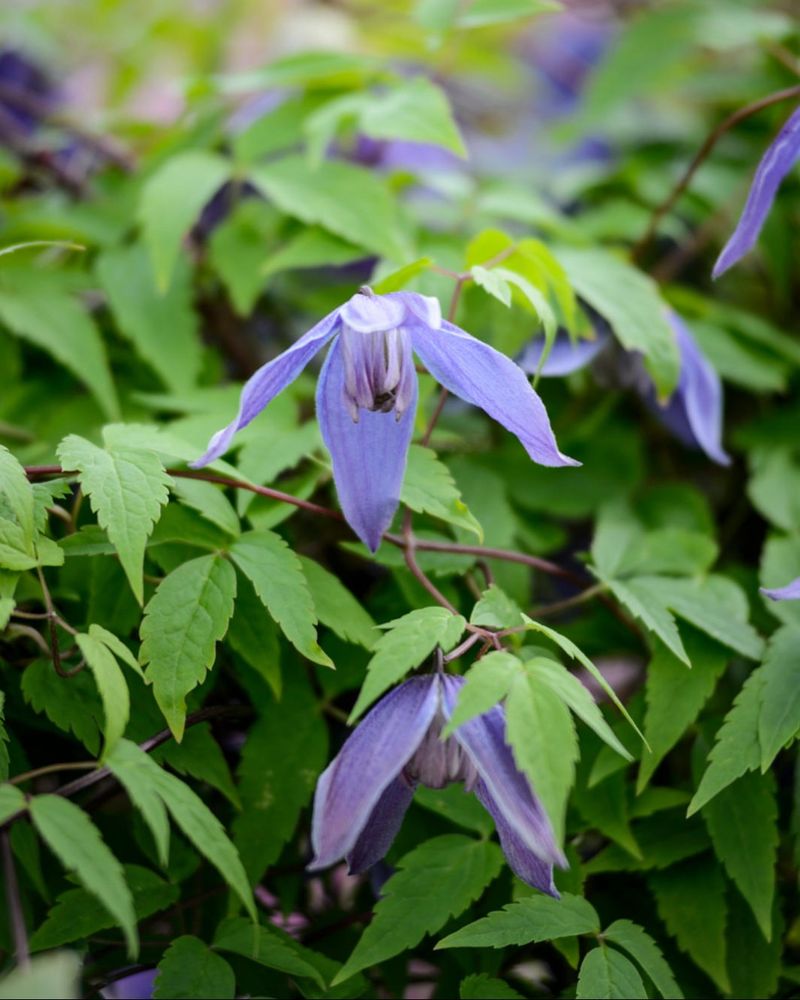
Catching a pest or disease problem early can save your entire bloom season.
Clematis in Michigan is most commonly bothered by aphids, slugs, and powdery mildew, and all three tend to show up in late spring and early summer when conditions are warm and moist.
Aphids cluster on tender new shoots and flower buds, sucking out the plant’s sap and causing leaves to curl and distort.
Slugs chew ragged holes in leaves overnight, and powdery mildew leaves a chalky white coating on foliage that weakens the plant over time.
A quick inspection every few days during June is all it takes to stay ahead of these issues. Flip leaves over to check for aphid colonies, look along the soil line for slug damage, and scan the upper surfaces of leaves for any white or gray powdery patches.
If you spot aphids, a strong blast of water from a hose often knocks them off effectively. For slugs, iron phosphate bait products are safe and effective in Michigan gardens.
Powdery mildew responds well to neem oil or a diluted baking soda spray applied in the early morning.
Healthy plants resist pests and disease far better than stressed ones, so all the other steps on this list contribute directly to keeping problems manageable. Good airflow from proper vine training also reduces the humidity that fungal issues love.
Stay observant, act fast when you see trouble, and your clematis will stay strong and bloom-ready all summer.
8. Ensure Sun Exposure Matches Variety Needs
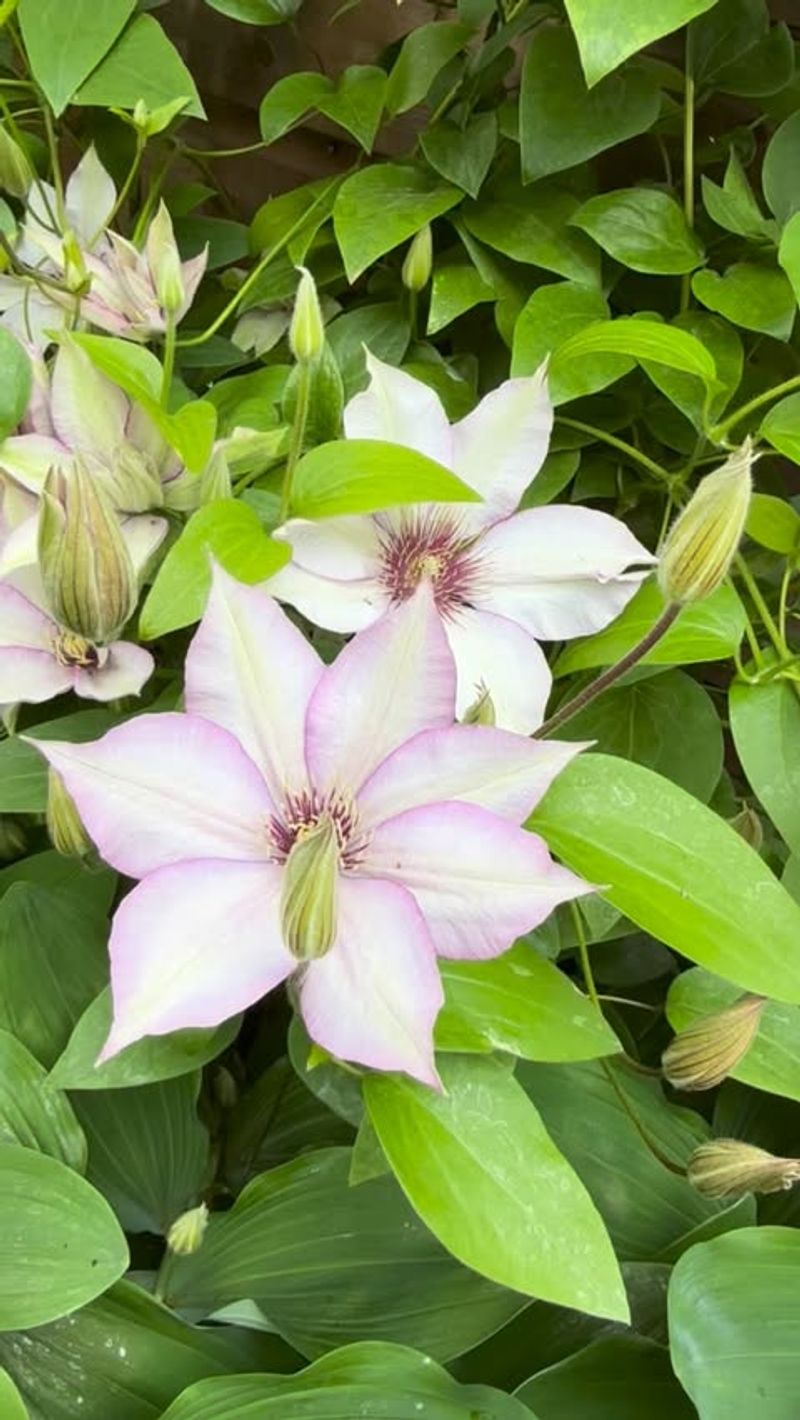
Most hybrid clematis varieties follow a simple rule that Michigan gardeners find easy to remember: sunny top, shady bottom.
The upper portion of the plant needs at least six hours of direct sunlight daily to fuel strong flower production, while the roots and crown perform best when kept cool and out of direct sun.
Getting this balance right before July sets the stage for the most vigorous and colorful bloom display your plant can produce.
If your clematis is planted in a spot that gets too much shade, the vine will grow slowly, produce weak stems, and bloom sparingly. On the flip side, roots baking in unshaded soil can cause the plant to struggle during Michigan’s hottest weeks.
The classic solution is to plant low-growing perennials, ornamental grasses, or even a flat stone slab near the base of the clematis to keep the root zone shaded while the vine climbs into the sun above.
Take a look at your planting location in late May and observe how the light falls throughout the day.
If a nearby tree or shrub has leafed out and is now blocking more sun than you expected, it may be worth trimming it back or considering whether the clematis needs to be repositioned.
Matching light exposure to your specific variety is one of the most fundamental factors in bloom success. A little observation now prevents a lot of disappointment later in the season.
9. Pinch Weak Or Leggy Stems
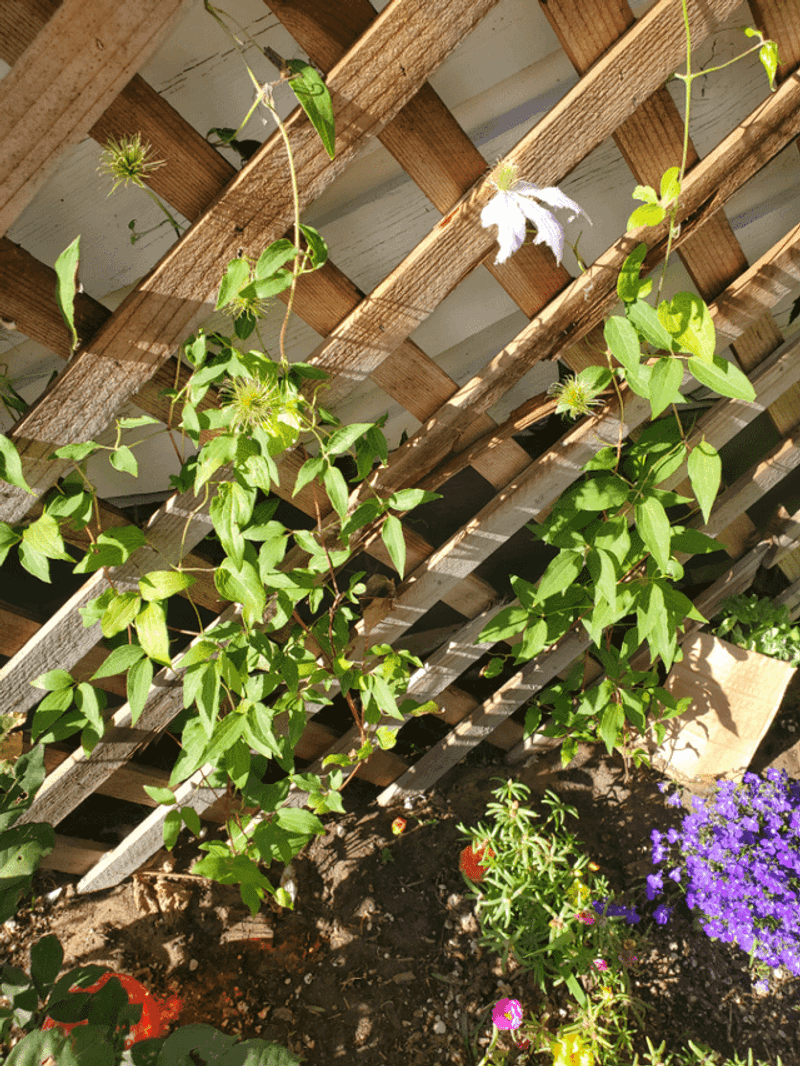
Not all stems on a clematis vine are created equal. By late June, you will likely notice that some shoots are long, thin, and stretching out without much branching or leaf density.
Those leggy stems rarely produce strong flowers on their own, and they can actually pull energy away from the healthier, more productive parts of the plant.
Selectively pinching them back is a targeted technique that strengthens the overall structure of your clematis before peak bloom season arrives.
The process is straightforward. Look for stems that are noticeably thinner than the main growth, or ones that have grown long without branching.
Using clean pruning snips, cut just above a healthy leaf node, which is the point where a leaf or pair of leaves attaches to the stem.
The plant will respond by pushing out new shoots from that node, creating a branching effect that multiplies your potential flower sites.
In Michigan, doing this in the third or fourth week of June gives new growth enough time to develop and set buds before midsummer.
This step pairs especially well with the earlier tip about pinching new growth on repeat-blooming varieties. Together, they create a vine that is dense, well-branched, and packed with bloom potential rather than a few long, sparse shoots.
Step back and assess the overall shape of your plant before you start snipping. A few minutes of thoughtful pruning in late June can genuinely transform what your clematis looks like in July and August.