The Oregon Garden Bed Mistake That Makes Slugs Harder To Control
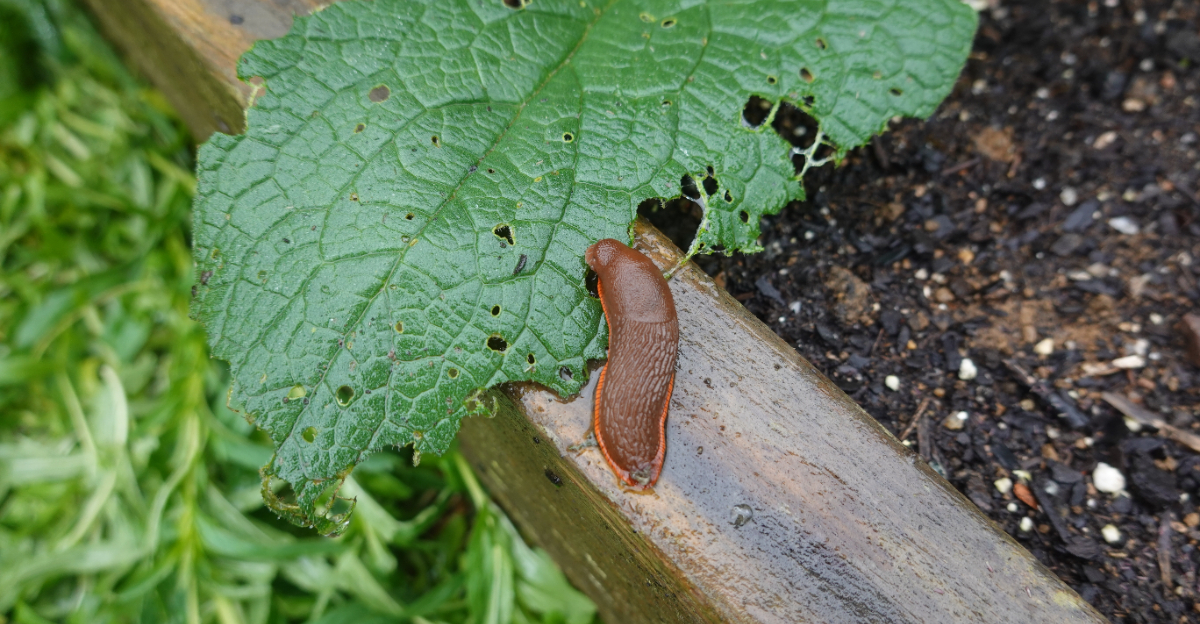
Slugs are already tough enough in an Oregon garden. One common bed mistake can make them even harder to manage: leaving too many cool, damp hiding spots right where plants are growing.
Thick piles of mulch, crowded edges, and messy plant debris can turn a garden bed into slug shelter.
Once they have a safe place to wait out the day, they can come out at night and chew through tender growth before you notice.
The fix starts with how the bed is set up, not just what you sprinkle around later. A cleaner, more open surface can make the space less inviting.
It can also help you spot slug activity sooner. Change that one habit, and slug control becomes a lot less frustrating.
1. Thick Mulch Gives Slugs A Hiding Place
Most gardeners pile on mulch with good intentions. It keeps soil moist, blocks weeds, and makes beds look tidy.
But in a place like ours, where rain falls heavily from fall through spring, thick mulch can quietly become one of your biggest slug problems.
Slugs are soft-bodied creatures. They need cool, dark, and damp spaces to survive during the day.
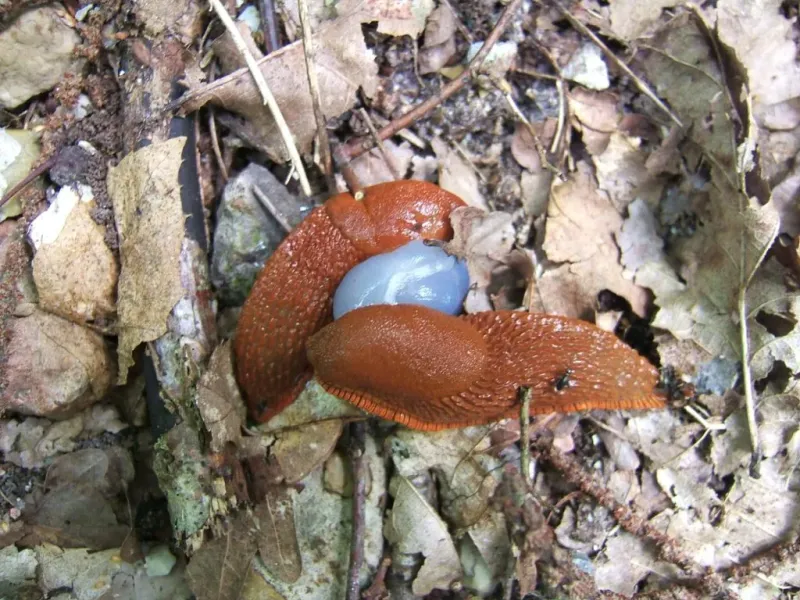
A thick layer of wood chips, bark, or straw gives them exactly that. They tuck under the mulch in the morning and come out at night to feed on your plants.
You may never see them, but the damage shows up fast.
The fix is not to stop mulching entirely. Mulch still helps your garden in many ways.
The key is to keep your mulch layer thin, around one to two inches deep at most. Thicker than that and you are building slug housing right next to your plants.
Pull mulch back a few inches from plant stems and crowns. This creates a dry buffer zone that slugs do not like to cross.
Rough or sharp-textured mulch materials like pine needles or crushed eggshells can also help deter them. Check under your mulch regularly, especially after rain.
If you are finding clusters of slugs or their eggs hiding underneath, it is time to thin things out and let the soil surface dry between waterings.
2. Crowded Plants Keep The Soil Too Damp
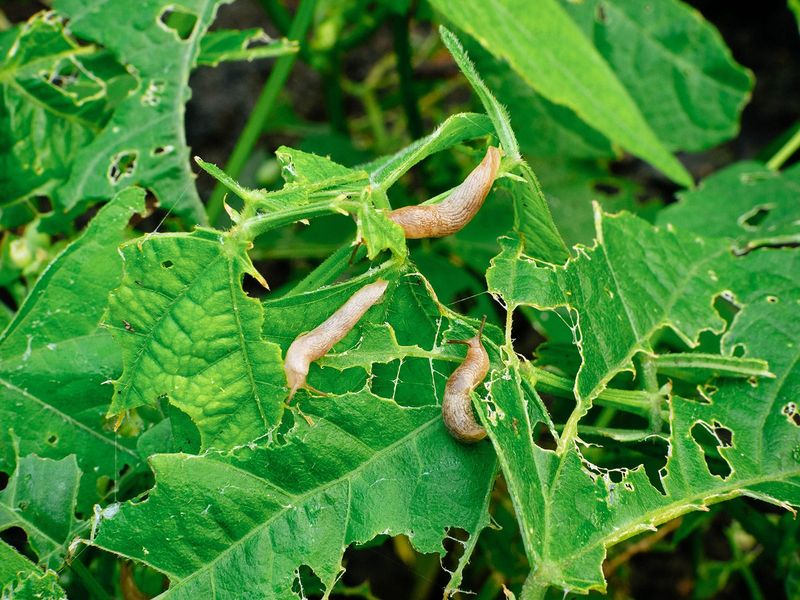
Planting close together feels smart. You get more food from less space, and dense foliage can block weeds.
However, in a wet climate like ours, overcrowded beds create a shady, humid microclimate at soil level that slugs absolutely love.
When plant leaves overlap and touch, air cannot move through the bed freely. The soil stays damp for much longer after rain or watering.
That constant moisture is a slug magnet. They move through the canopy of leaves easily, feeding on stems and foliage while staying hidden from birds and other predators.
Spacing plants correctly makes a real difference. Follow the spacing guidelines on seed packets or plant tags.
It might feel like wasted space at first, but proper spacing allows sunlight and airflow to reach the soil. The surface dries out faster, which is far less inviting to slugs.
Your Oregon Garden Changes Every Week. Your Plan Should Too.
Gardening in Oregon changes quickly throughout the season. Every Friday you’ll receive a simple weekly plan showing exactly what to plant, prune, fertilize, harvest, and protect so you never miss the right timing.
Thinning out crowded areas mid-season also helps. If plants have grown into each other, remove a few to open things up.
Raised beds and containers dry out faster than in-ground beds, which is another advantage in slug-heavy regions. Good airflow is one of the simplest and most overlooked tools for managing slugs naturally.
A bed that dries quickly between rain events gives slugs far fewer reasons to stick around, and it often means your plants stay healthier overall too.
3. Withered Leaves Turn Beds Into Slug Shelter
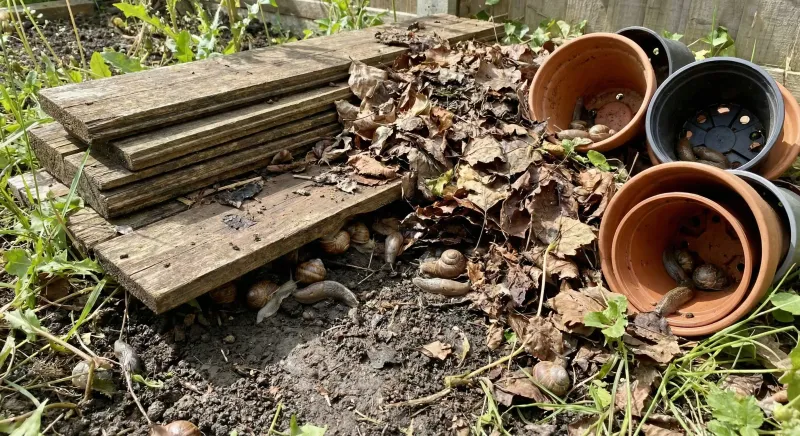
Old, withered leaves sitting on the soil might not look like a big deal. They are just part of the natural cycle, right?
Actually, in a slug-friendly climate like ours, those fallen leaves act like tiny tents that keep the soil underneath moist and shaded all day long.
Slugs need shelter from the sun and heat. Even on warmer days in spring or early fall, they will hunker down under a layer of decomposing leaves and wait for darkness.
The rotting material also attracts the fungi and bacteria that slugs feed on, so it is both shelter and a food source rolled into one.
Making a habit of clearing spent foliage regularly pays off quickly. Walk through your beds every few days and remove leaves that have dropped or yellowed.
Do not let them pile up around the base of plants. This is especially important for strawberries, hostas, and leafy greens, which are slug favorites.
Composting removed leaves is fine, just do it away from the garden bed. A separate compost bin placed far from your planting areas keeps the decomposing material out of reach.
Keeping beds clean and clear of debris reduces slug habitat significantly. It also makes it easier to spot slug damage early, so you can respond before the problem spreads to other plants in the bed. Clean beds are harder beds for slugs to colonize.
4. Boards And Pots Hide Slugs During The Day
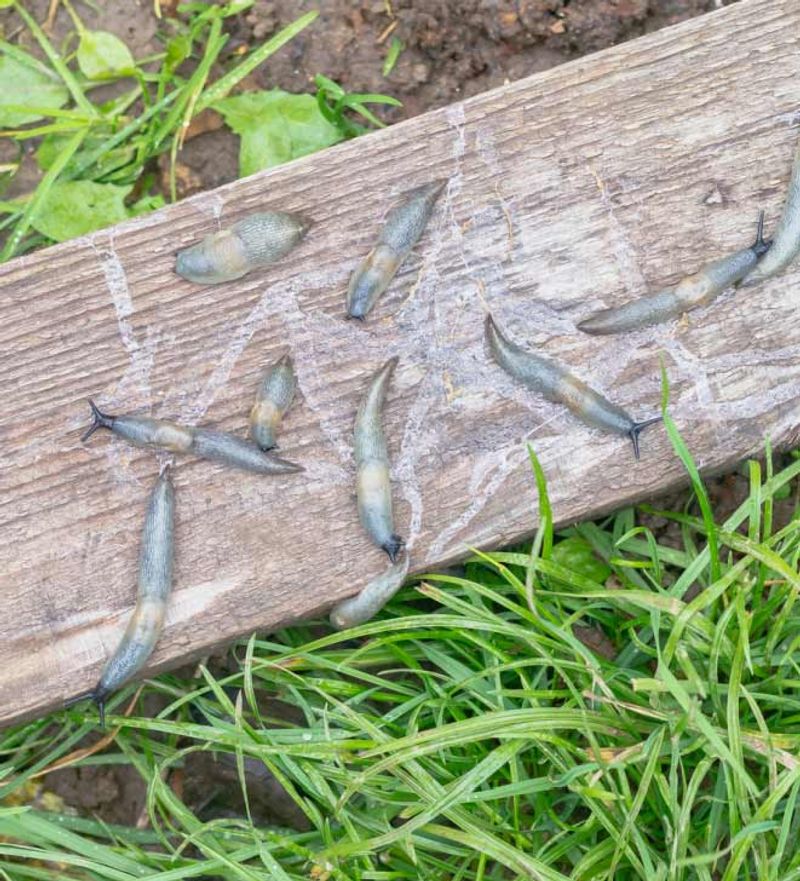
Here is something a lot of gardeners do not think about. That old board you left near the tomatoes, the cracked pot sitting on the edge of the bed, the flat stepping stone tucked between rows — each one is a potential slug hotel.
Slugs are expert hiders, and any flat object resting on damp soil becomes a prime daytime retreat.
In the cool, rainy conditions common in our state, boards and pots stay moist on the underside for hours or even days. Slugs gather there in large numbers.
At night they spread out across the bed and feed. By morning they are back under cover before you ever see them.
Go around your garden and lift every board, pot, and flat object near your beds. You may be surprised at what you find underneath.
Remove anything that does not need to be there. Store boards upright or off the ground.
Turn pots right-side-up or move them to a dry storage area when not in use.
If you use stepping stones in your beds, consider setting them on a layer of gravel rather than directly on soil.
Gravel drains quickly and does not stay as moist, making it less appealing for slugs to shelter under.
Reducing these hidden refuges around your beds forces slugs to travel further to find shelter, which exposes them to more risk and makes your control efforts far more effective overall.
5. Watering At Night Keeps Slugs Active Longer
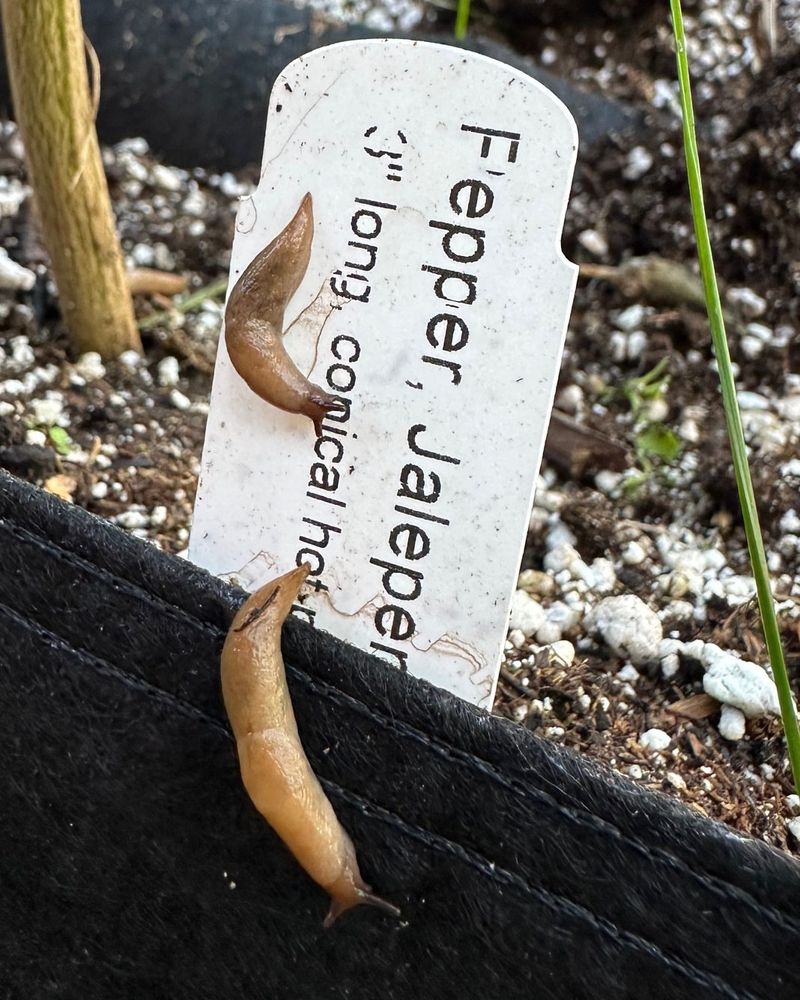
Timing your watering might seem like a minor detail, but it can make a surprisingly big difference when it comes to slugs. Slugs are most active at night, especially when the soil and foliage are wet.
Watering in the evening gives them the perfect conditions to feed for hours without interruption.
When you water at night, moisture sits on leaves and soil all through the dark hours. Slugs move freely across wet surfaces.
They find tender growth easily, lay eggs in the damp soil, and retreat back to cover before sunrise.
Wet nights are basically slug feeding events, and evening watering extends that window significantly.
Switching to morning watering is one of the easiest changes you can make. Water early so that the soil surface and foliage have time to dry out before evening.
Dry conditions at nightfall mean slugs have a harder time moving around and feeding. They prefer not to cross dry soil if they can avoid it.
Drip irrigation or soaker hoses are even better because they deliver water directly to the root zone without wetting the foliage or the surface widely. This keeps the upper layer of soil drier, which slugs find far less inviting.
In a region like ours where natural rainfall already provides plenty of moisture, being smart about when and how you add more water is a straightforward and cost-free way to reduce slug pressure noticeably.
6. Low Leaves Give Slugs A Bridge To Plants
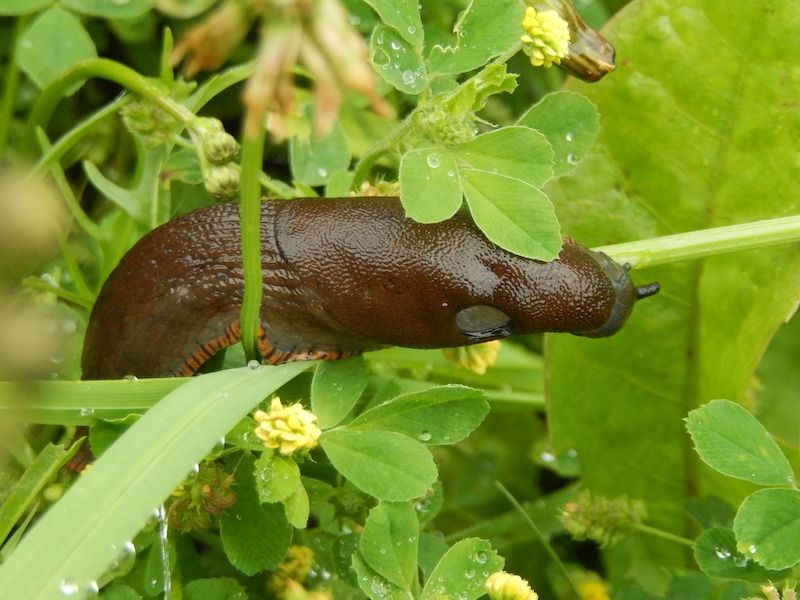
Low-hanging leaves that touch or brush the soil are like welcome ramps for slugs. Most people do not notice this problem until damage is already showing up on their plants.
A leaf resting on the soil gives slugs a direct path from the ground right up into the plant without ever having to cross open soil.
Open soil can be a barrier. If it is dry or treated with something rough like diatomaceous earth, slugs hesitate to cross it.
But a leaf bridge eliminates that barrier completely. Slugs crawl up easily, feed on tender foliage, and slide back down before morning. You never catch them in the act.
Pruning low leaves is a quick and effective habit to build. Go through your beds and trim any leaves that are touching or very close to the soil surface.
This is especially helpful for plants like kale, cabbage, lettuce, and zucchini, which tend to have large, sprawling lower leaves.
Staking plants upright also helps lift foliage off the ground. Tomato cages, bamboo stakes, and simple ties can make a real difference in keeping plants elevated.
For ground-hugging plants like strawberries, placing a layer of straw or pine needles under the fruit can reduce direct slug access while still protecting the berries.
Keeping that gap between leaves and soil is one of the most underrated slug prevention strategies, and it costs almost nothing to do consistently throughout the growing season.
7. Weedy Edges Let Slugs Move In Quietly
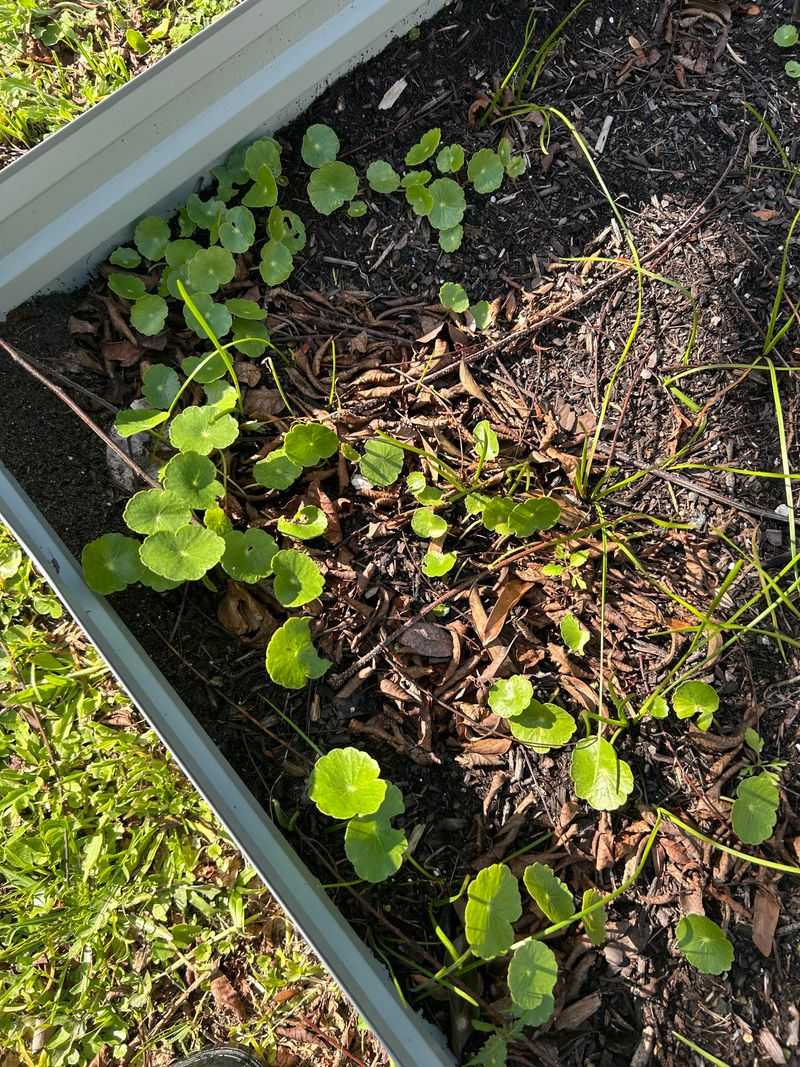
Weedy edges might look like just a cosmetic problem, but they are actually one of the main ways slugs get into your beds in the first place.
Dense weeds along the border of a garden bed provide exactly the kind of low, moist, shaded cover that slugs use to travel and hide during the day.
Our state’s climate keeps weeds growing almost year-round in many areas. Weeds like chickweed, creeping buttercup, and bittercress stay low to the ground and hold moisture well.
Slugs move through these weedy patches easily, staying hidden from birds and other natural controls. From there, stepping into your garden bed is a short trip.
Keeping your bed edges clean and clear is a powerful and often overlooked part of slug management. Pull weeds regularly, especially along the outer edges of beds.
A clear, dry border creates a gap that slugs must cross in the open, which makes them more vulnerable and less likely to make the journey.
Mowing or trimming the lawn or grass areas right next to your beds also helps. Tall grass near a garden edge acts just like weeds, offering shelter and a highway for slugs.
Some gardeners add a strip of gravel or bark chips along bed edges to create a dry, rough barrier.
That combination of regular weeding and a dry border edge can reduce slug movement into your beds more than almost any bait or trap alone.